
The intersection of environmental consciousness and interior design has evolved far beyond a niche trend. Today, sustainable home decor is a hallmark of sophisticated, intentional living. Creating a beautiful home no longer requires sacrificing the health of the planet or your personal finances. By prioritizing durability, natural materials, and the circular economy, homeowners can curate spaces that feel luxurious, grounded, and uniquely personal.
Sustainable design is fundamentally about making choices that endure. It is the antithesis of “fast furniture”—those mass-produced pieces designed for short lifespans and eventual landfill destination. Instead, eco-friendly decorating focuses on the beauty of imperfection, the warmth of organic textures, and the satisfaction of a DIY project. Here are eight stylish and cost-effective ways to transform your home into a sustainable sanctuary.
1. Vintage Finds

The most sustainable product is the one that already exists. Shopping for vintage or secondhand furniture is a powerful way to reduce your carbon footprint while infusing your home with character that cannot be replicated by big-box retailers. Antique shops, flea markets, and online marketplaces are treasure troves for high-quality craftsmanship.
Older furniture was often built with solid wood and traditional joinery, making it significantly more durable than modern particle-board alternatives. From a financial perspective, you can often acquire a high-end, “heirloom-quality” piece for a fraction of its original retail price. A simple coat of eco-friendly wax or a light sanding can breathe new life into a weathered find, making it a centerpiece of your design.
2. Organic Textiles
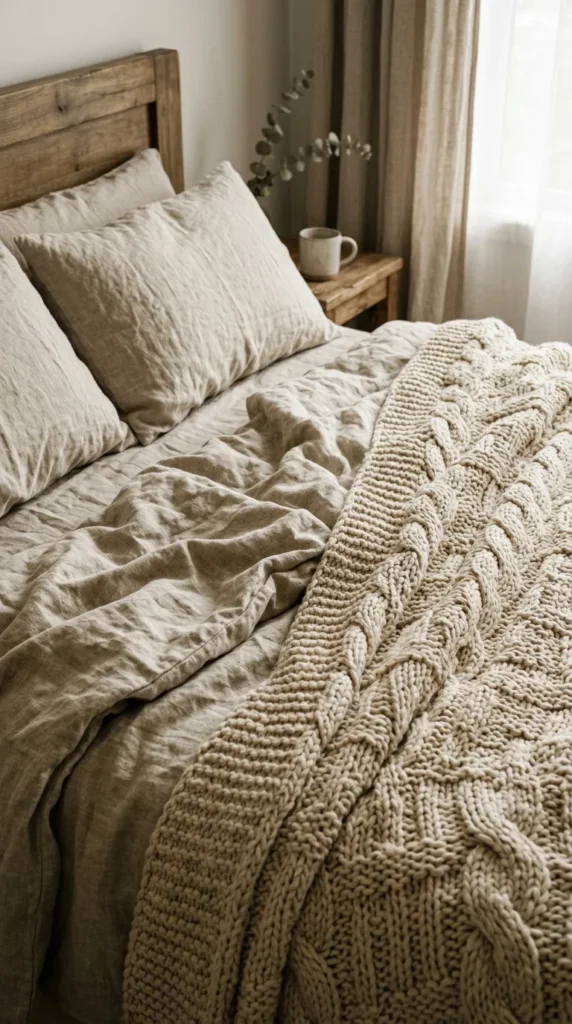
Textiles define the comfort of a home, but the conventional textile industry is one of the world’s largest polluters. To decorate sustainably, pivot toward natural, biodegradable fibers such as organic cotton, linen, hemp, and jute. These materials are grown without harmful pesticides and require less water than conventional alternatives.
Linen, derived from the flax plant, is particularly prized for its durability and timeless aesthetic. It becomes softer with every wash and possesses a natural texture that exudes “quiet luxury.” Investing in a few high-quality linen cushion covers or a jute area rug provides a tactile, earthy foundation for your room while ensuring that your decor won’t contribute to microplastic pollution when it eventually reaches the end of its life.
3. Living Greenery
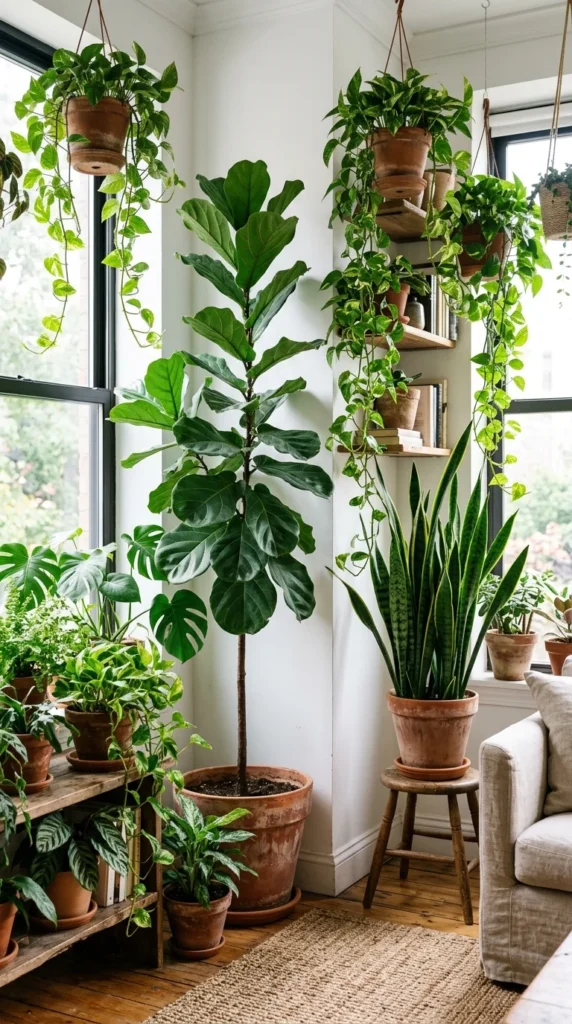
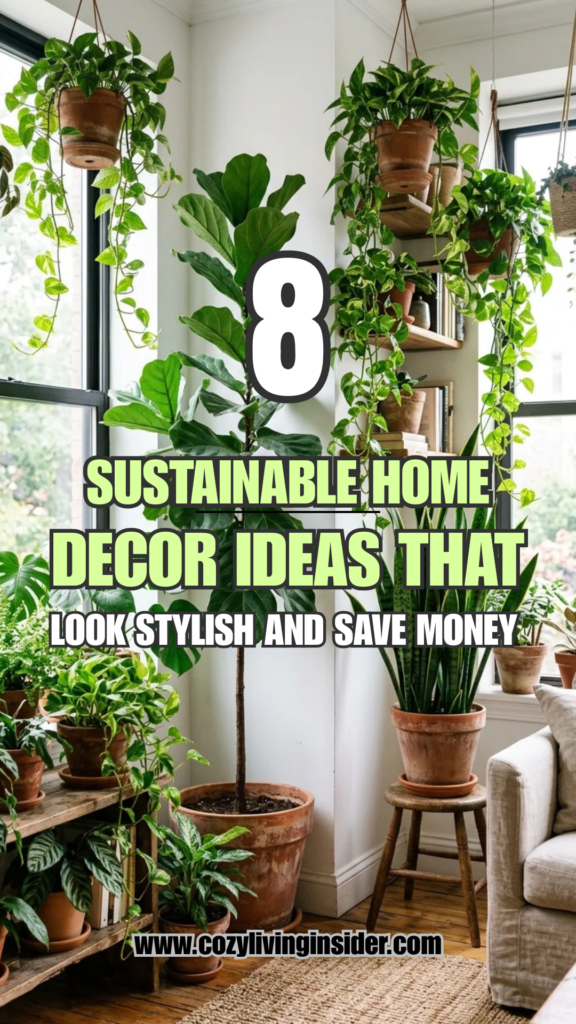
Biophilic design—the practice of connecting indoor spaces to the natural world—is a cornerstone of sustainable decor. Indoor plants are more than just aesthetic accents; they are functional decor pieces that improve air quality by filtering toxins and increasing humidity.
Instead of purchasing expensive, short-lived floral arrangements, invest in perennial houseplants. They are a one-time cost that continues to grow and evolve with your home. For those on a budget, plant “proplifting”—taking cuttings from friends’ plants and rooting them in water—is a completely free way to expand your indoor garden. Use clay or terracotta pots, which are natural and breathable, to complete the eco-friendly look.
4. Energy Efficiency
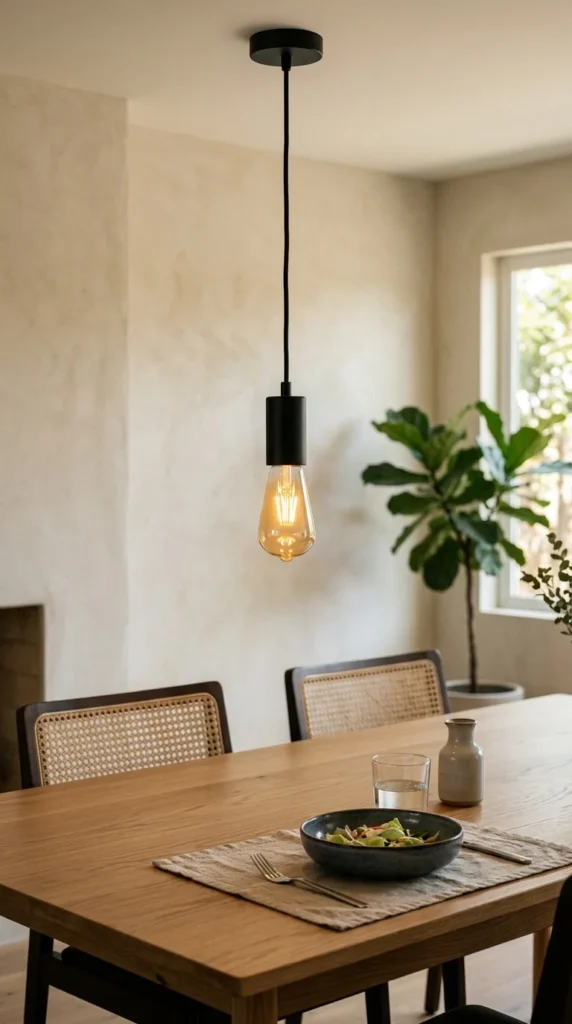
Sustainability also encompasses how your home functions. Lighting accounts for a significant portion of household energy use, and transitioning to eco-friendly options is one of the fastest ways to save money on utility bills. Replace incandescent bulbs with high-efficiency LEDs, which use up to 75% less energy and last 25 times longer.
Beyond the bulbs, consider the fixtures themselves. Look for lamps made from recycled glass, FSC-certified wood, or repurposed metals. Positioning mirrors strategically opposite windows can also maximize natural light, reducing the need for artificial lighting during the day. This “passive” decor strategy brightens the space and creates an airy, expansive feel without costing a dime.
5. Reclaimed Wood
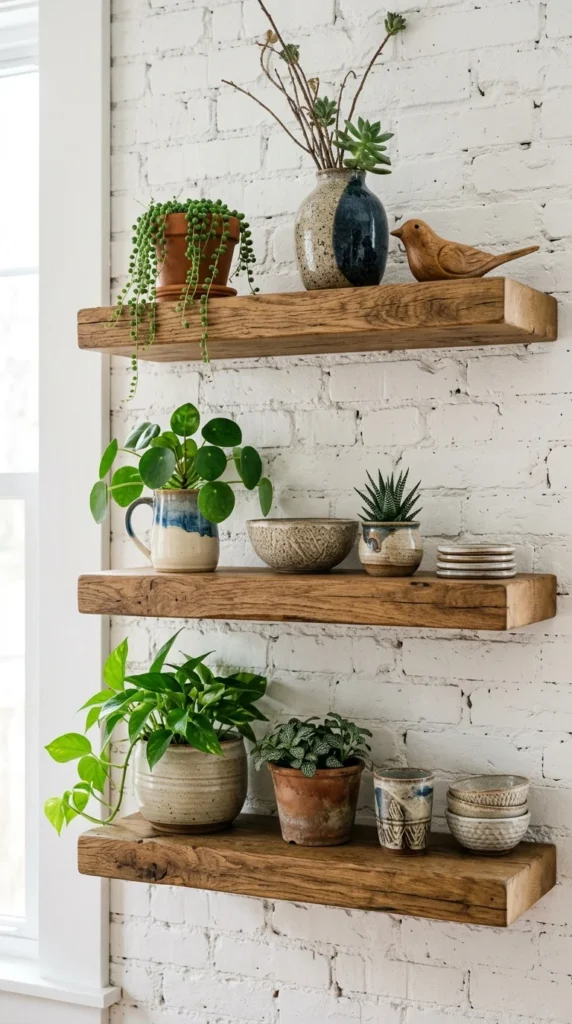
Reclaimed wood carries a history and a texture that new timber simply cannot match. Whether it’s sourced from old barns, shipping pallets, or fallen trees, using salvaged wood prevents the need for new deforestation and keeps valuable materials out of the waste stream.
Small-scale reclaimed wood projects are highly accessible for the average decorator. You can create stunning floating shelves, a rustic headboard, or even a simple dining table centerpiece. The natural knots, grain patterns, and weathering of reclaimed timber provide an instant focal point, adding warmth and an “industrial-chic” edge to modern interiors.
6. Conscious Walls
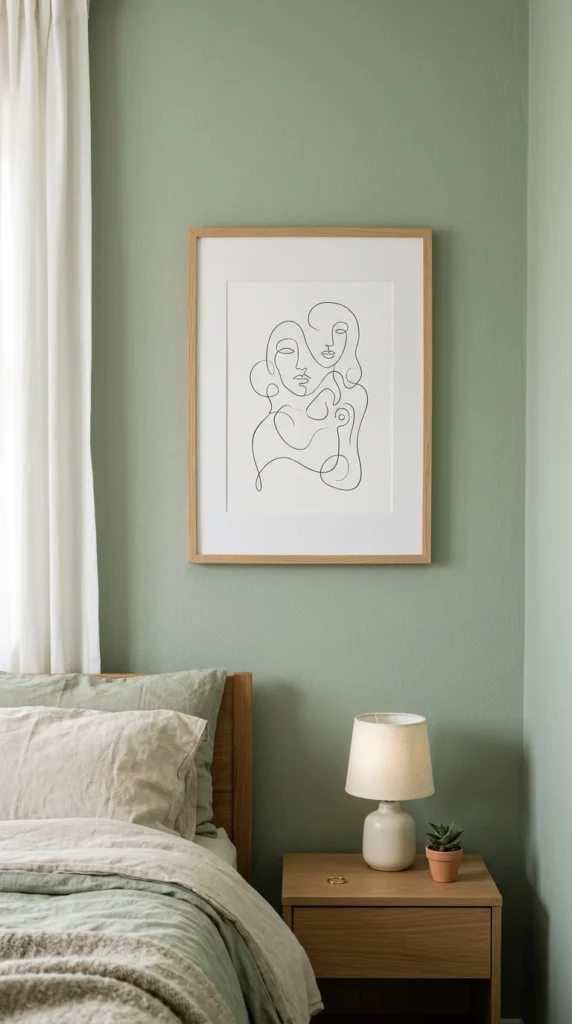
When it’s time to refresh your space with color, the choice of paint matters. Traditional paints often contain Volatile Organic Compounds (VOCs), which can off-gas harmful chemicals into your home for years. Opting for “Low-VOC” or “Zero-VOC” paints ensures a healthier indoor environment for your family and the planet.
For a truly sustainable approach, look into milk paint or clay-based paints. These are made from natural ingredients and offer a unique, breathable finish that works beautifully in rustic or Mediterranean-style homes. Additionally, consider “less is more” for wall decor. A single, large-scale piece of art or a curated gallery wall using upcycled frames creates a high-impact look without the need for excessive consumption.
7. Bamboo Accents
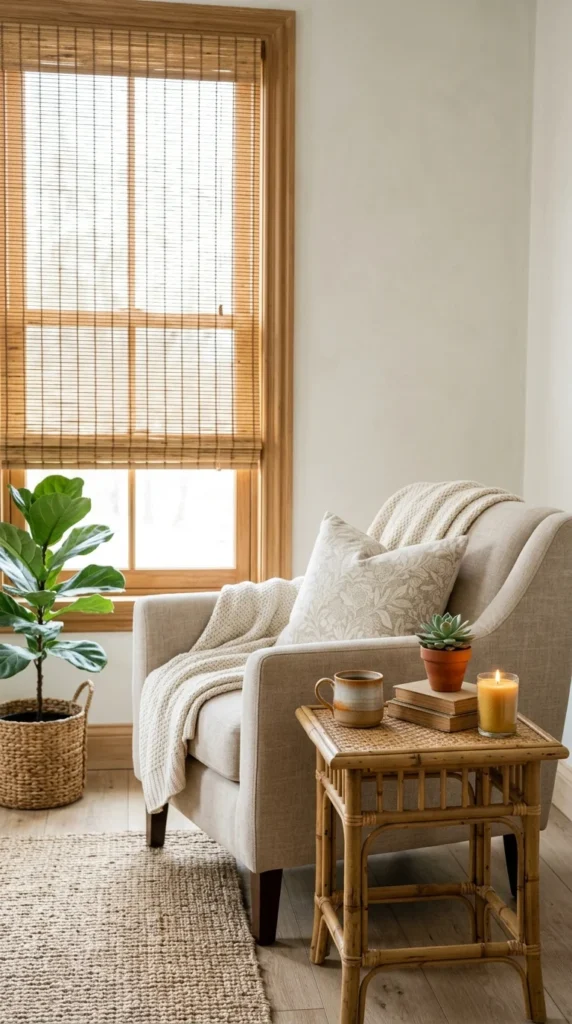
Bamboo is often cited as the “wonder material” of sustainable design. As one of the fastest-growing plants on earth, it can be harvested frequently without damaging the ecosystem. It is incredibly versatile, appearing in everything from flooring and furniture to window treatments and kitchenware.
Incorporate bamboo through small accents like woven baskets, window blinds, or even flooring. It has a natural, light-colored finish that fits perfectly with Scandinavian or coastal design styles. Because bamboo is exceptionally durable and moisture-resistant, it is a particularly smart choice for “high-traffic” areas like bathrooms and kitchens, offering a long-lasting return on investment.
8. Curated Simplicity
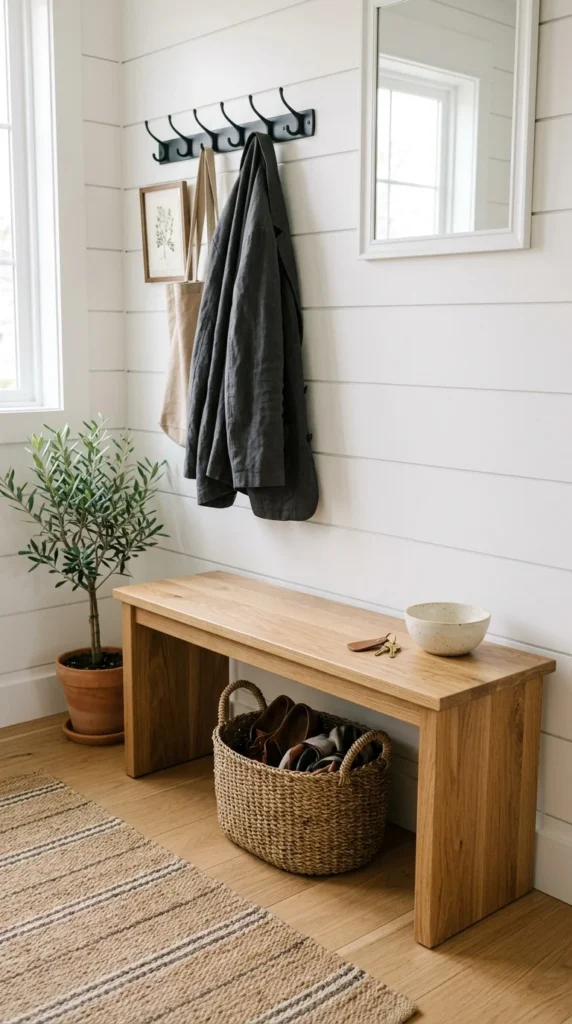
The ultimate sustainable decor philosophy is minimalism. By shifting your mindset from “more is better” to “quality over quantity,” you naturally reduce waste and spending. A curated home features only items that serve a purpose or bring genuine joy, leaving plenty of “negative space” for the room to breathe.
Before purchasing a new decor item, ask yourself if it is something you will still love in five years. This intentionality prevents impulsive purchases of trendy items that will soon feel dated. A few high-quality, sustainably sourced pieces—like a handcrafted ceramic vase or a solid wood bench—will always look more stylish than a room cluttered with cheap, plastic accessories. In the world of sustainable decor, simplicity is the ultimate sophistication.