


The modern interior design landscape is undergoing a significant transformation. As global awareness regarding environmental preservation grows, homeowners are increasingly seeking ways to harmonize aesthetic beauty with ecological responsibility. Sustainable home decor is no longer a niche trend; it is a sophisticated approach to living that prioritizes longevity, ethical sourcing, and the reduction of carbon footprints. Creating an eco-friendly sanctuary does not require sacrificing style. In fact, natural materials and artisanal craftsmanship often bring a level of warmth, texture, and soul that mass-produced items cannot replicate.
1. Reclaimed Wood
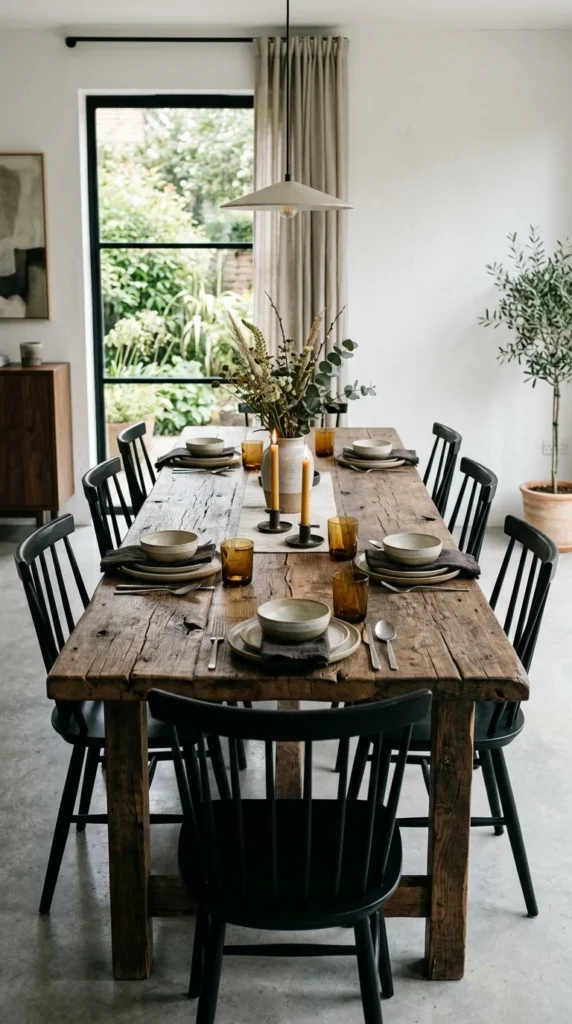
Reclaimed wood is one of the most impactful ways to introduce history and sustainability into your home. By repurposing timber from old barns, factories, or shipping pallets, you prevent new trees from being harvested and keep functional material out of landfills. Reclaimed wood possesses a unique patina and character that new lumber lacks. Whether used for flooring, shelving, or a statement dining table, it adds an earthy, grounded feel to any room.
2. Thrifted Finds
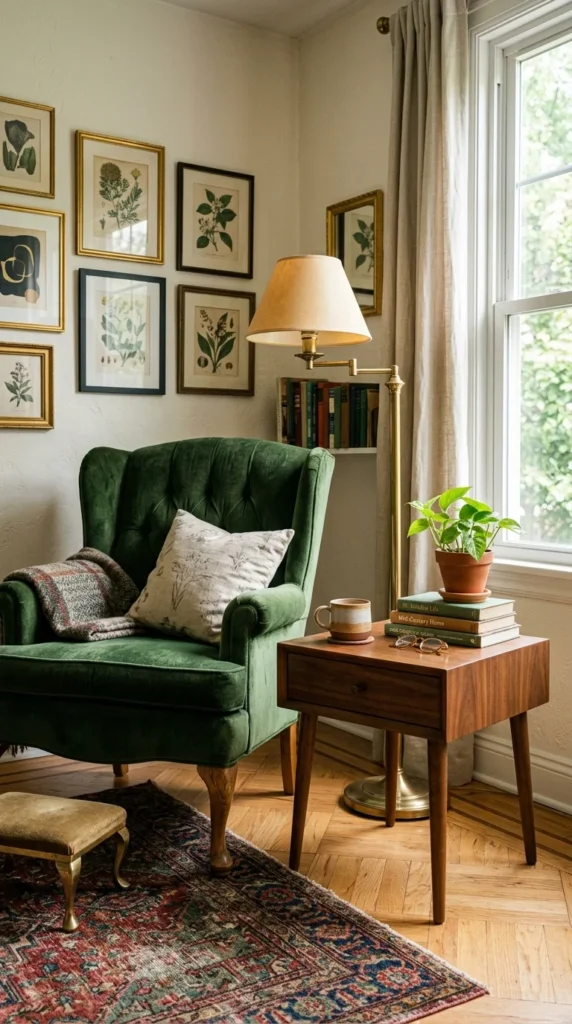
The most sustainable product is the one that already exists. Thrifting and antiquing are essential practices for the eco-conscious decorator. Scouring local flea markets, consignment shops, and online marketplaces allows you to find high-quality, solid-wood furniture and unique decorative accents that have stood the test of time. This circular economy approach reduces the demand for new manufacturing and ensures your home has a one-of-the-kind personality.
3. Indoor Plants
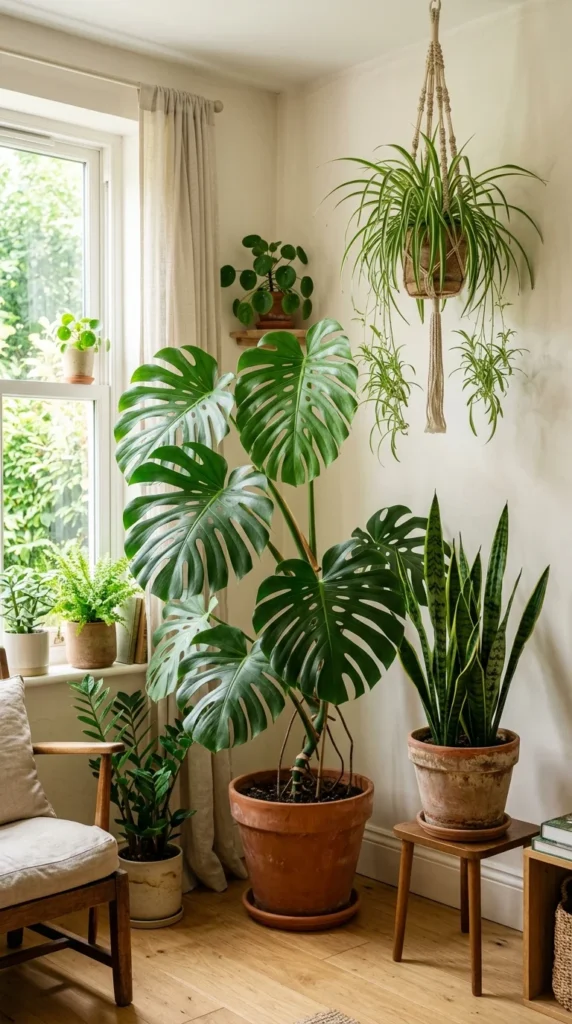
Plants are the ultimate living decor. Beyond their aesthetic appeal, they act as natural air purifiers, absorbing toxins and releasing oxygen. Incorporating greenery like Fiddle Leaf Figs, Sansevieria, or Pothos creates a literal connection to nature within your living space. To keep this practice truly sustainable, choose organic potting soil and use pots made from natural materials like clay, ceramic, or stone rather than plastic.
4. Organic Cotton
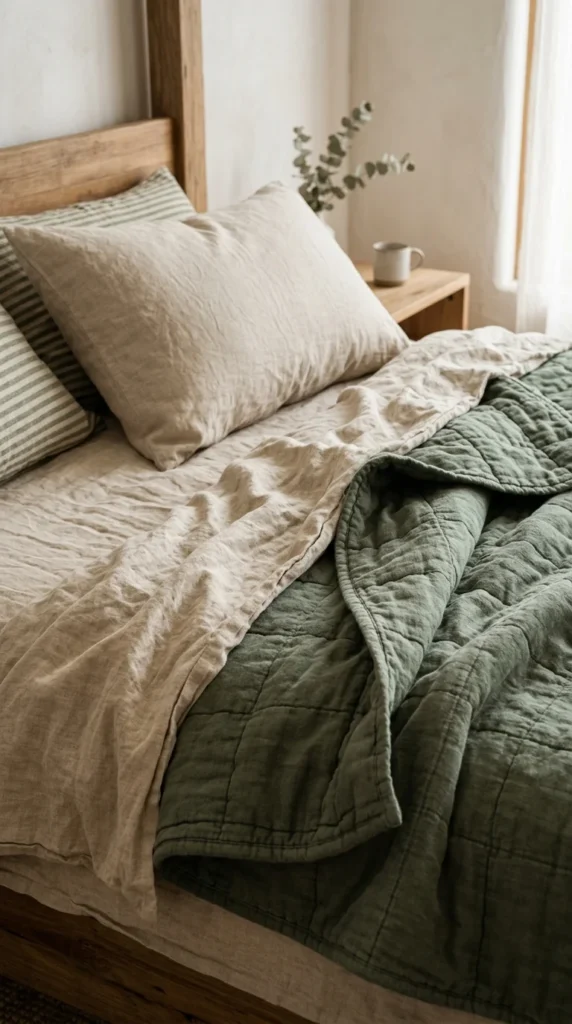
Traditional cotton production is one of the most chemically intensive processes in the textile industry. Switching to organic cotton for your bedding, towels, and throw pillows ensures that no synthetic pesticides or fertilizers were used during cultivation. Organic cotton is not only better for the planet but also better for your skin, as it is free from the chemical residues often found in conventional fabrics.
5. Bamboo Accents
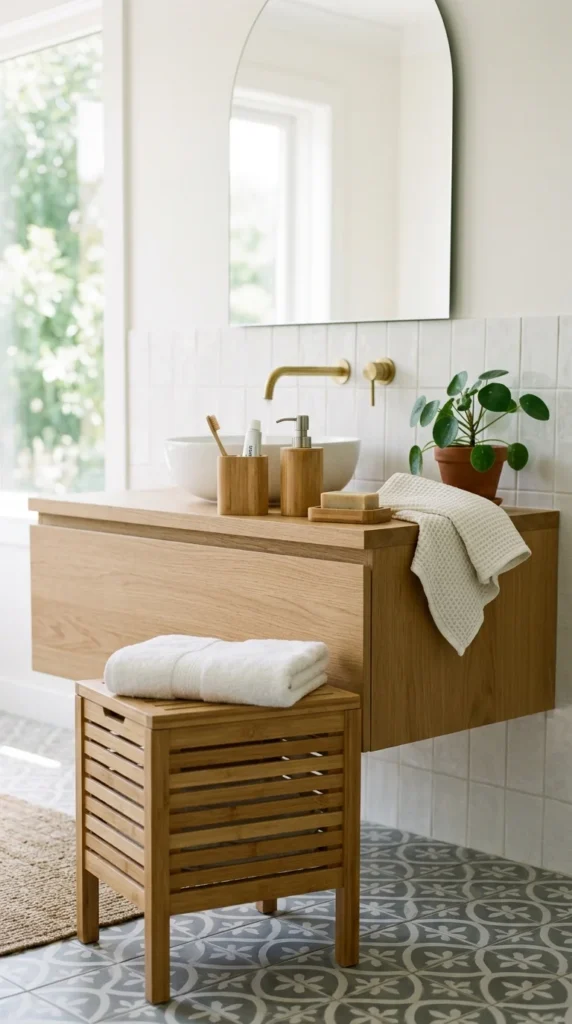
Bamboo is a powerhouse of sustainability. As one of the fastest-growing plants on Earth, it can be harvested every three to five years without damaging the ecosystem. It is incredibly versatile and can be used for everything from flooring and blinds to kitchen utensils and picture frames. Its light color and sleek grain make it a perfect fit for Scandinavian or Zen-inspired interiors.
6. Cork Flooring
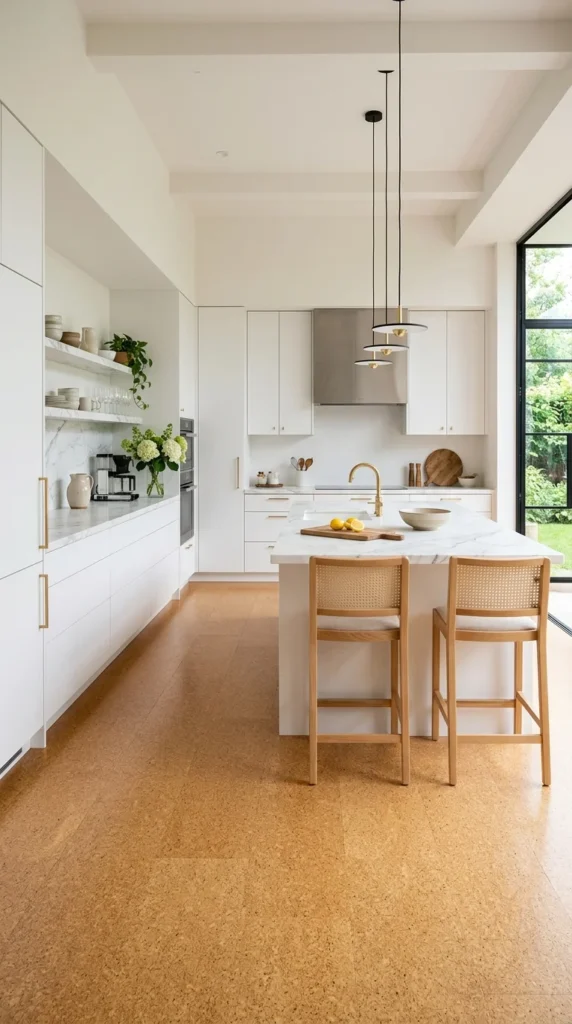
Cork is a remarkably sustainable material because it is harvested from the bark of the cork oak tree without harming the tree itself. The bark regenerates every nine years, making it a truly renewable resource. As a flooring material, cork is naturally antimicrobial, fire-resistant, and provides excellent thermal and acoustic insulation. It is soft underfoot, making it an ideal choice for kitchens and playrooms.
7. LED Lighting
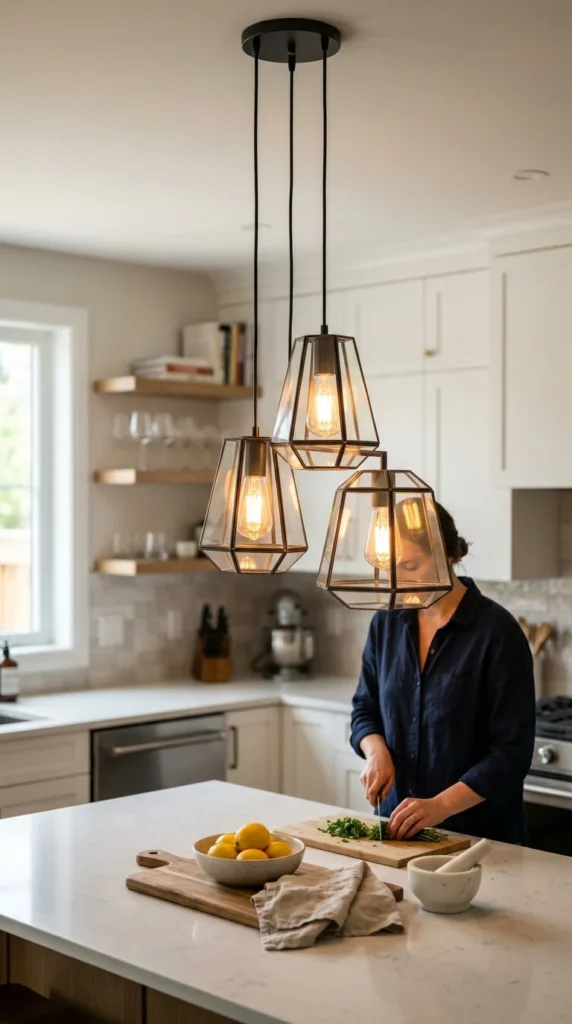
Energy efficiency is a cornerstone of an eco-friendly home. Replacing all incandescent and halogen bulbs with LED alternatives is a simple yet effective change. LEDs use up to 75% less energy and last 25 times longer than traditional bulbs. Today’s LED technology offers a wide range of color temperatures, allowing you to achieve a cozy, warm ambiance without the high energy bill.
8. Low-VOC Paint
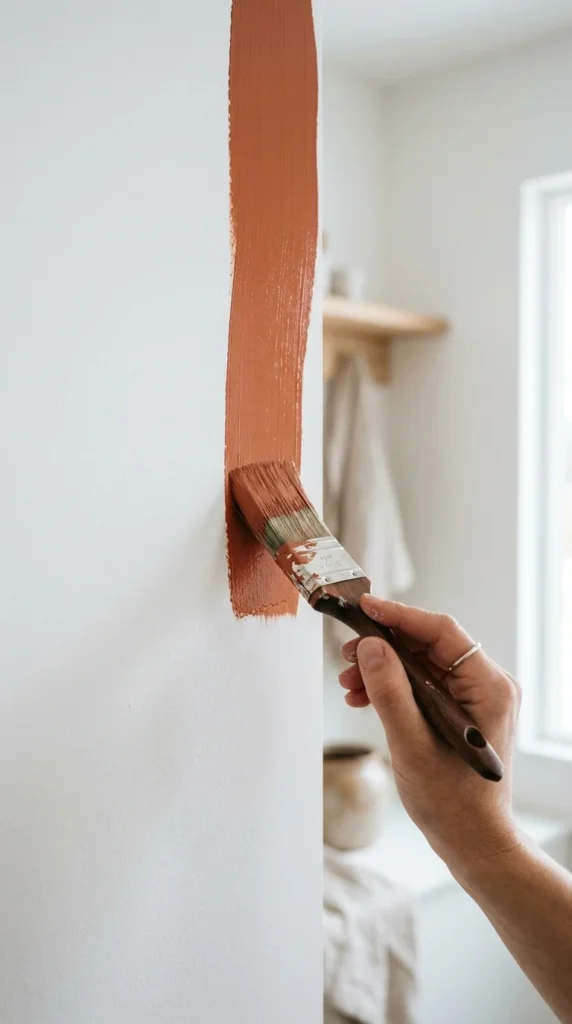
Volatile Organic Compounds (VOCs) are chemicals found in many traditional paints that “off-gas” into your home long after the paint is dry, contributing to indoor air pollution. Low-VOC or Zero-VOC paints use water as a carrier instead of petroleum-based solvents. Choosing these paints ensures a healthier indoor environment for your family while reducing the release of smog-forming chemicals into the atmosphere.
9. Upcycled Furniture
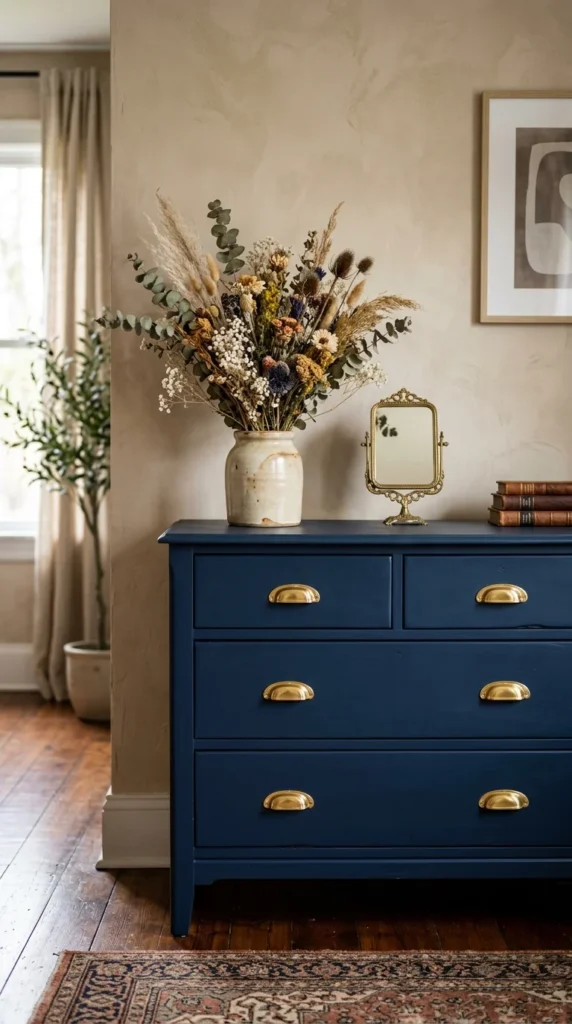
Upcycling is the art of taking something old or discarded and giving it a new life and higher value. Instead of throwing away a scratched coffee table or an outdated cabinet, consider sanding, painting, or reupholstering it. This creative process not only saves money but also prevents waste. Upcycled pieces often become the most talked-about elements in a home because of the story and effort behind them.
10. Linen Bedding

Linen is made from the flax plant, which requires significantly less water and fewer pesticides than cotton to grow. It is an exceptionally durable fabric that actually becomes softer and more beautiful with every wash. Linen is also biodegradable and recyclable. Its natural temperature-regulating properties make it a sustainable luxury that keeps you cool in the summer and warm in the winter.
11. Jute Rugs

Jute is a natural vegetable fiber that is biodegradable, compostable, and carbon-neutral. Jute rugs are prized for their durability and their ability to add organic texture to a space. They work exceptionally well in high-traffic areas and bring an effortless, coastal, or rustic vibe to living rooms and entryways.
12. Solar Powered

Harnessing the power of the sun isn’t just for rooftop panels. You can incorporate solar energy into your home decor through outdoor path lighting, string lights for patios, and even small solar-powered indoor chargers. This reduces your reliance on the electrical grid and utilizes a clean, infinite energy source to beautify your exterior and interior spaces.
13. Wool Textiles
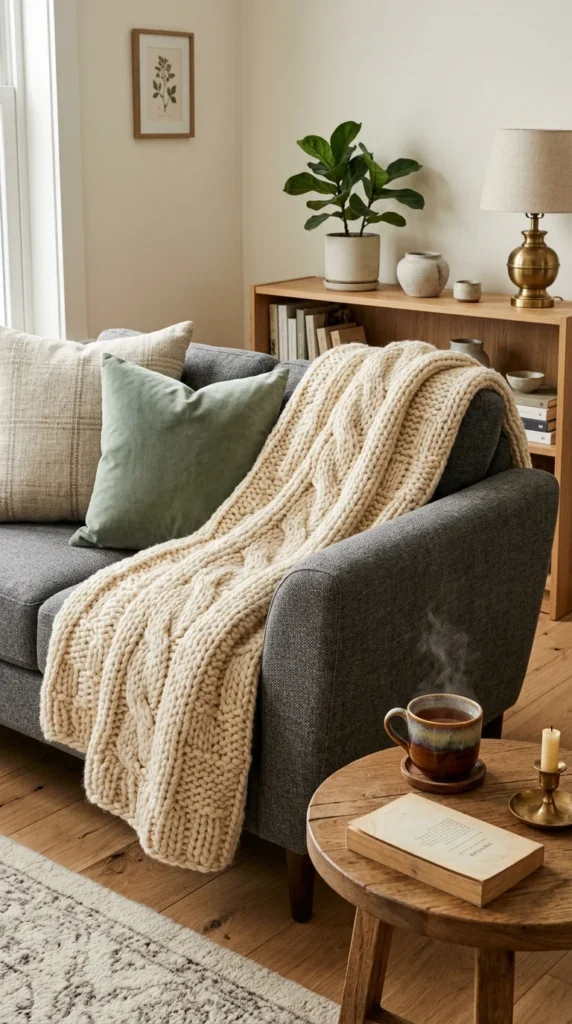
Wool is a renewable, biodegradable, and incredibly resilient fiber. When sourced from ethical farms, wool is a fantastic choice for rugs, blankets, and upholstery. It is naturally flame-retardant and soil-resistant, meaning it requires fewer chemical treatments. A high-quality wool rug can last for decades, reducing the need for frequent replacements.
14. Recycled Glass
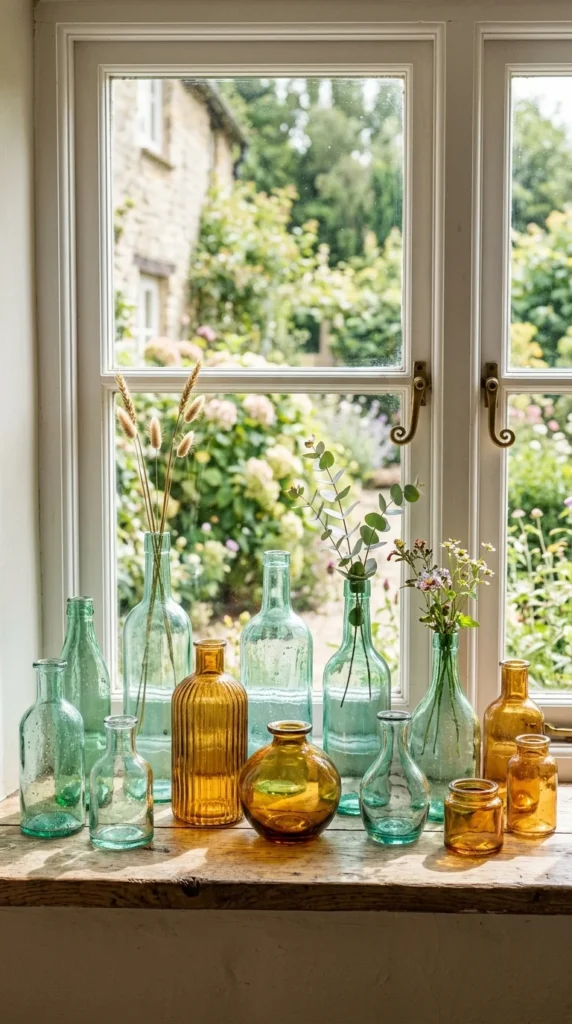
Glass can be recycled infinitely without losing its quality or purity. Decorating with recycled glass items—such as vases, glassware, or even decorative tiles—helps reduce energy consumption and raw material extraction. The slight imperfections and bubbles often found in recycled glass give it an artisanal, handcrafted charm that adds visual interest to shelves and tables.
15. Terracotta Pottery
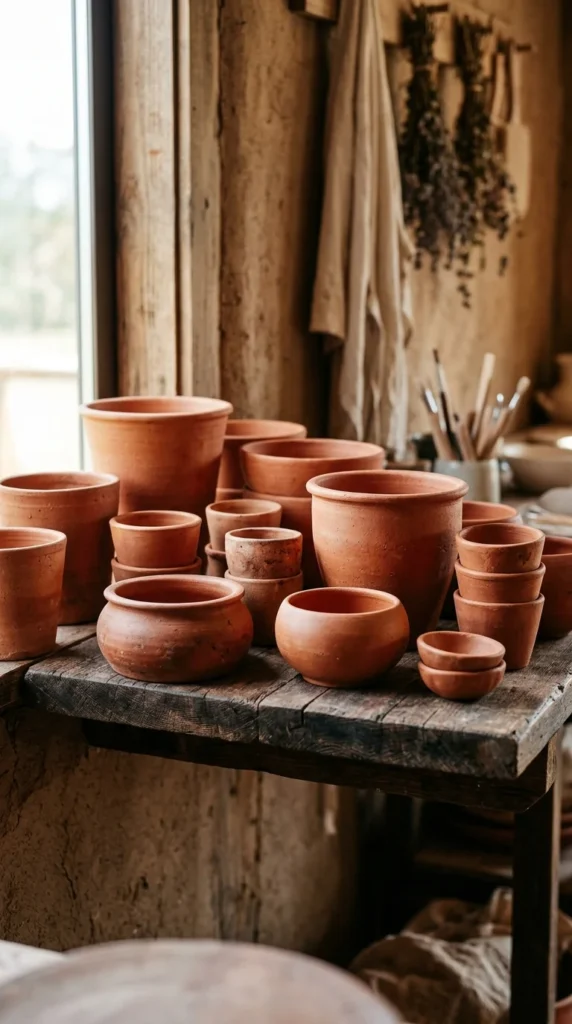
Terracotta, which translates to “baked earth,” is one of the oldest and most sustainable materials used in home decor. It is made from natural clay and fired at relatively low temperatures. Terracotta is fully biodegradable and plastic-free. Its warm, sun-baked hue complements almost any color palette, bringing an ancient, grounded aesthetic to modern homes.
16. Hemp Fabrics
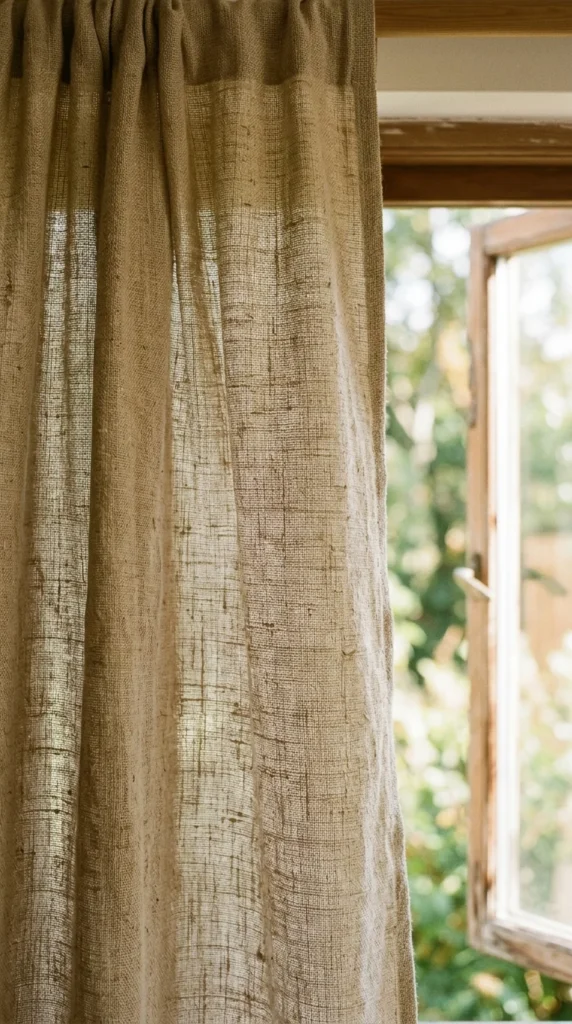
Hemp is one of the most environmentally friendly fabrics available. It grows rapidly, requires no pesticides, and actually enriches the soil it grows in. As a textile, hemp is incredibly strong and durable, making it excellent for curtains, upholstery, and even table linens. Like linen, it has a beautiful natural texture and becomes softer over time.
17. Rattan Furniture
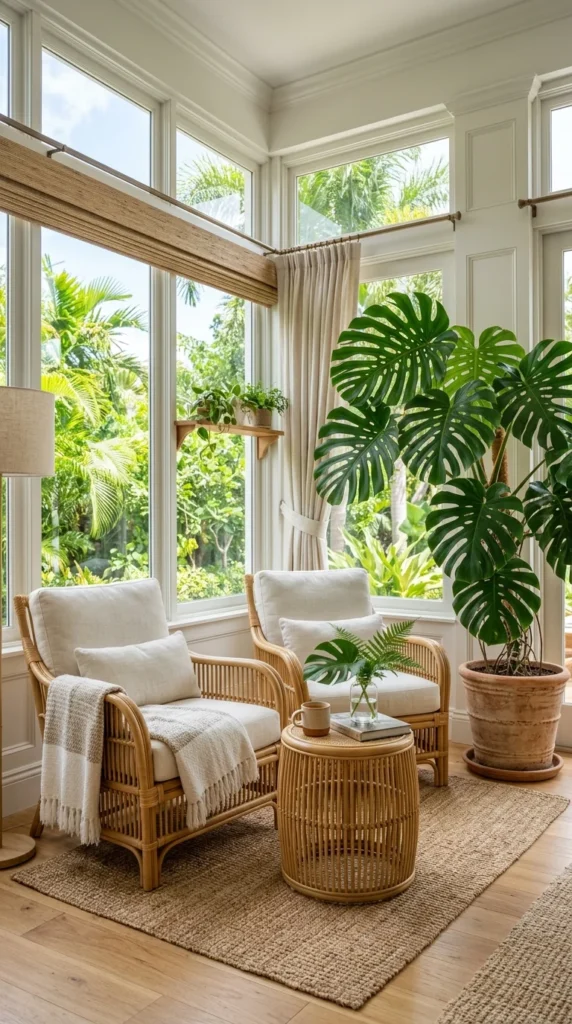
Rattan is a fast-growing, climbing palm that is harvested sustainably in tropical regions. It is a lightweight yet incredibly strong material that provides a livelihood for many local communities. Rattan furniture adds a relaxed, bohemian, or tropical feel to a home and is a great alternative to furniture made from slow-growing hardwoods.
18. Smart Thermostats

Sustainability also involves how you manage your home’s resources. A smart thermostat learns your habits and optimizes your heating and cooling schedules to save energy. By reducing unnecessary energy consumption, you lower your utility bills and your home’s overall environmental impact. It is a tech-forward way to live more consciously.
19. Natural Stone
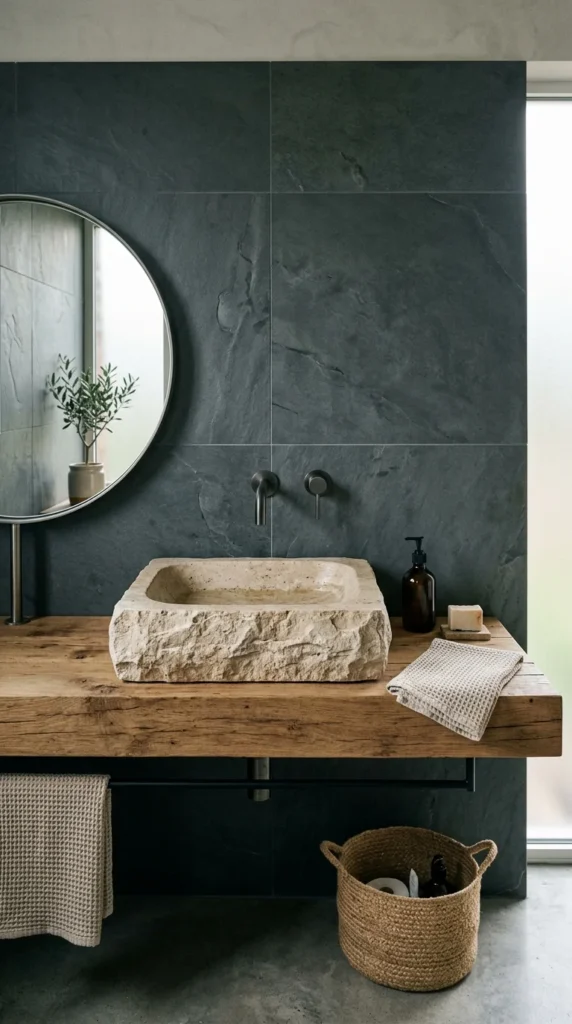
Natural stones like marble, granite, slate, and soapstone are incredibly durable and can last a lifetime. While stone extraction has an impact, the longevity of the material makes it a sustainable choice compared to synthetic alternatives that need frequent replacement. For the most eco-friendly option, look for stone sourced from local quarries to minimize transportation emissions.
20. Beeswax Candles
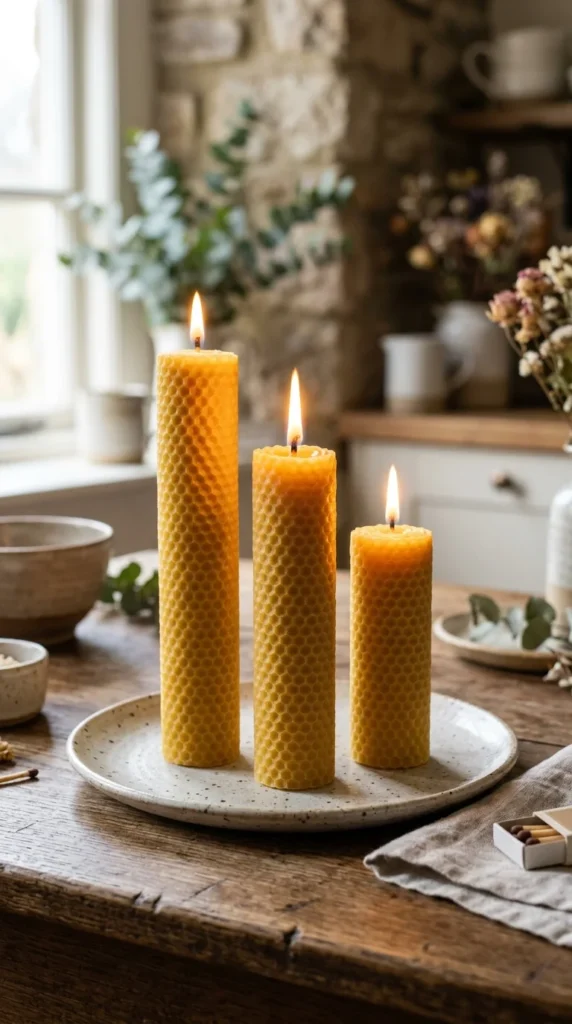
Most commercial candles are made from paraffin, a byproduct of petroleum that releases soot and toxins when burned. Beeswax candles are a natural, non-toxic alternative. They have a long burn time and emit a faint, sweet honey scent. Additionally, they release negative ions that help clean the air, making them a functional and beautiful addition to any room.
21. Tencel Curtains
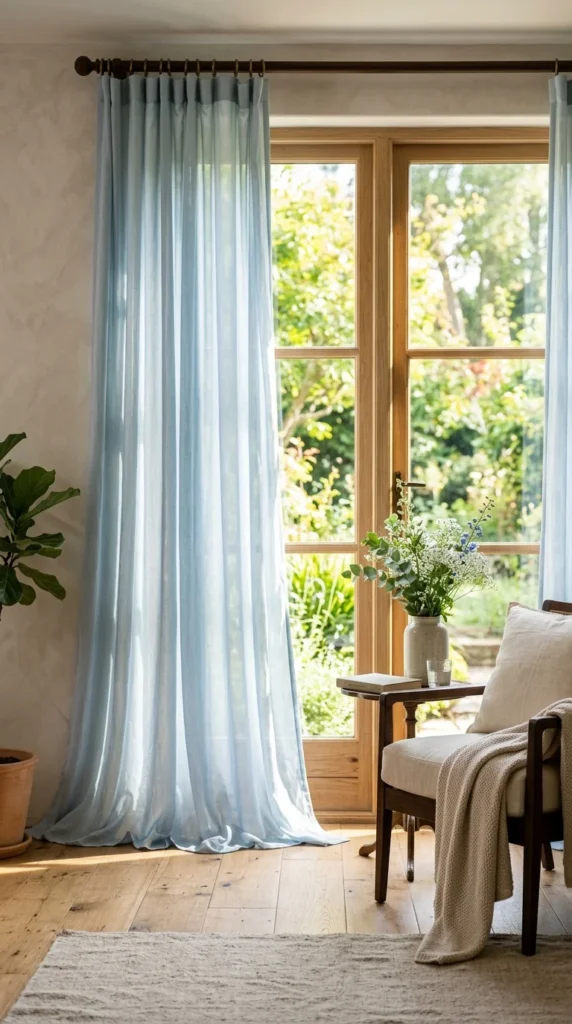
Tencel, or Lyocell, is a fiber made from sustainably sourced wood pulp, typically from eucalyptus trees. The production process uses a closed-loop system where 99% of the water and solvents are recycled. Tencel is known for its silky-smooth feel and beautiful drape, making it a luxurious and eco-friendly choice for window treatments and decorative textiles.
22. Local Artisans
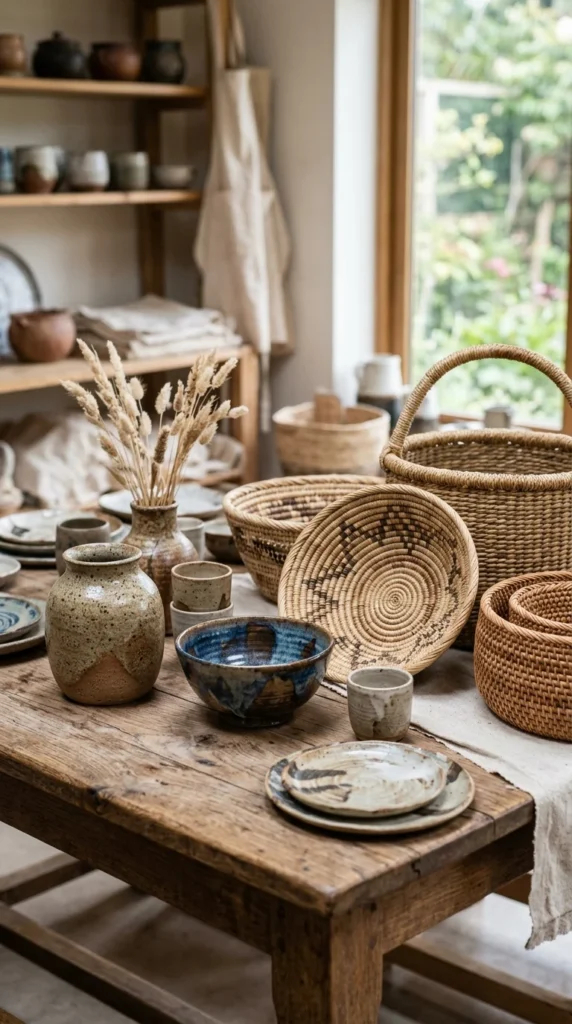
Supporting local artisans is a vital part of sustainable living. Purchasing handmade goods from creators in your community reduces the carbon footprint associated with shipping and supports the local economy. Whether it’s hand-thrown pottery, woven baskets, or original artwork, these pieces carry the soul of the maker and ensure that traditional crafts continue to thrive in a mass-produced world.