
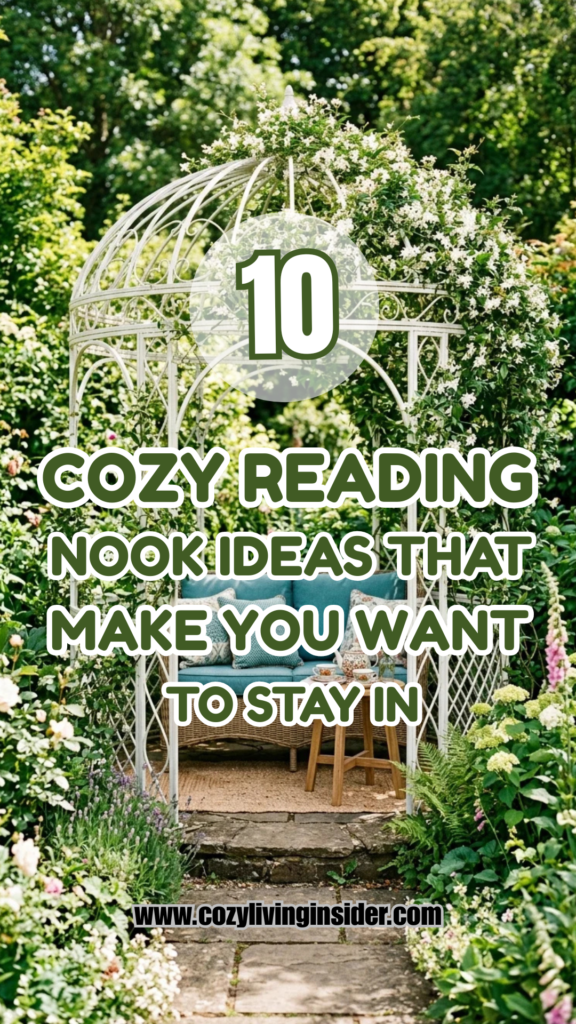

In an era of digital saturation and constant connectivity, the quiet allure of a reading nook has never been more profound. A reading nook is more than just a place to sit; it is a dedicated sanctuary designed to facilitate deep focus, relaxation, and a temporary escape from the demands of everyday life. Whether you live in a sprawling estate or a compact city apartment, creating a specialized corner for literature can significantly enhance your home’s ambiance and your personal well-being.
Creating the perfect nook requires a delicate balance of ergonomics, lighting, and sensory details. It is about curated comfort—combining the tactile sensation of a soft blanket with the visual appeal of organized books and the practical necessity of a well-placed lamp. Below, we explore ten sophisticated and cozy reading nook ideas that will transform your home into a bibliophile’s paradise.
1. Window Seats
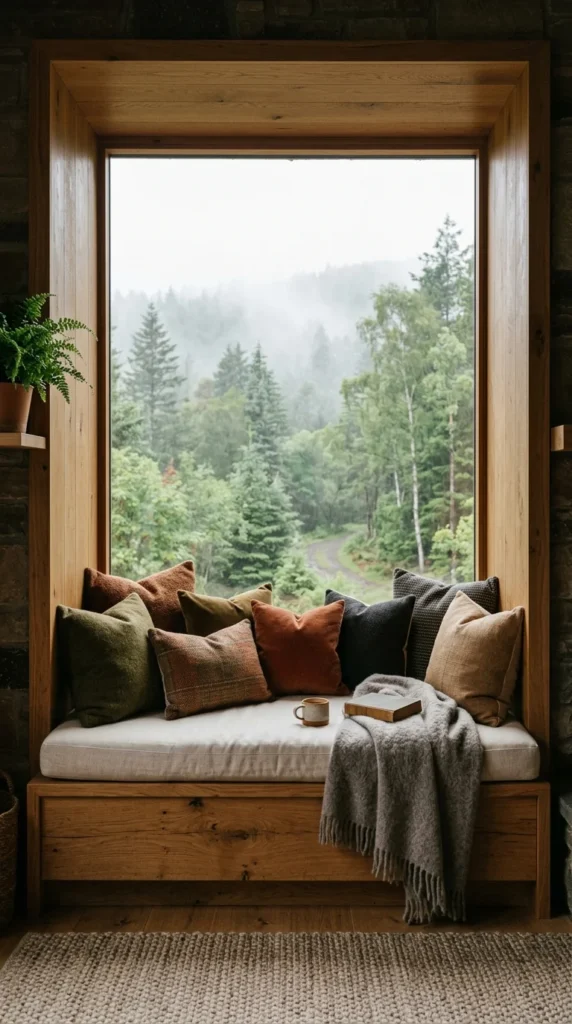
The window seat is perhaps the most iconic reading nook configuration. By utilizing the natural light provided by a bay window or a deep sill, you create a space that feels connected to the outdoors while remaining sheltered and warm. Natural light is the gold standard for reading during the day, reducing eye strain and boosting mood-regulating serotonin.
To optimize a window seat, invest in high-quality, custom-fitted upholstery. A medium-density foam ensures that you can sit for hours without discomfort. Incorporate built-in drawers beneath the seat to store extra blankets or your “to-be-read” pile, keeping the surrounding area clutter-free.
2. Attic Retreats
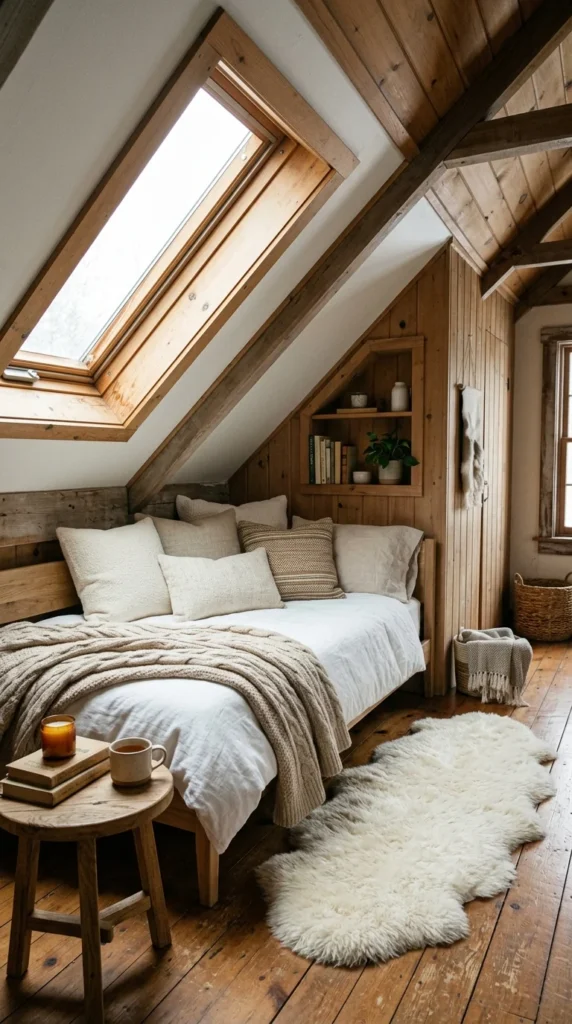
Attics possess an inherent sense of seclusion. The sloped ceilings and architectural quirks of a finished attic make it an ideal location for a private getaway. Because these spaces are often removed from the main traffic flow of the house, they offer the silence necessary for absorbing complex narratives.
When designing an attic nook, work with the architecture rather than against it. Place your seating directly under a skylight to capture the zenith of daylight. Use low-slung furniture to accommodate the varying ceiling heights, and lean into a “bohemian” or “cabin” aesthetic with warm wood tones and textured fabrics to enhance the natural coziness of the space.
3. Closet Conversions
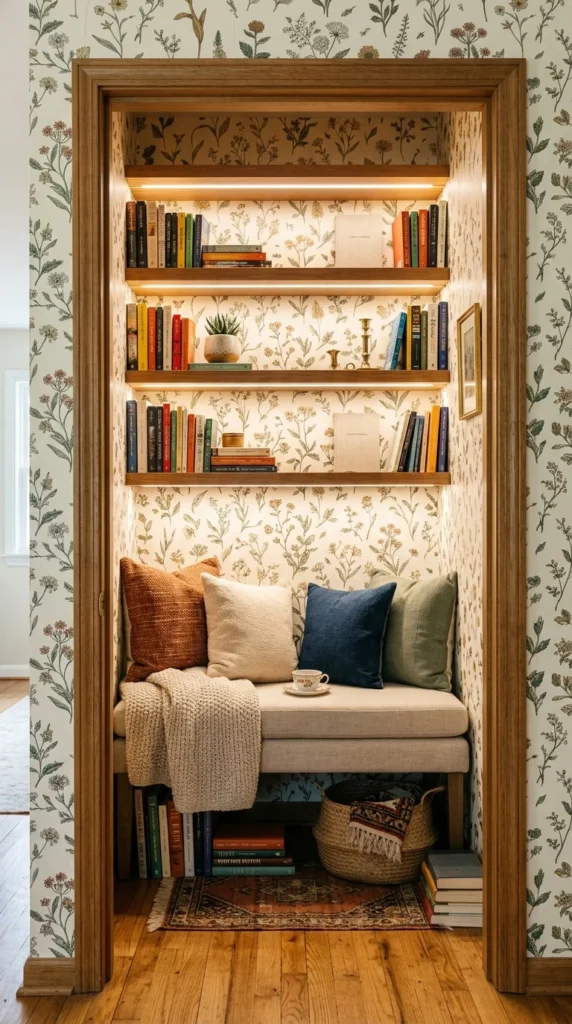
For those living in smaller spaces, the “cloffice” (closet-office) has a more relaxed cousin: the “clook” (closet-nook). By removing the doors of a standard reach-in closet and adding a bench, lighting, and some shelving, you can create a surprisingly spacious retreat that doesn’t consume any additional square footage in the room.
To make a closet conversion feel intentional rather than cramped, use a bold wallpaper or a contrasting paint color inside the alcove. This visual distinction defines the space as a separate “room.” Add a dimmable wall sconce to provide focused light without the need for a bulky floor lamp.
4. Hanging Chairs
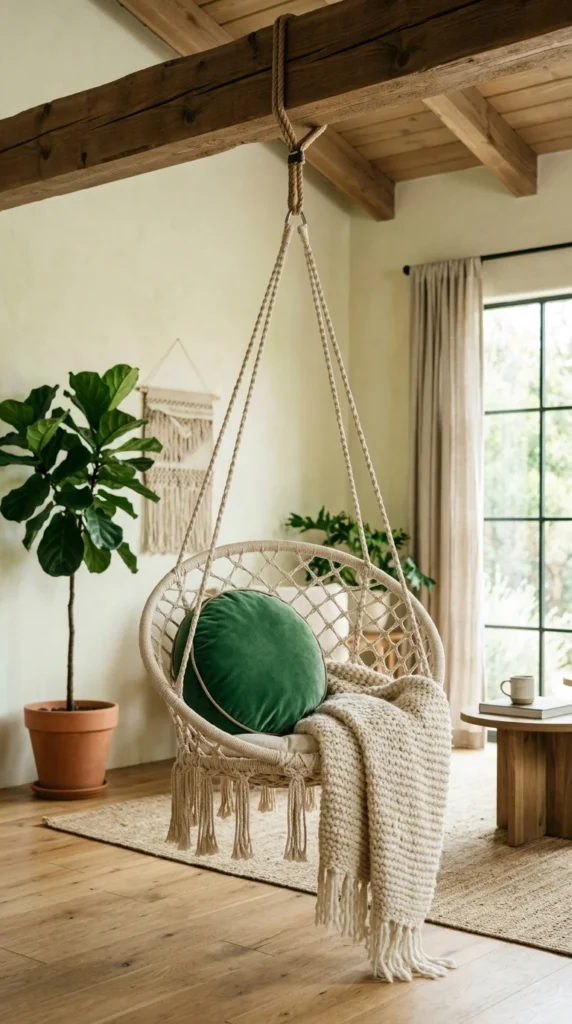
Movement can be incredibly soothing for the mind. A hanging chair—whether it’s a bohemian macrame design or a sleek, mid-century modern acrylic bubble—adds a playful and relaxing element to a reading nook. The gentle swaying motion mimics a rocking chair, which has been shown to lower stress levels.
Position a hanging chair in a corner with enough clearance from the walls to allow for slight movement. Pair it with a small, sturdy side table that is low enough to reach while suspended. Since hanging chairs can feel “airy,” grounding the space with a plush area rug underneath will make the nook feel more established and cozy.
5. Floor Cushions
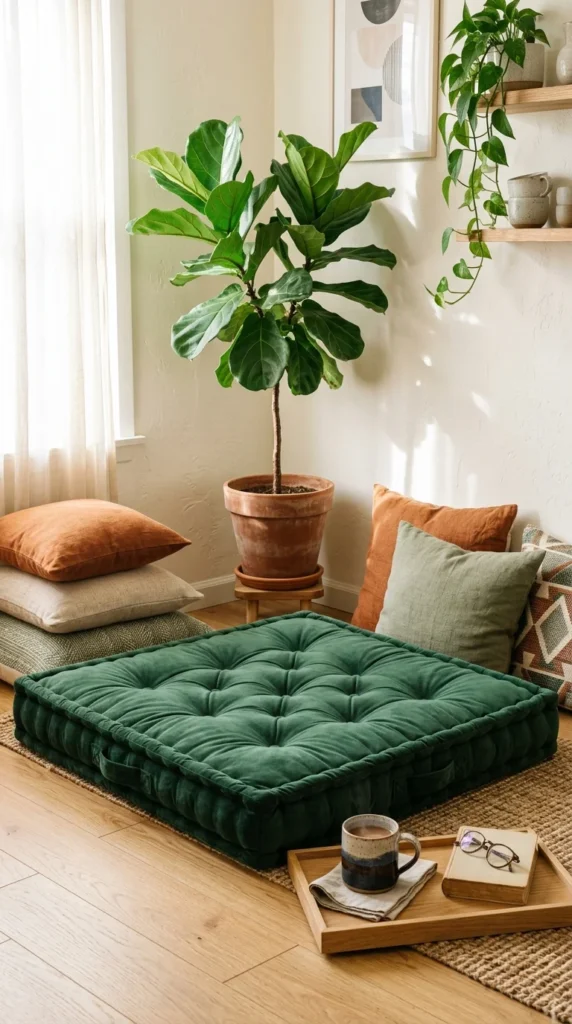
Minimalist and highly versatile, a floor-based reading nook focuses on “hygge” through layers of textiles. This setup is particularly effective in homes with a modern or Japanese-inspired aesthetic. By lowering your center of gravity, you create a grounded, relaxed environment that feels informal and inviting.
The key to a successful floor nook is the quality of the base. Instead of a single pillow, use a thick floor mattress or a “papasan” cushion. Layer different textures—such as linen, wool, and faux fur—to create a sensory experience. This setup is also highly portable, allowing you to move your reading spot according to where the light is best.
6. Library Walls
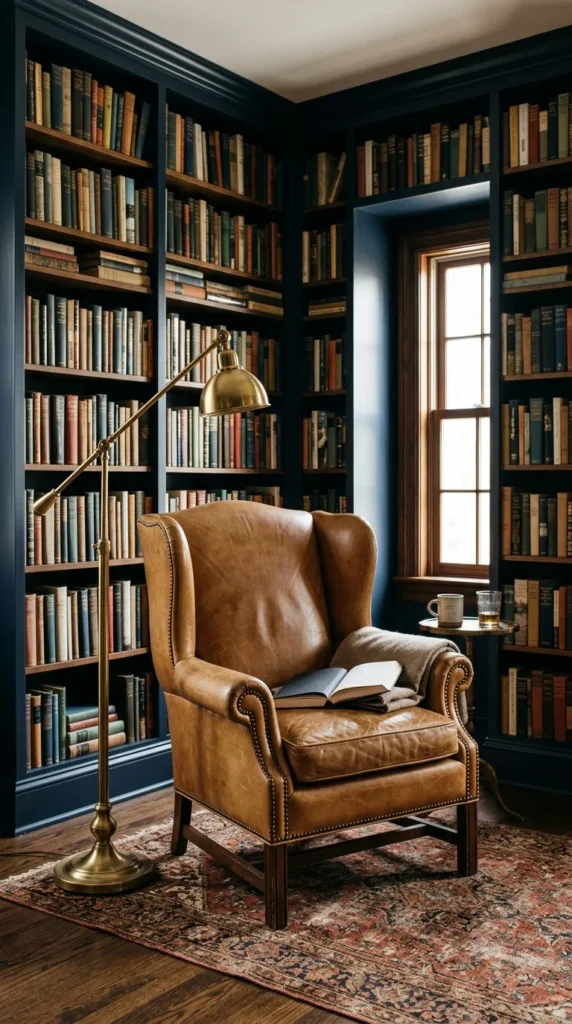
If you have an extensive collection of physical books, let the books themselves form the “walls” of your nook. Surrounding yourself with your library provides a sense of intellectual comfort and acoustic insulation; books are excellent at absorbing sound, making your reading corner even quieter.
Create a “nest” by placing a comfortable armchair between two tall bookshelves. This creates a semi-enclosed feel without the need for actual walls. Use a dedicated task lamp with an adjustable arm so you can direct light specifically onto the pages of your book, leaving the rest of the room in a soft, ambient glow.
7. Garden Gazebos
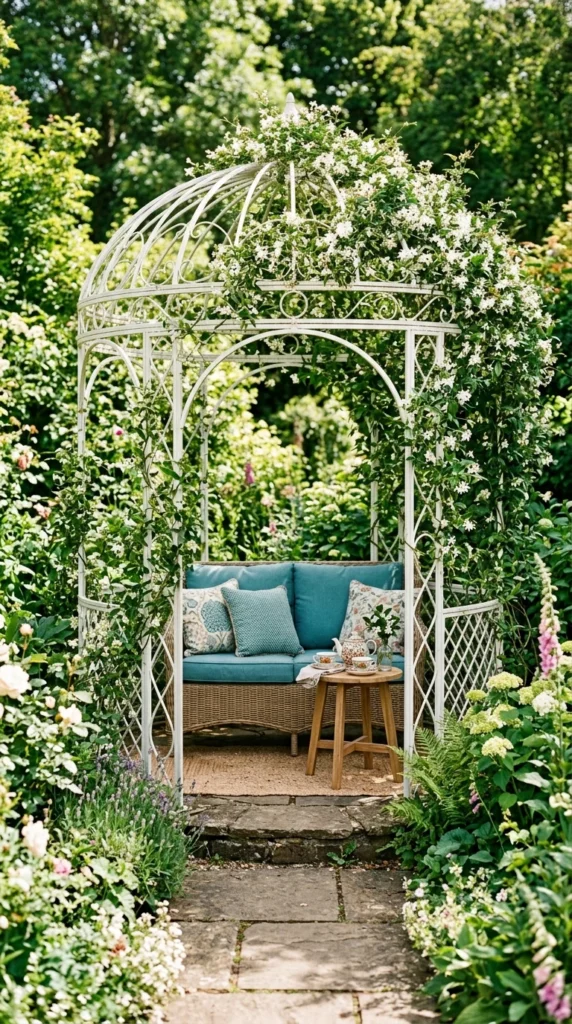
Reading outdoors offers the added benefits of fresh air and the “white noise” of nature—rustling leaves, chirping birds, and the breeze. An outdoor reading nook can be a permanent structure like a gazebo or a simple setup on a shaded porch.
To ensure your outdoor nook is as inviting as your indoor one, use high-quality outdoor fabrics that mimic the feel of indoor textiles. A weather-resistant rug can define the space, while a garden stool serves as a perfect waterproof side table. Consider adding a mosquito net or a sheer outdoor curtain to provide shade and privacy.
8. Classic Wingbacks
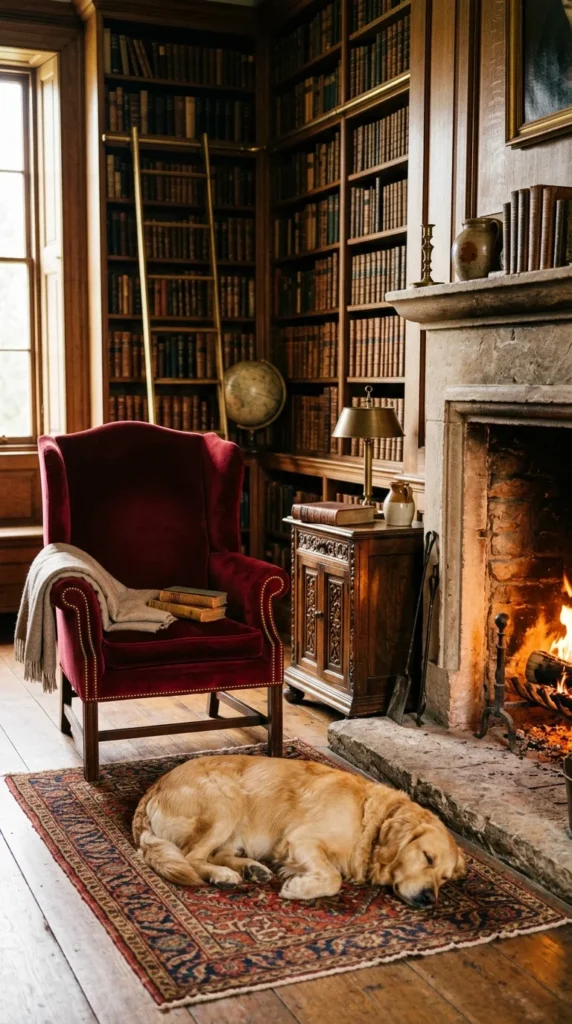
There is a reason the wingback chair has remained a staple of libraries for centuries. The “wings” were originally designed to trap heat from a fireplace and protect the sitter from drafts. Today, those wings provide a sense of enclosure and a place to rest your head during a long reading session.
To modernize this look, choose a wingback chair in a bold color or a contemporary fabric like performance velvet. Pair it with an ottoman; elevating your feet improves circulation and allows for a more relaxed posture. This classic setup works best in a quiet corner of a study or a primary bedroom.
9. Under-Stair Alcoves
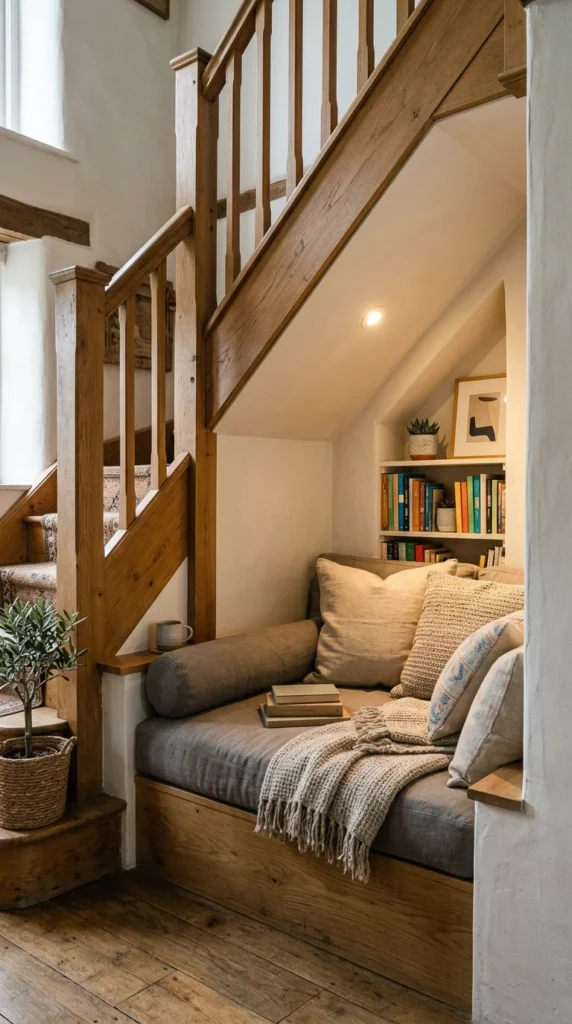
The space under a staircase is often wasted or used for chaotic storage. However, its small dimensions and sloping ceiling make it the perfect “secret” reading spot. It offers a sense of whimsy and architectural interest that is hard to replicate elsewhere in the house.
Lighting is crucial in an under-stair nook, as these areas often lack natural windows. Use a combination of recessed LED puck lights for general brightness and a small, clip-on reading light for focused tasks. If the space is deep enough, a twin-sized mattress can turn the nook into a multi-functional reading and napping daybed.
10. Canopy Drapes
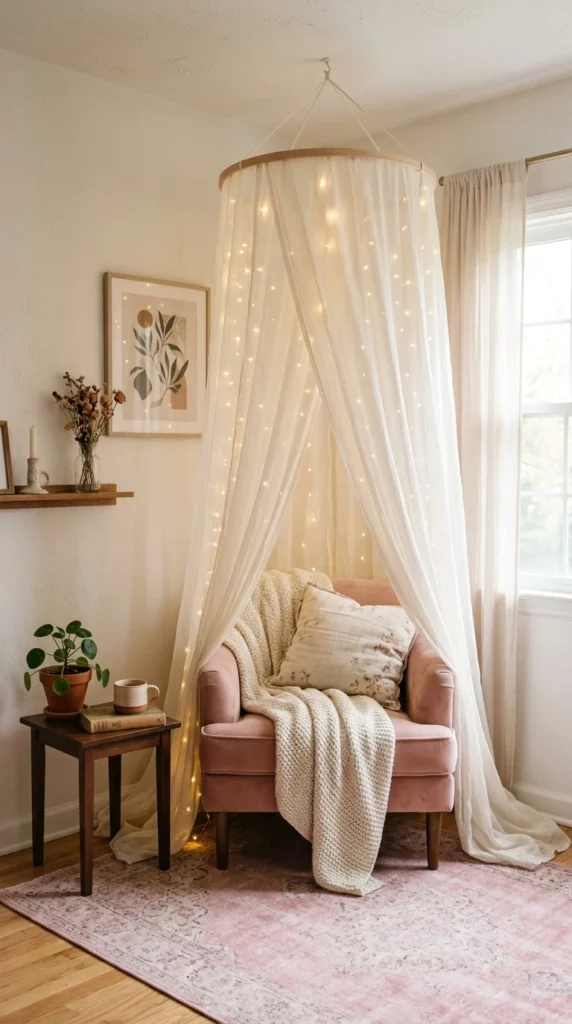
Adding a canopy is the easiest way to create a “room within a room.” It provides a visual and physical barrier that signals to your brain that it is time to disconnect from the world and focus on your book. Canopies are not just for children’s rooms; when executed with sophisticated fabrics, they look elegant and mature.
Use sheer, breathable fabrics like linen or high-quality cotton to avoid making the space feel too hot. The fabric should drape generously onto the floor to create a soft, pooled effect. For an extra touch of magic, weave a string of warm-toned micro-LED “fairy lights” through the drape to create a soft glow that is perfect for evening reading.
Essential Tips for the Ultimate Reading Nook
Regardless of which style you choose, every successful reading nook shares three core elements:
- Proper Task Lighting: Always ensure you have a light source that shines directly on your book from behind or the side to prevent glare and eye strain.
- Tactile Comfort: Incorporate at least one high-quality throw blanket and several pillows of varying firmness to support your back and neck.
- A Surface for Refreshments: Every reader needs a place to set down a cup of tea, a glass of wine, or a snack. A small side table or even a sturdy stack of books can serve this purpose.
By dedicating a specific area of your home to the art of reading, you are not just decorating; you are prioritizing your mental health and fostering a lifelong love of literature.