
The interior design world has shifted away from the stark, clinical grays of the last decade toward warmer, more organic neutrals. At the forefront of this movement is “mushroom”—a sophisticated blend of gray, beige, and brown that mimics the earthy tones of the forest floor. Mushroom is the ultimate “greige,” offering a versatility that feels both timeless and modern.
Choosing a mushroom palette for your living room creates a backdrop that is calming yet full of depth. It is a designer’s favorite because it reacts beautifully to changing light throughout the day, appearing cool and crisp in the morning and warm and cozy by evening. Here are 19 expert-curated ideas to transform your living space using this elegant hue.
1. Velvet Sofas
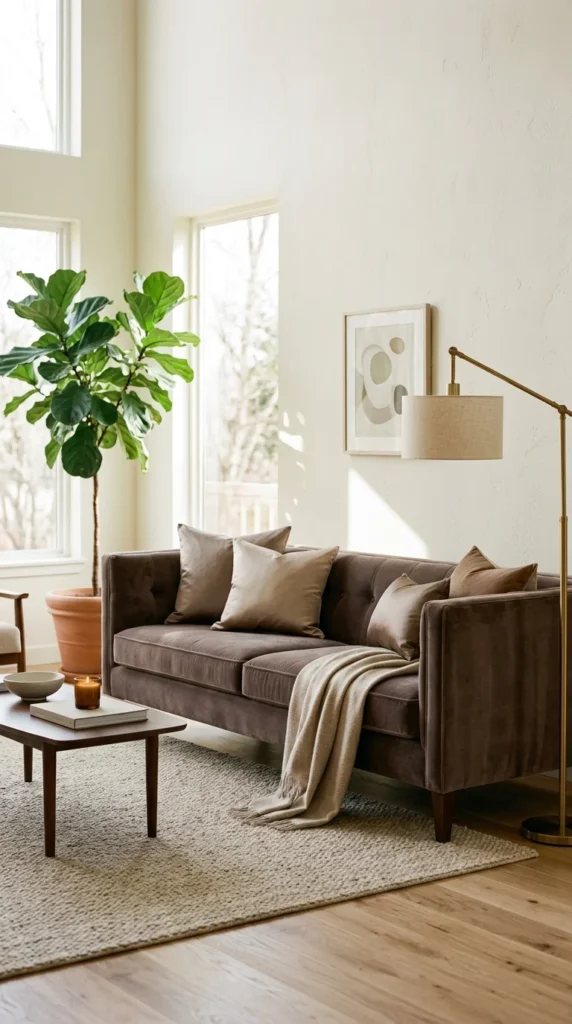
Velvet is the perfect medium for mushroom tones because the fabric’s nap catches the light, showcasing the color’s complex undertones. A mushroom velvet sofa serves as a soft but commanding focal point. It provides a tactile richness that elevates the room from a simple seating area to a high-end lounge. To keep the look modern, opt for a sofa with a sleek silhouette—think tuxedo arms or a low-profile sectional.
2. Limewash Walls
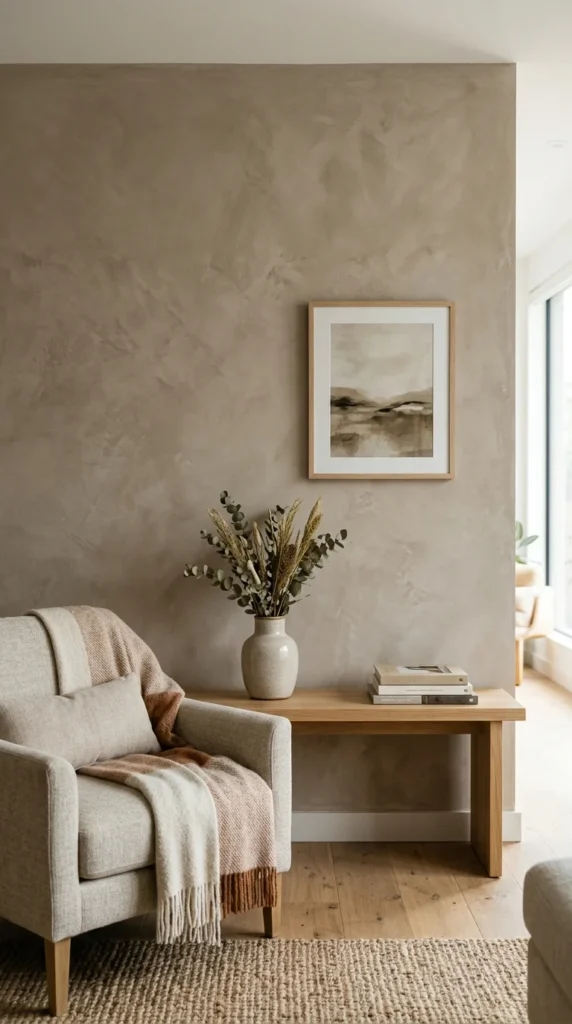
If you find flat paint too one-dimensional, limewash is the solution. Applying a mushroom-toned limewash creates a “cloud-like” effect on the walls. The natural mineral pigments in the wash create subtle mottling and texture, giving the room an Old World European feel that works perfectly with contemporary furniture. It adds depth without the need for heavy patterns.
3. Natural Oak
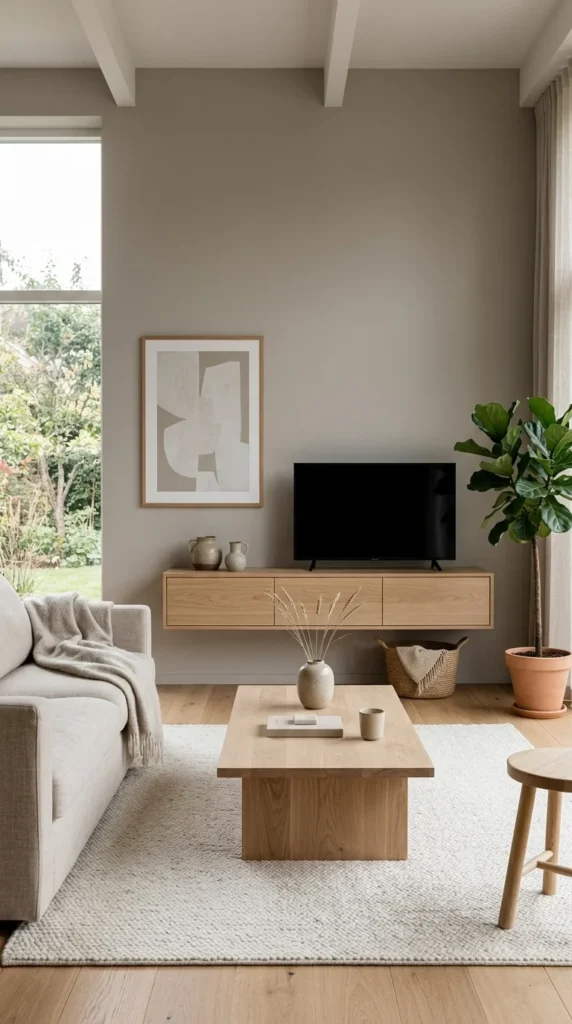
Mushroom is an earthy color, so it pairs naturally with raw wood. Light oak, in particular, shares the same warm undertones as mushroom paint. Integrating oak shelving, coffee tables, or flooring creates a seamless, organic flow. The blonde tones of the wood prevent the mushroom color from feeling too dark or heavy, maintaining a bright and airy “Scandi-chic” aesthetic.
4. Black Accents
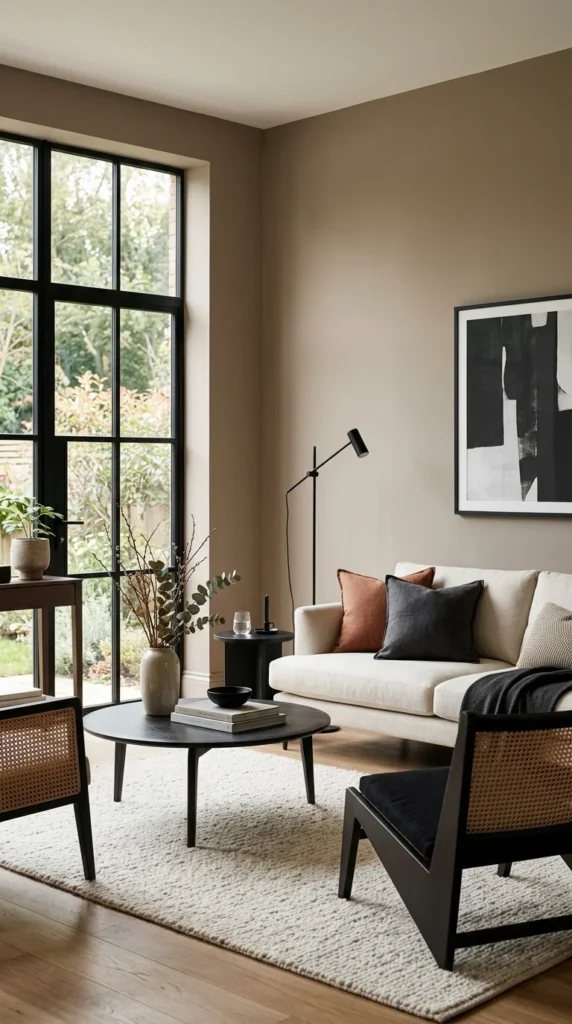
To prevent a neutral room from looking “muddy,” you need a point of high contrast. Black accents act as an anchor. Whether it’s a matte black floor lamp, a set of charcoal picture frames, or a slim metal coffee table, these dark elements provide a visual “stop” that makes the soft mushroom tones pop. It adds a layer of modern sophistication and architectural definition.
5. Brass Fixtures
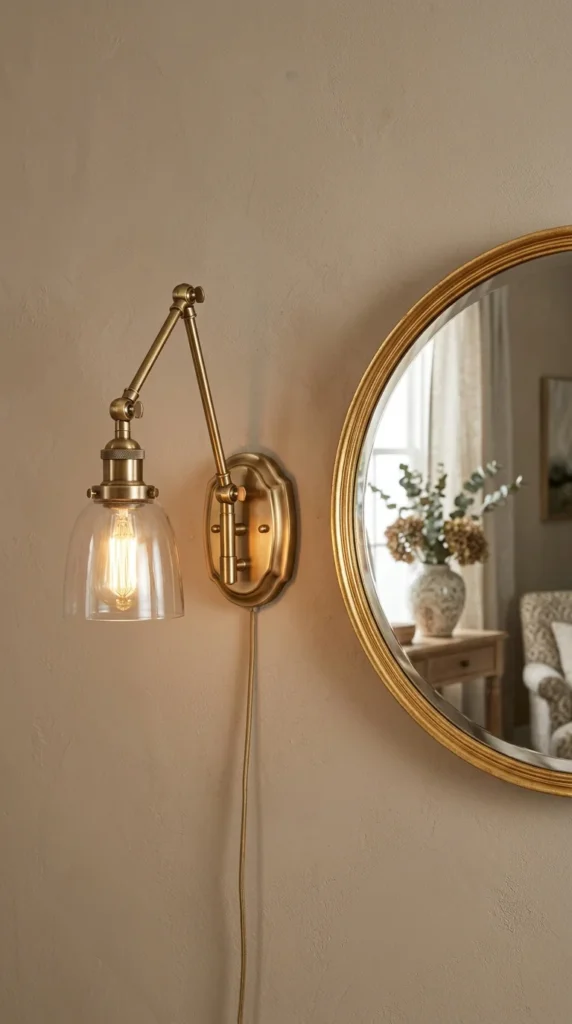
Mushroom sits right in the middle of the color temperature scale, but it loves the warmth of gold and brass. Replacing standard silver or chrome hardware with brushed brass fixtures creates a luxurious, jewelry-like effect. The yellow undertones of the metal draw out the warmth in the mushroom paint, making the entire living room feel glowy and expensive.
6. Layered Textiles
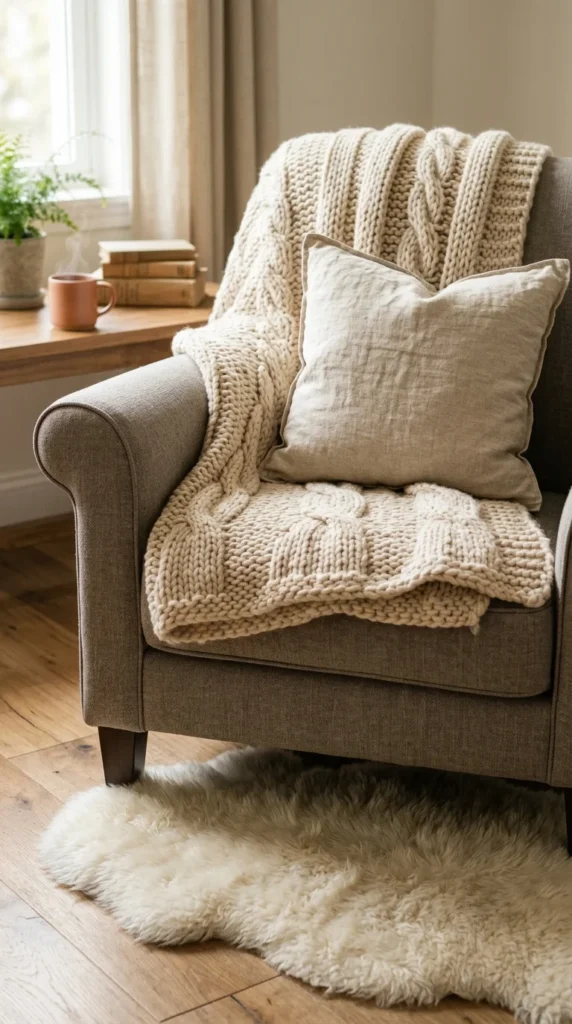
The secret to a successful monochromatic room is texture. Since you are staying within a tight color story, you must vary the materials to keep the eye moving. Combine heavy wool knits, breezy linens, and smooth leathers all in varying shades of taupe and mushroom. This “layering” technique makes the space feel curated and cozy rather than flat and boring.
7. Monochrome Palette
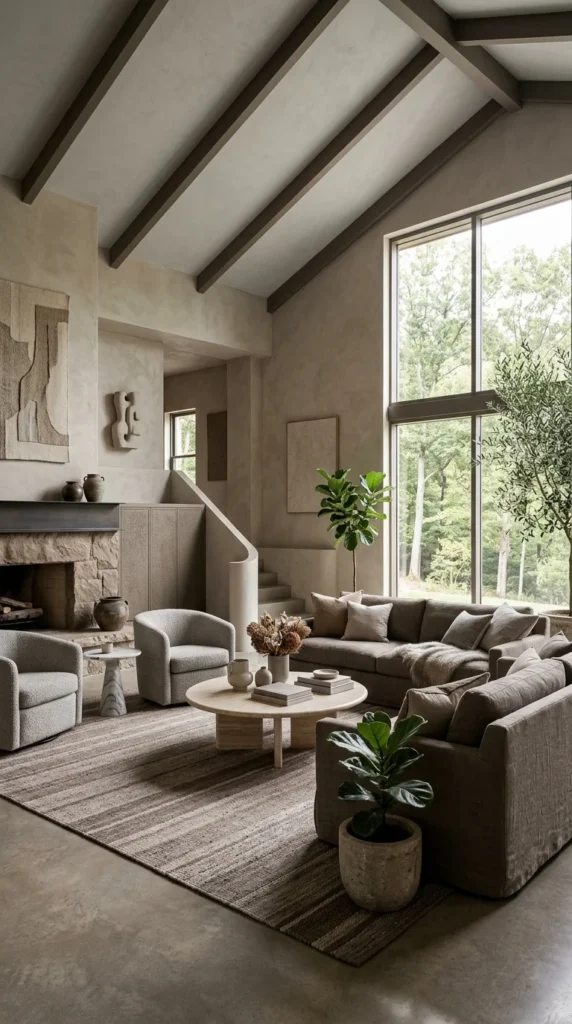
For a truly high-end designer look, go “drenched.” Painting the walls, trim, and even the ceiling in the same mushroom hue creates a seamless envelope of color. This eliminates visual clutter and makes the room feel larger. By using slightly different shades for the furniture—perhaps a darker mushroom for the rug and a lighter one for the drapes—you create a sophisticated, tonal masterpiece.
8. Large Windows
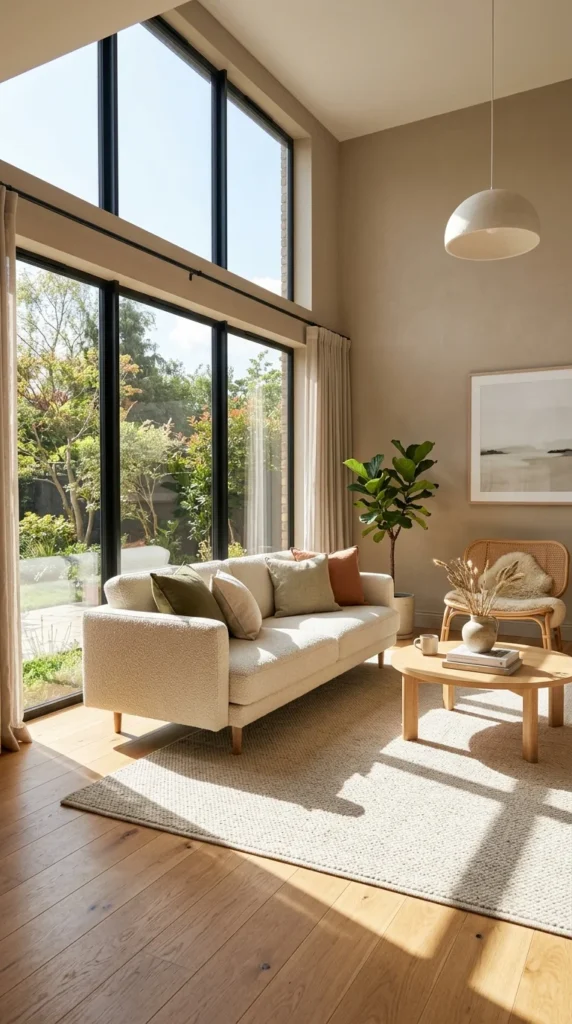
Mushroom is a “chameleon” color that changes based on light. If your living room features large windows or glass doors, this color will thrive. During the day, the natural light will bring out the gray/cool side of the color, making the room feel fresh. As the sun sets, the artificial indoor lighting will emphasize the brown/warm side, creating a cozy sanctuary for the evening.
9. Stone Elements
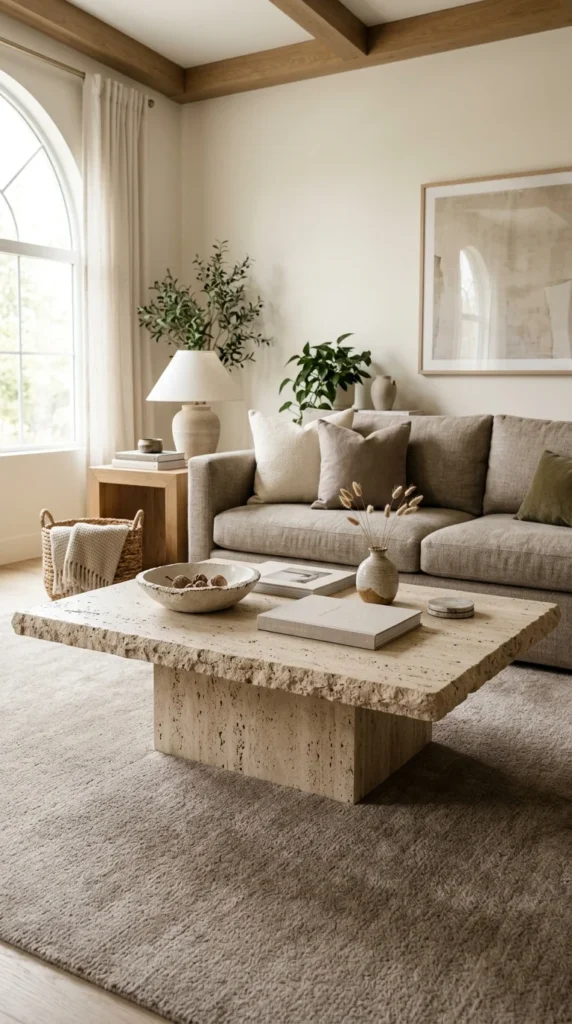
Incorporate natural stone like travertine, limestone, or beige marble to ground your mushroom-themed room. These materials naturally occur in the same color family. A heavy stone coffee table or a marble fireplace surround adds a sense of permanence and “quiet luxury.” The coldness of the stone balances the softness of the fabrics in the room.
10. Built-in Shelving
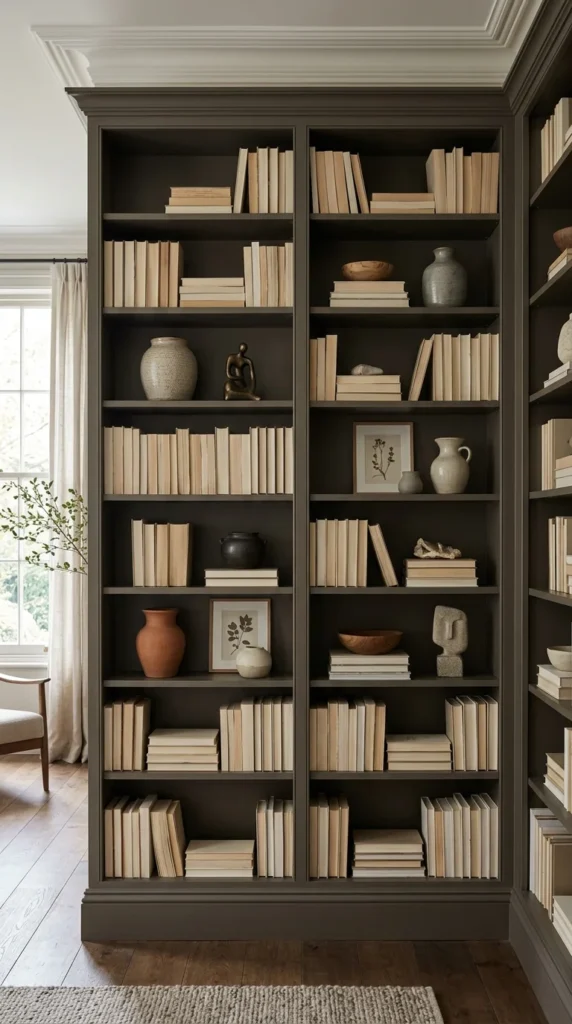
Standard white built-ins can sometimes look cheap or unfinished against darker walls. Painting your cabinetry and shelving in a rich mushroom color makes them look like custom architectural features. This creates a sophisticated backdrop for your books and decor. Use a satin or semi-gloss finish on the shelving to provide a slight contrast against matte walls.
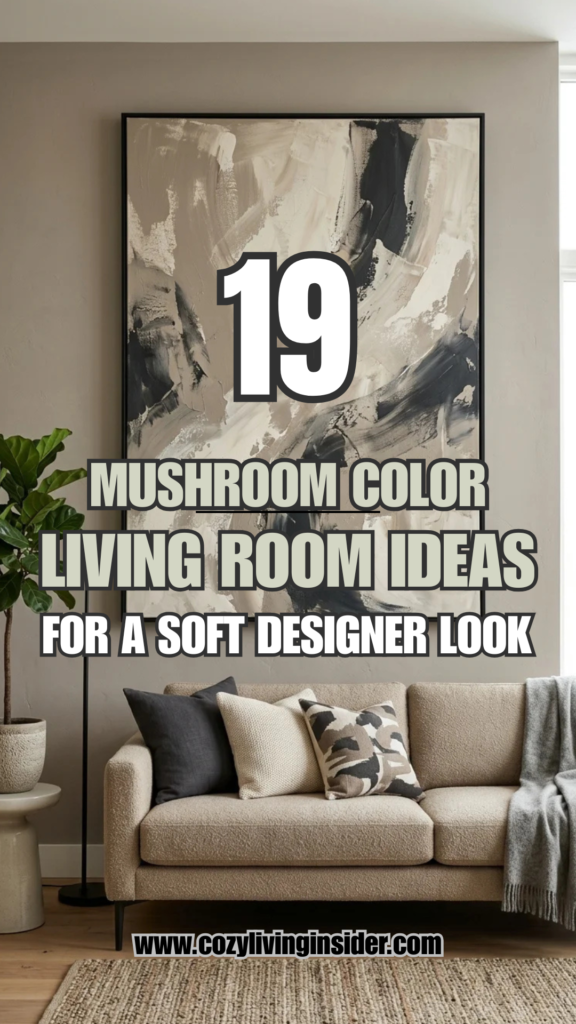
11. Abstract Art
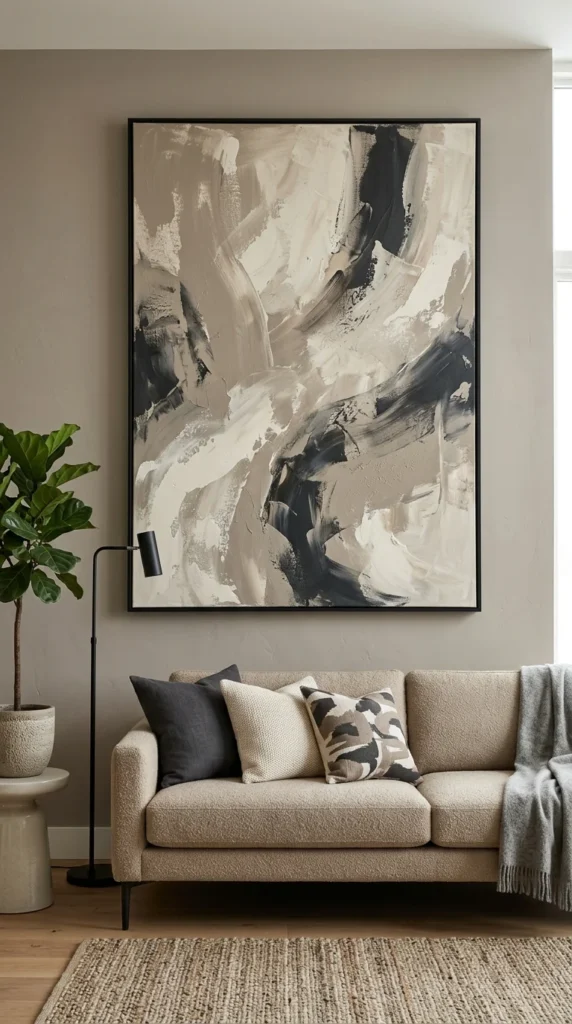
Mushroom provides the perfect neutral gallery wall. Choose abstract art that incorporates similar earthy tones alongside creams and whites. Large-scale art pieces help to break up the expanses of color on the walls. Look for pieces with heavy impasto (thick paint texture) to complement the tactile nature of a mushroom-colored room.
12. Bouclé Accents
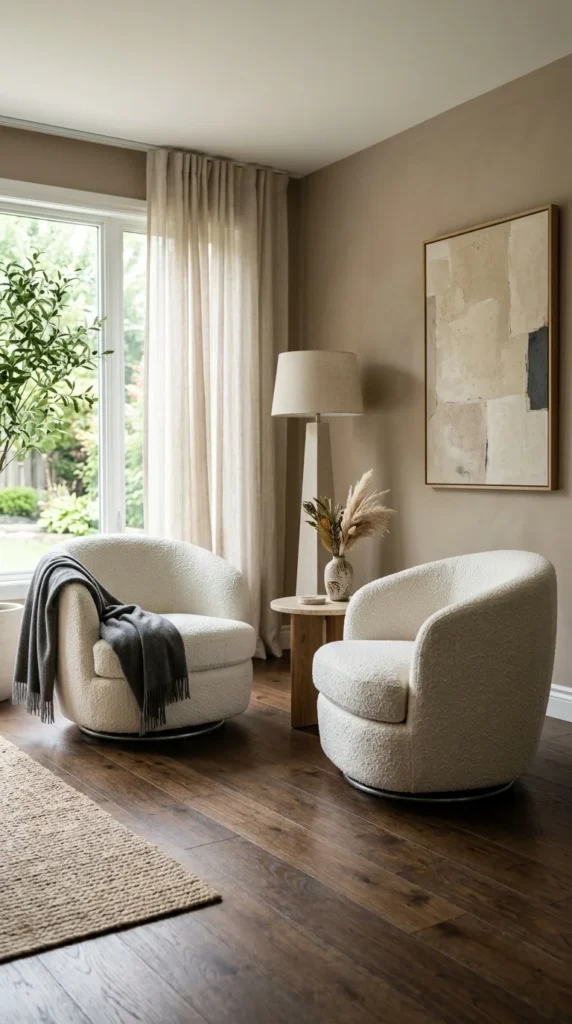
White or cream bouclé is the “it” fabric of the decade, and it pairs beautifully with mushroom. The nubby, looped texture of the bouclé provides a sharp contrast to the smooth surface of mushroom-painted walls. Because bouclé is often off-white, it highlights the depth of the mushroom color behind it, making the furniture pieces stand out like sculptures.
13. Dark Floors
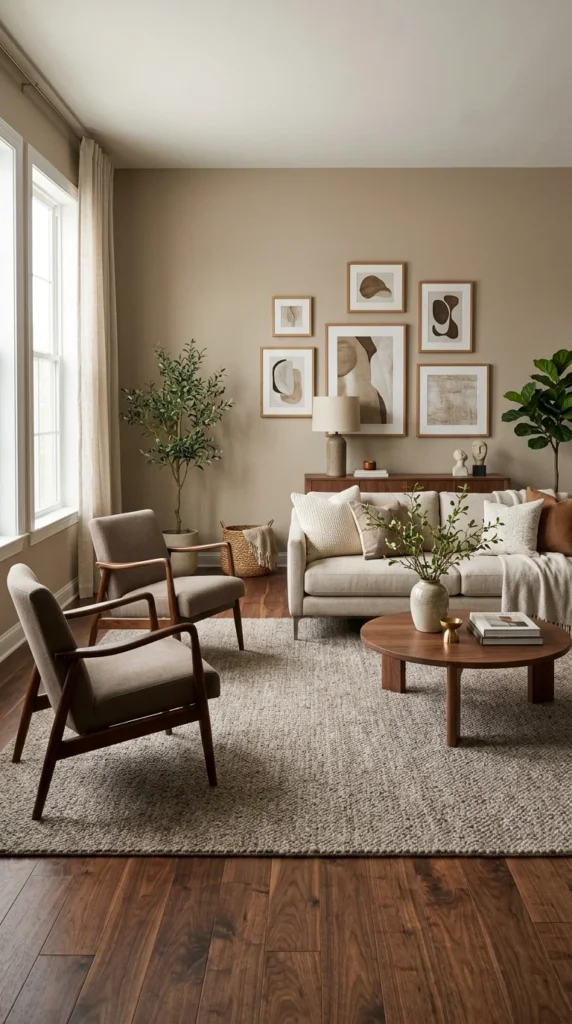
If your walls are a light-to-medium mushroom, consider going dark with your flooring. Espresso or walnut-stained wood floors provide a heavy “base” for the room. This high-contrast look feels very grounded and traditional. If you have light floors, you can achieve this same effect with a very large, dark mushroom or chocolate-brown area rug.
14. Floor-to-Ceiling Drapes
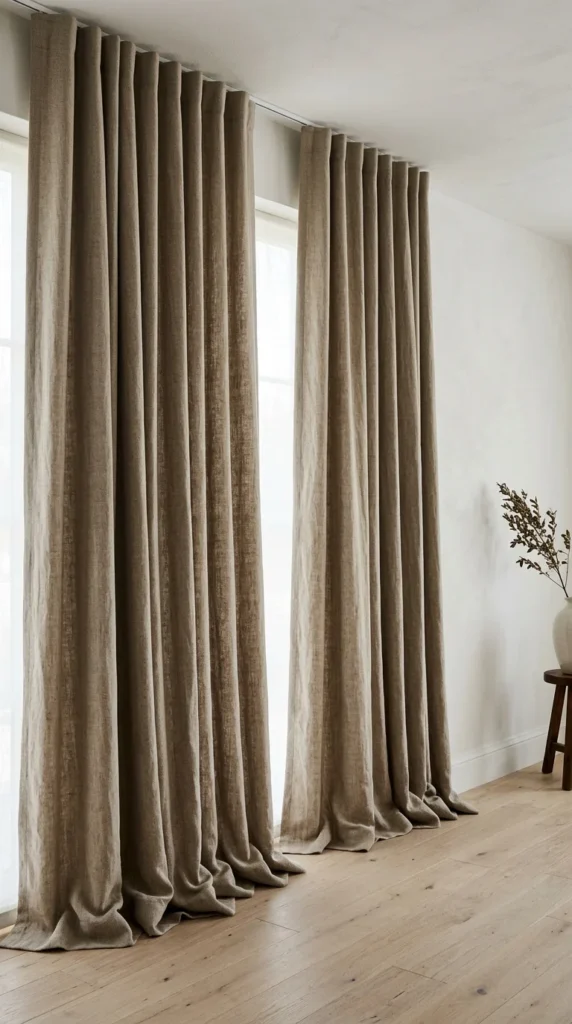
To give your living room a “hotel-suite” feel, install floor-to-ceiling drapes in a mushroom linen or velvet. Hanging the curtains at the very top of the wall (or from the ceiling) draws the eye upward, making the ceilings feel higher. Choosing drapes that match the wall color creates a continuous line that is incredibly soothing and expensive-looking.
15. Sculptural Lighting
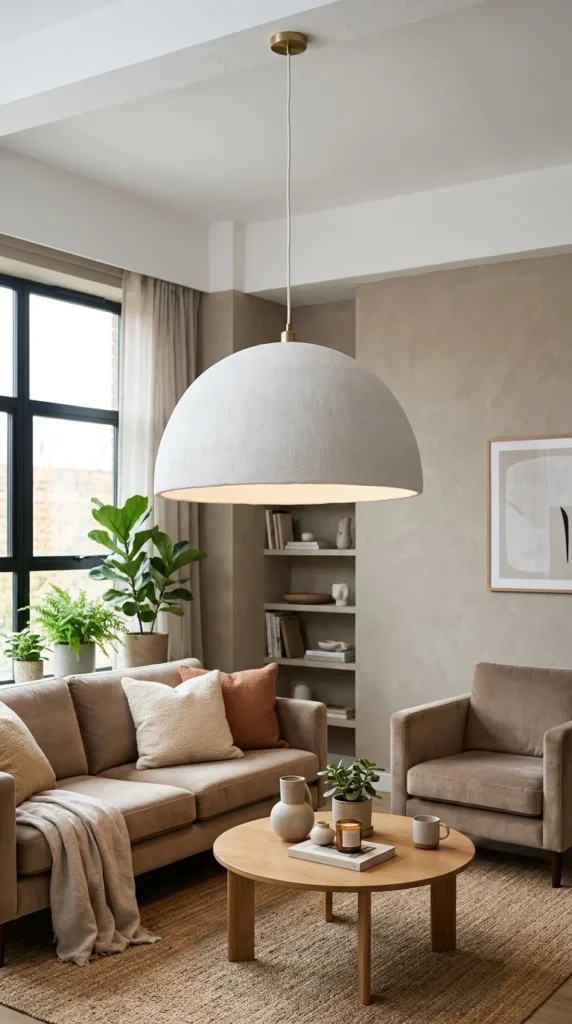
In a neutral room, shape becomes very important. Use your lighting as functional art. A large, white plaster chandelier or a mid-century modern mobile light fixture can break up the “softness” of the mushroom palette. Choose fixtures with organic, flowing shapes to mimic the natural origins of the mushroom color.
16. Woven Textures
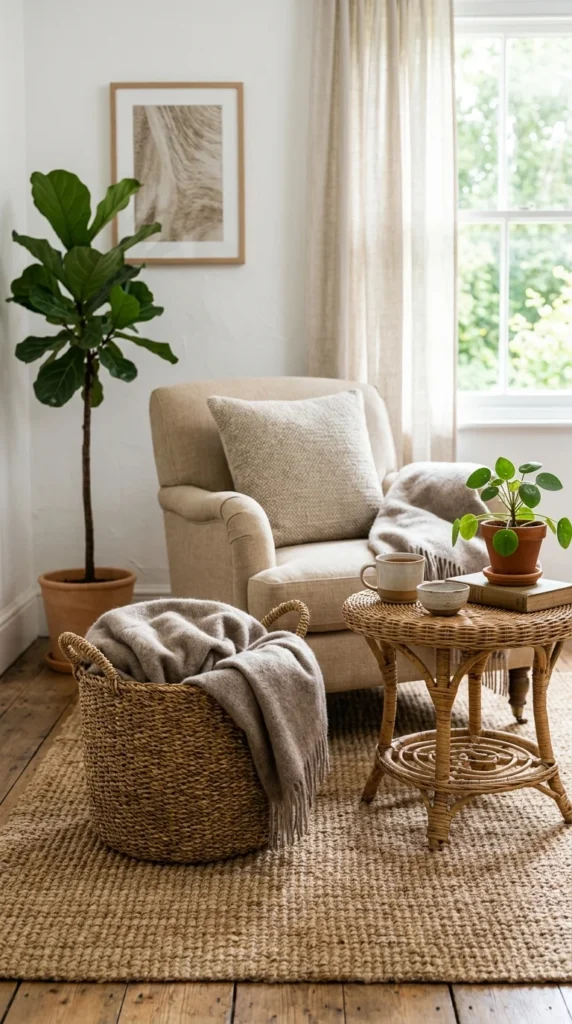
To lean into the “earthy” side of mushroom, incorporate woven natural fibers. Jute, seagrass, and rattan are all excellent choices. A large jute rug provides a durable, textured foundation that perfectly matches the tan undertones in mushroom paint. These elements keep the room feeling relaxed and approachable rather than overly formal.
17. Olive Greenery
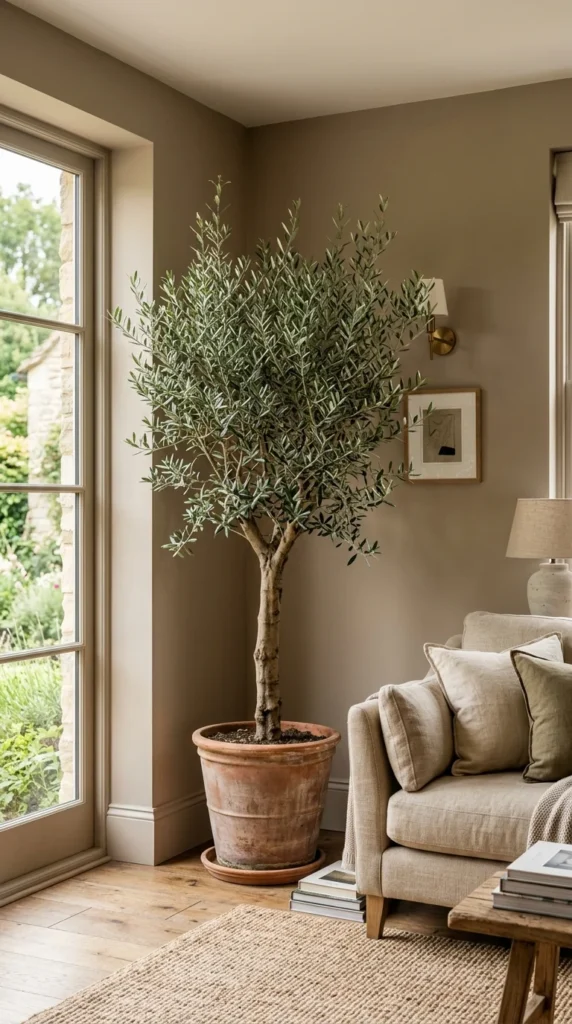
Every neutral room needs a pop of life. Green is the natural companion to mushroom. However, instead of bright tropical greens, opt for “dusty” greens like olive or eucalyptus. The silvery-green leaves of an olive tree or a dried eucalyptus arrangement harmonize with the gray undertones of the mushroom walls, creating a Mediterranean-inspired vibe.
18. Minimalist Fireplace
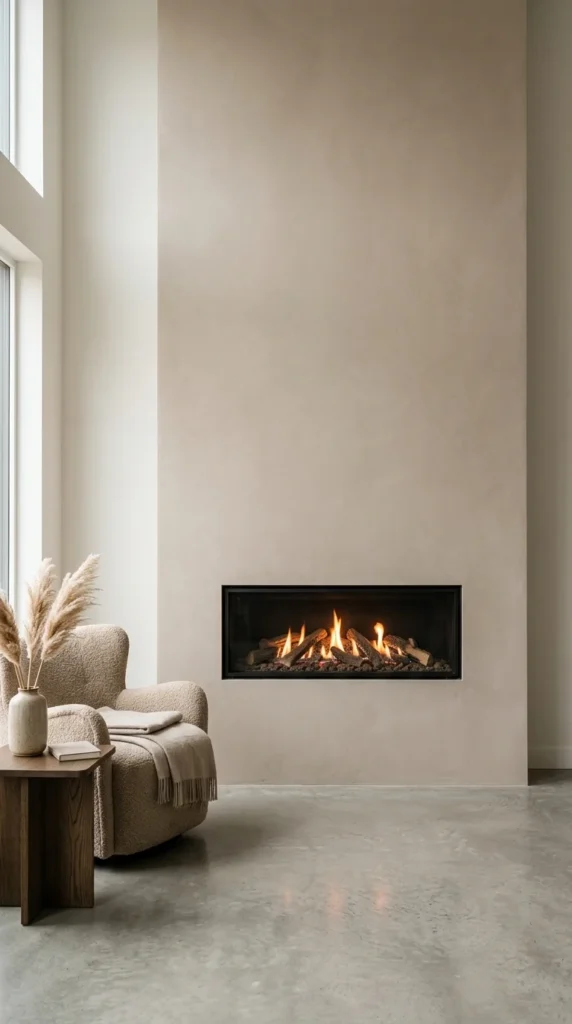
If your living room has a fireplace, consider making it part of the color story. A minimalist fireplace surround finished in mushroom-colored plaster or stone creates a very contemporary, high-end look. By removing the traditional wooden mantel and painting the entire hearth the same color as the walls, you create a seamless, architectural feature that feels integrated into the home.
19. Sheer Layering
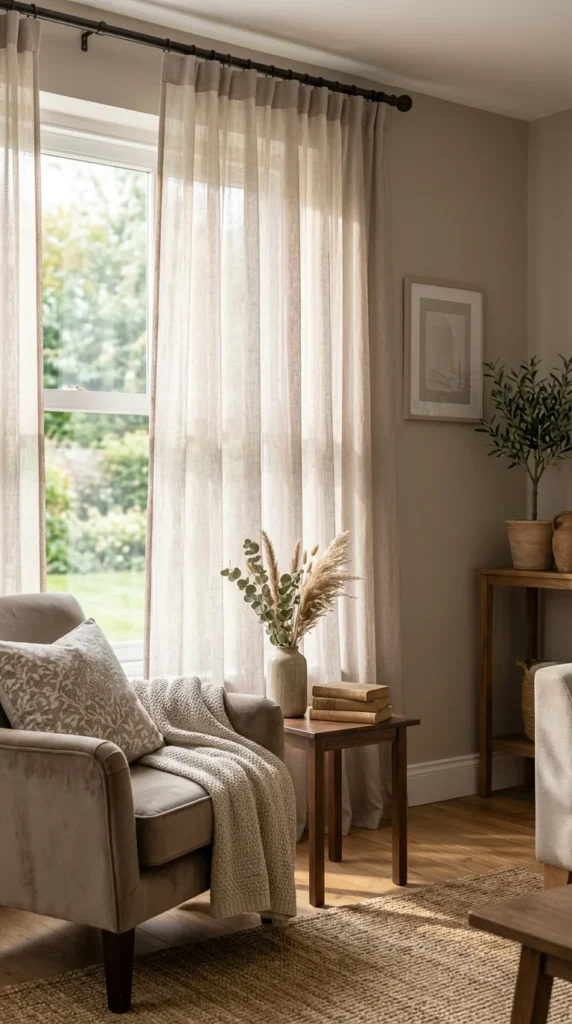
For those who want a softer look, layer sheer drapes in a light mushroom or taupe tint. When the sun shines through tinted sheers, it casts a warm, sepia-toned glow across the entire room. This acts like a real-life photo filter, softening the edges of your furniture and making the entire living room feel like a hazy, tranquil retreat.