
The “Grandma Garden”—often referred to in design circles as the cottage garden or “Grandmillennial” landscape—is making a significant comeback. Unlike the minimalist, hyper-manicured landscapes of recent decades, this style embraces abundance, nostalgia, and a touch of whimsical chaos. It is a space where function meets sentimentality, and where every plant often has a story or a sensory purpose. To recreate this timeless aesthetic, one must focus on layering textures, incorporating vintage elements, and inviting nature to take the lead.
1. Hollyhocks
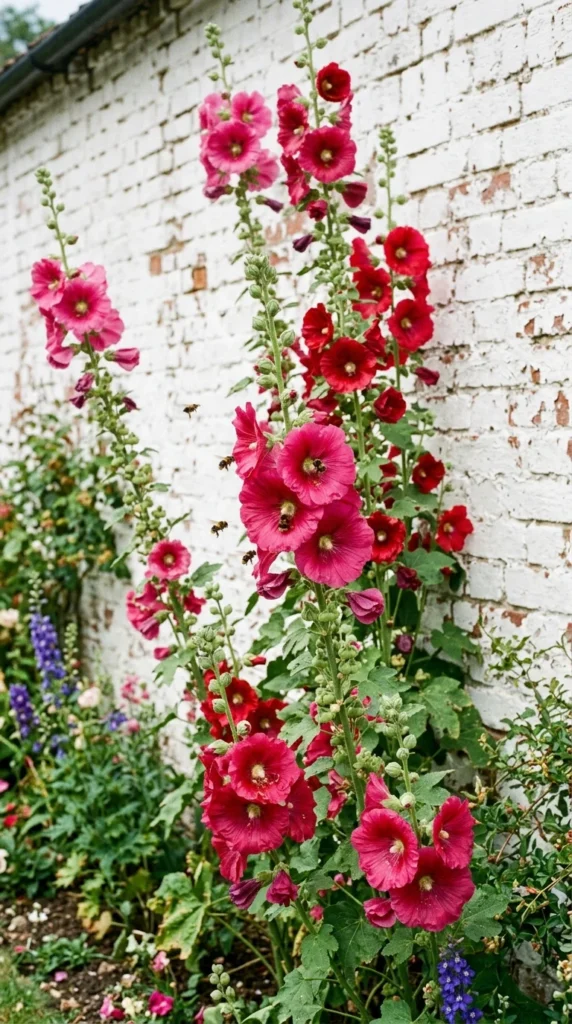
Hollyhocks are the quintessential vertical element of a nostalgic garden. These biennial giants can reach heights of six to eight feet, making them perfect for “back-of-the-border” planting. Their saucer-shaped blooms provide a massive splash of color and serve as a beacon for pollinators. Because they tend to lean, planting them against a fence or a wall provides the necessary support while creating a classic English countryside silhouette.
2. Weathered Benches
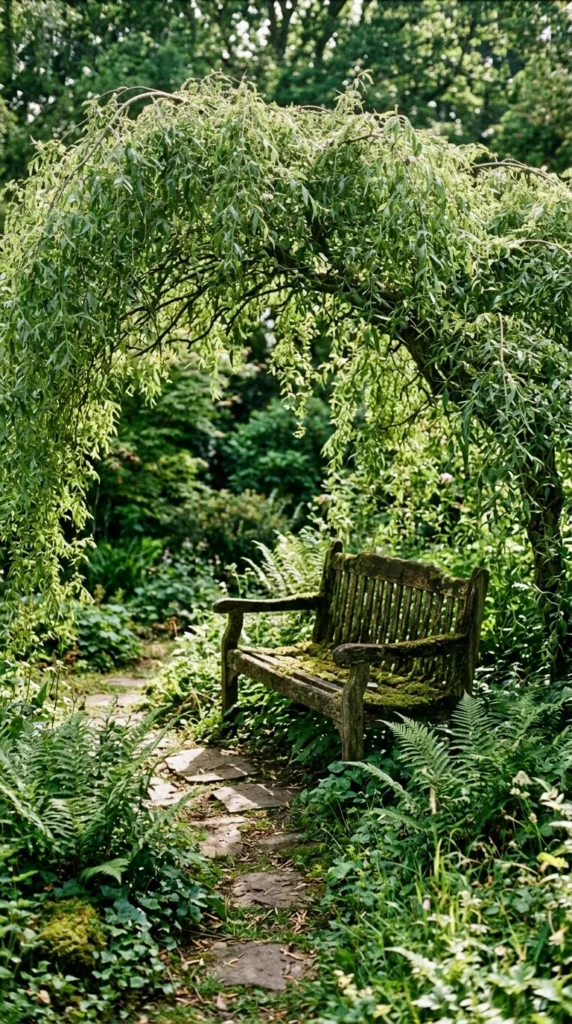
A grandma garden is designed for lingering, not just for looking. A weathered wooden or wrought iron bench provides a designated spot to sit and enjoy the scent of the blooms. The key is to choose materials that age gracefully; moss, lichen, and silvering wood add to the “lived-in” charm that defines this aesthetic.
3. Stone Paths
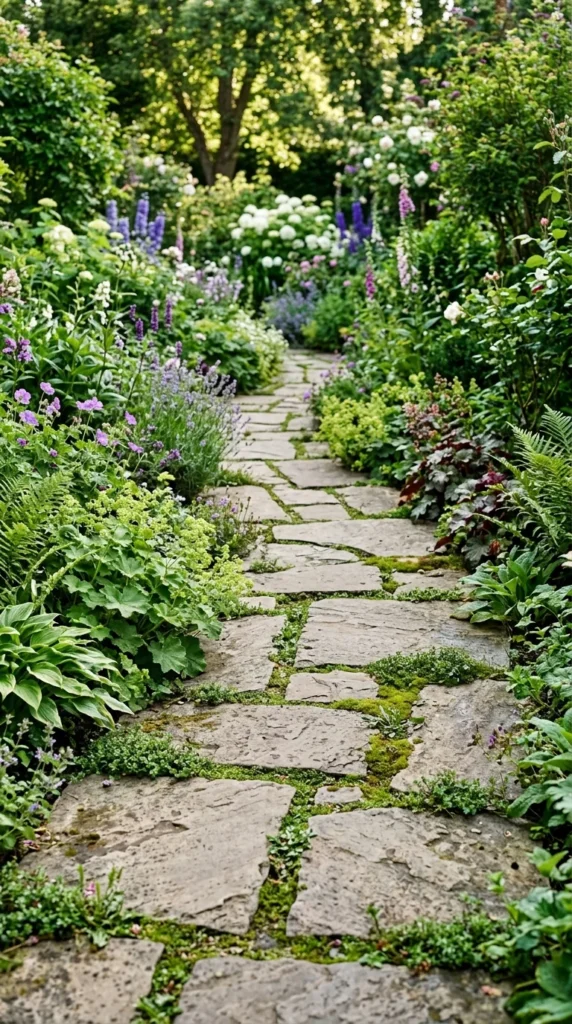
Avoid straight lines and poured concrete. Instead, opt for winding paths made of natural flagstone, brick, or gravel. The goal is to create a sense of discovery, leading the eye around a corner to a hidden patch of lilies or a quiet seating area. Allowing low-growing herbs like creeping thyme to grow between the stones adds a layer of fragrance every time you walk by.
4. Climbing Roses
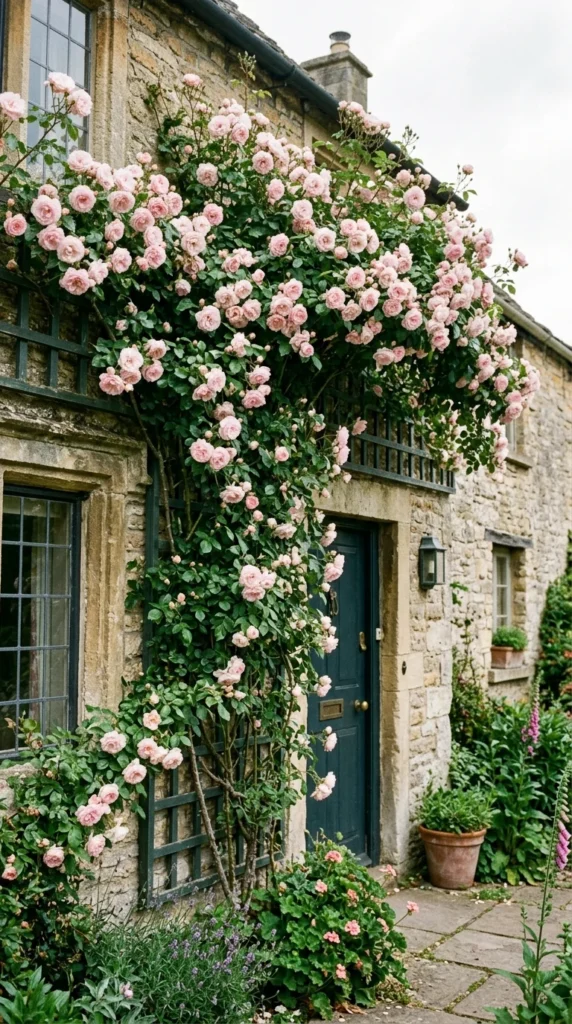
Nothing evokes the feeling of a grandmother’s home quite like the heavy, sweet scent of roses. Climbing varieties allow you to bring color to eye level and beyond. Training them over doorways, trellises, or even old trees creates a romantic, lush atmosphere that feels both established and enchanting.
5. Bird Baths
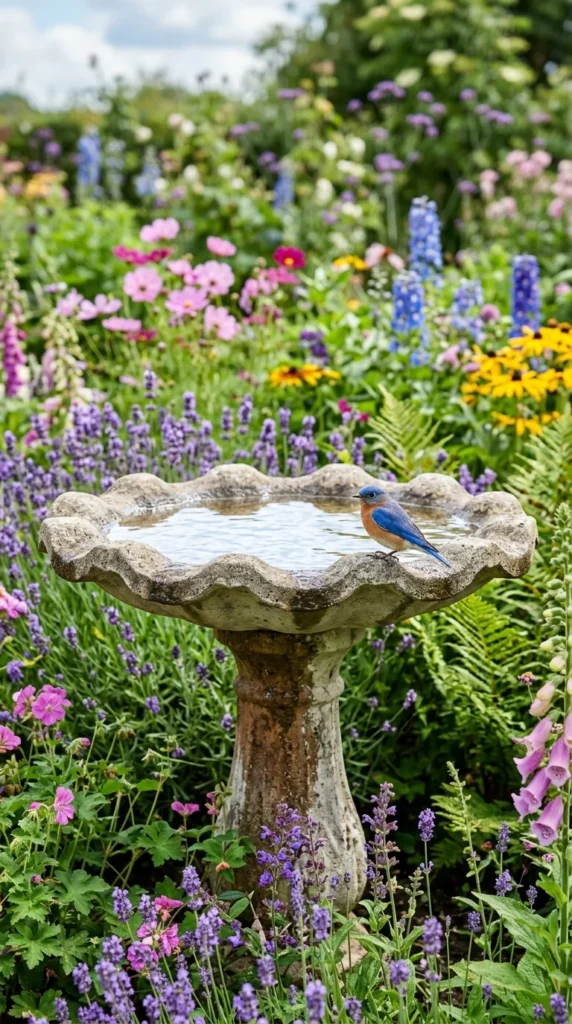
A garden should be a sanctuary for wildlife. A traditional concrete or ceramic bird bath serves as a functional focal point. Placing it amidst tall perennials ensures that birds feel safe and sheltered while they visit, adding movement and birdsong to your outdoor space.
6. Lavender Borders
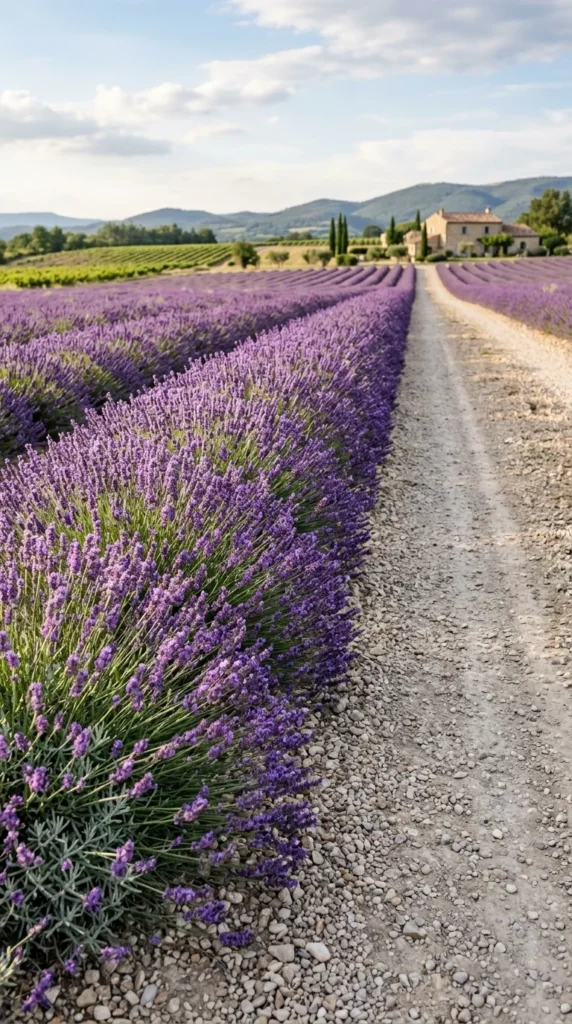
Lavender is a staple of the nostalgic garden due to its therapeutic scent and hardy nature. Use it to line walkways or create low-growing hedges. The silver-green foliage remains attractive even when the plant isn’t in bloom, providing structure and a Mediterranean flair to the landscape.
7. Wrought Iron
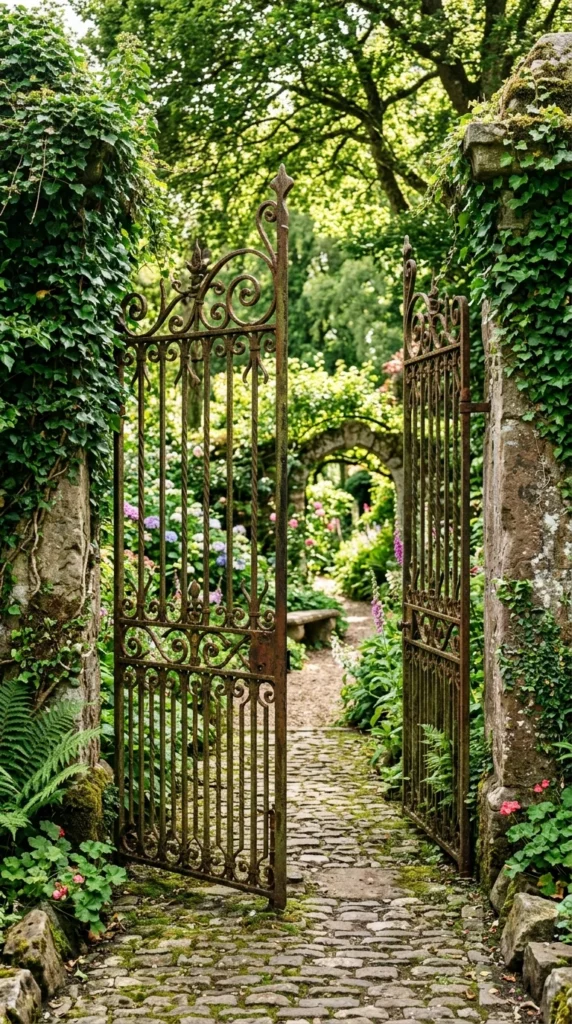
The use of iron adds a Victorian-era elegance to the garden. Whether it’s an antique gate, a decorative fence panel, or a plant support, the dark, intricate patterns of ironwork contrast beautifully against the soft textures of flowers and foliage.
8. Picket Fences
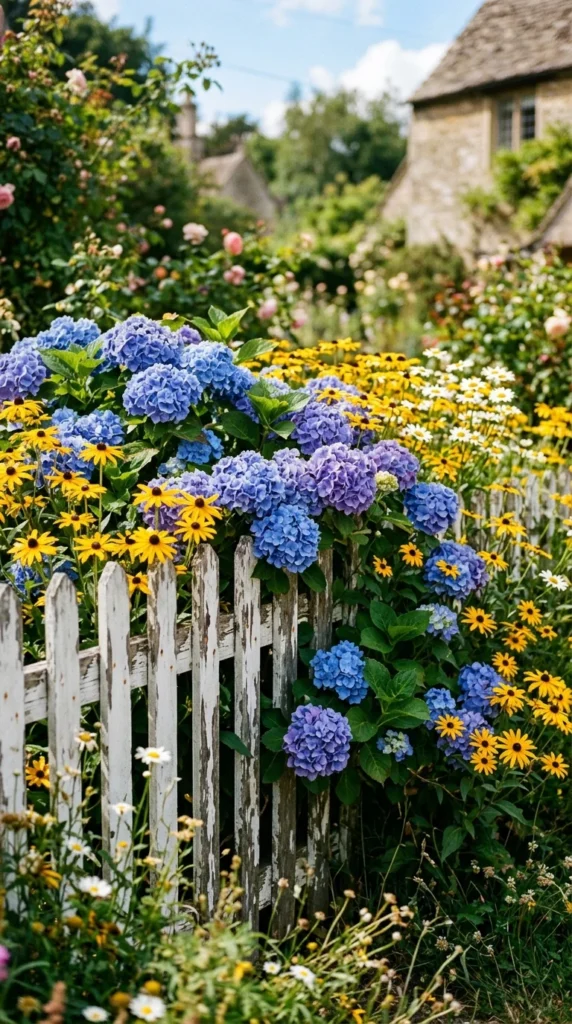
A white picket fence is the ultimate symbol of the traditional home garden. It provides a clean backdrop for colorful blooms to spill over. The slight weathering of the paint only adds to the vintage appeal, making the garden feel like it has been tended to for generations.
9. Hydrangea Clusters
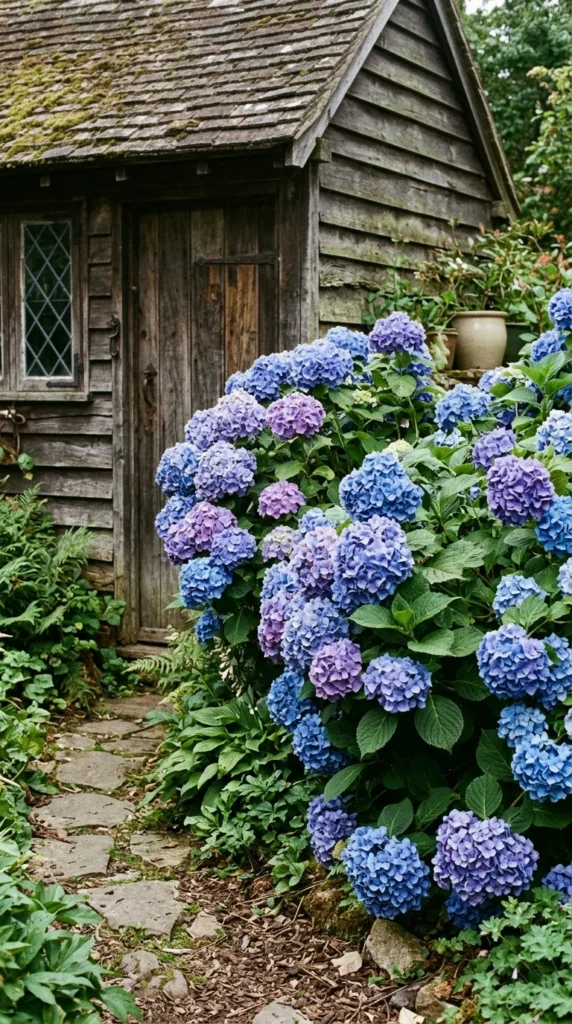
Hydrangeas offer a sense of abundance that few other plants can match. Their large, “mophead” blooms change color based on soil acidity, offering shades of blue, pink, and purple. They thrive in the dappled shade of older trees, making them perfect for filling corners that might otherwise look empty.
10. Recycled Containers
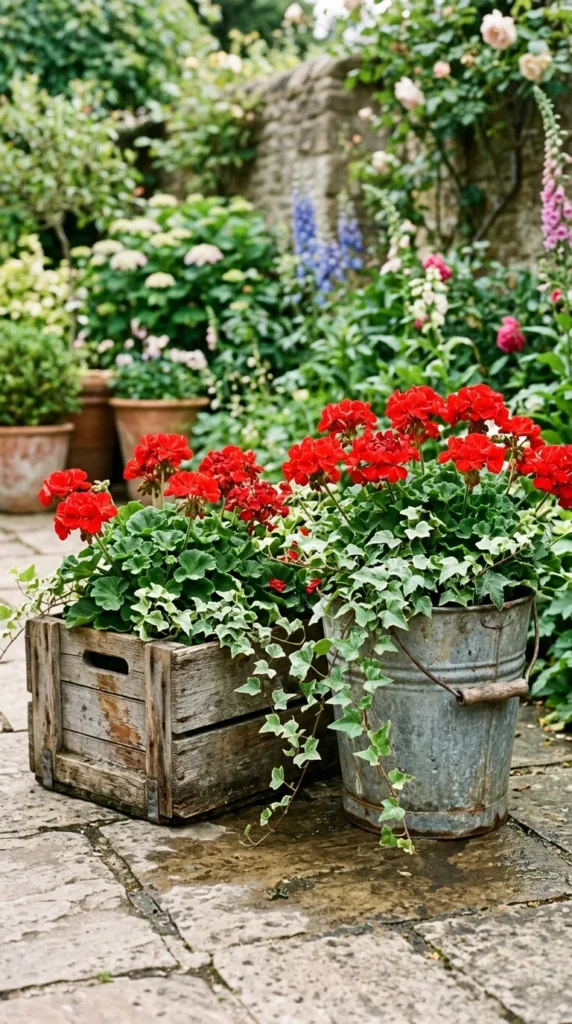
Grandma gardens are resourceful. Instead of buying expensive new pots, look for vintage items like galvanized tubs, wooden crates, or even old ceramic teapots. Drilled for drainage, these items become unique planters that tell a story of sustainability and creativity.
11. Herb Spirals
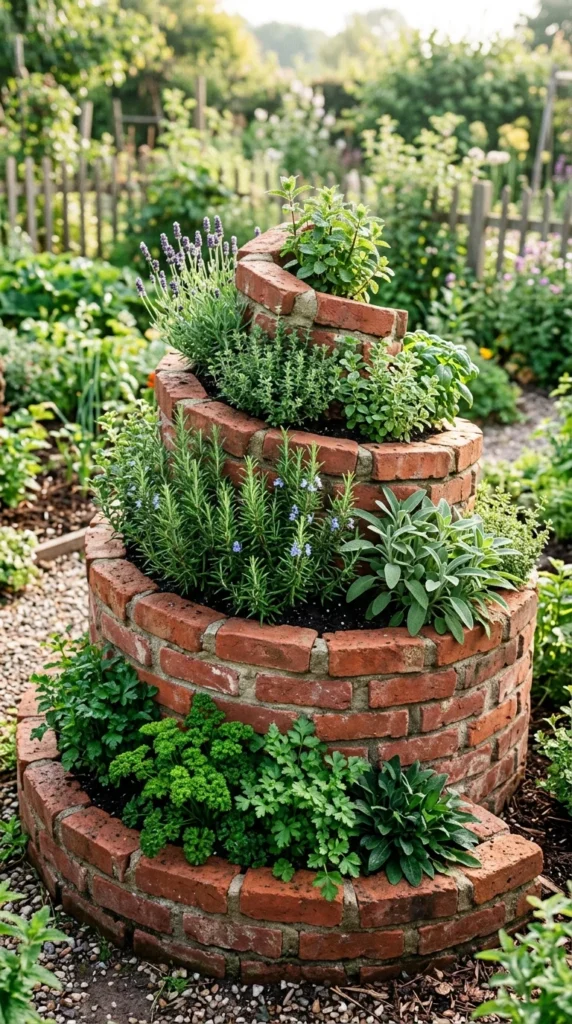
A herb spiral is both a design feature and a functional kitchen garden. By stacking stones or bricks in a spiral, you create different microclimates—dry at the top for rosemary and moist at the bottom for mint. It’s a practical way to keep fresh seasonings close to the house while adding architectural interest.
12. Wildflower Patches
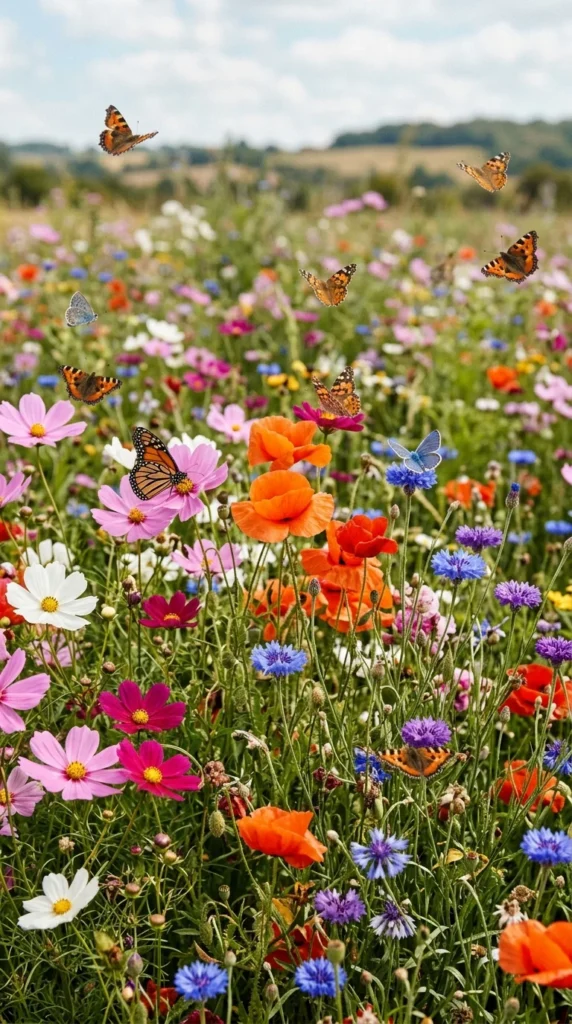
In a true grandma garden, not every inch is manicured. Dedicating a corner to a wildflower mix encourages biodiversity. These patches require little maintenance and provide a changing tapestry of color throughout the spring and summer seasons.
13. Terracotta Pots
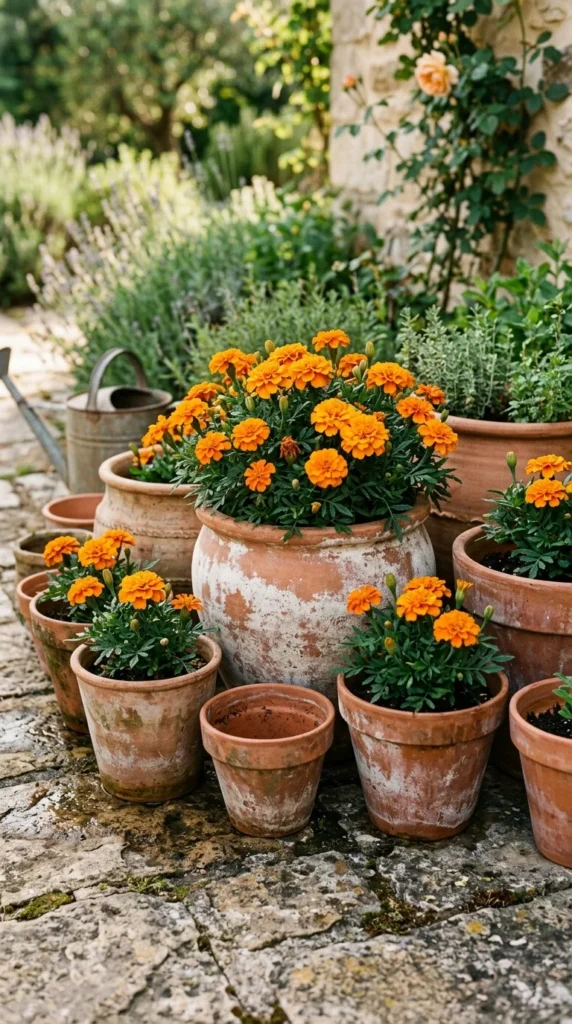
Terracotta is the classic choice for container gardening. Its warm, earthy tone complements almost any plant. Over time, these pots develop a beautiful patina of moss or mineral deposits, which perfectly fits the “shabby chic” vibe of a nostalgic garden.
14. Vintage Gnomes
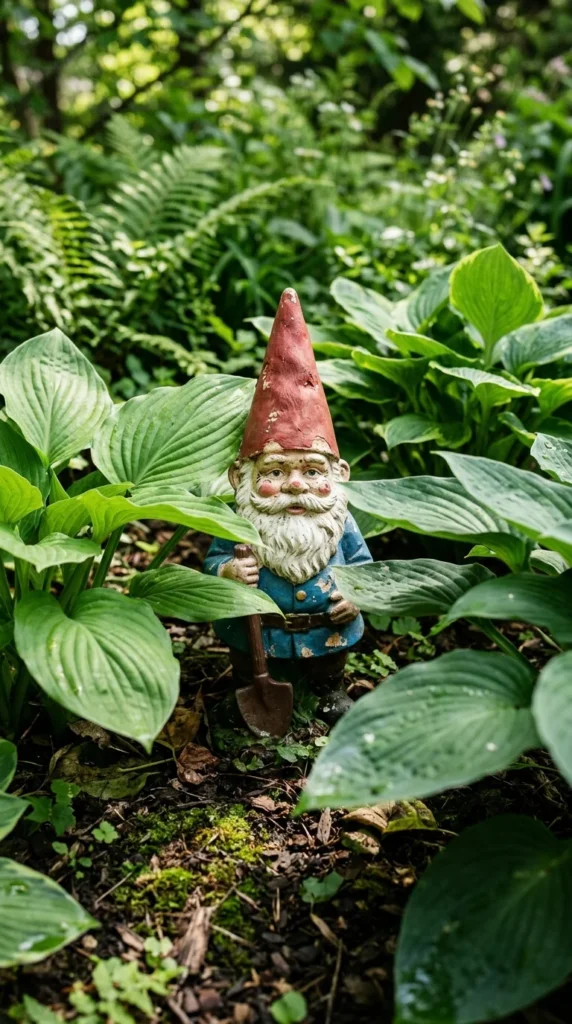
While modern garden gnomes can be polarizing, vintage ceramic or stone versions add a sense of playful history. These “guardians of the garden” remind us not to take landscaping too seriously and add a touch of folklore to the greenery.
15. Arbors
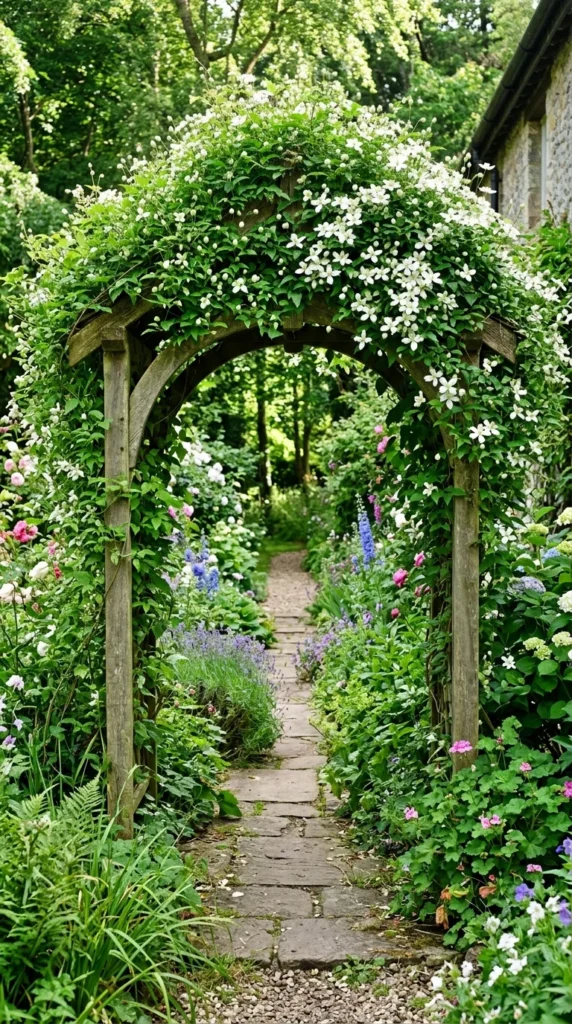
An arbor creates a literal gateway into the garden. It defines the entrance to a new “room” or section of the yard. When covered in fragrant vines like honeysuckle or clematis, it provides a sensory experience that marks the transition from the outside world into your private retreat.
16. Gazing Balls
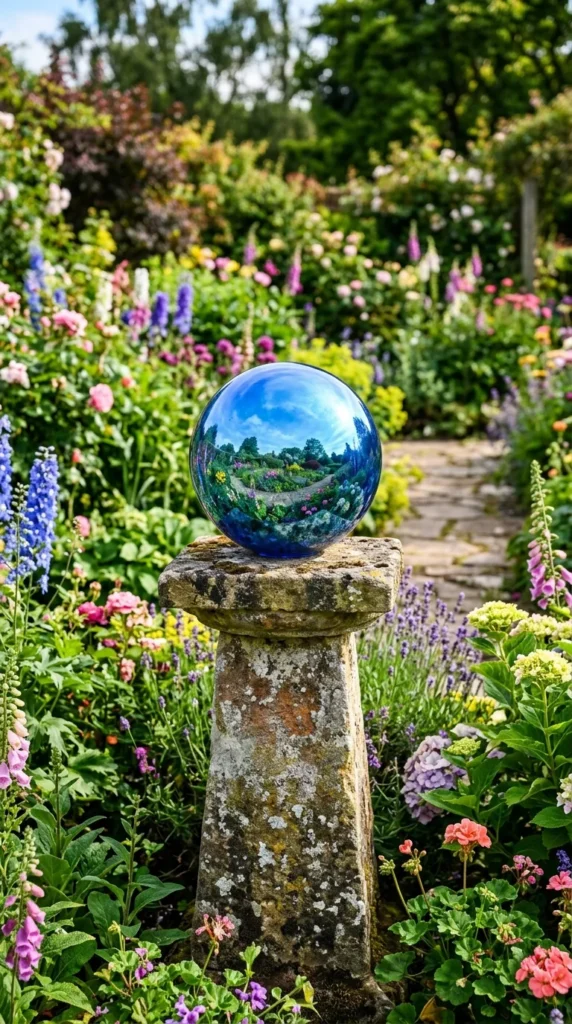
A Victorian favorite, the gazing ball adds a reflective element to the garden. It catches the light and provides a distorted, panoramic view of the entire landscape. Placing one in a central location adds a focal point that feels both magical and traditional.
17. Peony Beds
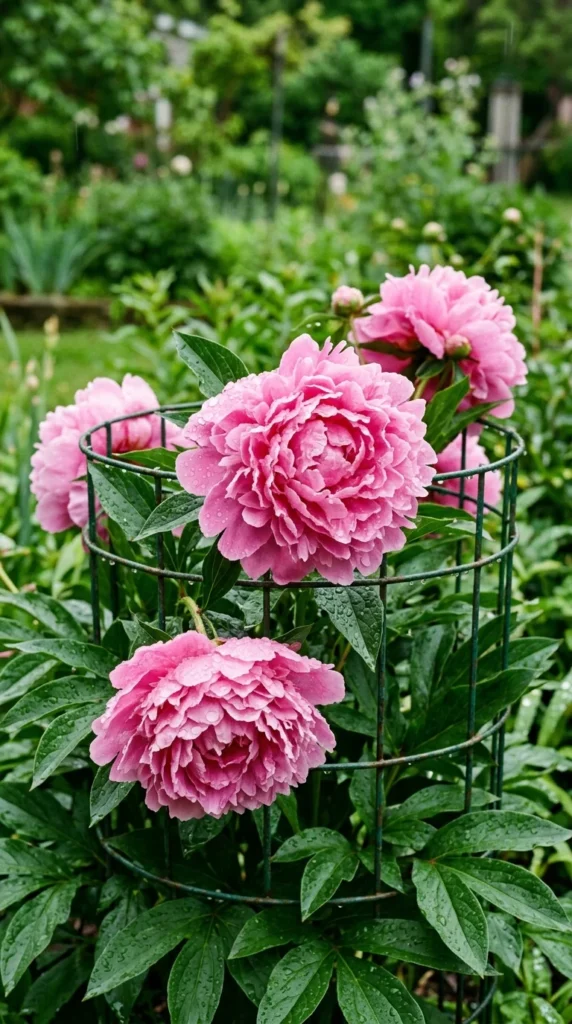
Peonies are the royalty of the early summer garden. Their massive, fragrant blooms are a staple for cut flower arrangements. Though their blooming season is short, the lush green foliage remains a beautiful backdrop for other perennials throughout the summer.
18. Rain Barrels
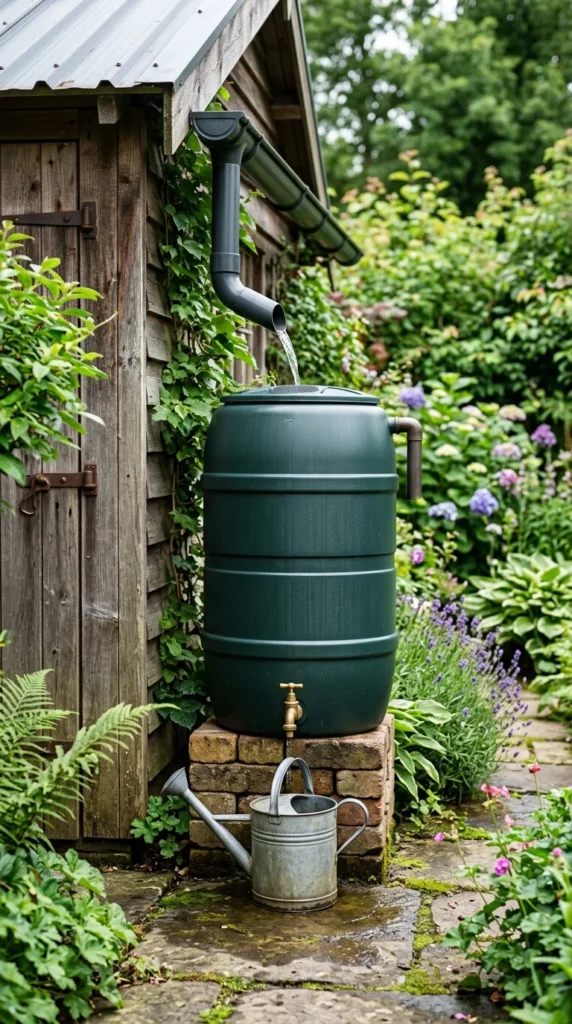
Practicality is a hallmark of the grandma garden. Collecting rainwater in a barrel is an eco-friendly way to keep the garden hydrated. Choosing a barrel with a traditional wooden or muted aesthetic allows it to blend seamlessly into the landscape.
19. Vegetable Patches
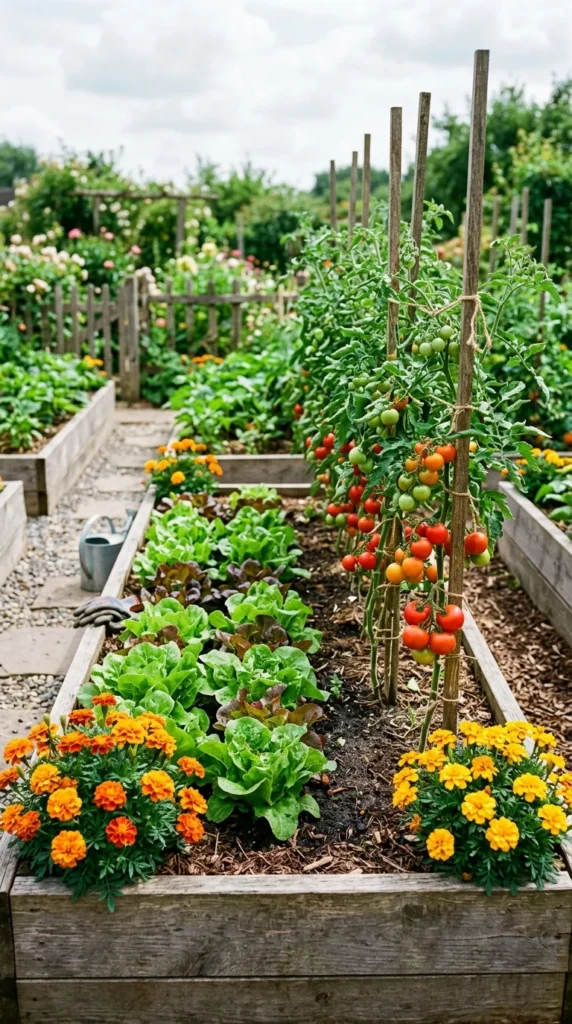
Grandma’s garden was often as much about food as it was about flowers. Integrating vegetables like heirloom tomatoes, kale, and beans into the flower beds—a technique known as “potager” gardening—creates a rich, productive environment that serves the kitchen and the eyes.
20. Window Boxes
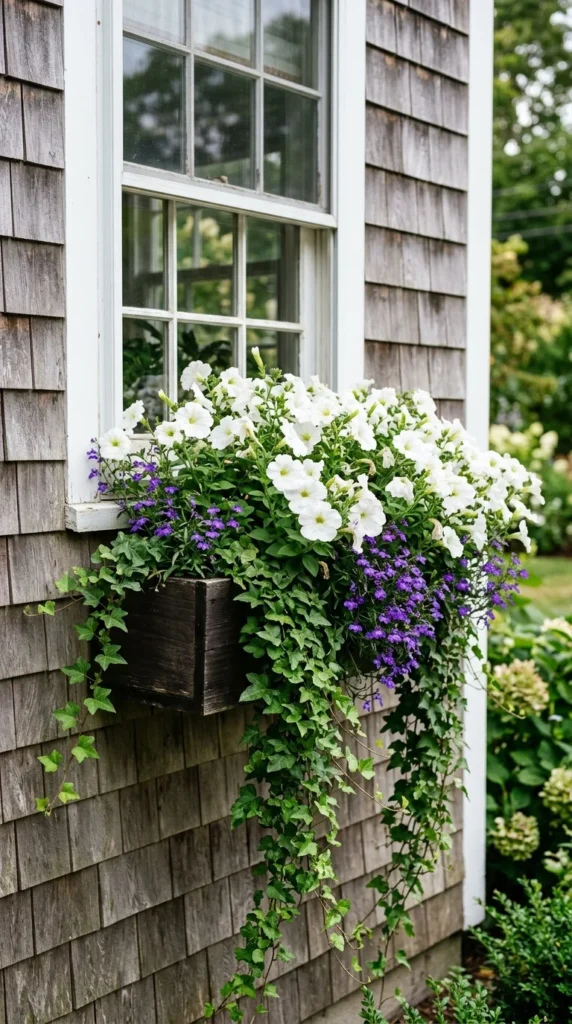
Window boxes bring the garden up to the house. They allow you to enjoy the view of flowers from the inside while adding curb appeal to the exterior. For the most authentic look, choose trailing plants that spill over the edges, softening the lines of the architecture.
21. Wind Chimes
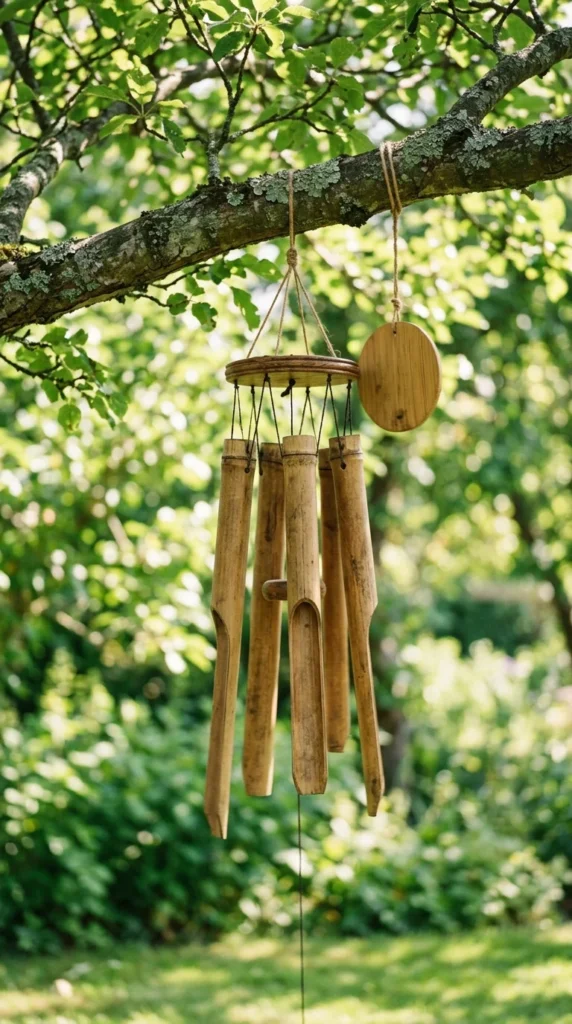
The grandma garden experience is multisensory. The gentle sound of bamboo or metal wind chimes adds an auditory layer of peace. The sound should be subtle, providing a background “soundtrack” to the rustle of leaves and the buzzing of bees.
22. Fairy Gardens
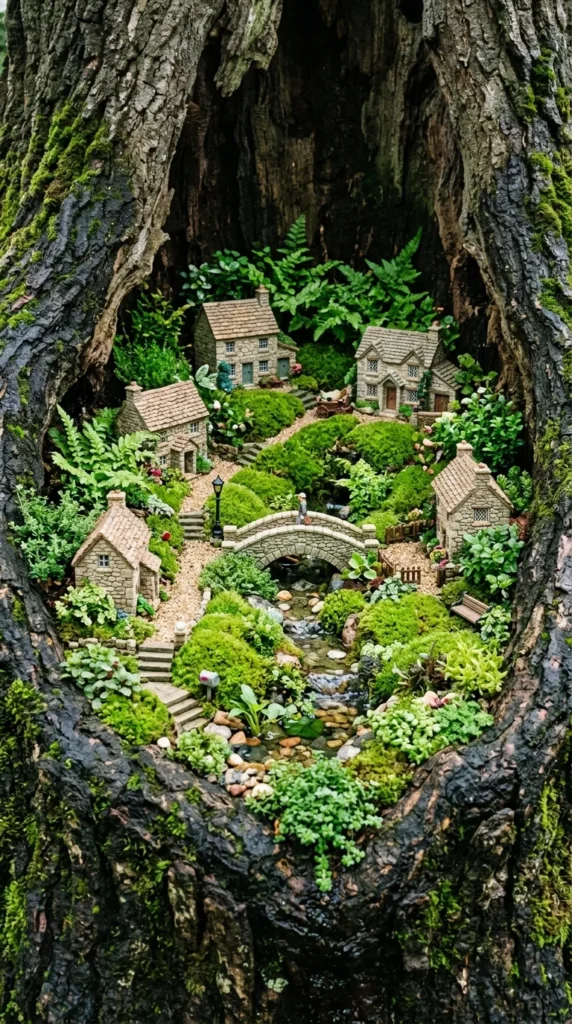
Adding miniature elements creates a sense of wonder, especially for children. A small fairy house tucked under a fern or a tiny stone bridge over a “river” of blue pebbles adds a layer of storytelling to the garden.
23. Willow Edging
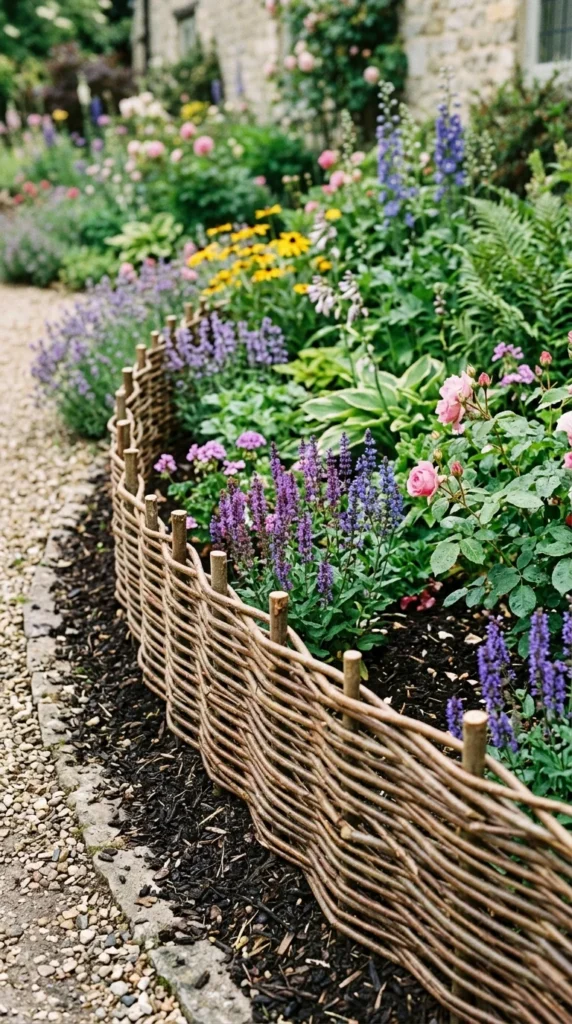
Traditional “wattle” or woven willow edging is a beautiful way to define garden beds. It is an ancient technique that uses natural materials to provide a rustic, organic border. It prevents soil runoff while adding a handmade, artisanal touch to the space.
24. Antique Tools
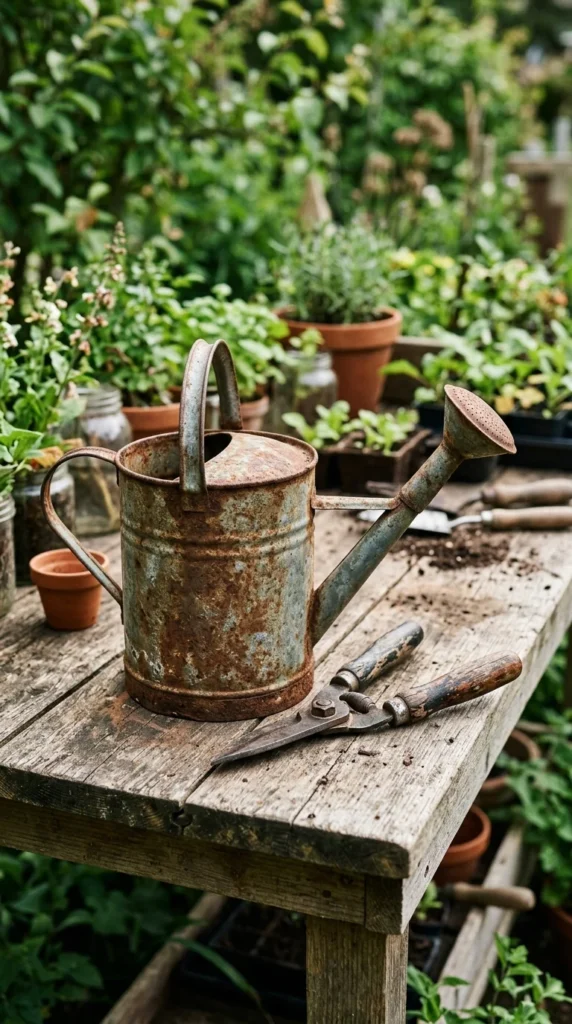
Don’t hide your old tools away. A rusted watering can or a set of vintage shears can be used as decorative accents. Hanging them on the side of a shed or placing them on a potting bench adds to the narrative of a garden that is actively loved and worked in.
25. Sunflowers
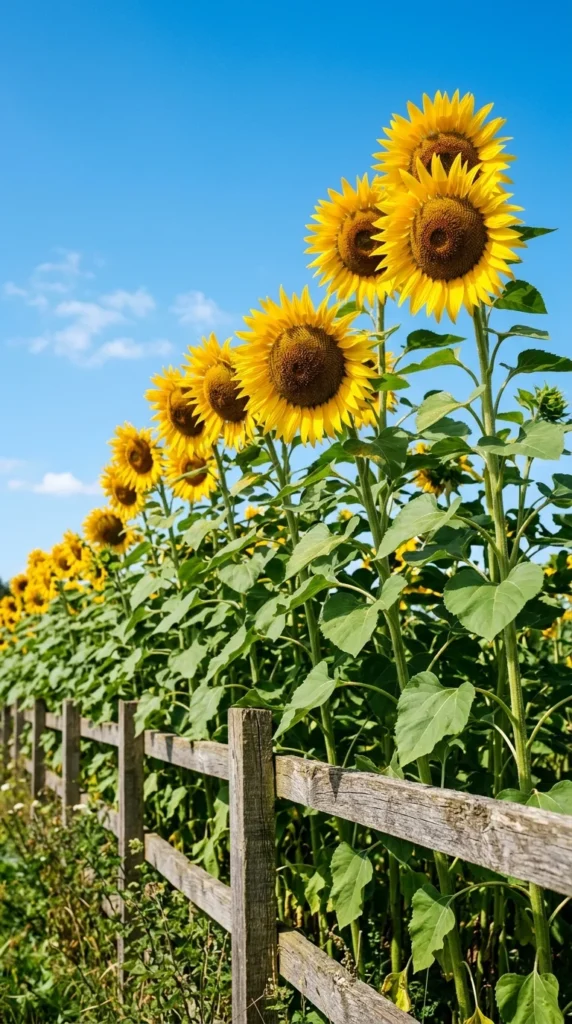
Sunflowers bring a sense of joy and optimism. Whether you choose the giant varieties that tower over the garden or the multi-branching dwarf versions, they provide a bold geometric shape and are a favorite for local birds who love the seeds in the fall.
26. Cozy Nooks
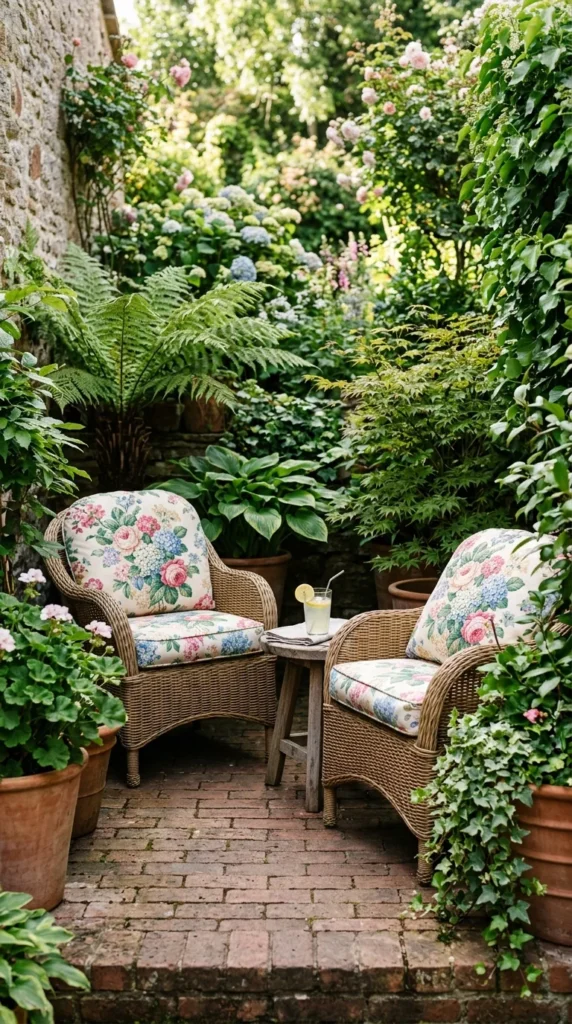
Beyond the main seating, look for a small, secluded corner to create a “nook.” This might be a spot for a single chair or a small bistro set. The goal is to create a private space where one can read or enjoy a cup of tea, surrounded entirely by greenery.
27. Trellises
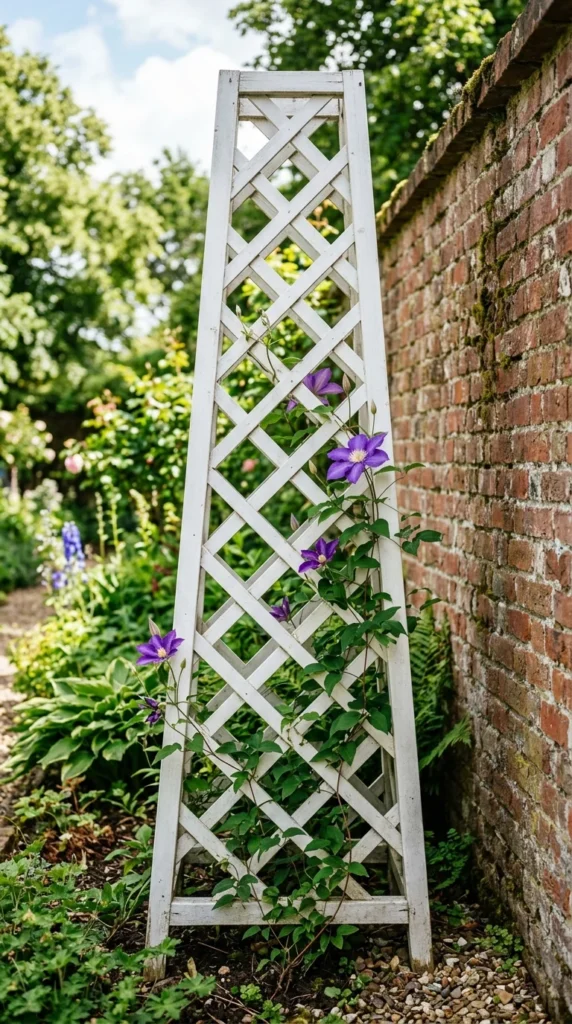
Trellises provide the “bones” for vertical growth. In a grandma garden, they are rarely left bare. Using them to support sweet peas, morning glories, or clematis allows you to maximize space in smaller yards and ensures that color is visible from every angle, creating that signature “wall of flowers” look.