
The “Grandma Garden”—often referred to in design circles as the “Cottagecore” aesthetic—is more than just a collection of plants; it is a sensory experience rooted in nostalgia, biodiversity, and a touch of whimsical chaos. Unlike the rigid lines of modern landscaping, a storybook garden thrives on layering, heirloom varieties, and a sense of “planned wildness.” It evokes memories of childhood afternoons, the scent of damp earth and lavender, and the quiet joy of watching a bumblebee navigate a hollyhock.
Creating a garden that feels like it was plucked from the pages of a classic fairy tale requires a departure from perfectionism. It is about embracing the weathered, the romantic, and the functional. From winding paths to secret seating nooks, here are nine essential ideas to transform your outdoor space into a timeless sanctuary.
1. Wildflowers
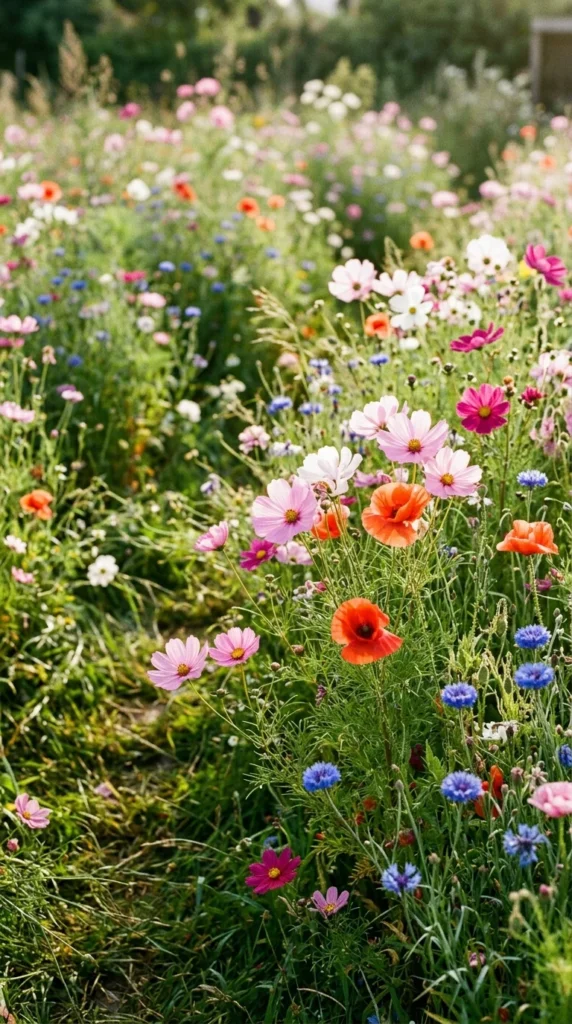
The foundation of any storybook garden is a lack of visible soil. Wildflowers provide a dense, carpet-like effect that mimics the natural beauty of a meadow. This approach isn’t just about aesthetics; it’s about creating a self-sustaining ecosystem. By planting a mix of annuals and perennials like zinnias, black-eyed Susans, and Queen Anne’s lace, you invite a symphony of pollinators into your yard.
In a Grandma Garden, wildflowers are often allowed to self-seed, meaning the garden changes its “map” every year. This spontaneity is key. Instead of planting in rows, broadcast seeds in large drifts. This creates a soft, painterly blur of color that feels effortless and organic.
2. Arbors
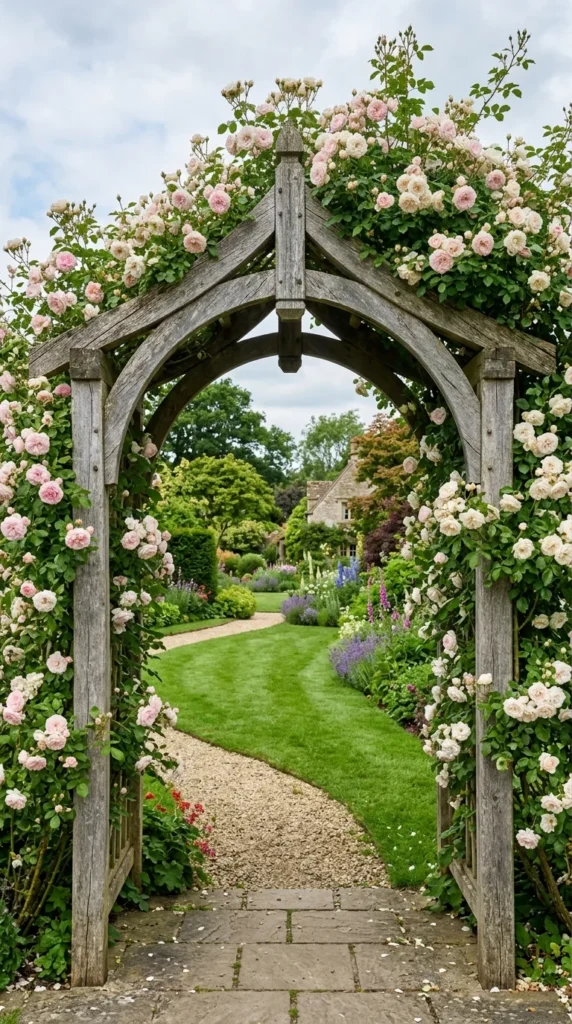
Vertical interest is crucial for creating that “secret garden” feel. Arbors and trellises act as the doorways to different “rooms” within your landscape. A sturdy wooden or wrought iron arbor serves as a skeleton for climbing plants, which soften the hard edges of the garden and draw the eye upward.
Traditional choices for arbors include climbing roses, clematis, or honeysuckle. These plants offer not only visual beauty but also fragrance. Walking through an arbor heavy with the scent of jasmine or old-fashioned roses is an immersive experience that instantly transports you away from the modern world.
3. Benches
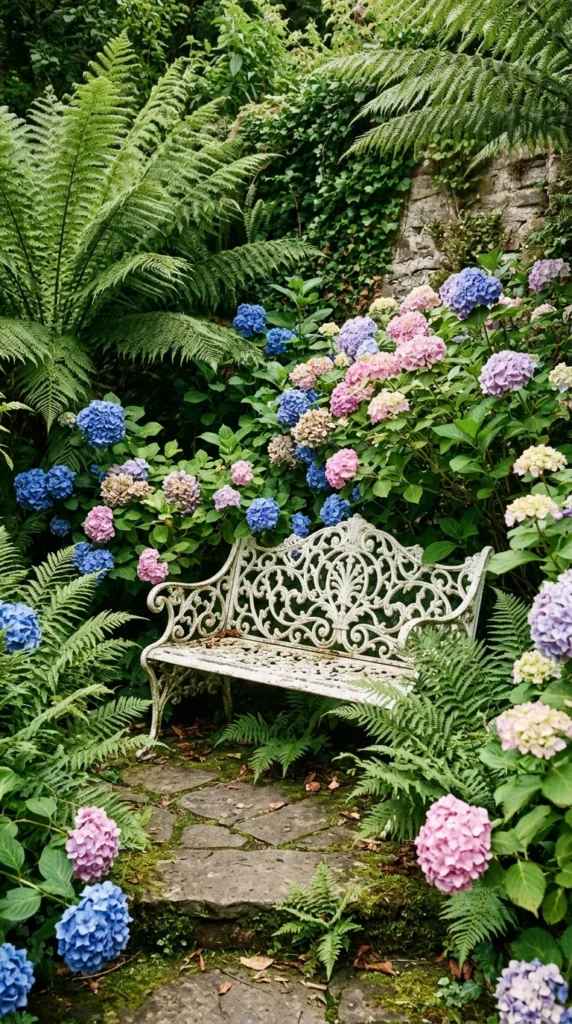
A storybook garden is meant to be lived in, not just looked at. Strategic seating is essential for fostering a sense of peace. Instead of a modern patio set, look for weathered wooden benches or ornate metal seats that look as though they have been there for decades.
Placement is everything. A bench should be tucked away in a “nook”—perhaps under a weeping willow or at the end of a hidden path. Surround the seating area with soft textures like lamb’s ear or fragrant herbs like thyme and rosemary. This encourages visitors to sit, linger, and appreciate the small details of the garden, from the movement of the leaves to the song of the birds.
4. Pathways
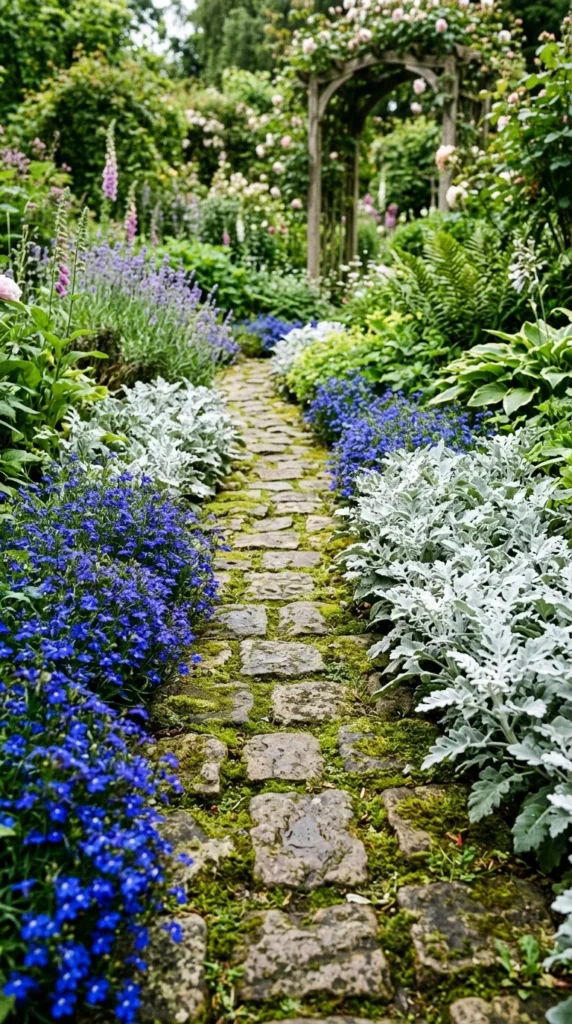
In a Grandma Garden, the journey is just as important as the destination. Straight concrete paths are too clinical for this aesthetic. Instead, opt for winding walkways made of natural materials like flagstone, brick, or gravel. The goal is to create a sense of mystery, where the full extent of the garden isn’t visible from the starting point.
To enhance the storybook feel, allow low-growing plants to “creep” over the edges of the path. Creeping Jenny, moss, or woolly thyme can grow between the stones, softening the look and making the path appear as though it has been part of the landscape for centuries.
5. Birdbaths

Water features in a nostalgic garden don’t need to be grand fountains. A simple, weathered stone birdbath provides a focal point and serves a vital purpose for local wildlife. The sound of birds splashing and chirping adds an auditory layer to the garden that completes the storybook atmosphere.
Choose a birdbath with a classic silhouette. Patina—the green or grey film that develops on stone over time—is highly desirable here. You can even encourage moss to grow on the base of the birdbath to help it blend seamlessly into the surrounding greenery.
6. Fencing
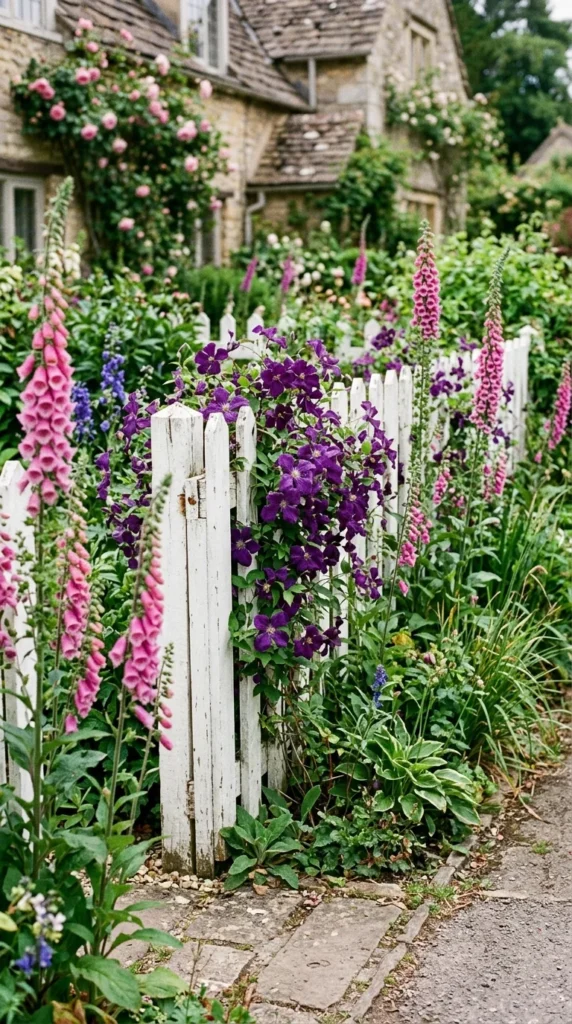
Boundaries in a storybook garden should feel inviting rather than exclusionary. A low white picket fence or a rustic wattle fence made of woven branches defines the space while allowing the beauty of the plants to spill over. This creates the “over the garden wall” look that is synonymous with cottage style.
Fences also provide a backdrop for taller “back-of-the-border” plants. Hollyhocks, sunflowers, and delphiniums look stunning when leaning against a wooden fence. The fence acts as a frame, highlighting the colors of the blooms and providing support for top-heavy flowers during summer storms.
7. Heirlooms
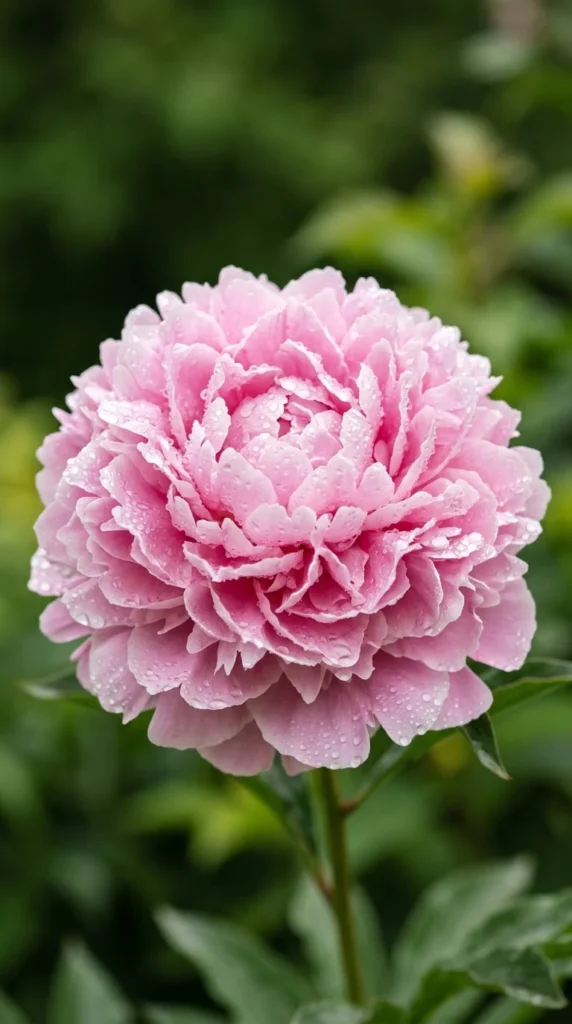
To truly capture the essence of a “Grandma Garden,” you must look to the past. Heirloom plants are varieties that have been passed down through generations, often prized for their intense fragrance and unique shapes that modern hybrids sometimes lack.
Peonies, lilac bushes, and bleeding hearts are staples of the nostalgic garden. These plants often have a short but spectacular blooming season, making their appearance feel like a special annual event. Planting heirlooms is a way of connecting with gardening history, ensuring that these classic, romantic varieties continue to thrive in modern landscapes.
8. Sheds
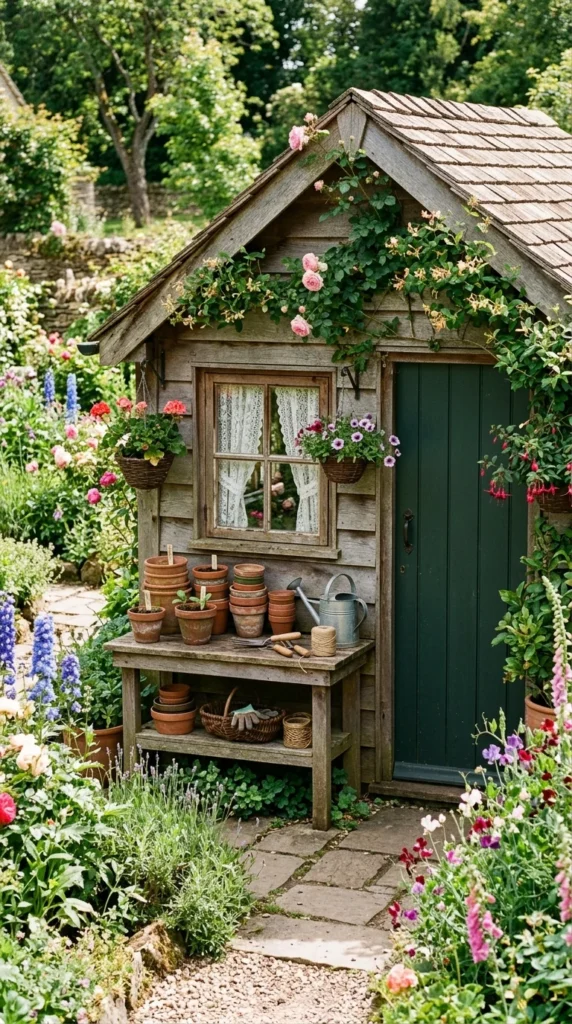
A garden shed shouldn’t just be a place to store lawnmowers; in a storybook setting, it is a charming destination in its own right. Often called “potting sheds” or “she-sheds,” these structures can be decorated with window boxes, climbing vines, and antique garden tools hung on the exterior walls.
The key to a storybook shed is the detail. Consider painting the door a soft pastel color like sage green or robin’s egg blue. Add a small porch or a stone landing where you can display a collection of terracotta pots. This turns a functional building into a whimsical focal point that anchors the entire garden design.
9. Lanterns
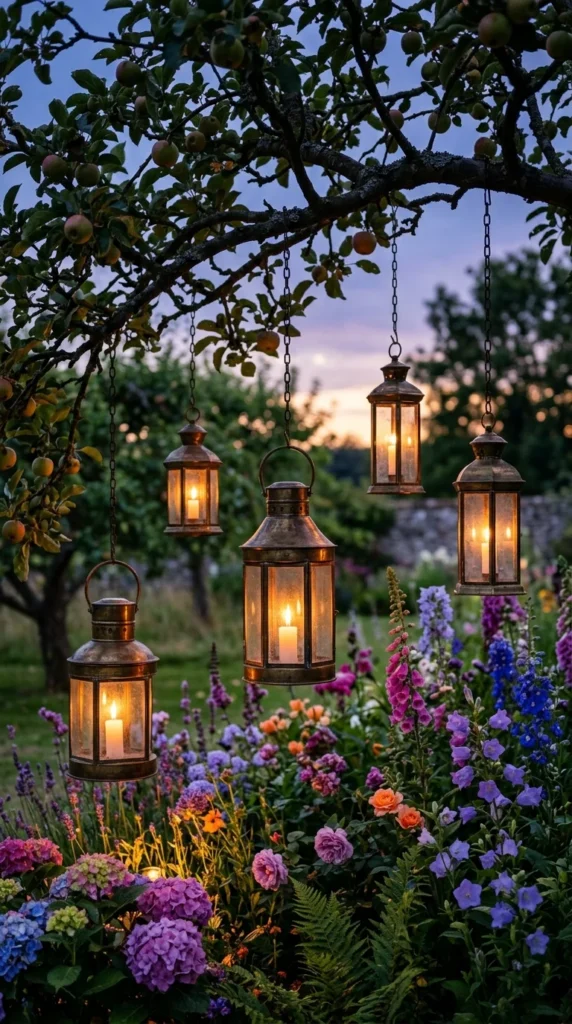
As the sun sets, a storybook garden should take on a magical, ethereal quality. Lighting should be soft and indirect. Instead of bright LED floodlights, use antique-style lanterns, string lights with warm bulbs, or even solar-powered “flickering flame” torches.
Hanging lanterns from tree branches or placing them along a stone path creates a sense of enchantment. The play of light and shadow among the leaves and flowers adds depth to the garden at night, making it feel like a space where myths and legends could truly come to life. By focusing on warm tones and classic materials, you ensure the garden remains a peaceful retreat even after dark.