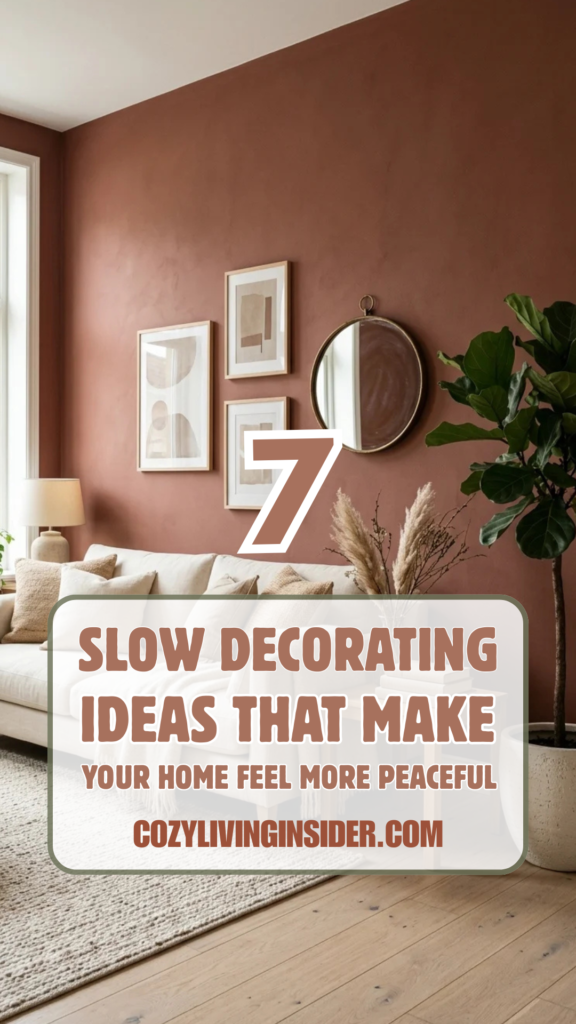

In an era defined by lightning-fast trends and “overnight” home makeovers popularized by social media, the concept of slow decorating has emerged as a vital antidote. Slow decorating is not merely a design style; it is a philosophy of living. It encourages homeowners to move away from the impulse to furnish an entire house in a single weekend and instead invites them to curate their surroundings over months and years.
The psychological benefits of this approach are profound. When we rush to fill our spaces, we often end up with environments that feel generic, cluttered, and disconnected from our true selves. By contrast, a home built slowly becomes a reflection of personal history, values, and sensory preferences. It creates a “nervous system-friendly” environment that prioritizes peace over prestige. Here are seven slow decorating ideas to help you transform your home into a tranquil sanctuary.
1. Curated Collections
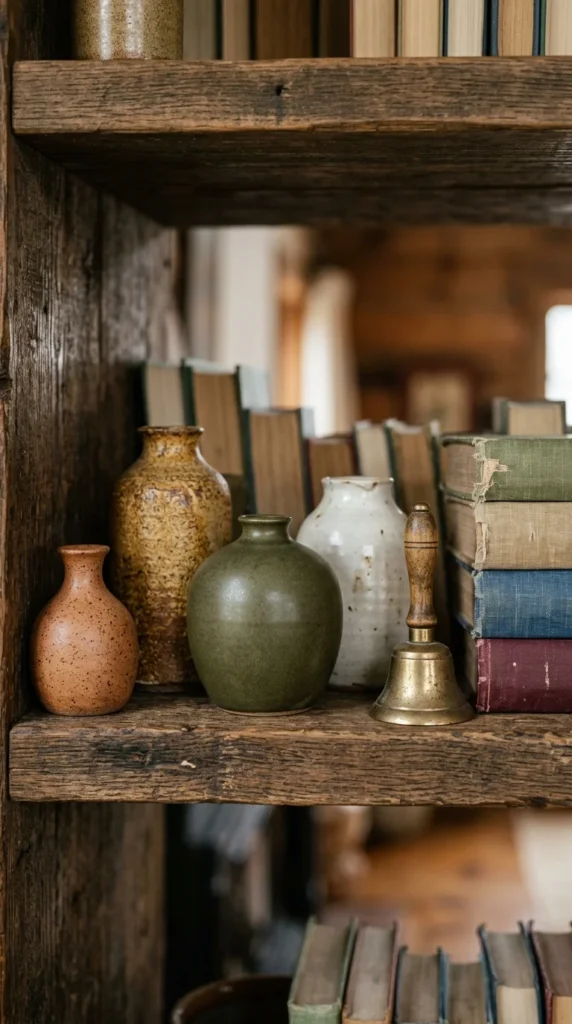
Slow decorating begins with the rejection of “filler” items—those mass-produced pieces bought simply to take up space. Instead, focus on building curated collections that tell a story. This might mean spending months hunting for the perfect antique mirror for your hallway or waiting until you travel to find a piece of art that truly resonates with you.
The peace found in curated collections comes from the emotional resonance of each object. When every item in your line of sight has a memory or a specific reason for being there, the visual noise of the room decreases. You are no longer looking at “stuff”; you are looking at a narrative. This intentionality reduces the “clutter anxiety” that often accompanies rooms filled with items that have no personal value.
2. Natural Textures
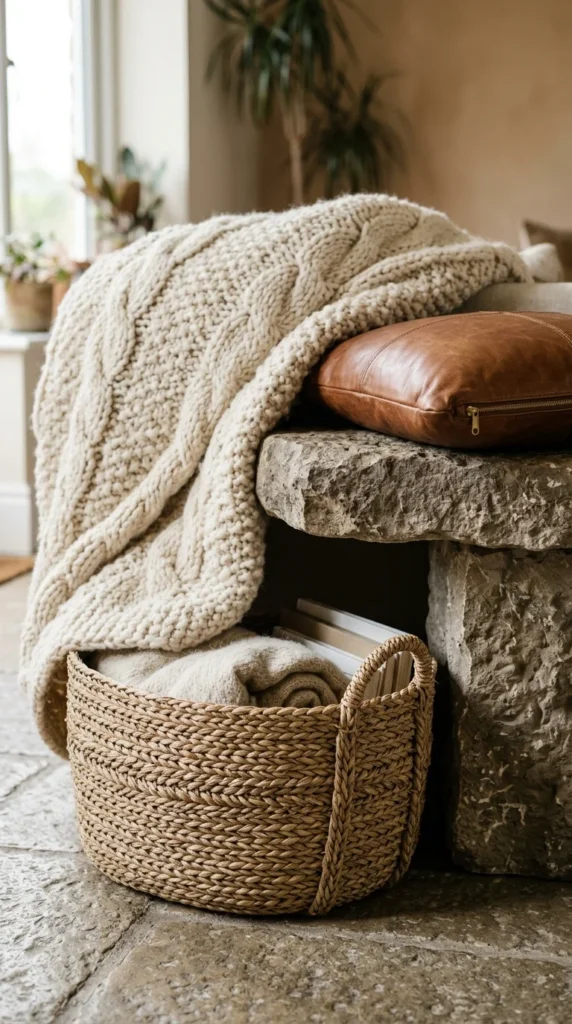
One of the most effective ways to foster a sense of peace is to bring the tactile language of the outdoors inside. Slow decorating prioritizes high-quality, natural materials over synthetic alternatives. Materials like solid wood, stone, linen, wool, and clay have a “weight” and a grounding presence that plastic and veneer lack.
Integrating these textures is a gradual process. It starts with replacing a polyester rug with one made of organic jute or wool, or swapping out synthetic bedsheets for stone-washed linen. These materials age beautifully, developing a patina that tells the story of the home’s life. Because they are rooted in nature, they instinctively lower cortisol levels, creating a sensory experience that feels timeless and stable.
3. Warm Lighting
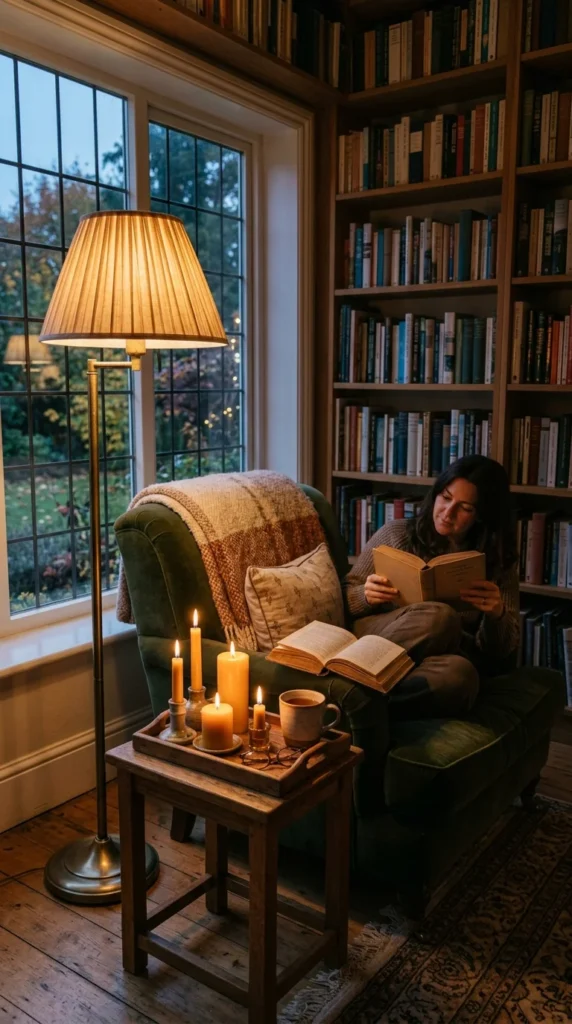
The lighting in a home dictates its emotional temperature. To create a peaceful environment, slow decorators move away from harsh, cool-toned overhead lighting and instead focus on “layering” light. This involves a slow accumulation of various light sources—floor lamps, table lamps, wall sconces, and candles—that can be adjusted based on the time of day and mood.
Peaceful lighting mimics the natural progression of the sun. In the evening, turning off “the big light” and relying on warm, low-level lamps signals to the brain that it is time to decompress. Choosing hand-forged brass lamps or hand-blown glass fixtures adds a layer of craftsmanship to the room, ensuring that even the light sources themselves are objects of beauty and calm.
4. Intentional Space
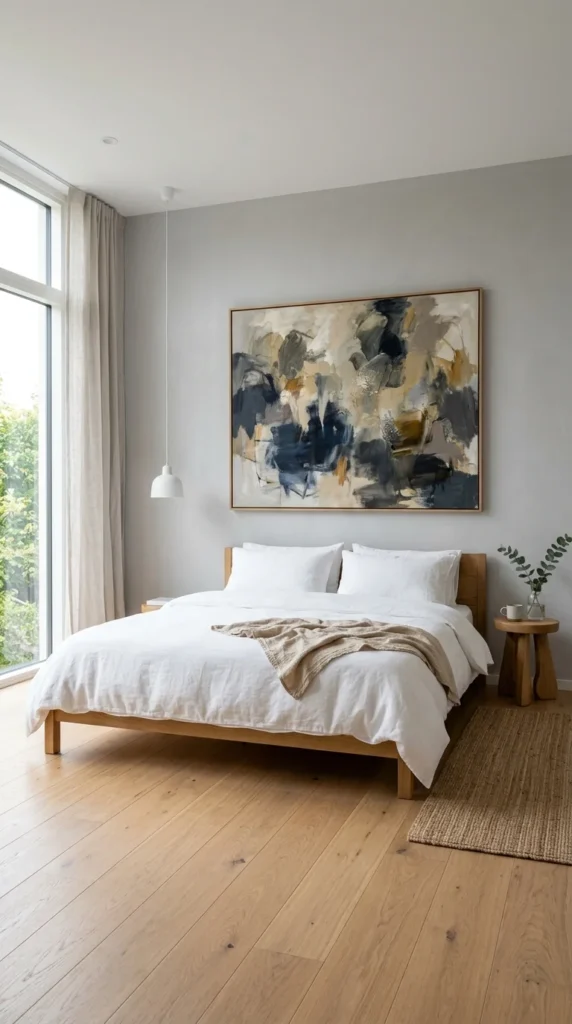
In the rush to decorate, we often forget the value of empty space. Slow decorating teaches us to be comfortable with “the gap.” An empty corner is not an invitation to buy a new chair; it is a place for the room to breathe.
By intentionally leaving areas of your home undecorated, you reduce visual stimulation, which is essential for a peaceful mind. This practice requires a high degree of restraint. It involves living in a room for several weeks before deciding what—if anything—it needs. This “waiting period” ensures that when you finally do add a piece of furniture or decor, it is perfectly suited to the flow and function of the space, rather than a cluttered afterthought.
5. Artisanal Details
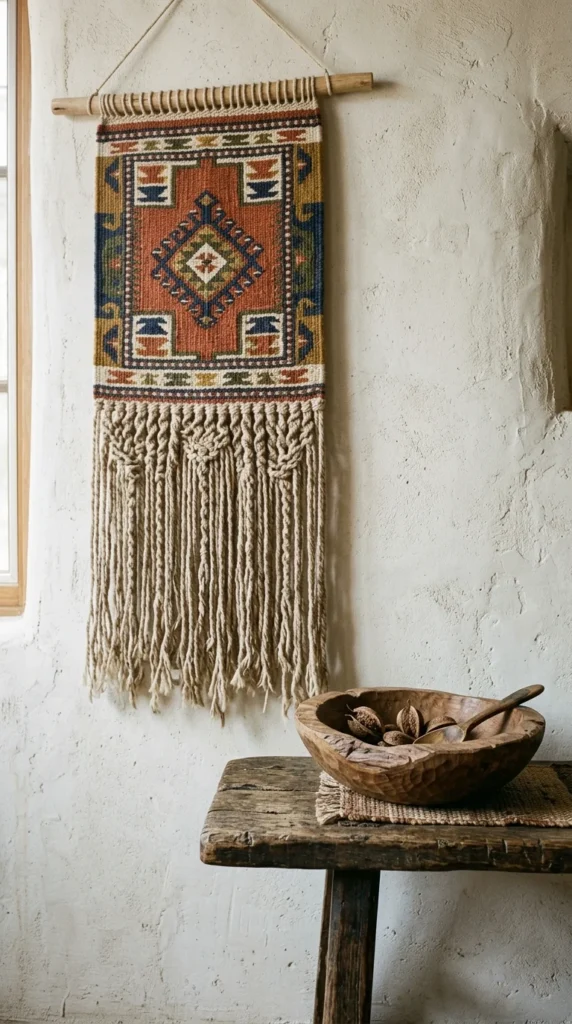
There is a unique tranquility found in items made by human hands. Whether it is the slight irregularity in a hand-thrown ceramic mug or the visible joinery on a custom-made wooden table, artisanal details introduce “soul” into a home.
Slow decorating involves seeking out local makers and independent artists. This process is inherently slow because it often involves commissions or waiting for small-batch releases. However, the result is a home filled with objects that possess a sense of humanity. Supporting a craftsperson adds a layer of ethical peace to your home, knowing that your environment was built on fair labor and traditional skills rather than industrial exploitation.
6. Living Greenery
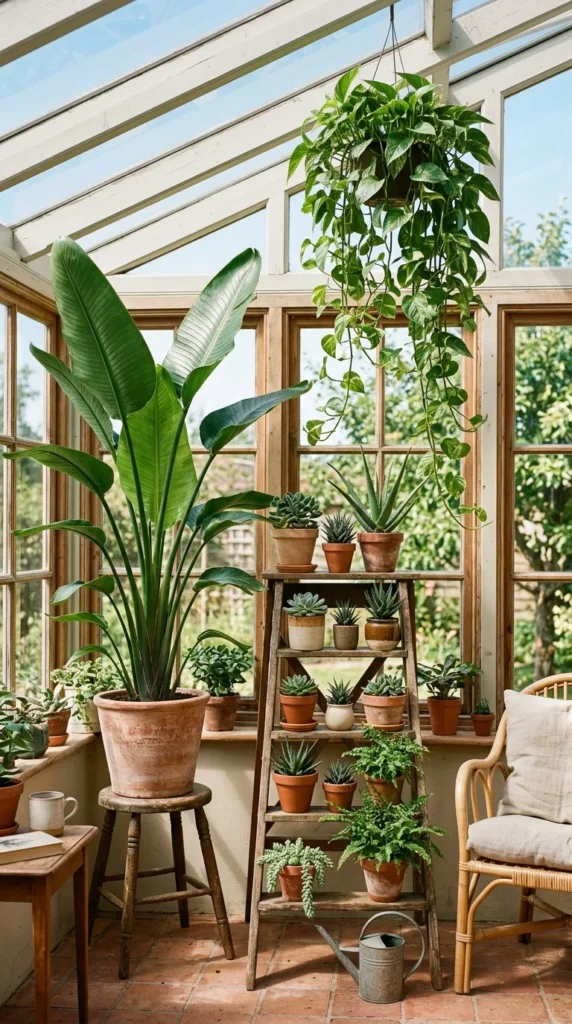
Plants are a cornerstone of a peaceful home, but slow decorating approaches indoor gardening as a long-term commitment rather than an instant aesthetic fix. Instead of buying ten large plants at once (and potentially struggling to keep them alive), slow decorating suggests starting with one or two and learning their rhythms.
Caring for living things introduces a meditative ritual into your daily life. The act of watering, pruning, and watching a new leaf unfurl connects you to the slow, steady pace of nature. Over time, as your plants grow and propagate, they become architectural elements of the room. This biophilic connection is scientifically proven to reduce stress and improve air quality, making the home feel like a living, breathing ecosystem.
7. Soft Palettes
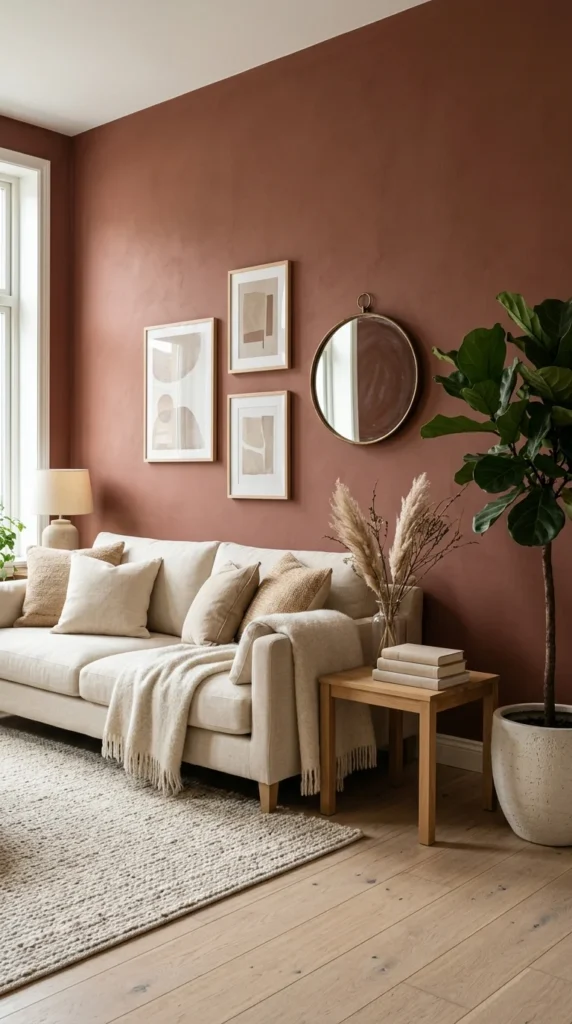
Color has a profound impact on our psychological state. While vibrant, high-contrast colors can be energizing, they are rarely described as “peaceful.” Slow decorating often leans toward a “low-contrast” palette—shades that sit close to one another on the color wheel.
This doesn’t mean your home must be entirely beige. Rather, it means choosing colors found in the natural world: sage greens, soft ochres, misty blues, and warm whites. When you decorate slowly, you have the luxury of testing paint swatches in different lights over several days, ensuring the color feels soothing at both 8:00 AM and 8:00 PM. A cohesive, soft palette creates a visual “hush” that allows the mind to rest the moment you walk through the door.
Conclusion: The Reward of Patience
The ultimate goal of slow decorating is to create a home that feels like a sanctuary, not a showroom. By embracing patience, prioritizing quality over quantity, and focusing on the sensory experience of your space, you build an environment that supports your well-being. A peaceful home is not one that is “finished” according to a magazine’s standards, but one that is constantly evolving to meet the needs of the people who live within its walls. Slow down, breathe, and let your home grow with you.