
Creating a pollinator garden is more than a landscaping project; it is a vital contribution to the local ecosystem. Pollinators—including bees, butterflies, moths, birds, and beetles—are responsible for the reproduction of over 85% of the world’s flowering plants and two-thirds of our food crops. As natural habitats dwindle due to urbanization, the transformation of private backyards into wildlife sanctuaries has never been more critical.
A successful pollinator garden balances aesthetic appeal with ecological function. By selecting the right plants and providing essential resources like water and nesting sites, you can create a thriving corridor for nature’s most important workers. Here are 24 comprehensive ideas to help you design a backyard that is as functional as it is breathtaking.
1. Native Milkweed
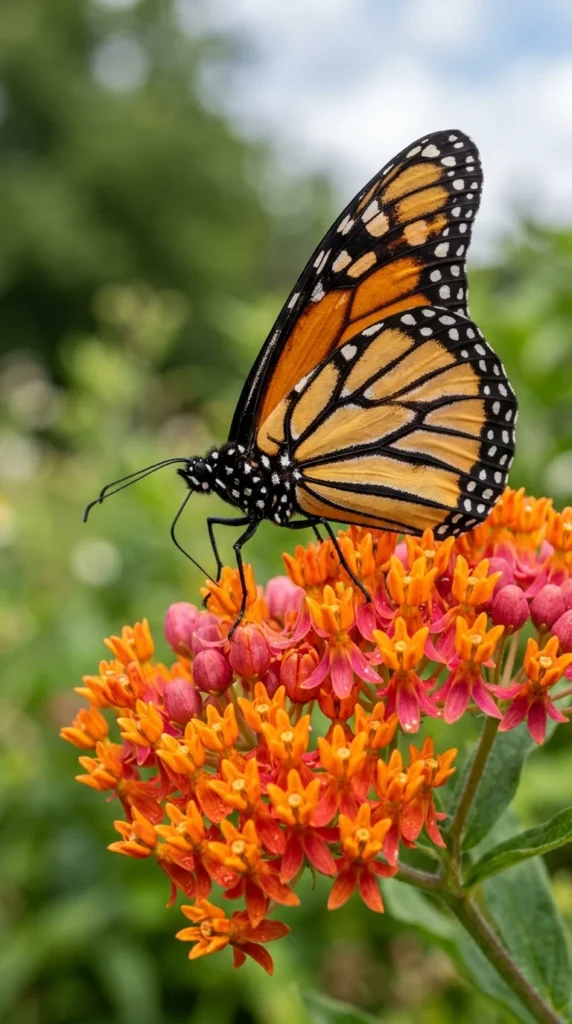
Milkweed is the absolute foundation of any butterfly-centric garden. It is the sole host plant for Monarch butterfly larvae; without it, the species cannot complete its life cycle. Beyond being a nursery for caterpillars, milkweed produces clusters of fragrant, nectar-rich flowers that attract a wide variety of bees and other beneficial insects. When choosing milkweed, always opt for species native to your specific region, such as Common Milkweed (Asclepias syriaca) or Swamp Milkweed (Asclepias incarnata), to ensure they provide the right nutritional value for local populations.
2. Purple Coneflower
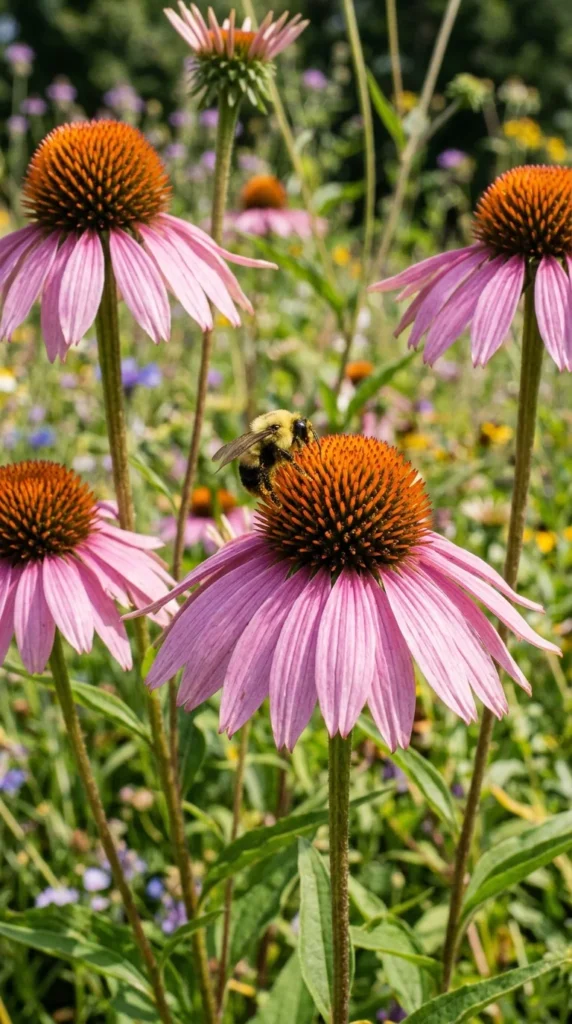
Echinacea, commonly known as Purple Coneflower, is a staple in the pollinator garden due to its hardiness and long blooming season. These perennials feature large, landing-pad-style blooms that make it easy for bees and butterflies to access nectar. They are drought-tolerant and provide a striking structural element to garden beds. In the autumn, leave the dried seed heads standing; they provide a natural food source for goldfinches and other songbirds during the colder months.
3. Lavender Rows
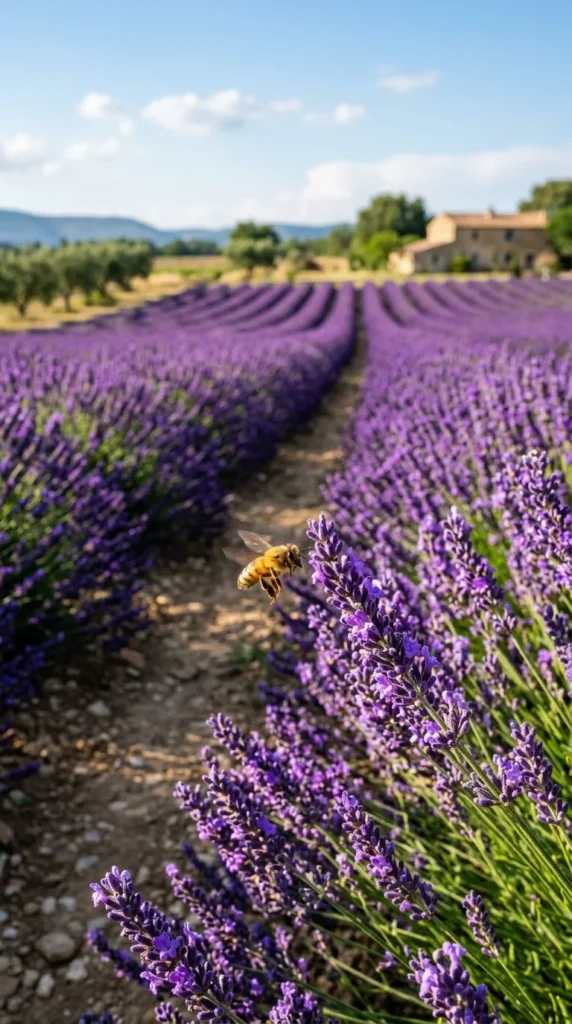
Lavender is a powerhouse for attracting honeybees and bumblebees. Its high nectar content and fragrant oils make it an irresistible stop for foraging insects. Because lavender thrives in well-drained soil and full sun, it is perfect for lining walkways or creating a sensory border near patios. Its silvery-green foliage provides year-round visual interest and serves as a hardy backdrop for shorter, more colorful annuals.
4. Bee Balms
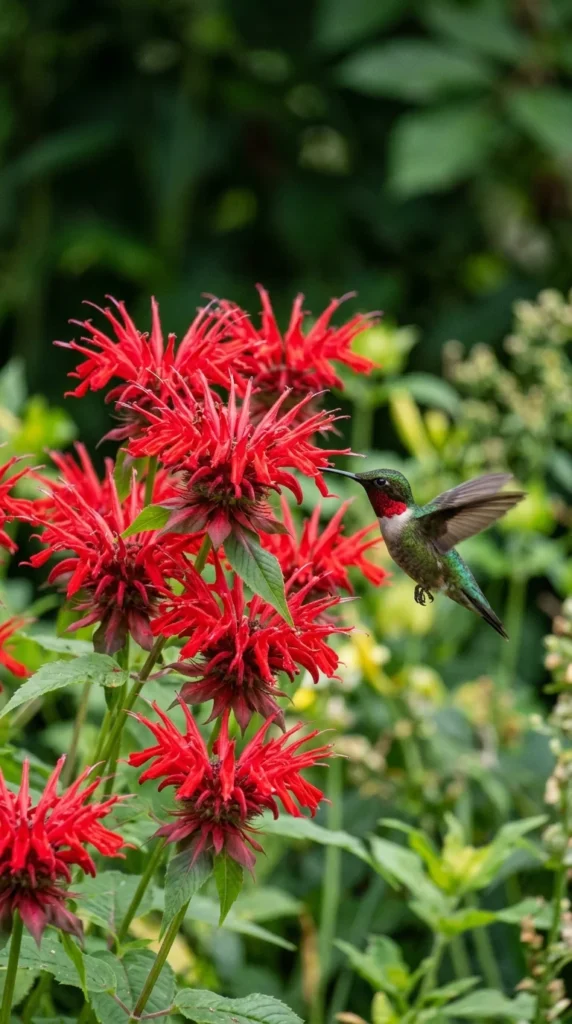
Bee Balm, or Monarda, is famous for its unique, “shaggy” appearance and its ability to attract three major types of pollinators: bees, butterflies, and hummingbirds. The tubular shape of the flowers is perfectly evolved for the long beaks of hummingbirds and the tongues of specialized bees. This plant is also a member of the mint family, meaning it is fast-growing and aromatic. It adds a wild, cottage-garden feel to any landscape.
5. Butterfly Bush
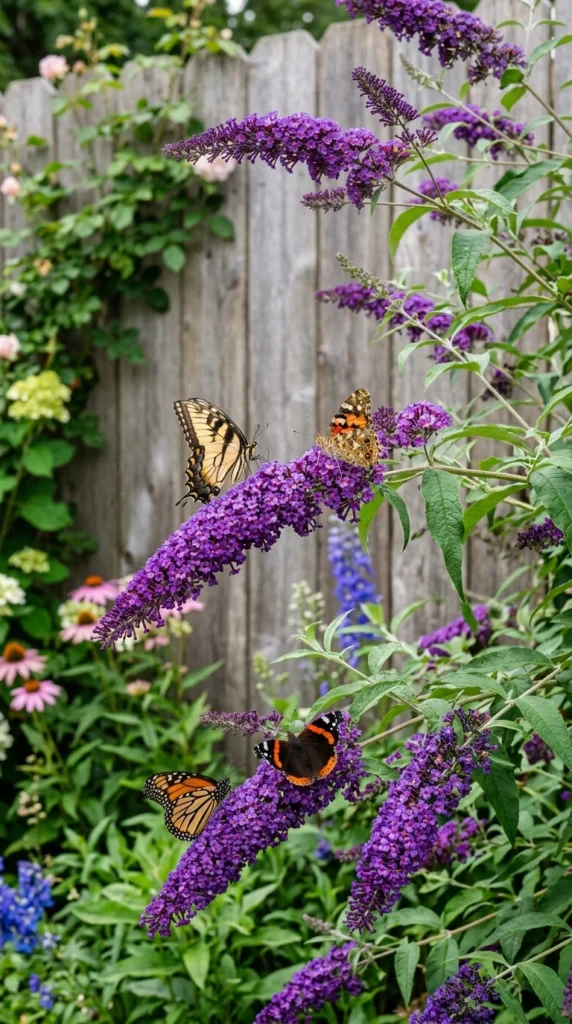
While traditional Buddleja davidii can be invasive in some regions, many new sterile cultivars offer the same incredible nectar density without the risk of spreading into wild areas. Often called “summer lilac,” this shrub produces massive amounts of nectar from mid-summer through fall. Its height and volume make it an excellent choice for the back of a border, providing a vertical layer of color that attracts butterflies from great distances.
6. Sunflowers
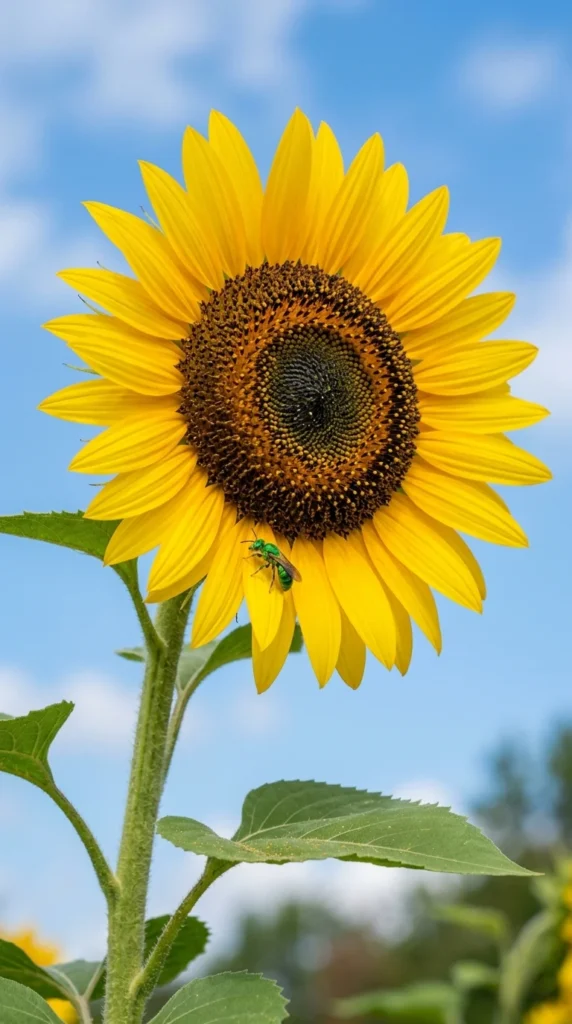
Sunflowers are the giants of the pollinator world. Not only do they provide a massive platform for bees to collect pollen, but they also act as a beacon for wildlife. From tiny sweat bees to large bumblebees, the open face of a sunflower is an easy-access buffet. Once the flowers fade, the seeds provide essential fats for birds preparing for winter. Planting varieties of different heights can create a dynamic, multi-level visual effect in the backyard.
7. Asters
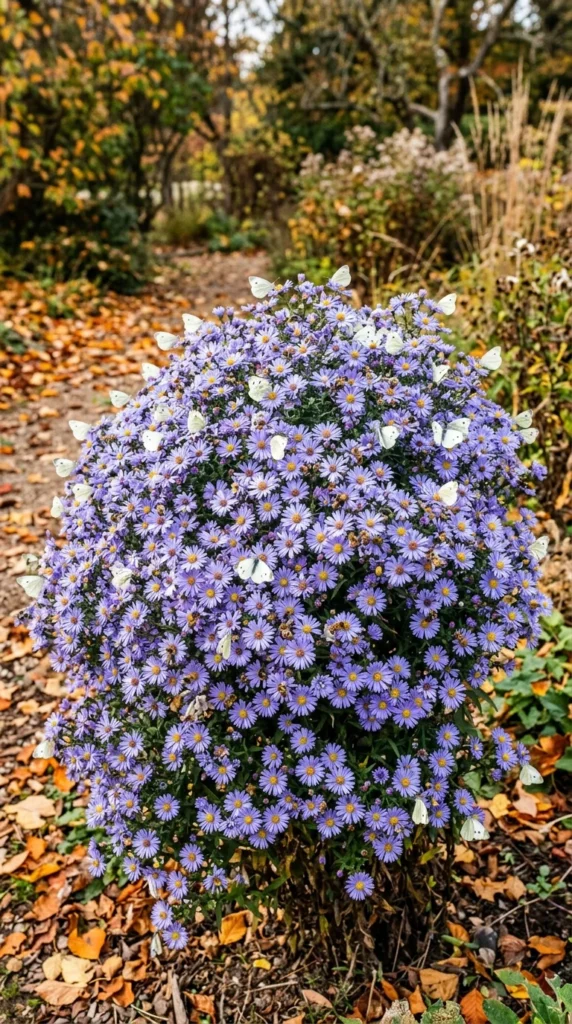
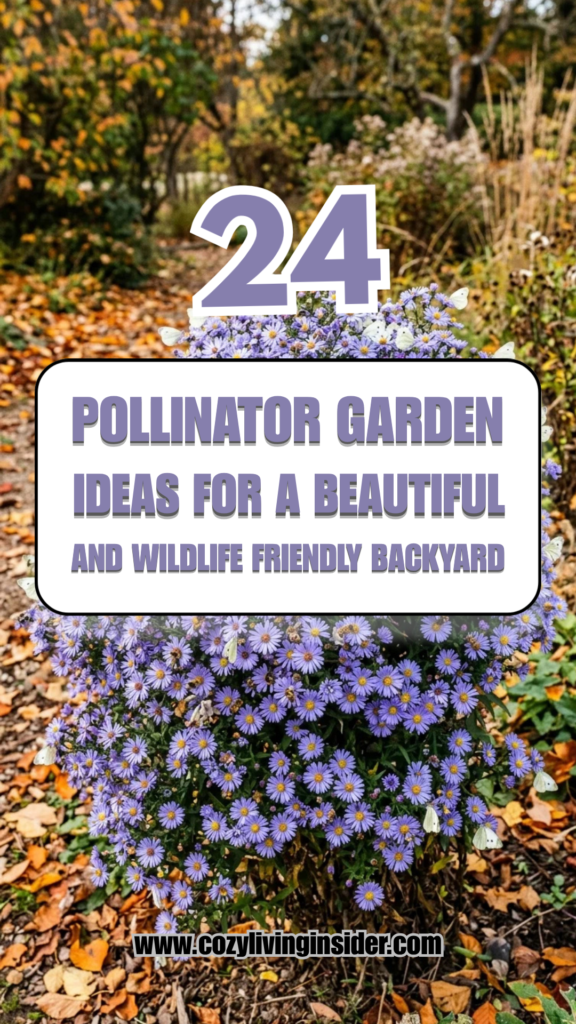
Asters are the unsung heroes of the late-season garden. While many flowers begin to fade in September and October, asters burst into bloom, providing a critical source of “fuel” for migrating butterflies and bees preparing for winter dormancy. Their low-growing, mounded habit makes them excellent for front-of-border planting or filling in gaps left by mid-summer perennials.
8. Goldenrod
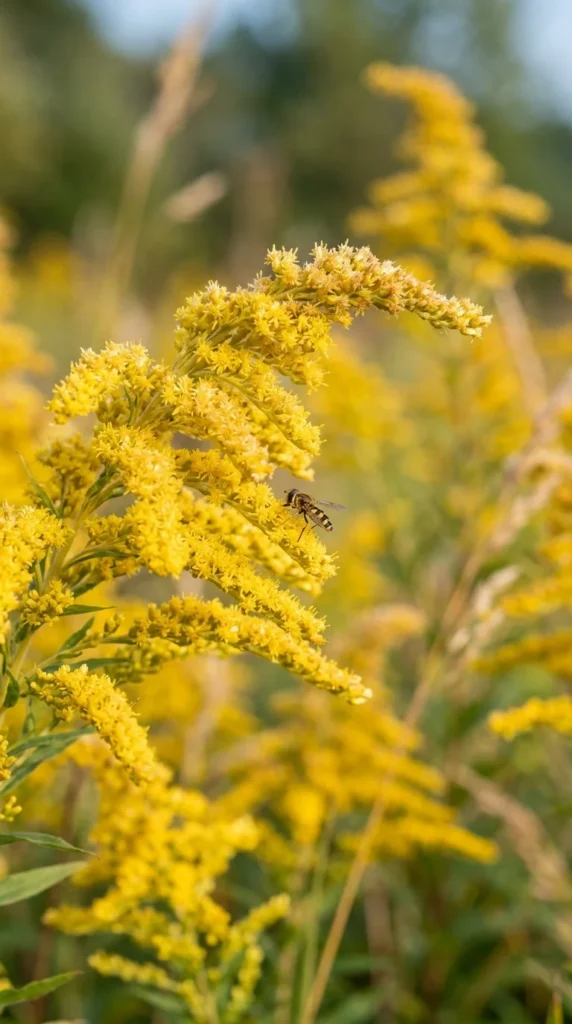
Often unfairly blamed for hay fever (the real culprit is usually ragweed), Goldenrod is one of the most important late-season nectar sources in North America. Its bright yellow plumes add a sunny glow to the autumn landscape. It is highly attractive to specialized bees and provides a dense habitat for beneficial predatory insects that help keep garden pests in check.
9. Bee Hotels
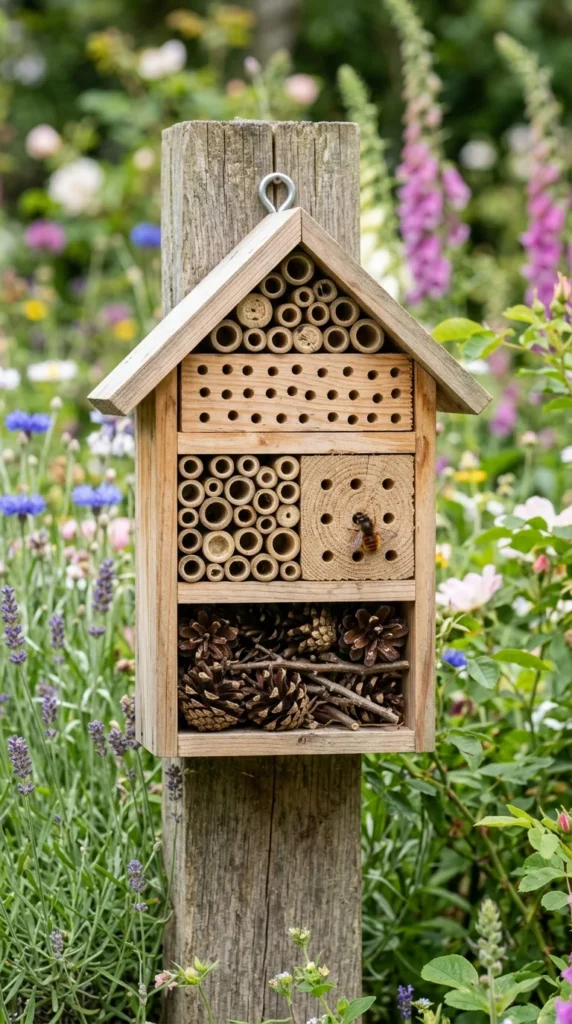
Not all bees live in hives. In fact, many native bees are solitary and nest in wood or hollow stems. A “bee hotel” provides essential nesting habitat for these gentle pollinators, such as mason bees and leafcutter bees. Placing a bee hotel in a sunny, south-facing spot protected from rain can significantly increase the population of local pollinators, ensuring your garden is well-serviced every spring.
10. Puddling Stations
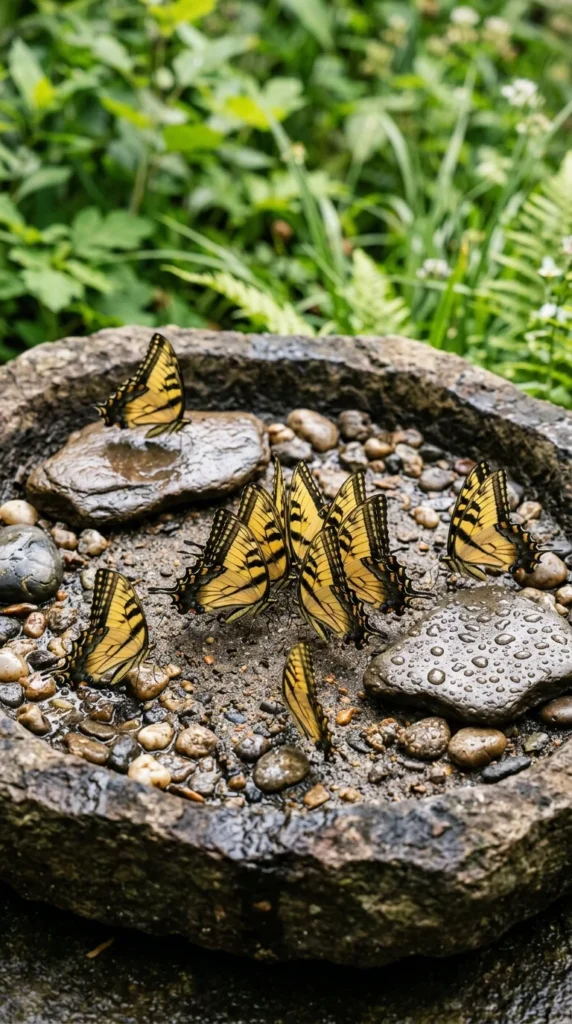
Butterflies often congregate around damp soil or shallow puddles to drink water and extract essential minerals and salts, a behavior known as “puddling.” You can create a dedicated puddling station by burying a shallow tray in the ground, filling it with sand and water, and adding a few flat stones for the butterflies to land on. This simple addition makes your garden a comprehensive habitat rather than just a feeding stop.
11. Bird Baths
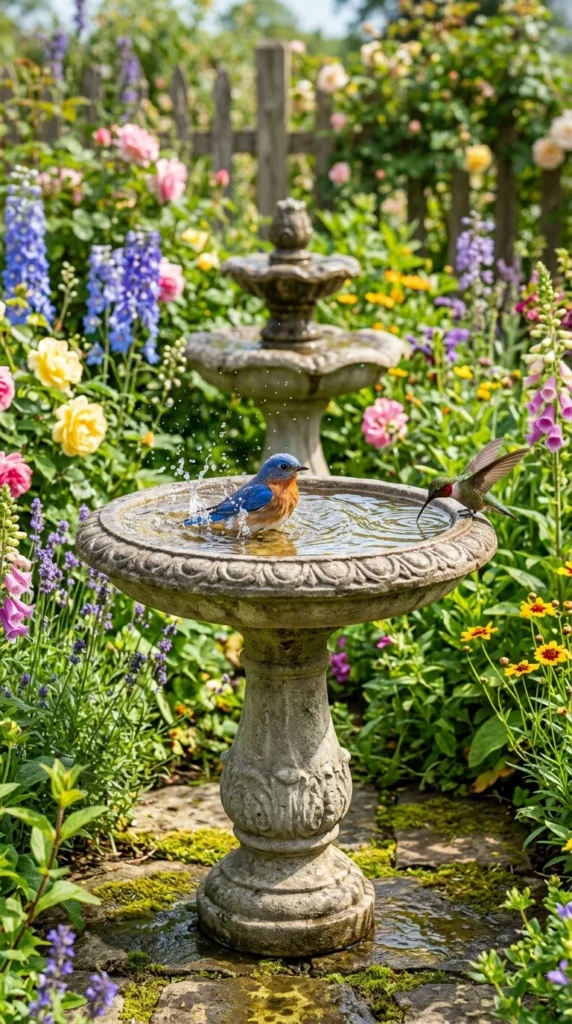
Pollinators, like all wildlife, need access to clean water. A bird bath serves as a central watering hole. To make it safe for smaller insects like bees, place several large stones in the water that break the surface. This allows bees to land and drink without the risk of drowning. Changing the water regularly ensures it stays fresh and prevents mosquitoes from breeding.
12. Log Piles
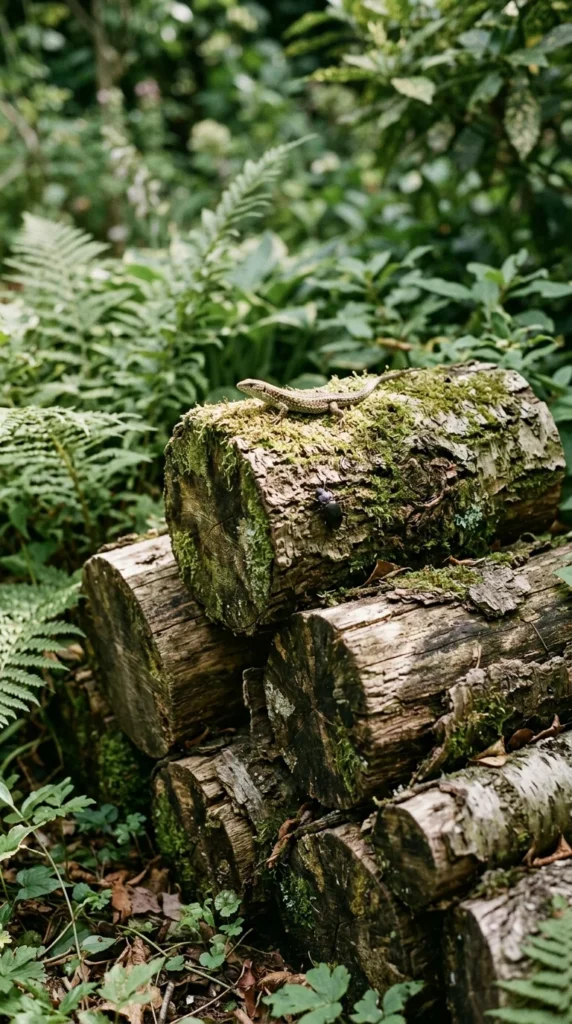
Neatness is often the enemy of biodiversity. A small, intentional pile of logs or fallen branches provides a “wild” zone where pollinators can seek shelter from predators and harsh weather. Overwintering queens and larvae often hide in the crevices of decaying wood. By keeping a corner of your yard a bit untidy, you provide the structural complexity needed for a full lifecycle garden.
13. Vertical Trellises
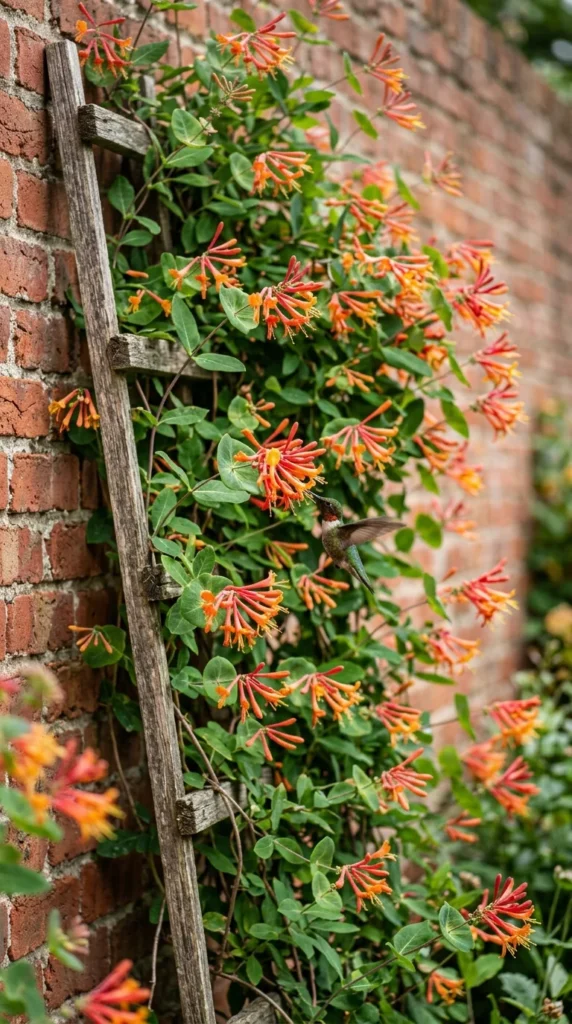
Maximize your garden’s square footage by growing upwards. Vertical elements like trellises and arbors covered in flowering vines—such as honeysuckle, clematis, or morning glories—provide a massive amount of nectar in a small footprint. This also creates a “flight path” for pollinators, guiding them through different levels of your garden and offering shade and nesting sites for birds.
14. Rock Gardens
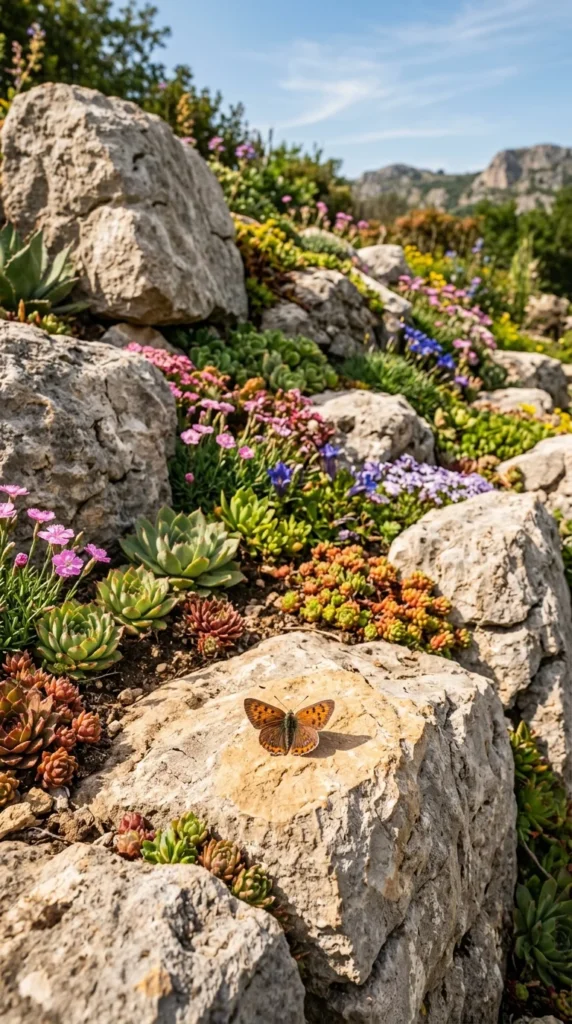
Pollinators are cold-blooded and rely on the sun to warm their bodies before they can fly. A rock garden provides flat, heat-absorbing surfaces where butterflies can bask. When combined with drought-tolerant, low-growing plants like sedum or creeping thyme, rock gardens become efficient, low-maintenance habitats that thrive in the hottest parts of your yard.
15. Meadow Lawns
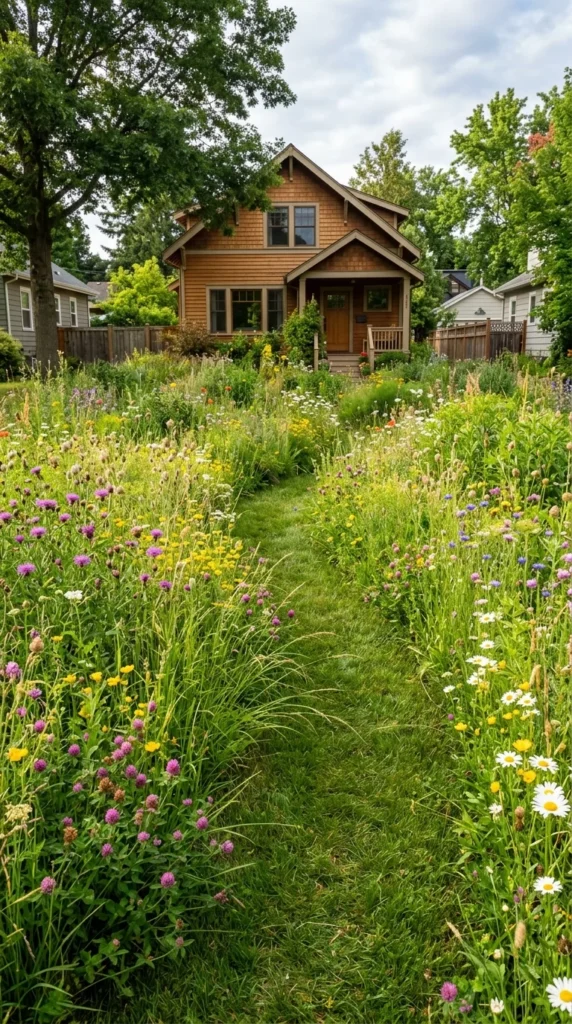
Traditional manicured lawns are ecological “deserts” for pollinators. Replacing even a small portion of your lawn with a wildflower meadow reduces the need for mowing and chemical fertilizers while providing a massive boost to local biodiversity. Use a mix of native grasses and wildflowers to create a tapestry of color that changes throughout the season, providing food and cover for countless species.
16. Fruit Trees
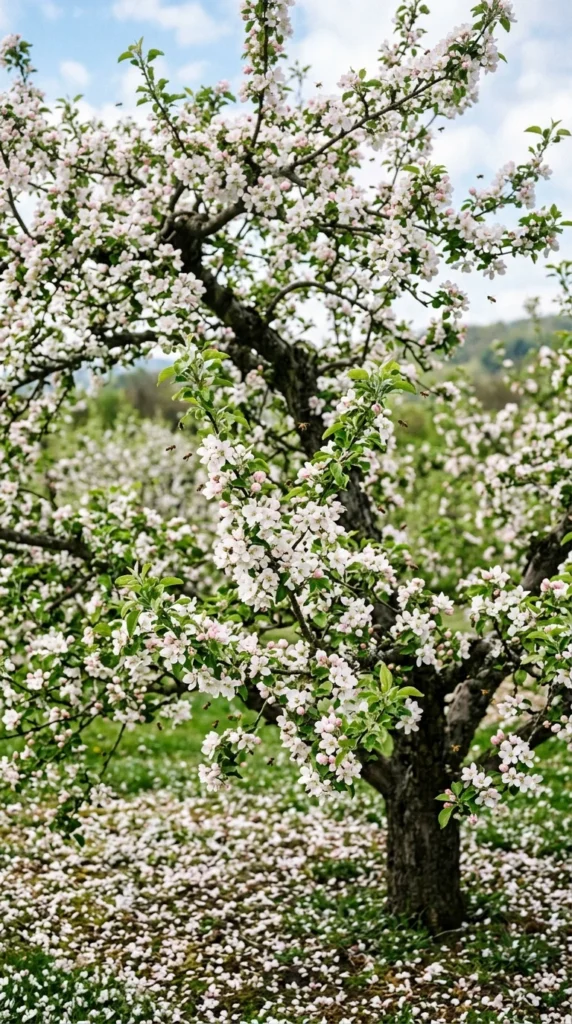
Fruit trees like apples, cherries, and peaches are double-duty additions to a pollinator garden. In the spring, they provide a massive “pulse” of nectar and pollen when many other flowers are still dormant. In the late summer and fall, any fallen or overripe fruit provides a sugar source for butterflies and moths. Plus, you get the added benefit of a backyard harvest.
17. Tiered Garden Beds
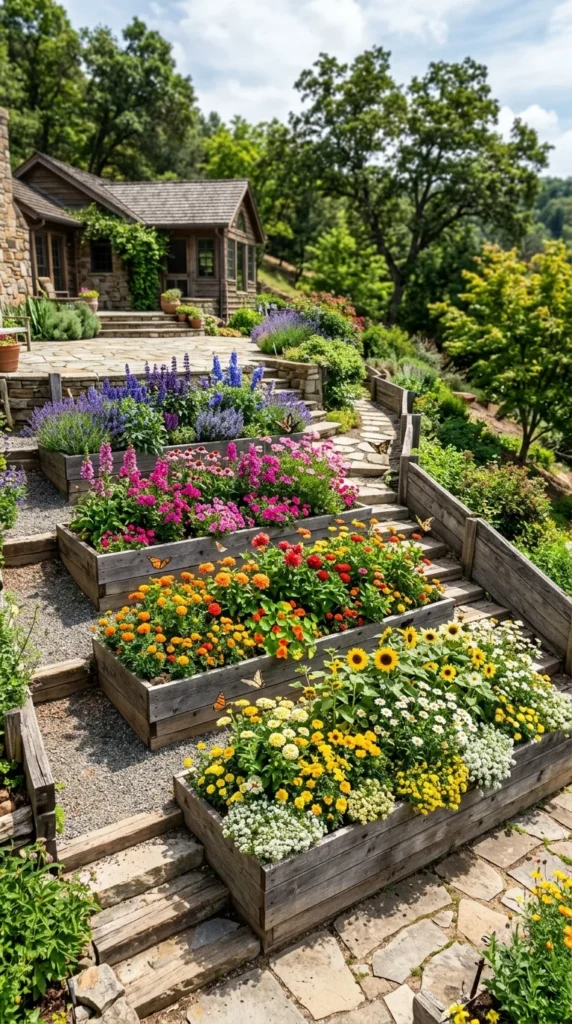
Using tiered beds or retaining walls allows you to pack more plants into a sloped area and improves drainage. This design approach creates different microclimates—the top tier might be drier and sunnier, while the bottom stays cooler and moister. This variety allows you to host a wider range of plant species, which in turn attracts a more diverse group of pollinators.
18. Nocturnal Gardens
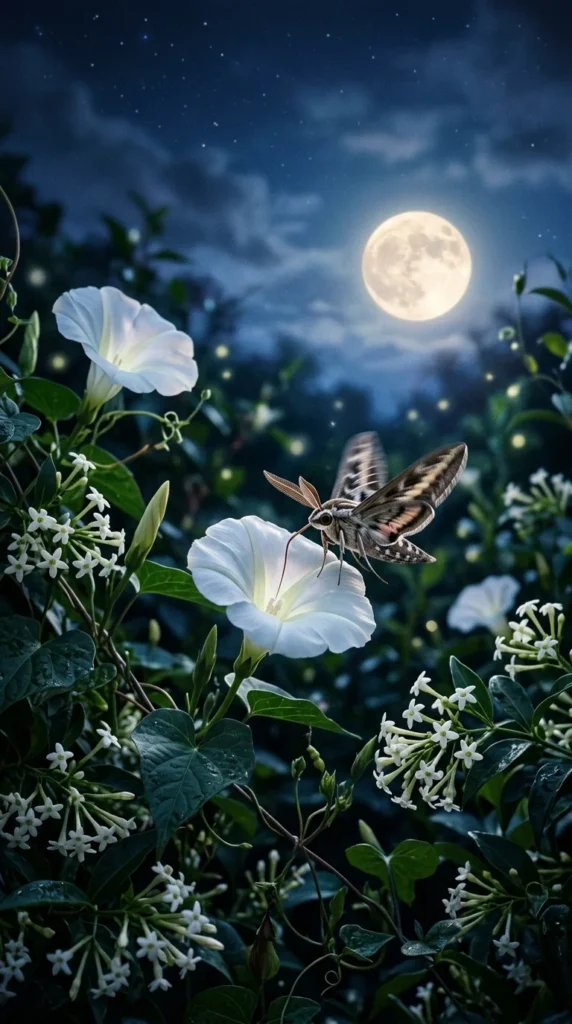
Don’t forget the night shift! Moths are incredibly important pollinators that are often overlooked. To support them, plant “moon gardens” filled with white or pale-colored flowers that reflect moonlight and emit strong fragrances at night. Plants like Evening Primrose, Moonflower, and Nicotiana are perfect for attracting these fascinating nocturnal visitors.
19. Edible Herbs
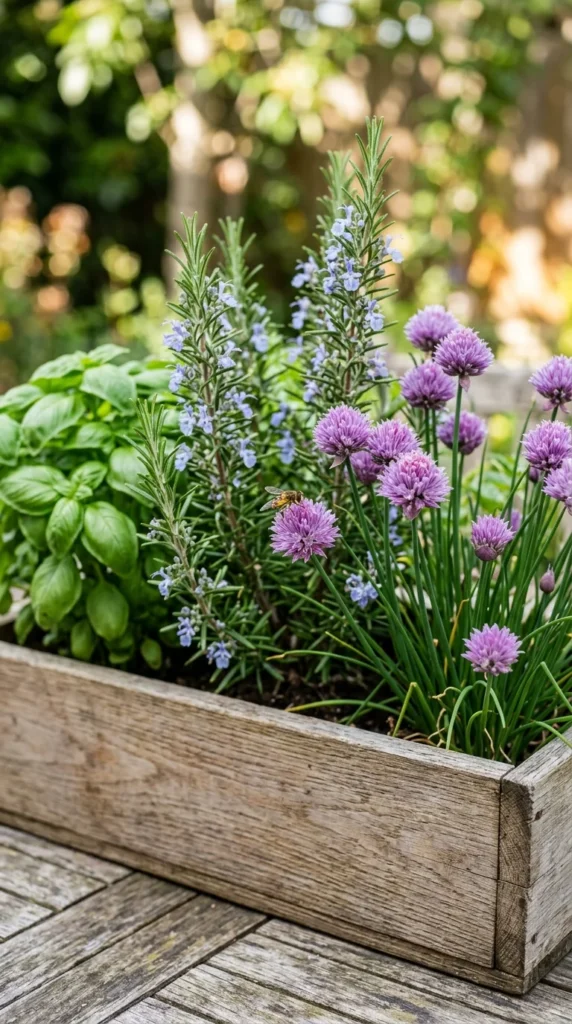
Many common kitchen herbs are fantastic pollinator plants if allowed to go to flower. Chives, oregano, rosemary, and basil produce small but nectar-dense flowers that are particularly beloved by tiny native bees and wasps. Integrating these into your garden provides a functional harvest for your kitchen and a constant food source for insects.
20. Flowering Shrubs
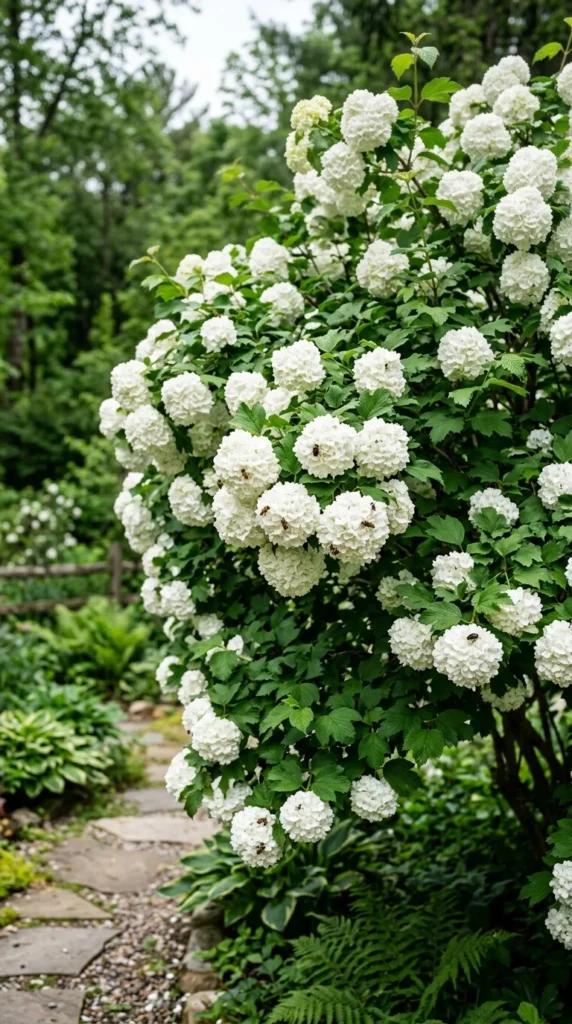
Shrubs like Viburnum, Ninebark, and Elderberry provide more than just flowers; they offer structure, nesting sites for birds, and protection from the wind. These woody plants often bloom in the “hungry gap” of early spring, providing food when it is most needed. Their dense branches also serve as a safe haven for pollinators to hide from predators or rainstorms.
21. Window Boxes
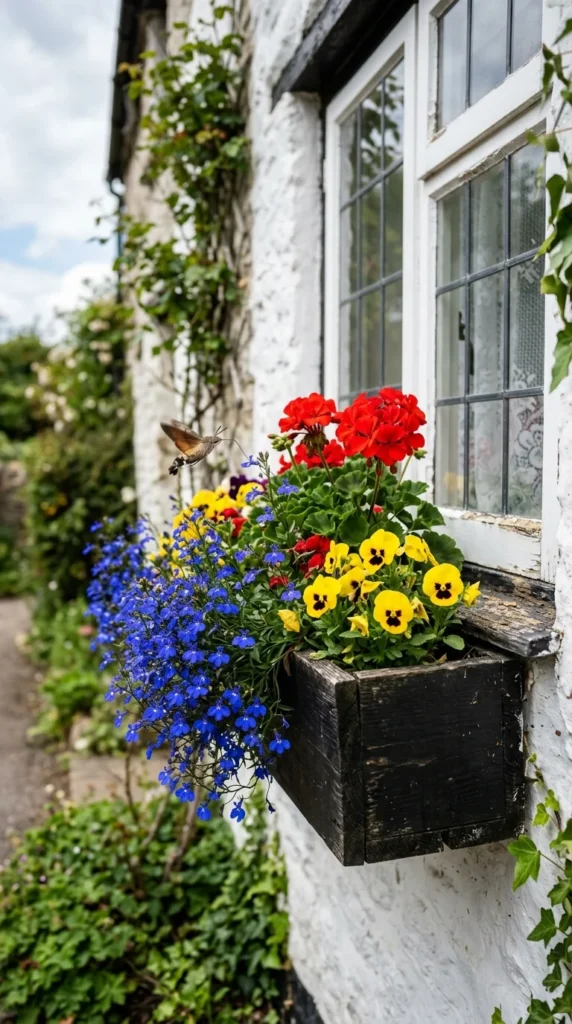
You don’t need a massive backyard to help pollinators. Window boxes and container gardens can act as “stepping stones” for insects moving through urban environments. By choosing trailing plants and compact varieties of pollinator favorites, you can turn a porch, balcony, or window sill into a vital nectar stop.
22. Groundcovers
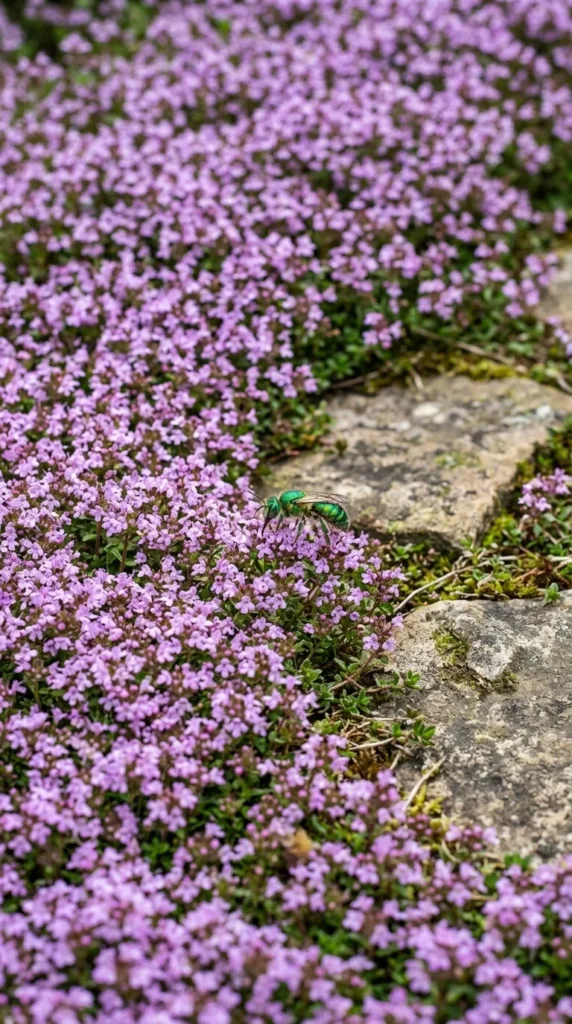
Low-growing groundcovers like Creeping Thyme, Ajuga, or Clover are excellent alternatives to mulch. They suppress weeds while providing a massive number of tiny flowers for small-bodied pollinators. These plants are often tough enough to handle light foot traffic, making them ideal for planting between stepping stones or along path edges.
23. Seed Saving
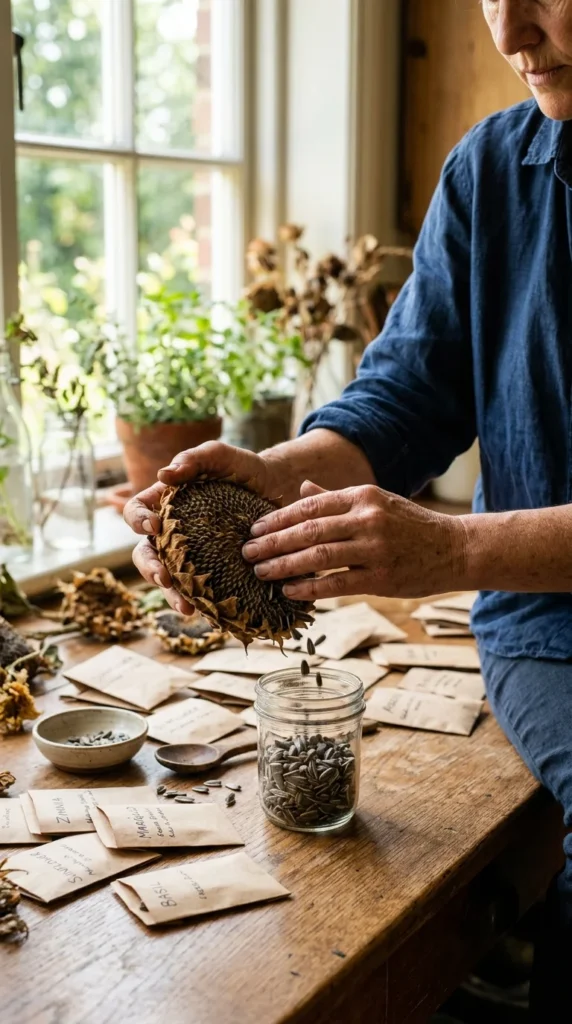
A sustainable pollinator garden is a self-perpetuating one. By saving seeds from your native plants, you can expand your garden every year without additional cost. This also allows you to share seeds with neighbors, spreading the “pollinator corridor” throughout your community. Saving seeds helps preserve the genetics of plants that have successfully adapted to your specific local climate.
24. Chemical-Free Zones
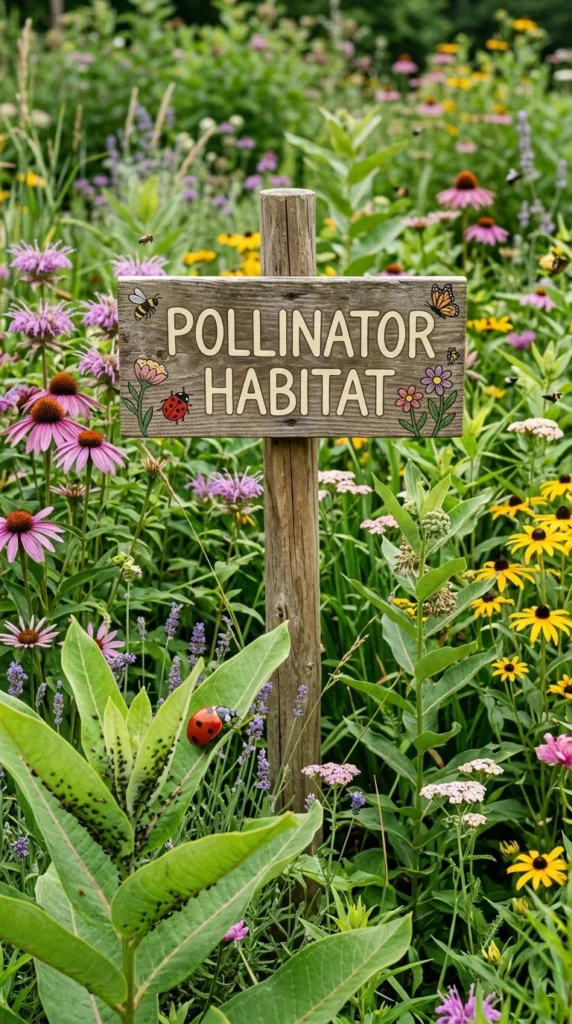
The most important “idea” for a pollinator garden is what you don’t do: don’t use synthetic pesticides, herbicides, or fungicides. These chemicals can be lethal to bees and butterflies or can weaken their immune systems. Instead, rely on natural predators like ladybugs and lacewings to manage pests. A chemical-free garden ensures that the “wildlife-friendly” promise of your backyard is a reality, providing a safe and healthy sanctuary for all.