
Creating a pollinator garden is more than just a landscaping project; it is a vital contribution to the local ecosystem. As urban development expands, the natural habitats for bees, butterflies, moths, and hummingbirds continue to shrink. By strategically selecting plants and designing features that cater to these essential creatures, homeowners can transform even the smallest outdoor space into a thriving sanctuary.
Pollinators are responsible for one out of every three bites of food we eat. Beyond their agricultural importance, they bring movement, color, and life to the garden. To successfully attract and sustain these visitors, one must consider their entire life cycle—from providing nectar-rich food to offering safe nesting sites and water. The following seventeen ideas provide a comprehensive roadmap for building a landscape that is as functional as it is beautiful.
1. Native Species
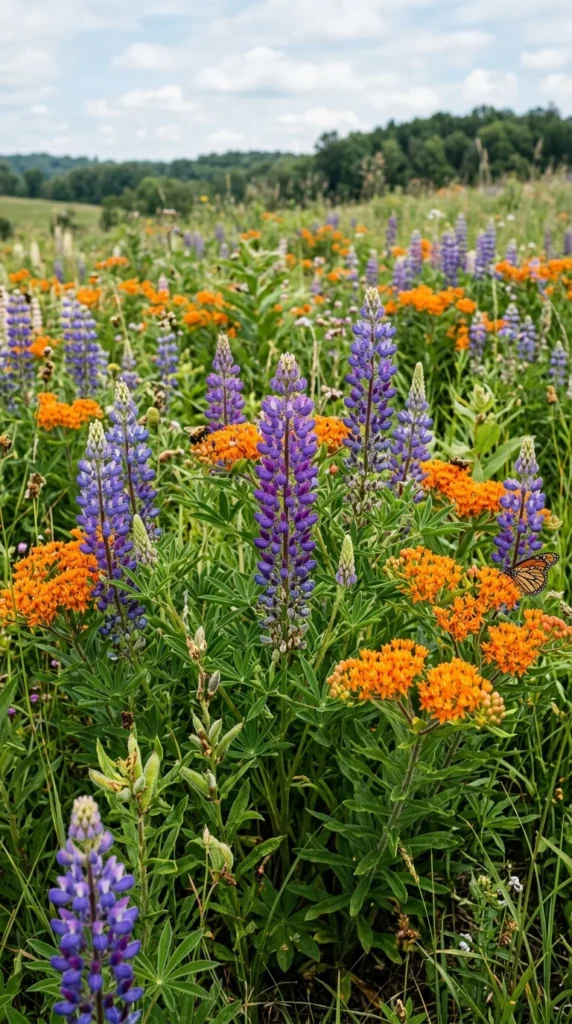
The cornerstone of any successful pollinator garden is the use of native plants. Native species have co-evolved with local pollinator populations for millennia, meaning their flower shapes, bloom times, and nectar sugar content are perfectly synchronized with the needs of local bees and butterflies. Unlike many hybridized nursery plants, which are often bred for aesthetics at the expense of nectar production, native plants provide high-quality nutrition. They are also generally more resilient, requiring less water and fewer fertilizers once established.
2. Successive Blooms
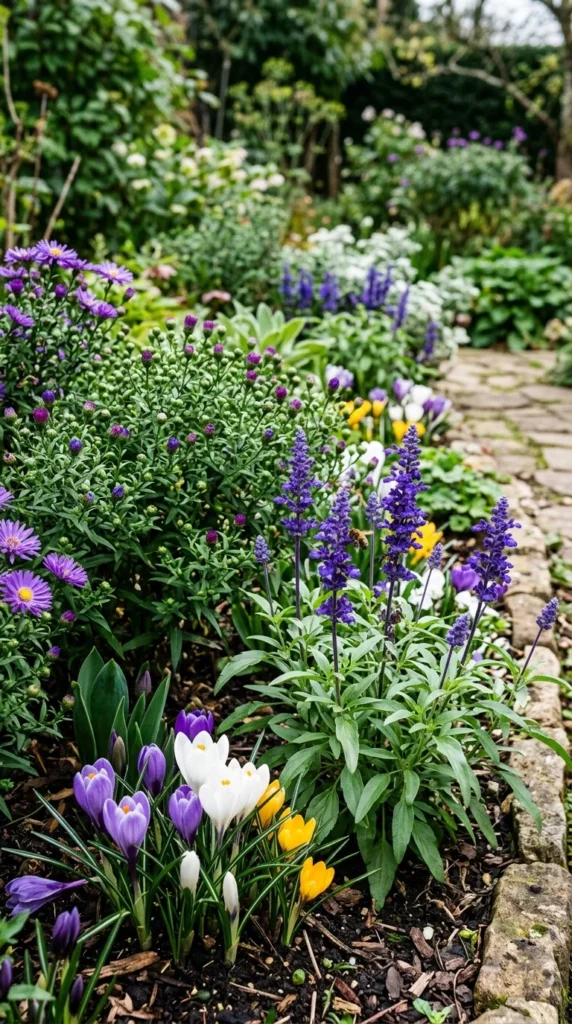
Pollinators need food from the moment they emerge in early spring until they hibernate or migrate in late autumn. To support them throughout the year, design your garden with a “bloom calendar” in mind. Aim for at least three different species blooming in each season. Early spring may feature willows and serviceberries; summer can be dominated by bee balm and zinnia; and autumn should be anchored by goldenrod and asters, which provide the critical energy boost needed for migration.
3. Host Plants
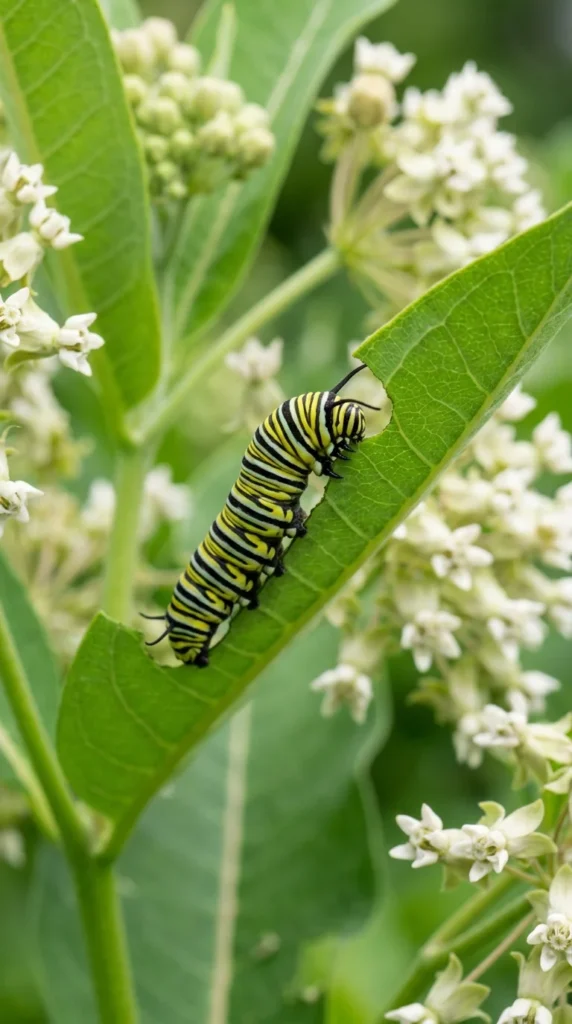
While nectar-rich flowers provide energy for adult insects, many pollinators—particularly butterflies—require specific “host plants” to lay their eggs. These are the only plants their larvae (caterpillars) can eat. The most famous example is the relationship between Monarch butterflies and milkweed. Without host plants, you may attract butterflies for a visit, but they won’t stay to build a population. Research the butterflies native to your region and include their specific larval food sources to create a true nursery.
4. Puddling Stations
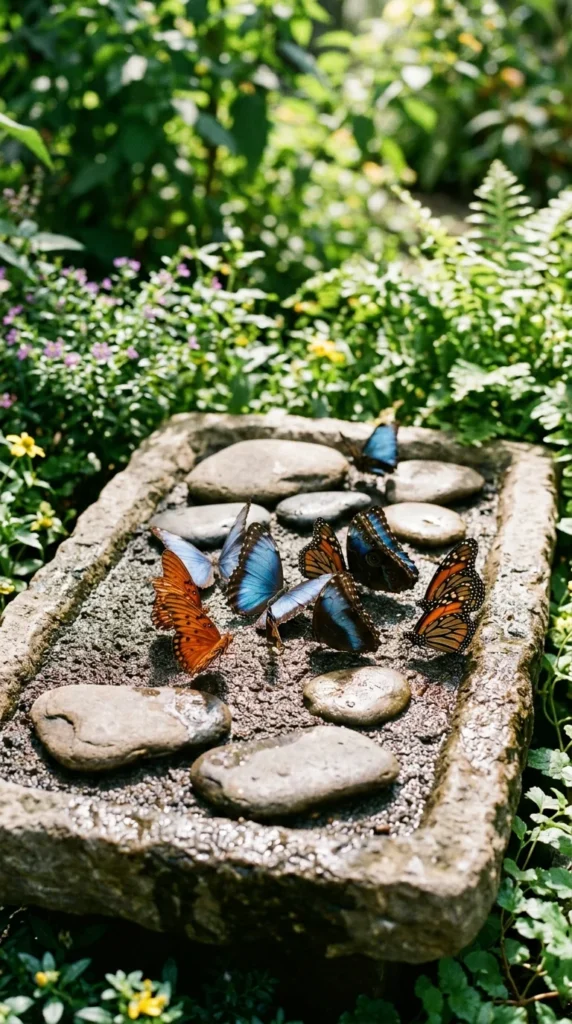
Butterflies often gather around damp soil or shallow puddles in a behavior known as “puddling.” They aren’t just drinking water; they are extracting essential minerals and salts from the soil. You can recreate this by placing a shallow dish at ground level, filling it with sand or gravel, and keeping it consistently moist. Adding a pinch of sea salt or compost to the water can further enrich the mineral content, making it an irresistible stop for various butterfly species.
5. Bee Hotels
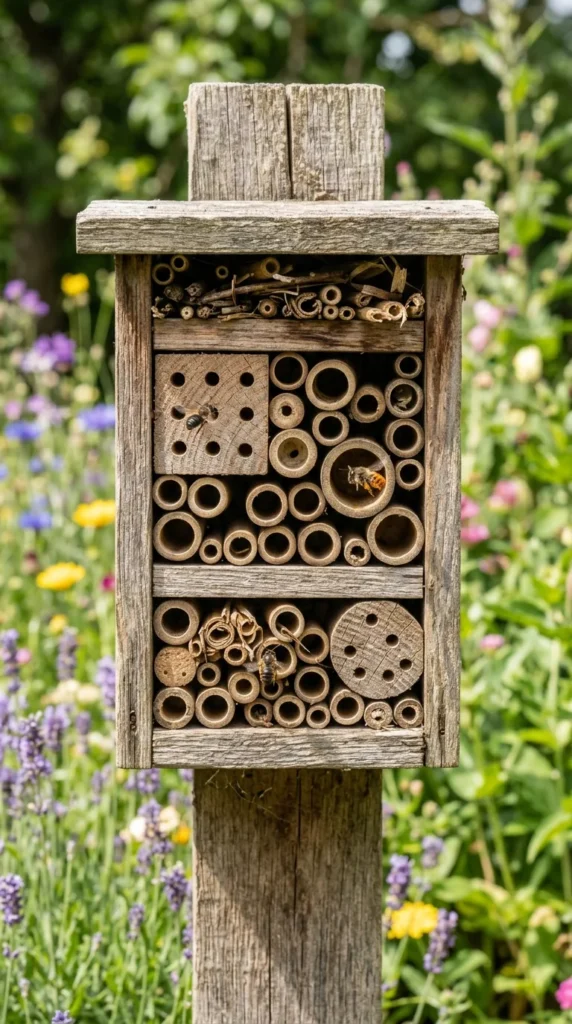
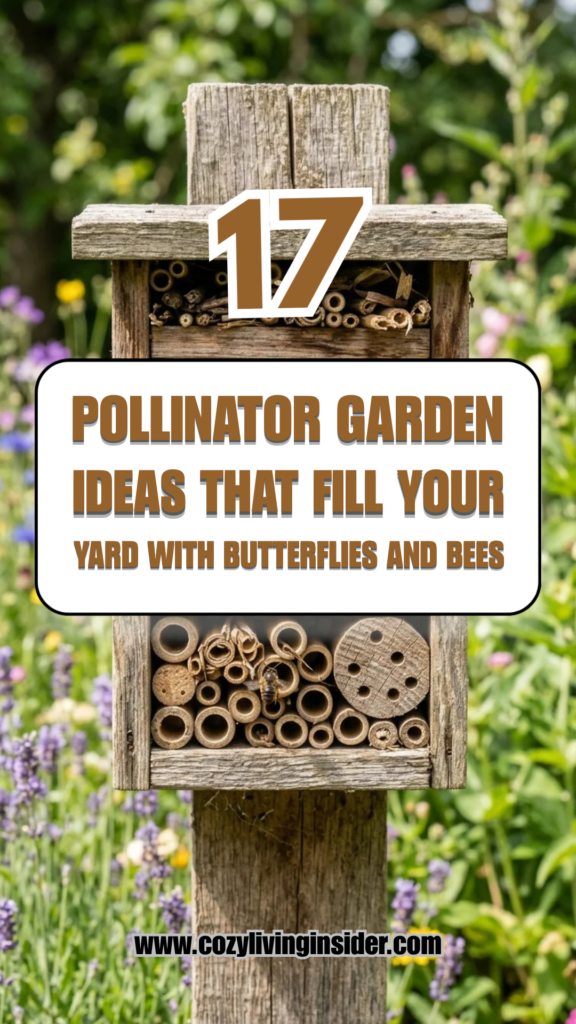
While honeybees live in social hives, many native bees are solitary and nest in wood tunnels or hollow stems. You can support these gentle pollinators by installing “bee hotels.” These structures provide safe cavities for bees to lay their eggs. Ensure the hotel is placed in a sunny, south-facing spot protected from rain. It is crucial to maintain these structures by replacing the nesting tubes every few years to prevent the buildup of parasites and diseases.
6. Color Grouping
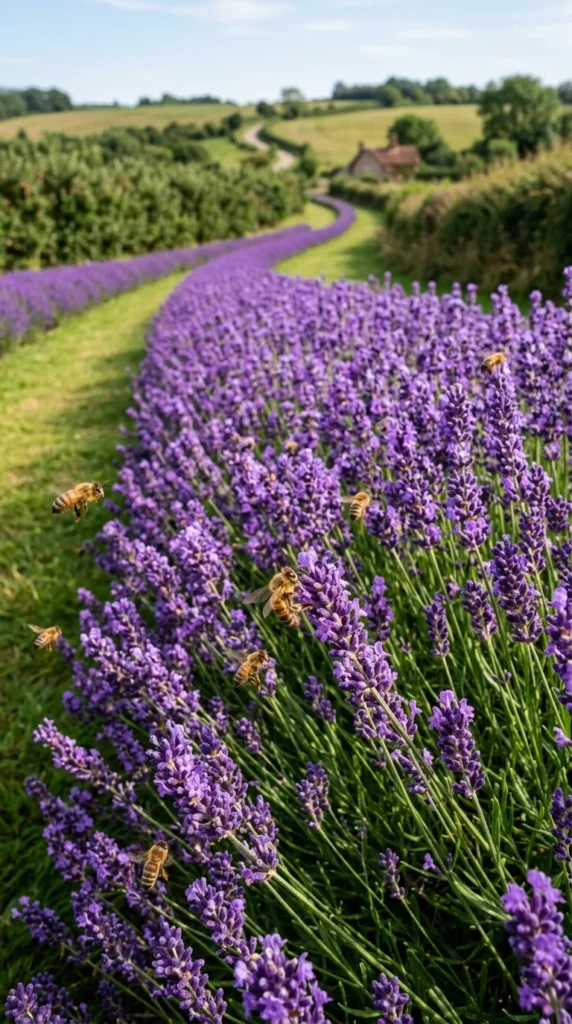
Pollinators are more easily attracted to large “targets” of color rather than single, isolated plants. Planting in “drifts” or clusters—ideally at least three feet in diameter for each species—makes it easier for bees and butterflies to spot the food source from a distance. Once they land on a drift, they can move efficiently from flower to flower, conserving energy. This “pollinator-friendly” grouping also creates a more cohesive and professional aesthetic in your landscape design.
7. Varied Shapes
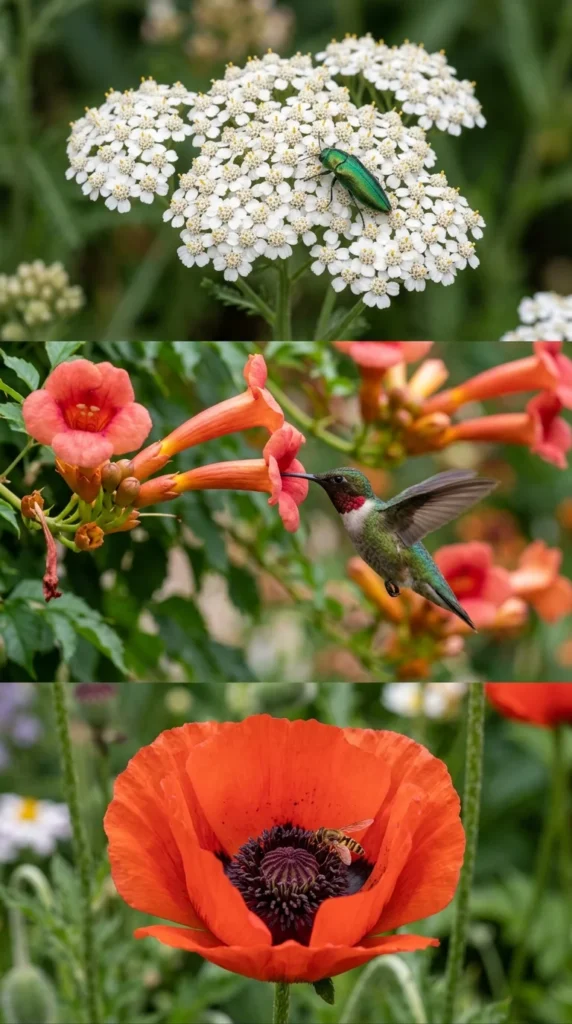
Different pollinators have different mouthparts. Long-tongued butterflies and hummingbirds prefer tubular flowers like honeysuckle or foxglove. Short-tongued bees and flies need flat landing pads, such as those provided by daisies, yarrow, or sunflowers. By providing a variety of floral shapes, you ensure that you are catering to a diverse range of species rather than just one type of visitor.
8. Pesticide-Free Zone
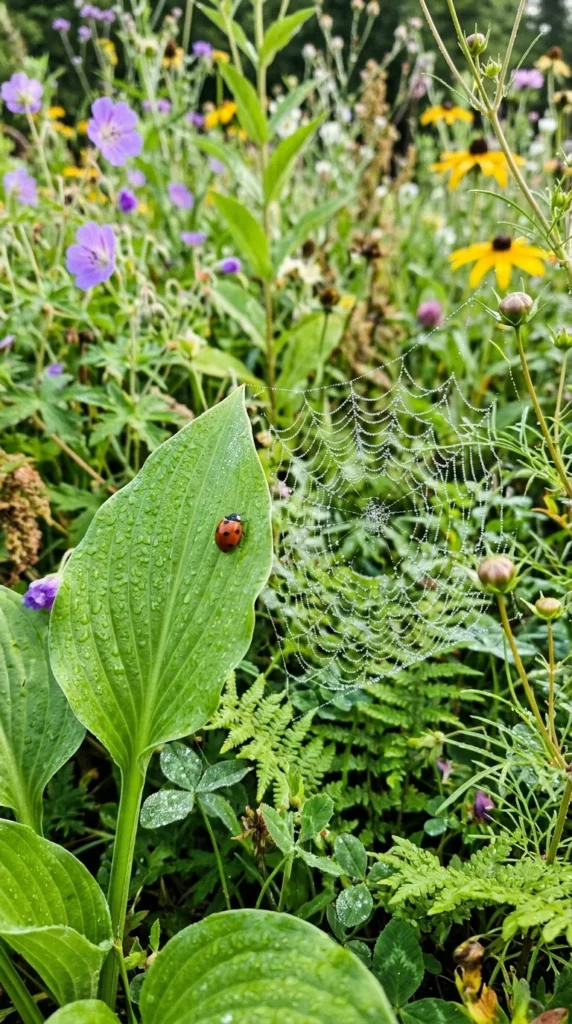
The use of chemical pesticides, especially neonicotinoids, is one of the leading causes of pollinator decline. Even “targeted” sprays can have unintended sub-lethal effects, such as disorienting bees so they cannot find their way back to the hive. To maintain a healthy pollinator garden, embrace organic gardening practices. Use integrated pest management (IPM) techniques, such as attracting predatory insects like ladybugs to handle aphids, and accept a small amount of leaf damage as a sign of a healthy ecosystem.
9. Vertical Layers
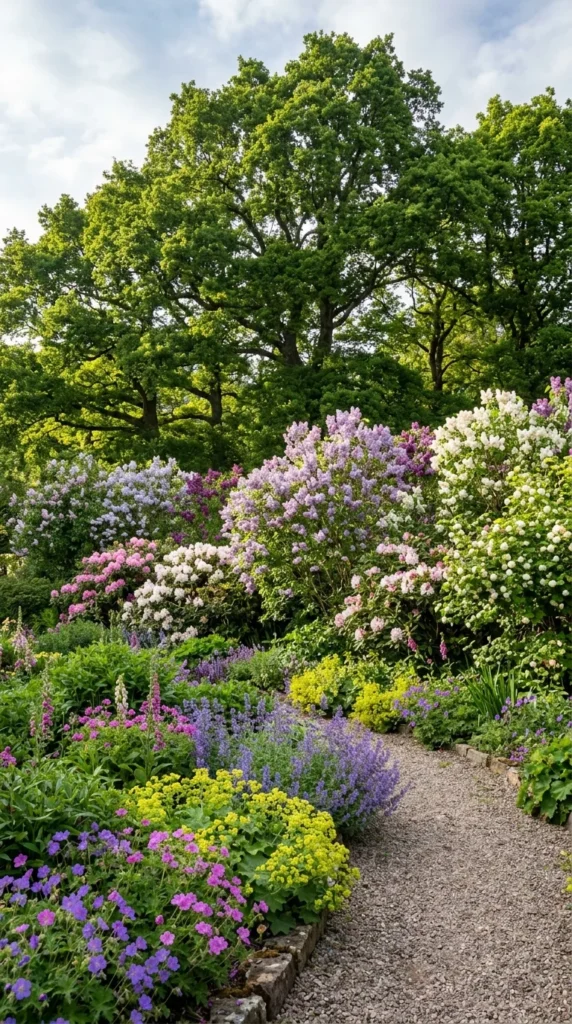
A diverse garden should mimic a natural ecosystem by incorporating different vertical layers. Tall trees (like maples or oaks) provide early-season pollen and nesting sites for birds. Mid-story shrubs (like viburnum or spicebush) offer cover and nectar. Low-growing perennials and groundcovers fill in the gaps. This layering provides a complex habitat that offers protection from wind and predators, as well as varied microclimates for different species.
10. Night Pollinators
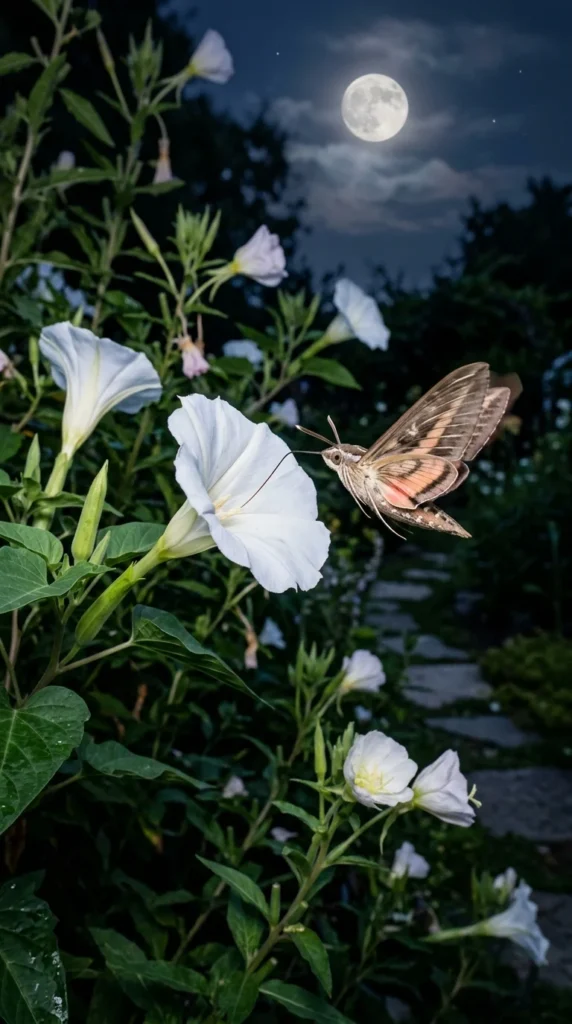
Pollination doesn’t stop when the sun goes down. Moths are significant pollinators that are often overlooked. To support them, plant “moon gardens” filled with white or pale-colored flowers that reflect moonlight and emit strong fragrances at night. Plants like evening primrose, moonflower, and nicotiana are specifically designed to attract night-flying insects. These gardens provide a different kind of beauty and extend the ecological value of your yard into the late hours.
11. Herb Gardens
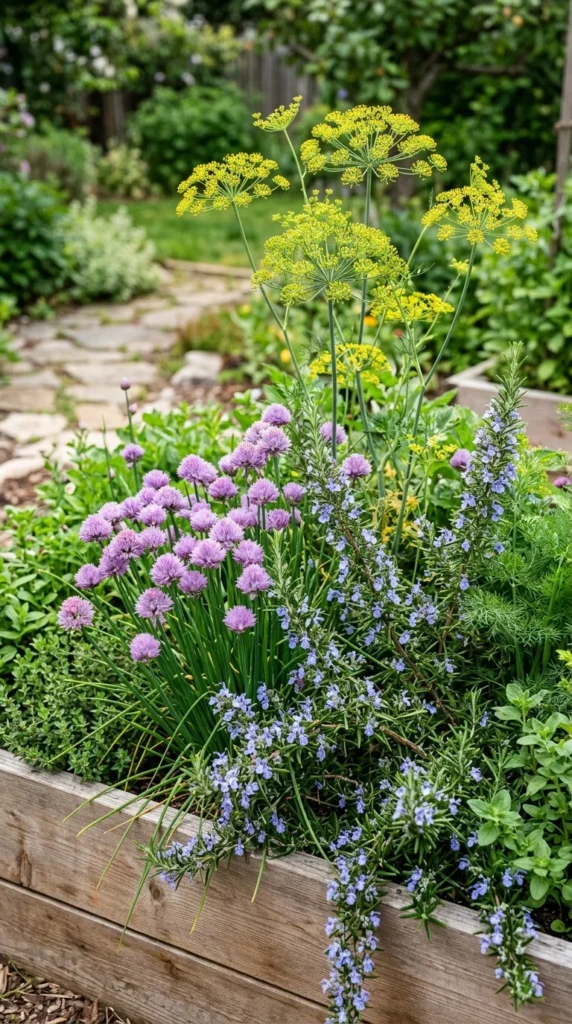
Many of the herbs we use in the kitchen are also favorites of pollinators. If you allow your herbs to “bolt” or flower, they become a high-value nectar source. Rosemary, lavender, thyme, oregano, and chives produce masses of small flowers that are particularly attractive to honeybees and tiny sweat bees. Parsley and dill are also vital host plants for Black Swallowtail caterpillars, making the herb garden a dual-purpose space for culinary use and wildlife support.
12. Wildflower Meadows
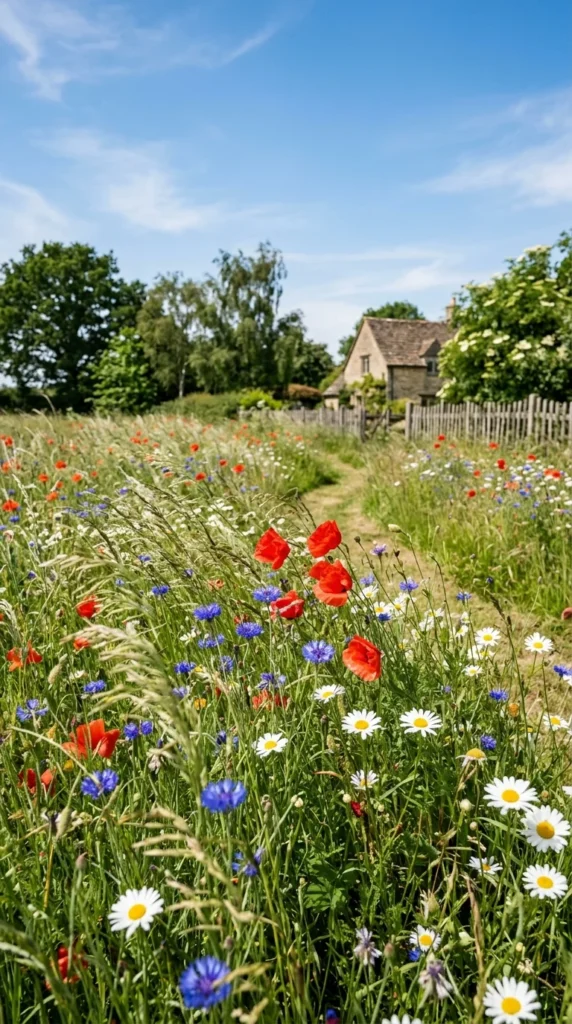
If you have a larger area of land, consider replacing a portion of your lawn with a wildflower meadow. Lawns are “green deserts” for pollinators, offering no food or shelter. A meadow, even a small one, provides a dense concentrated source of nectar and habitat. Use a regional wildflower seed mix and avoid mowing until late fall or early spring to allow the plants to go to seed and provide overwintering cover for insects.
13. Container Gardens
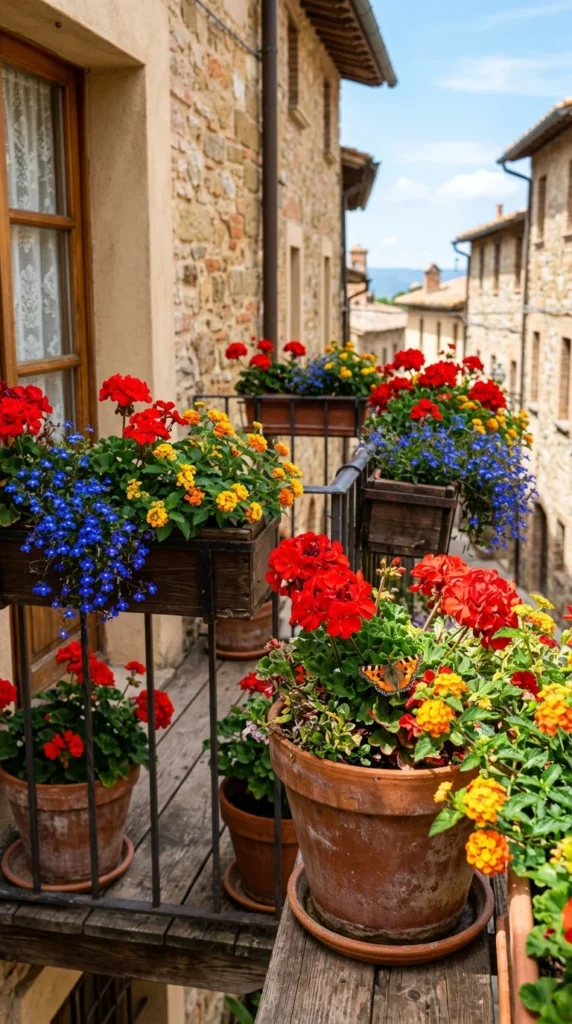
You don’t need a massive backyard to help pollinators. Many nectar-rich plants thrive in containers. On a balcony or patio, a few well-placed pots of lantana, fuchsia, or pentas can serve as an important “waystation” for traveling butterflies and bees. Choose a large container to prevent the soil from drying out too quickly and ensure the plants receive adequate sunlight, which most pollinators prefer.
14. Overwintering Habitats
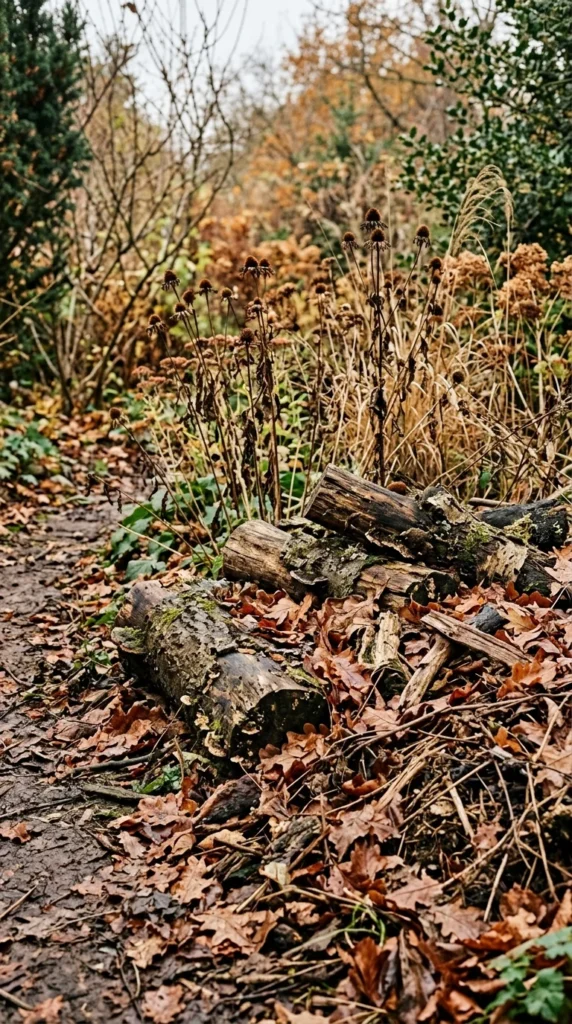
Modern gardening often emphasizes “cleaning up” in the fall, but this can be detrimental to pollinators. Many bees and butterflies spend the winter as eggs, larvae, or pupae in the leaf litter or inside hollow plant stems. By “leaving the leaves” and waiting until spring to cut back perennials, you provide the insulation and protection these creatures need to survive the freezing temperatures. A small, out-of-the-way brush pile can also serve as an excellent overwintering site.
15. Sun Exposure
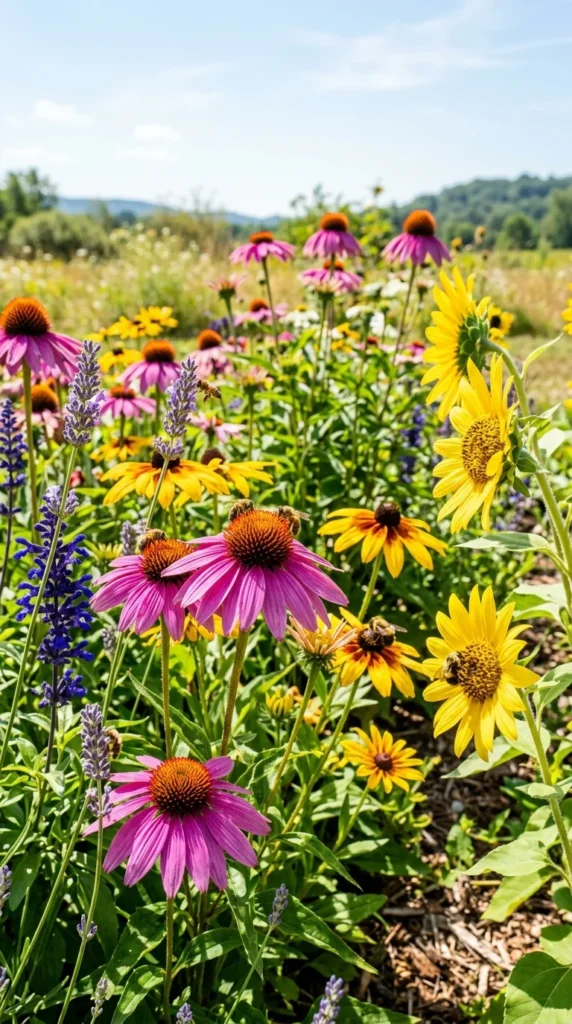
Pollinators are cold-blooded and rely on the sun to warm their flight muscles. Therefore, the best pollinator gardens are located in full sun, receiving at least six to eight hours of direct light per day. Placing flat “basking stones” in sunny spots allows butterflies to warm up in the morning before they start foraging. A sunny location also ensures that nectar-producing plants have the energy they need to produce high volumes of sugar.
16. Fruit Trees
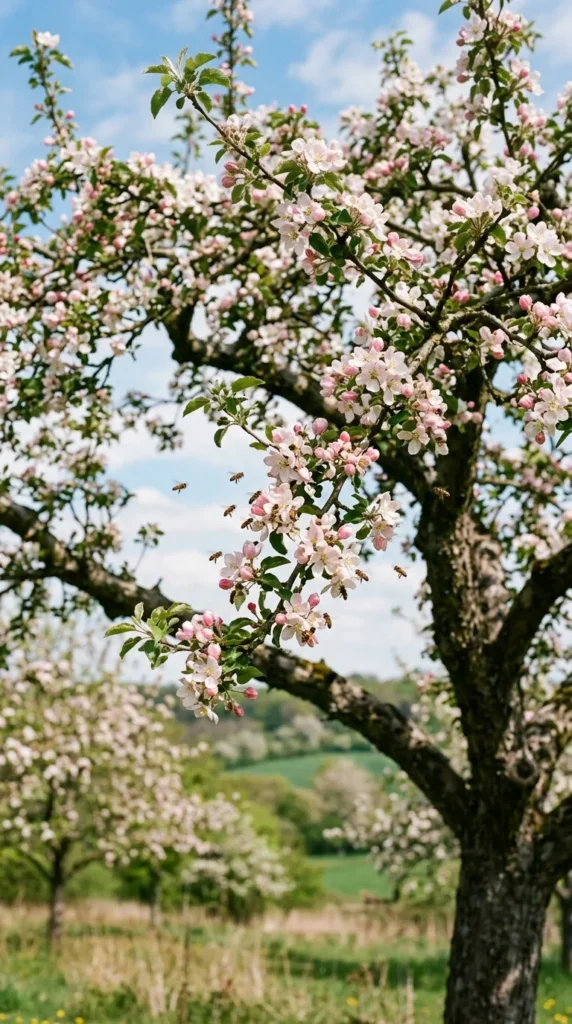
Fruit-bearing trees and shrubs are a double win for the gardener. In the spring, trees like apples, cherries, peaches, and plums provide a massive explosion of nectar and pollen when other food sources may be scarce. In the fall, any overripe or fallen fruit can provide a sugary energy boost for butterflies like the Red Admiral or the Question Mark butterfly. The pollination service provided by the bees ensures a bountiful harvest for the homeowner.
17. Border Hedgerows
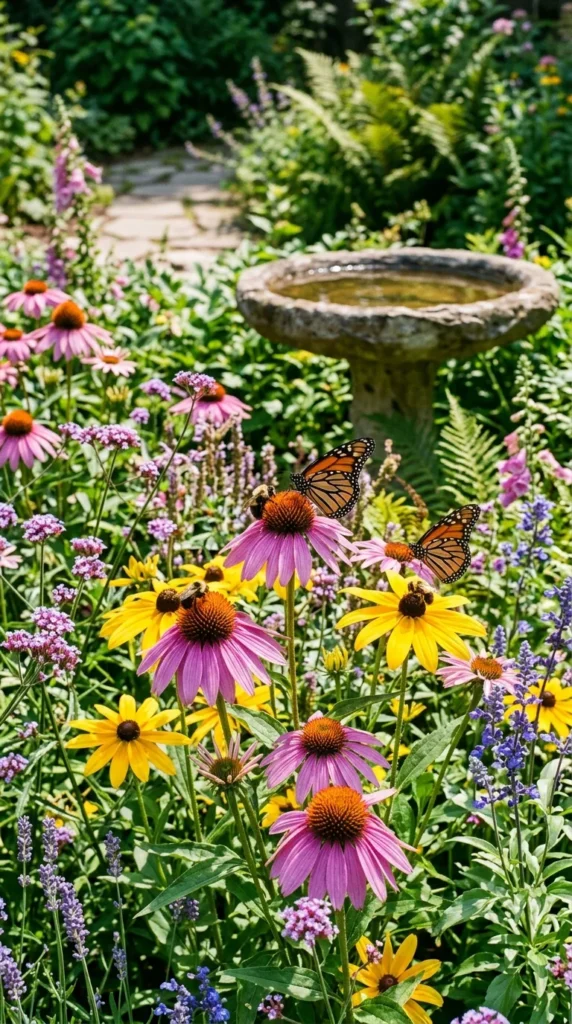
A hedgerow along the perimeter of your property acts as a windbreak, creating the calm, still air that butterflies prefer for flying. When composed of flowering shrubs like blueberry, lilac, or native viburnum, these borders serve as a “pollinator corridor” that allows insects to move safely across the landscape. Hedgerows also provide essential nesting sites for birds, which help keep the garden’s insect population in a healthy balance.