
In the modern home, the luxury of space is defined not just by square footage, but by the utility of that space. A dedicated hobby room is more than just a place to store equipment; it is a psychological sanctuary that fosters creativity, reduces stress, and enhances mastery of a craft. Whether you are an avid collector, a weekend woodworker, or a digital creator, the environment in which you practice your passion significantly impacts your output and enjoyment.
The following thirty design ideas explore the intersection of functionality and aesthetics, providing a roadmap for transforming underutilized basements, spare bedrooms, or attic nooks into professional-grade sanctuaries for your favorite pastimes.
1. Art Studio

An art studio requires two primary elements: light and ventilation. North-facing windows are the gold standard for painters as they provide consistent, indirect light throughout the day. For evening work, invest in “daylight” bulbs (5000K-6000K) to ensure color accuracy. Incorporate easy-to-clean flooring, such as polished concrete or linoleum, and install a deep utility sink for cleaning brushes and palettes.
2. Sewing Nook
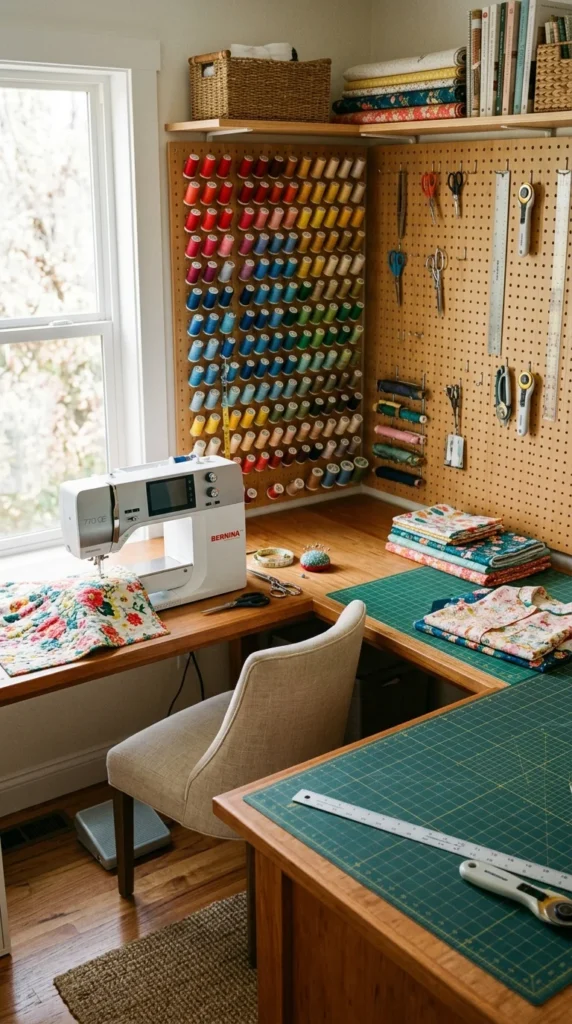
Ergonomics are critical in a sewing room. A height-adjustable cutting table prevents back strain, while a dedicated station for the sewing machine and serger allows for a seamless workflow. Utilize pegboards for frequently used tools like shears, rotary cutters, and bobbins. Fabric storage is best handled with clear bins or “comic book board” wraps on open shelving to prevent sunlight fading while keeping patterns visible.
3. Reading Library

To create the ultimate reading retreat, focus on “hygge” or comfort. Incorporate a mix of task lighting for reading and ambient lighting for atmosphere. If space permits, a window seat provides a perfect architectural detail that doubles as hidden storage for less-used books. Ensure the shelving is reinforced to handle the significant weight of a large collection.
4. Gaming Station
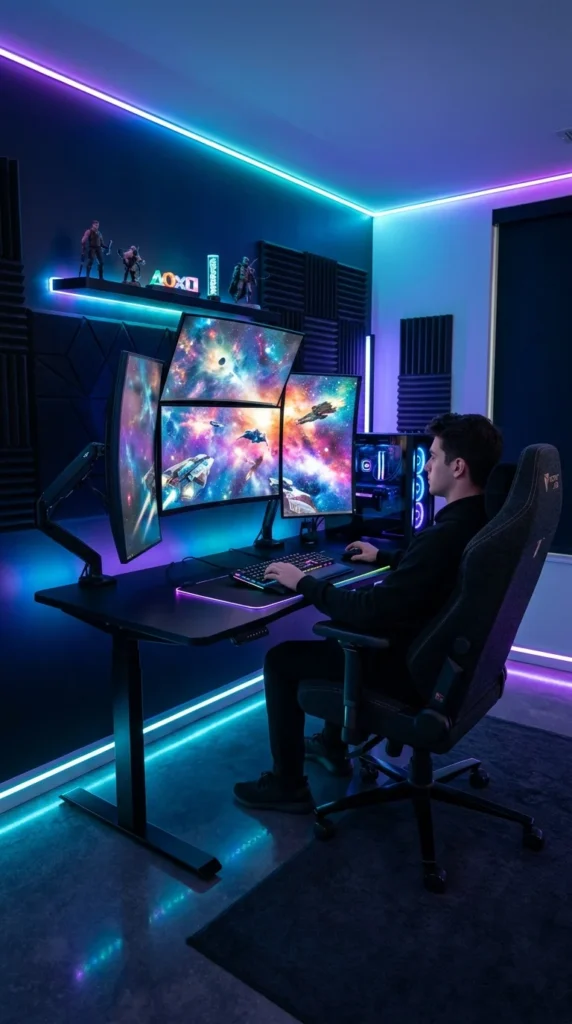
A professional gaming room prioritizes cable management and acoustics. Use under-desk trays to hide wires and acoustic foam panels to prevent sound echo during multiplayer sessions. High-speed ethernet ports are essential to avoid lag, and a dedicated circuit for high-end PCs or consoles ensures power stability. Consider a small refrigerator for refreshments during long gaming marathons.
5. Music Studio
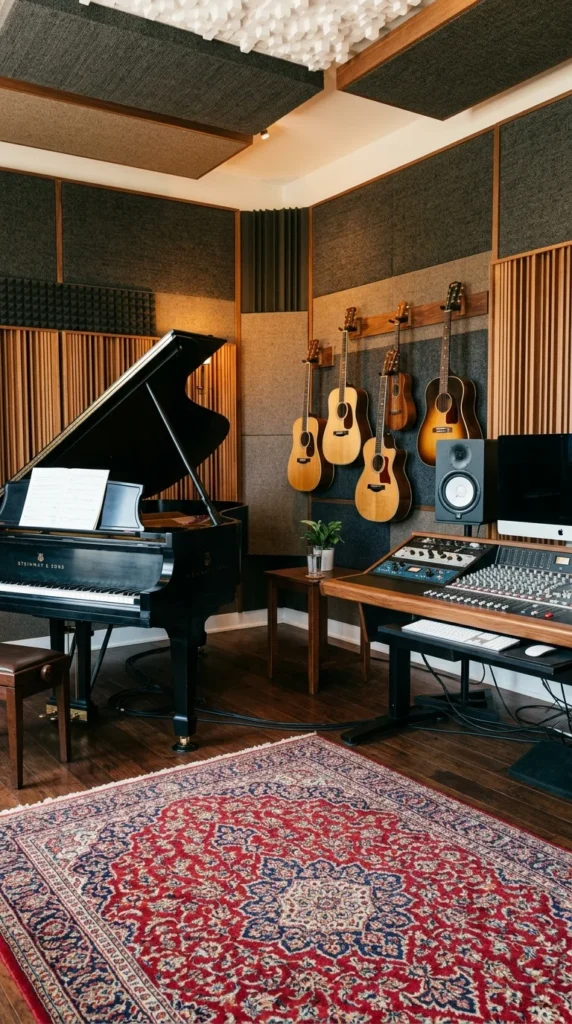
Soundproofing is the foundation of a music room. Use heavy-duty “sound-rated” doors and thick curtains to dampen external noise. Internally, acoustic clouds and bass traps improve the audio quality within the room. Storage for instruments should be climate-controlled to protect delicate woods from humidity fluctuations.
6. Woodworking Shop
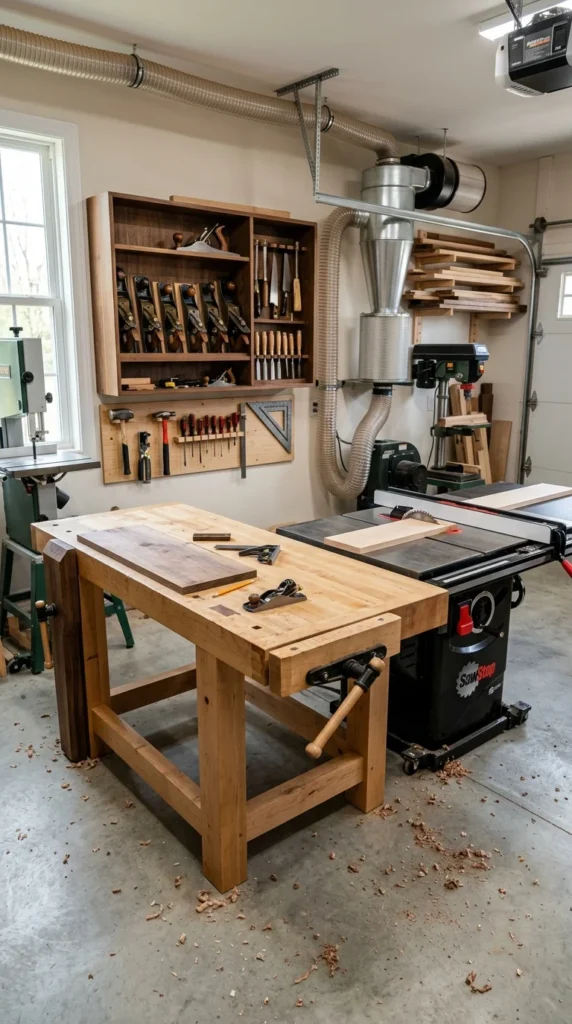
The primary challenge of an indoor workshop is dust management. A high-quality dust extraction system connected to each power tool is non-negotiable. Ensure the room has heavy-duty electrical outlets (20-amp circuits) to handle the load of machinery. Modular storage on wheels allows for a flexible layout when working on larger projects.
7. Gardening Station
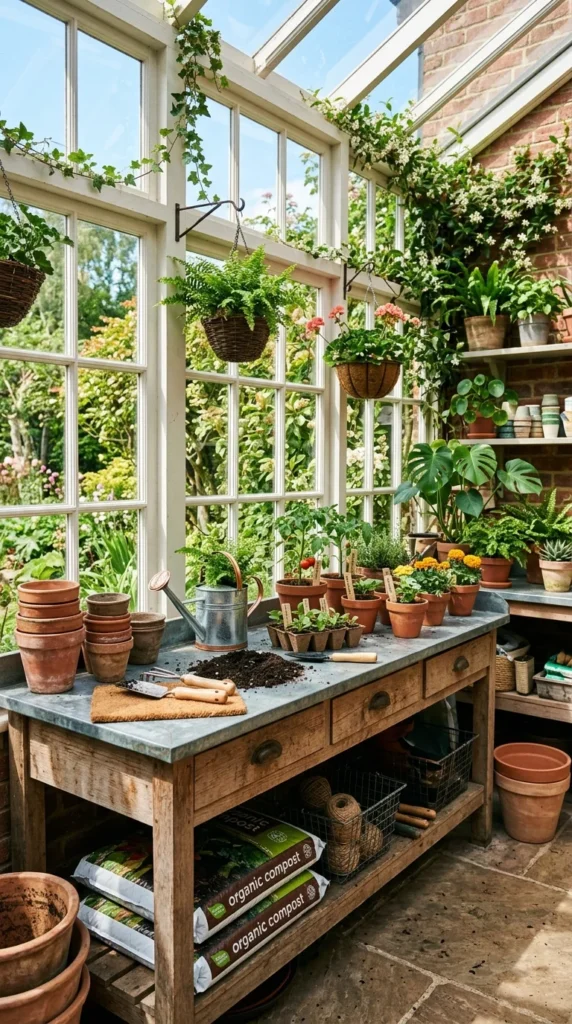
A gardening room, or potting shed, needs to be moisture-resistant. Use tile or stone flooring with a floor drain for easy wash-downs. A sturdy potting bench with a galvanized metal top provides a durable surface for repotting and soil mixing. Ensure the room has high-output LED grow lights if you plan on starting seeds during winter months.
8. Fitness Zone
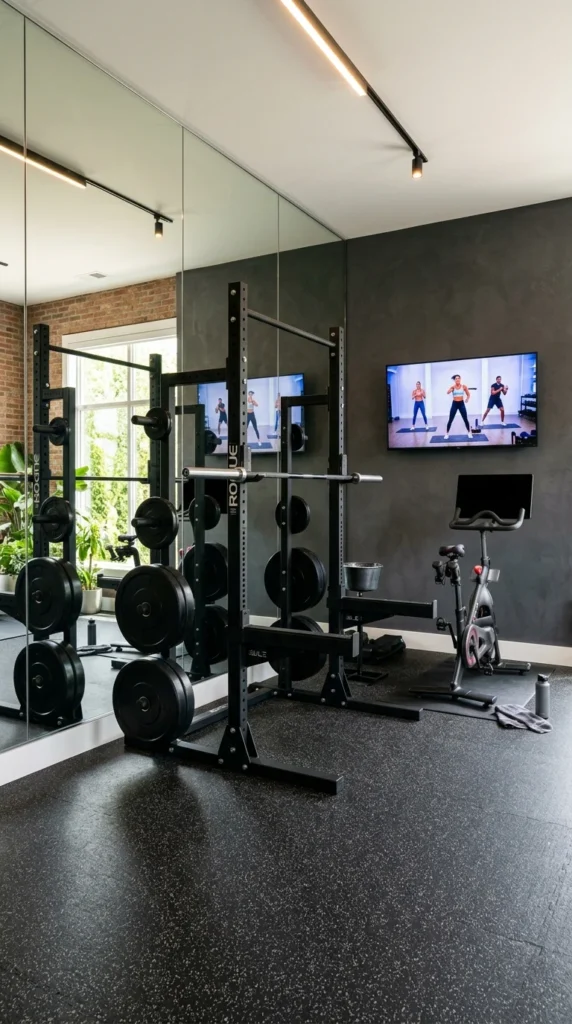
In a home gym, flooring is the most important investment. Thick rubber tiles protect the subfloor from dropped weights and provide joint cushioning. Good ventilation—either via a powerful ceiling fan or a dedicated AC unit—is essential for comfort. Mirrors not only help with checking form but also make smaller rooms feel much larger.
9. Photography Darkroom
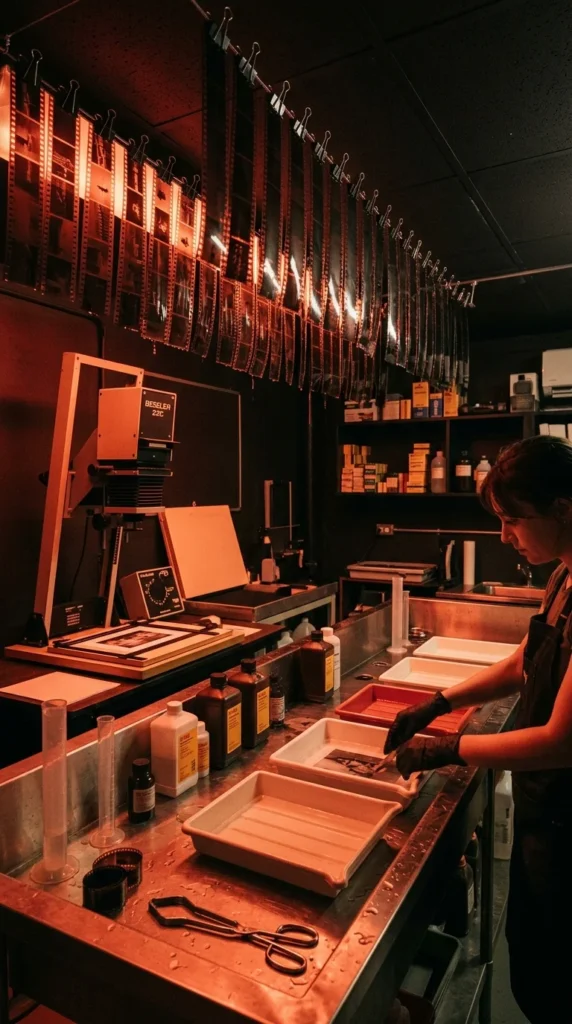
For traditional film enthusiasts, a darkroom must be 100% light-tight. This requires specialized door seals and light-trap vents. A dual-sink setup—one for chemicals and one for washing—is ideal. Use chemical-resistant countertops and ensure the room has a high-volume exhaust fan to safely remove chemical fumes.
10. Craft Room
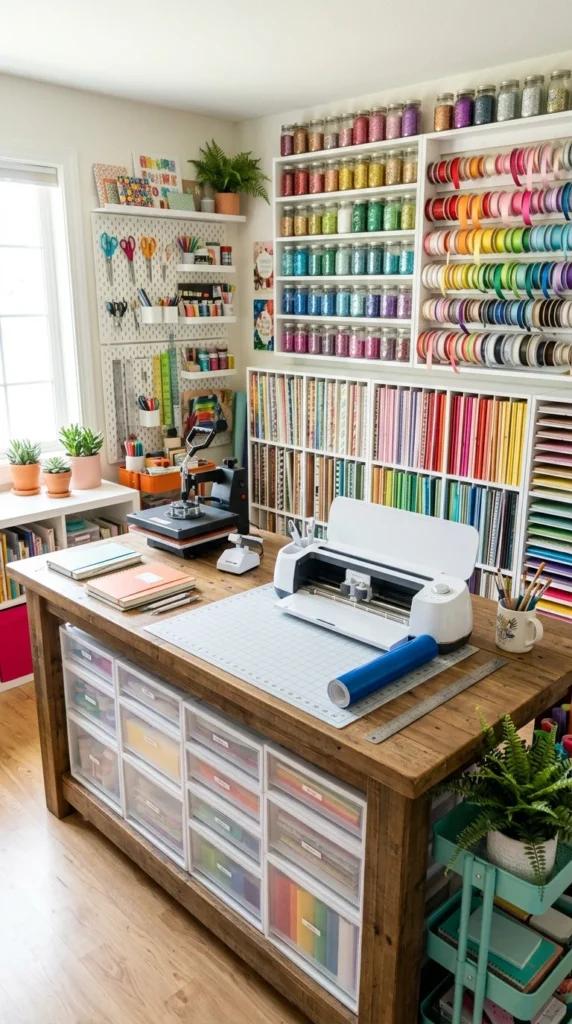
The craft room thrives on organization. A large central island allows you to walk around your project, which is vital for scrapbooking or gift wrapping. Use a “zone” system: a zone for cutting, a zone for assembly, and a zone for messy work like gluing or painting. Clear storage containers are your best friend, allowing you to see your inventory at a glance.
11. Yoga Sanctuary
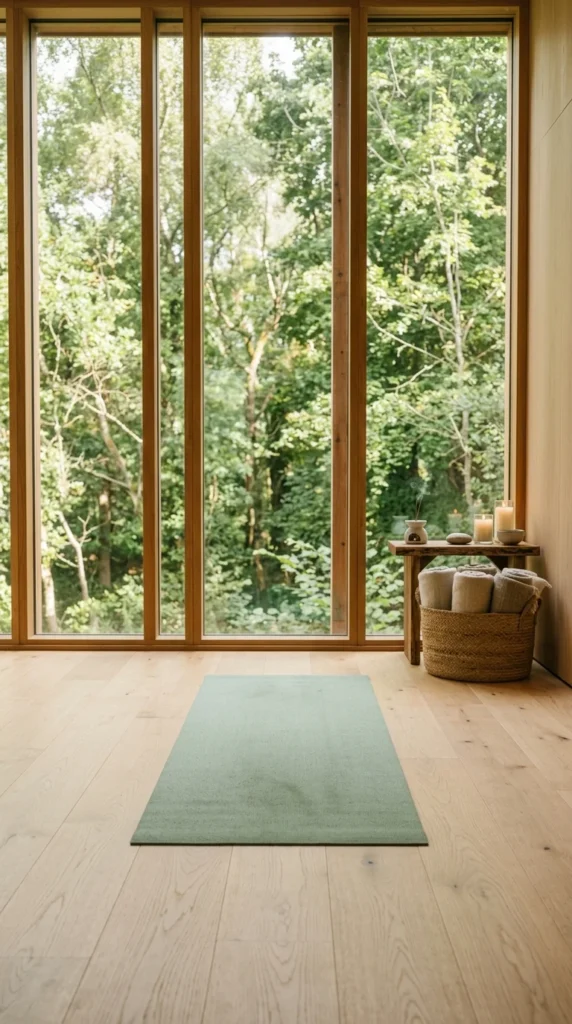
A yoga room should be a “liminal space”—somewhere that feels separate from the stresses of the home. Keep the decor minimalist to avoid visual clutter. Use natural materials like bamboo or cork for flooring, as they are warm and provide a slight give. Dimmer switches for the lighting allow you to transition from high-energy morning flows to evening meditation.
12. Writing Retreat
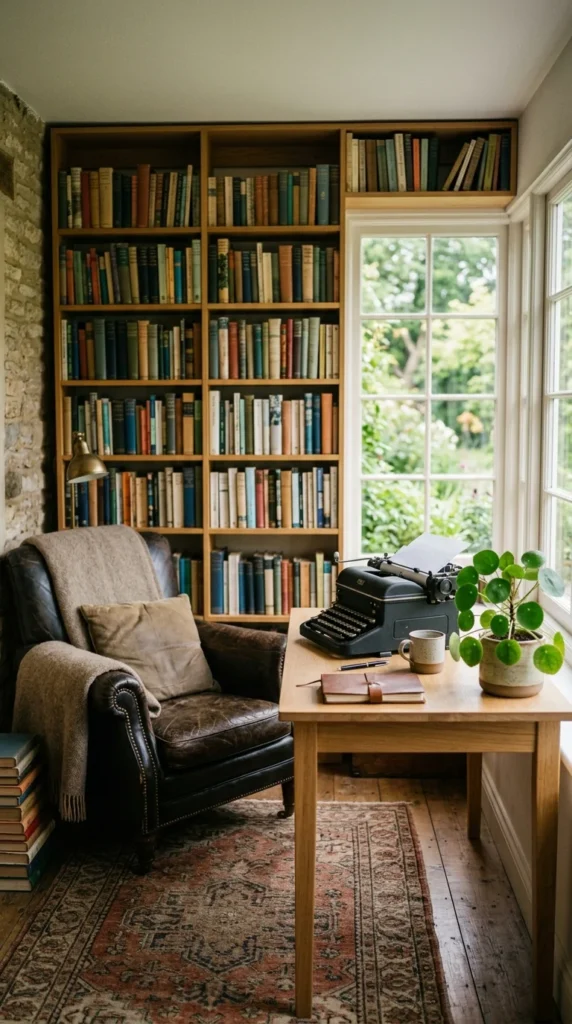
A writer’s room needs to minimize distractions. Many writers find that a desk facing a window provides inspiration, while others prefer a blank wall to focus entirely on the screen or paper. Soundproofing—even simple additions like heavy rugs and bookshelves—can help create the necessary “cone of silence” for deep work.
13. Model Building
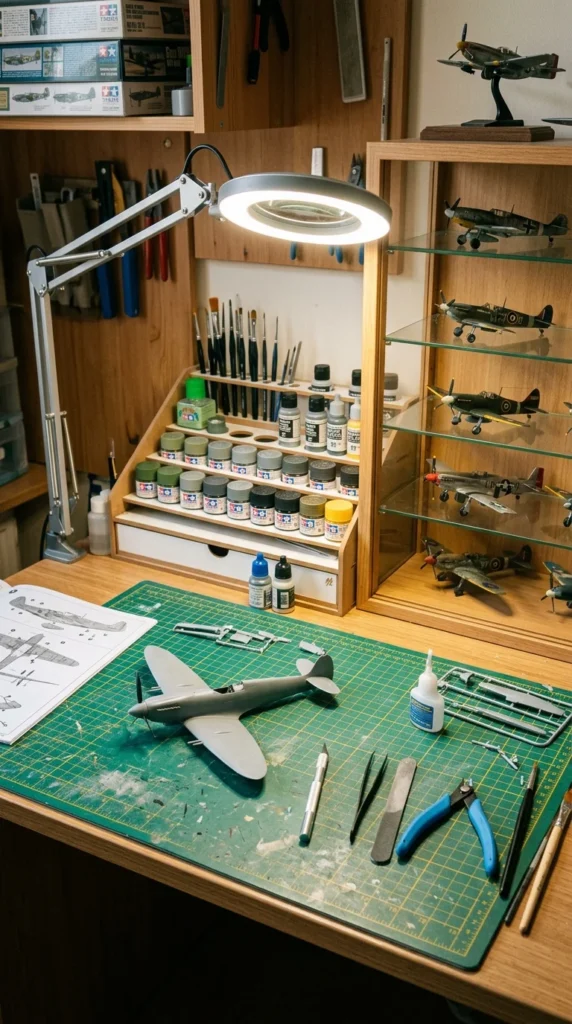
Precision is the hallmark of model building. This room requires excellent task lighting; a swing-arm magnifying lamp is a staple. Small-parts storage—such as those used for fishing tackle or jewelry—is perfect for keeping tiny screws and plastic components organized. A dedicated display case with glass doors protects your finished masterpieces from dust.
14. Wine Cellar
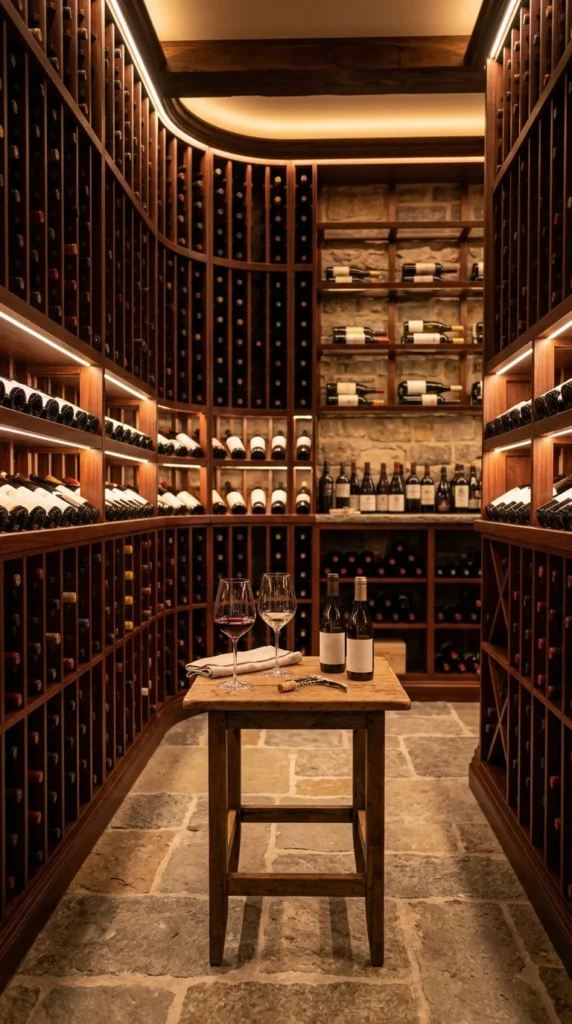
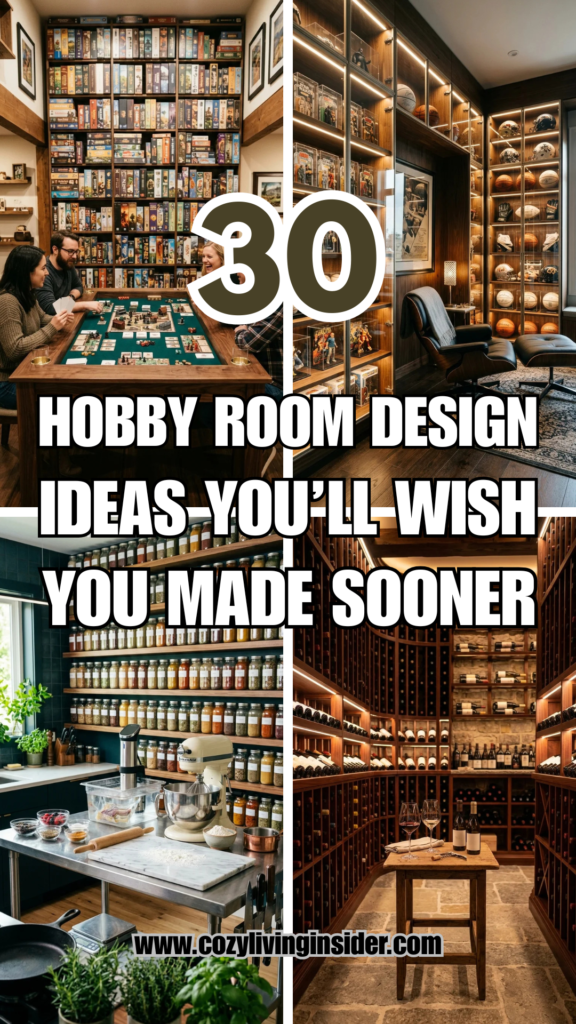
Beyond the aesthetic of the “cave,” a wine room must maintain a constant temperature (around 55°F) and humidity (around 60-70%). This requires a specialized cooling unit and proper insulation. Use LED lighting, as traditional bulbs emit heat that can damage the wine over time.
15. Home Theater
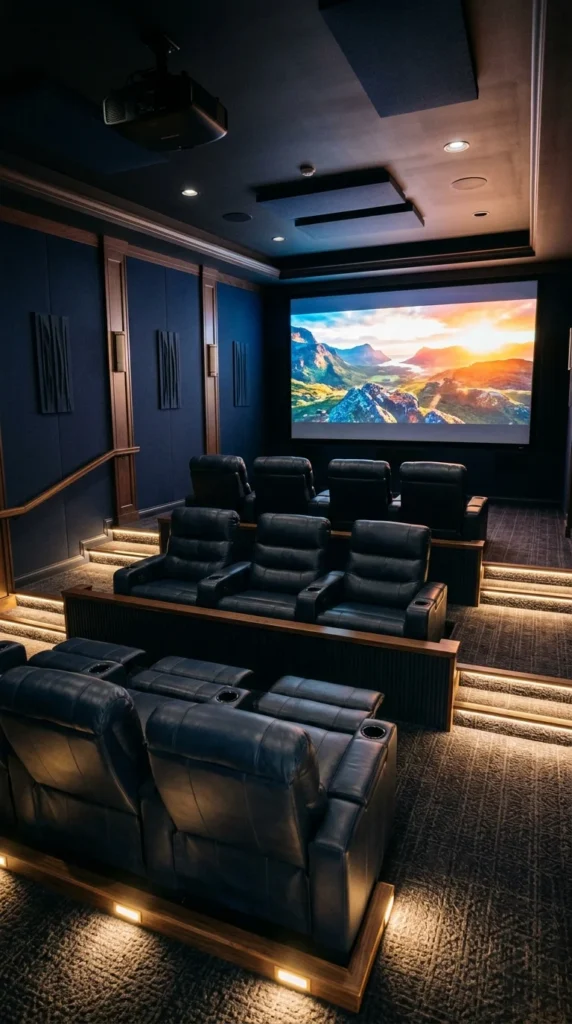
To achieve a true cinematic experience, the room should be “deadened” acoustically with heavy carpets and wall panels. Dark, matte paint on the walls and ceiling prevents light from the screen from reflecting back and washing out the image. A high-quality 7.1 or Atmos surround sound system is the heart of the design.
16. Pottery Studio

Pottery is inherently messy, so the room must be designed for easy cleaning. A “clay trap” installed under the sink is vital to prevent plaster and clay from clogging your plumbing. If you have a kiln, it requires specialized electrical wiring and heavy-duty ventilation to vent heat and gases outside.
17. Culinary Lab
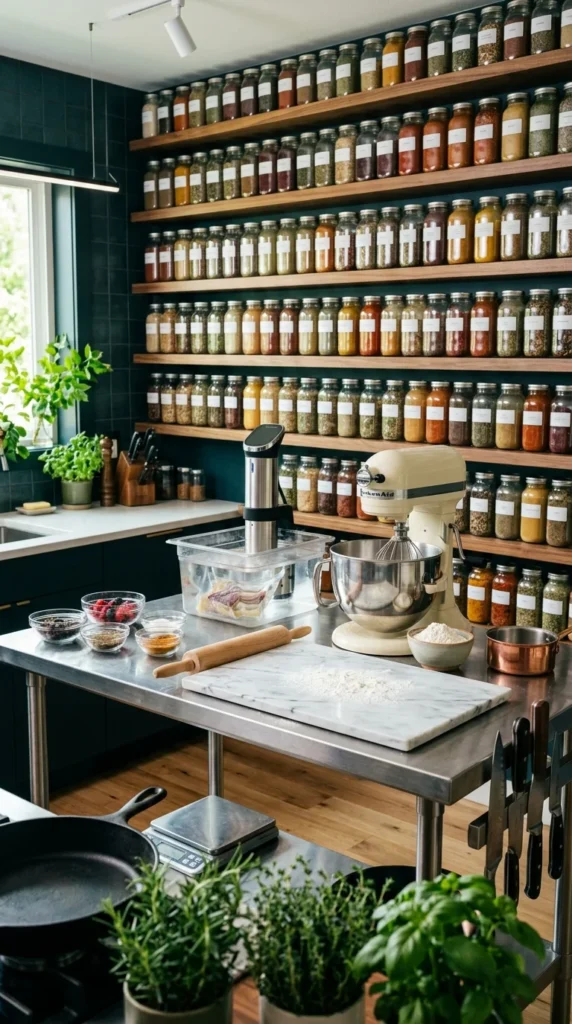
A culinary hobby room is an extension of the kitchen, designed for experimentation rather than daily meals. Focus on specialty equipment like fermenting stations, bread-baking stones, or chocolate-tempering machines. Use commercial-grade stainless steel for surfaces to ensure the highest standards of hygiene.
18. Tech Workshop
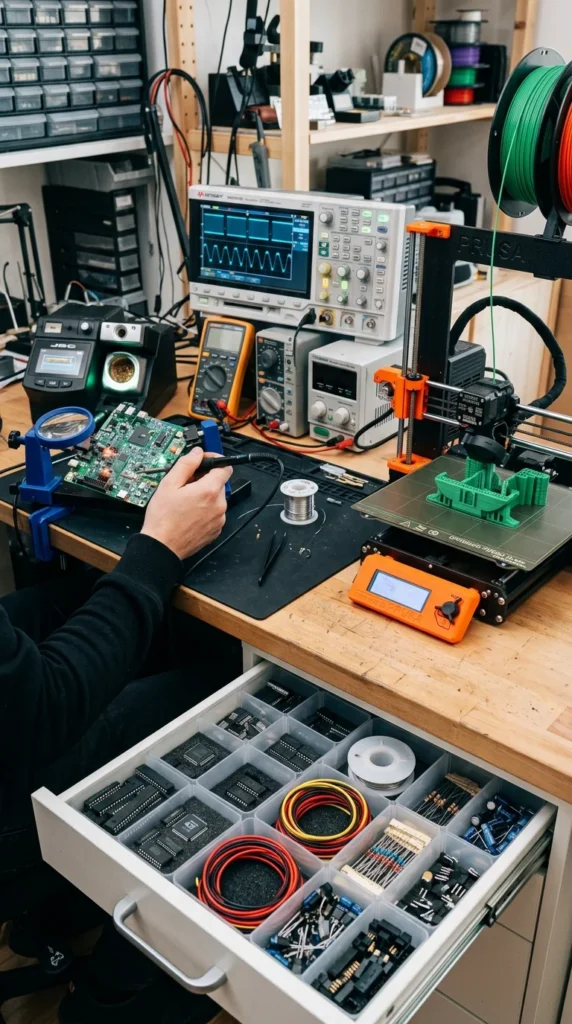
For those into robotics or electronics, a static-dissipative mat on the workbench is essential to protect sensitive components. Good lighting is paramount, especially for soldering. A 3D printer requires a stable, level surface and, depending on the material used, a dedicated ventilation hood or enclosure.
19. Collectible Display
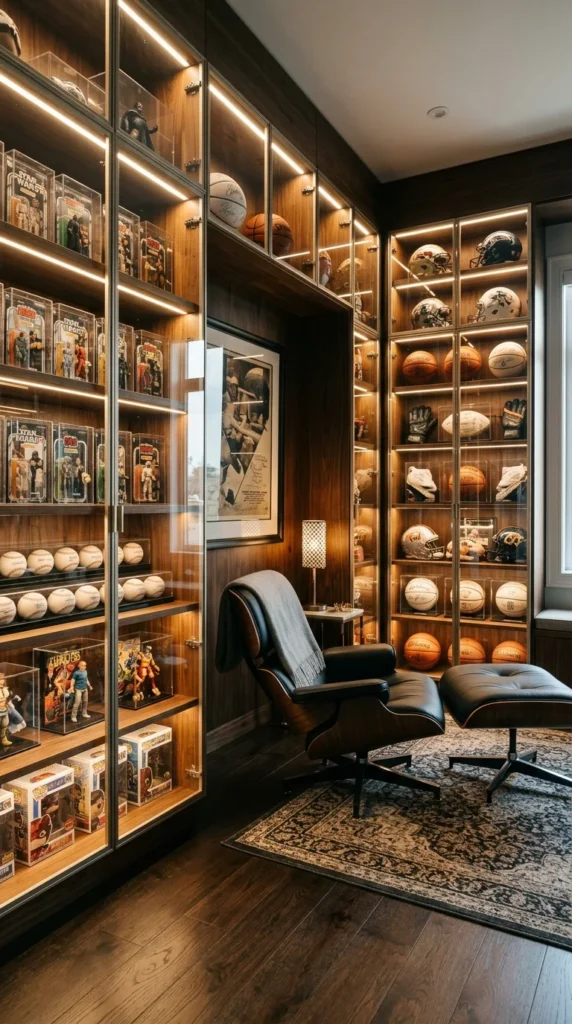
The design of a collectible room revolves around preservation and presentation. Use UV-filtering glass for cabinets to prevent the sun from fading rare items. Integrated LED tape lighting under shelves provides a museum-quality glow without the heat of traditional bulbs.
20. Greenhouse
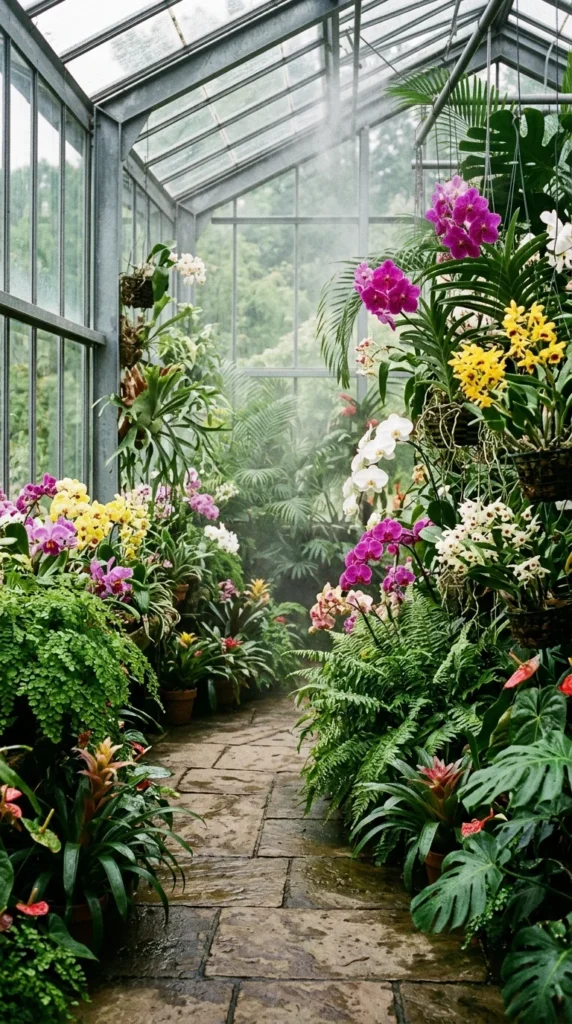
An indoor greenhouse or “conservatory” allows for year-round gardening. Humidity is the primary factor here, so use waterproof materials for all surfaces. Automated misting systems and temperature-controlled vents can help maintain a perfect tropical or desert environment depending on your plant choice.
21. Meditation Space
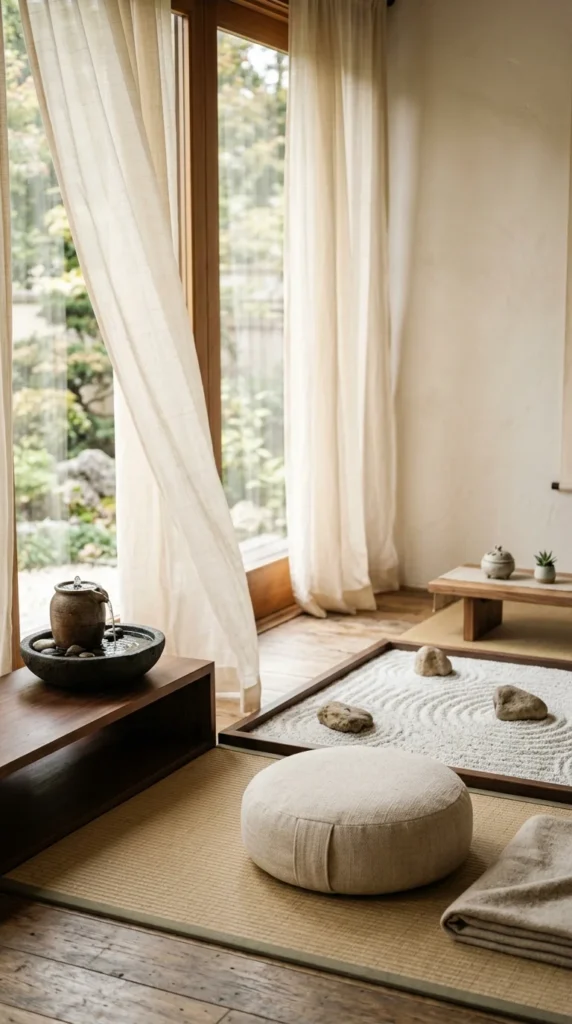
The meditation room should be a sensory-neutral zone. Use a palette of soft earth tones and natural textures. A small water feature provides white noise to mask external sounds, while a dedicated corner for incense or essential oil diffusers engages the sense of smell to trigger a relaxed state.
22. Podcast Studio
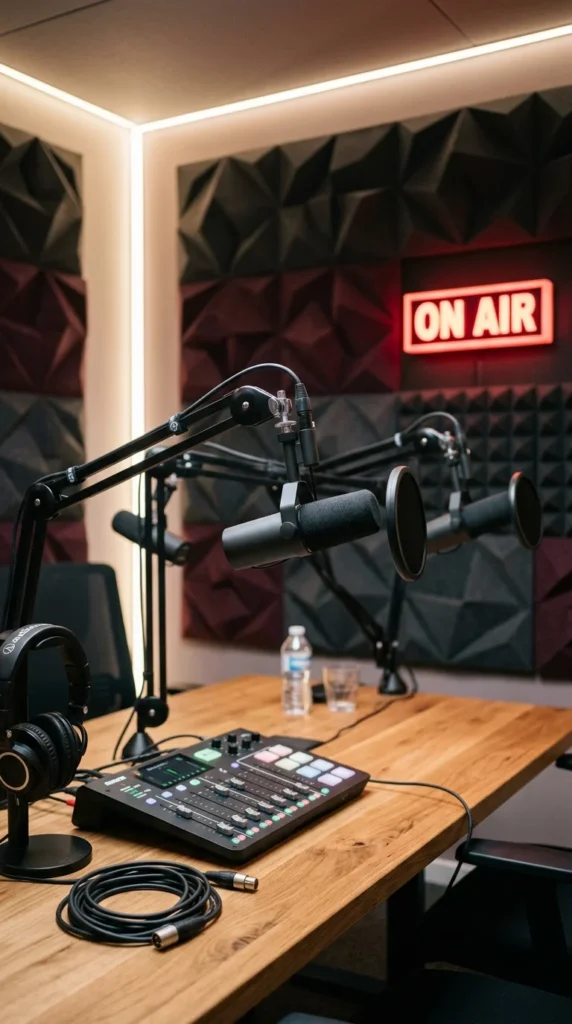
Acoustic isolation is the top priority for a podcast studio. Even if you don’t build a room-within-a-room, thick “sound blankets” can drastically improve vocal clarity. A dedicated desk that can accommodate two or more speakers with enough space for laptops and notes is essential for a professional workflow.
23. Board Game Room
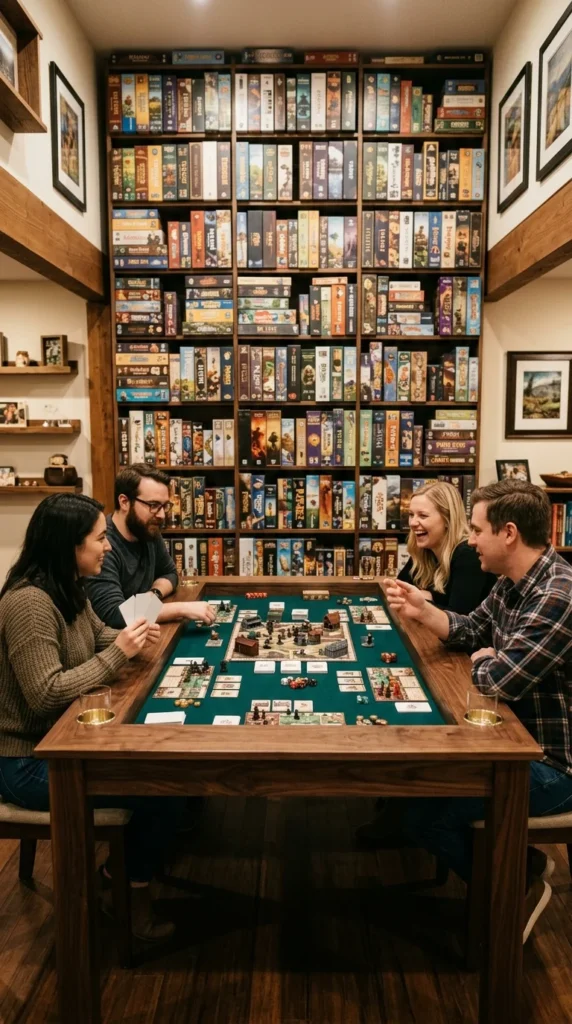
The centerpiece of this room is the table. A custom gaming table with a “vault” (a recessed playing area) allows you to leave a game in progress while using the top for other things. Ensure the chairs are comfortable for long sessions and that the lighting is bright and even to avoid shadows on the board.
24. Fashion Atelier

A fashion atelier needs a combination of “messy” workspace and “presentation” space. A large mirror is essential for draping and fitting. A massive mood board made of cork or linen-wrapped foam allows you to visualize the flow of a collection as it develops.
25. Home Bar
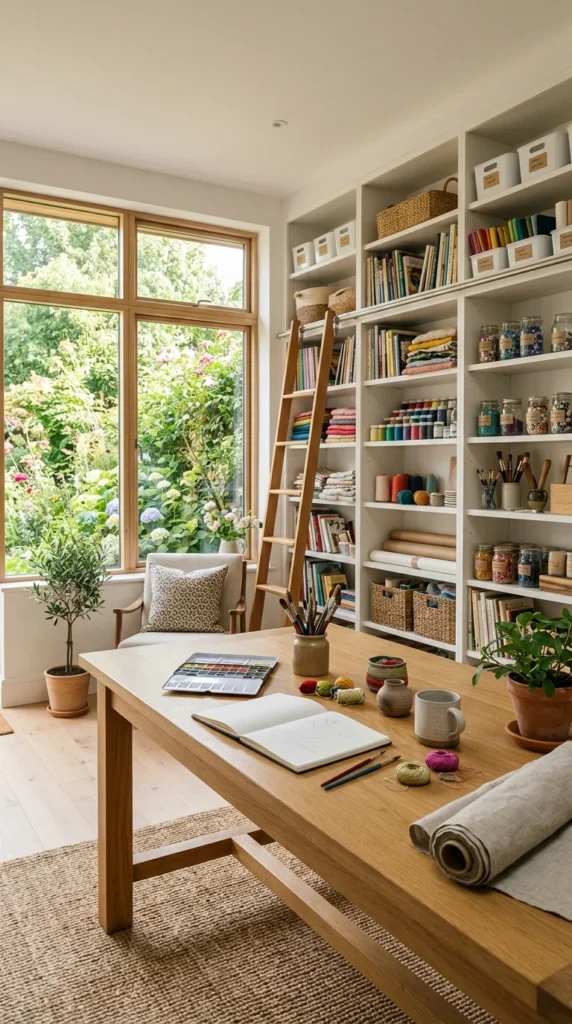
A home bar is about hospitality and atmosphere. Incorporate a “wet bar” with a sink and a dedicated ice maker for convenience. Under-counter refrigeration for mixers and a temperature-controlled wine fridge provide the necessary infrastructure for a professional-grade cocktail hour.
26. Jewelry Bench
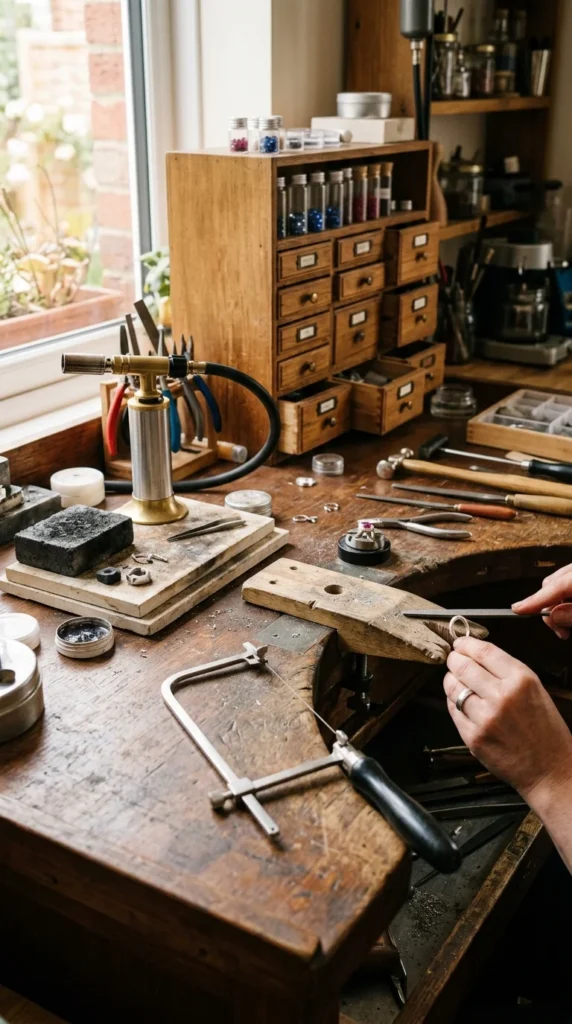
Jewelry making involves heat and chemicals, requiring a fire-resistant work surface and excellent ventilation for soldering fumes. A “jeweler’s bench” is unique in its height—it sits higher than a standard desk to bring the tiny workpieces closer to eye level, reducing neck strain.
27. Telescope Deck
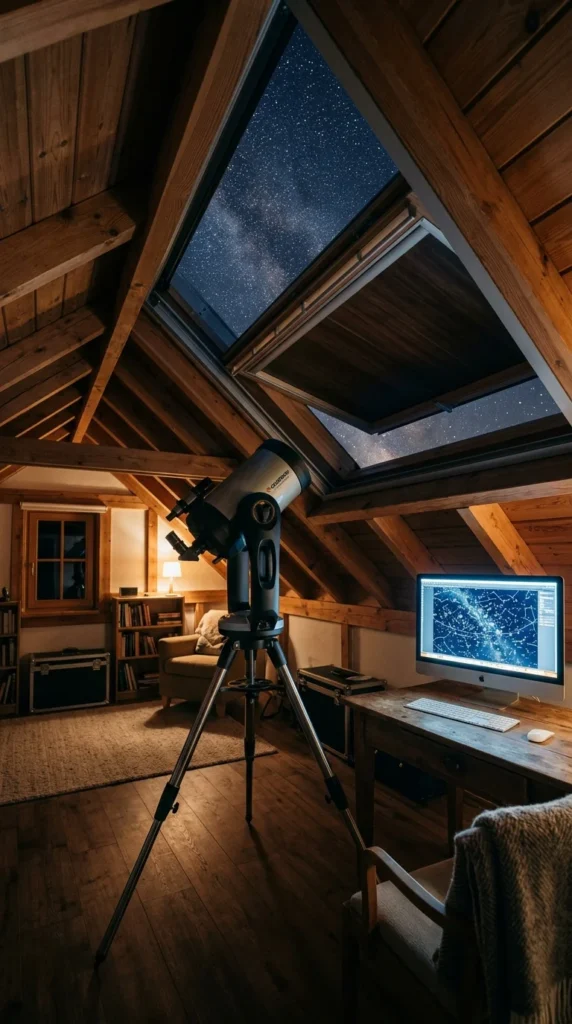
For amateur astronomers, a dedicated space on the top floor with access to a balcony or a skylight is ideal. Vibration is the enemy of high-magnification viewing, so a very stable, solid floor is necessary. Use red-tinted ambient lighting to maintain your night vision while navigating the room.
28. Arcade Room

The arcade room is a celebration of nostalgia. Focus on dedicated electrical circuits, as vintage machines can draw significant power. The decor should be vibrant and fun, using neon lights and retro posters to recreate the feel of a 1980s arcade.
29. Indoor Golf
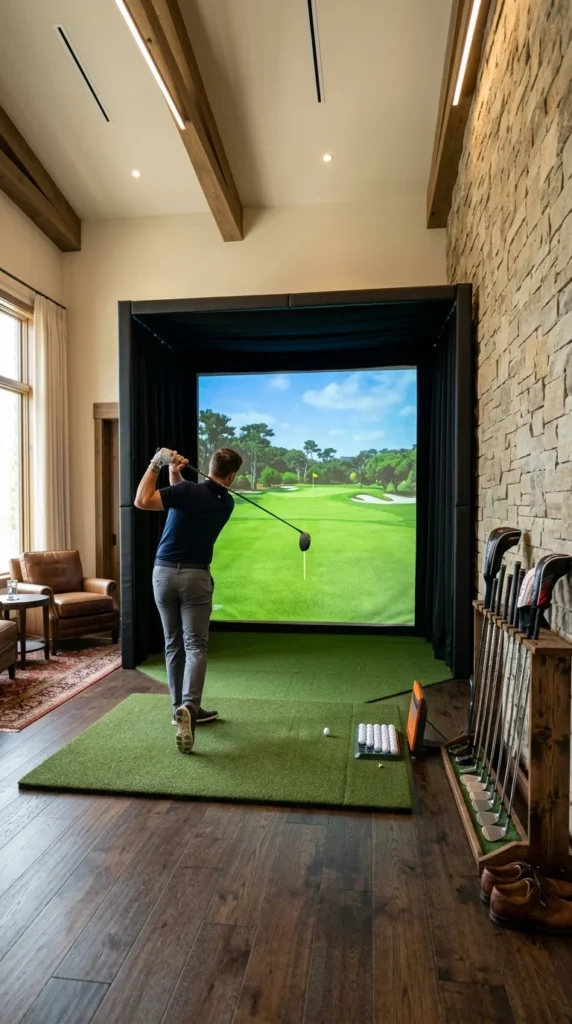
A golf simulator room requires significant vertical clearance—usually at least 9 to 10 feet—to allow for a full swing. High-impact screens and padded walls are necessary for safety. The floor should be leveled perfectly for accurate ball-tracking sensors.
30. Outdoor Workshop
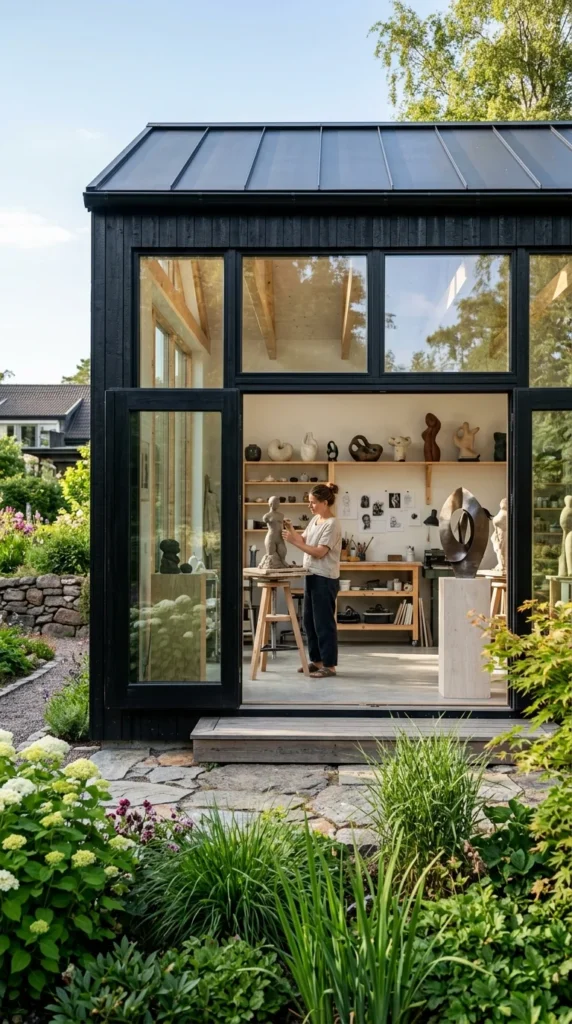
When the house is too small or the hobby is too loud/messy, a “shed-office” or standalone studio is the ultimate solution. This allows for total separation between life and work. Ensure it is fully insulated and wired for power and internet to make it a year-round destination for your craft.