
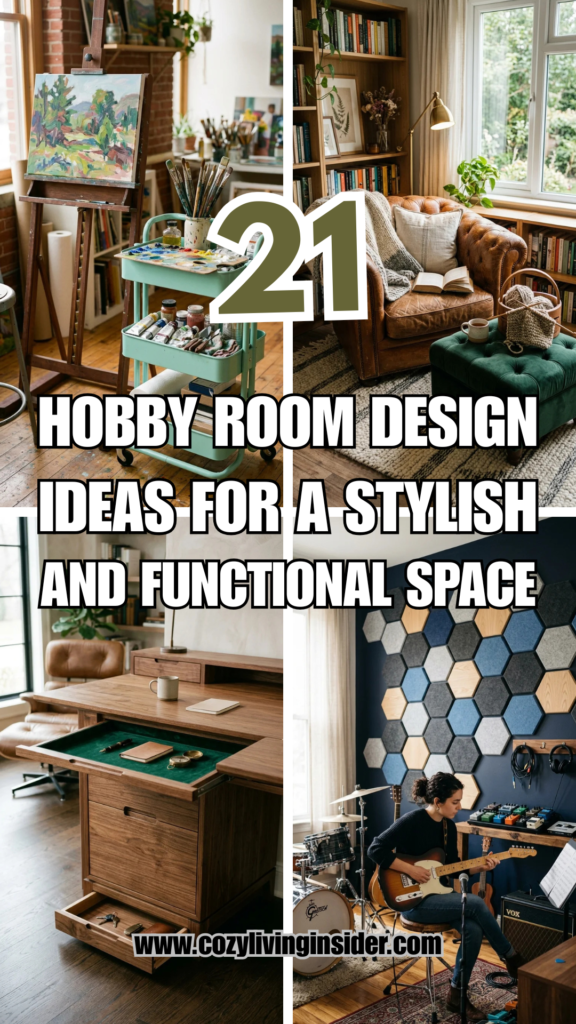

In the modern home, a hobby room is no longer just a luxury; it is a sanctuary for creativity, relaxation, and personal growth. Whether you are an avid painter, a dedicated gamer, a woodworking enthusiast, or a textile artist, the environment in which you practice your craft significantly impacts your output and enjoyment. A well-designed hobby room balances aesthetic appeal with peak functionality, ensuring that every tool has its place and every moment spent there is inspiring. To help you curate the perfect creative retreat, we have compiled twenty-one innovative design ideas that transform ordinary spare rooms into extraordinary professional-grade studios.
1. Modular Storage
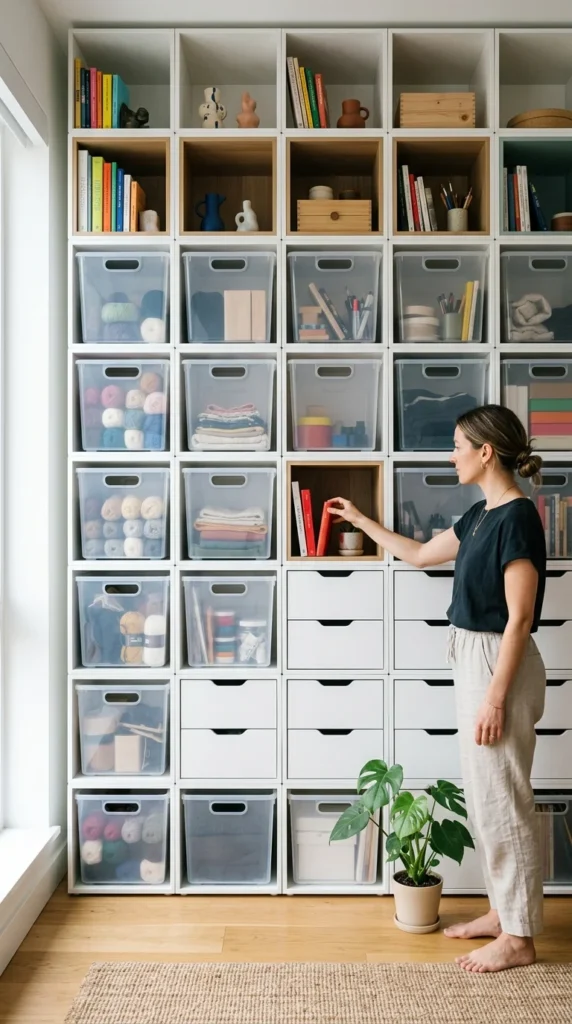
Modular storage is the cornerstone of a versatile hobby room. By utilizing systems that can be reconfigured as your collection of supplies grows, you ensure the longevity of your space. Modular units allow for a mix of open shelving for frequently used items and closed drawers for clutter-prone materials. This adaptability is essential for hobbyists whose interests may evolve over time, providing a framework that scales with their expertise.
2. Natural Lighting
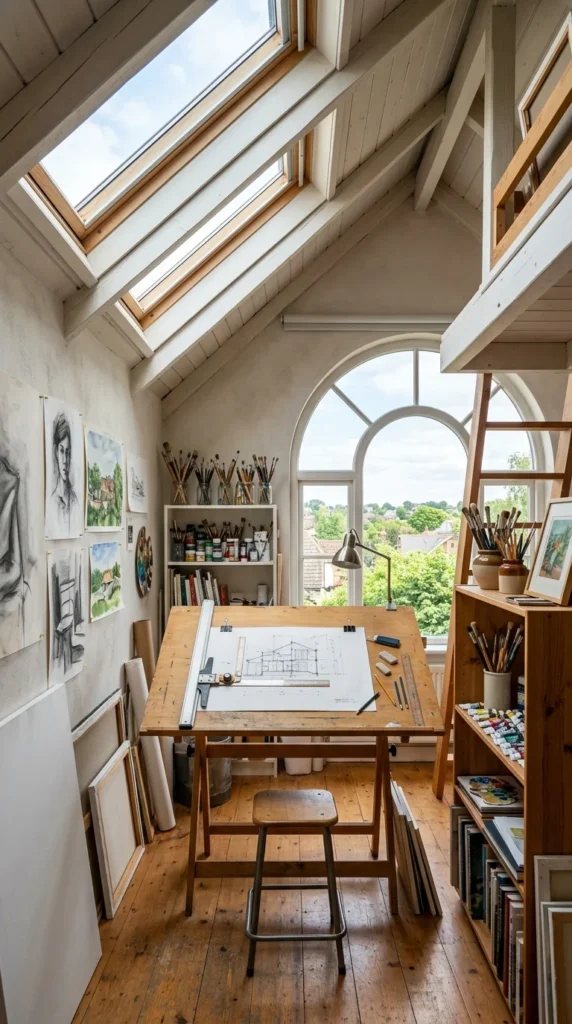
Lighting is the most critical element in any workspace, and nothing beats the clarity of natural light. Positioning your primary workbench near a large window or under a skylight reduces eye strain and ensures color accuracy—a vital factor for painters and crafters. For those working in rooms with limited windows, consider using light-filtering sheer curtains to diffuse harsh midday sun, creating a soft, consistent glow that enhances focus.
3. Zoned Layouts

A professional-grade hobby room often serves more than one purpose. Implementing a zoned layout helps mentally separate different stages of a project. By creating a “wet zone” for painting or cleaning, a “dry zone” for planning and assembly, and a “relaxation zone” for research, you optimize the flow of your creative process. This spatial organization prevents cross-contamination of materials and helps maintain a sense of order.
4. Ergonomic Seating
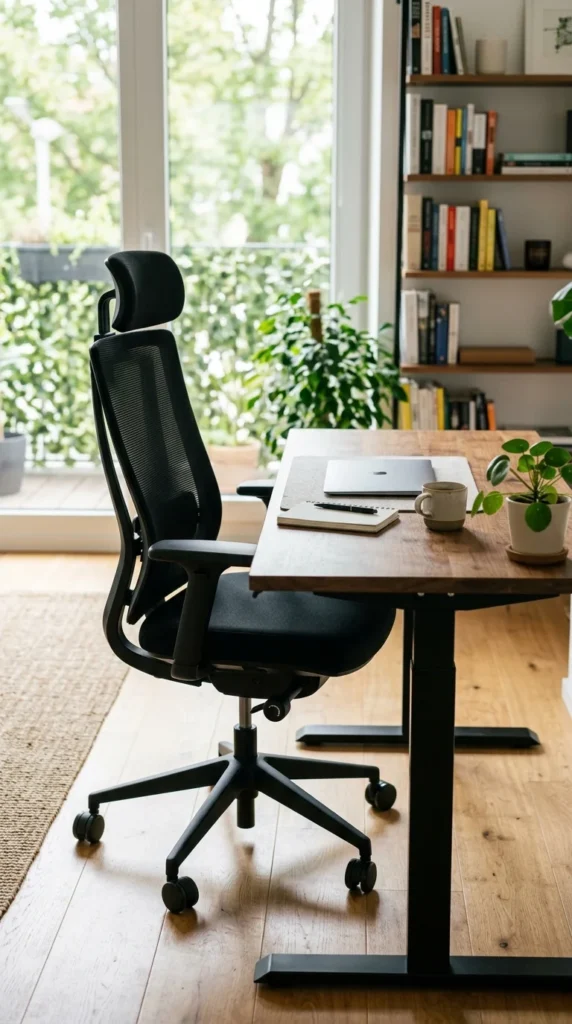
Comfort is paramount when spending long hours on intricate tasks. Investing in high-quality ergonomic seating prevents back pain and fatigue, allowing you to remain immersed in your hobby for longer periods. Look for chairs with adjustable heights, lumbar support, and breathable fabrics. For hobbies that require movement, such as large-scale painting, a rolling stool with a footrest offers the necessary mobility without sacrificing comfort.
5. Pegboard Walls
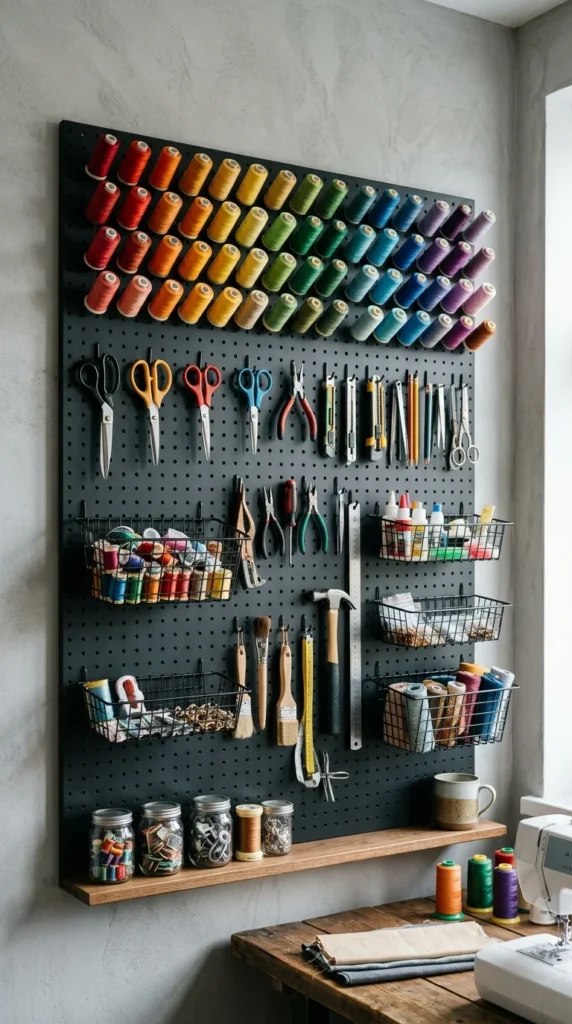
Pegboards are a classic for a reason: they offer unparalleled visibility and accessibility. By mounting a floor-to-ceiling pegboard, you turn your tools into a functional wall of art. This vertical storage solution keeps your work surface clear while ensuring that every screwdriver, brush, or pair of scissors is within arm’s reach. Use various hooks, bins, and shelves to customize the board to your specific needs.
6. Fold-Down Workbenches
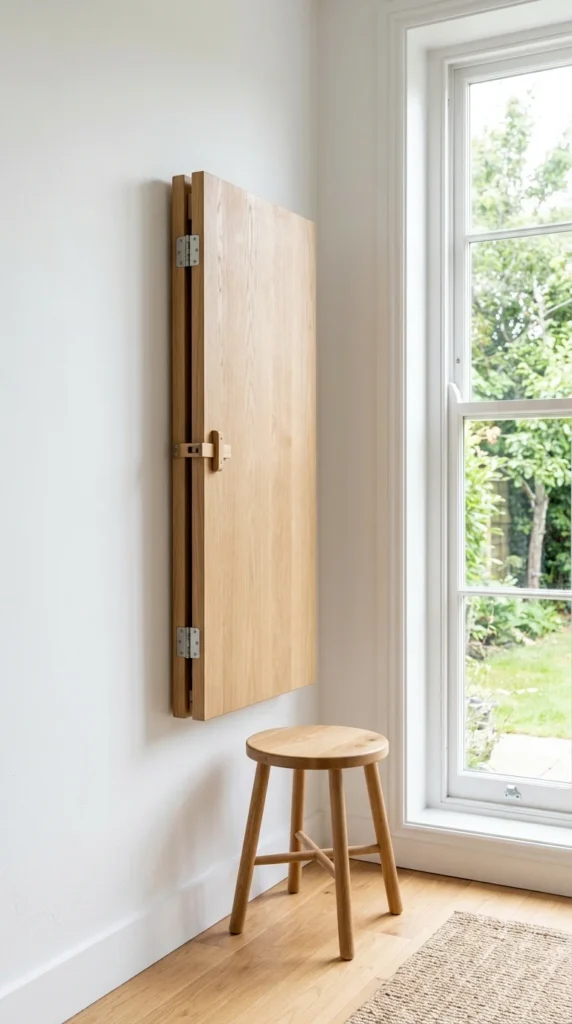
For those working with limited square footage, a fold-down workbench is a transformative solution. These wall-mounted tables can be deployed when inspiration strikes and tucked away to reclaim floor space when the project is finished. This is particularly useful in multi-purpose guest rooms or small apartments where a permanent hobby station might be intrusive.
7. Ambient Glow
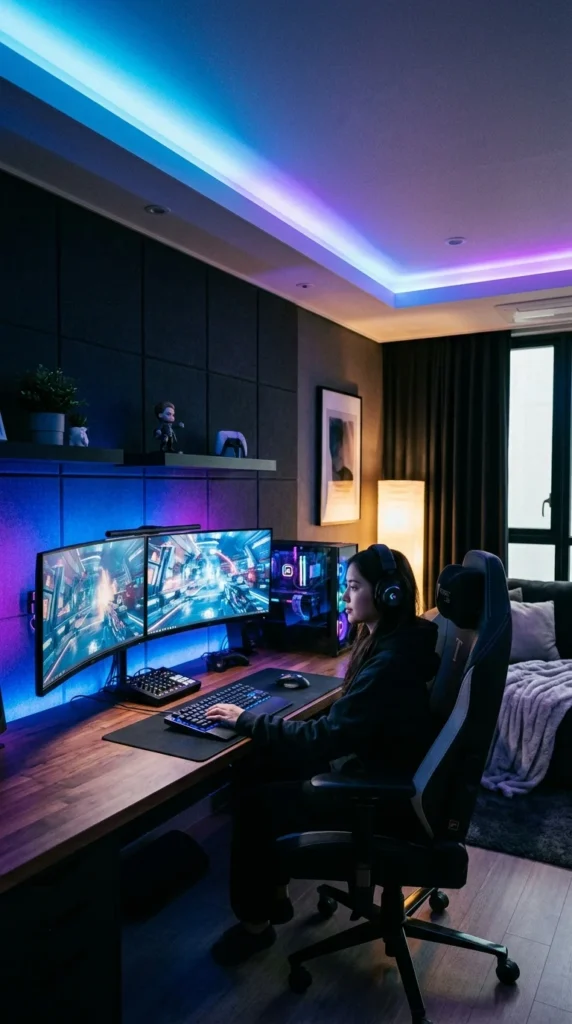
While task lighting is for work, ambient lighting is for mood. Incorporating dimmable LED strips, floor lamps with warm bulbs, or even neon accents can change the vibe of the room instantly. For gamers or media enthusiasts, programmed RGB lighting can enhance immersion. For crafters, a warm ambient glow makes the room feel like a cozy retreat rather than a sterile workshop.
8. Easy-Clean Surfaces
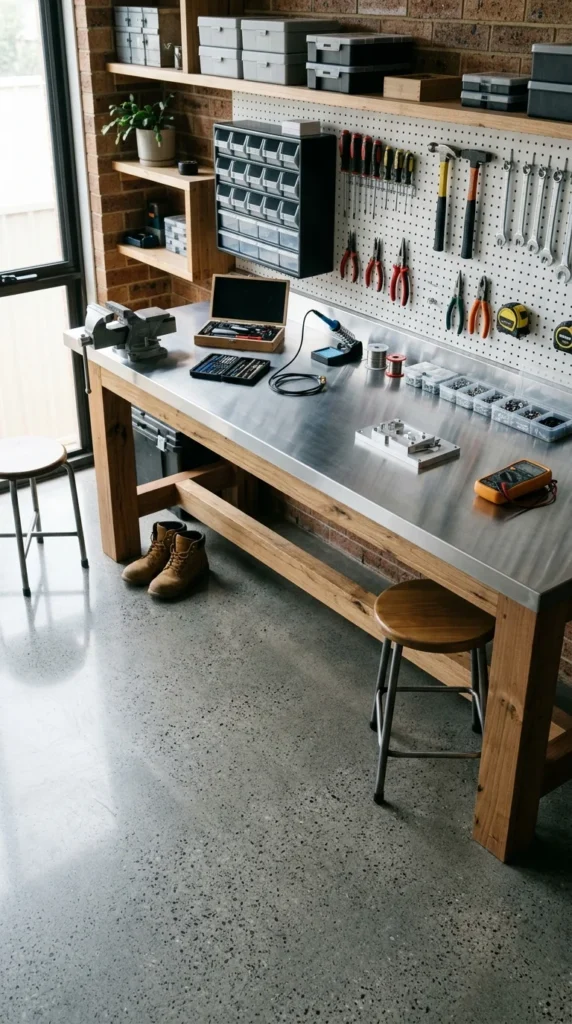
Hobbies can be messy. Whether it’s wood shavings, spilled ink, or clay dust, your surfaces should be able to handle the aftermath. Opt for flooring like luxury vinyl tile (LVT), polished concrete, or treated hardwood that can be easily swept or mopped. Similarly, choose worktops made of laminate, stainless steel, or treated butcher block that resist stains and scratches.
9. Ceiling Storage

When floor space is at a premium, look upward. Ceiling-mounted racks are perfect for storing bulky items that aren’t used daily, such as seasonal gear, large rolls of fabric, or extra lumber. In a high-ceilinged room, this keeps the visual landscape at eye level clean and uncluttered while utilizing every cubic inch of the architecture.
10. Soundproofing Panels
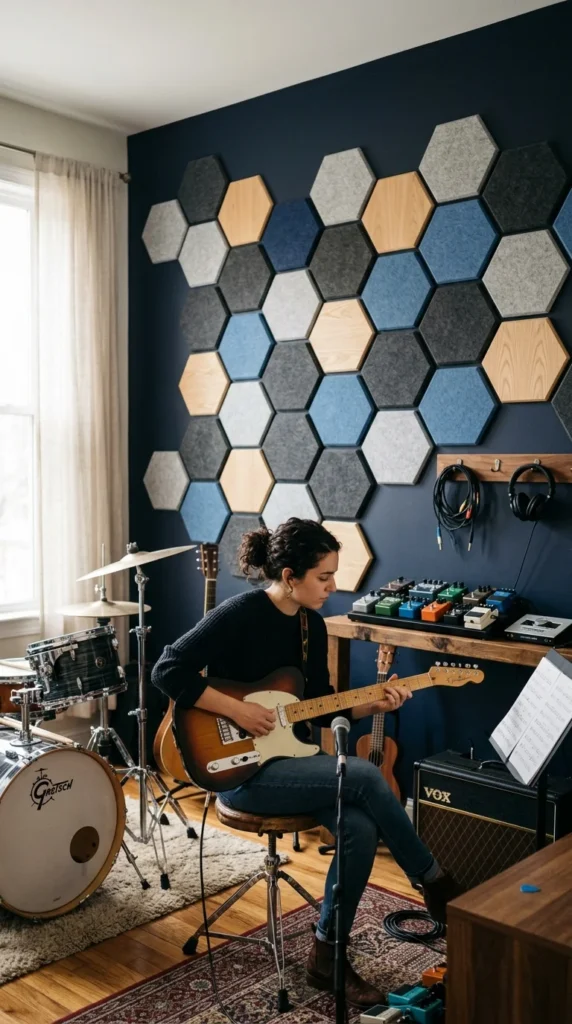
If your hobby involves high volumes—such as playing an instrument, woodworking with power tools, or high-octane gaming—soundproofing is essential. Modern acoustic panels come in various colors and shapes, allowing them to serve as a design feature rather than just a utility. They reduce echo within the room and prevent sound from leaking to the rest of the house, ensuring a peaceful environment for everyone.
11. Monochromatic Themes
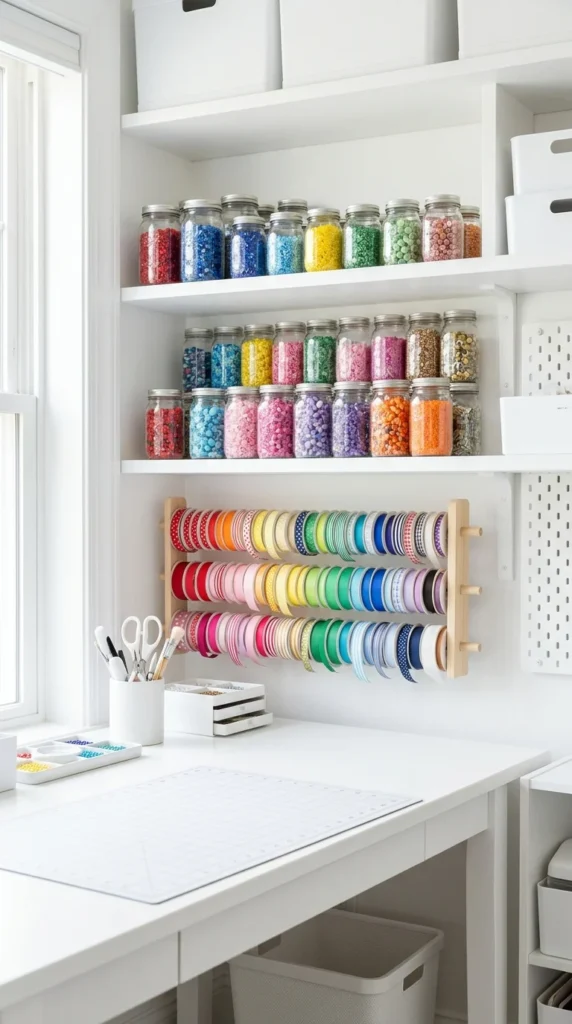
A monochromatic color palette, such as all-white or deep charcoal, creates a sophisticated and calming backdrop. In a hobby room, where materials are often colorful and varied, a neutral background prevents the space from feeling visually overwhelming. It allows your projects and tools to stand out, making the environment feel more like a professional gallery or studio.
12. Glass Displays
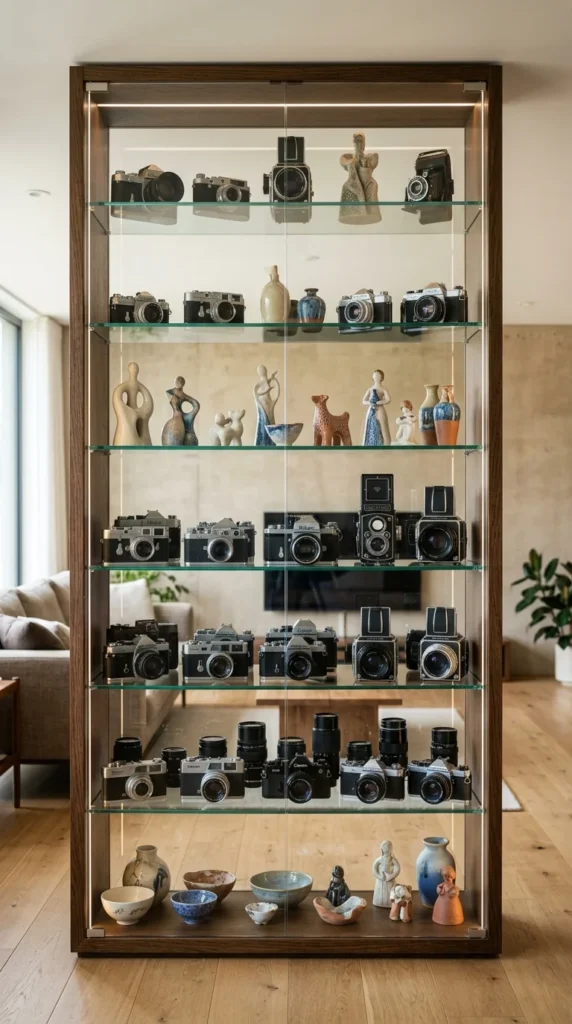
If your hobby results in finished products or involves collecting, you need a way to showcase your passion. Glass-fronted cabinets protect delicate items from dust while putting them on display. Internal cabinet lighting can further highlight your achievements, turning your hobby room into a personal museum that inspires further creation.
13. Center Islands
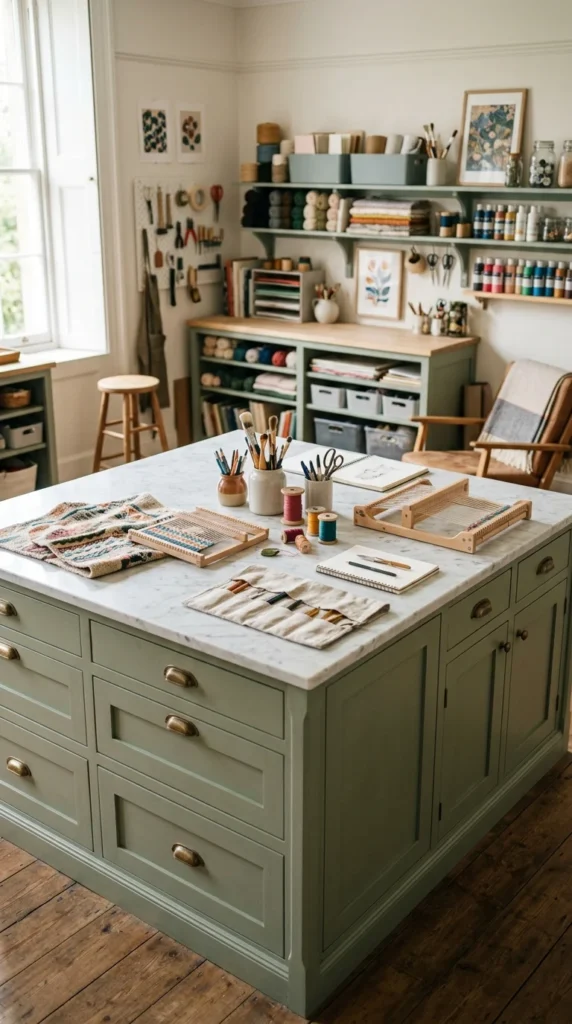
A central island provides 360-degree access to your workspace, which is ideal for large-scale projects like quilting, map-making, or model building. It also creates a social hub if you enjoy working with friends or family. By incorporating storage into the base of the island, you maximize functionality without needing extra wall units.
14. Exposed Brick
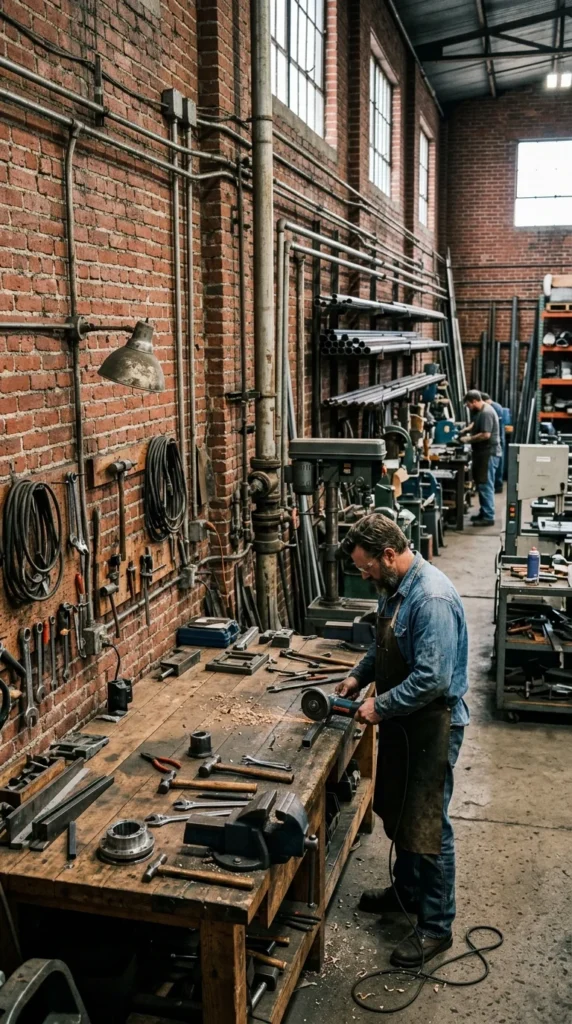
Incorporating industrial elements like exposed brick or raw wood adds character and a sense of “workshop” authenticity to the space. This aesthetic is particularly popular for DIY enthusiasts and inventors. The ruggedness of these materials means you don’t have to worry about the occasional nick or scratch, as it only adds to the room’s lived-in charm.
15. Integrated Electronics
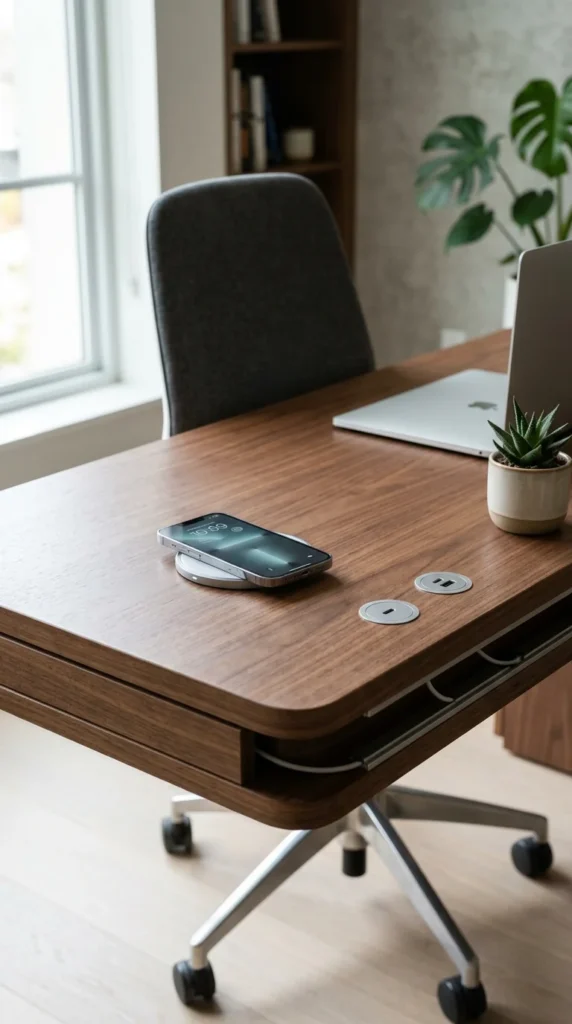
Modern hobbies often require a digital component. Whether it’s a 3D printer, a computer for photo editing, or a tablet for digital illustration, your room should be wired for success. Integrated power strips, cable management channels under desks, and dedicated charging stations keep wires out of sight and prevent “cord chaos,” maintaining the room’s sleek appearance.
16. Living Greens
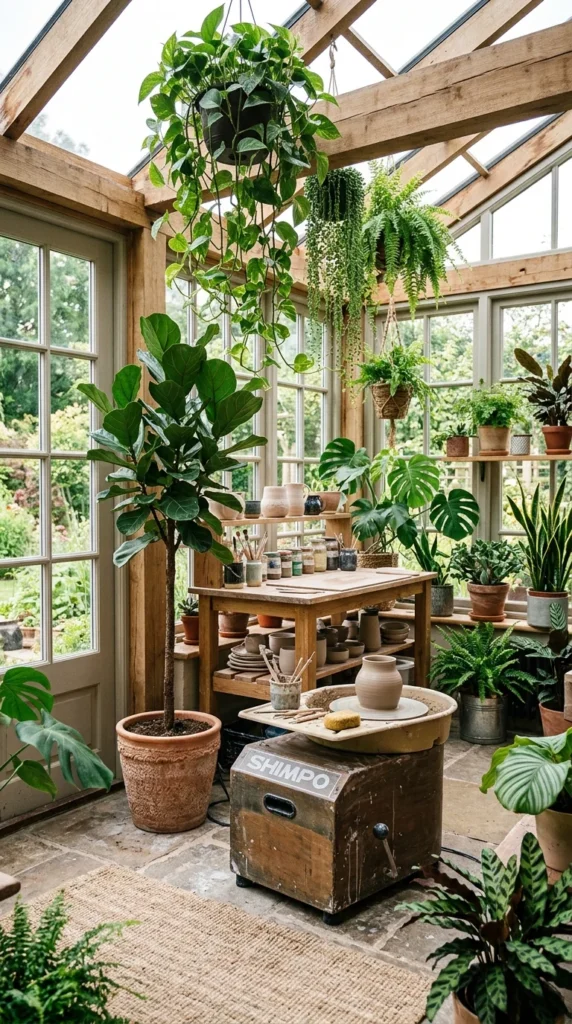
Integrating plants into your hobby room can boost mood and productivity. Greenery provides a natural contrast to the industrial or plastic nature of many hobby tools. High-oxygen-producing plants like snake plants or spider plants also improve air quality, which is beneficial if you are working with glues or paints that might have mild odors.
17. Secret Drawers
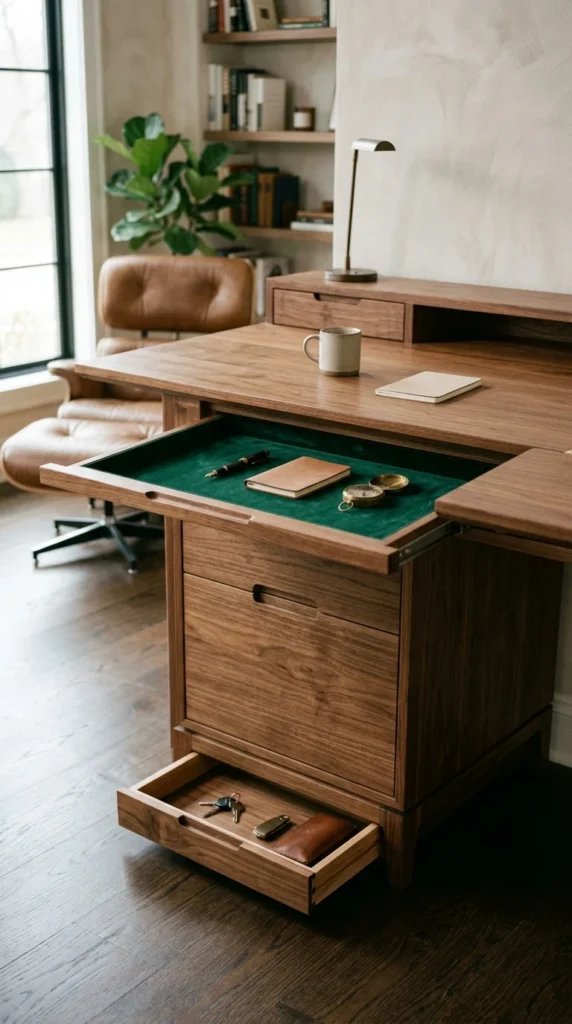
For specialized tools or valuable materials, hidden compartments offer both security and a “cool factor.” Hidden drawers built into the kick-plates of cabinets or false-bottom drawers in desks allow you to store items out of sight, maintaining a minimalist look while keeping essentials tucked away.
18. Rolling Tiers
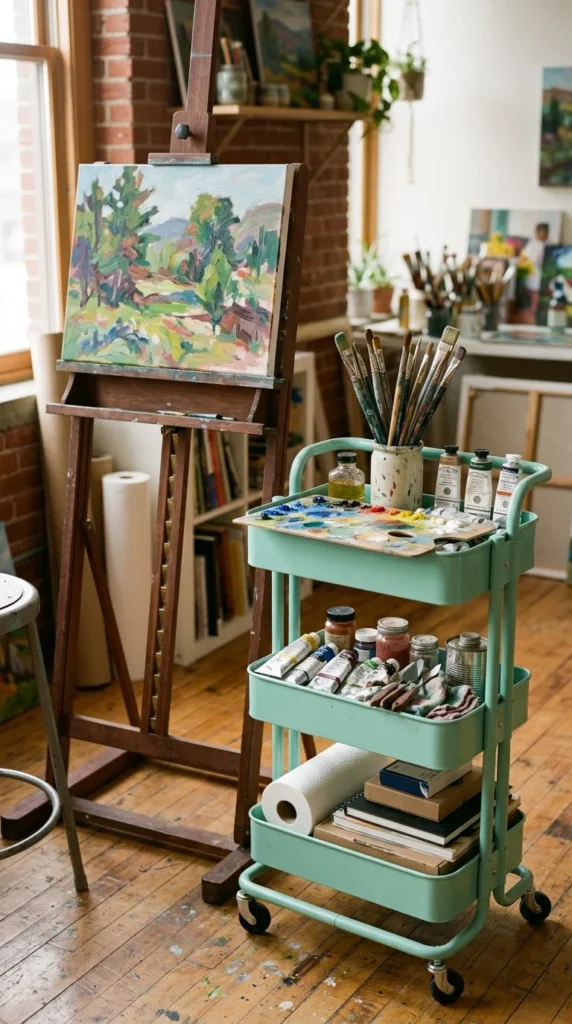
Mobility is key in a dynamic workspace. Rolling carts allow you to bring your tools to exactly where you are working. If you move from your desk to an easel or a lounge chair, your supplies can follow you effortlessly. When not in use, these carts can be tucked into a closet or under a counter to keep the floor clear.
19. Texture Play
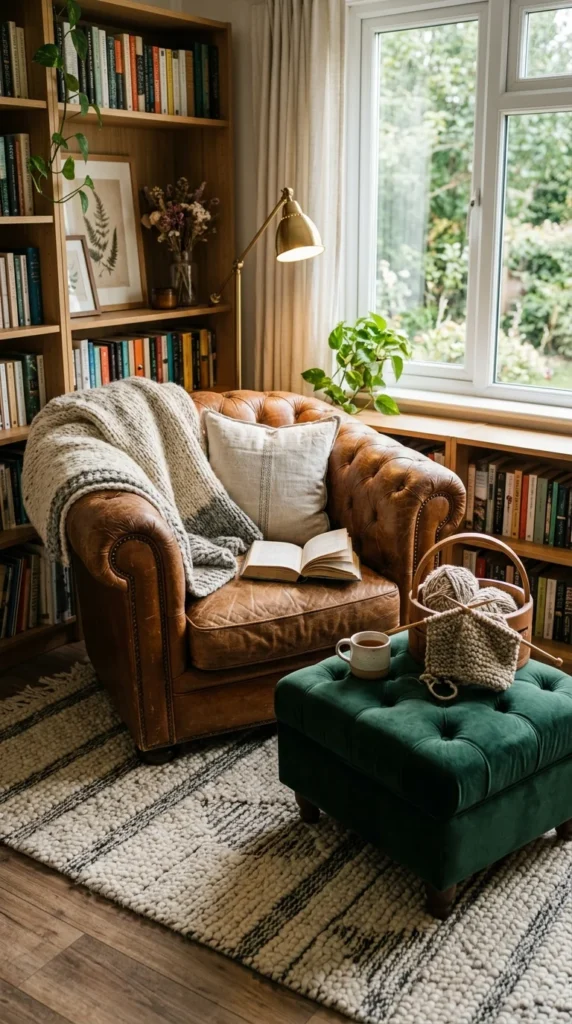
A hobby room should be a tactile delight. Mixing textures—like a soft sheepskin rug under a hard wooden desk or a leather chair paired with metal shelving—adds depth to the design. This makes the space feel more curated and less like a utilitarian storage unit, encouraging you to spend more time there.
20. Directed Beams
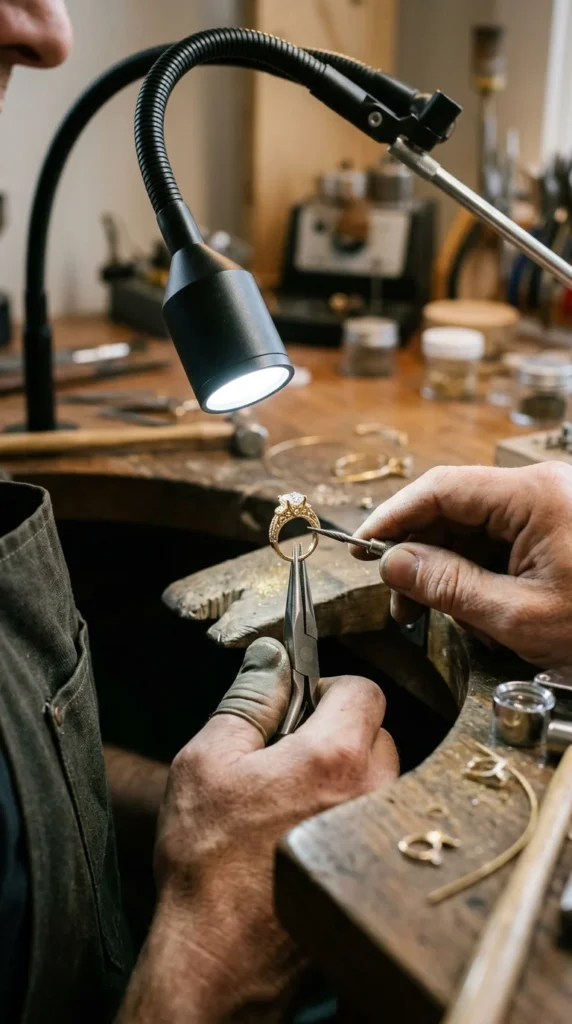
While natural and ambient light are important, directed task lighting is non-negotiable for detail-oriented hobbies. Swing-arm lamps or magnifying lamps provide concentrated light exactly where it’s needed. This is essential for electronics repair, jewelry making, or miniature painting, ensuring every detail is visible and reducing the risk of mistakes.
21. Gallery Walls
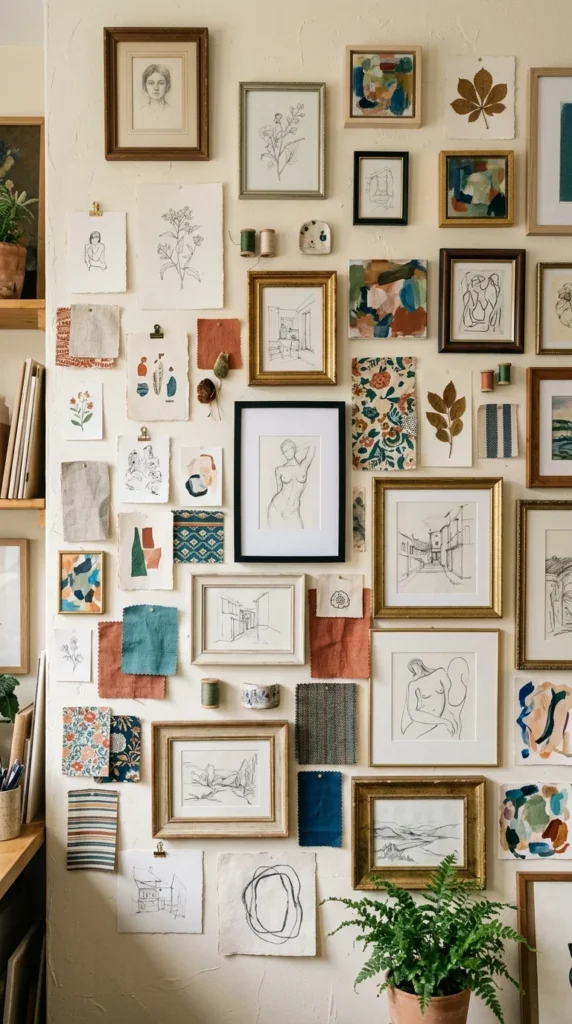
Finally, a hobby room should reflect your personal journey. A gallery wall of inspiration—featuring sketches, mood boards, finished pieces, or photographs of mentors—serves as a constant source of motivation. It personalizes the space and reminds you why you started your hobby in the first place, turning the room into a true reflection of your creative identity.