
In an era defined by constant connectivity and the relentless pace of urban life, the home has transitioned from a mere place of residence into a vital sanctuary for mental and physical restoration. The concept of a “wellness room” has evolved beyond a luxury trend into a fundamental component of modern interior design. These dedicated spaces are designed to facilitate mindfulness, reduce cortisol levels, and provide a curated environment where the outside world’s noise is replaced by intentional silence or soothing rhythms.
Transforming a spare bedroom, an attic nook, or even a quiet corner into a wellness retreat requires more than just aesthetic upgrades; it necessitates a deep understanding of how environment influences psychology. By integrating specific sensory elements—ranging from biophilic design to hydrotherapy—you can create a private haven that nurtures your well-being. Here are six comprehensive wellness room ideas to turn your home into a professional-grade peaceful retreat.
1. Meditation Corner
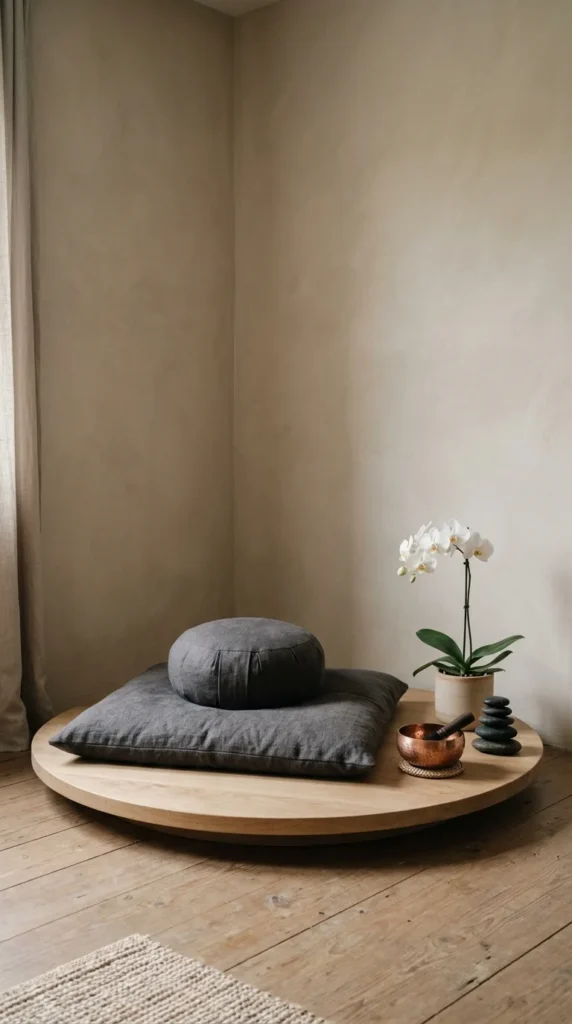
The foundation of any wellness-focused home is a space dedicated to stillness. A meditation corner serves as a visual reminder to pause and breathe. Unlike a standard living room, this area should be stripped of distractions—no televisions, no charging ports, and no clutter.
To create an effective meditation space, focus on “grounding” elements. Use floor-based seating such as zafus (traditional Japanese cushions) or ergonomic meditation chairs to encourage a connection with the earth. The color palette should lean toward neutrals—think warm beiges, soft greys, or muted terracottas—to prevent visual overstimulation. Lighting is equally critical; avoid harsh overhead fixtures in favor of dimmable floor lamps or salt lamps that emit a warm, amber glow. This psychological “zoning” tells your brain that as soon as you step into this corner, the time for productivity has ended and the time for presence has begun.
2. Biophilic Sanctuary
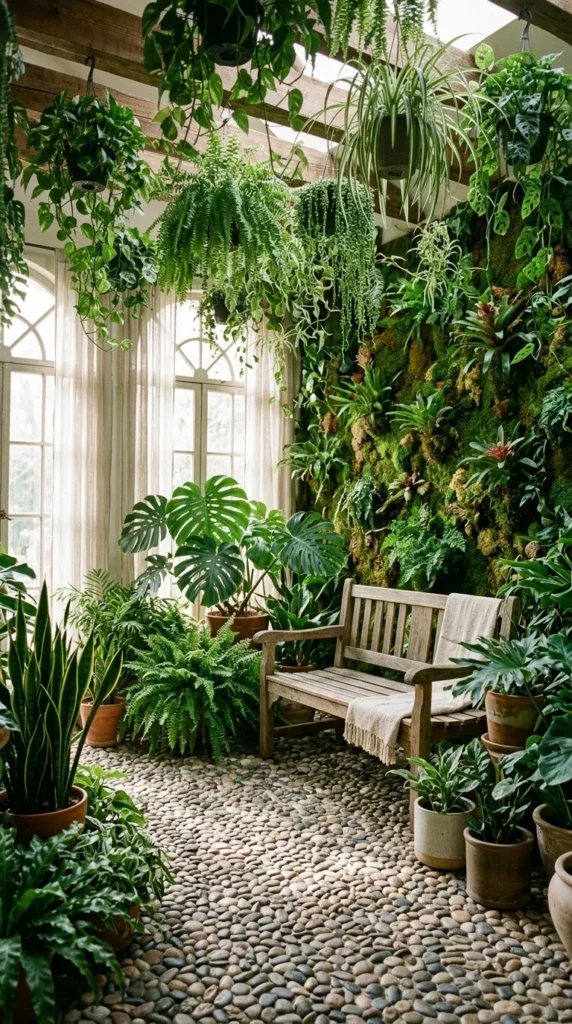
Biophilic design is the practice of incorporating nature into built environments to improve health and productivity. A biophilic sanctuary focuses on “bringing the outdoors in,” which has been scientifically proven to lower blood pressure and improve cognitive function.
To build this retreat, prioritize air-purifying plants such as Peace Lilies, Sansevieria, and Spider Plants. The layout should maximize natural light, utilizing mirrors to bounce sunlight into darker corners. Incorporate organic materials like raw wood, bamboo, and natural stone to provide tactile variety. A “living wall” or a vertical garden can serve as a stunning focal point while significantly increasing the oxygen levels in the room. The goal is to create a micro-ecosystem that resonates with the human biological affinity for the natural world, providing a refreshing escape from the “concrete jungle” of modern life.
3. Aromatherapy Hub
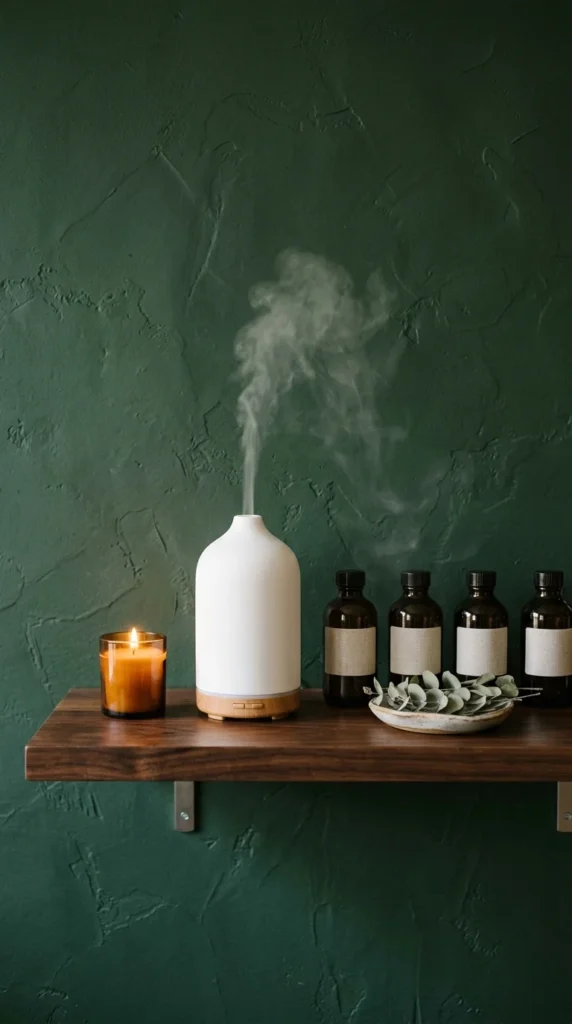
The sense of smell is more closely linked to memory and emotion than any other sense. An aromatherapy hub is a space designed to utilize scent as a tool for physiological regulation. Whether you need to invigorate your mind for a morning yoga session or decompress before sleep, a dedicated scent station allows for precise atmospheric control.
Start by investing in a high-quality ultrasonic or nebulizing diffuser. Unlike candles, which can sometimes release soot, diffusers offer a clean way to distribute essential oil molecules. Organise your scents by their therapeutic properties: lavender and cedarwood for relaxation, peppermint and eucalyptus for respiratory clarity, and citrus or ginger for energy. Beyond the oils, include elements like dried herbs or a bowl of sandalwood chips. This room becomes a sensory laboratory where you can “design” your mood through olfactory cues, making it an essential component of a holistic wellness retreat.
4. Hydrotherapy Zone
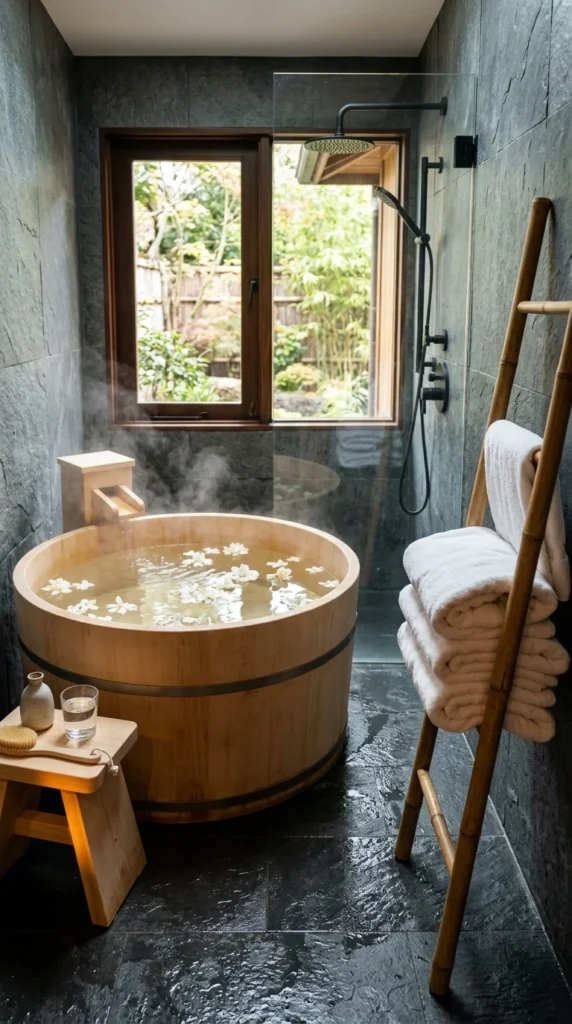
Water has been used for centuries as a medium for healing and reflection. Turning a bathroom or a dedicated wet room into a hydrotherapy zone provides a powerful physical release for muscle tension and stress. This is the “active recovery” wing of your home retreat.
To achieve this, consider installing a deep soaking tub or a rainfall showerhead with adjustable pressure settings. The inclusion of a steam function can transform a standard shower into a detoxifying sauna experience. Pay attention to the “after-care” textiles; high-gsm (grams per square meter) cotton towels and weighted robes enhance the feeling of being pampered. Incorporate elements of “blue mind” theory—the idea that being near water induces a mild meditative state—by adding small water features or even artwork that depicts aquatic scenes. The hydrotherapy zone is where the physical body is restored through warmth, buoyancy, and the rhythmic sound of falling water.
5. Creative Studio
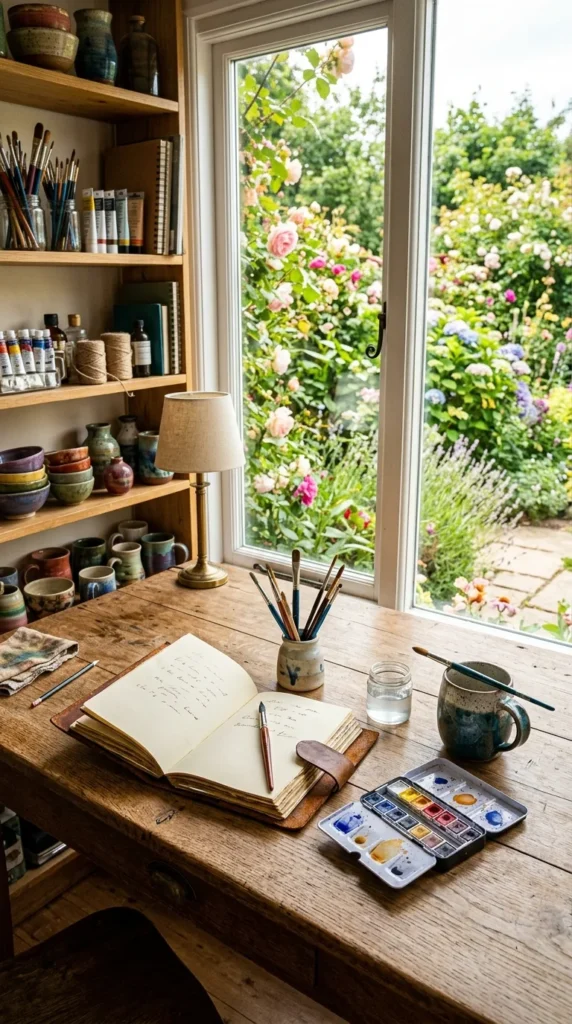
Wellness is not just about relaxation; it is also about “flow.” The flow state—a term coined by psychologist Mihaly Csikszentmihalyi—is a period of deep immersion in a creative task that leads to a sense of ecstasy and clarity. A creative studio within your wellness retreat is a place dedicated to this mental state.
This room should be tailored to whatever hobby allows you to lose track of time, whether it’s painting, journaling, pottery, or playing an instrument. The design should be functional yet inspiring. Use “open” storage so that your tools (brushes, pens, yarns) are visible and inviting. Unlike the meditation corner, the creative studio can handle more color—vibrant blues or yellows can stimulate the brain’s creative centers. Having a space where the “inner child” is allowed to play without the pressure of a finished product is a profound form of mental health maintenance.
6. Tech-Free Library
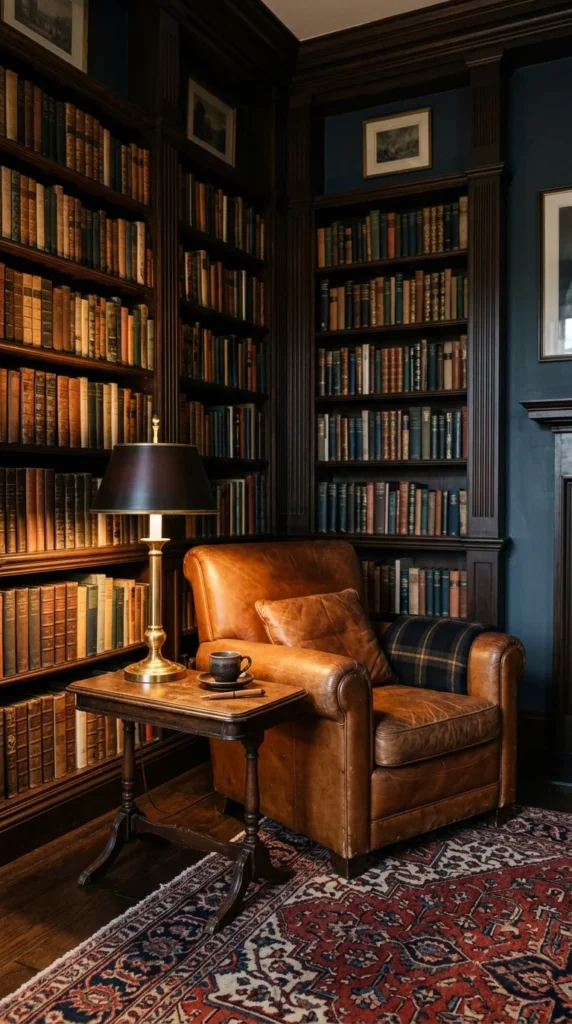
In an age of digital saturation, one of the most radical acts of self-care is disconnecting. A tech-free library or “analog room” is a sanctuary specifically designed to exclude blue light and digital notifications. This is a space for intellectual wellness and deep reading.
The centerpiece of this room should be the most comfortable seating option available—a wingback chair, a reading nook built into a window, or a velvet chaise lounge. Surround yourself with physical books, which offer a tactile and olfactory experience that e-readers cannot replicate. Lighting should be warm and focused, ideally provided by a dedicated reading lamp that minimizes eye strain. By physically removing tablets and phones from this environment, you create a “sacred” space for deep thought and imagination. This room serves as the ultimate retreat for the modern mind, allowing for a complete reset of the nervous system away from the “infinite scroll.”