
In an era defined by constant connectivity and high-stress environments, the necessity of a dedicated “sanctuary” within the home has never been more apparent. While many believe a wellness retreat requires sprawling square footage or a professional spa renovation, the truth is that any corner, alcove, or spare closet can be transformed into a rejuvenating haven. A small wellness room is not just about aesthetics; it is a functional tool for mental health, physical recovery, and spiritual grounding.
By focusing on sensory engagement—sight, scent, sound, and touch—you can curate a space that triggers an immediate relaxation response. Whether you are looking to deepen your meditation practice, find a quiet place to read, or simply escape the noise of daily life, these sixteen ideas provide a blueprint for turning even the most compact spaces into a restorative retreat.
1. Living Walls
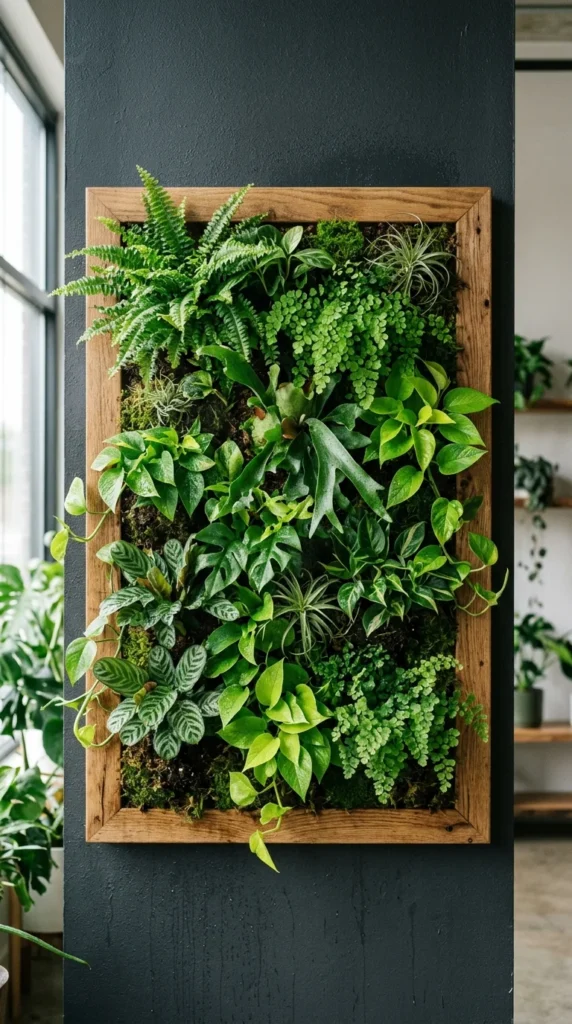
Bringing nature indoors is one of the most effective ways to lower cortisol levels and improve air quality. When floor space is at a premium, a living wall (or vertical garden) utilizes vertical real estate to create a lush, immersive environment. These installations serve as a living piece of art that breathes life into a room. You can choose a self-watering modular system or a DIY arrangement of wall-mounted planters. Using a variety of textures—such as trailing ivy, soft moss, and structural snake plants—adds depth and a sense of “forest bathing” to your small sanctuary.
2. Meditation Nooks
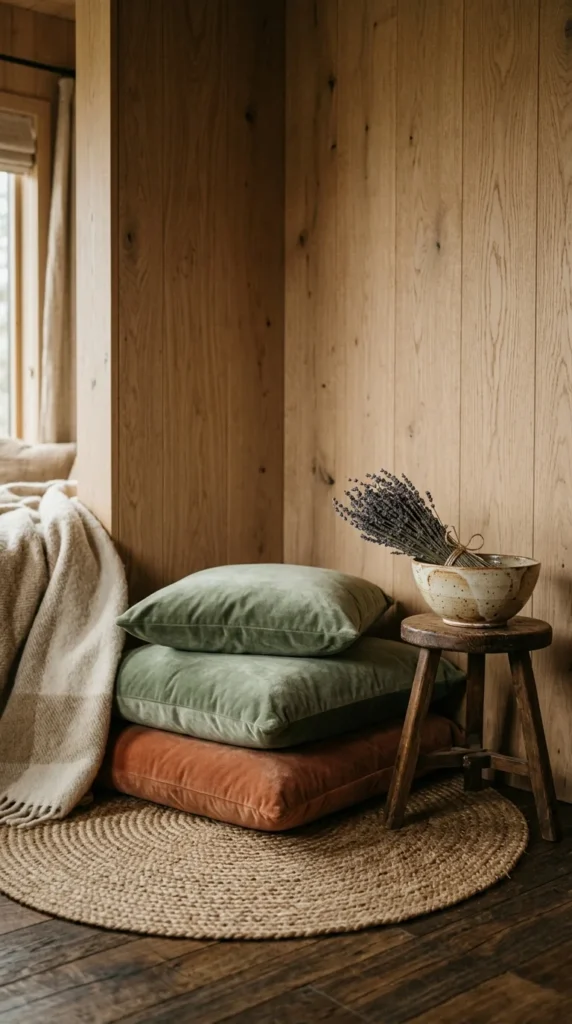
A wellness room does not need furniture in the traditional sense. A dedicated meditation nook requires nothing more than a comfortable place to sit and a clear boundary from the rest of the home. By using a “Zafu” (meditation cushion) and a “Zabuton” (padded mat), you create a designated spot that signals to your brain it is time to transition into a state of mindfulness. Keeping this area clutter-free is essential; the visual simplicity helps quiet the mind and encourages deep, rhythmic breathing.
3. Aromatherapy Stations
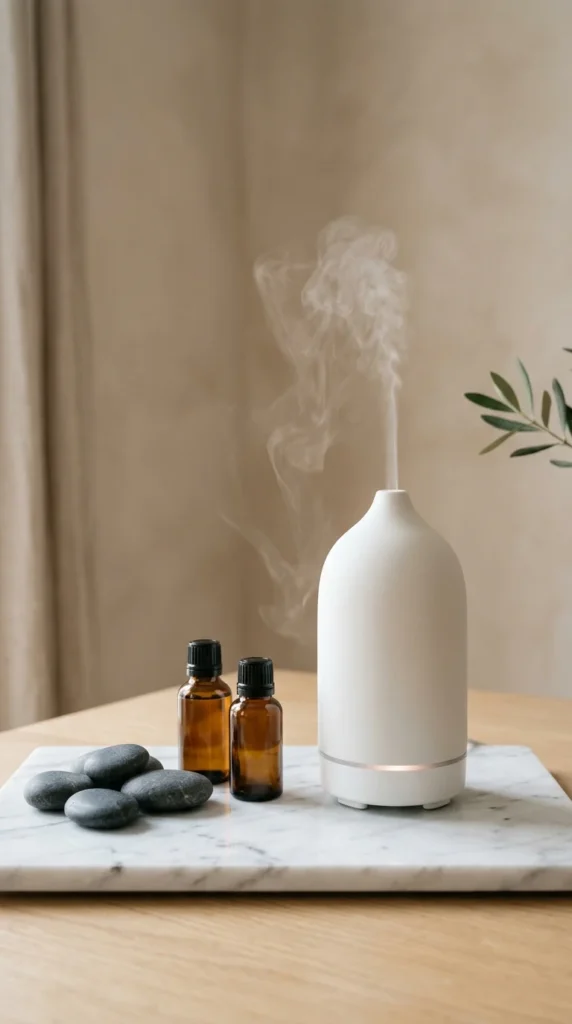
Scent is the fastest way to alter your mood. An aromatherapy station serves as the olfactory heart of your wellness room. Beyond just a diffuser, consider a dedicated tray where you keep high-quality, therapeutic-grade essential oils like lavender for sleep, eucalyptus for respiratory health, or citrus for energy. Integrating an aromatherapy ritual—such as selecting a scent based on your current emotional need—adds a layer of intentionality to your relaxation routine.
4. Layered Lighting
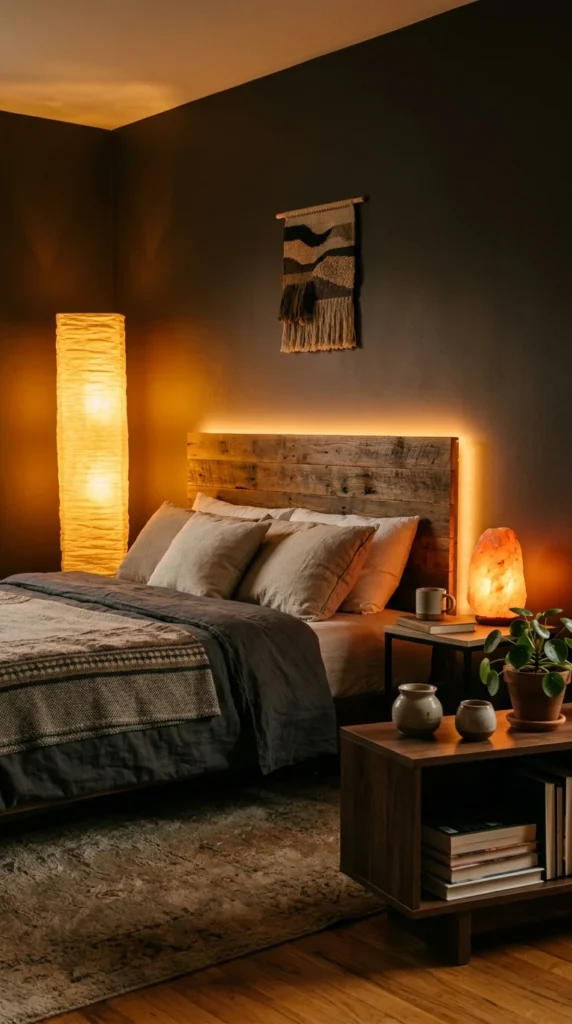
Harsh overhead lighting is the enemy of relaxation. To transform a small space into a retreat, you must master layered lighting. This involves combining different light sources at varying heights to create a soft, diffused glow. Salt lamps are excellent for their warm, orange hue and supposed air-purifying qualities, while adjustable “smart” bulbs allow you to mimic the natural progression of the sun—shifting from bright, cool light in the morning to warm, dim tones in the evening to support your circadian rhythm.
5. Natural Textures
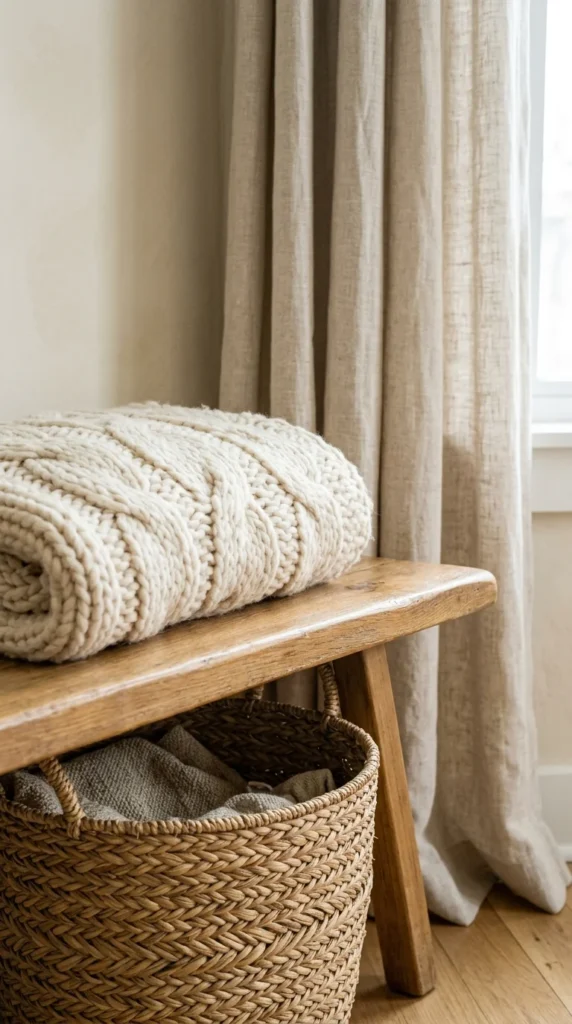
In a small room, the tactile experience becomes more pronounced. Incorporating natural textures like wool, linen, wood, and stone grounds the space and connects you to the physical world. A high-pile rug underfoot or a weighted blanket draped over a chair can provide sensory comfort that reduces anxiety. Avoid synthetic plastics or cold metals; instead, opt for organic materials that feel warm to the touch and develop a beautiful patina over time.
6. Soundscapes
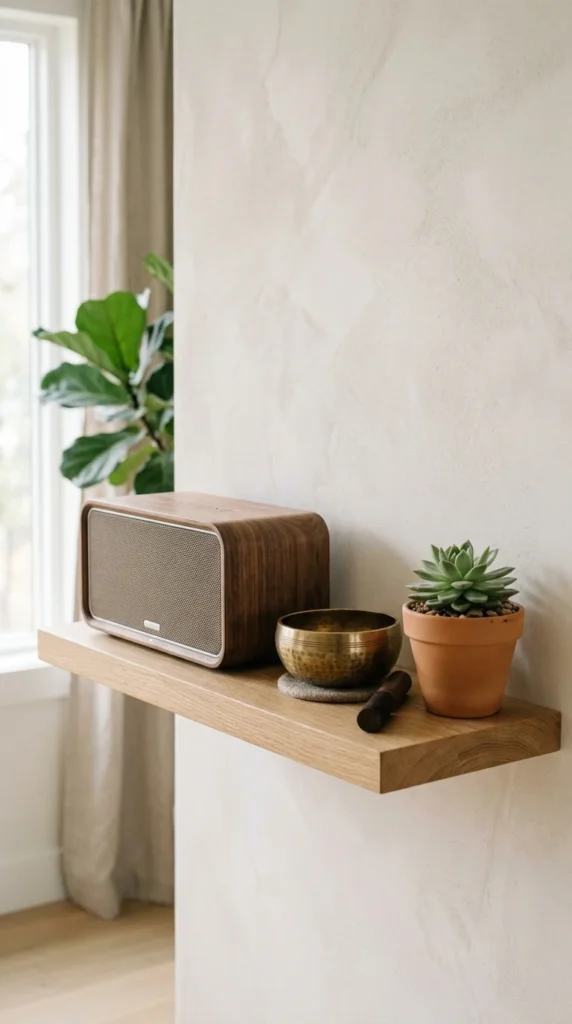
Auditory privacy is crucial in a small wellness room, especially if you live in a noisy urban environment. Integrating a high-quality sound system or a white noise machine can mask external distractions. Consider incorporating “sound healing” tools such as crystal singing bowls, rain sticks, or chimes. For a modern approach, a dedicated tablet or smart speaker pre-set with nature sounds, binaural beats, or guided meditations ensures that peace is always just one tap away.
7. Crystal Altars
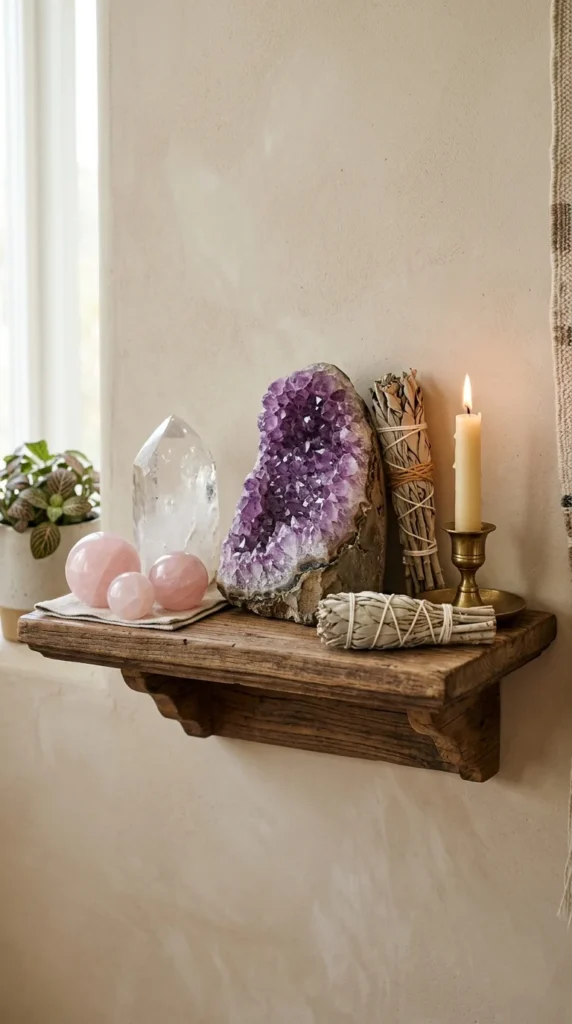
Whether you believe in the energetic properties of stones or simply appreciate their natural beauty, a crystal altar provides a focal point for the room. Placing stones like Amethyst for calm or Black Tourmaline for protection creates a sense of sacredness. Arranging these elements on a small shelf or tray allows you to practice “visual mindfulness,” where you focus on the intricate details and colors of the earth’s minerals to ground yourself during stressful moments.
8. Yoga Corners
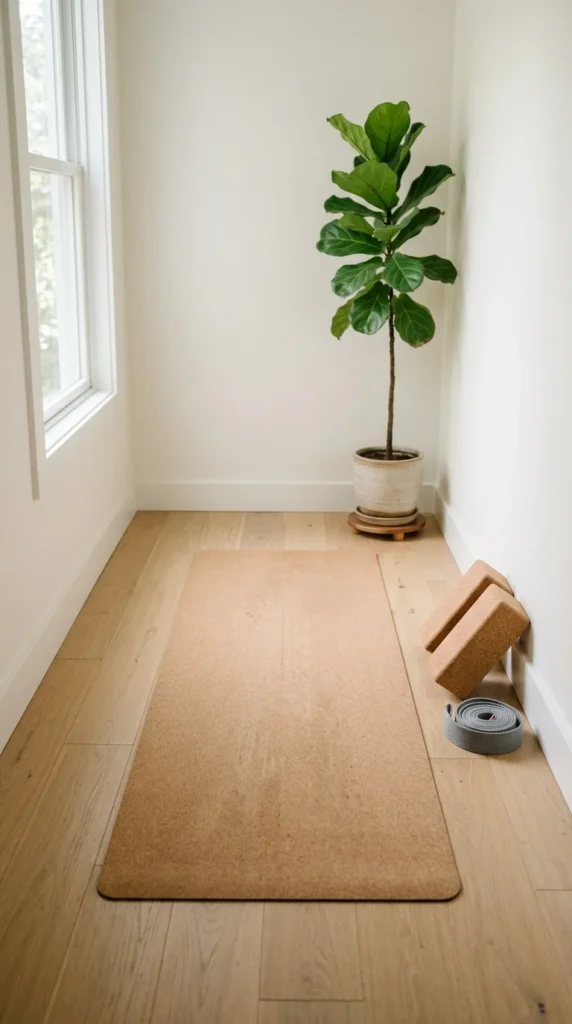
You don’t need a full studio to practice yoga. A small wellness room can easily accommodate a single mat. To maximize the space, use wall-mounted racks to store your mat, blocks, and bolsters when not in use. Keeping your equipment visible but organized serves as a gentle “nudge” to engage in daily movement. By keeping the floor clear of other furniture, the room feels larger and more inviting for sun salutations or restorative stretching.
9. Smart Tech
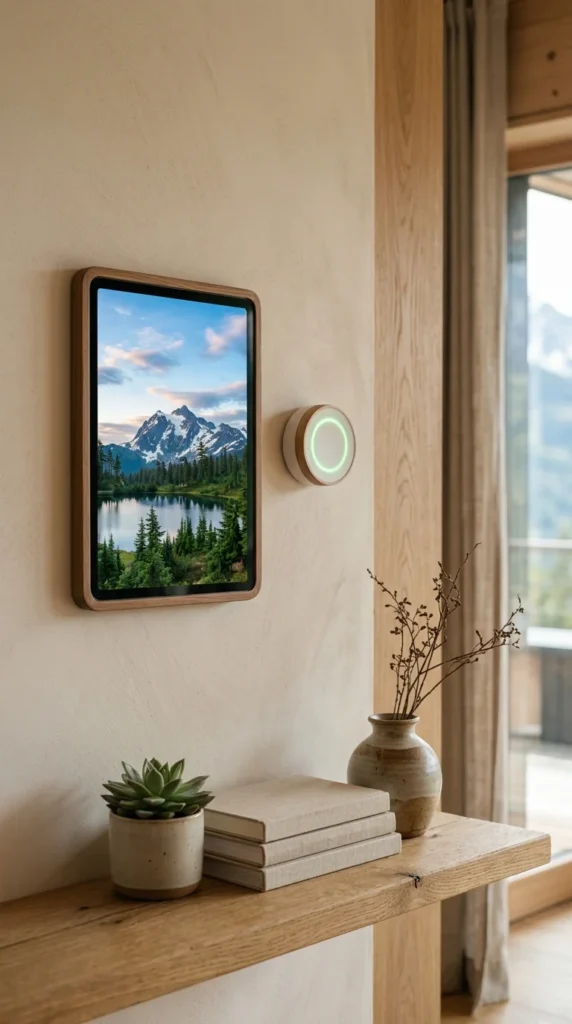
While many wellness rooms aim for a “digital detox,” smart technology can actually enhance the environment if used intentionally. Smart air purifiers that monitor HEPA levels, automated blinds that sync with your wake-up time, and biofeedback devices can help you optimize your health. The key is to keep the technology hidden or aesthetically integrated so it doesn’t distract from the room’s peaceful atmosphere.
10. Floor Seating
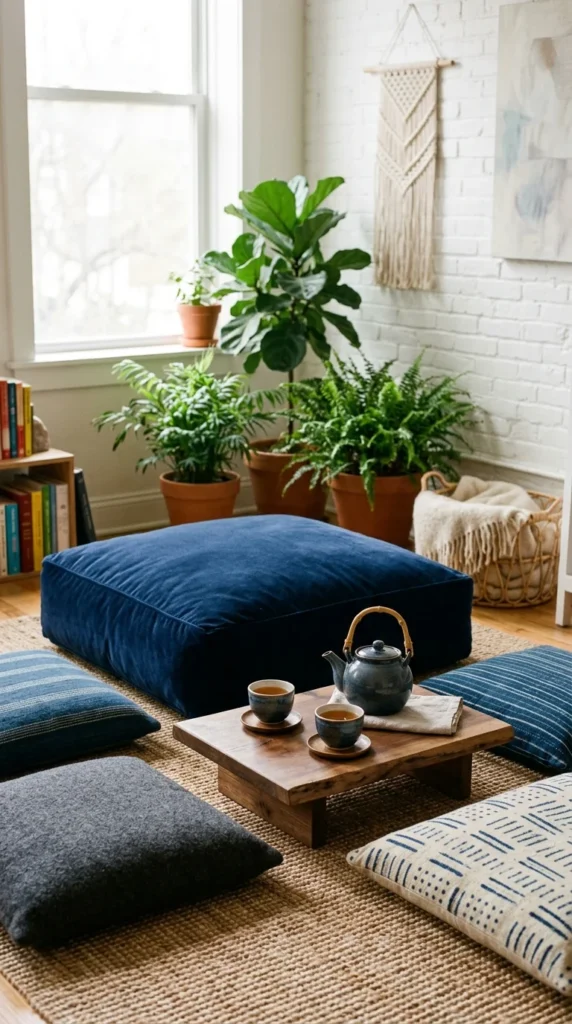
Lowering your perspective can make a small room feel much taller and more spacious. Floor seating encourages a more grounded, informal posture that is conducive to relaxation and conversation. Use a mix of poufs, floor pillows, and low-slung bean bags to create a “chill-out” zone. This arrangement is particularly effective in small attic spaces or rooms with low ceilings, turning a structural limitation into a cozy design feature.
11. Minimalist Decor
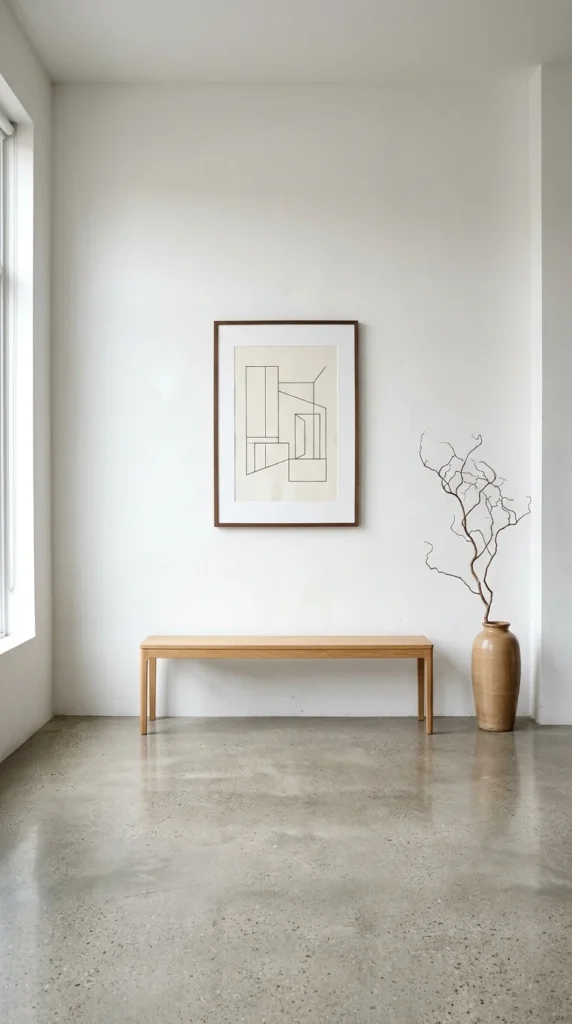
In wellness design, less is almost always more. Visual clutter leads to mental clutter. By adopting a minimalist aesthetic, you allow the mind to rest. Choose a few high-quality pieces rather than filling the space with decorative trinkets. A single piece of art, a solitary plant, and functional furniture with clean lines will create a “breathable” atmosphere where you can focus on your internal state rather than external distractions.
12. Water Features
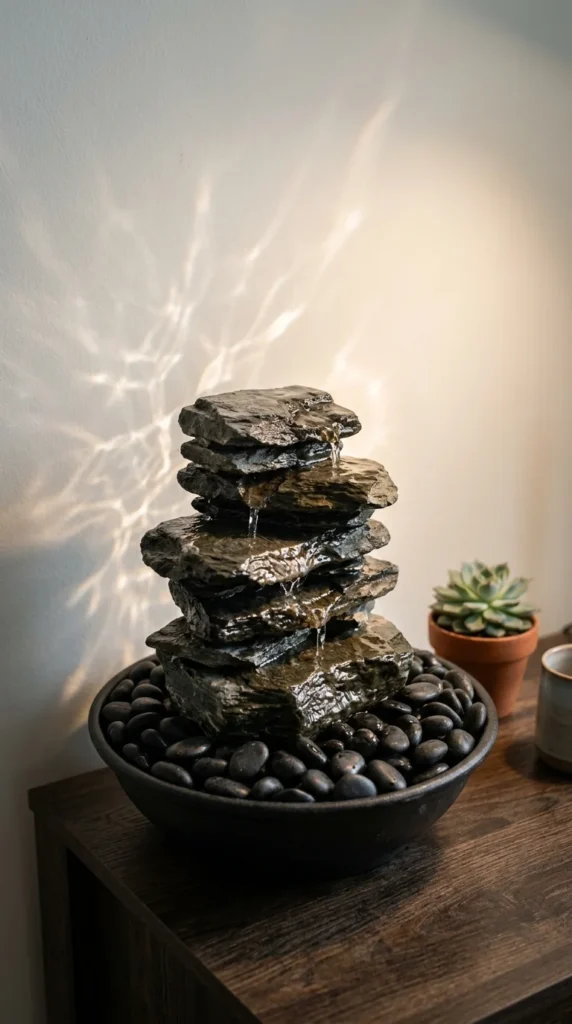
The sound of running water is universally recognized as a powerful tool for relaxation. A small, tabletop fountain can fit into the tightest corners and provide a constant, soothing white noise. The movement of the water also adds a dynamic element to the room, preventing it from feeling static. For those who want to go further, a small indoor “reflective pool” or a wall-mounted water film can create a sophisticated, spa-like focal point.
13. Reading Zones
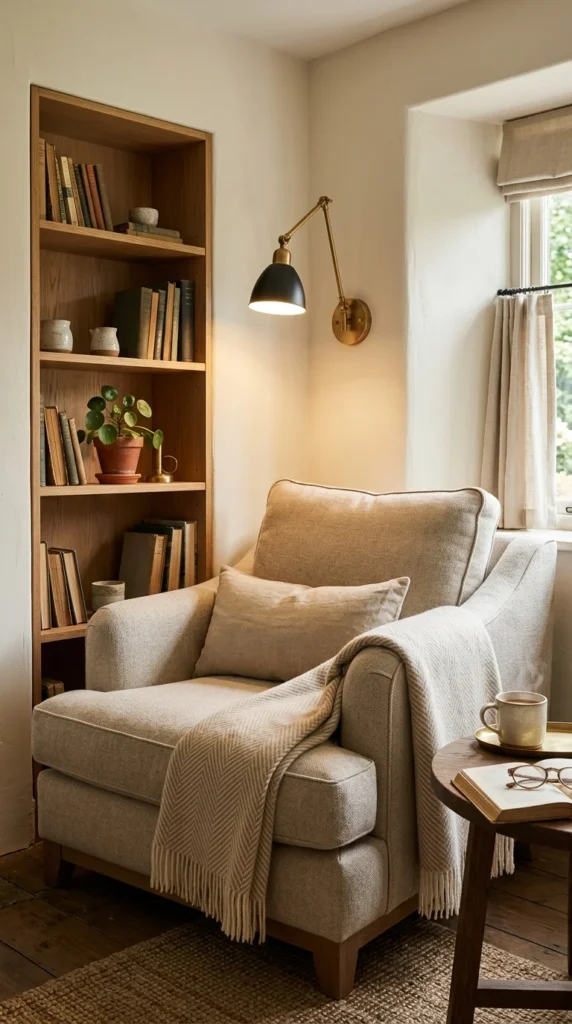
A wellness retreat isn’t just for meditation; it’s for intellectual nourishment as well. Creating a dedicated reading zone involves choosing a chair that supports your posture while allowing you to sink in. Pair it with a small side table for a cup of herbal tea and a warm lamp. Keeping a curated selection of “soul-nourishing” books—poetry, philosophy, or wellness guides—within arm’s reach makes it easy to swap screen time for page time.
14. Color Therapy
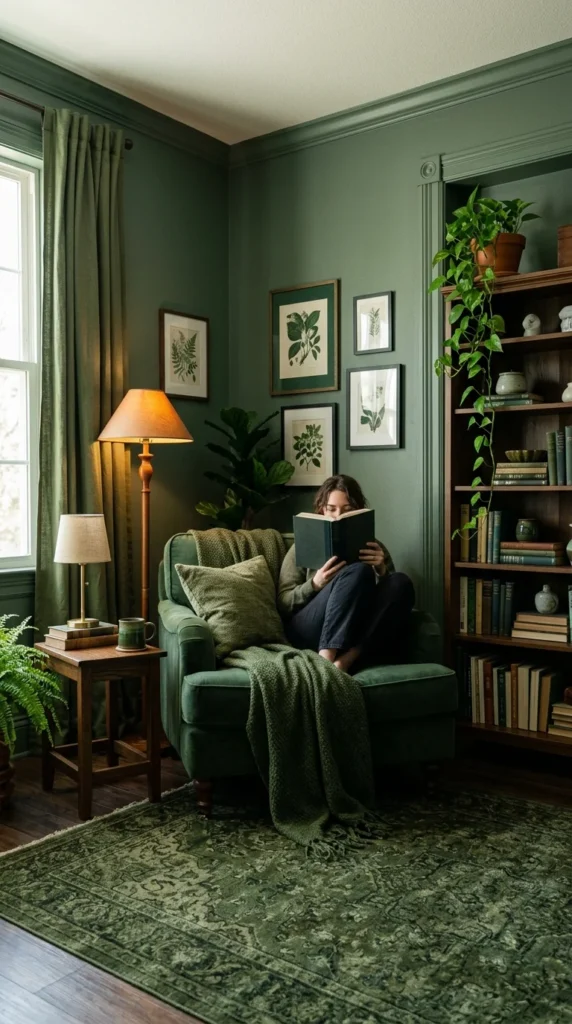
Color has a profound impact on psychology. For a wellness room, moving away from stark whites and toward “grounding” colors can change the energy of the space. Muted greens evoke the forest, soft blues mimic the sky or sea, and warm terracottas provide a sense of stability. Using a monochromatic color scheme—where the walls, furniture, and textiles are all in the same color family—can make a small room feel expansive and cohesive.
15. Botanical Accents
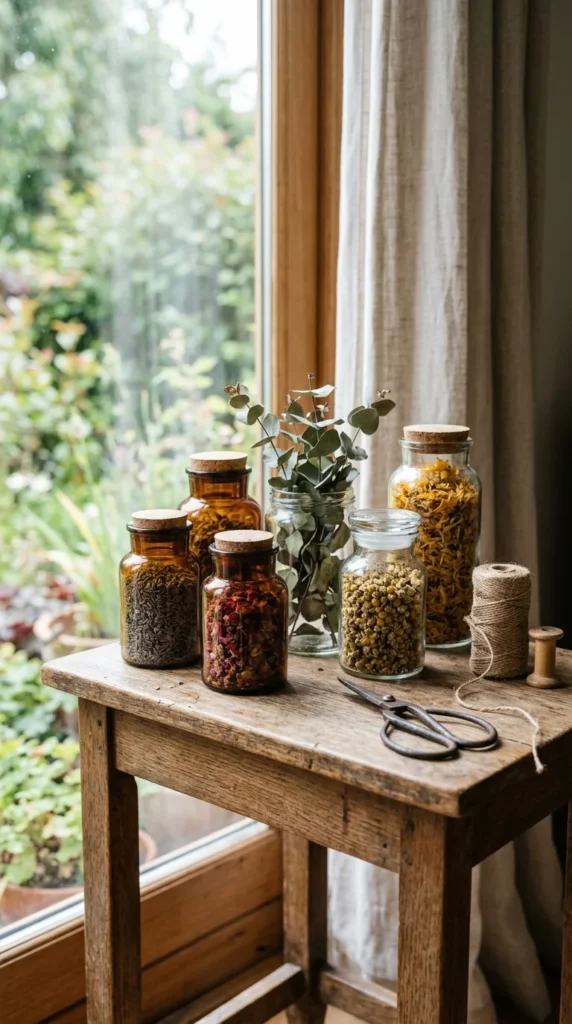
Beyond a living wall, small botanical accents can be scattered throughout the room to provide pops of life. Air plants (Tillandsia) are perfect for small spaces because they don’t require soil and can be hung from the ceiling or placed in glass terrariums. Dried eucalyptus hanging from a wall hook or a single Monstera leaf in a glass vase adds a sculptural element of nature that is low-maintenance but high-impact.
16. Digital Detox
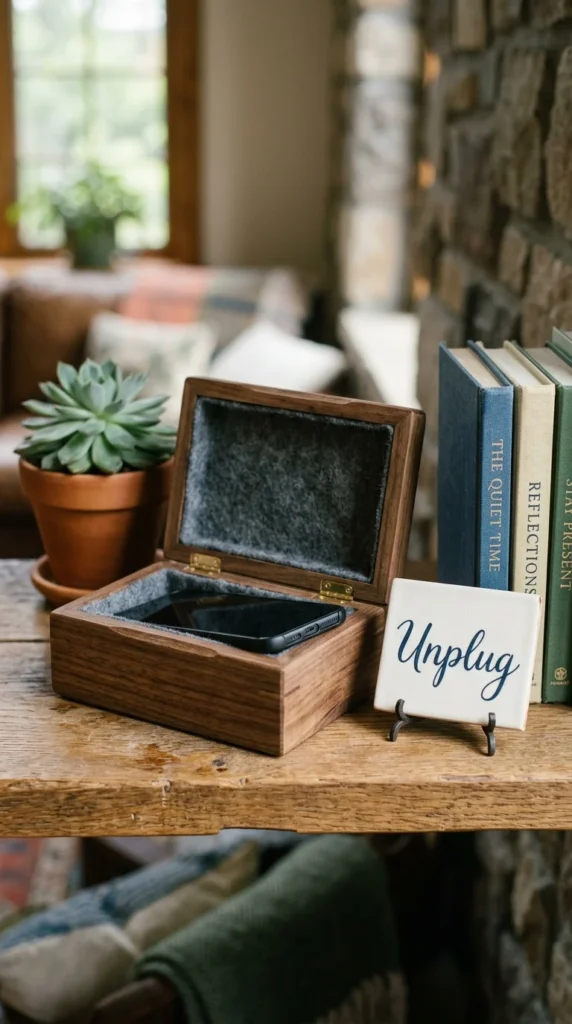
The most important feature of a wellness room isn’t something you add, but something you remove. Designating your wellness space as a “no-phone zone” is essential. Create a stylish “phone home”—a beautiful box or a charging station located just outside the room—where you can leave your devices. By physically separating yourself from your digital life, you allow your nervous system to fully downshift, ensuring that your small retreat remains a true sanctuary for the soul.