
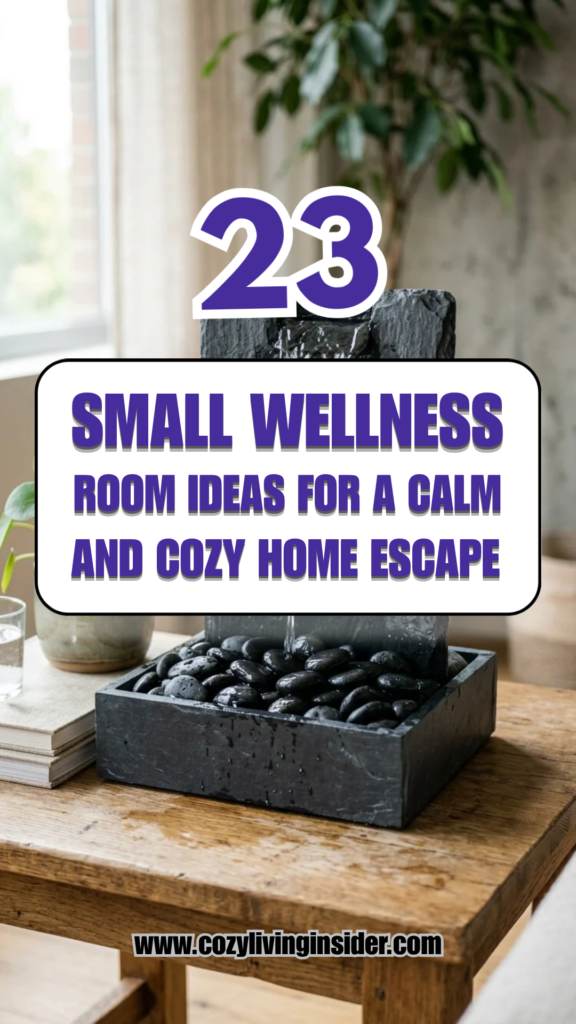

In an increasingly fast-paced world, the home has become more than just a place to sleep—it is a sanctuary. Dedicating a specific area to wellness, no matter how small, can significantly impact your mental clarity and physical health. Whether you have a spare guest room, a walk-in closet, or just a quiet corner in your bedroom, these 23 ideas will help you transform any compact space into a rejuvenating retreat.
1. Earthy Tones
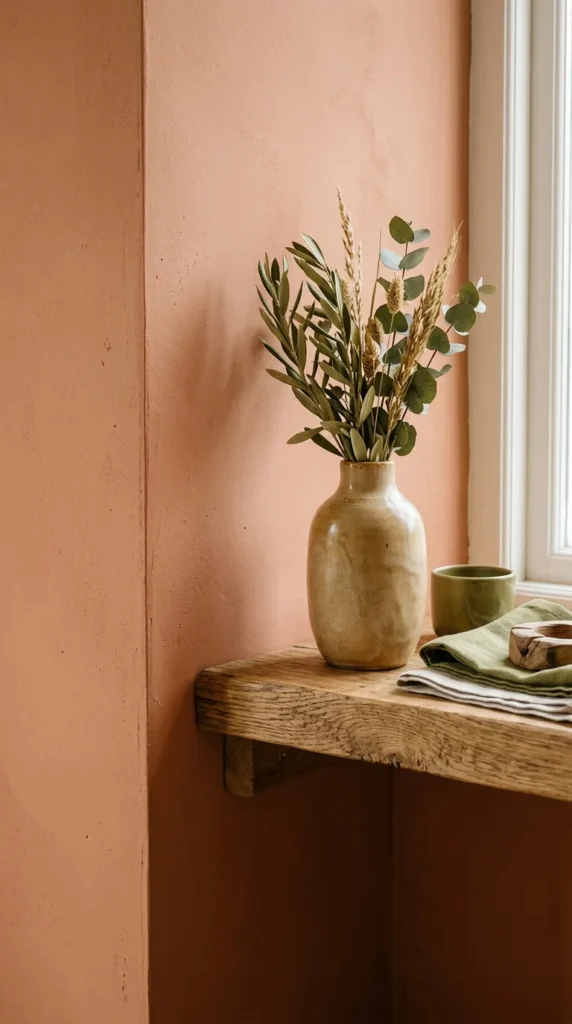
The foundation of a calming environment begins with color psychology. Earthy tones—such as sage green, warm terracotta, soft sand, and taupe—mimic the natural world, which helps lower cortisol levels. Unlike stark whites or bright primary colors, these shades absorb light and create a cocoon-like effect that feels safe and grounded.
2. Floor Cushions
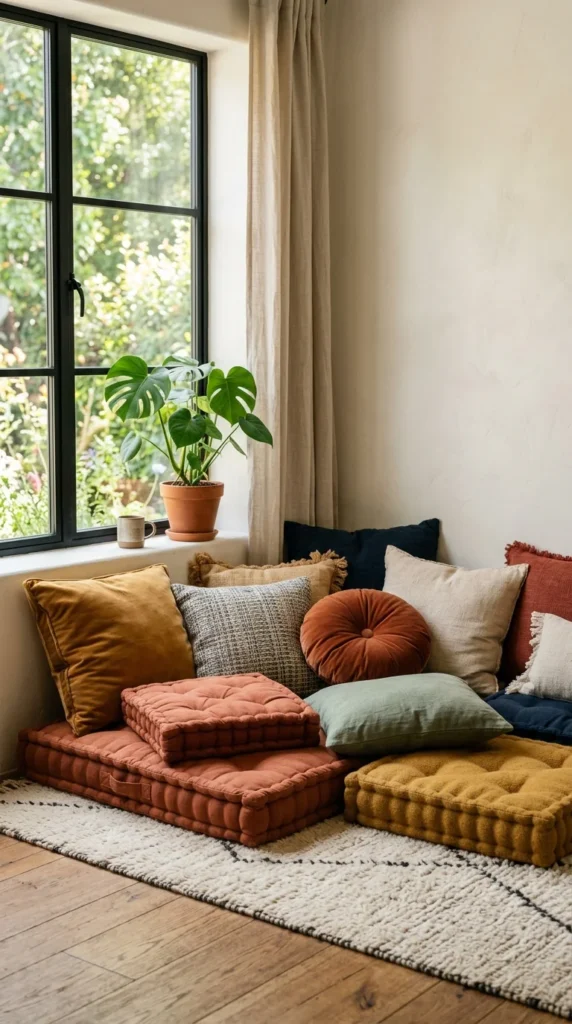
Traditional chairs can feel rigid. Replacing them with oversized floor cushions or “poufs” encourages a more relaxed posture. These cushions allow you to sit low to the ground, which is often associated with mindfulness and grounding exercises. Look for organic cotton or velvet covers to add a layer of tactile luxury.
3. Ambient Lighting
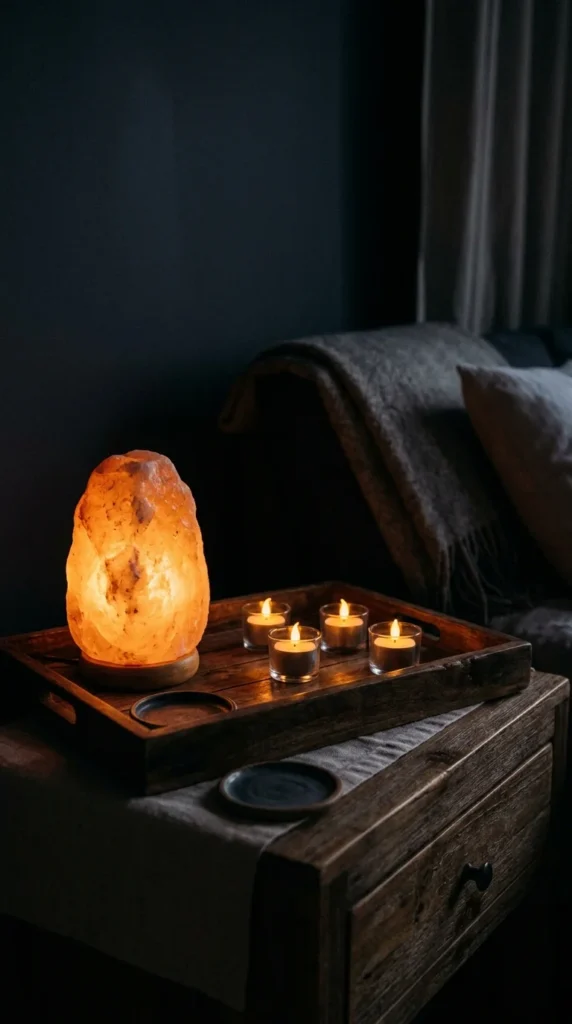
Harsh overhead lighting is the enemy of relaxation. To create a wellness escape, layer your lighting. Use warm-toned bulbs, dimmers, or salt lamps to mimic the soft light of golden hour. Strategic placement of small lamps at eye level or lower helps signal to your brain that it is time to wind down.
4. Indoor Plants
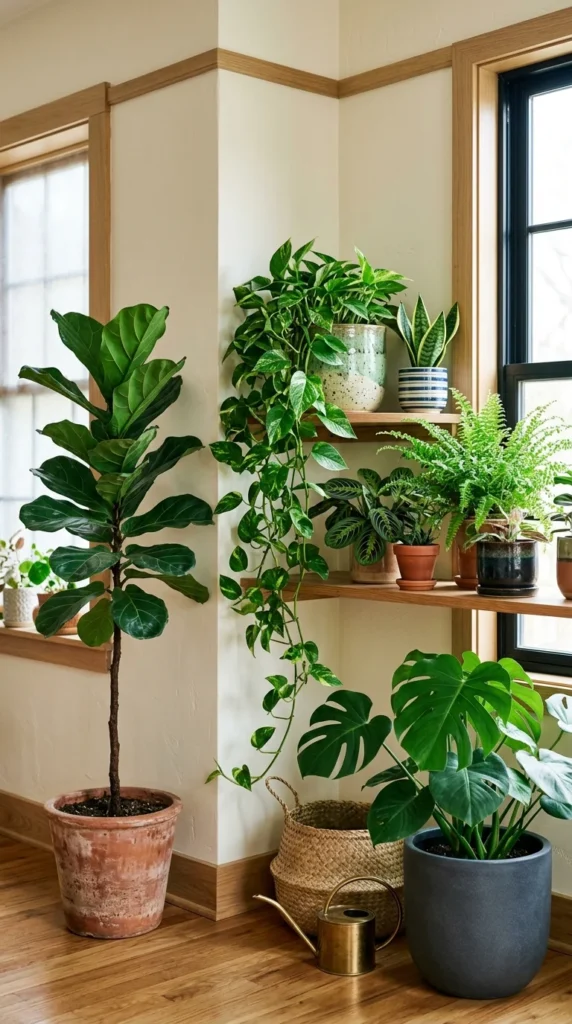
Biophilic design is a core tenet of wellness. Bringing the outdoors in through greenery not only purifies the air but also provides a visual connection to nature. For small rooms, use hanging planters or tiered stands to maximize vertical space without cluttering the floor.
5. Essential Oils
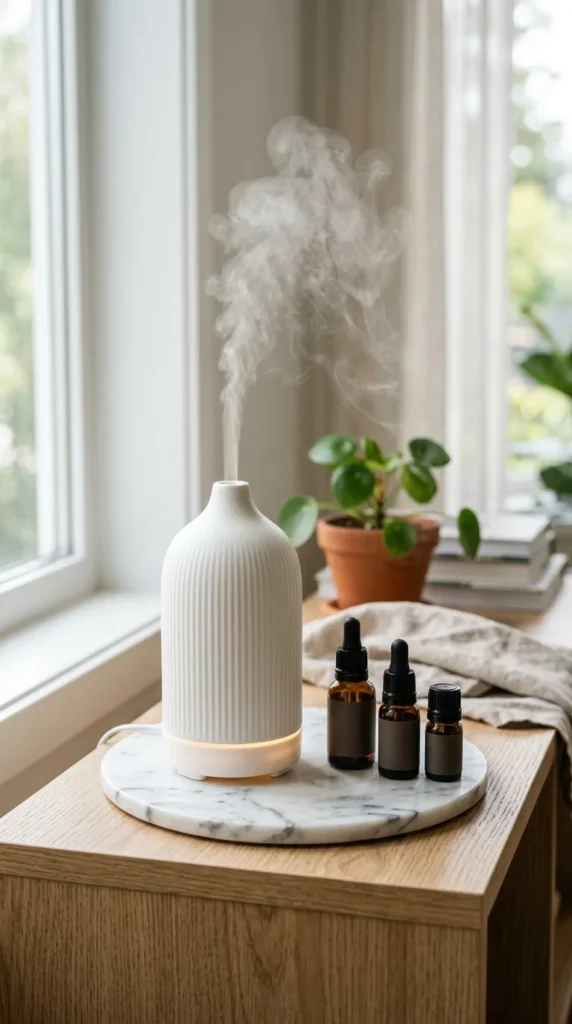
Scent is one of the fastest ways to change your emotional state. An ultrasonic diffuser can fill your small wellness room with the calming scents of lavender, eucalyptus, or sandalwood. Using high-quality, pure essential oils ensures that you are breathing in therapeutic benefits rather than synthetic fragrances.
6. Minimalist Furniture
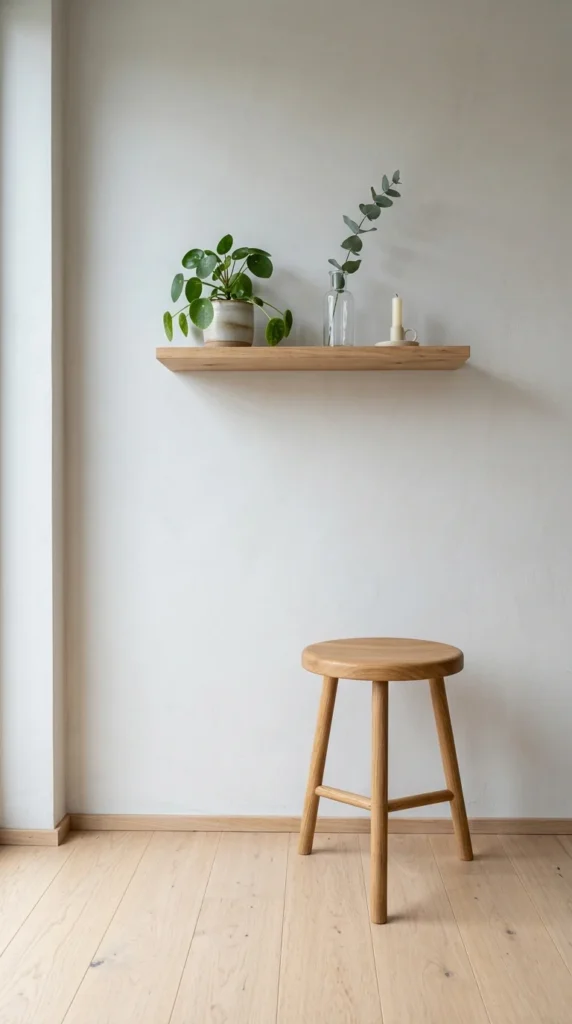
In a small space, less is always more. Opt for furniture with clean lines and open legs to keep the room feeling airy. A single low-profile bench or a slim console table provides functionality without overwhelming the visual field. Avoid heavy, dark furniture that can make a small room feel cramped.
7. Reading Nooks
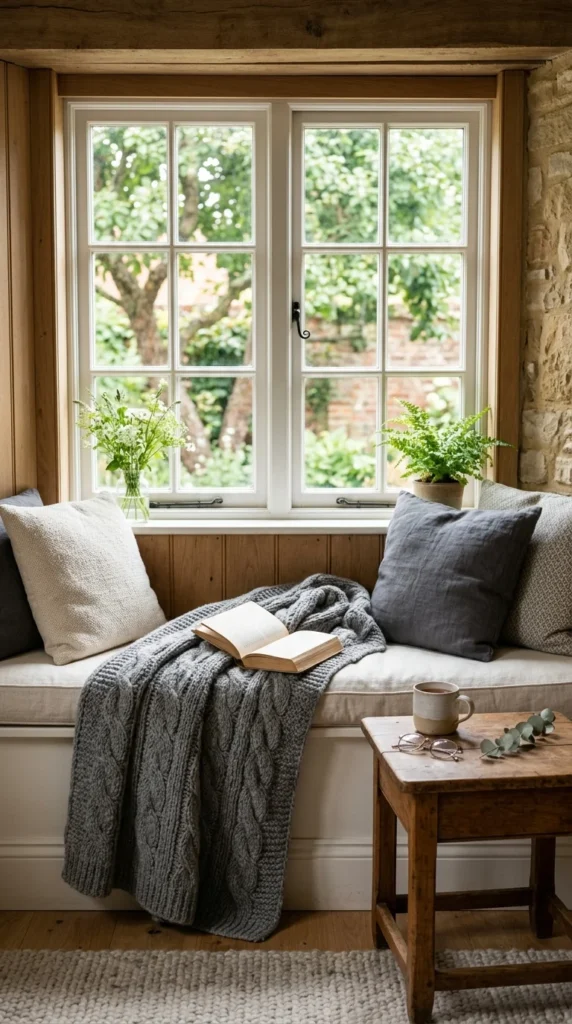
A dedicated space for reading encourages a “digital detox.” Even a small corner can be transformed with a comfortable armchair or a built-in window seat. Ensure there is focused task lighting and a place to rest a cup of herbal tea, making it easy to lose yourself in a book for thirty minutes a day.
8. Sound Therapy
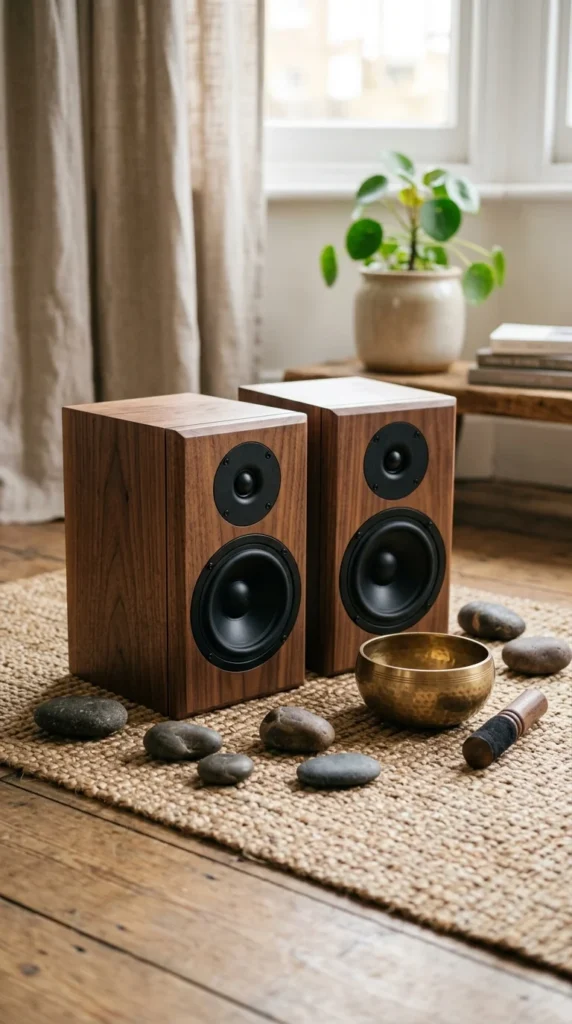
The auditory environment is just as important as the visual one. Integrate a high-quality Bluetooth speaker or a dedicated sound machine to play white noise, forest sounds, or guided meditations. For a more tactile experience, keep a Tibetan singing bowl or wind chimes nearby to clear the energy of the room.
9. Natural Textures
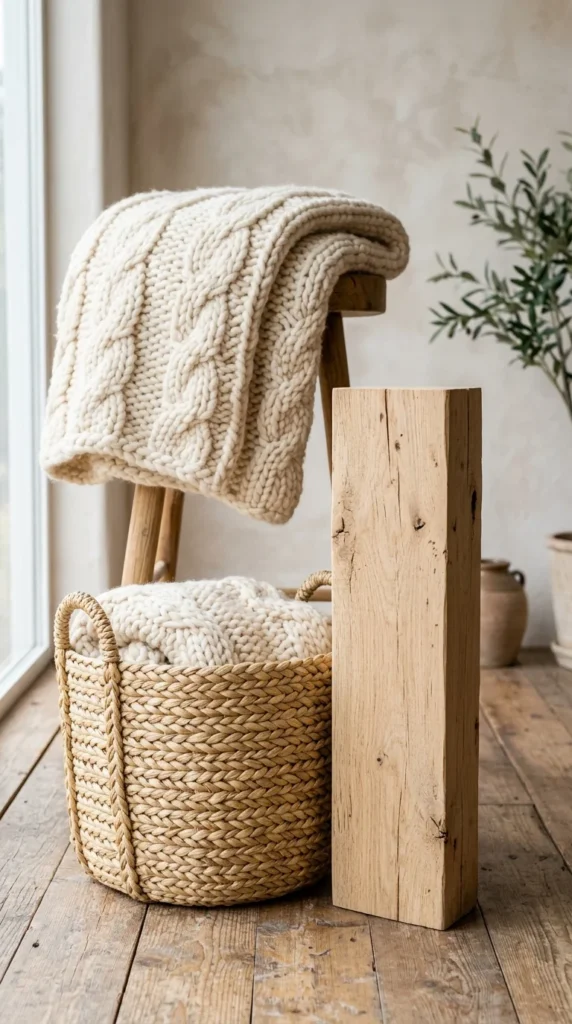
Texture adds depth and warmth to a room. Mix and match materials like jute, wool, linen, and wood. These “honest” materials feel better against the skin and create a sensory experience that feels authentic and high-end. A chunky knit throw over a chair can instantly make a space feel “cozy” rather than just “small.”
10. Yoga Mats
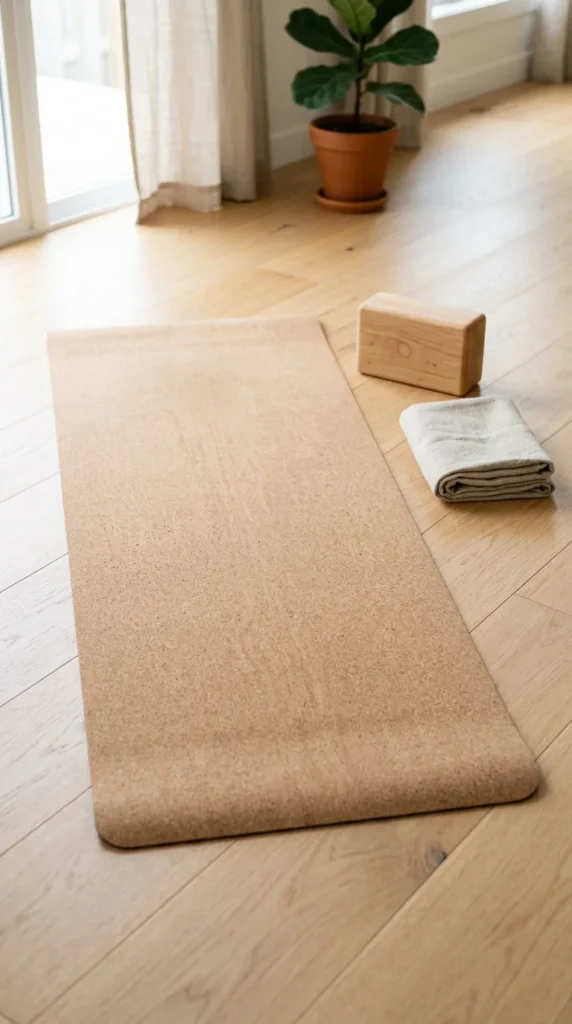
Even if you don’t have a full gym, a wellness room should accommodate movement. A high-quality yoga mat can stay unrolled as a permanent invitation to stretch. Choose mats made from sustainable materials like cork or natural rubber in neutral colors to maintain the room’s aesthetic harmony.
11. Crystal Accents
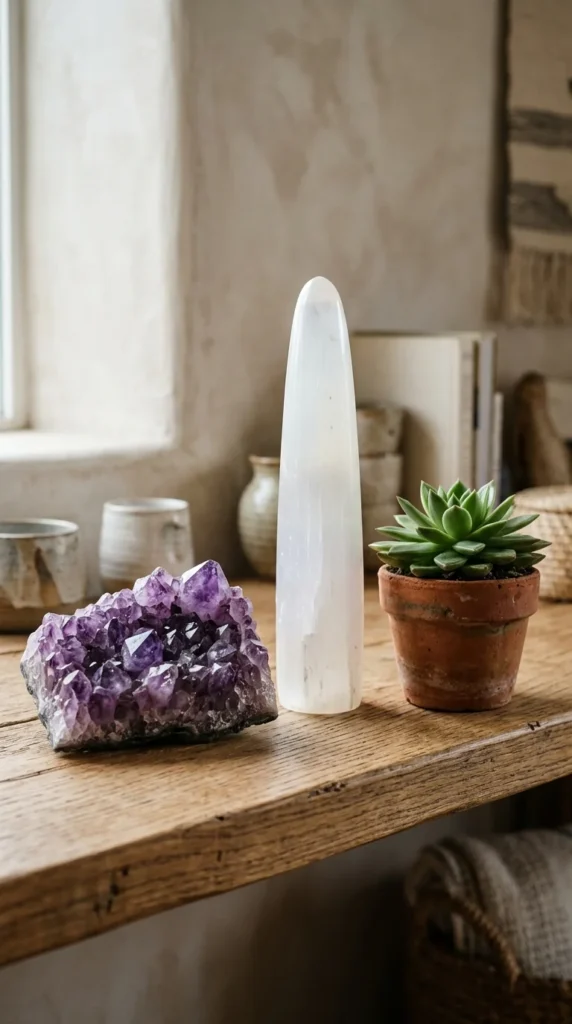
Many people find comfort and focus in the presence of crystals. Amethyst is often used for calm, while selenite is used for clarity. Even if you don’t subscribe to the energetic properties, the raw, geometric beauty of minerals adds a sophisticated, natural element to your wellness decor.
12. Soft Rugs
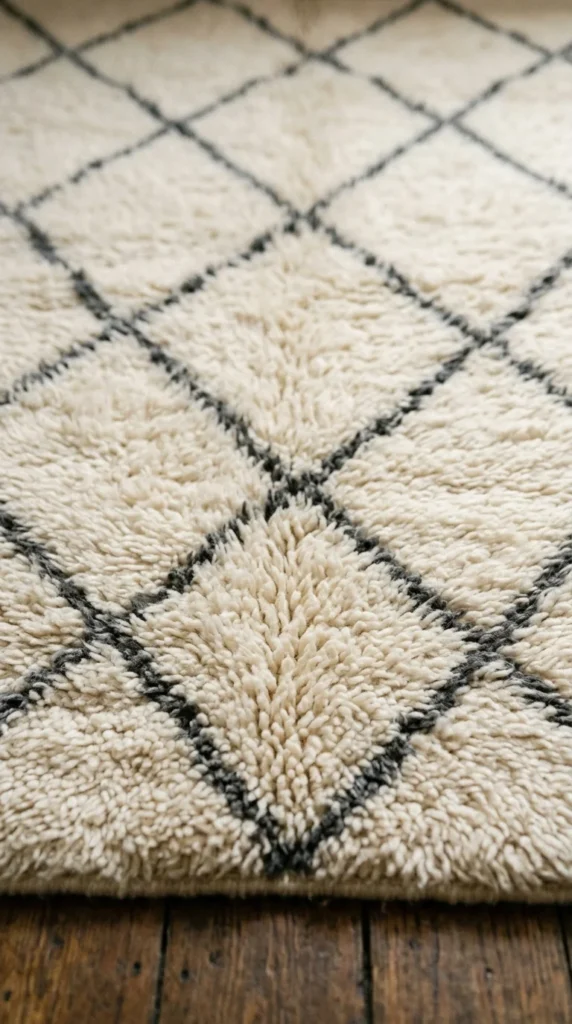
The floor is a major surface area in a small room. A plush, high-pile rug or a soft sheepskin (or faux-sheepskin) layer makes the entire room feel warmer. It also provides extra padding for floor-based activities like meditation or stretching, making every inch of the room usable.
13. Water Features
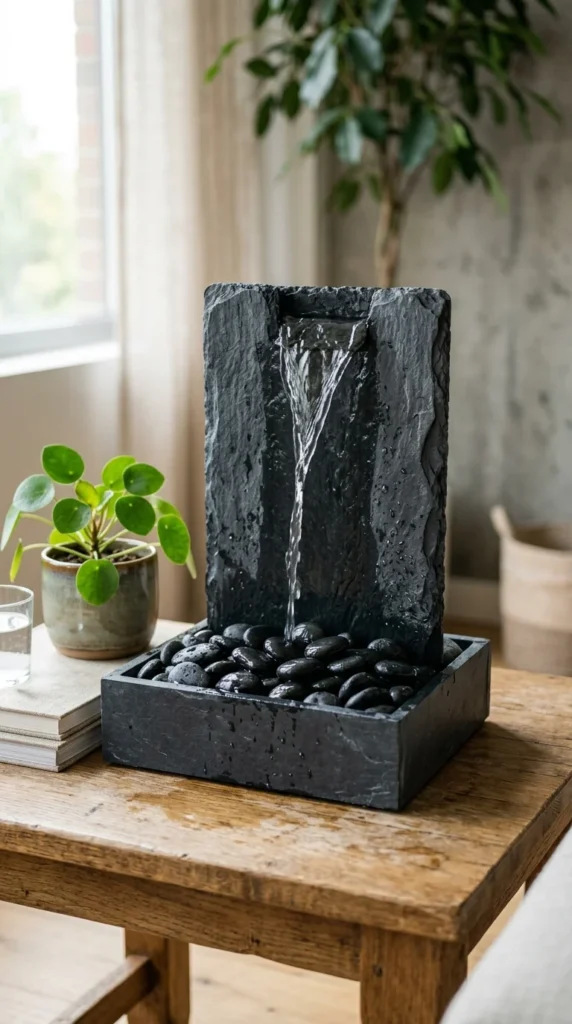
The sound of running water is universally soothing. A small tabletop fountain can act as a focal point in a wellness room. The gentle rhythmic sound helps mask outside noises, like traffic or household chatter, creating an auditory “bubble” of privacy.
14. Journaling Stations
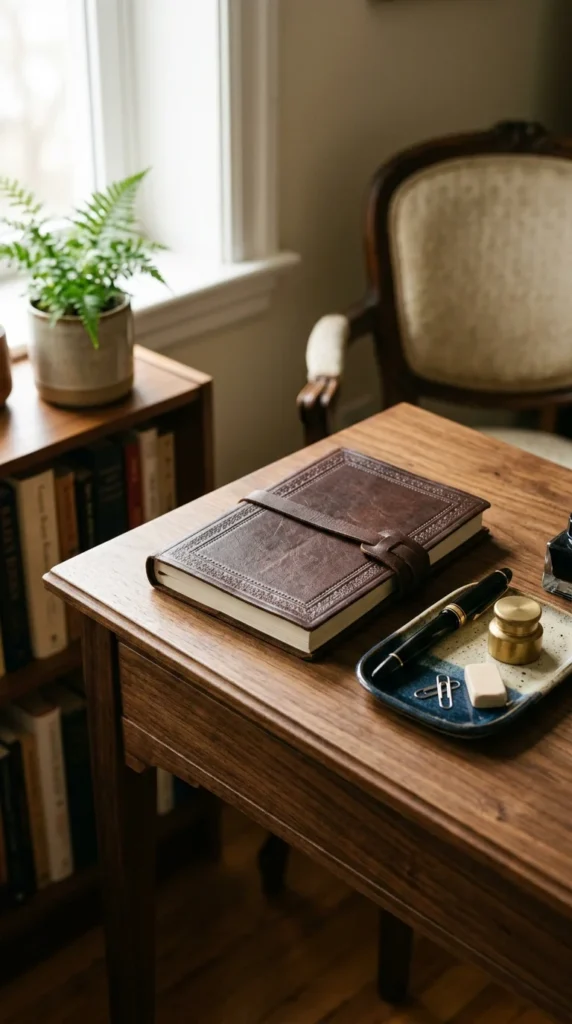
Writing is a powerful tool for mental wellness. Setting up a dedicated station for journaling or “brain dumping” can help you clear your mind before sleep or upon waking. All you need is a small surface and a comfortable seat to turn a neglected corner into a center for reflection.
15. Wall Art
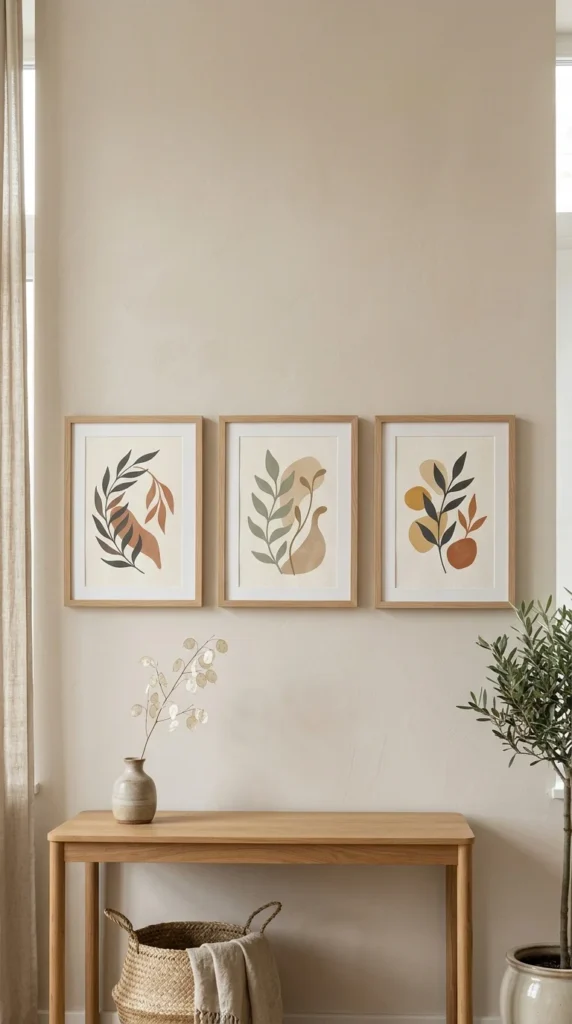
The art you choose should be “quiet.” Avoid busy, high-contrast pieces. Instead, opt for minimalist line drawings, abstract landscapes, or photography of nature. Large-scale art can actually make a small room feel bigger by creating a single, expansive focal point for the eye to rest upon.
16. Tea Stations
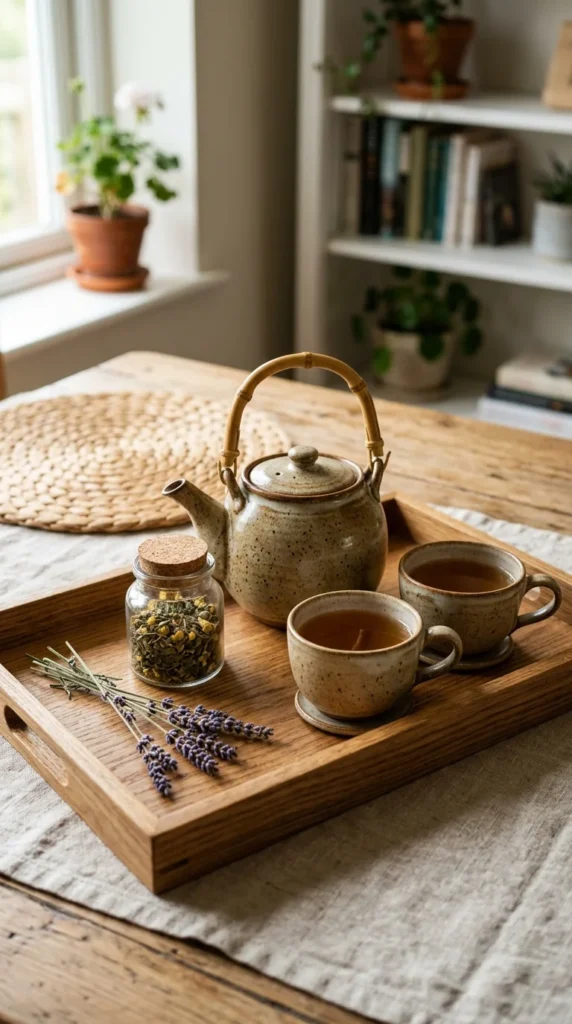
Wellness is often about ritual. Creating a dedicated tea station allows you to practice the art of slow living. Keep a beautiful electric kettle, your favorite ceramic mugs, and a selection of herbal teas on a small bar cart or shelf to make self-care a seamless part of your day.
17. Window Treatments
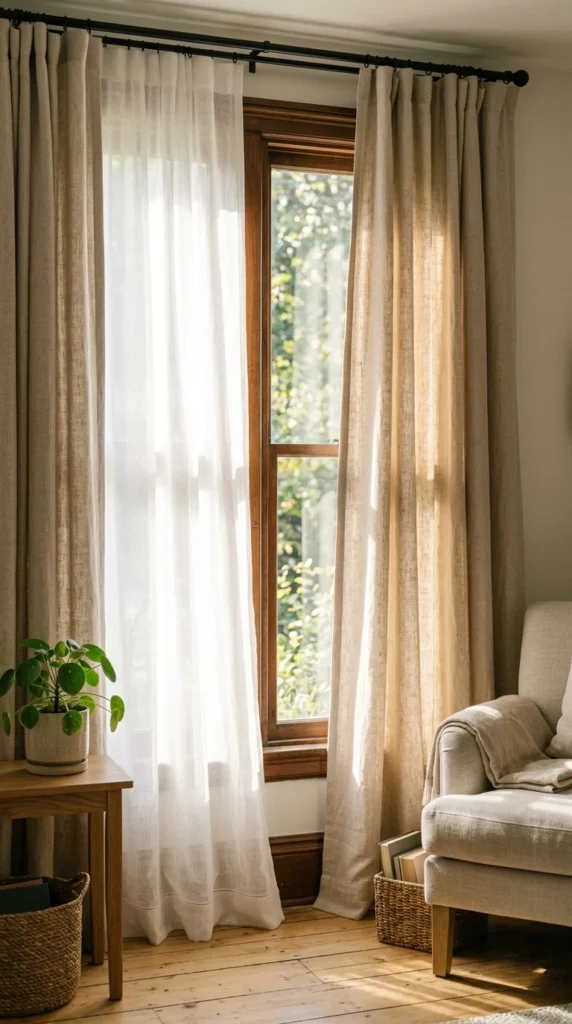
Control over light and privacy is essential. Use sheer curtains to maximize natural light during the day while maintaining a sense of seclusion. For rooms used for meditation or naps, add blackout liners or heavy velvet drapes that can completely shut out the outside world when needed.
18. Floating Shelves
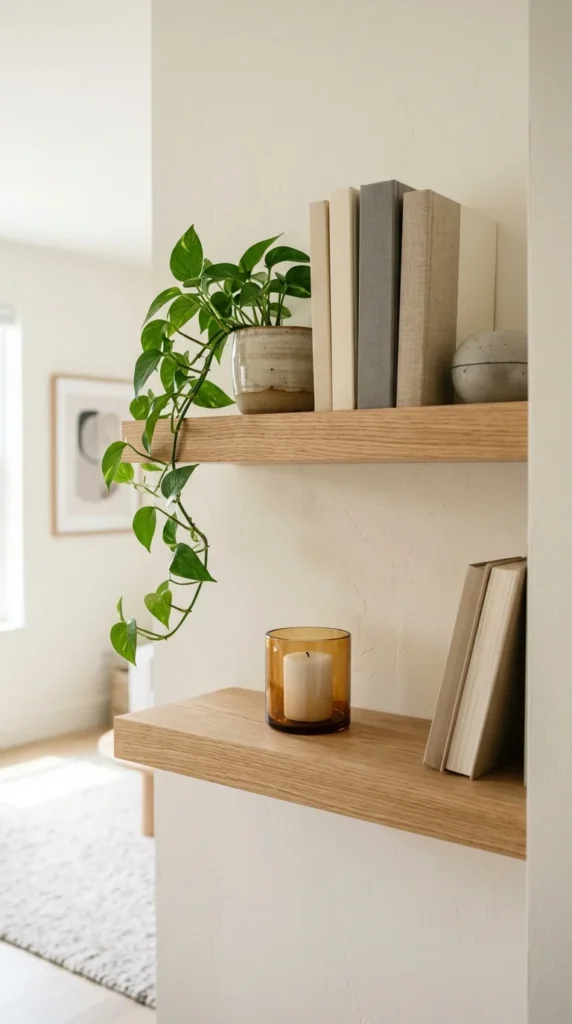
Floor space is a premium in a small wellness room. Floating shelves allow you to display your crystals, plants, and books without taking up a single square inch of floor. They keep the eye moving upward, which makes the ceiling feel higher and the room more expansive.
19. Himalayan Salt
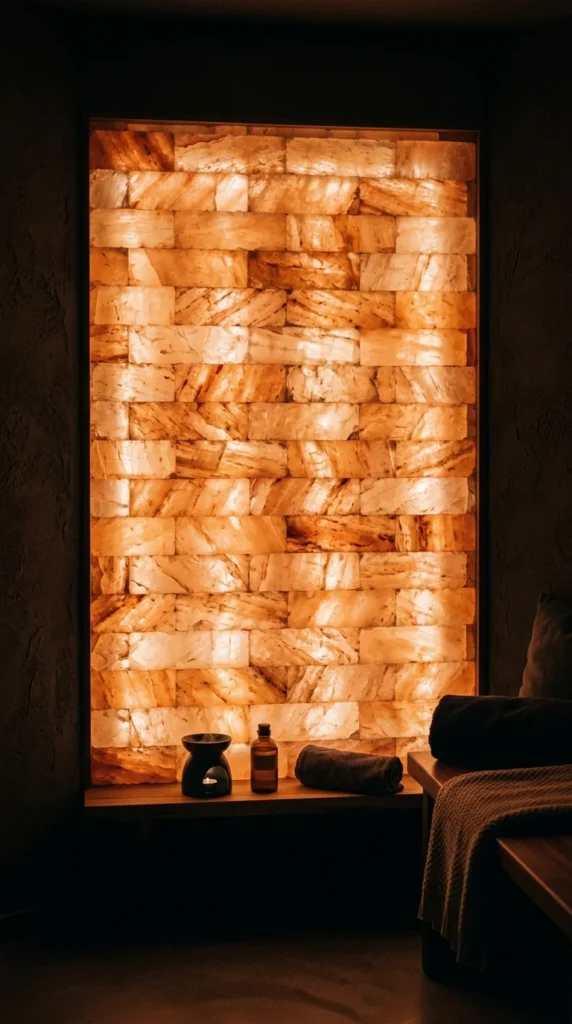
Himalayan salt is not just for lamps. You can incorporate salt bricks or even small decorative bowls filled with coarse pink salt. It is believed to help clean the air and emit negative ions, but visually, its warm glow is unmatched for creating a cozy, cave-like atmosphere of safety.
20. Digital Detox Zones
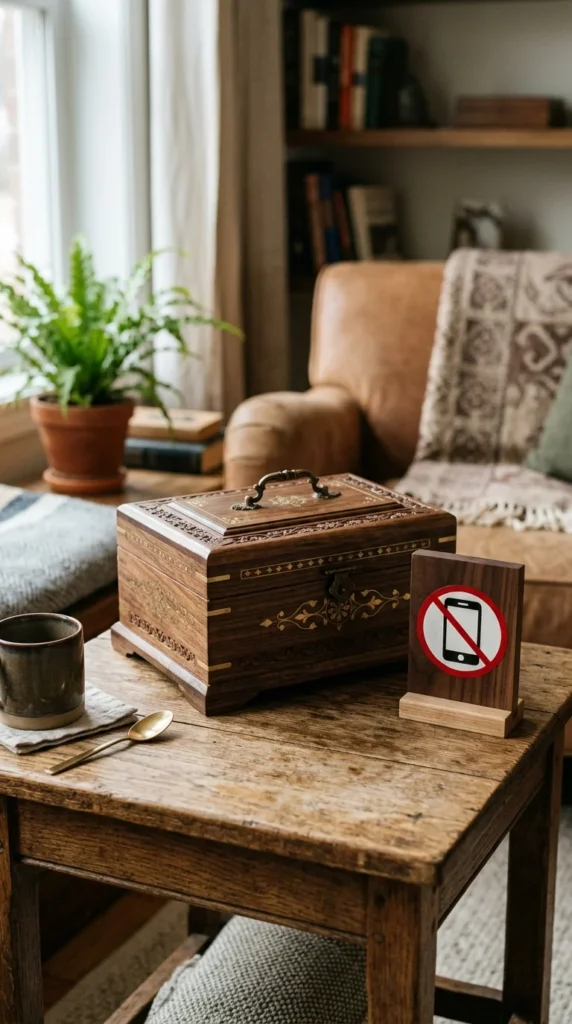
A true wellness room should be a sanctuary from technology. Designate a “phone home”—a beautiful basket or a wooden box—where you leave your devices before entering the room. This physical separation helps break the habit of constant scrolling and allows for deeper presence.
21. Meditation Altars
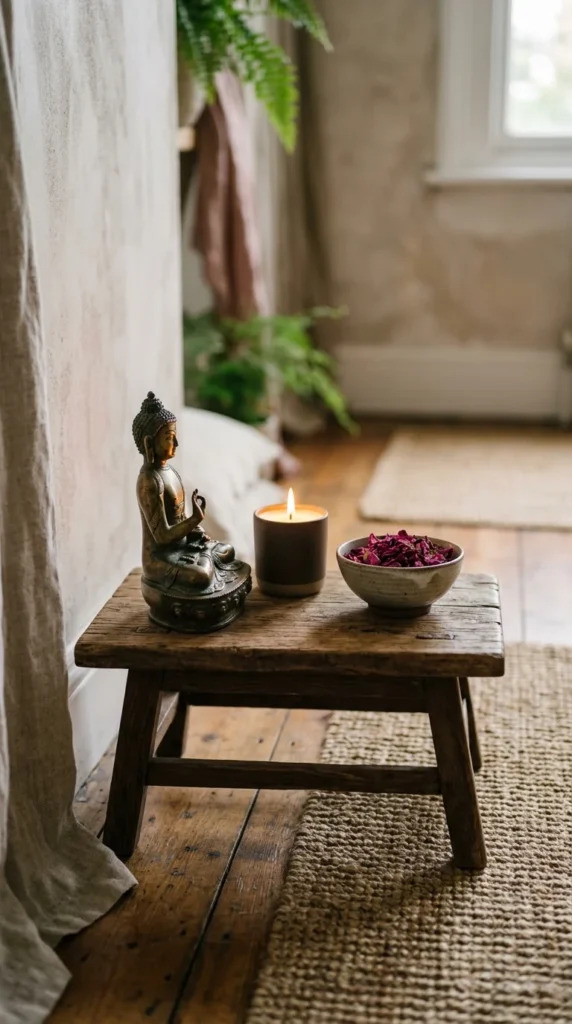
An altar doesn’t have to be religious; it is simply a place to house items that hold personal meaning. This could include photos, mementos from travels, or objects found in nature. Having a dedicated focal point helps quiet the mind during meditation by providing a place for the gaze to settle.
22. Basket Storage
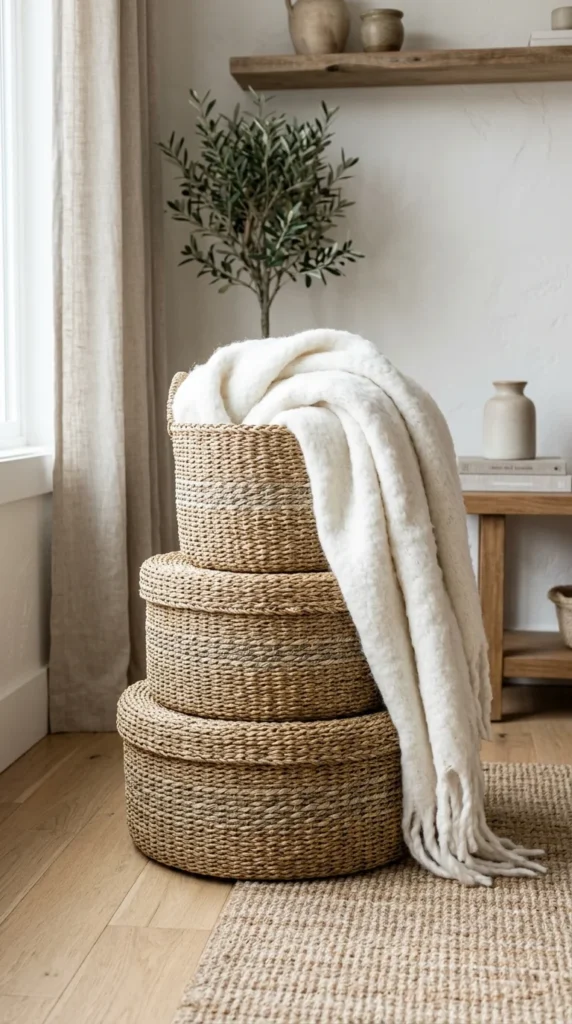
Clutter is the enemy of a calm mind. Use woven baskets to hide away equipment when not in use. Yoga blocks, straps, extra blankets, and pillows can be tucked into beautiful natural-fiber baskets, keeping the room’s visual landscape clean and intentional.
23. Mirrored Accents
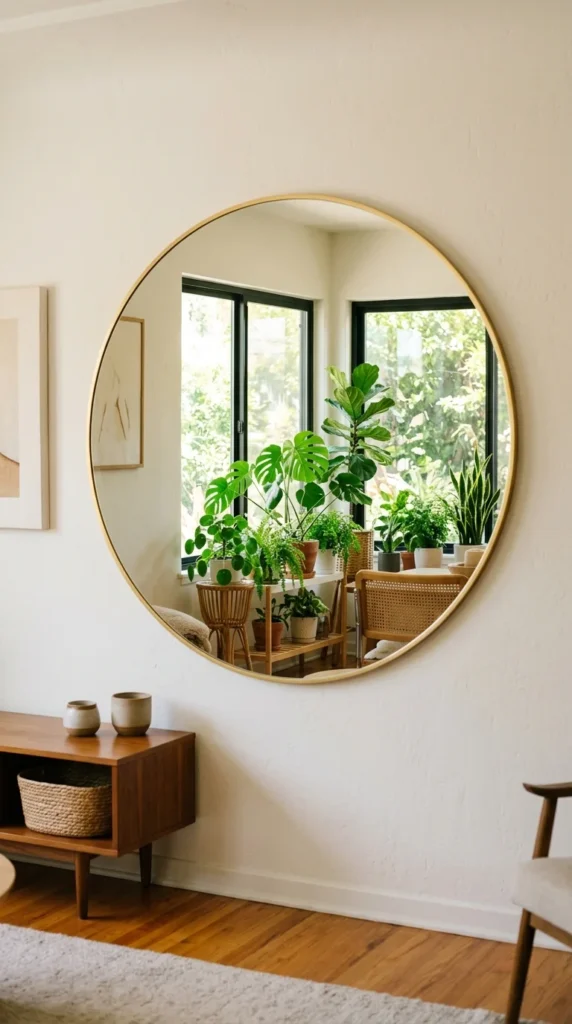
In a very small wellness room, a mirror can perform magic. By reflecting light and the view of the room, it creates the illusion of more space. Choose a mirror with a soft, organic shape—like a circle or an oval—to avoid the sharp corners that can make a room feel “grid-like” and clinical.