
Creating a stunning landscape does not require a massive renovation budget. Often, the most charming and inviting gardens are those that utilize clever, cost-effective solutions to define spaces and guide movement. A garden path is more than just a functional walkway; it is a design element that adds structure, texture, and visual interest to your outdoor sanctuary.
Whether you are looking to connect a patio to a vegetable patch or simply want to create a wandering trail through your flower beds, these 24 budget-friendly garden path ideas provide inspiration for every style, from rustic and natural to modern and minimalist.
1. Wood Slices
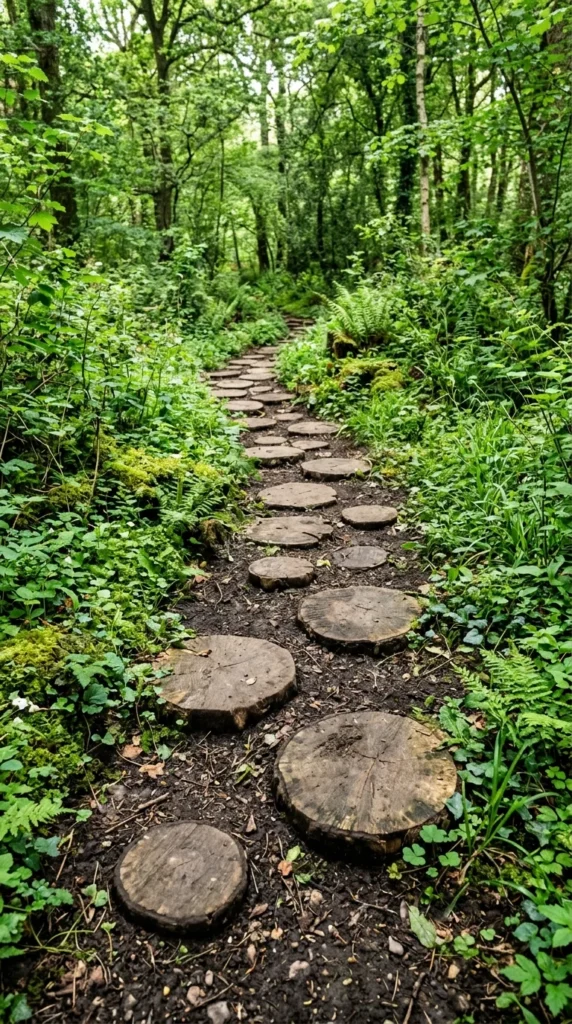
Wood slices, often referred to as “log rounds,” offer a whimsical, fairytale aesthetic perfect for woodland or rustic gardens. You can often source these for free or at a very low cost from local tree trimming services or fallen limbs on your property. By varying the diameters of the slices and bedding them into sand or soil, you create an organic look that blends seamlessly with the natural environment. To ensure longevity, treat the wood with a non-toxic sealant to prevent rot.
2. Pea Gravel
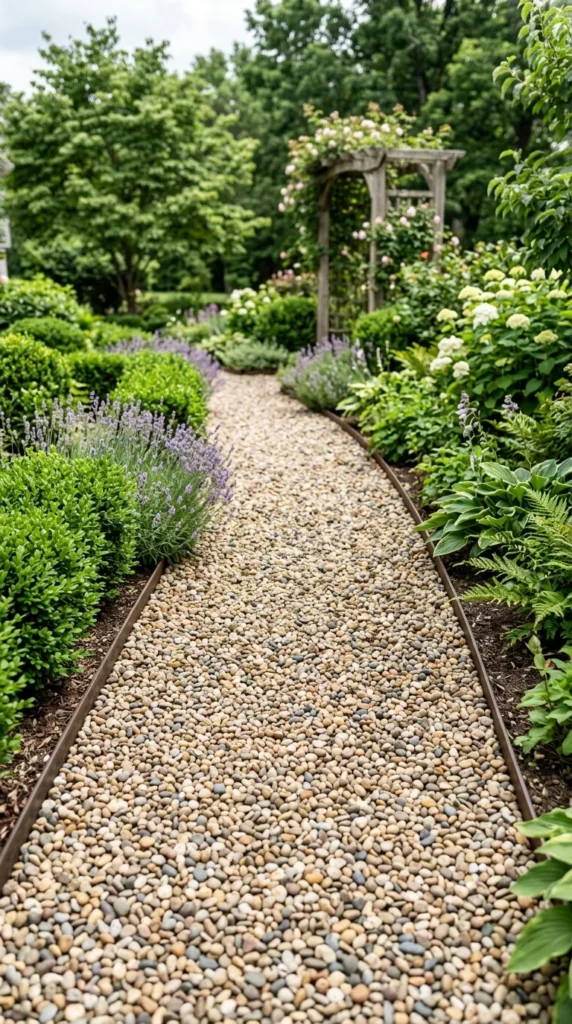
Pea gravel is a classic choice for DIY enthusiasts because of its affordability and ease of installation. These small, rounded stones provide excellent drainage and a satisfying “crunch” underfoot. To keep the path looking sharp, use a landscape fabric base to prevent weeds and install sturdy edging—such as plastic, metal, or treated wood—to keep the stones contained within the designated walkway.
3. Stepping Stones
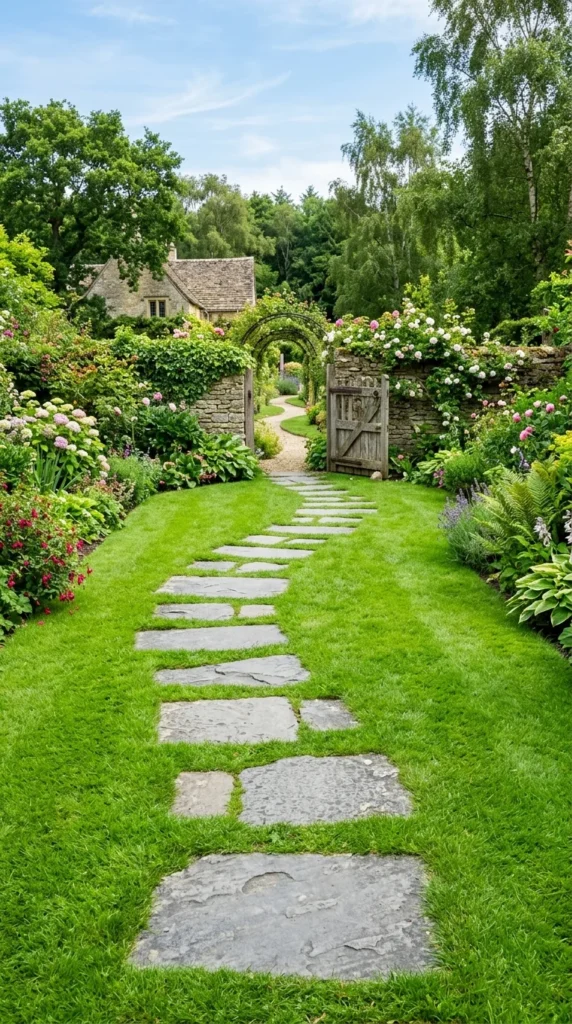
Stepping stones are the quintessential “low-effort, high-impact” garden feature. They allow you to maintain much of your lawn or groundcover while providing a dry place to step. You can find pre-cast concrete stepping stones at most home improvement stores, or for a more natural look, source local flat fieldstones. The key is to space them according to your natural stride and ensure they are level with the ground to make mowing easier.
4. Cedar Mulch
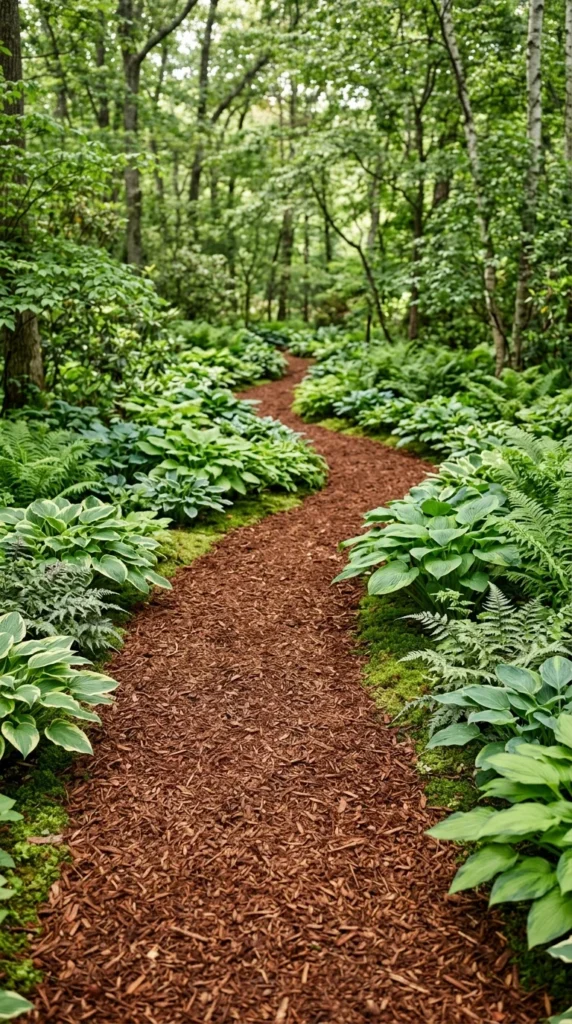
Mulch is perhaps the most inexpensive material for a garden path. Cedar or cypress mulch not only smells wonderful but also acts as a natural pest repellent. It provides a soft, cushioned walking surface that feels very natural. While mulch will eventually decompose and require topping off every year or two, it enriches the soil beneath it and is incredibly easy to spread with a simple rake.
5. Recycled Bricks
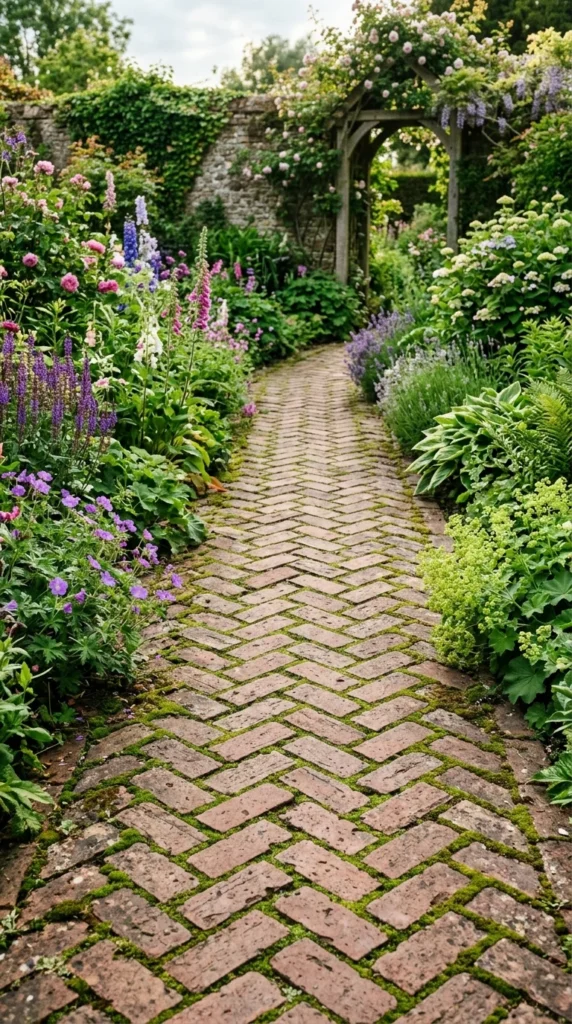
If you can find a source for reclaimed bricks—such as from a local demolition site or an online marketplace—you can create a path with instant historical character. Bricks can be laid in various patterns, such as basketweave or herringbone, to add architectural interest. Setting them in a bed of sand allows for slight shifts over time, giving the path a charming, aged appearance that new materials simply cannot replicate.
6. Pallet Wood
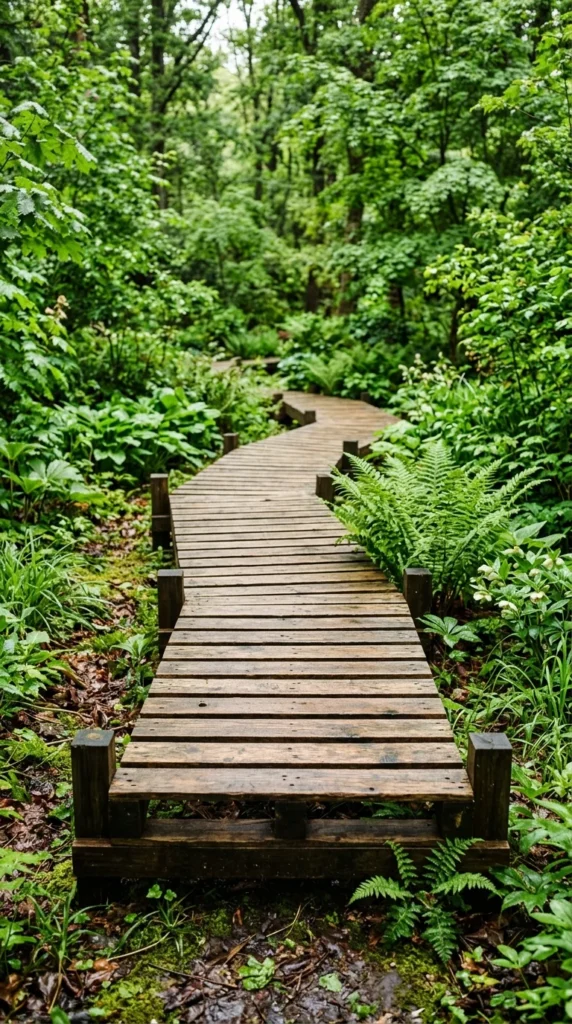
Shipping pallets are a goldmine for budget DIYers. By dismantling the pallets and using the slats to create a “boardwalk” style path, you can navigate muddy or uneven areas of the yard with ease. This look works particularly well in coastal or beach-themed gardens. Be sure to use heat-treated (HT) pallets rather than chemically treated ones, and apply a weather-resistant stain to protect the wood from the elements.
7. Concrete Pavers
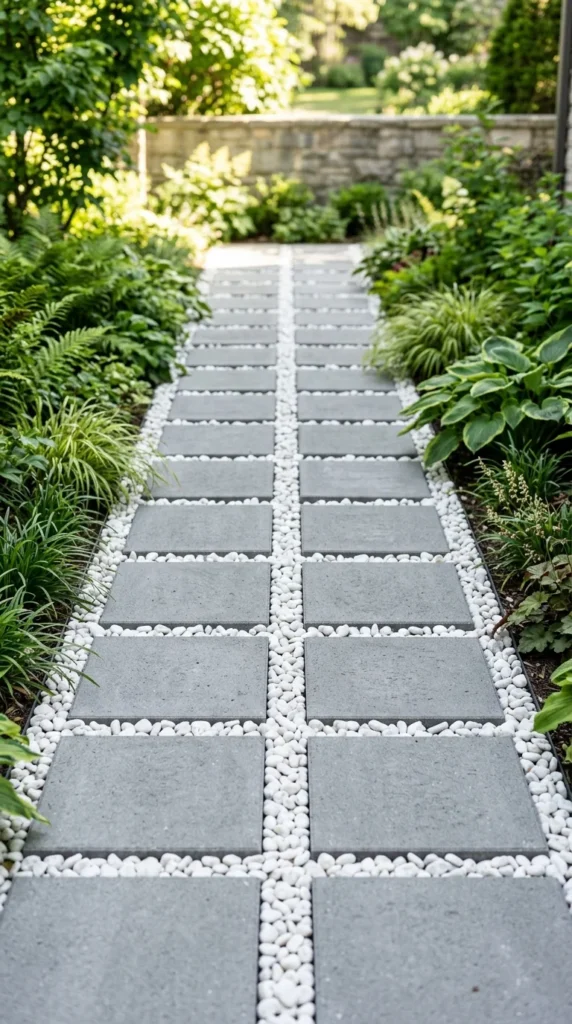
Standard concrete pavers are inexpensive and highly versatile. For a modern, high-end look on a budget, space the pavers out and fill the gaps with contrasting materials like dark basalt or white quartz pebbles. This geometric approach creates a clean, structured feel that complements contemporary home designs while remaining very affordable per square foot.
8. Crushed Shells
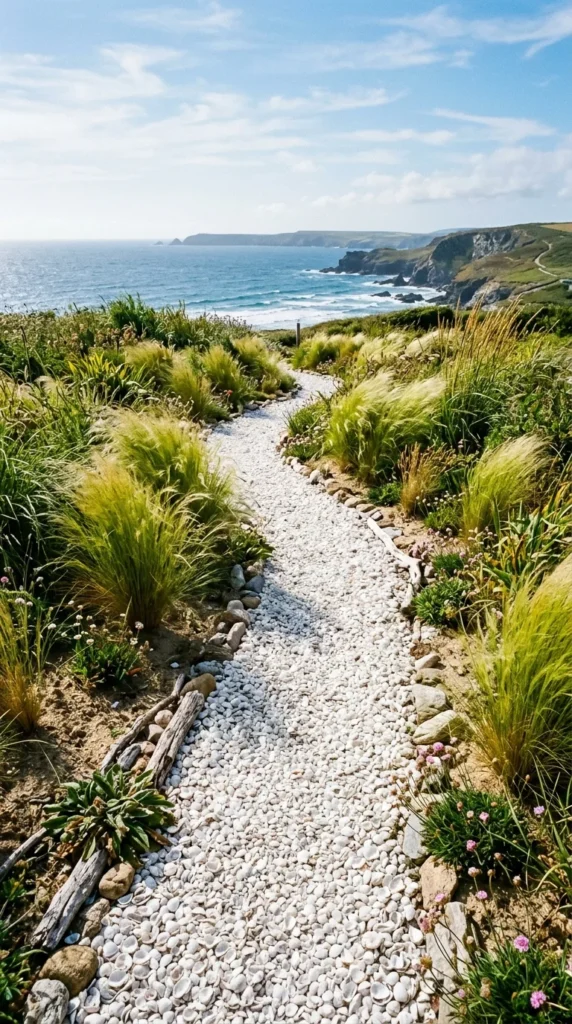
For those living in coastal regions, crushed shells—such as oyster or clam shells—are a sustainable and budget-friendly alternative to stone. They provide a bright, reflective surface that illuminates shaded areas and offers a unique texture. As they break down over time, they add calcium to the soil, benefiting nearby plants. They are best used in informal, relaxed garden settings.
9. Flagstone Scraps
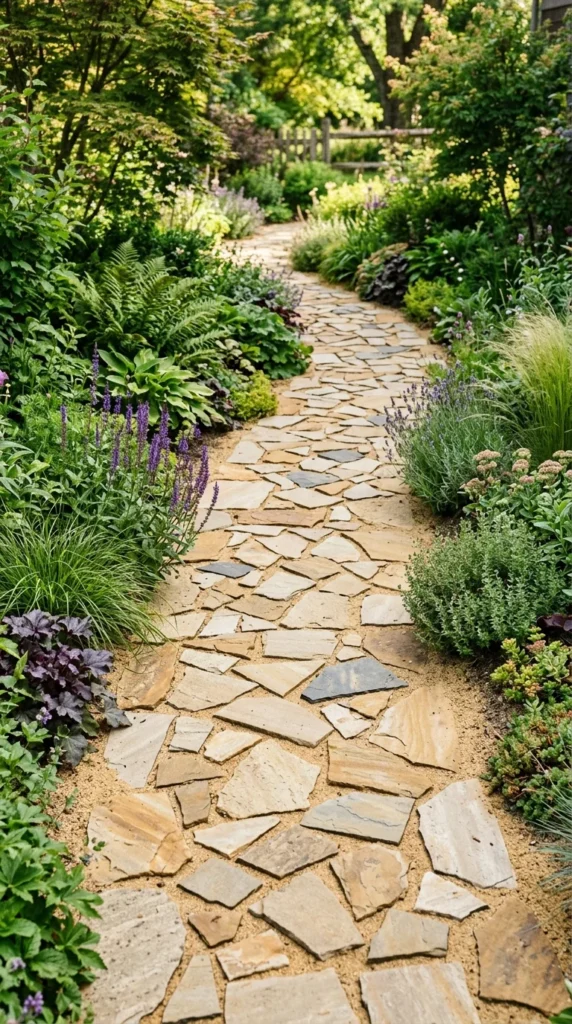
Full flagstone slabs can be expensive, but many stone yards sell “scraps” or broken pieces at a significant discount. By fitting these irregular pieces together like a puzzle, you can create a beautiful, “crazy-paving” mosaic. This method allows for a lot of creativity and results in a durable, permanent walkway that looks far more expensive than it actually is.
10. River Rocks
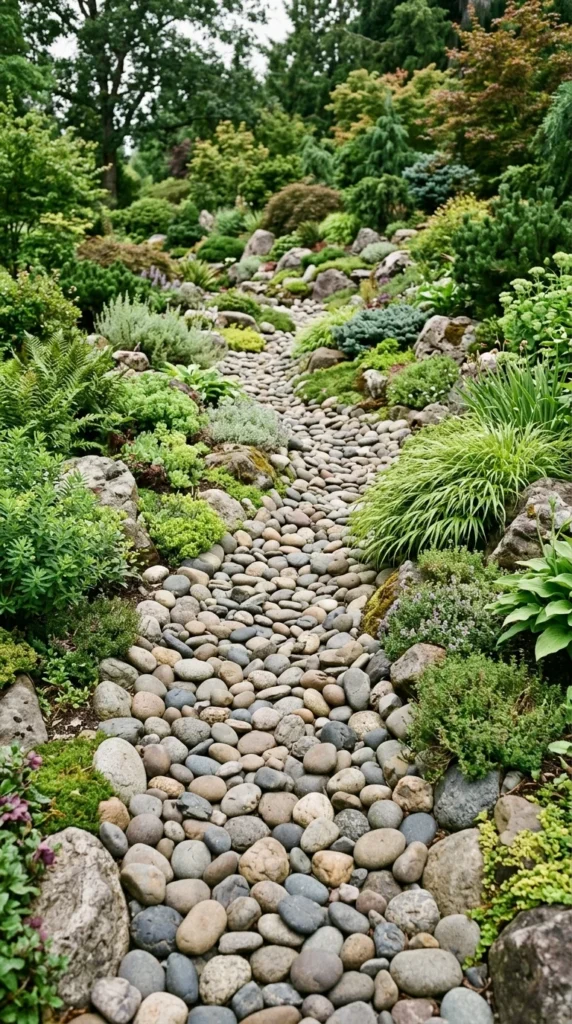
River rocks offer a tactile and visual connection to water. Using smooth, rounded stones found near riverbeds (or purchased in bulk) creates a path that looks like a dried stream. This is particularly effective in Japanese-inspired gardens or Zen spaces. While not the most comfortable for bare feet, river rock paths are excellent for drainage and require almost zero maintenance once installed.
11. Tree Bark
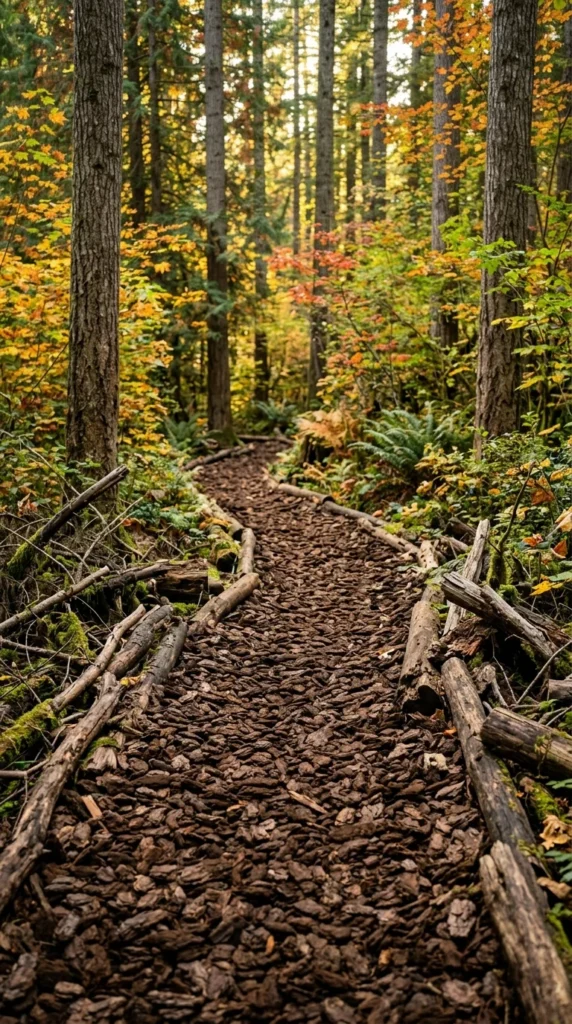
Similar to mulch, large nuggets of tree bark provide a rugged, earthy look. This material is particularly well-suited for paths that travel through heavily wooded areas or under large shade trees. The chunky texture of bark nuggets lasts longer than shredded mulch and provides a distinct visual contrast against green foliage.
12. Pine Needles
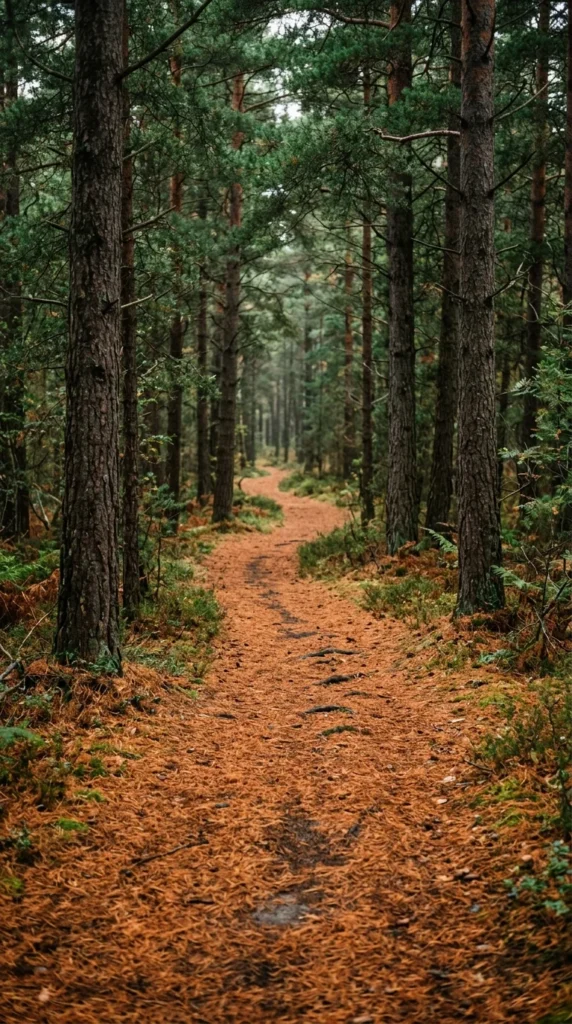
If you have pine trees on your property, you have a free source of path material. Pine needles, also known as pine straw, interlock to create a stable, slip-resistant surface that handles slopes well. They create an acidic environment as they decompose, which is perfect for paths bordering acid-loving plants like azaleas, rhododendrons, or blueberries.
13. Rubber Mats
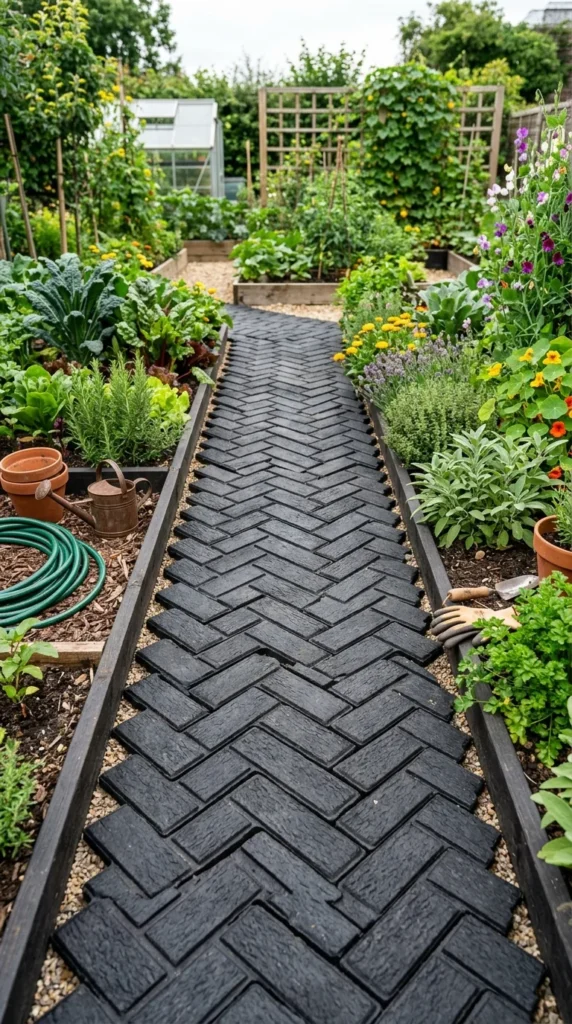
Recycled rubber walkway mats or pavers are an eco-friendly and extremely durable option. They are often designed to look like stone or brick but offer a softer, more forgiving surface. These are excellent for high-traffic areas or utility paths where slip resistance is a priority. They are easy to clean and can be moved and rearranged as your garden evolves.
14. Decomposed Granite
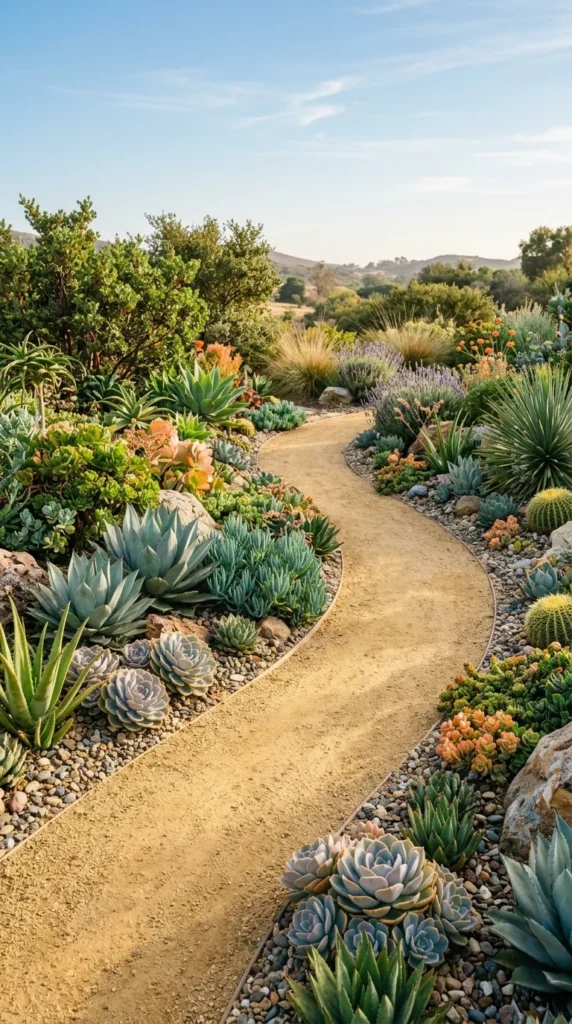
Decomposed granite (DG) is a favorite among professional landscapers for creating natural-looking, permeable paths. It is essentially granite that has weathered into very small pieces and silt. When compacted, it creates a hard, stable surface that is more firm than gravel but softer than concrete. It is available in various colors, from earthy tans to cool greys, making it easy to match your home’s exterior.
15. Log Rounds
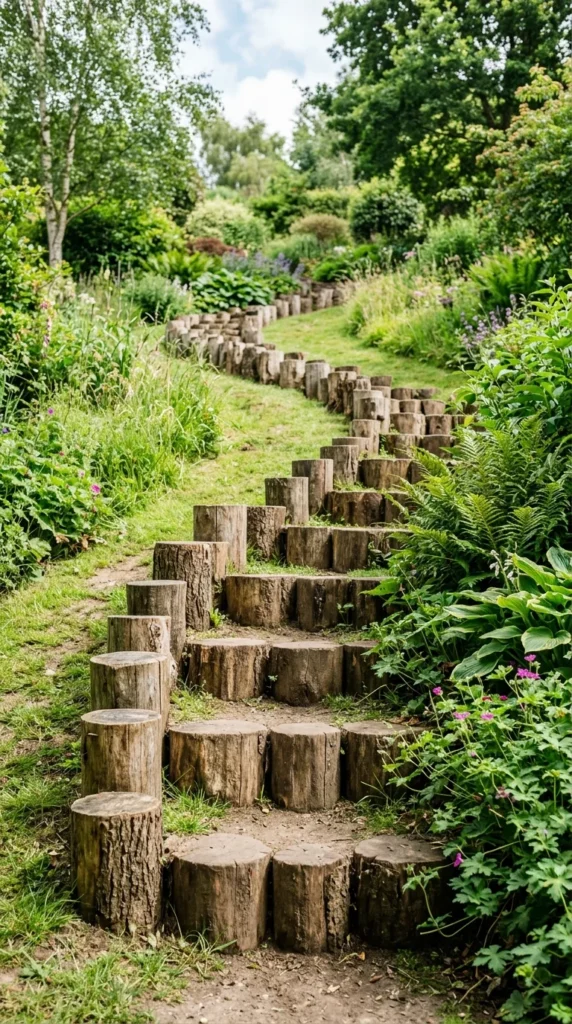
For sloped gardens, log rounds can be used to create naturalistic stairs. By burying sturdy logs deep into the hillside, you create “risers” that hold back the soil, while the “treads” can be filled with mulch or gravel. This structural use of wood is both functional and aesthetically pleasing, giving the garden a rugged, hand-built feel.
16. Stenciled Concrete
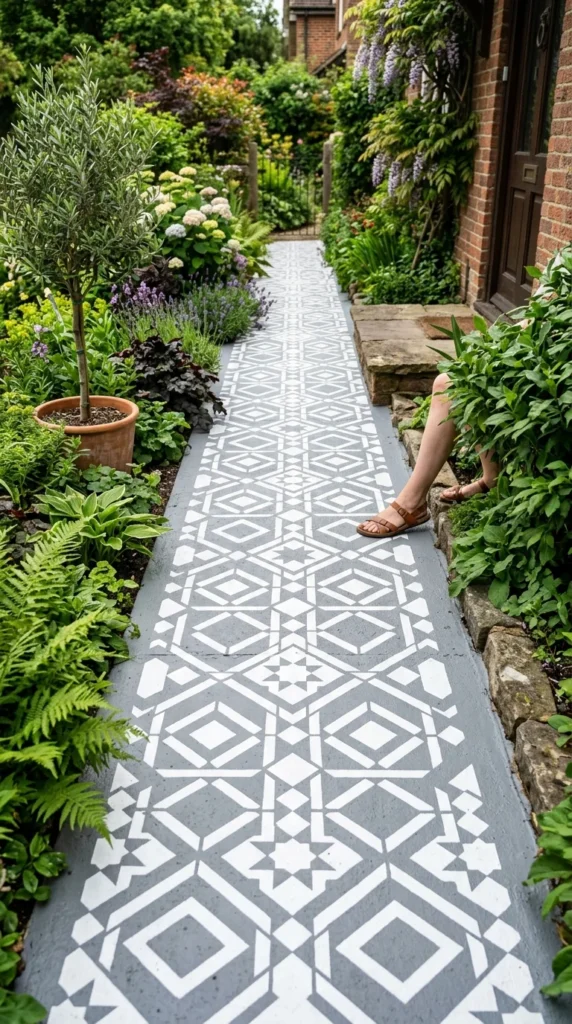
If you already have a plain concrete path that looks drab, you don’t need to rip it out. A budget-friendly “facelift” involves using concrete paint and a large stencil to create the look of expensive Moroccan tiles or intricate stonework. This DIY project requires patience but costs very little in materials and completely transforms the entrance to your garden.
17. Grass Treads
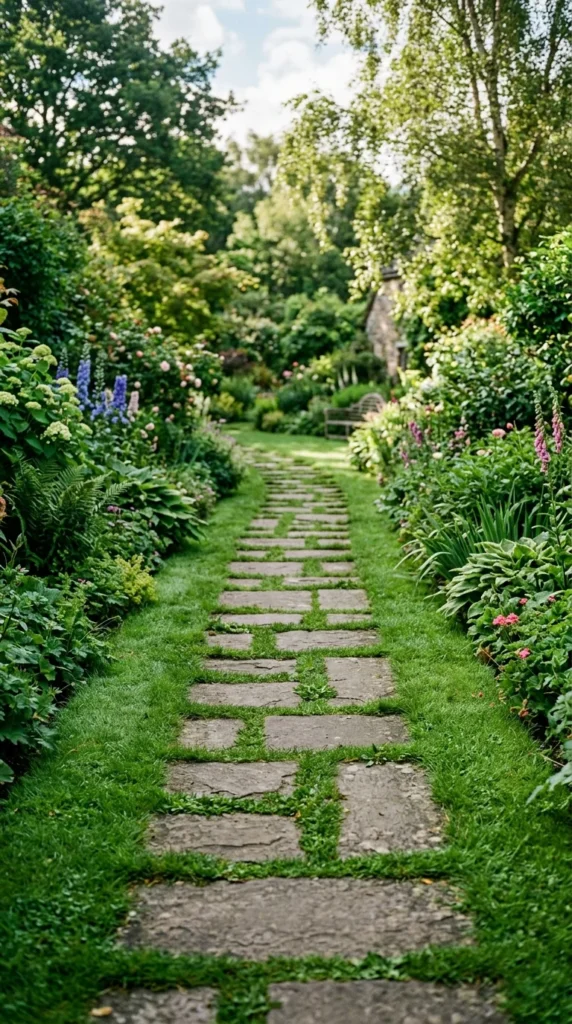
For a soft, verdant look, consider a “living path.” This involves laying large pavers with significant gaps (4-6 inches) and planting durable, low-mow grass or creeping thyme in between. This softens the hardscape and helps the path blend into the lawn. It’s an ideal choice for those who want a defined walkway without sacrificing the greenery of their backyard.
18. Bamboo Slats
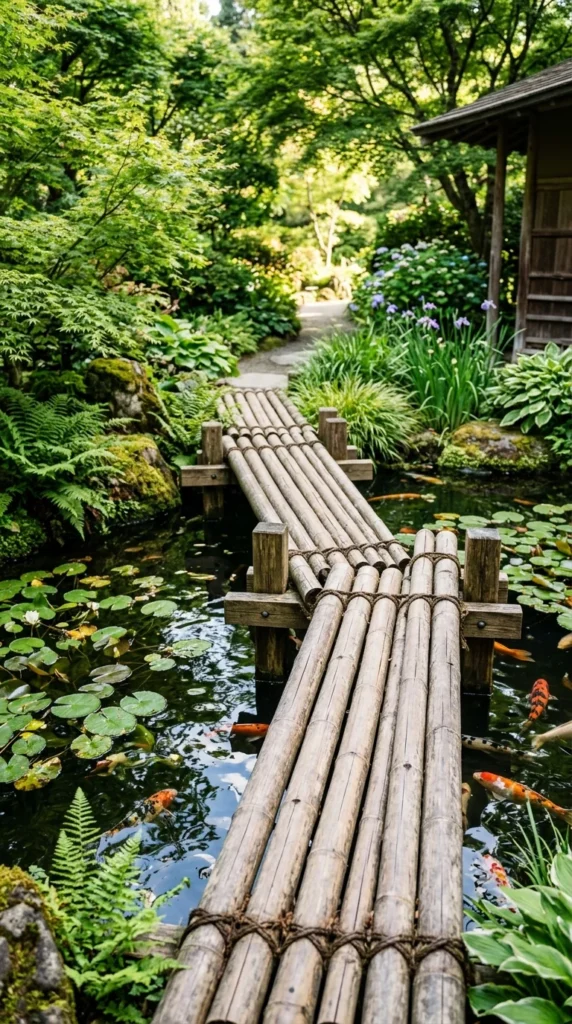
In tropical or Asian-themed gardens, bamboo is a cost-effective and sustainable material. Bamboo slats can be laid across a frame to create a raised walkway. This is especially useful in areas of the garden that tend to stay damp. Bamboo is naturally rot-resistant, though a coat of outdoor sealant will help maintain its bright color against UV exposure.
19. Cobblestones
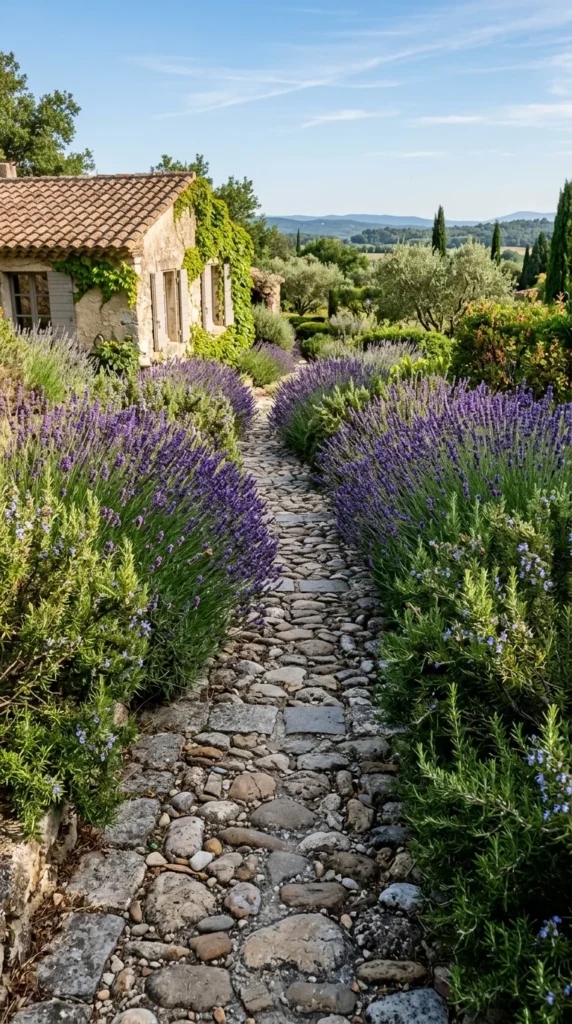
While real granite cobblestones can be pricey, “tumbled” concrete pavers that mimic the look are very affordable. They provide a timeless, European village aesthetic. Because they are smaller than standard pavers, they are excellent for creating tight curves and winding paths that disappear around corners, adding a sense of mystery and depth to the garden.
20. Mosaic Tiles
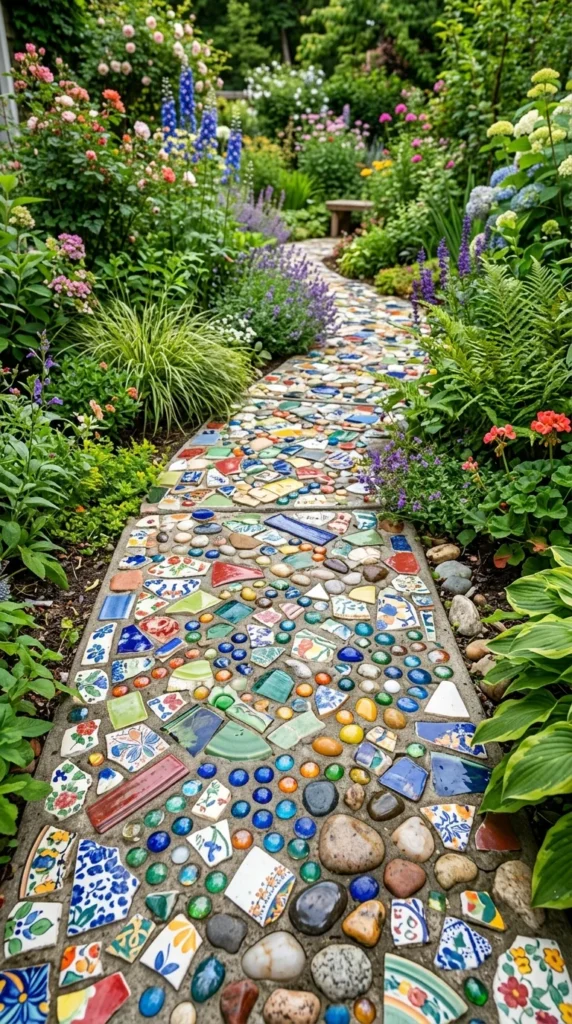
For the artistic gardener, a mosaic path is a wonderful way to recycle broken ceramics, mirrors, or leftover tiles. By embedding these pieces into a thin layer of wet concrete or mortar, you can create intricate patterns, flowers, or abstract designs. This creates a highly personalized, one-of-a-kind feature that acts as a piece of art in your backyard.
21. Slate Chips
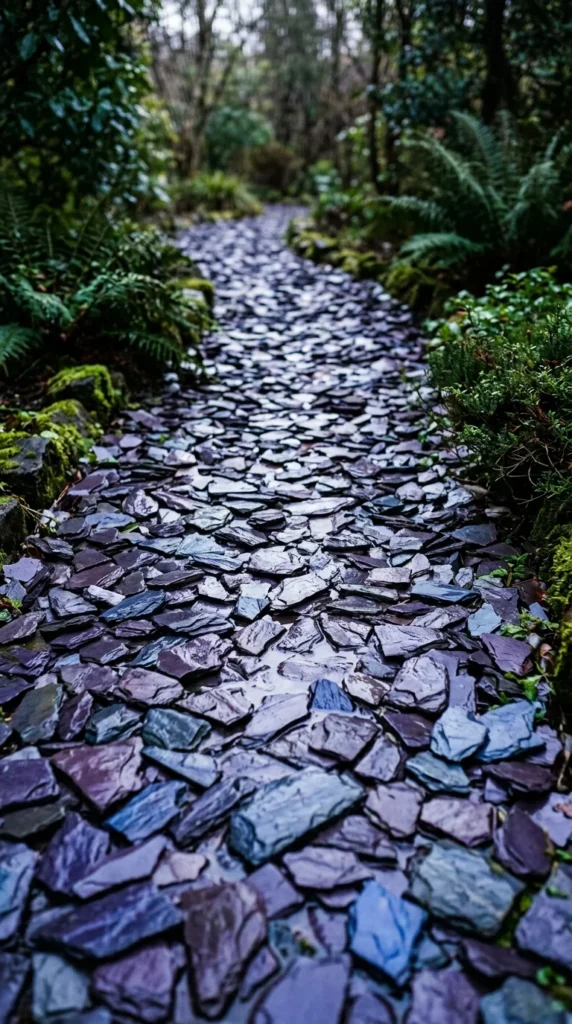
Slate chips offer a unique texture and a sophisticated color palette of deep purples, blues, and greys. They are flat, meaning they stay in place better than rounded gravel. Slate chips look particularly striking when wet, making them a great choice for gardens in rainy climates or near water features. They provide a modern, “crisp” look that pairs well with minimalist plantings.
22. Sand Path

In many regions, sand is the most affordable material available. While it requires occasional raking to stay level, a sand path provides a soft, beachy feel. In a Zen garden context, the act of raking patterns into the sand can be a meditative practice. To prevent the sand from tracking into the house, ensure the path is located further away from the back door or use a transition area of larger stones.
23. Cinder Blocks
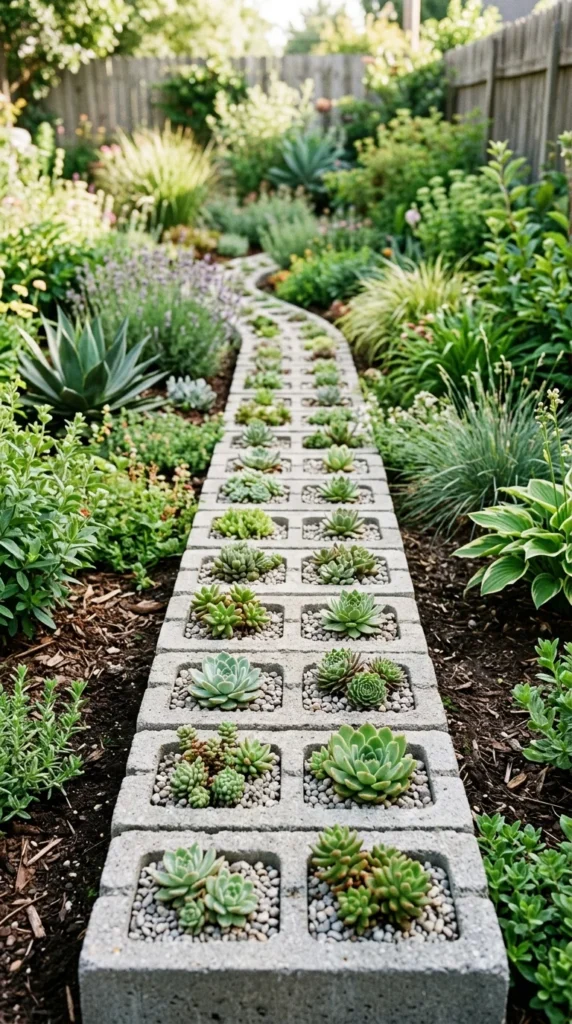
Cinder blocks are incredibly cheap and have a surprisingly modern industrial appeal. By laying them flat and filling the hollow cores with pea gravel or soil and hardy succulents (like hens and chicks), you create a living walkway. This “grid” look is very structured and works well in urban gardens or as a border for a vegetable patch.
24. Railroad Ties
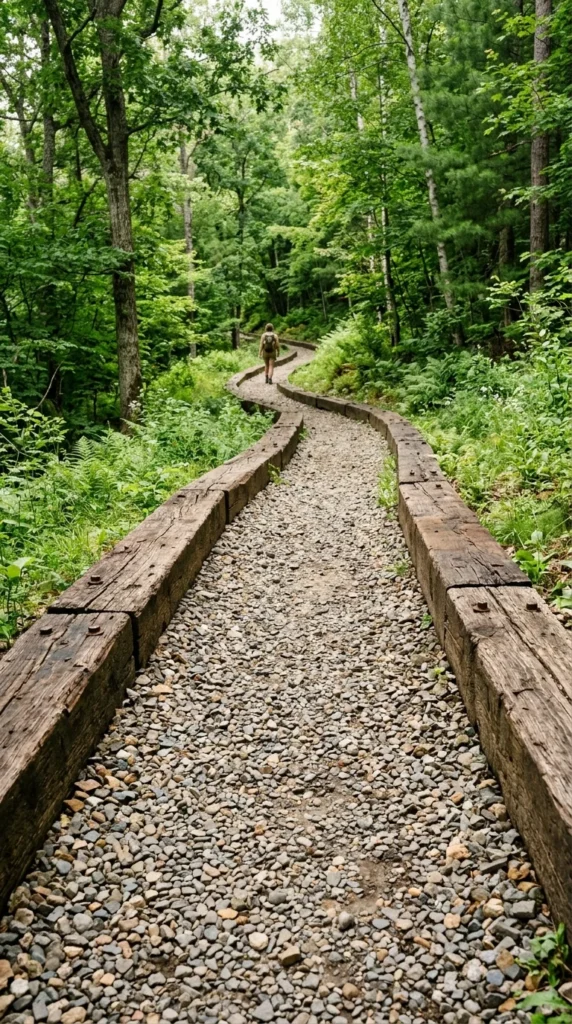
Reclaimed railroad ties (or new pressure-treated 6×6 timbers) provide a heavy, masculine look to a garden. They are excellent for creating long, straight lines or for terracing a sloped yard. When used as the edges for a gravel or mulch path, they provide a clean “frame” that makes the entire project look professionally finished. Their scale makes them ideal for larger properties where smaller materials might get lost.