
The front porch is more than just a transition zone between the outdoors and your home; it is the first impression your guests receive and the daily greeting you provide for yourself. Transforming this space from a simple walkway into a welcoming sanctuary often comes down to the details, and nothing provides quite the same impact as thoughtfully curated flower pots.
Container gardening offers the flexibility to experiment with colors, textures, and heights without the commitment of permanent landscaping. Whether you have a sprawling veranda or a compact stoop, the right combination of vessels and vegetation can elevate your home’s curb appeal instantly. Here are eight sophisticated front porch flower pot ideas to inspire your next entryway makeover.
1. Symmetrical Urns
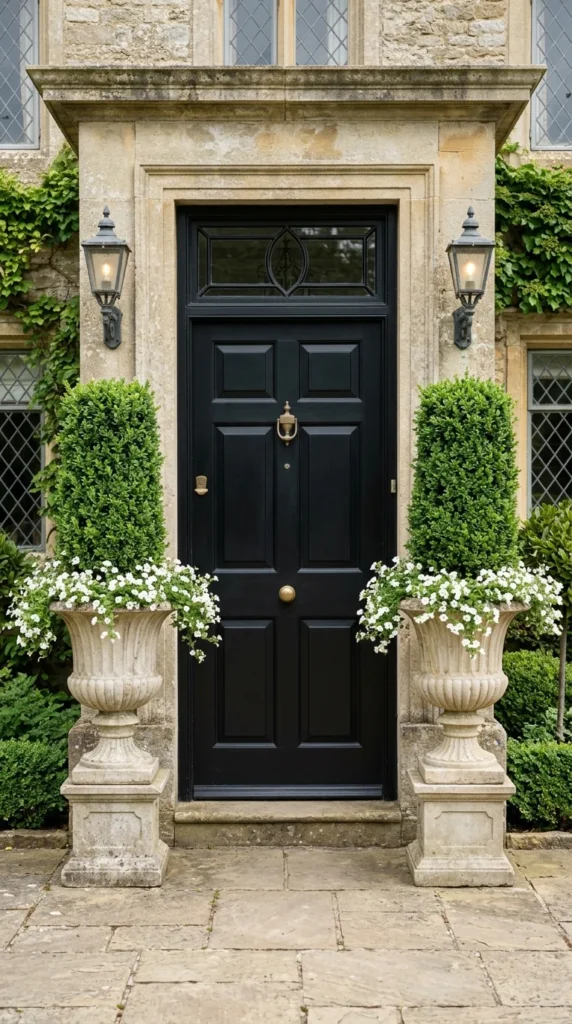
Symmetry is a timeless design principle that conveys a sense of order, elegance, and grandeur. By placing identical containers on either side of your front door, you create a visual frame that draws the eye directly to the entrance. This “formal” approach works exceptionally well with traditional, colonial, or Mediterranean-style homes.
To achieve this look, choose tall, stately urns—made of stone, cast iron, or high-quality resin—that complement the architectural weight of your door. For the plantings, consider structural elements like boxwood topiaries, cedar spirals, or tall ornamental grasses. To soften the look, add a “filler” of white or cream flowers such as geraniums or begonias around the base of the central plant.
2. Cascading Blooms
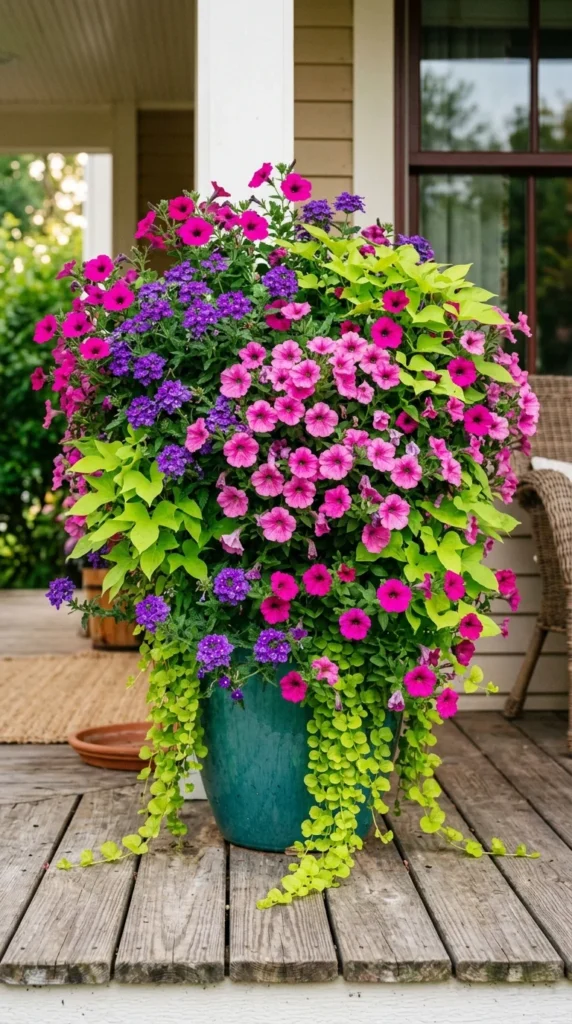
If you want your porch to feel like a lush, overflowing garden, the “cascading” or “spiller” method is your best friend. This style focuses on plants that have a trailing habit, allowing them to drape over the sides of the container and create a soft, romantic silhouette.
The secret to a successful cascading pot is the “Thriller, Filler, Spiller” formula. The “Thriller” is a tall plant in the center (like a Canna Lily), the “Filler” is a mounding plant that covers the soil (like Lantana), and the “Spiller” is the star that hangs over the edge (like Creeping Jenny, Lobelia, or Sweet Potato Vine). Using vibrant, contrasting colors makes the overflow look intentional and dramatic.
3. Rustic Barrels
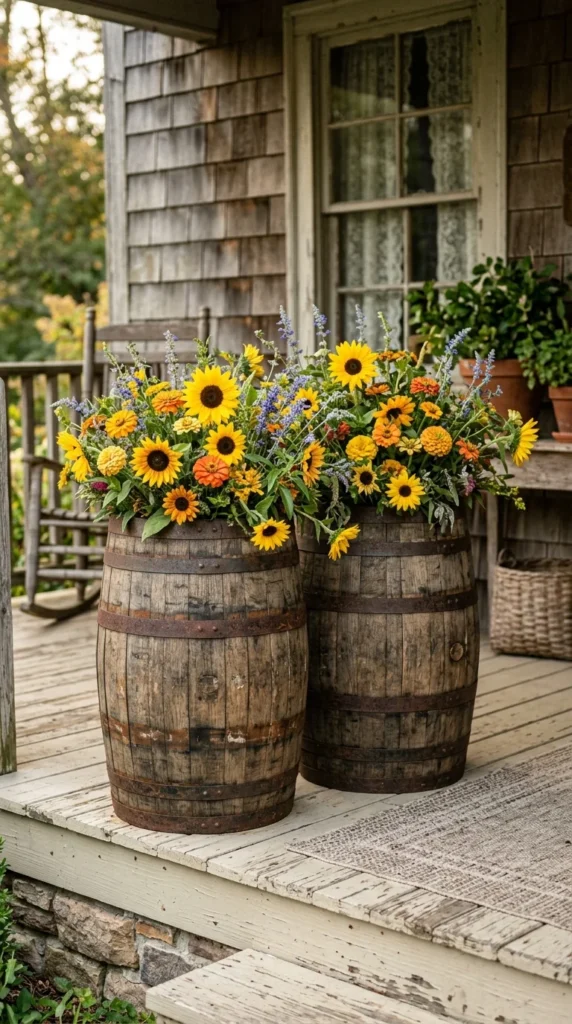
For homes with a farmhouse, cottage, or rustic aesthetic, wooden barrels offer a warm and textured alternative to traditional ceramic pots. Half-whiskey barrels or cedar tubs provide a large soil volume, which is excellent for maintaining moisture and allowing root systems to thrive.
Because barrels are typically wide, they allow for a “mini-garden” approach. You can mix various species with different bloom times to ensure the porch looks lively all season long. Marigolds, zinnias, and snapdragons thrive in these environments. Pro tip: Ensure your wooden barrels have adequate drainage holes drilled into the bottom and are elevated slightly off the porch floor with “pot feet” to prevent wood rot on the porch surface.
4. Modern Cubes
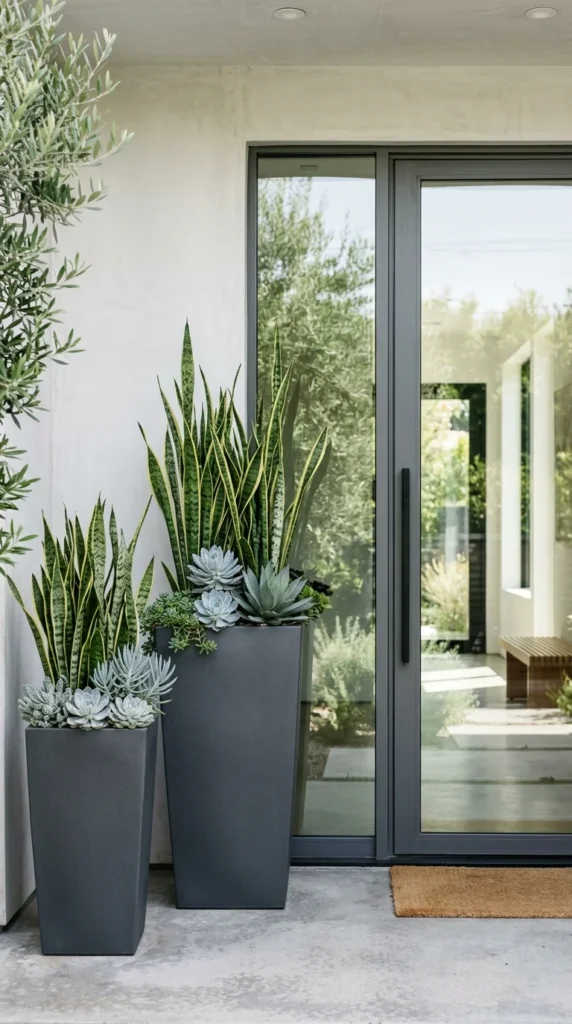
Modern architecture demands clean lines and a “less is more” philosophy. Square or rectangular cube planters in neutral tones like charcoal, slate, or matte white provide a sophisticated, contemporary edge. These containers focus on the silhouette of the plant rather than the floral abundance.
In modern arrangements, foliage often takes precedence over flowers. Think of plants with strong, architectural shapes, such as Snake Plants (Sansevieria), Agave, or tall Horsetail Reed. If you prefer a bit of color, stick to a monochromatic palette—all white flowers or all deep purple foliage—to maintain the sleek, curated vibe of the modern aesthetic.
5. Tiered Planters
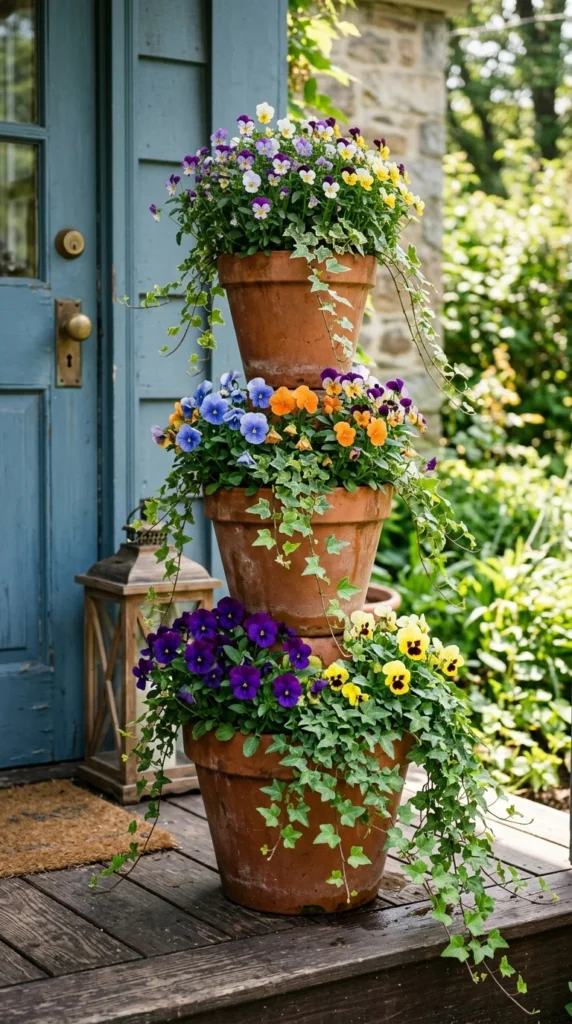
If you are working with a small entryway or a narrow porch, verticality is your greatest asset. Tiered planters allow you to display a high volume of flowers without sacrificing floor space. You can purchase pre-made tiered stands or create your own by stacking pots of decreasing sizes on top of one another.
Tiered displays are perfect for creating “color stories.” You might use the top tier for sun-loving succulents and the lower tiers for shade-tolerant impatiens if your porch is partially covered. This method also makes it easier to water multiple plants at once and creates a striking focal point that leads the eye upward toward your home’s address or decorative lighting.
6. Monochromatic Clusters
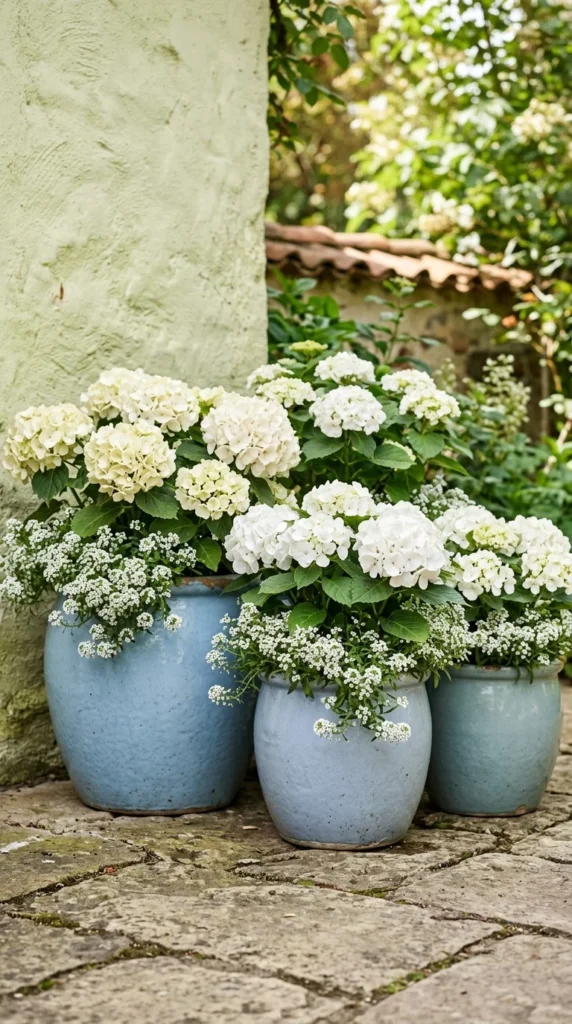
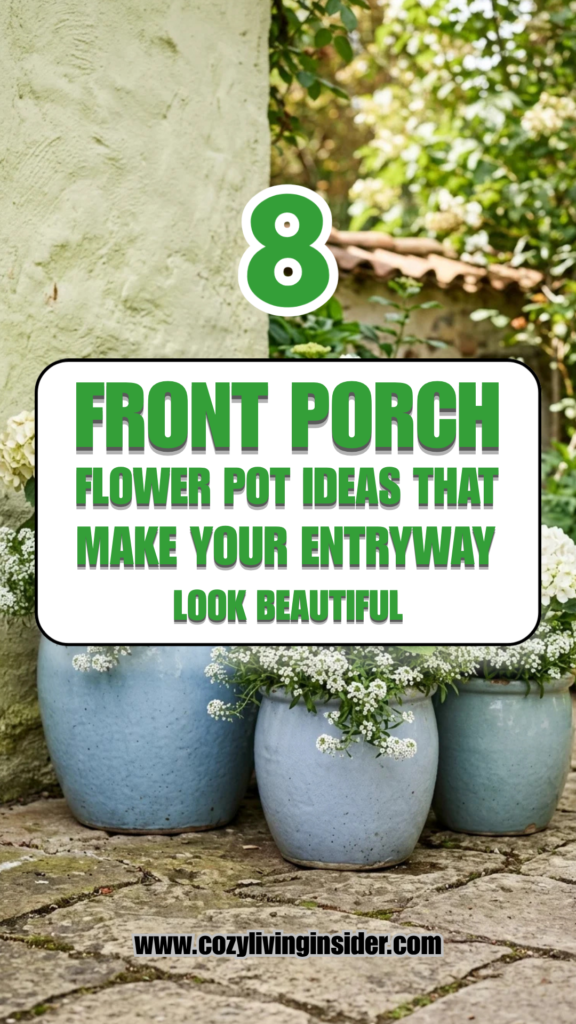
Sometimes, the most powerful design statement is simplicity. Clustering pots of different heights but similar colors (or planting different pots with the same color of flower) creates a cohesive, high-end look. Monochromatic gardening—often called a “Moon Garden” if you use white flowers—is incredibly soothing and brightens up shaded porch corners.
To pull this off, choose a signature color that complements your home’s exterior. For a red-brick house, white or pale yellow flowers provide a stunning contrast. For a white or grey house, deep blues, purples, or vibrant reds pop beautifully. By using a cluster of three pots, you follow the “rule of threes” in design, which is naturally more pleasing to the human eye.
7. Hanging Baskets
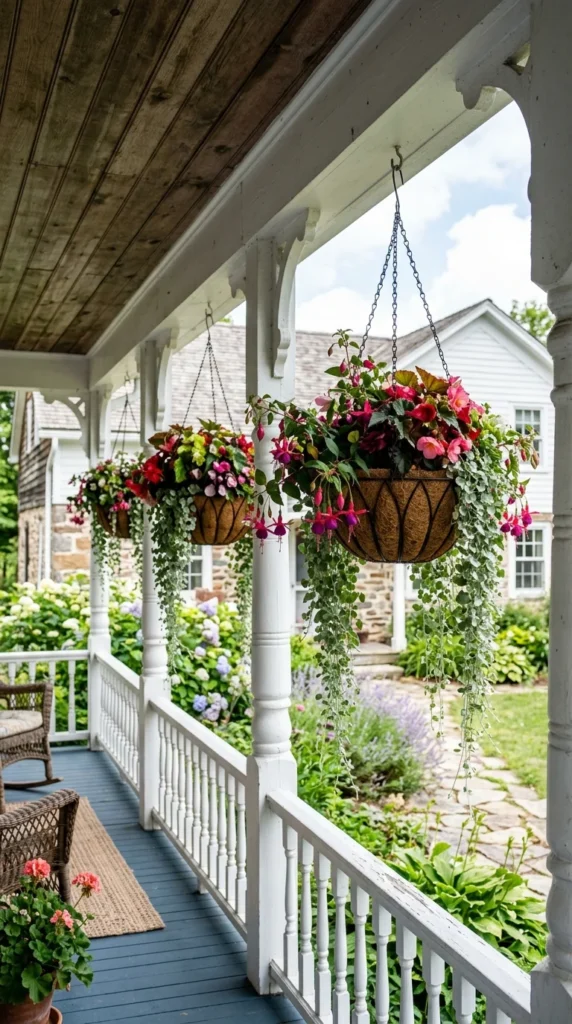
Hanging baskets are the crown jewels of the front porch. They utilize the “dead space” above the railing and bring the beauty of nature to eye level. Because hanging baskets are often viewed from below, it is essential to choose plants that look good from all angles and have a significant “spill” factor.
Fuchsia, trailing Begonias, and Calibrachoa (Million Bells) are classic choices for hanging displays. Because these containers are exposed to more wind and air on all sides, they tend to dry out faster than floor pots. Consider installing a simple drip irrigation line or using self-watering hanging baskets to keep your aerial garden looking fresh and hydrated throughout the heat of summer.
8. Seasonal Accents
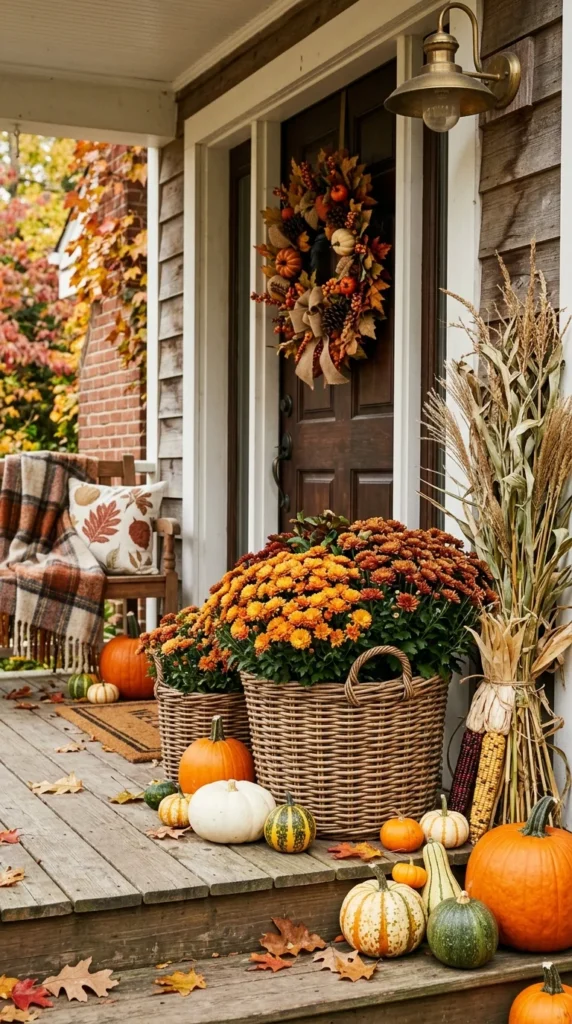
One of the greatest joys of front porch flower pots is the ability to change them with the seasons. A beautiful entryway is one that evolves. Instead of keeping the same plants year-round, rotate your greenery to reflect the current climate and holidays.
- Spring: Focus on bulbs like tulips, daffodils, and fragrant hyacinths.
- Summer: Go bold with heat-loving tropicals like Hibiscus or Mandevilla.
- Autumn: Swap dying summer blooms for hardy Mums, ornamental kale, and peppers.
- Winter: Transition to evergreen boughs, red twig dogwood branches, and holly berries for a festive, cold-resistant display.
By incorporating seasonal elements like pumpkins in the fall or birch logs in the winter, your flower pots become part of a larger, ever-changing decorative narrative for your home.