
In the world of interior design, the difference between a house that looks “nice” and one that looks “expensive” often lies in the details of the surfaces. While flat, matte paint has its place, it frequently lacks the character and architectural depth required to create a truly high-end atmosphere. Textured wall paint is the secret weapon of professional designers, used to evoke emotion, mimic rare materials, and add a layer of sophistication that standard finishes simply cannot achieve.
By introducing texture, you manipulate how light interacts with your space. Shadows and highlights dance across the walls, creating a dynamic environment that changes throughout the day. Whether you are aiming for the rustic charm of an Italian villa or the sleek, industrial luxury of a Manhattan loft, these seven textured wall paint ideas will elevate your home’s aesthetic to a premium level.
1. Venetian Plaster
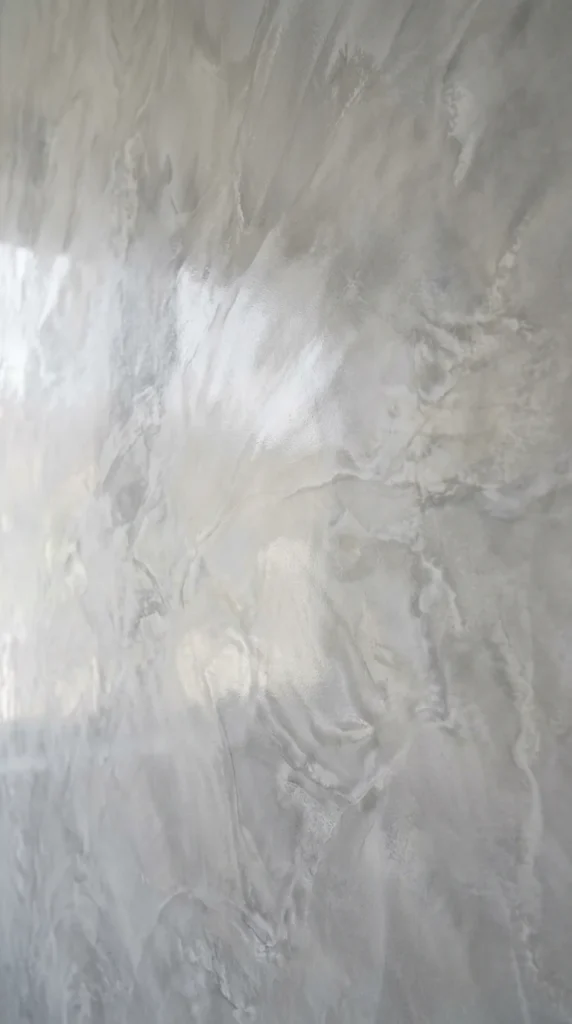
Venetian plaster is perhaps the pinnacle of luxury wall finishes. Originating in Venice, Italy, this technique involves applying thin layers of plaster mixed with marble dust using a spatula or trowel. The result is a surface that possesses incredible depth, a soft sheen, and a tactile smoothness that feels like polished stone.
The beauty of Venetian plaster lies in its ability to look both ancient and modern. In a contemporary setting, a cool-toned plaster can ground a room with its weight and presence. In more traditional homes, warm ochre or terracotta tones create an “Old World” opulence. Because it is applied in multiple translucent layers, the finish catches the light in a way that regular paint cannot, making the walls appear to glow from within. It is an investment in craftsmanship that instantly signals a bespoke, high-end interior.
2. Limewash
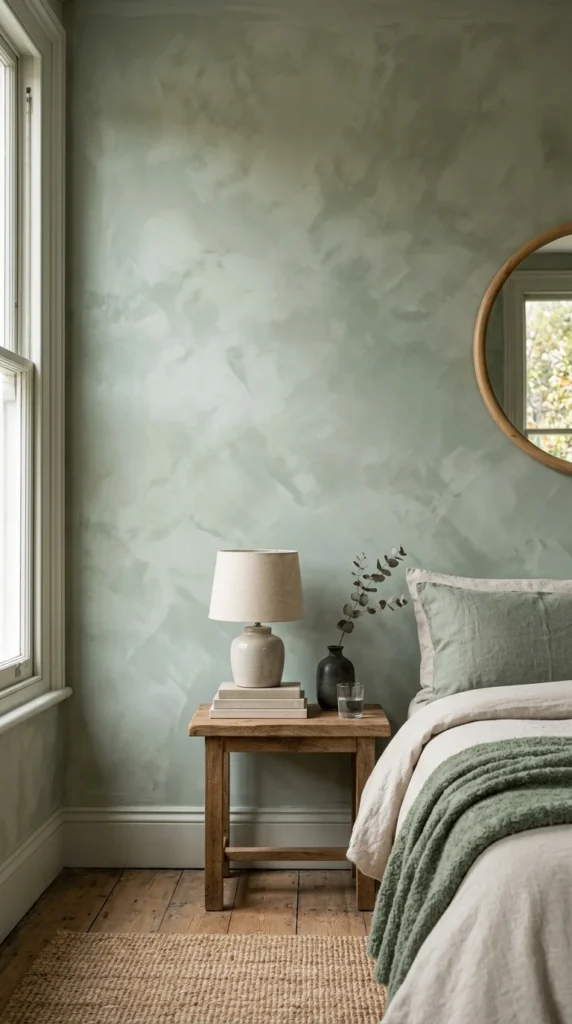
Limewash has seen a massive resurgence in high-end residential design due to its organic, breathable nature and its unique aesthetic. Made from crushed, burned, and slaked limestone mixed with water and natural pigments, limewash penetrates the surface rather than sitting on top of it.
The hallmark of a limewash finish is its mottled, suede-like appearance. It creates a soft, chalky texture that feels incredibly soothing and grounded. Because it is a mineral-based product, it develops a natural patina over time, which adds to its expensive, lived-in charm. It is particularly effective in minimalist or “soft-minimalism” designs where the goal is to create a space that feels curated and serene. Limewash works best in earthy, neutral tones—think oatmeal, charcoal, or dusty rose—to emphasize its natural origins.
3. Metallic Glaze
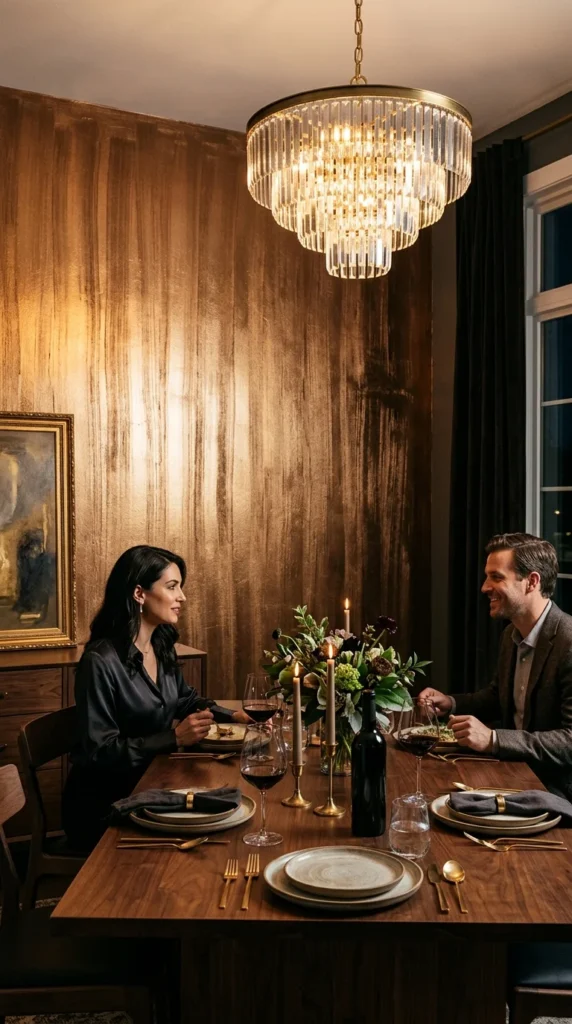
For those who want to make a bold statement of opulence, metallic glazes are the ideal choice. This technique involves applying a base coat of color followed by a translucent metallic topcoat, often manipulated with sponges, rags, or specialized brushes to create a shimmering texture.
The key to making metallic paint look expensive rather than kitschy is subtlety and layering. When applied as a glaze, the metallic pigments catch the light selectively, creating a sense of movement and “liquid” luxury. Champagne, soft gold, and oxidized copper are popular choices for feature walls in dining rooms or entryways. This texture works exceptionally well in rooms with intentional lighting schemes, as the walls will reflect the glow of lamps and candles, creating a warm, inviting, and undeniably high-end ambiance.
4. Suede Finish
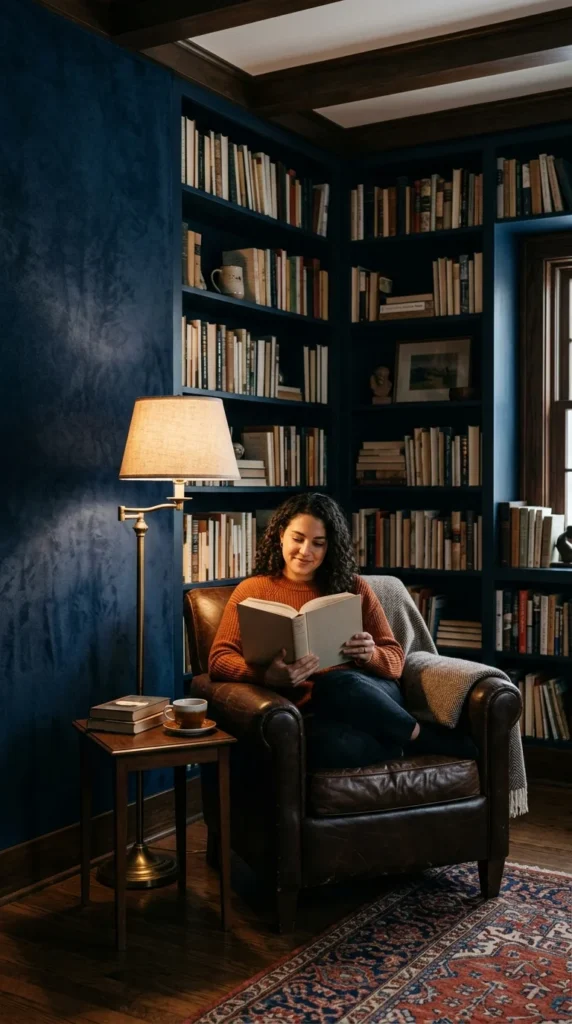
Suede-textured paint is designed to mimic the look and feel of genuine brushed suede leather. It is a fantastic option for rooms where you want to create a sense of intimacy and “cocooning,” such as bedrooms, home theaters, or private studies.
The application process typically involves using a “cross-hatch” brushing technique, which creates a multi-directional nap. This causes light to be absorbed rather than reflected, resulting in a finish that is incredibly deep and rich. A suede finish hides wall imperfections beautifully and adds a layer of acoustic softness to a room. When executed in dark, moody colors like forest green, burgundy, or midnight blue, the effect is one of absolute luxury and sophisticated comfort.
5. Sand Swirl
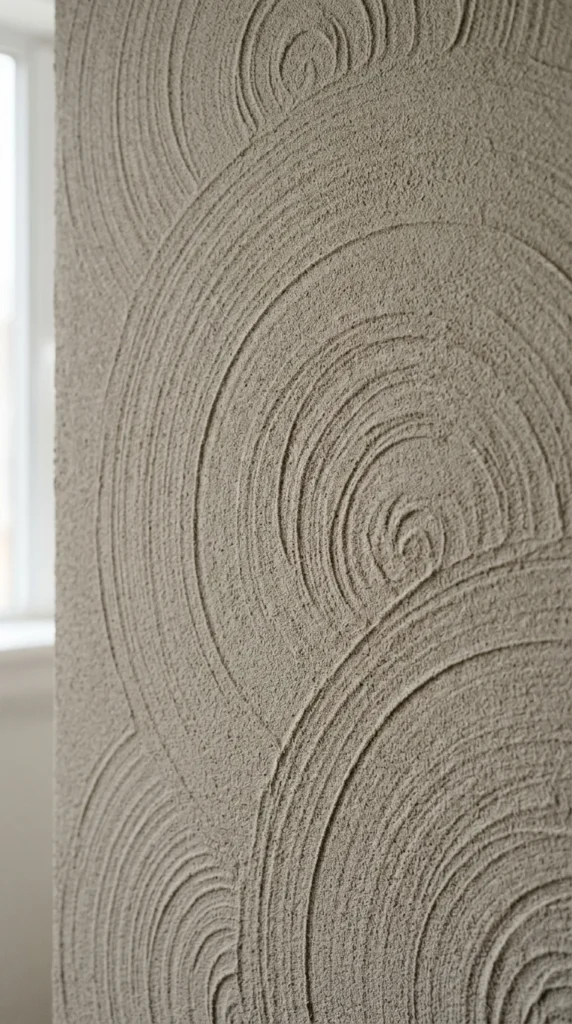
Sand-textured paint contains fine additives that create a gritty, tactile surface. While heavy sand textures can sometimes look dated, a refined “sand swirl” or “perlite” finish adds a sophisticated Mediterranean or coastal vibe to a home.
The secret to a modern sand texture is to keep the application light and the patterns intentional. By using a wide brush to create sweeping arcs or swirls, you introduce a rhythmic quality to the walls. This texture is excellent for disguising minor cracks or unevenness in older walls while providing a matte, earthy finish that feels substantial and artisanal. It pairs beautifully with natural materials like reclaimed wood, linen upholstery, and stone flooring, contributing to a high-end, organic aesthetic.
6. Troweled Concrete
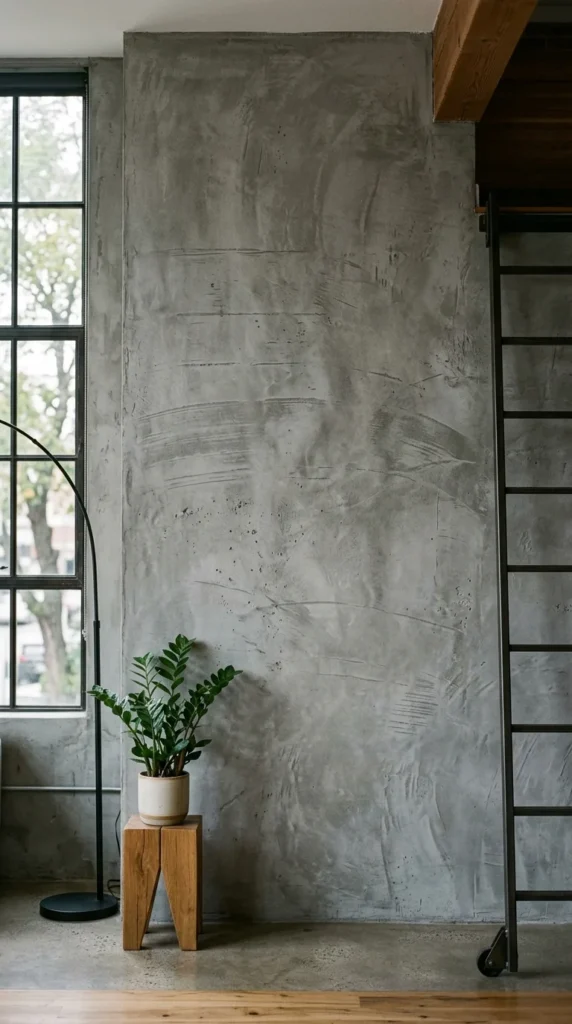
Industrial chic remains a staple of luxury design, and nothing encapsulates this better than the look of raw, troweled concrete. Achieving this look with paint involves using thick-bodied architectural coatings or specialized concrete-imitation plasters applied with a steel trowel.
This texture provides a sense of permanence and architectural strength. The visible “chatter” marks from the trowel and the variations in grey tones give the wall an authentic, hand-crafted feel. While it may sound cold, when paired with warm wood accents, plush rugs, and soft lighting, troweled concrete walls create a stunning contrast that feels incredibly modern and high-end. It is the ultimate choice for a contemporary living space or an edgy, minimalist master suite.
7. Grasscloth Effect
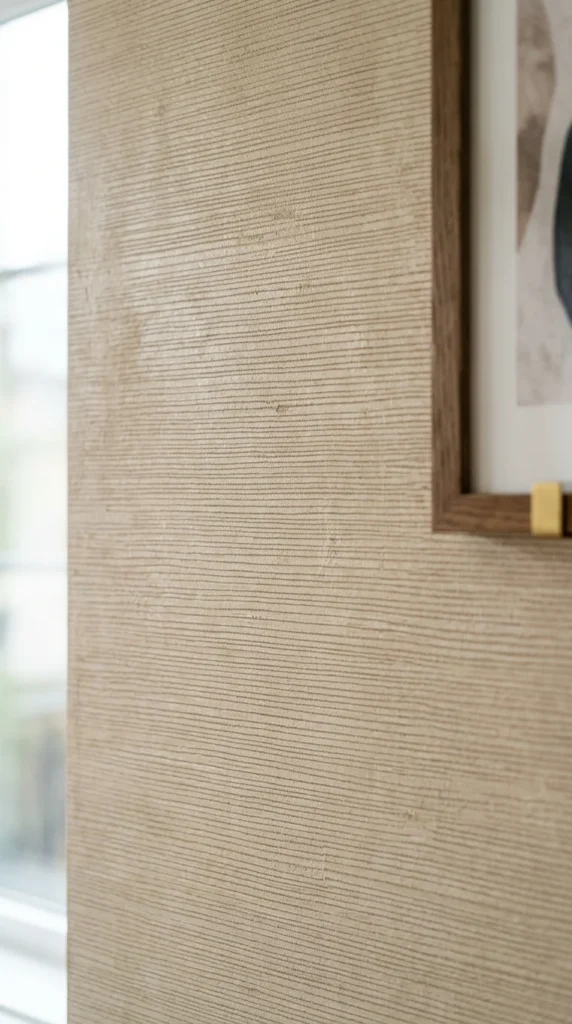
Real grasscloth wallpaper is a hallmark of expensive interior design, but it can be fragile and difficult to maintain. The grasscloth paint effect—often achieved through a technique called “strie”—uses paint and a long-bristled brush to mimic the horizontal or vertical weave of natural fibers.
By pulling a dry brush through a wet glaze, you create thousands of tiny, fine lines that replicate the texture of woven linen or seagrass. This adds a sophisticated, linear element to the room that stretches the visual perception of the space. It provides a rich, layered look that feels traditional yet fresh. Because it is paint-based, it is far more durable than actual wallpaper, making it a practical way to bring the “quiet luxury” of natural textures into high-traffic areas like hallways or powder rooms.
Conclusion
Transforming a home from standard to spectacular doesn’t always require a full renovation. Often, the most profound changes come from the surfaces that surround us. By choosing one of these textured paint ideas, you move away from the flat uniformity of basic drywall and toward a home that feels curated, architectural, and deeply personal. Whether you choose the polished elegance of Venetian plaster or the earthy warmth of limewash, these textures provide the visual weight and sensory appeal that define truly expensive interiors.