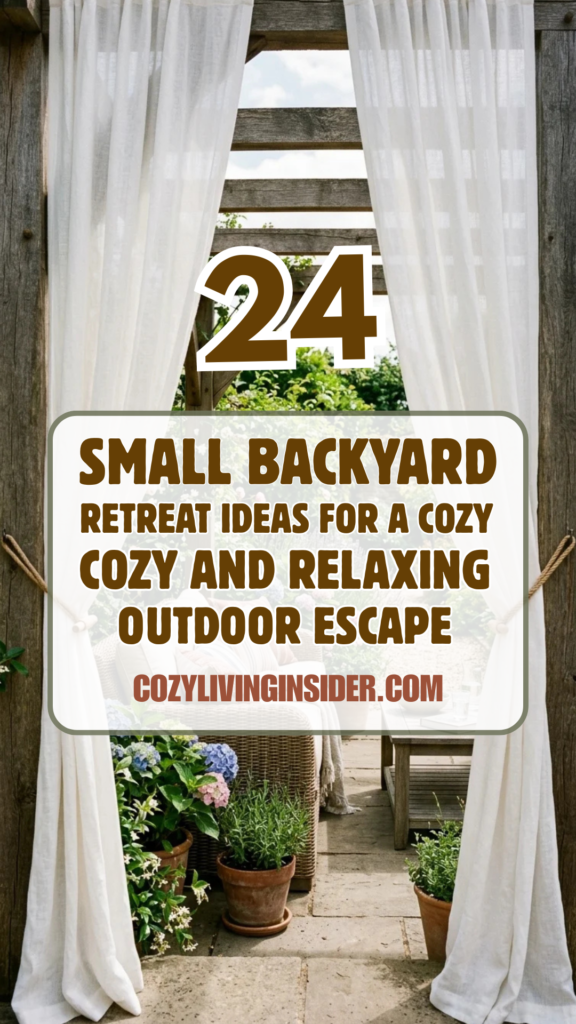

Transforming a limited outdoor area into a personal sanctuary requires a blend of strategic design, thoughtful landscaping, and the right accessories. A small backyard should not be viewed as a limitation, but rather as an opportunity to create an intimate, high-impact space that feels like a natural extension of the home. By focusing on verticality, multi-functional furniture, and sensory elements, homeowners can cultivate a relaxing escape that rivals the largest of estates.
The following 24 ideas offer a comprehensive guide to maximizing every square inch of your outdoor space, turning it into a cozy haven for relaxation and reflection.
1. Vertical Gardens
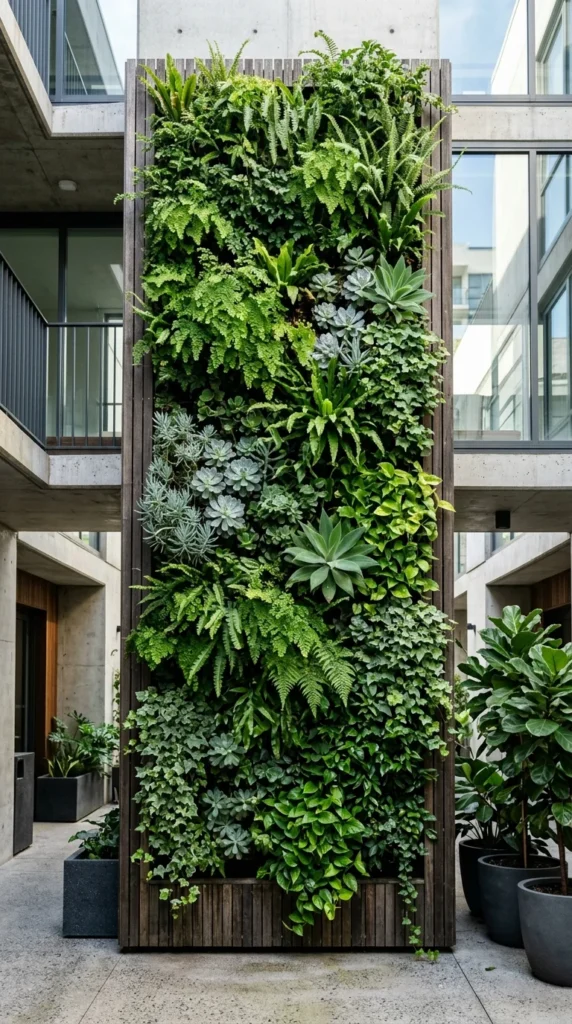
When ground space is at a premium, the only way to go is up. Vertical gardens, or living walls, allow you to introduce lush greenery without sacrificing floor space. Using wall-mounted planters, repurposed wooden pallets, or specialized pocket systems, you can grow everything from ornamental ferns to culinary herbs. This not only softens the hard edges of fences or brick walls but also provides a natural cooling effect and improves air quality within your retreat.
2. String Lights
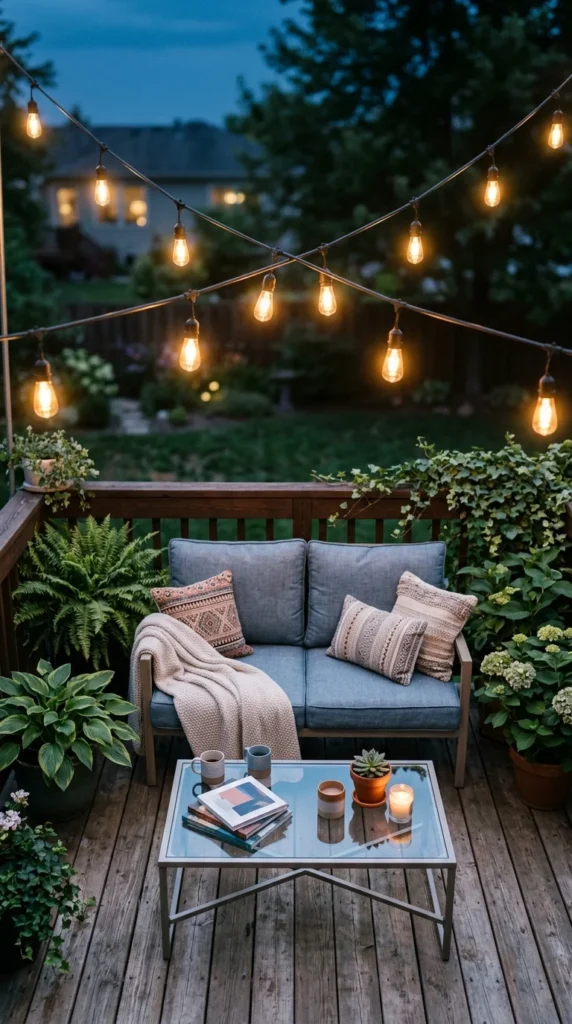
Lighting is the most effective way to transition a backyard from a daytime functional space to an enchanting evening retreat. Classic Edison-style string lights draped overhead create a “bistro” atmosphere that feels both festive and intimate. By hanging them in a zig-zag pattern or outlining the perimeter of a pergola, you define the ceiling of your outdoor room, making the small space feel contained and purposeful.
3. Hammock Nooks
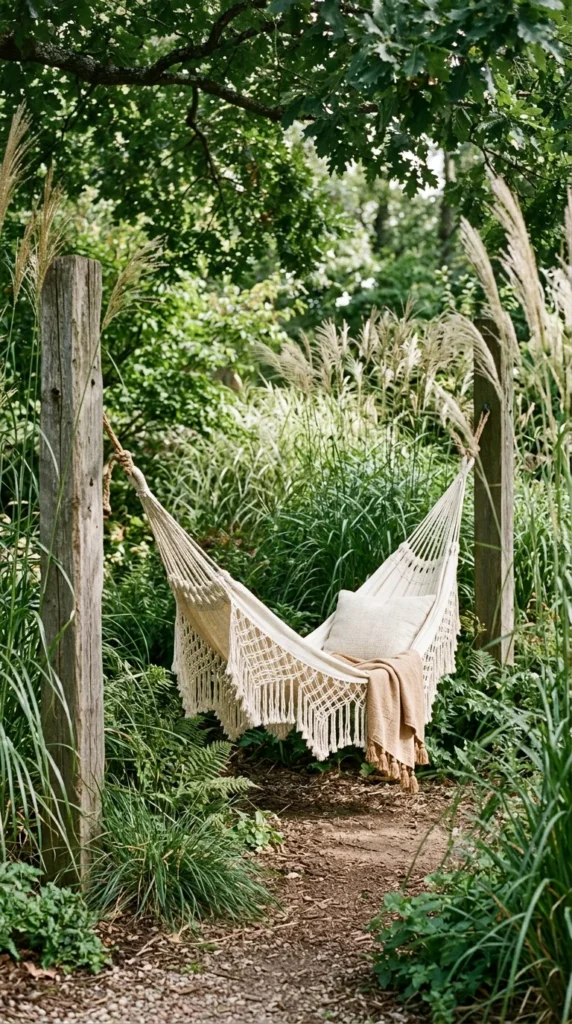
Nothing signals relaxation quite like a hammock. In a small backyard, a hammock provides a comfortable lounging option that can be easily tucked into a corner or even removed when more floor space is needed for entertaining. Choose a woven cotton or macramé style for a soft, bohemian aesthetic, and ensure it is positioned in a shaded area to provide a cool spot for an afternoon nap or a quiet place to read.
4. Bistro Sets
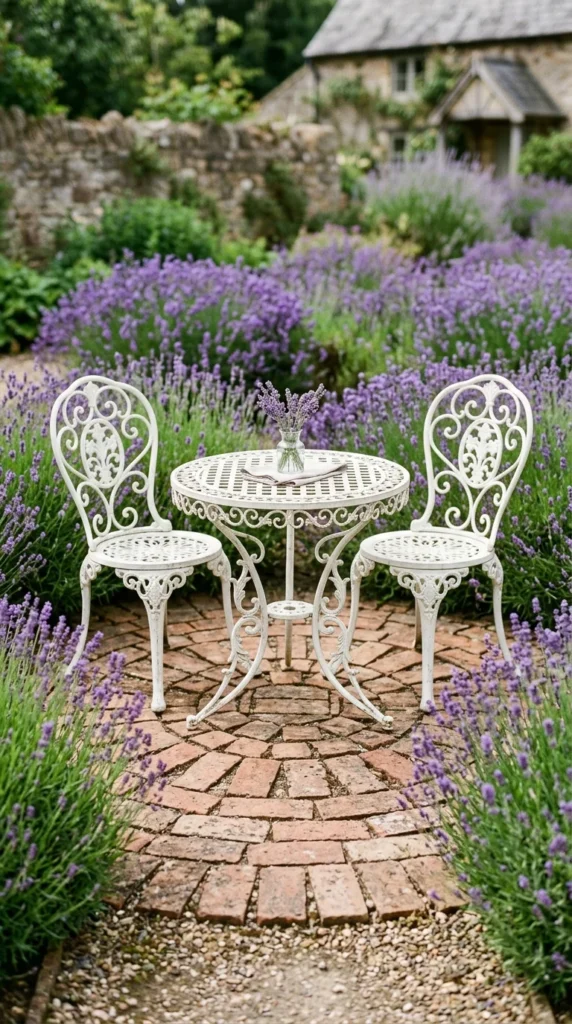
For small patios or balconies, a full-sized dining table is often impractical. A bistro set offers a charming, space-efficient alternative. These three-piece sets are designed for intimate conversations over coffee or a glass of wine. Opt for foldable versions if you need to clear the area periodically, or choose heavy wrought iron for a timeless, European-inspired look that withstands the elements.
5. Outdoor Rugs
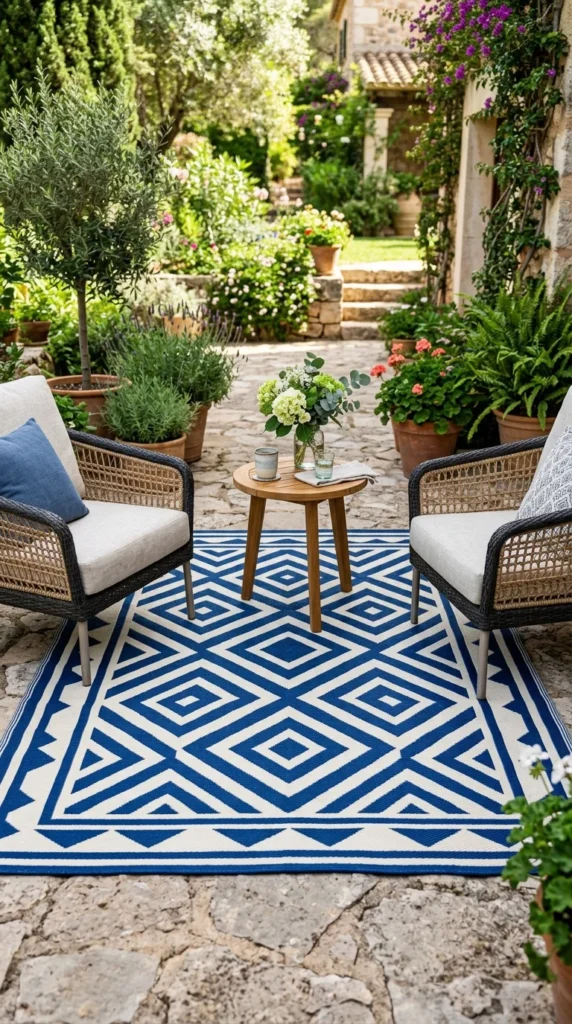
An outdoor rug acts as the “anchor” for your furniture arrangement, defining the seating area and making it feel like a cohesive room. In a small backyard, a rug with a bold pattern or a bright color can draw the eye inward, making the space feel larger and more curated. Look for durable, UV-resistant materials like polypropylene that are easy to clean and can withstand rain and sun.
6. Water Features
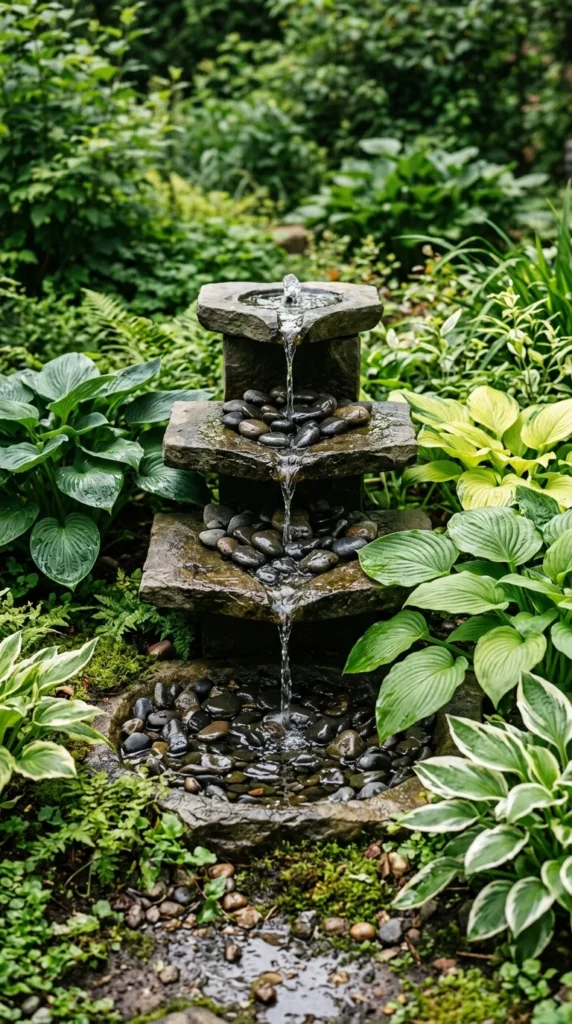
The sound of trickling water is a powerful tool for masking neighborhood noise and creating a sense of tranquility. You don’t need a massive pond to achieve this effect; a wall-mounted fountain, a tabletop bubbling urn, or a small DIY pond-in-a-pot can provide the soothing auditory backdrop necessary for a true retreat. Position the feature near your primary seating area to maximize its calming benefits.
7. Privacy Screens
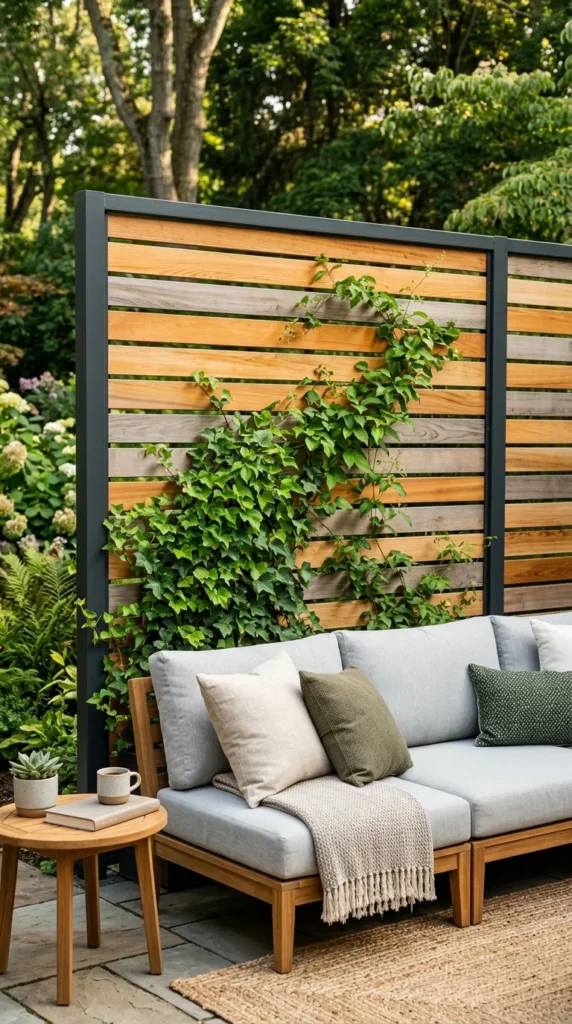
Privacy is essential for relaxation. If your neighbors are close, a privacy screen can provide the seclusion you crave. Options range from decorative laser-cut metal panels to natural bamboo rolls or wooden lattice. For a softer look, use a trellis with fast-growing climbing plants like jasmine or clematis, which provide both visual privacy and a pleasant fragrance.
8. Fire Pits
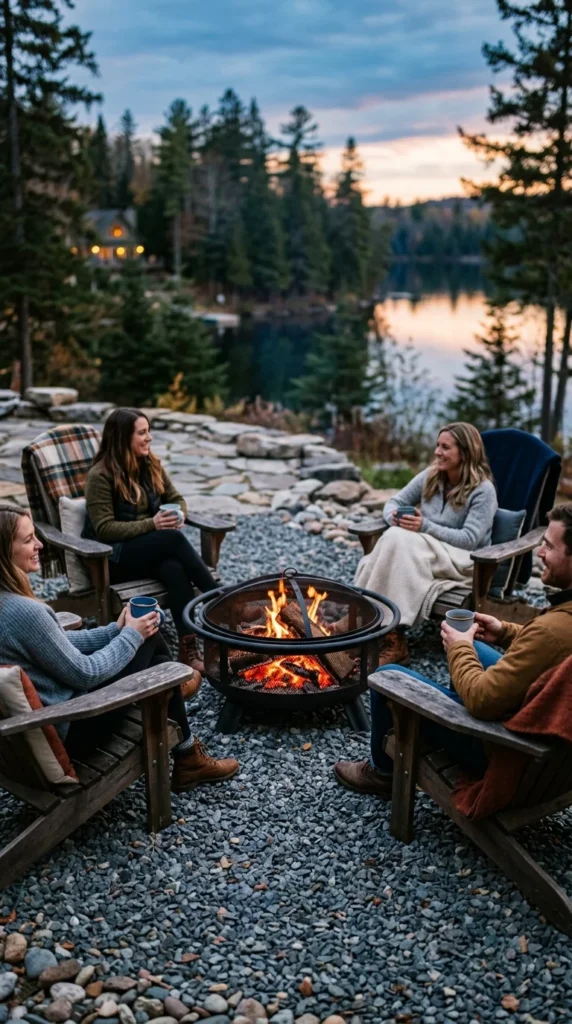
A fire pit serves as a natural gathering point and extends the usability of your backyard into the cooler months. For small spaces, a portable gas fire table or a compact wood-burning bowl is ideal. The flickering light and warmth create an undeniable sense of coziness. Arrange seating in a circle around the fire to encourage conversation and provide a focal point for the entire yard.
9. Pergolas
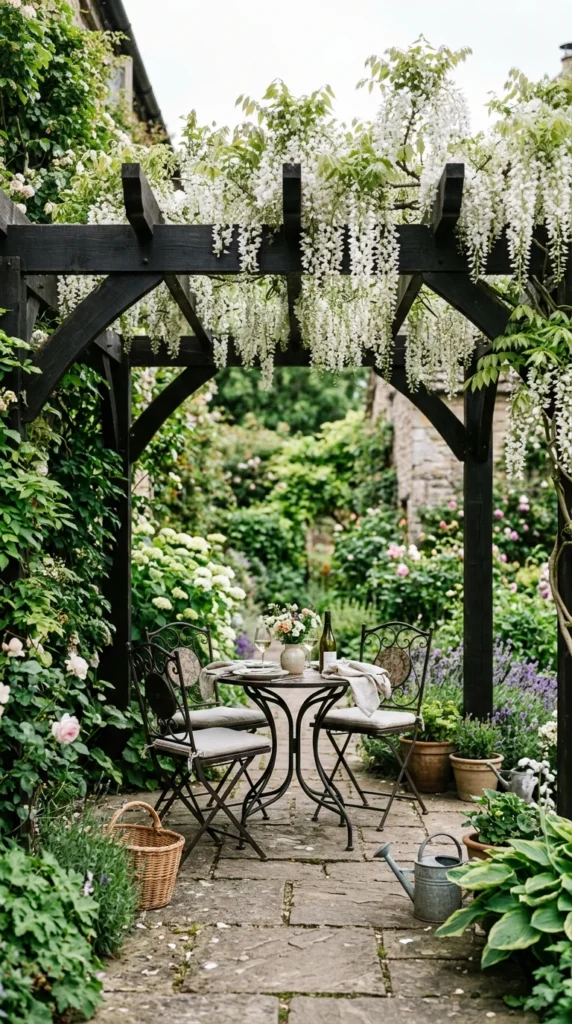
A pergola provides architectural interest and a sense of enclosure without the heaviness of a solid roof. In a small backyard, a mini-pergola can define a specific zone, such as a dining area or a lounge space. By adding climbing plants or sheer outdoor curtains to the sides, you can increase the sense of intimacy and provide dappled shade during the hottest parts of the day.
10. Stock Tank Pools
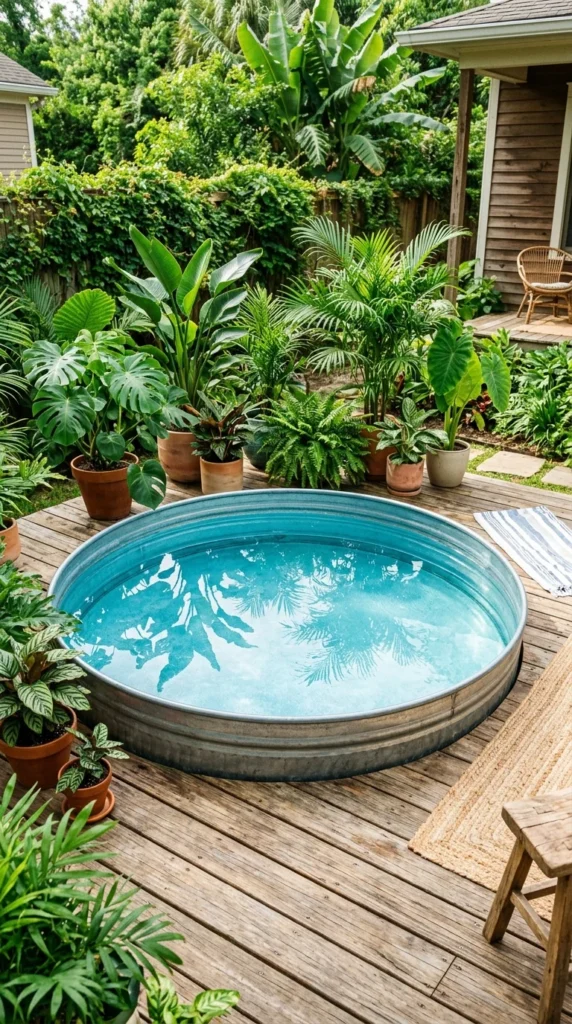
If you dream of a pool but lack the space for a traditional in-ground installation, a stock tank pool is a stylish and affordable solution. These galvanized steel tanks are durable, easy to maintain, and fit perfectly into small corners. They provide a refreshing place to cool off during the summer and, when paired with a heater, can even serve as a giant hot tub in the winter.
11. Container Gardening
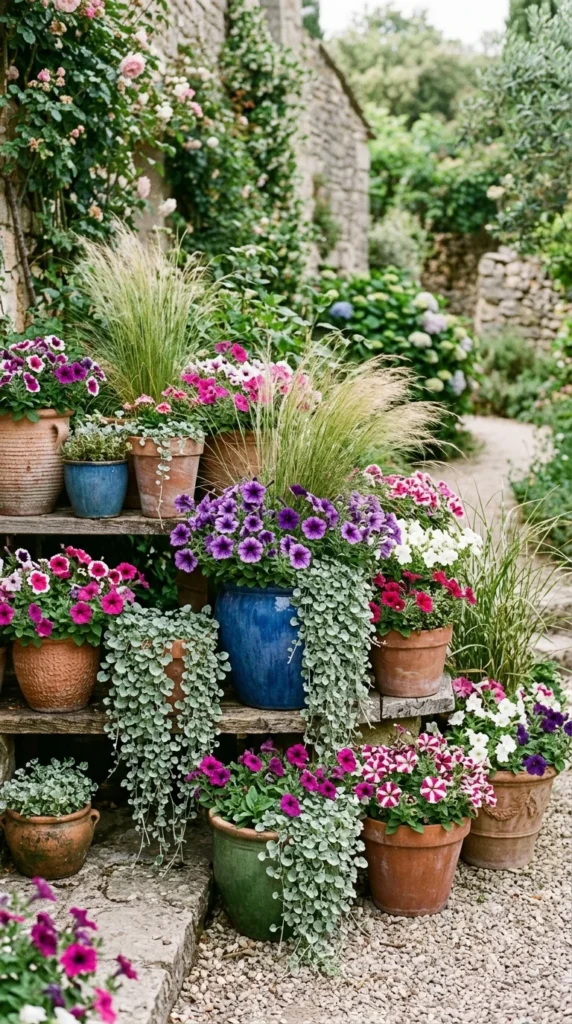
Container gardening allows for maximum flexibility in a small space. You can move plants around to follow the sun or to clear space for guests. Mixing different heights, textures, and colors of pots creates a layered, professional look. Use “thrillers” (tall plants), “fillers” (mounded plants), and “spillers” (trailing plants) in each pot to create lush, miniature landscapes.
12. Corner Benches
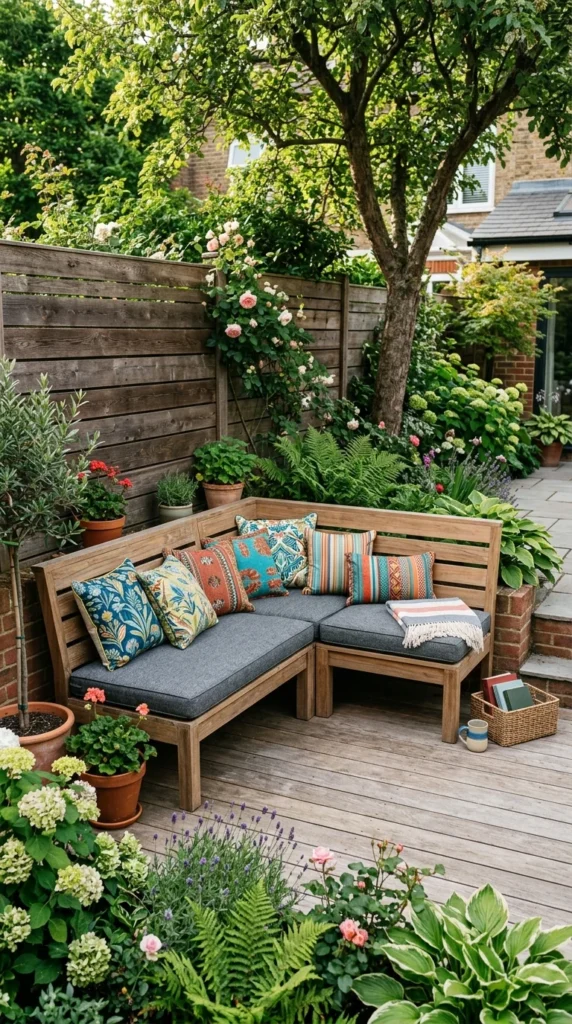
Maximize seating capacity by installing a built-in corner bench. Unlike individual chairs, which can feel cluttered, a sleek L-shaped bench follows the perimeter of your space, leaving the center open and airy. For added functionality, design the bench with a hinged top to provide hidden storage for cushions, gardening tools, or outdoor toys.
13. Mirror Accents
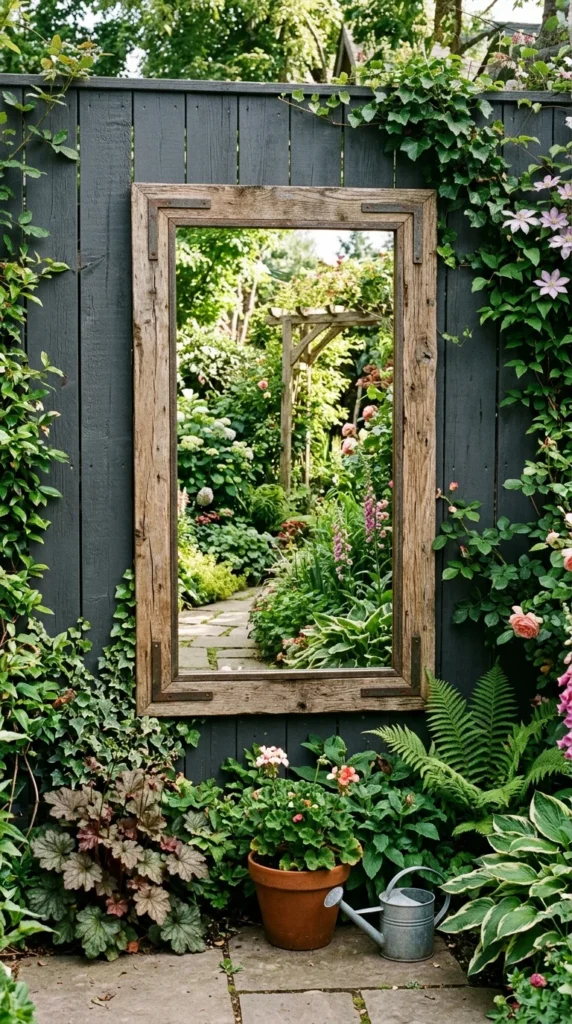
Using mirrors outdoors is a classic designer trick to make a small area feel more expansive. A large mirror hung on a fence or wall reflects the greenery and light, creating the illusion of a “window” into another part of the garden. Choose a mirror with a weatherproof frame and position it so it reflects a particularly beautiful view rather than the back of your house or a trash can.
14. Bar Carts
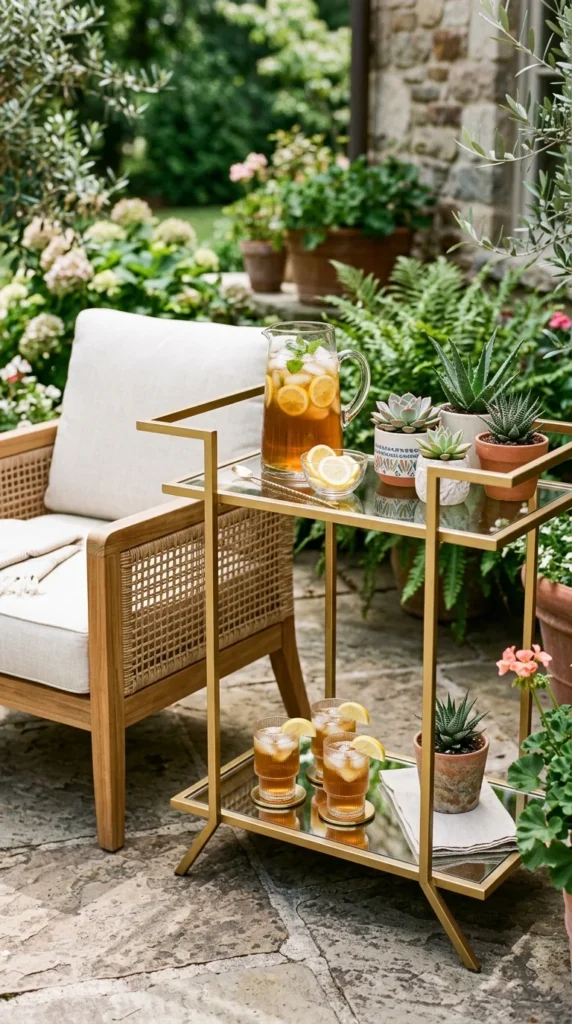
A mobile bar cart is a functional addition to a small retreat, providing a surface for drinks and snacks without the footprint of a permanent outdoor kitchen. When not in use for entertaining, the cart can serve as a decorative plant stand. Look for models with large wheels that can easily navigate over pavers or grass.
15. Gravel Patios
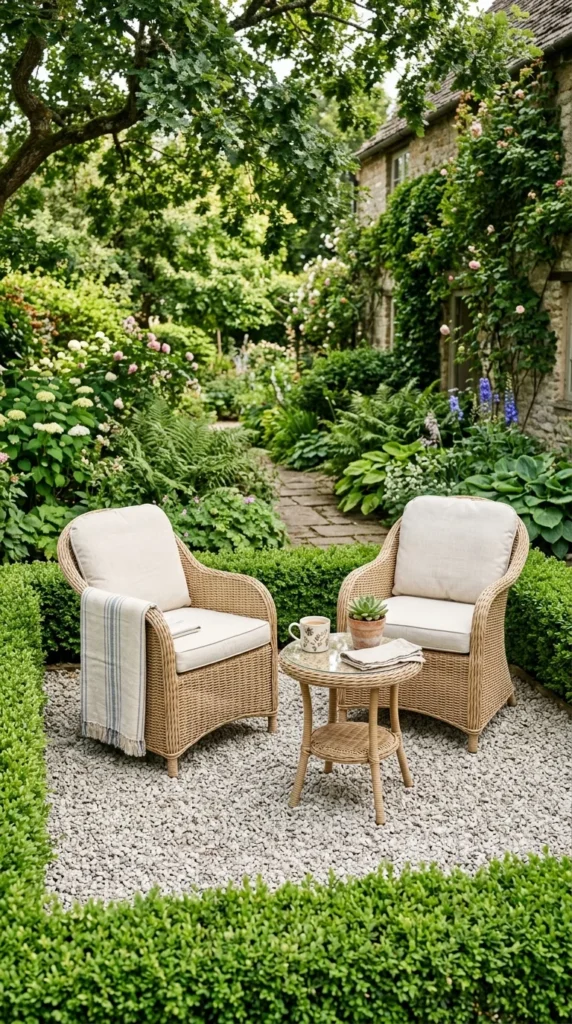
If you don’t have a deck or a paved patio, a gravel seating area is a budget-friendly and charming alternative. Pea gravel or decomposed granite provides a crunchy, organic texture underfoot and allows for excellent drainage. It’s an easy DIY project that can be shaped to fit any awkward corner, creating a defined space for a table and chairs.
16. Solar Lanterns
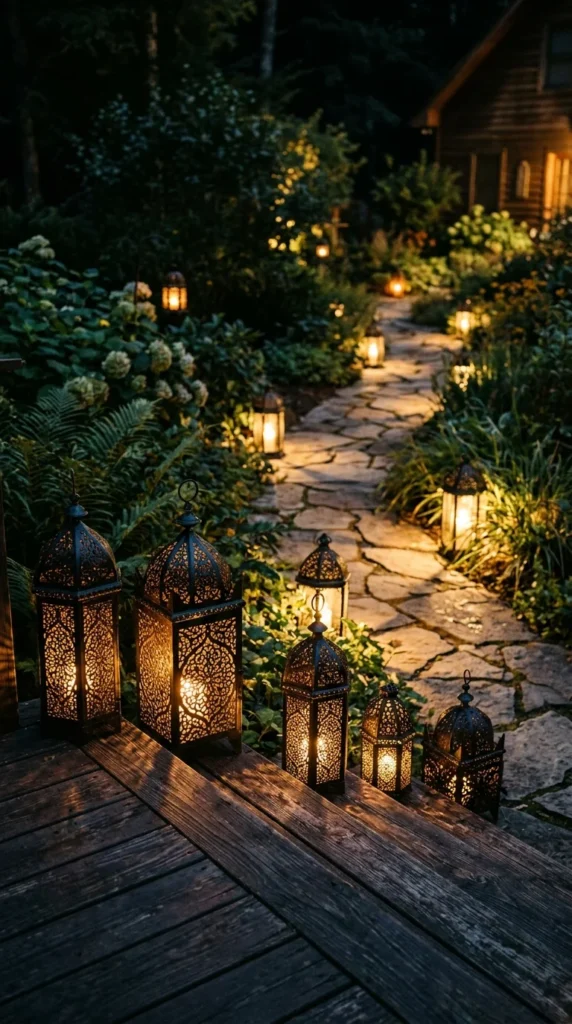
Solar-powered lanterns offer an eco-friendly way to add accent lighting throughout your garden. Because they don’t require wiring, you can place them anywhere—along paths, on tables, or hanging from tree branches. Choose lanterns with intricate cutout patterns to cast beautiful shadows on the ground, enhancing the magical atmosphere of your retreat.
17. Tree Swings
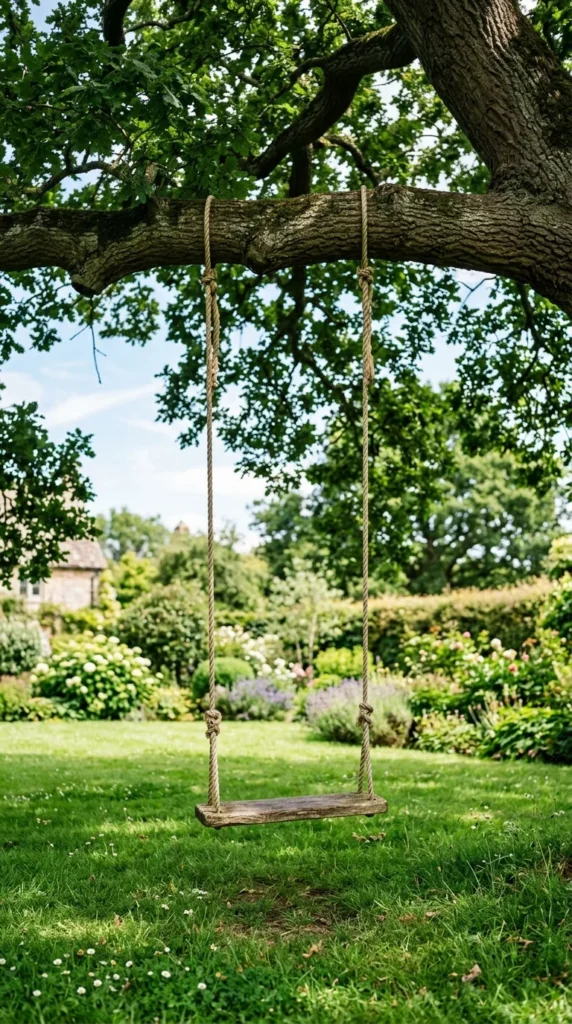
If you have a sturdy tree, a simple swing can add a touch of whimsy and a sense of movement to your backyard. It takes up almost zero floor space but provides a fun and relaxing place for both children and adults to spend time. For a more “adult” version, consider a hanging chair or a nest swing that allows you to curl up comfortably.
18. Outdoor Curtains
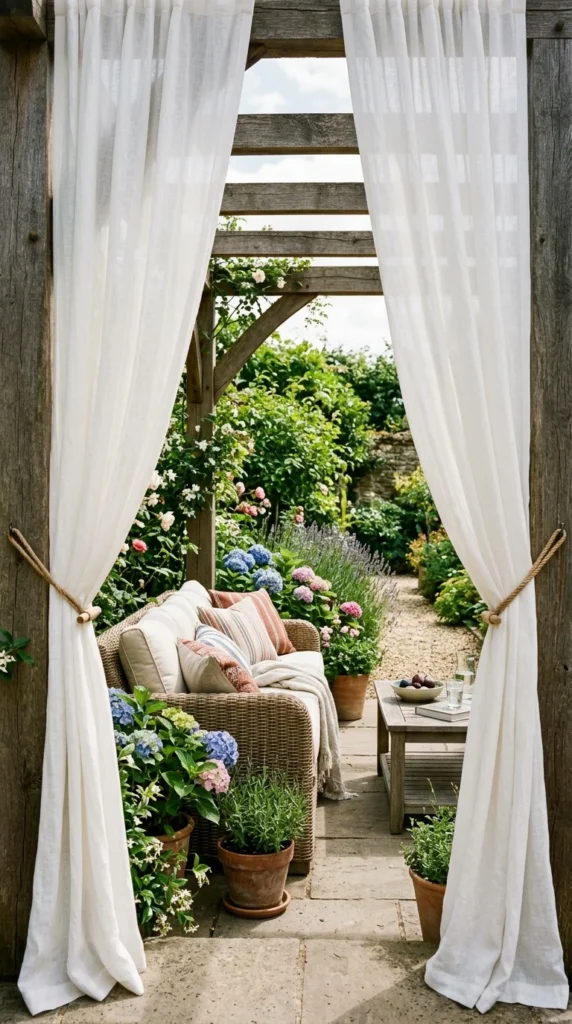
Softening the hard lines of your outdoor space with fabric can make it feel much more like an indoor room. Outdoor curtains provide shade, privacy, and a sense of luxury. They can be hung from a pergola or even a simple tension rod between two walls. When the wind catches them, they add a sense of movement and tranquility to the environment.
19. Layered Textiles
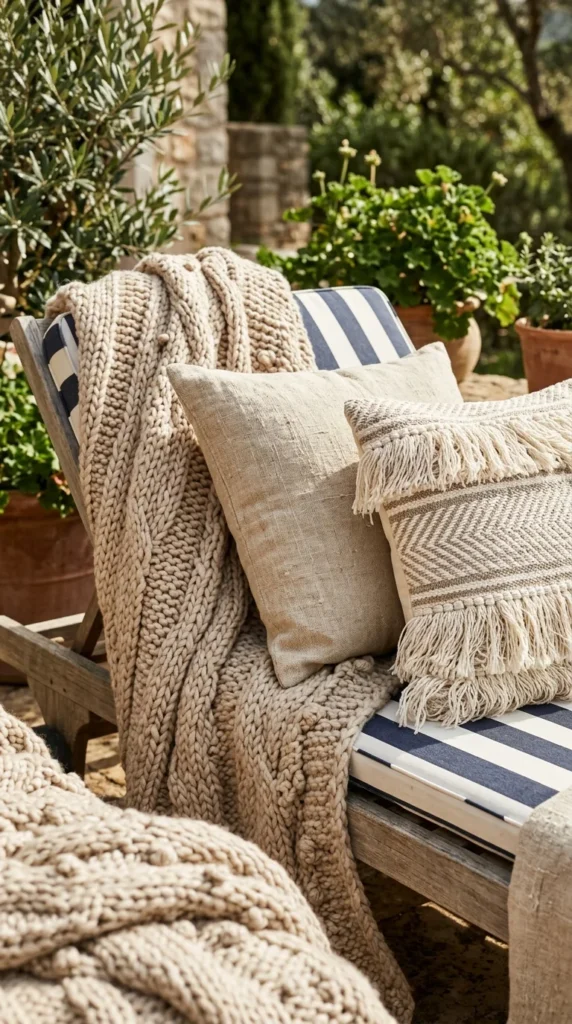
To achieve maximum coziness, treat your outdoor seating with the same care as your living room sofa. Layering different textiles—such as plush pillows, soft throws, and textured cushions—invites you to sit back and stay for a while. Stick to a consistent color palette to keep the small space from feeling cluttered, but vary the textures to add depth and visual interest.
20. Herb Spirals
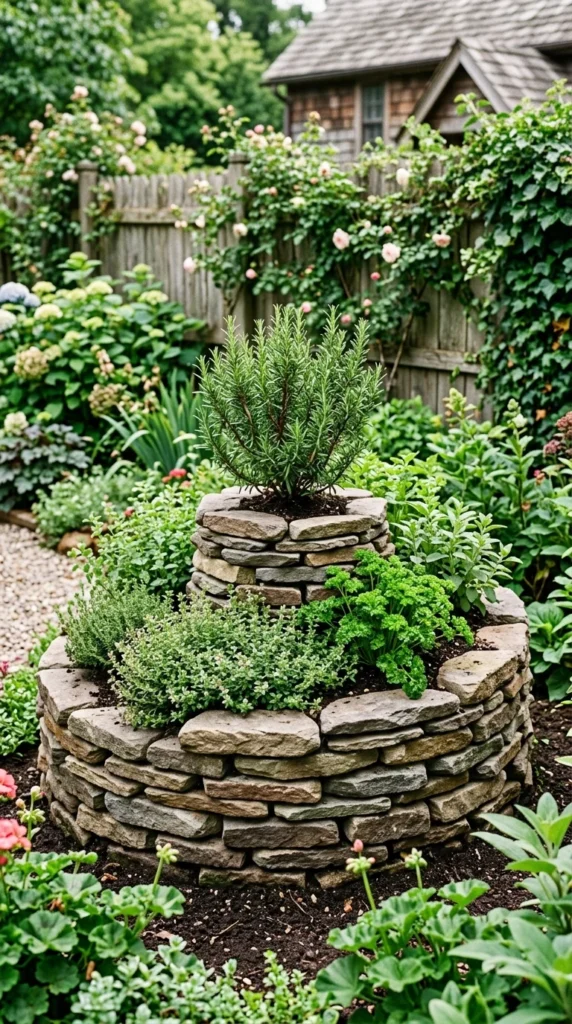
A herb spiral is a beautiful and space-efficient way to grow a variety of culinary plants. The spiral design creates different microclimates—the top is dry and sunny, while the bottom is moist and shaded—allowing you to grow diverse herbs in a very small footprint. It serves as both a functional garden and a sculptural element in your retreat.
21. Stepping Stone Paths
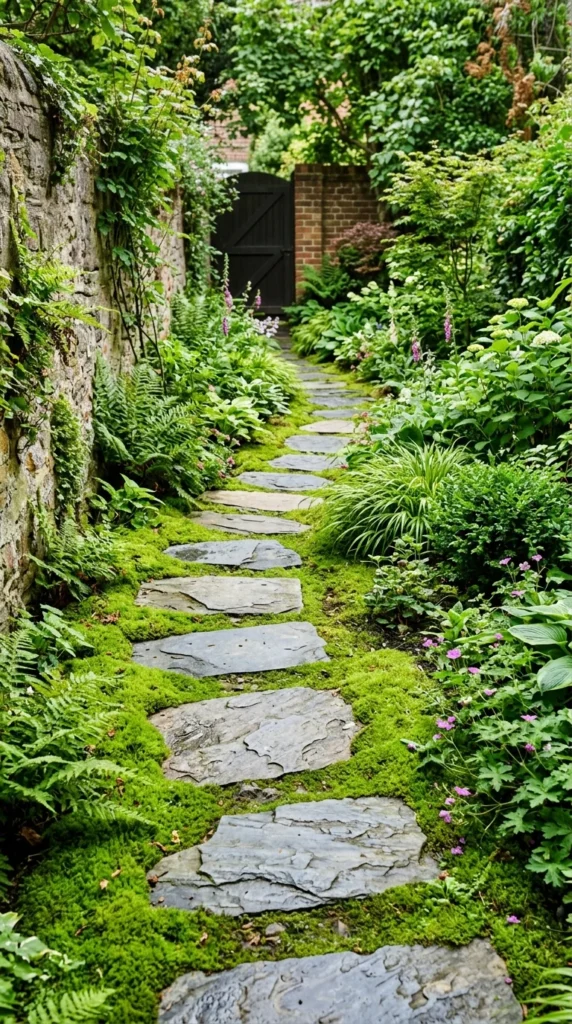
Even in a tiny yard, a path creates a sense of journey and exploration. Using stepping stones instead of a solid walkway keeps the space feeling open and organic. Surround the stones with low-growing groundcover like Irish moss or creeping thyme, which will release a pleasant scent when stepped upon, further engaging the senses in your retreat.
22. Wall Art
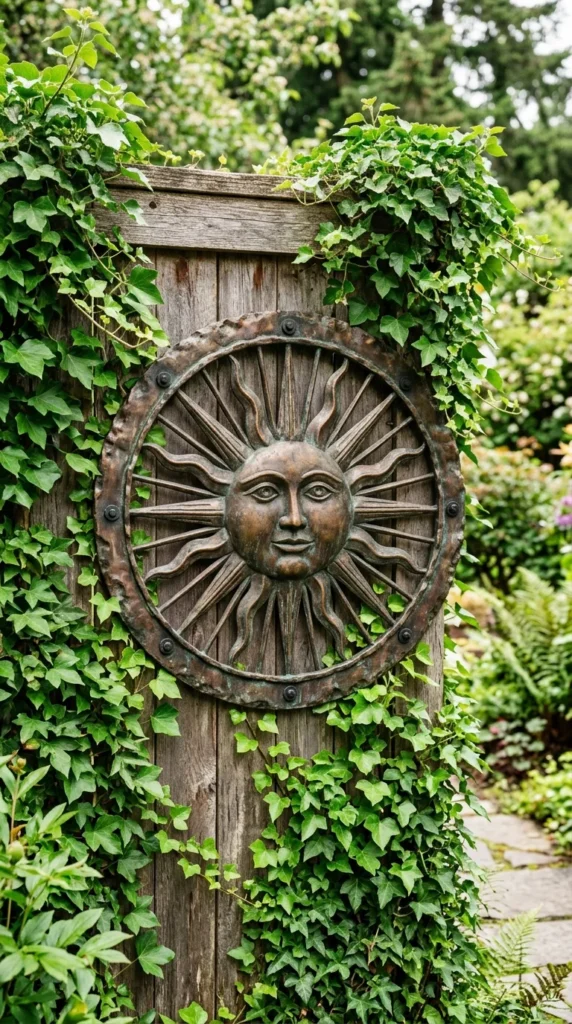
Don’t leave your fences and walls bare. Weatherproof wall art—such as metal sculptures, ceramic tiles, or even decorative ironwork—adds personality and a focal point to a small yard. This draws the eye upward and outward, making the boundaries of your retreat feel like a curated gallery rather than just a fence.
23. Miniature Greenhouses
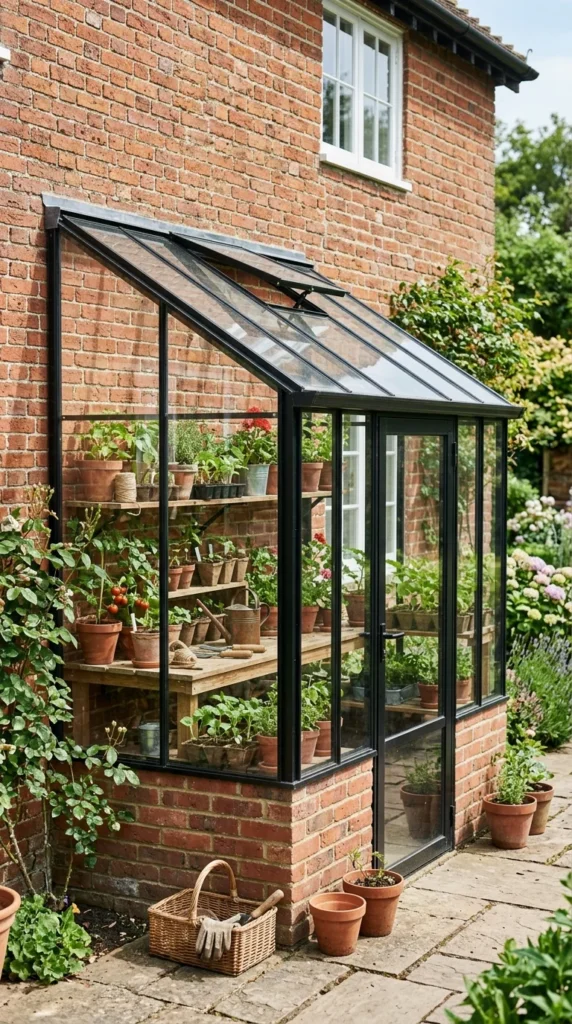
For the gardening enthusiast with limited space, a miniature greenhouse or a “cold frame” allows you to extend the growing season. These structures can be very small and stylish, fitting against a wall or in a sunny corner. They provide a dedicated space for nurturing young plants and add a sophisticated, botanical feel to the backyard.
24. Accent Lighting
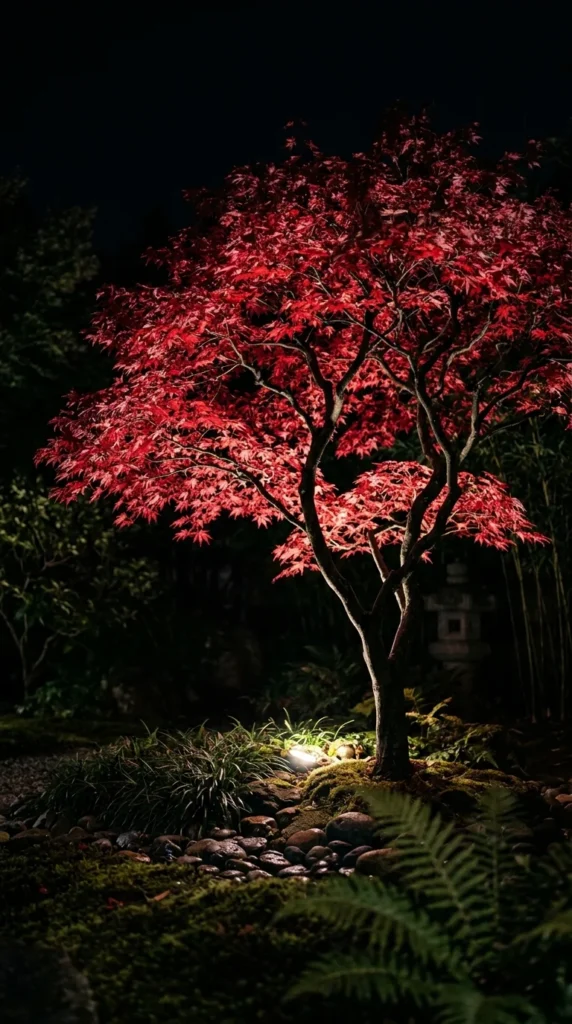
While string lights provide ambient light, accent lighting is used to highlight specific features like a beautiful tree, a statue, or a textured wall. Low-voltage LED spotlights or “uplights” add drama and depth to the landscape at night. By illuminating the perimeter of the yard, you visually push back the boundaries, making your small retreat feel more expansive and professionally designed.