
Raised garden beds have revolutionized the way both amateur and professional horticulturists approach food production and ornamental gardening. By lifting the growing area above the natural grade, gardeners gain unparalleled control over soil quality, drainage, and ergonomics. Beyond the functional benefits, the layout of these beds serves as the structural backbone of a landscape, defining pathways and creating visual harmony.
The following 24 layout ideas range from classic utilitarian designs to avant-garde architectural statements, all designed to enhance the efficiency and beauty of your outdoor space.
1. Classic Rectangles
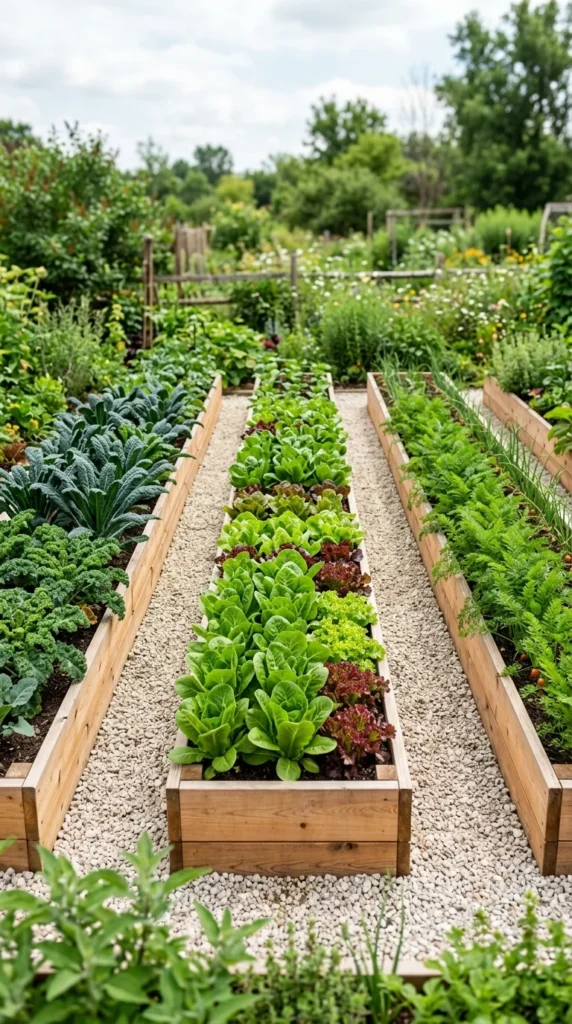
The classic rectangular layout is the gold standard for a reason: it maximizes growing space while maintaining easy access from all sides. To ensure ergonomics, these beds are typically four feet wide, allowing a gardener to reach the center from either side without stepping into the soil and causing compaction. This arrangement is ideal for crop rotation and installing standardized irrigation systems.
2. U-Shaped Enclosures
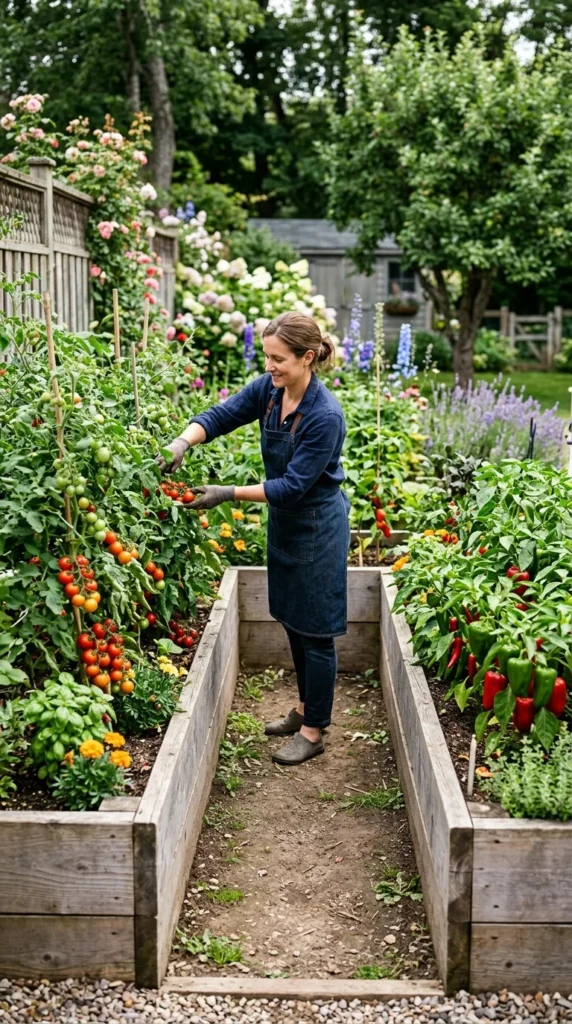
Often referred to as the “gardener’s cockpit,” the U-shaped layout creates an immersive experience. By wrapping the growing area around a central standing point, you minimize the amount of walking required to tend to your plants. This design is particularly effective for high-maintenance crops that require frequent pruning or harvesting, such as indeterminate tomatoes or pole beans.
3. L-Shaped Corners
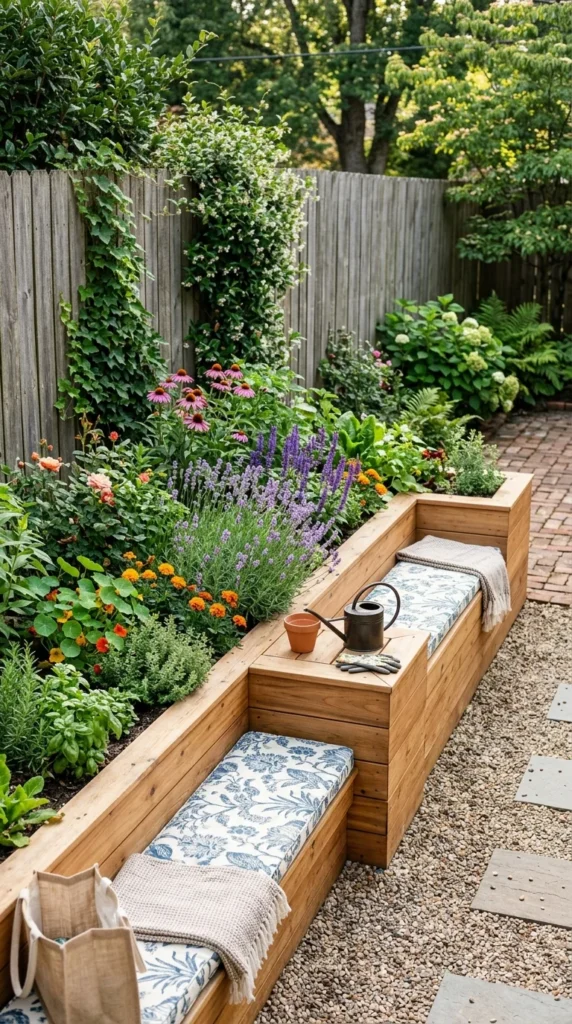
L-shaped beds are the perfect solution for maximizing underutilized corners of a yard or patio. They provide a structural frame that can define the edges of a garden “room.” These layouts work exceptionally well when paired with a fence or a wall, creating a clean, finished look that integrates seamlessly with existing architecture.
4. Tiered Stairs
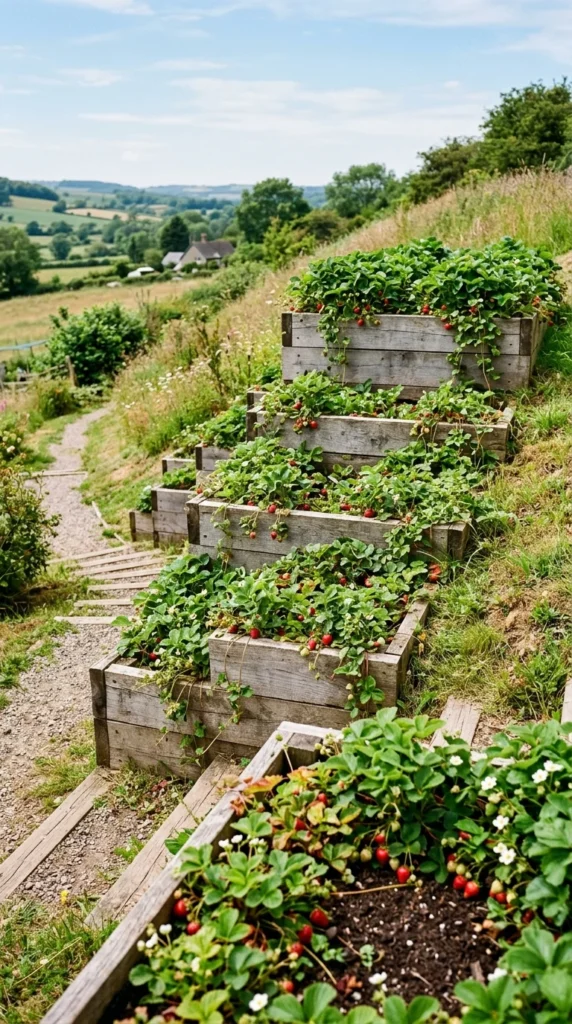
For properties with sloping terrain, tiered or stepped raised beds are essential. Not only do they prevent soil erosion, but they also turn a difficult landscape into a stunning focal point. Each “step” can be dedicated to a different plant family, and the verticality ensures that even shorter plants receive ample sunlight without being shaded by their neighbors.
5. Circular Hub
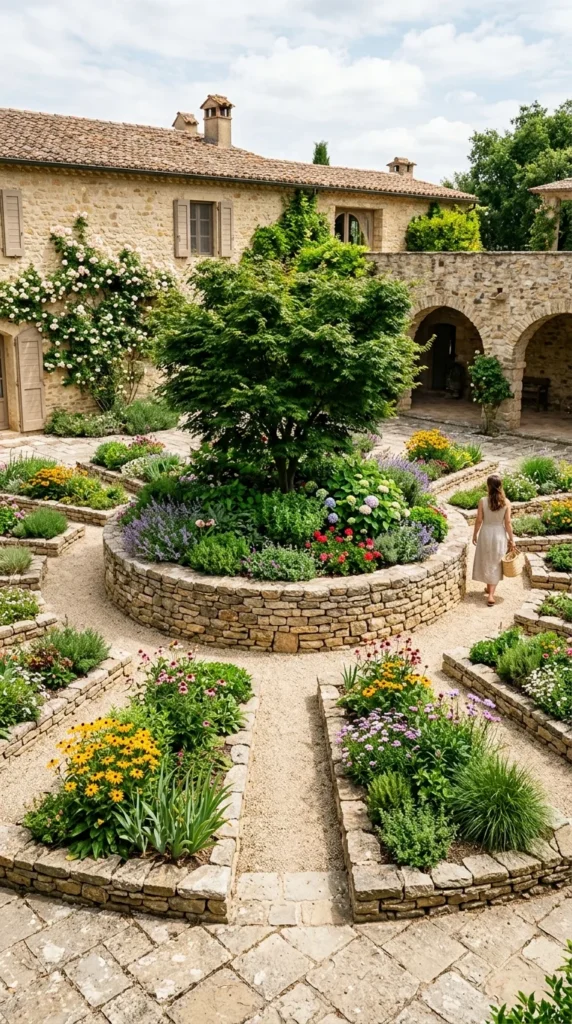
A circular layout breaks the monotony of straight lines and introduces an organic, flowing feel to the garden. A central circular bed can act as a “hub” for herbs or a specimen fruit tree, while surrounding beds radiate outward. This design is highly aesthetic and works beautifully in formal gardens or cottage-style landscapes.
6. Keyhole Gardens
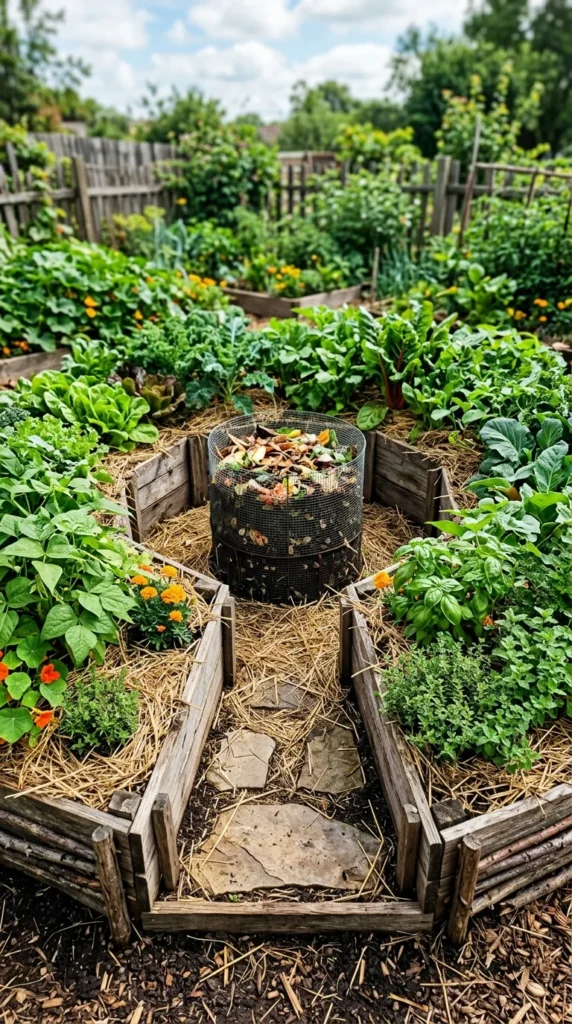
Originating from sustainable gardening practices, the keyhole garden is a circular bed with a notched pathway leading to a central composting basket. This layout is designed for maximum efficiency: kitchen scraps go into the center, and nutrients leach directly into the surrounding soil. It is a self-fertilizing system that is as beautiful as it is functional.
7. Vertical Walls
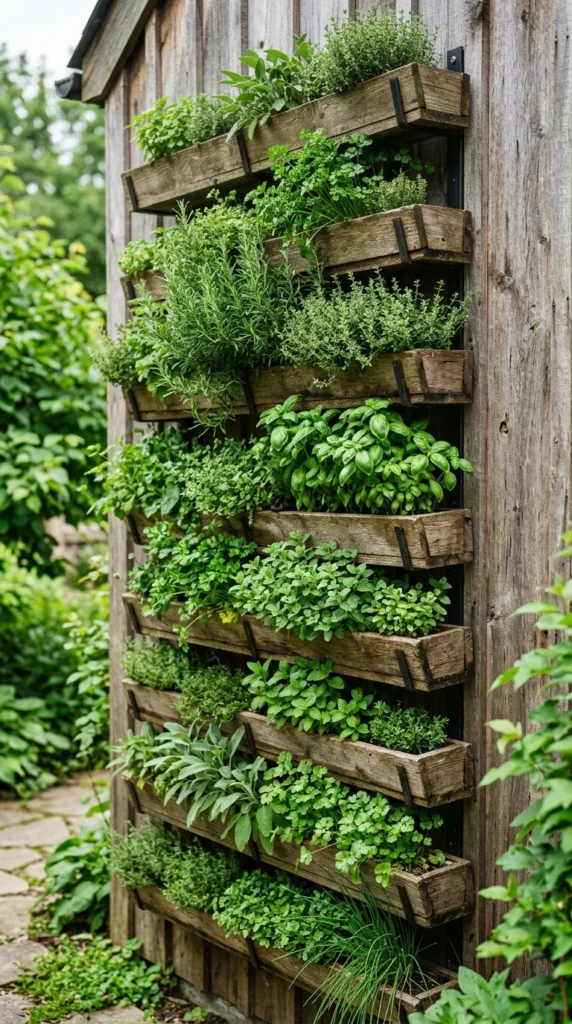
When horizontal space is at a premium, look upward. Vertical raised beds—often constructed as a series of stacked troughs or a “green wall”—allow you to grow a massive amount of produce in a tiny footprint. This layout is particularly effective for urban balconies or narrow side yards, focusing on shallow-rooted crops like lettuce, herbs, and strawberries.
8. Corrugated Metal
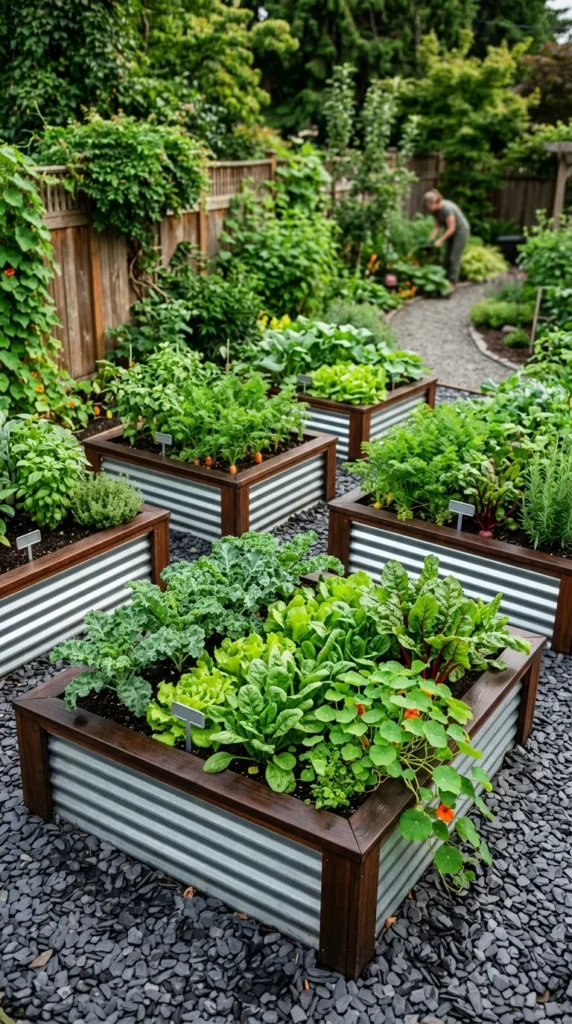
Corrugated metal beds offer a sleek, industrial-modern aesthetic. They are incredibly durable and excellent at reflecting heat, which can help warm the soil earlier in the spring. Layouts using these materials often look best in crisp, geometric grids, providing a sharp contrast to the soft, organic shapes of the plants within.
9. Woven Willow
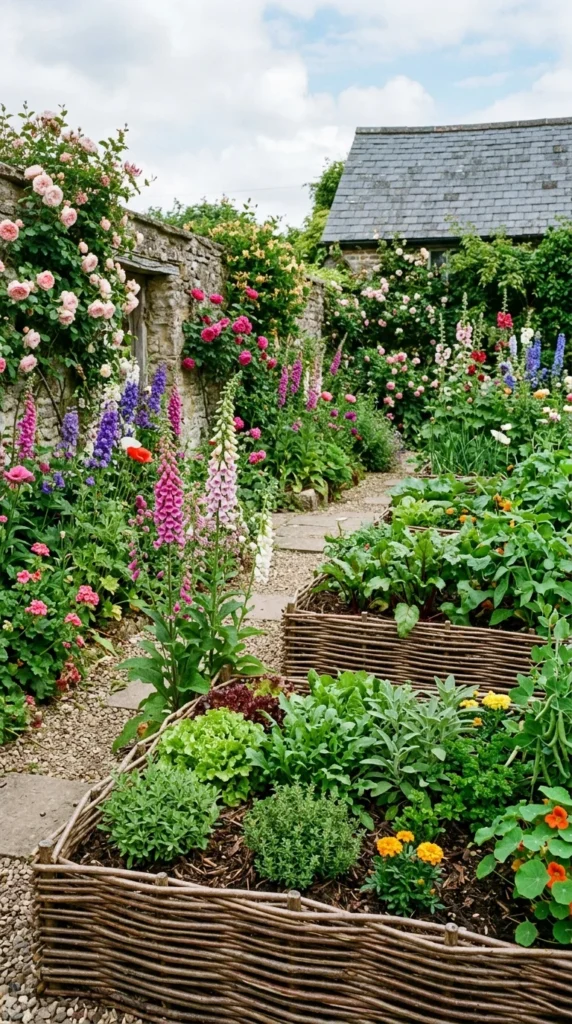
For a rustic or “cottagecore” aesthetic, woven willow or hazel (known as wattle) provides a beautiful, biodegradable option. These beds have an ancient, handcrafted feel and are perfect for informal gardens. The breathable nature of the woven wood allows for excellent soil aeration, though they may require more frequent watering in dry climates.
10. Stone Borders
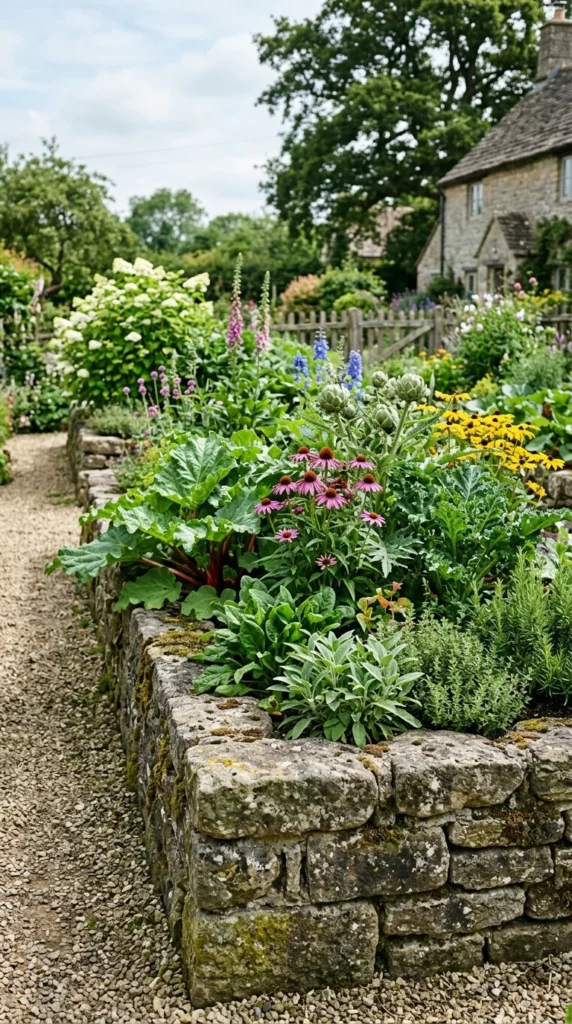
Stone-walled beds offer a sense of permanence and timelessness. Using dry-stack or mortared stone creates a thermal mass that absorbs heat during the day and releases it at night, extending the growing season for sensitive plants. This layout is ideal for perennial beds where the structure will remain unchanged for decades.
11. Hexagonal Honeycomb
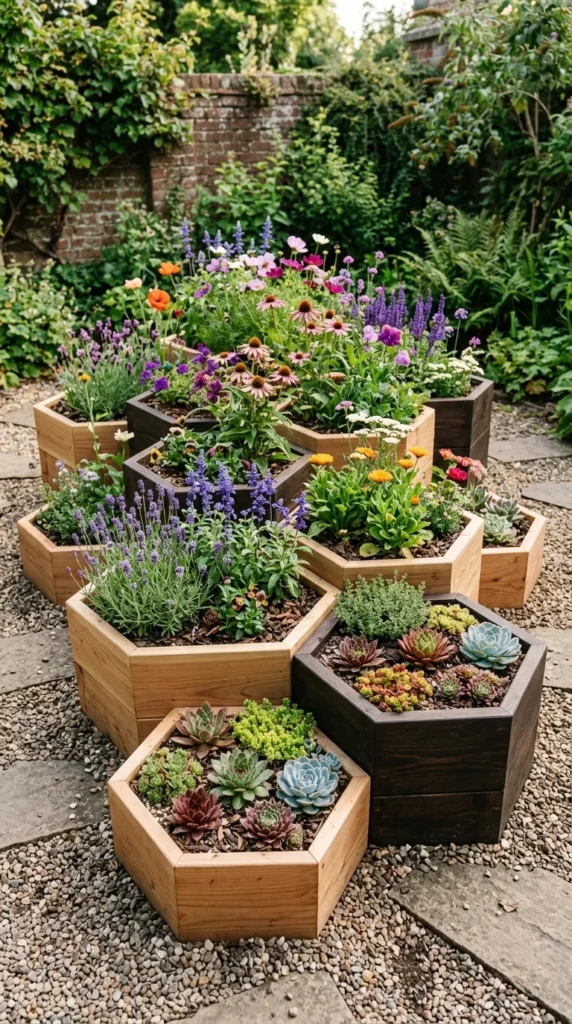
The hexagonal layout is a geometric marvel that allows for modular expansion. Like a honeycomb, these beds can be fitted together in various configurations, creating a visually stimulating pattern. This design is excellent for creating “pocket” gardens where different soil types can be used in adjacent hexagons to suit specific plant needs.
12. Integrated Seating

Combining gardening with relaxation, beds with integrated seating feature a wide “cap” or a built-in bench along one side. This layout encourages you to spend more time in the garden and provides a comfortable place to work. It is a thoughtful design for those with mobility issues or anyone who enjoys the meditative aspect of weeding and harvesting.
13. Trellised Arches

Trellised arches bridge the gap between two raised beds, utilizing the “airspace” above the paths. This layout is spectacular for climbing crops like squash, beans, or grapes. Walking under a canopy of hanging fruit makes harvesting a magical experience and significantly increases your square footage of growing space.
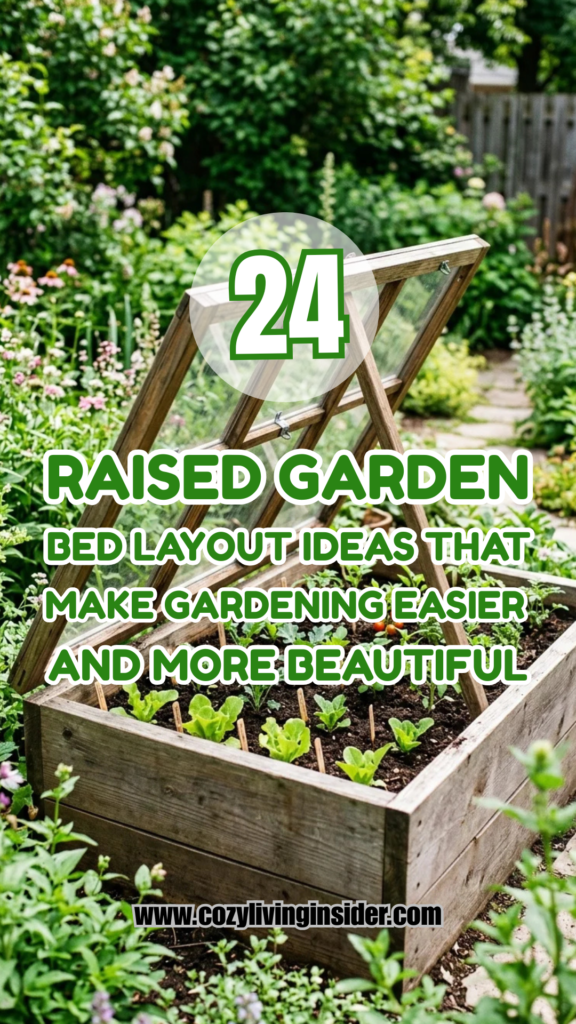
14. Greenhouse Toppers
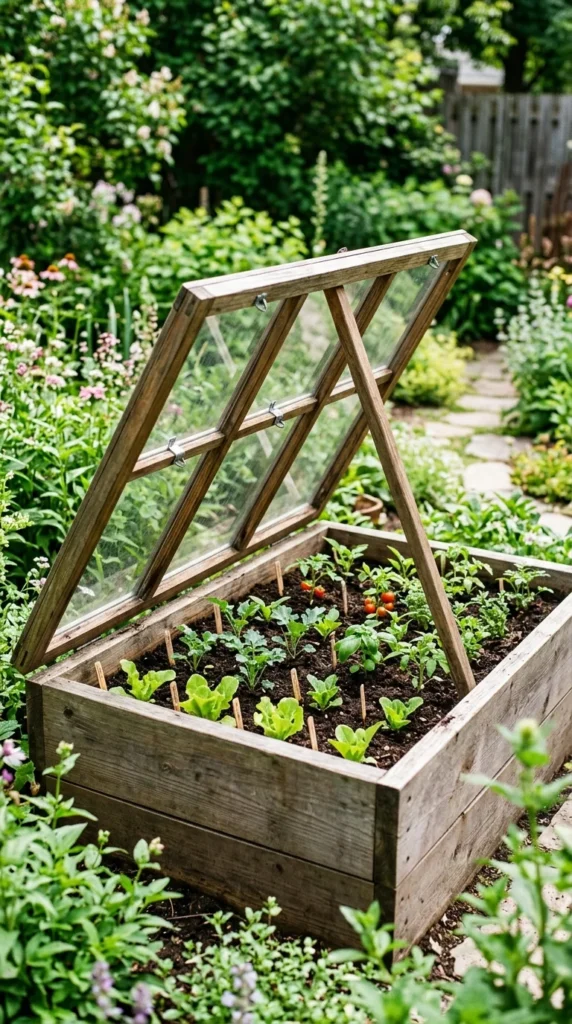
Layouts that incorporate “cold frames” or greenhouse lids allow for year-round gardening. By building a hinged glass or polycarbonate top directly onto the raised bed frame, you create a protected micro-climate. This is ideal for starting seeds in late winter or keeping greens growing through the first frosts of autumn.
15. Wheelchair Accessible
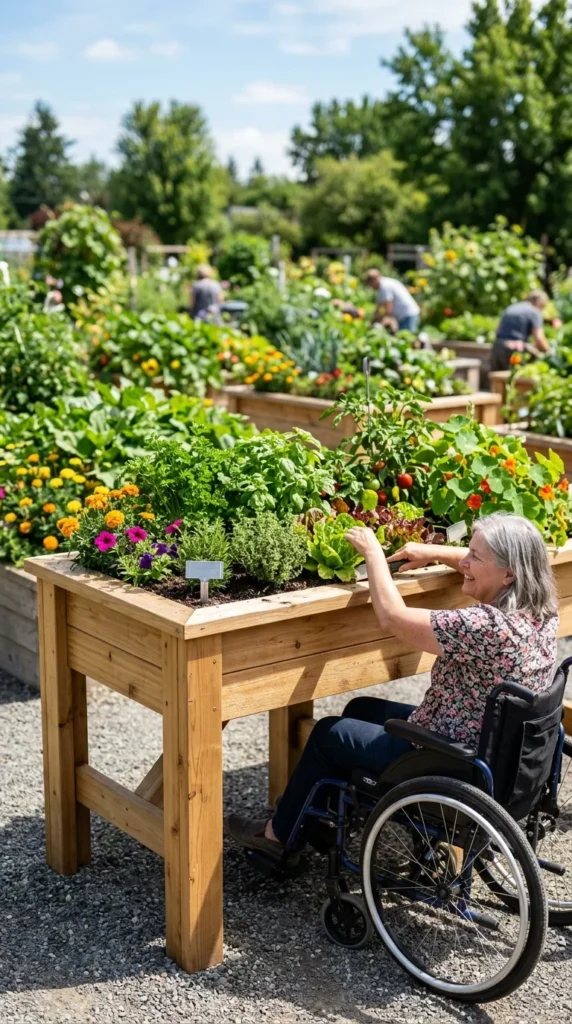
True accessibility in the garden means designing beds that can be reached without bending or from a seated position. These beds are typically elevated on sturdy legs or built to a height of 30 to 36 inches. A layout featuring wide, paved paths between these elevated beds ensures that gardening remains an inclusive activity for everyone.
16. Herb Spirals
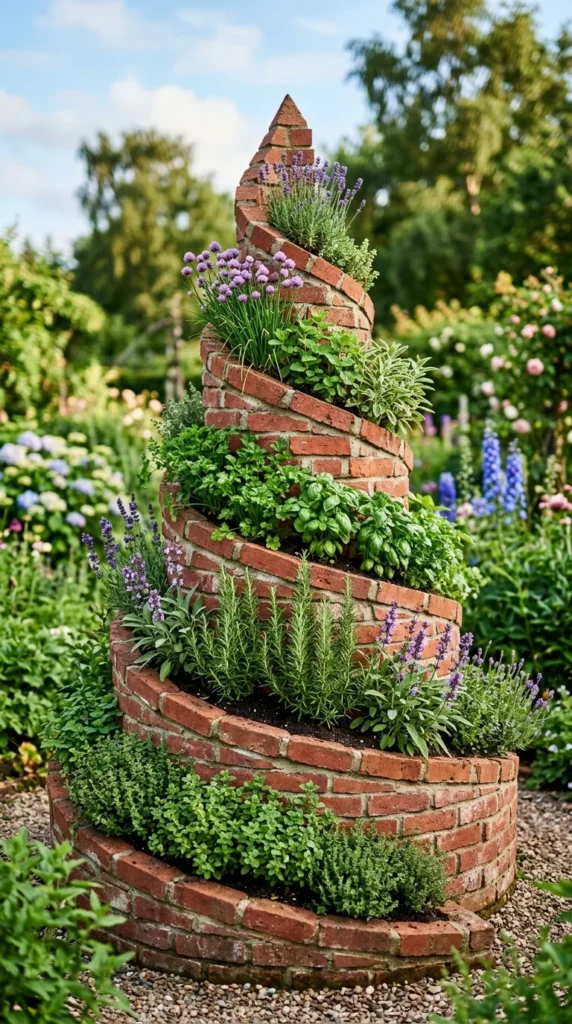
An herb spiral is a three-dimensional layout that creates various micro-climates in a small footprint. The top of the spiral is dry and sunny (perfect for rosemary and thyme), while the bottom remains cooler and more moist (ideal for mint or parsley). This vertical spiral is a beautiful, sculptural addition to any kitchen garden.
17. Stepping Stone Paths
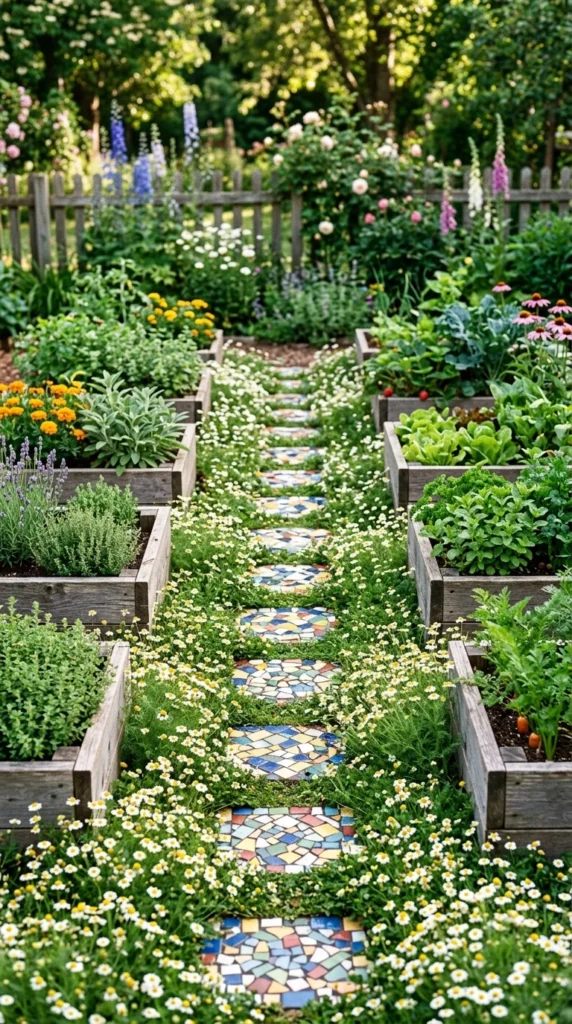
Integrating the pathway into the bed layout itself can create a “secret garden” feel. By using stepping stones nestled between low-profile raised beds, you create a winding journey through the greenery. This layout is less about production and more about the sensory experience of walking through the garden.
18. Geometric Symmetry
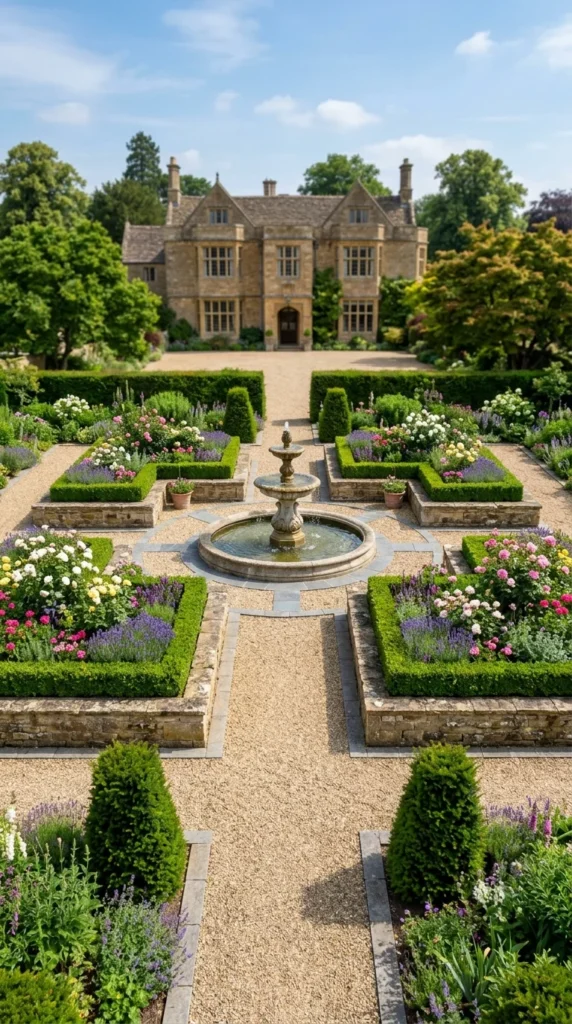
For those who prefer a formal look, a symmetrical layout provides a sense of order and balance. Mirroring beds on either side of a central axis creates a professional, high-end appearance. This style works best with clean lines, manicured edges, and consistent materials like painted wood or polished stone.
19. Cattle Panel Tunnels
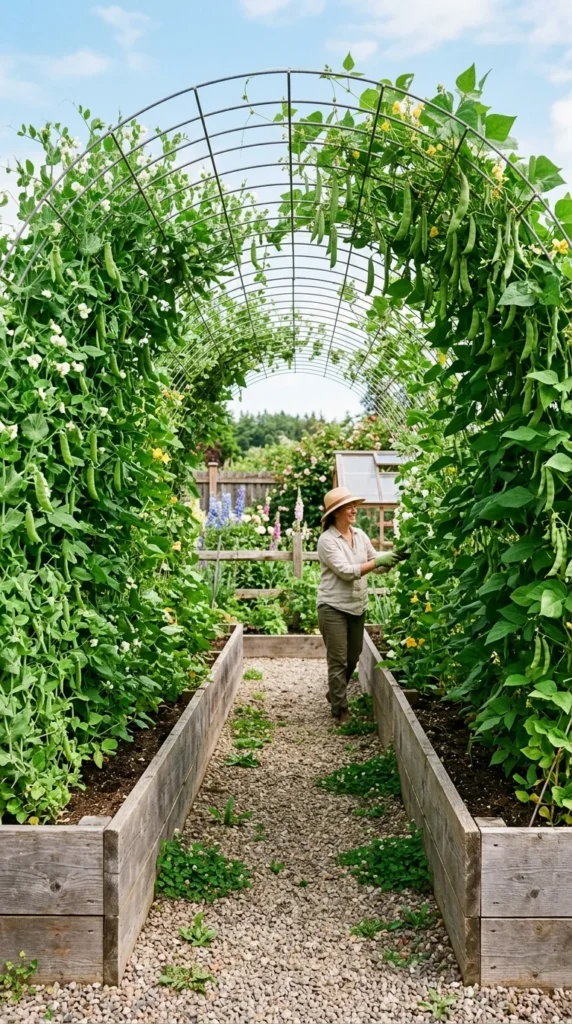
Similar to trellised arches but on a larger scale, cattle panel tunnels create a walk-through “living hallway.” This layout is incredibly cost-effective and provides a sturdy structure for heavy crops like melons or winter squash. It transforms the garden into a structural landscape feature that provides shade for the paths below.
20. Self-Watering Wicking Beds

Wicking beds are a technological layout focused on water conservation. A reservoir at the bottom of the bed allows water to “wick” upward into the soil through capillary action. This layout is perfect for hot, dry climates or for gardeners who travel frequently, as it drastically reduces the frequency of manual watering.
21. Color-Coded Sections
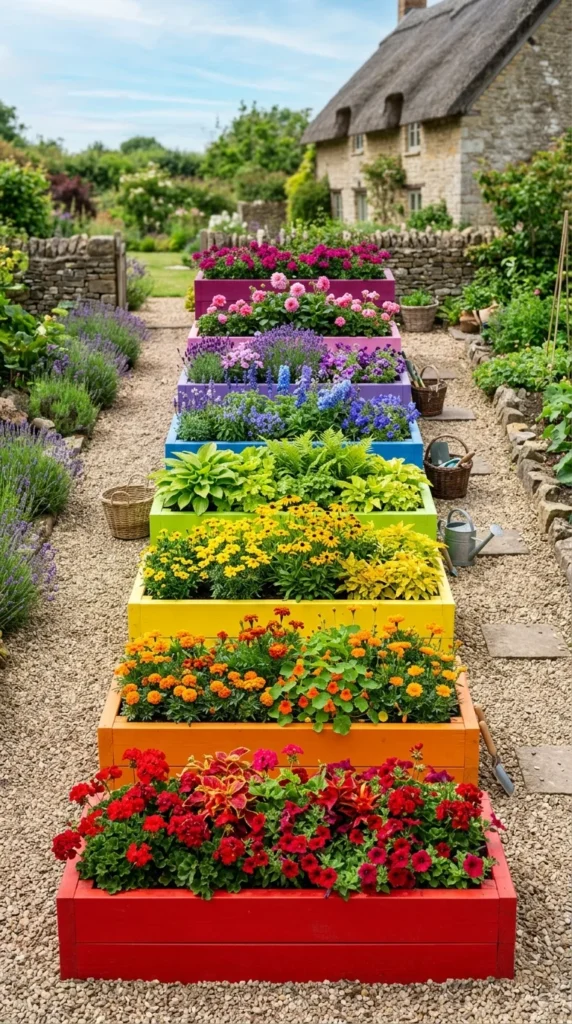
Aesthetic organization can be achieved by using color-coded beds. Whether through the paint on the wood or the selection of plants within, this layout creates a vibrant, rainbow-like effect. It is a fantastic way to engage children in gardening, assigning “their” color to a specific bed they are responsible for.
22. Multi-Level Platforms
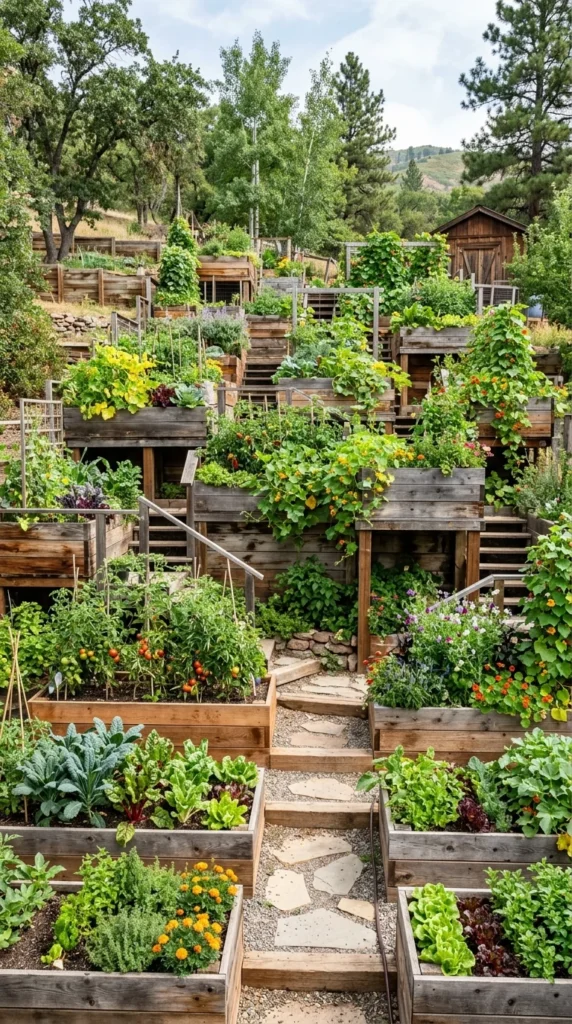
By varying the heights of your raised beds, you create visual depth and complexity. Taller beds can act as a backdrop for lower beds, creating a “grandstand” effect where every plant is visible. This layout is particularly useful for small gardens where you want to create the illusion of more space.
23. Mobile Planters
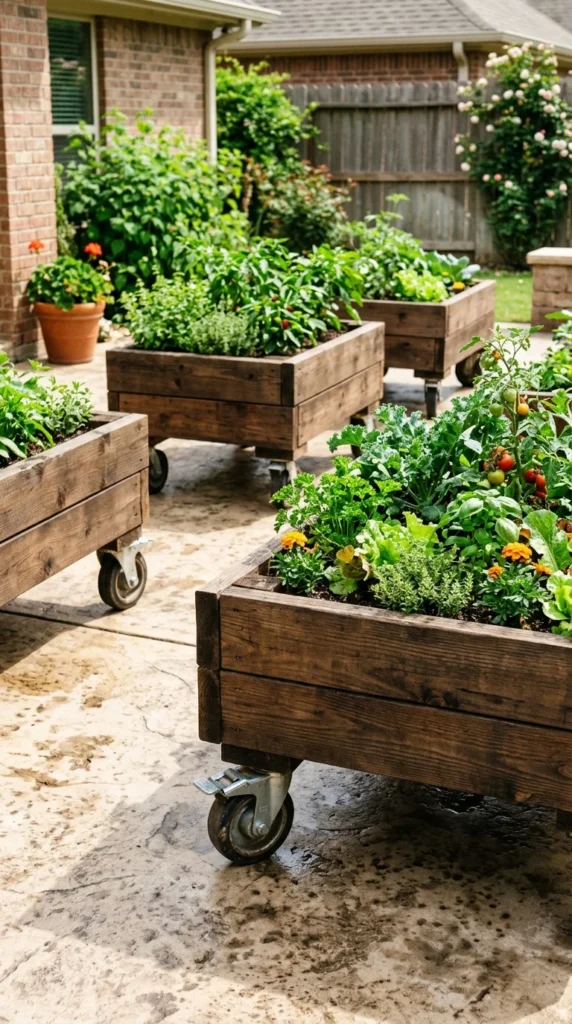
Mobile raised beds are the ultimate in flexibility. Mounted on heavy-duty wheels, these beds can be moved to follow the sun throughout the seasons or cleared away to make room for entertaining. This layout is a favorite for patio gardeners and those with changing light conditions.
24. Integrated Composting
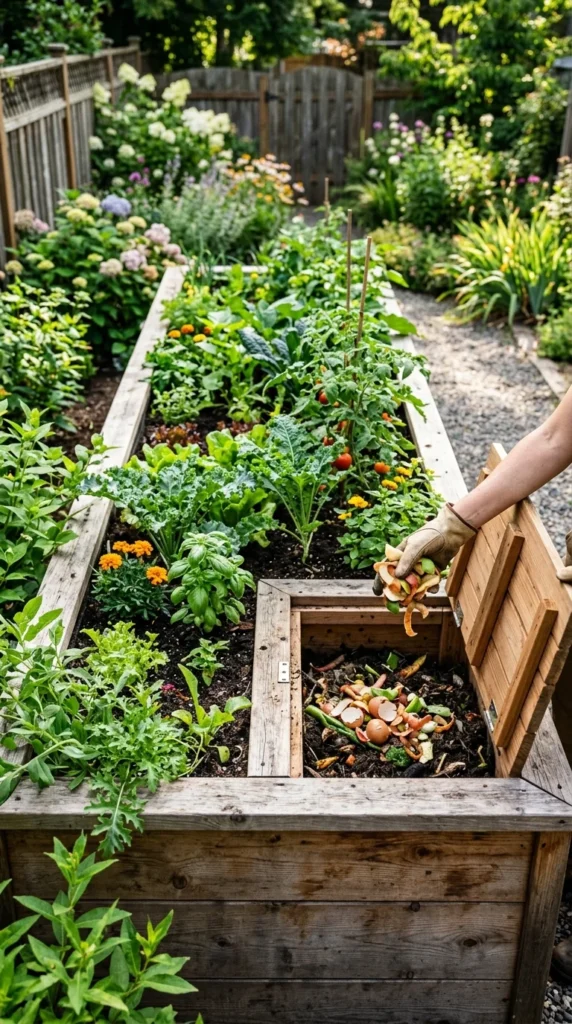
This layout integrates the waste cycle directly into the growing area. A dedicated section at one end of a long bed serves as an active compost bin. As the organic matter breaks down, worms migrate between the compost and the growing soil, naturally aerating and fertilizing the entire bed. It is a closed-loop system that simplifies garden maintenance.
Planning Your Layout for Success
When choosing from these 24 ideas, consider the specific needs of your site. Pay attention to the sun’s path, ensuring that your tallest beds or trellises are situated on the north side so they don’t shade out smaller plants. Furthermore, ensure your pathways are wide enough—typically 24 to 36 inches—to accommodate a wheelbarrow or garden cart.
By combining functional design with artistic flair, your raised garden beds will not only provide a bountiful harvest but will also serve as a beautiful sanctuary for years to come.