
The concept of a Zen garden, or Karesansui, originated in 11th-century Japan as a space for meditation and mindfulness. Unlike traditional Western gardens that often focus on vibrant floral displays and sprawling lawns, a Zen garden emphasizes minimalism, symbolism, and the natural world’s raw beauty. By incorporating specific elements like stone, water, and sand, you can transform a chaotic backyard into a sanctuary of peace. Whether you have a sprawling estate or a tiny urban patio, these 24 ideas will help you design a landscape that nourishes the soul and provides a much-needed escape from the modern world.
1. Raked Sand
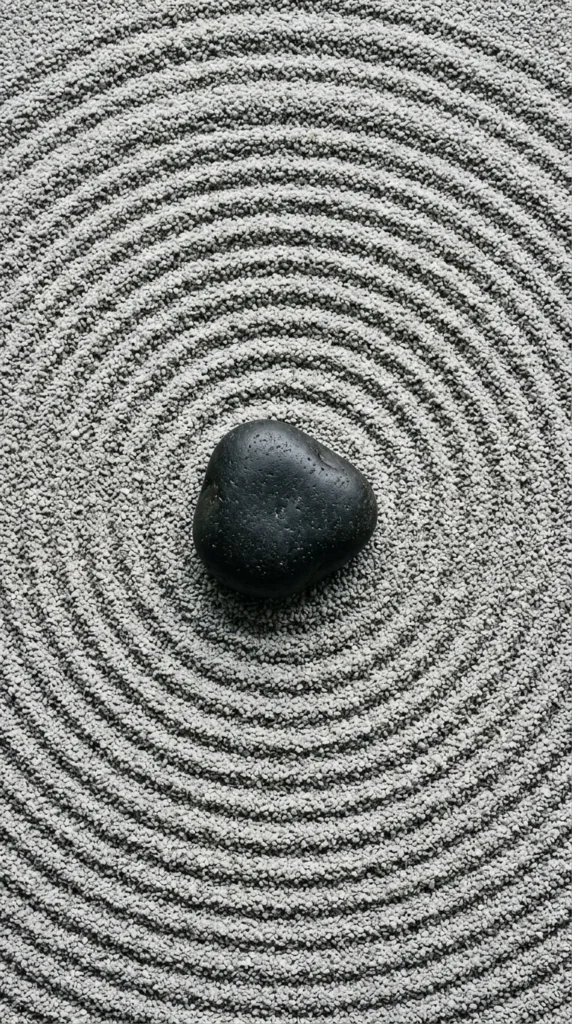
Raked sand or fine gravel is perhaps the most iconic element of a Zen garden. Known as “dry landscapes,” these areas represent the ripples of water in an ocean or a flowing river. The act of raking the sand is itself a meditative practice, requiring focus and patience. Use a wooden rake to create swirling patterns or straight lines that flow around larger rocks, symbolizing the way water interacts with islands. For longevity, choose a crushed granite or fine pea gravel that holds its shape against the wind and rain.
2. Moss Carpets
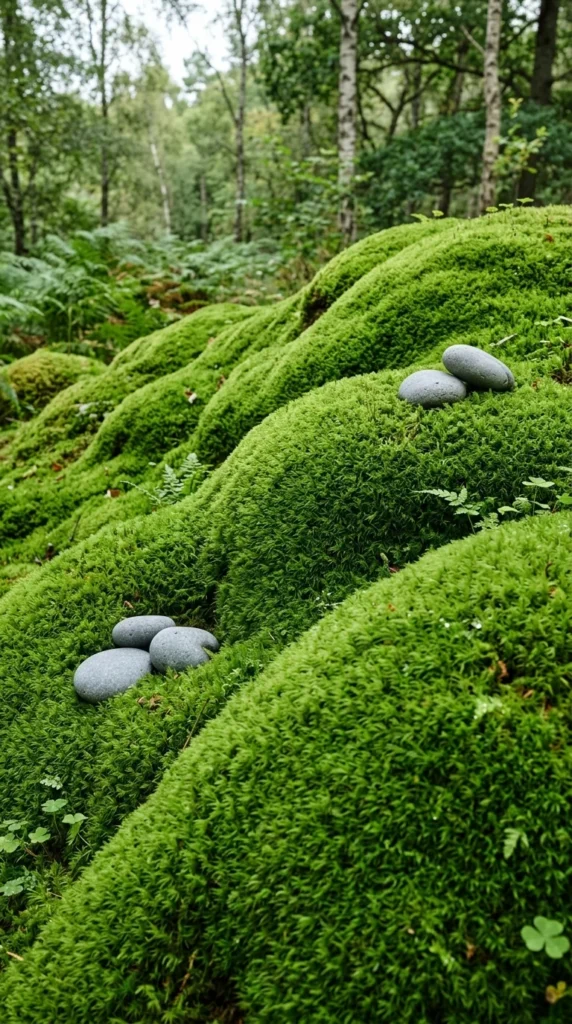
In Japanese garden design, moss symbolizes age, wisdom, and tranquility. It provides a soft, organic contrast to the hard textures of stone and wood. If your backyard has a shady, damp area, cultivating a moss carpet is an excellent way to introduce a deep sense of calm. Different varieties, like Sheet Moss or Cushion Moss, offer varying textures. If moss is difficult to grow in your climate, low-growing groundcovers like Irish Moss (Sagina subulata) can provide a similar visual effect.
3. Stone Lanterns
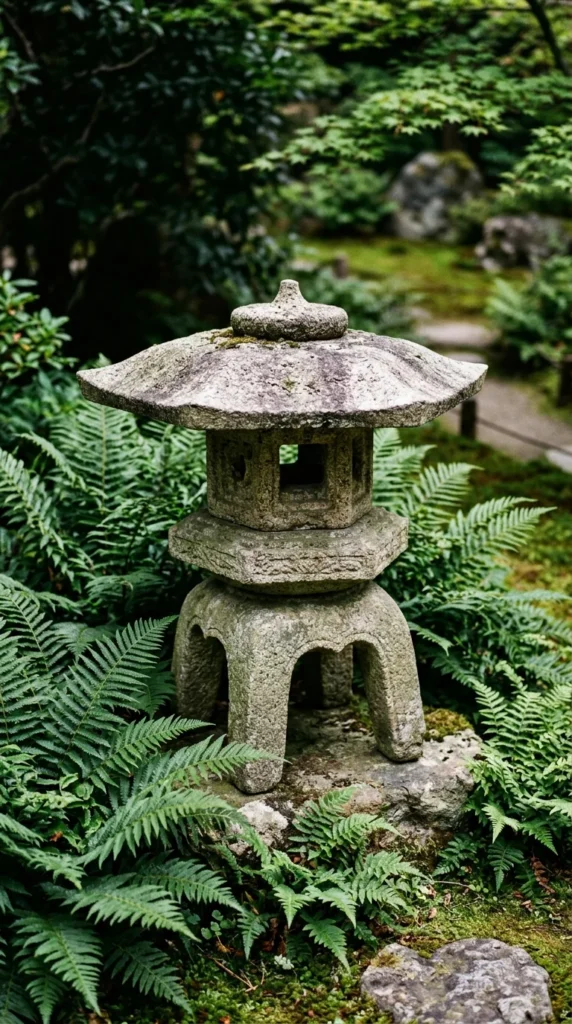
Stone lanterns, or Ishidouro, were originally used to light the paths to Buddhist temples. In a modern backyard Zen garden, they serve as architectural focal points and provide a soft, ambient glow at night. Choose a design that fits your space; “pedestal” lanterns add height, while “buried” lanterns feel more integrated into the ground. These structures represent the five elements of Buddhist cosmology: earth, water, fire, wind, and spirit.
4. Bamboo Fencing
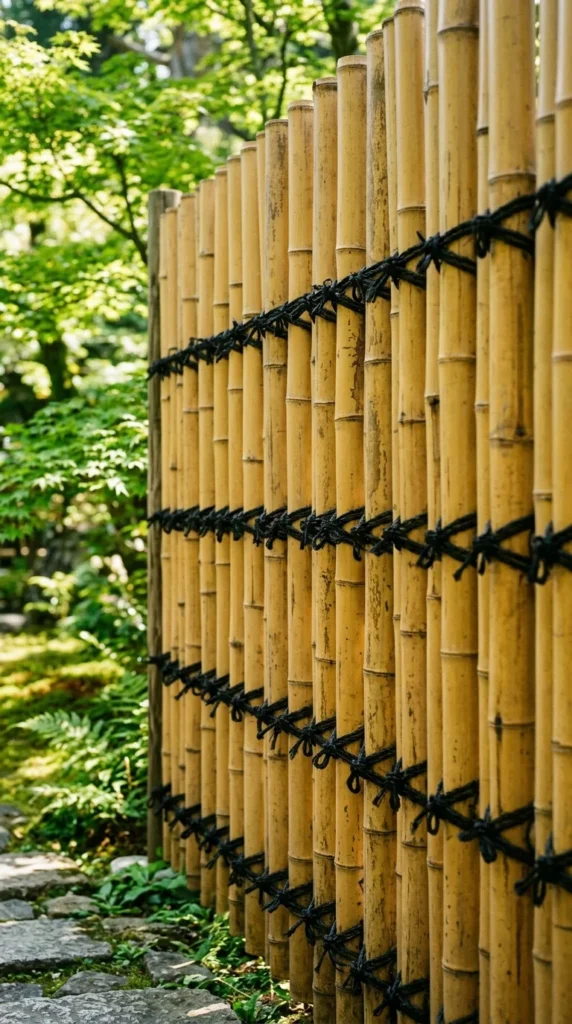
Privacy is essential for a true meditation space. Bamboo fencing offers a sustainable and aesthetically pleasing way to wall off the outside world. The vertical lines of the bamboo create a sense of height and order, while the natural material blends seamlessly with the plants. You can use full-height bamboo screens for perimeter fencing or shorter “sleeve fences” to hide utility areas or define different “rooms” within your garden.
5. Tsukubai Basins
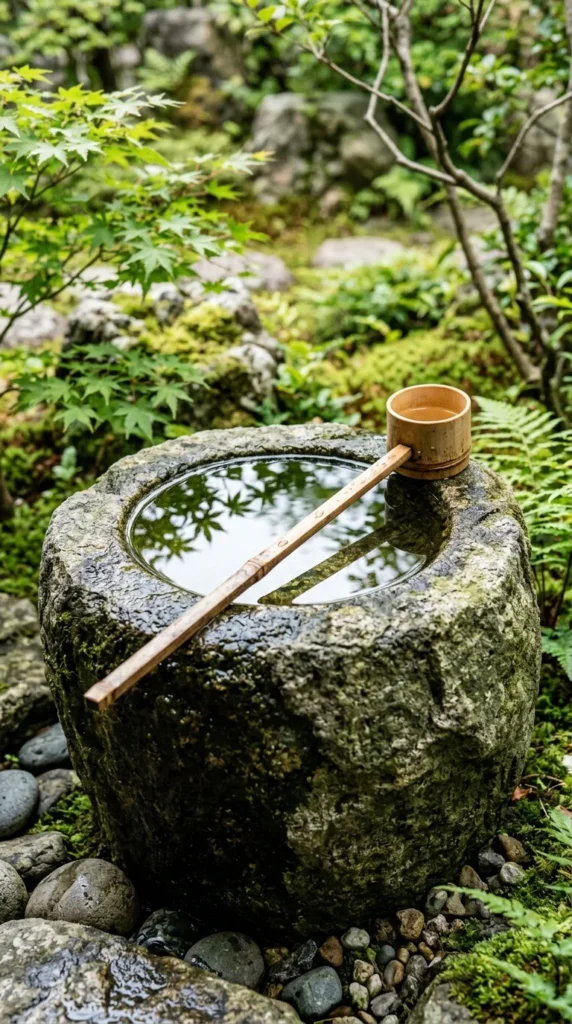
A Tsukubai is a traditional washbasin used to purify oneself before a tea ceremony. Incorporating one into your backyard adds the soothing sound of trickling water. These basins are typically low to the ground, requiring the user to crouch down—a gesture of humility. Surround the basin with smooth river stones and a few shade-loving plants like hostas to create a cooling, refreshening micro-environment.
6. Stepping Stones
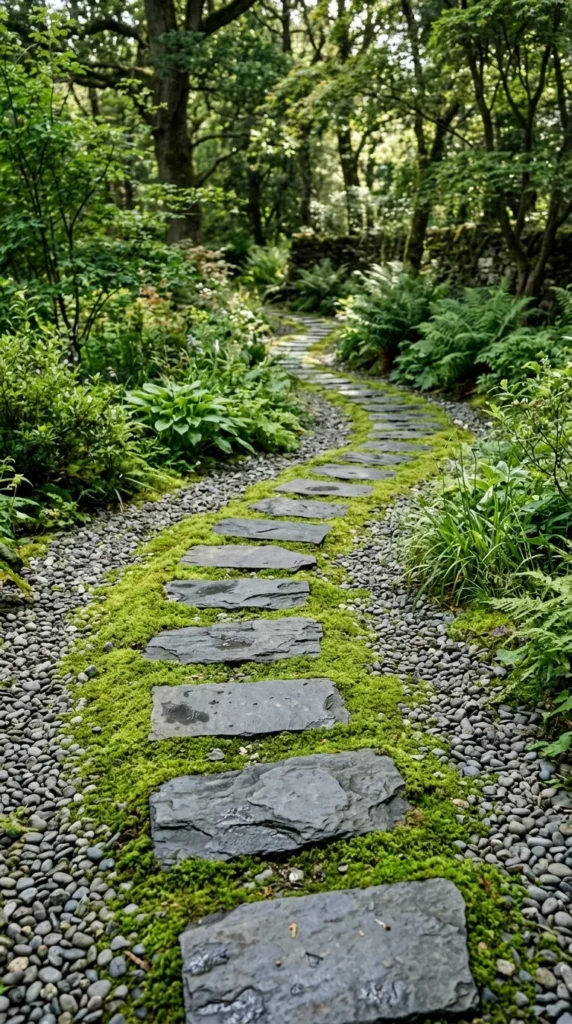
Paths in a Zen garden are rarely straight. A winding path of stepping stones, or Tobi-ishi, encourages visitors to slow down and pay attention to where they are stepping, bringing them into the present moment. Use stones with flat tops but irregular edges to maintain a natural look. The spacing between the stones can influence the pace of your walk; wider gaps suggest a slower, more deliberate stroll.
7. Dry Riverbeds
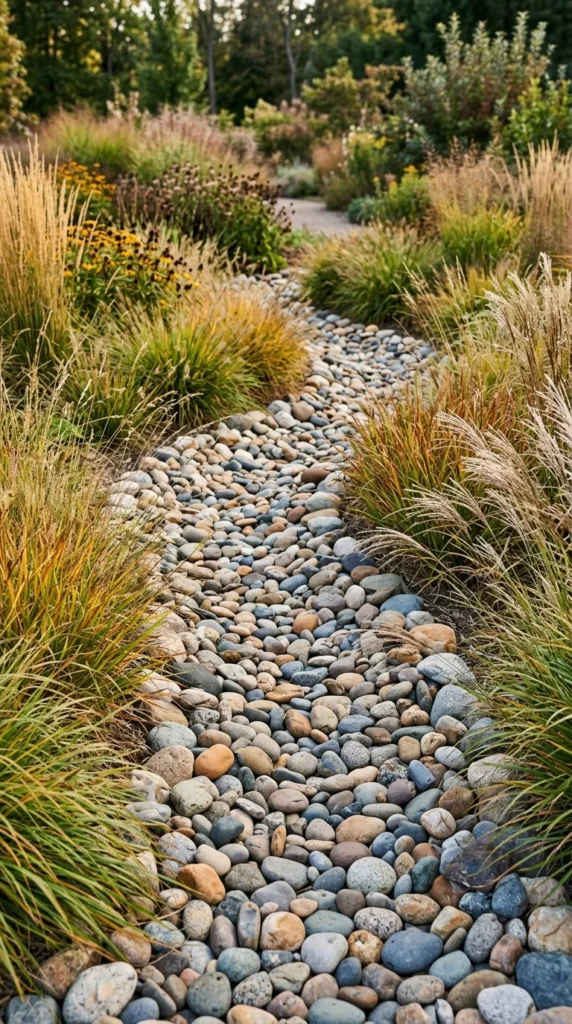
If you want the visual appeal of water without the maintenance of a pond, a dry riverbed is the perfect solution. Use varying sizes of river rock—from tiny pebbles to large boulders—to mimic the natural flow of a stream. You can “plant” large rocks in the middle of the riverbed to act as “islands,” breaking up the flow and adding visual interest. This technique is also excellent for managing drainage in sloped backyards.
8. Pagoda Statues
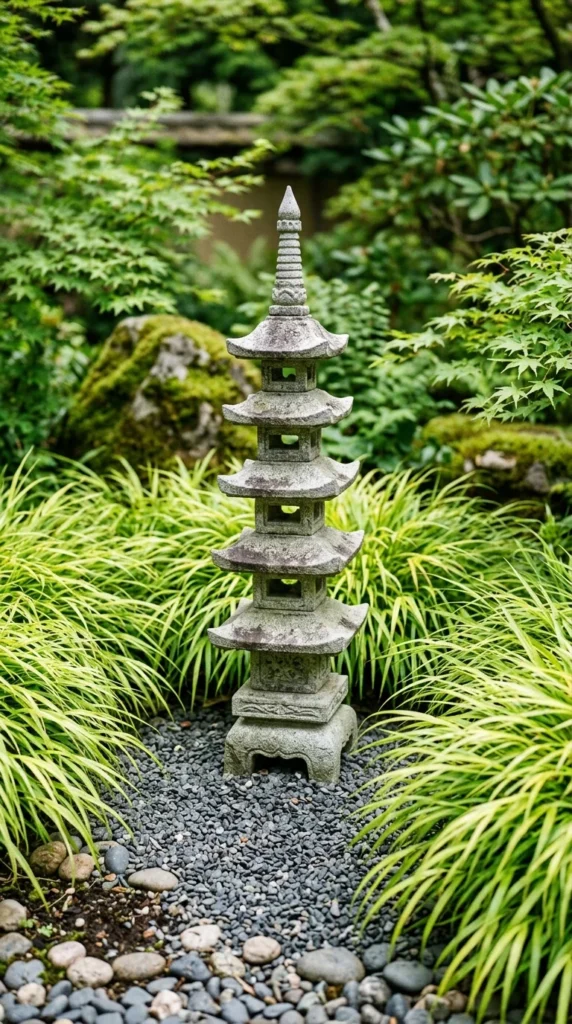
A pagoda statue adds a sense of verticality and spiritual significance to the landscape. These tiered structures are stylized versions of traditional East Asian temples. When placing a pagoda, avoid putting it in the dead center of the garden. Instead, nestle it among some shrubs or near a focal tree to create a sense of discovery. The weathered texture of stone pagodas adds an “old world” charm that grounds the garden in history.
9. Rock Formations

In Zen philosophy, rocks are the “bones” of the earth. The arrangement of stones is the most critical aspect of garden design. Rocks should be grouped in odd numbers (usually three or five) and partially buried to make them look like they have been there for centuries. Choose weathered stones with interesting textures and colors. A tall, vertical stone often represents a mountain or a deity, while flat, horizontal stones represent the earth or reclining animals.
10. Bridge Structures

A bridge in a Zen garden symbolizes the transition from one world to another or the path to enlightenment. It doesn’t need to cross a large body of water; even a small bridge over a dry riverbed or a patch of low-growing plants can be effective. Keep the design simple and rustic. A flat stone slab can serve as a “bridge” for a very minimalist look, or a slightly arched wooden structure can add a touch of classic Japanese elegance.
11. Maple Trees
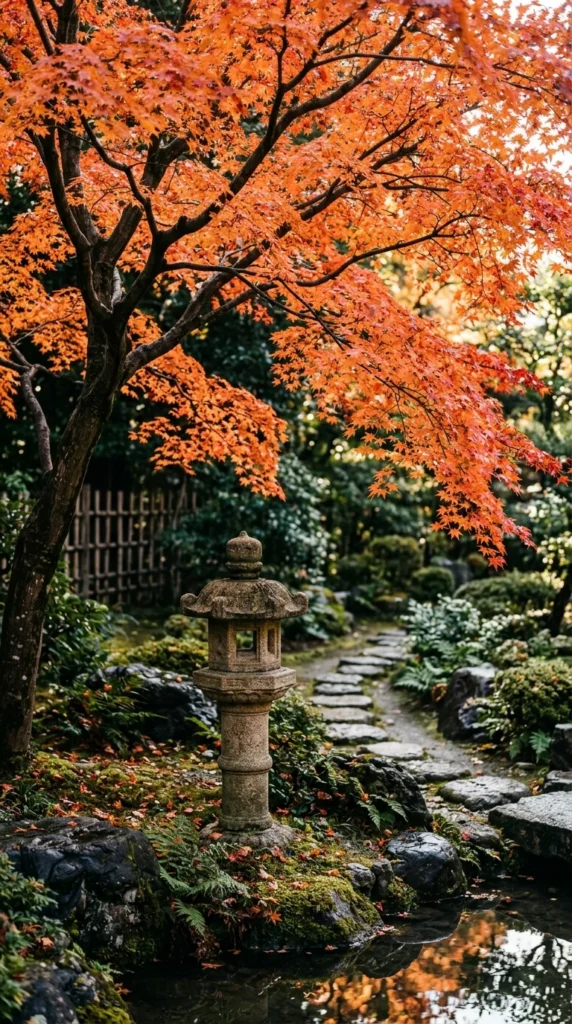
Japanese Maples (Acer palmatum) are prized for their delicate foliage and spectacular seasonal color. Their skeletal branch structures are beautiful even in winter. Choose a variety that fits your scale; “dissectum” varieties are low-growing and weeping, perfect for small spaces, while upright varieties can provide a canopy for a seating area. The movement of the leaves in the wind adds a gentle, rhythmic sound to the garden.
12. Deer Scarer
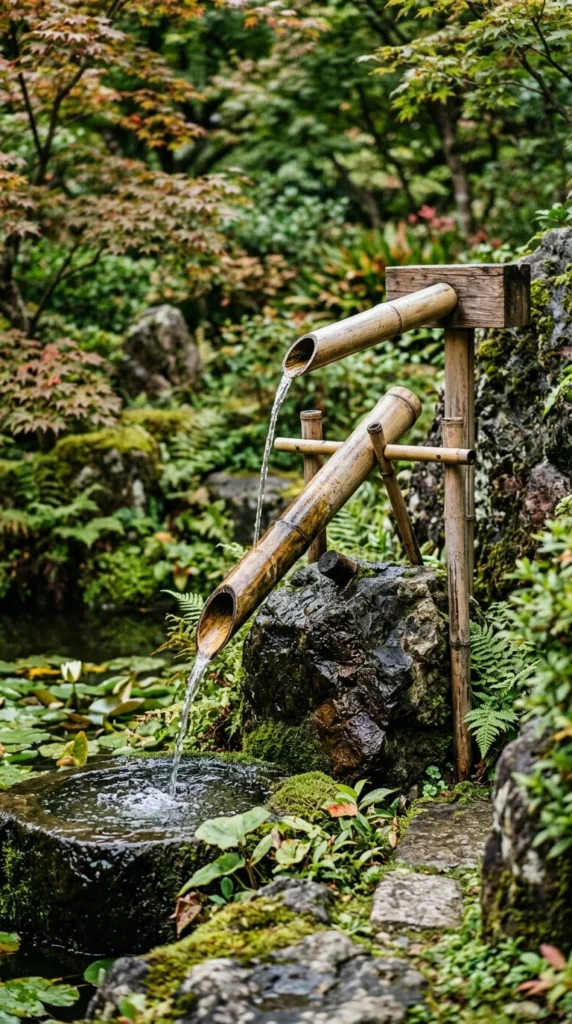
The Shishi-odoshi, or “deer scarer,” was originally designed to frighten away animals from crops. Today, it is used for the rhythmic, percussive sound it produces. The hollow “clack” against a stone serves as a reminder of the passage of time and helps to mask city noises. The combination of flowing water and the periodic striking sound creates a unique auditory landscape that deepens the meditative quality of the space.
13. Zen Circles
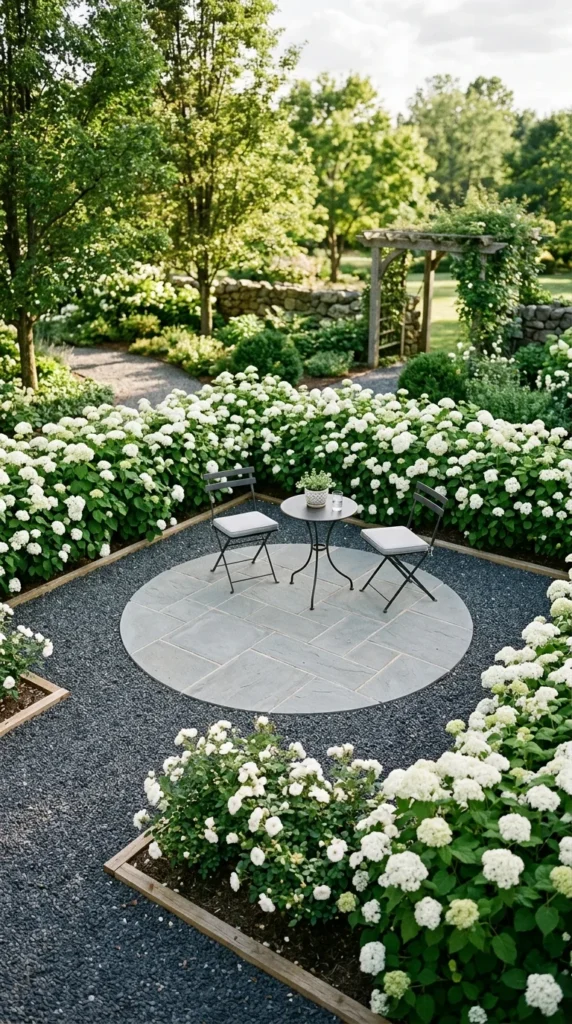
The Enso, or Zen circle, symbolizes absolute enlightenment, strength, and the void. You can incorporate this symbol into your garden design through circular patios, round windows in fences, or even a circular arrangement of stones. A circular focal point provides a sense of wholeness and completion, acting as a visual anchor for the entire backyard.
14. Minimalist Benches
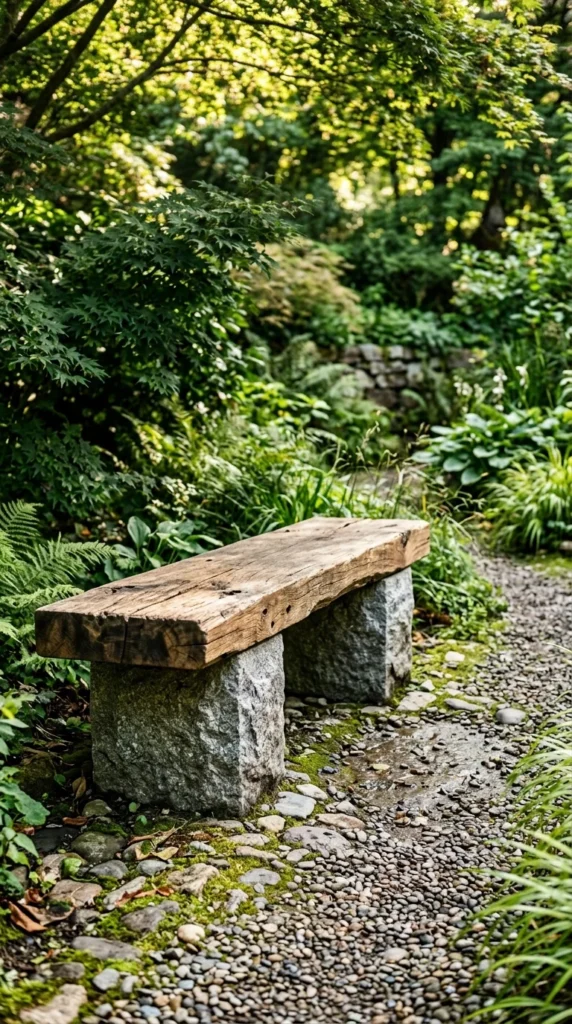
To truly enjoy a Zen garden, you need a place to sit and reflect. Avoid ornate or plastic garden furniture. Instead, opt for a simple bench made of natural materials like wood or stone. Position the bench at a vantage point where you can see the main elements of the garden—perhaps looking out over the raked sand or toward a favorite maple tree. The goal is to have furniture that feels like an extension of the landscape rather than an addition to it.
15. Fern Pockets
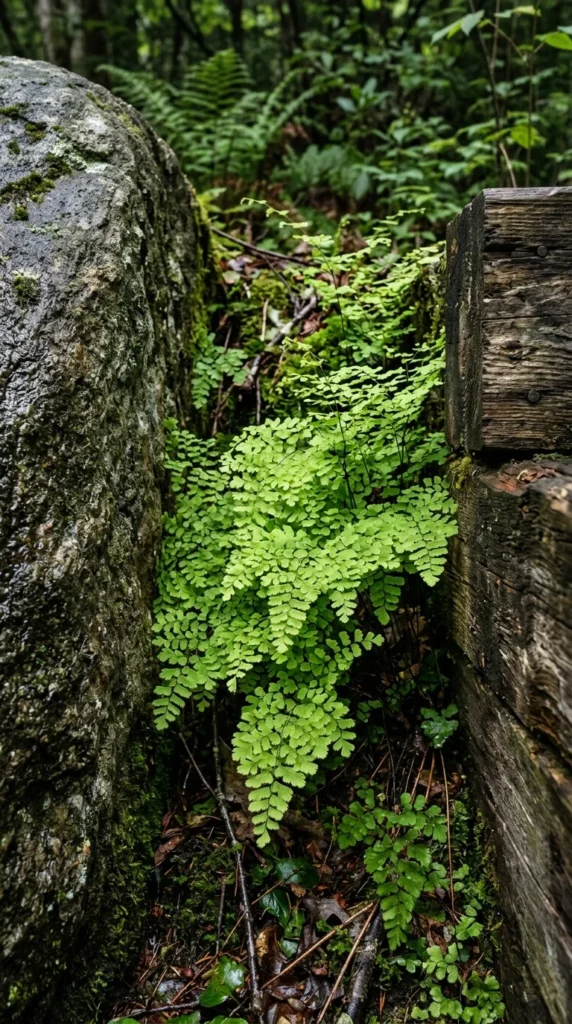
Ferns bring a prehistoric, lush feel to the shaded corners of a Zen garden. Their feathery fronds offer a delicate texture that pairs beautifully with heavy stones. Use them to fill “pockets” between rocks or to soften the edges of a bamboo fence. Varieties like the Japanese Painted Fern, with its silvery-purple fronds, add a subtle pop of color without being distracting.
16. Gravel Paths
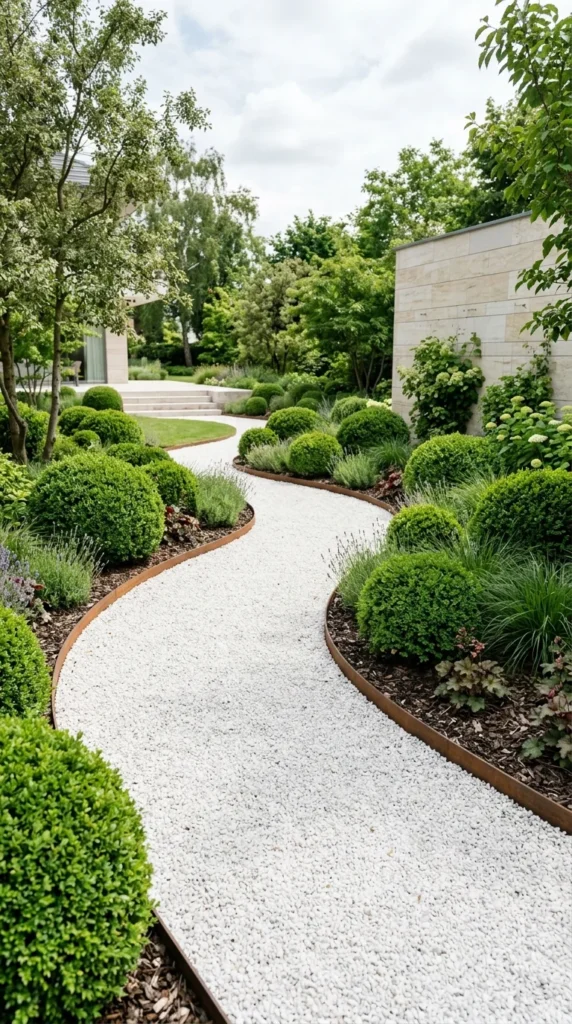
While stepping stones create a specific pace, a wider gravel path provides a more open and accessible way to navigate the garden. The crunch of gravel underfoot provides an auditory connection to the earth. Use a different color of gravel than what is used in your “water” areas to clearly define walking zones versus meditative zones. A well-defined path creates a sense of order and intentionality in the layout.
17. Hidden Seating
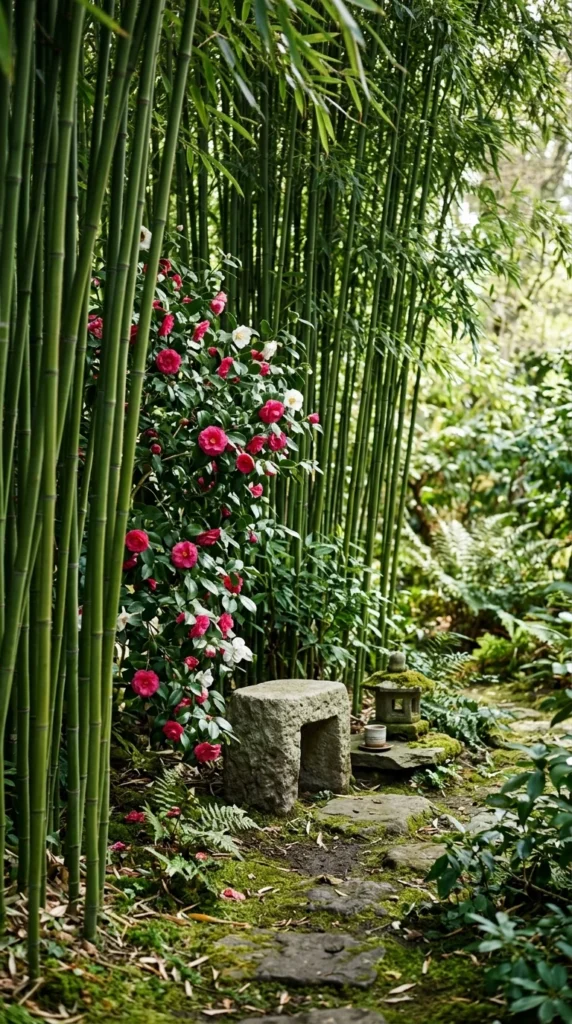
Create a sense of mystery by tucking a small seating area behind a screen of plants or around a corner. Having a “hidden” spot for meditation or reading makes the garden feel larger and more intimate. This could be as simple as a single flat stone large enough to sit on, surrounded by tall grasses or bamboo. It offers a psychological sense of “shelter” that is highly conducive to relaxation.
18. Bonsai Displays
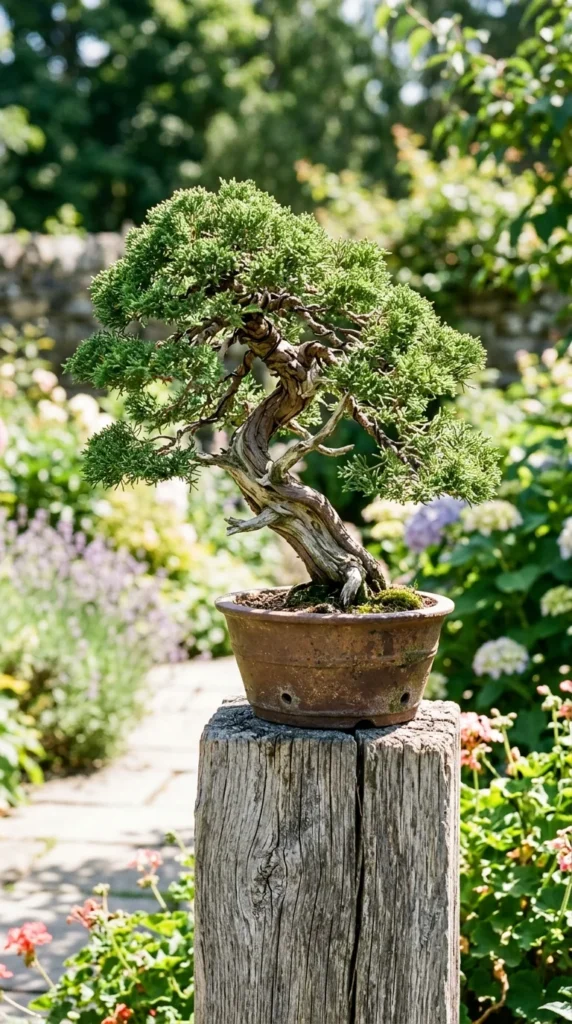
Bonsai is the art of growing miniature trees that mimic the shape and scale of full-sized trees in nature. Displaying one or two bonsai trees in your garden adds a level of sophisticated detail. They can be placed on stone pedestals, wooden benches, or even integrated into the rock formations. Bonsai represent the harmony between man and nature, requiring regular care and attention that fosters a deep connection to the garden.
19. Vertical Bamboo
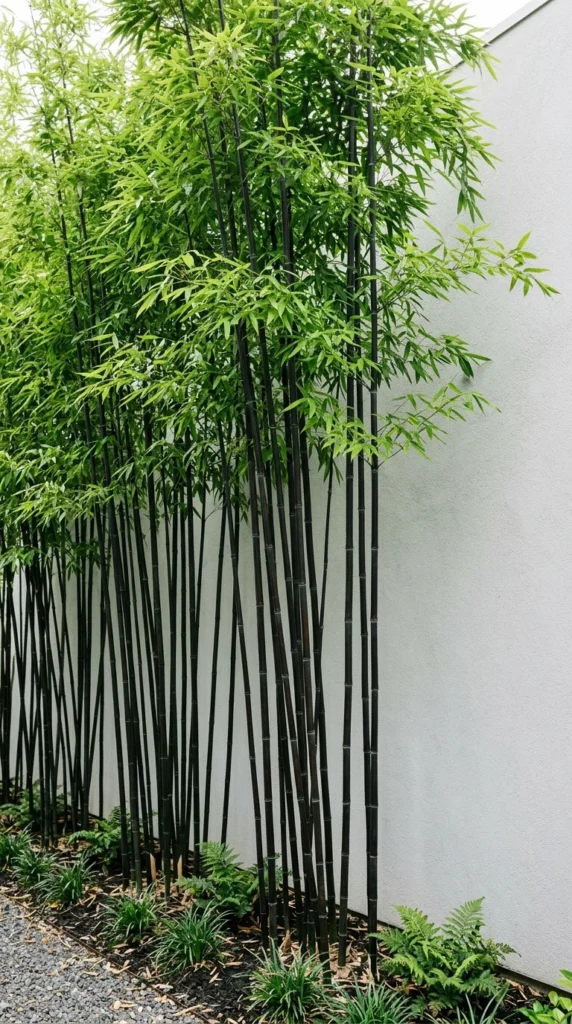
Living bamboo adds movement and sound. As the wind blows, the stalks sway and the leaves rustle, creating a peaceful “white noise.” Use clumping bamboo varieties (like Fargesia) to ensure the plants don’t become invasive and take over your yard. The vertical lines of the stalks provide a great backdrop for stone statues or lanterns, adding depth to the visual layers of the space.
20. Night Lighting
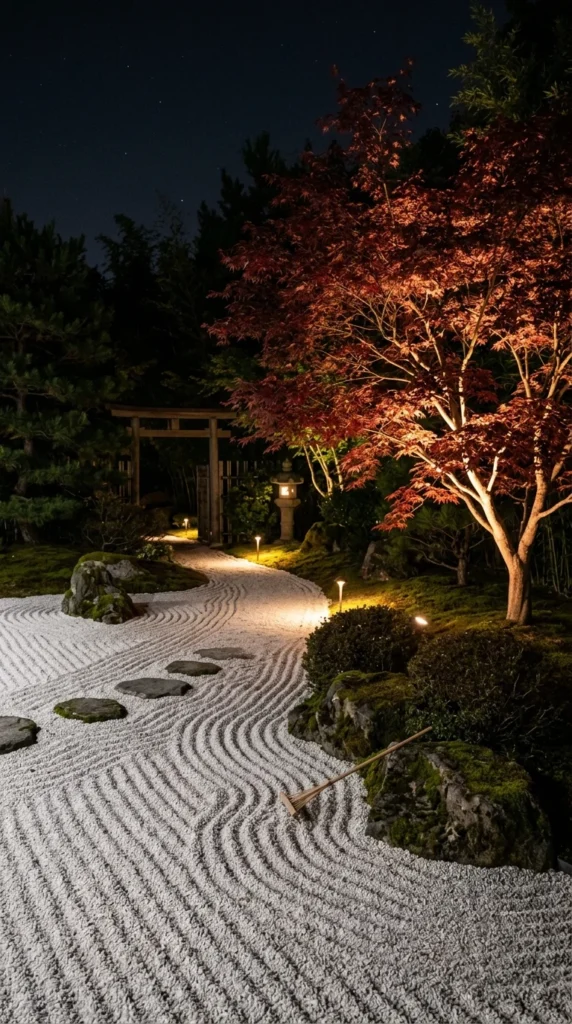
Thoughtful lighting ensures your Zen garden is a sanctuary even after the sun goes down. Use low-voltage LED lights to highlight specific features—an uplight on a tree, a soft wash over a rock formation, or small “path lights” hidden near the ground. Avoid bright, harsh floodlights. The goal is to create a landscape of light and shadow that feels magical and mysterious.
21. Natural Borders
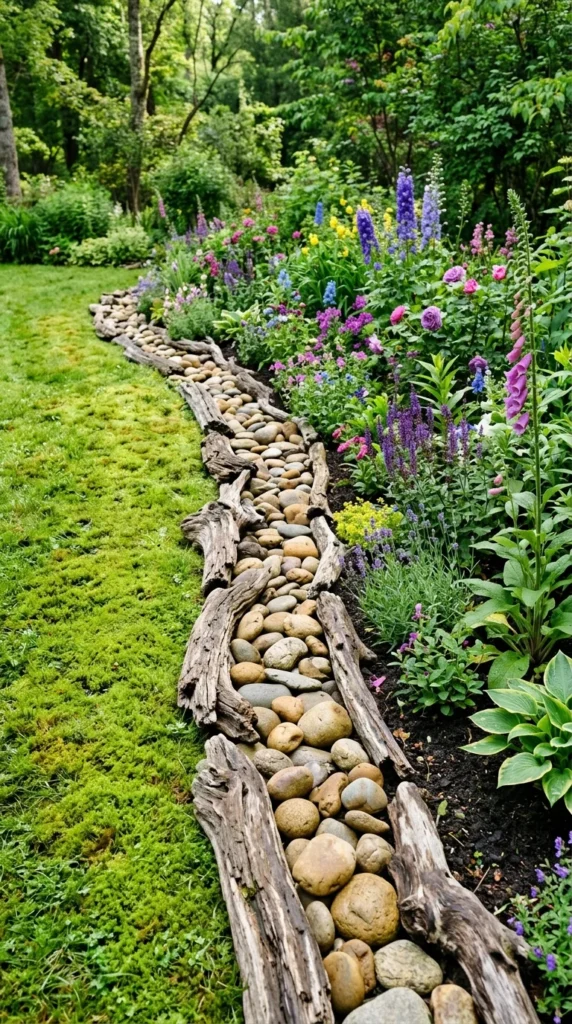
Traditional gardens often use plastic or brick edging to define borders. In a Zen garden, aim for more natural transitions. Use large logs, driftwood, or different sizes of stone to mark the boundaries between a gravel area and a planted area. This “soft” edging feels more organic and less forced, allowing the different elements of the garden to bleed into one another naturally.
22. Sand Patterns
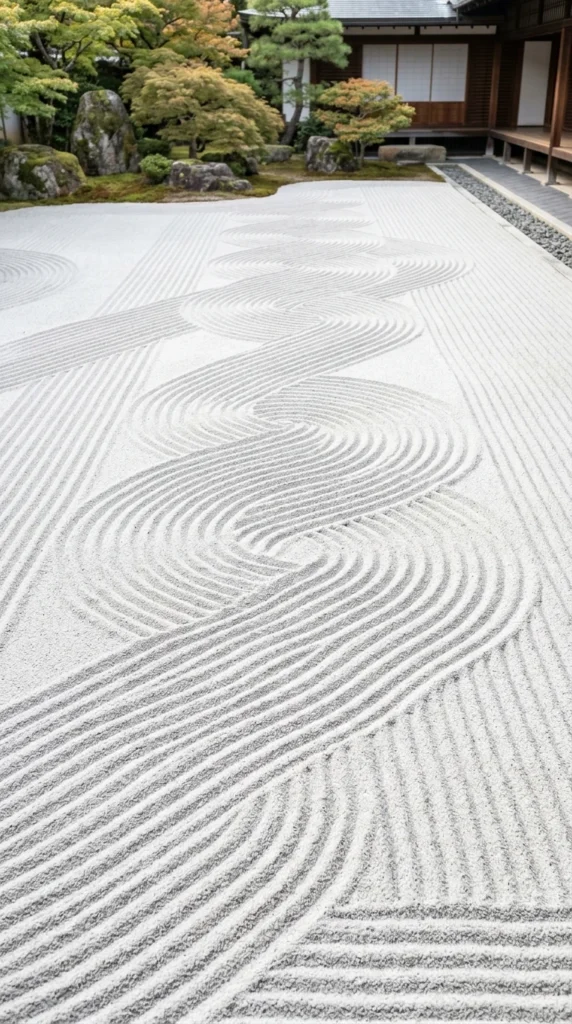
The patterns raked into the sand are not just for aesthetics; they are symbols. Straight lines represent calm water, while wavy lines represent turbulent seas or flowing rivers. Circles around rocks represent ripples from a stone dropped in a pond. You can change these patterns regularly to reflect your mood or the changing seasons, making the garden a dynamic piece of living art.
23. Meditation Platforms
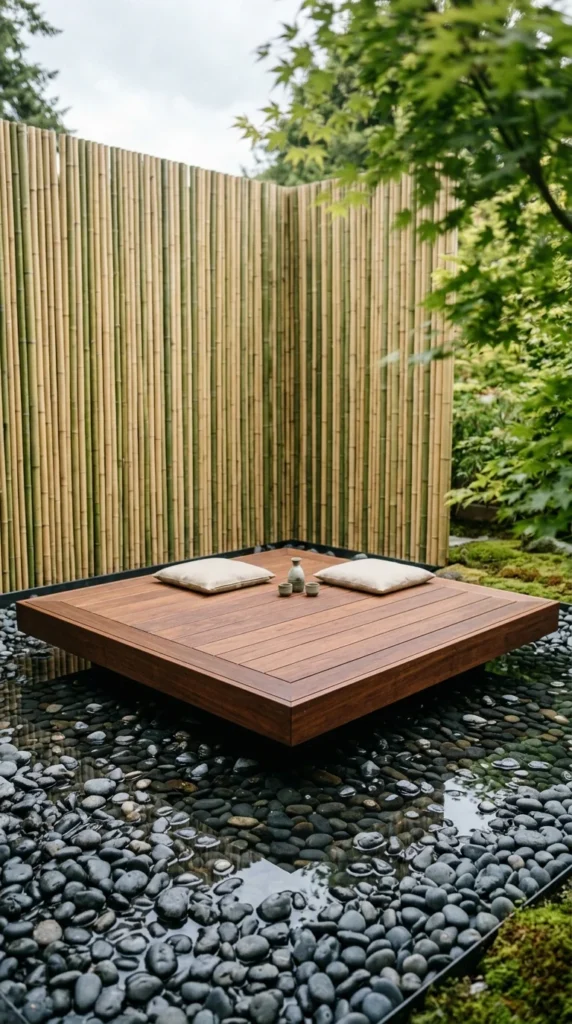
A dedicated meditation platform, or Engawa, provides a clean, dry surface for yoga or seated meditation. Raising the platform slightly off the ground gives it a “floating” appearance, which adds to the sense of lightness and peace. Use weather-resistant woods like cedar or teak, and keep the design as simple as possible—no railings or ornate carvings—to maintain the Zen aesthetic.
24. Minimalist Color Palettes
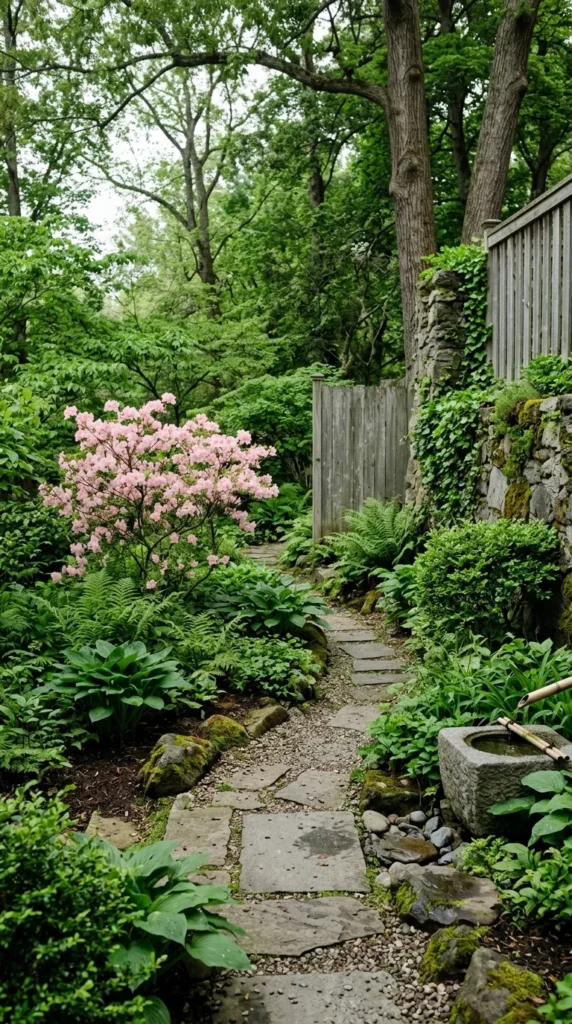
A true Zen garden relies on a restrained color palette. Focus on the infinite shades of green provided by moss, ferns, and evergreens. Contrast these with the grays and blacks of stone and the natural browns of wood and bamboo. If you want to include flowering plants, choose varieties with subtle blooms, like white camellias or pale pink azaleas, and use them sparingly. This lack of visual “noise” allows the mind to rest and focus on the textures and forms of the landscape.