
In the fast-paced modern world, the backyard has evolved from a simple patch of grass into a vital sanctuary for mental well-being. The Japanese concept of the Zen garden, or Karesansui, focuses on minimalism, symbolism, and the profound beauty of nature. By stripping away the clutter and focusing on essential elements like stone, water, and greenery, you can transform your outdoor space into a meditative retreat. Whether you have a sprawling estate or a compact urban patio, these eighteen ideas will help you cultivate a sense of “wa” (harmony) and “seijaku” (tranquility) in your own home.
1. Raked Sand
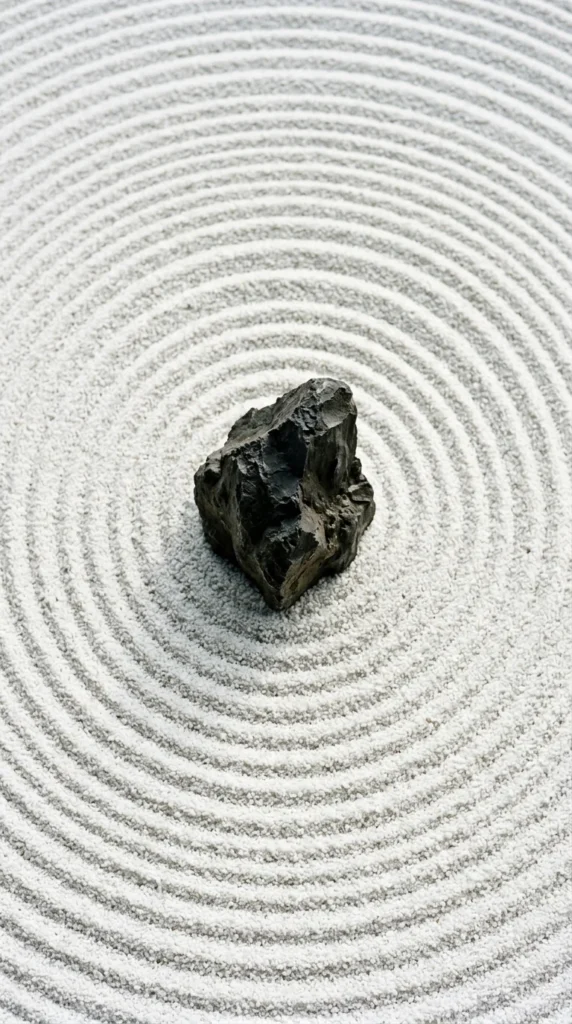
The most iconic element of a traditional Japanese dry garden is raked sand or fine gravel. This practice, known as samon, represents the movement of water—ripples in a pond or waves in the ocean. Using a specialized wooden rake to create these patterns is a meditative act in itself. To implement this, choose a light-colored crushed granite or pea gravel, which holds its shape better than beach sand. The patterns should flow around “islands” of rock or plants, creating a sense of fluid motion within a static landscape.
2. Natural Rocks
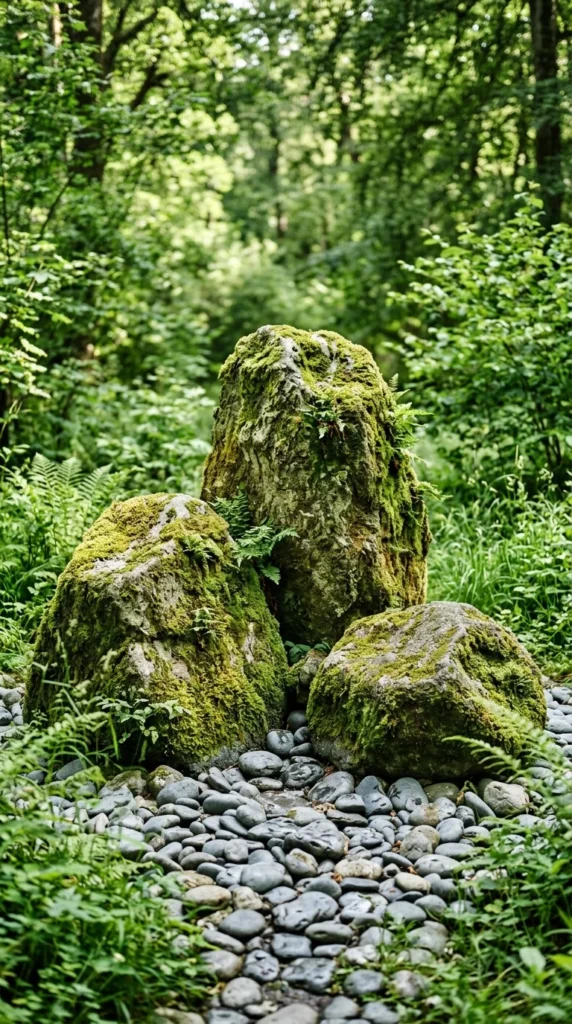
In Zen philosophy, rocks represent mountains, islands, or even animals, providing a sense of permanence and grounding. When selecting stones, look for weathered, “aged” pieces that feel as though they have been part of the landscape for centuries. Placement is key: stones are rarely placed in isolation or in straight lines. Instead, they are often grouped in odd numbers (usually threes) to create a natural, asymmetrical balance. Burying the base of the rock slightly makes it look like it is emerging from the earth, enhancing the feeling of stability.
3. Bamboo Fencing
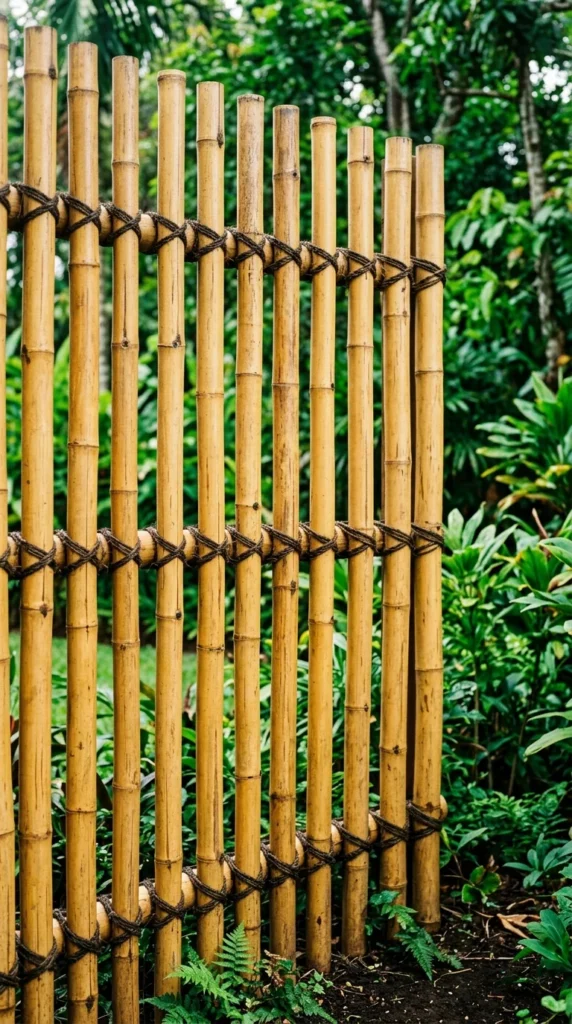
Privacy is essential for a peaceful escape. Bamboo fencing, or takegaki, offers a sustainable and aesthetically pleasing way to wall off the outside world. The vertical lines of bamboo provide a structured backdrop that contrasts beautifully with the organic shapes of plants and rocks. Beyond privacy, bamboo fences act as a windbreak and a sound dampener, helping to silence the noise of the neighborhood and keep your focus inward.
4. Stone Lanterns
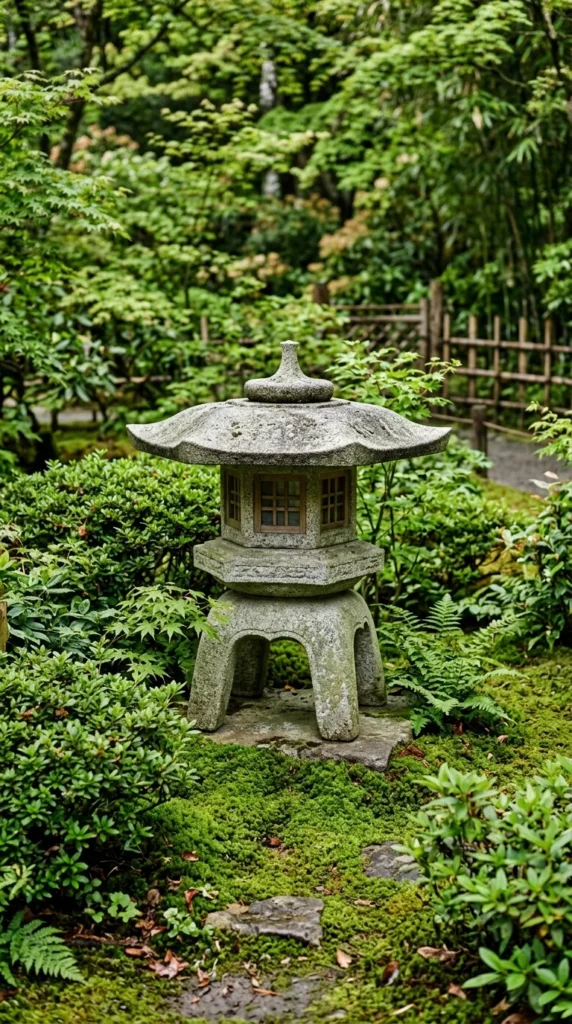
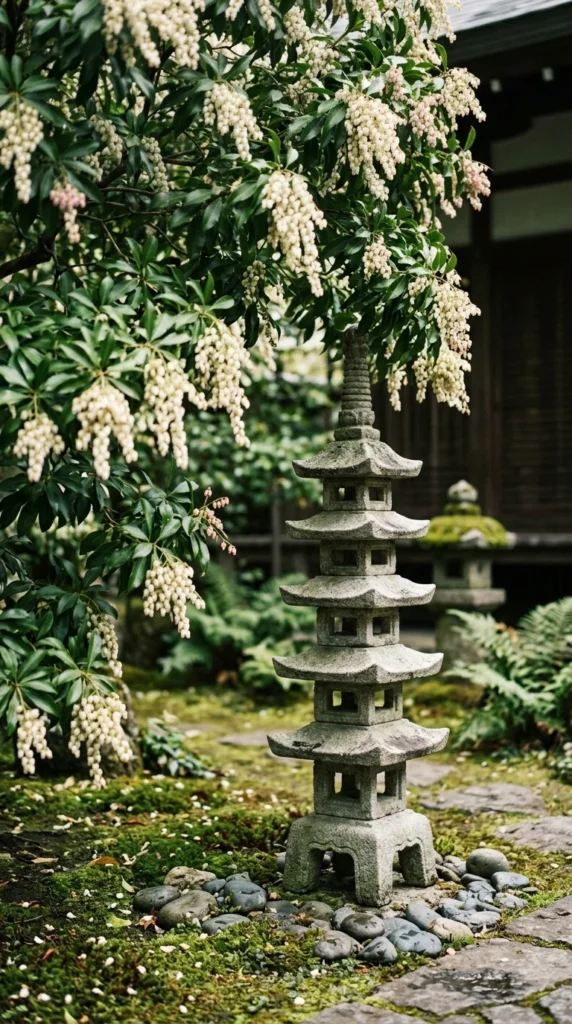
Stone lanterns, or toro, were originally used to light the paths to Buddhist temples. In a backyard Zen garden, they serve as focal points and symbols of enlightenment. These architectural elements add a sense of history and human craftsmanship to the natural environment. While they can be fitted with soft LED lights for evening ambiance, their primary purpose is decorative. Placing a lantern near a water feature or at a turn in a path creates a visual “destination” for the eye.
5. Tsukubai Water Basin
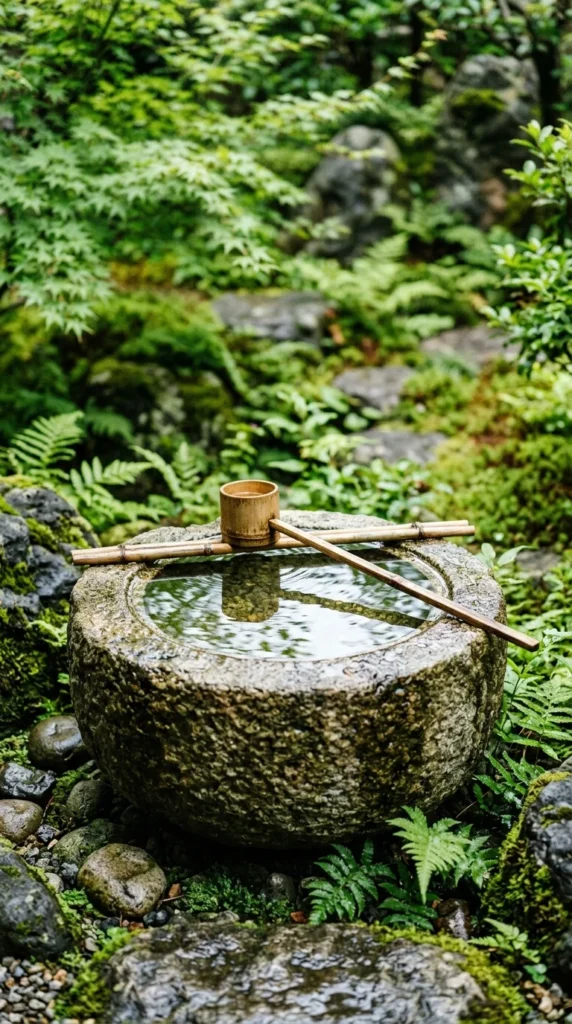
The tsukubai is a traditional washbasin found at the entrance to Japanese tea gardens. It encourages a ritual of purification—washing the hands and mouth before entering a sacred space. Even if you don’t use it for its traditional purpose, the sight of still or slowly dripping water brings an immediate sense of calm. These basins are typically set low to the ground, requiring the user to crouch, which symbolizes humility.
6. Stepping Stones
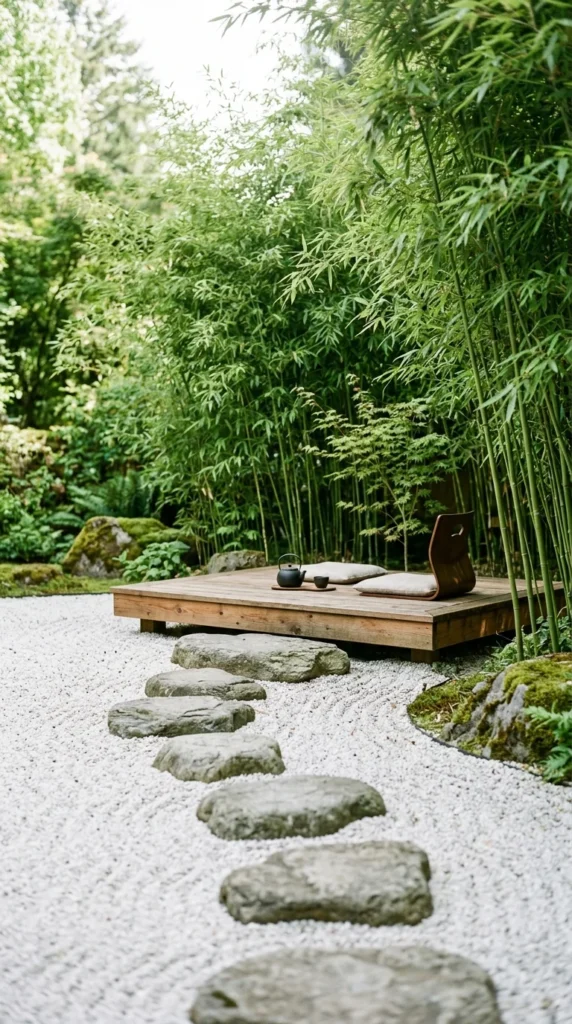
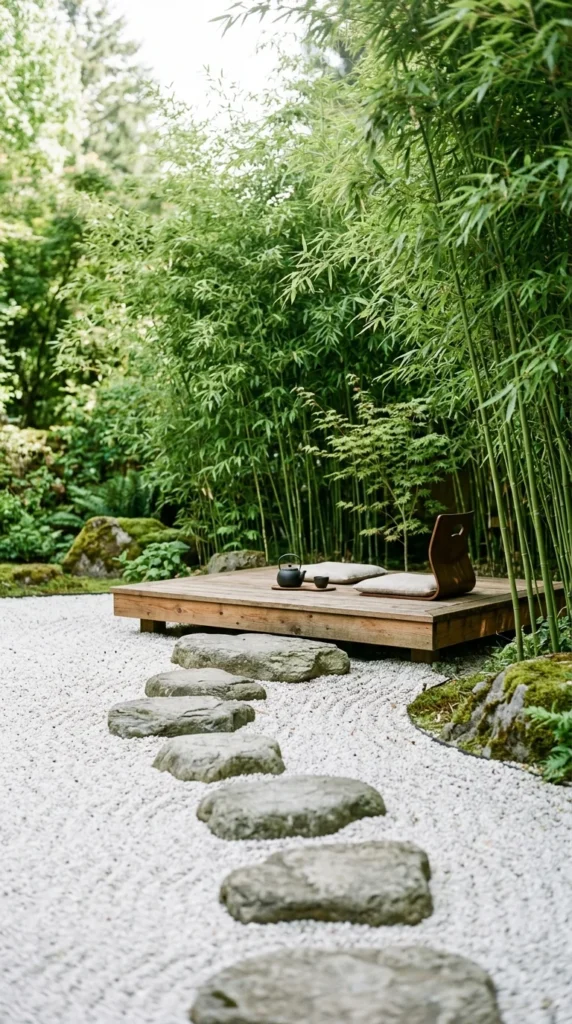
Known as tobi-ishi, stepping stones serve a dual purpose: they protect the delicate moss or groundcover from being trampled, and they control the pace of the observer. By spacing the stones unevenly or choosing irregular shapes, you force the walker to look down and focus on their steps. This mindful movement is a core component of Zen philosophy, ensuring that the journey through the garden is just as important as the destination.
7. Moss Carpets
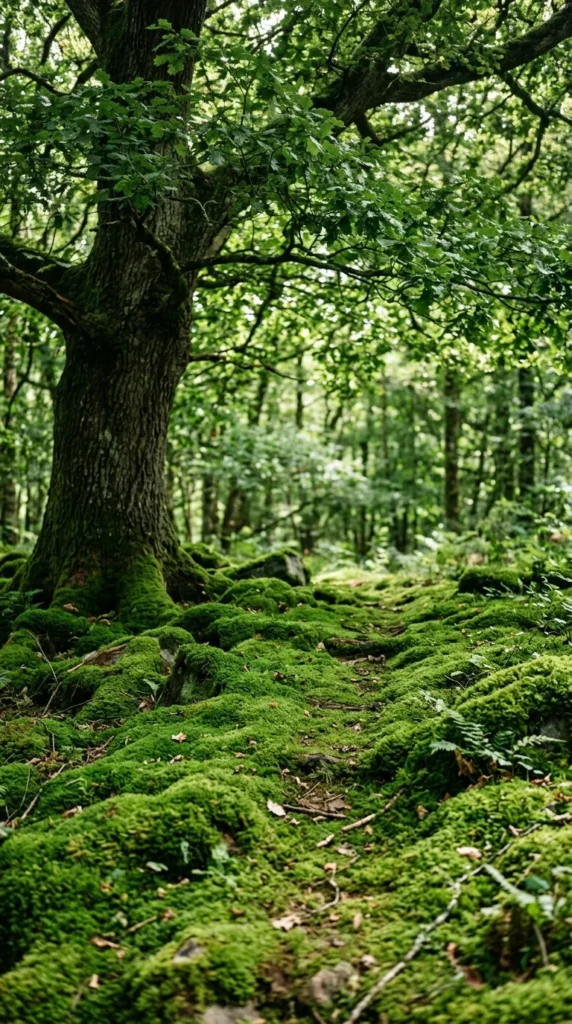
While Western gardening often focuses on the perfect lawn, Zen gardens embrace moss for its soft texture and “wabi-sabi” (the beauty of imperfection and age). Moss thrives in shaded, moist areas and creates a sense of deep, ancient forest tranquility. If your climate is too dry for true moss, consider groundcovers like Scotch Moss or Irish Moss, which provide a similar visual effect while being more resilient to different weather conditions.
8. Japanese Maples
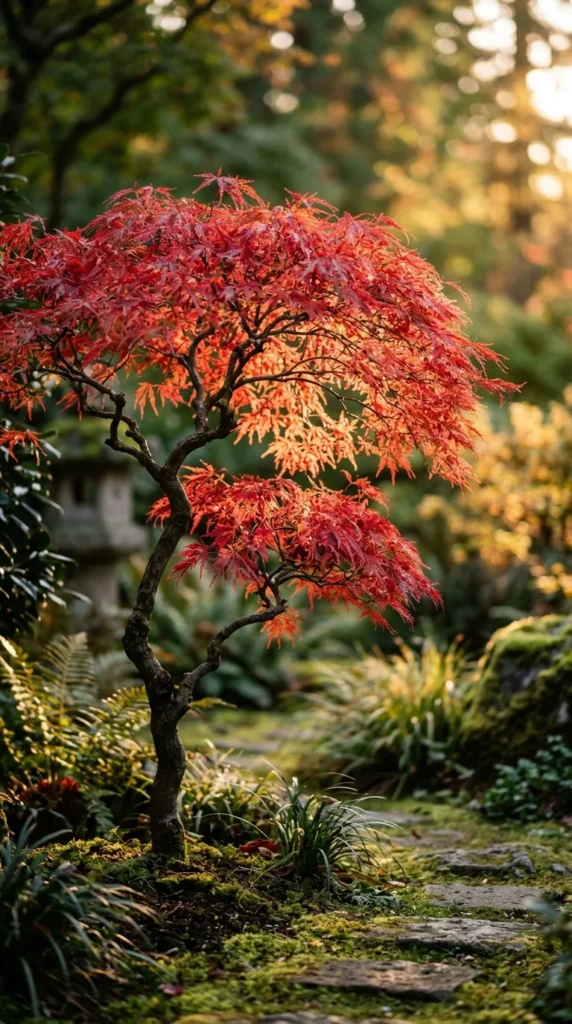
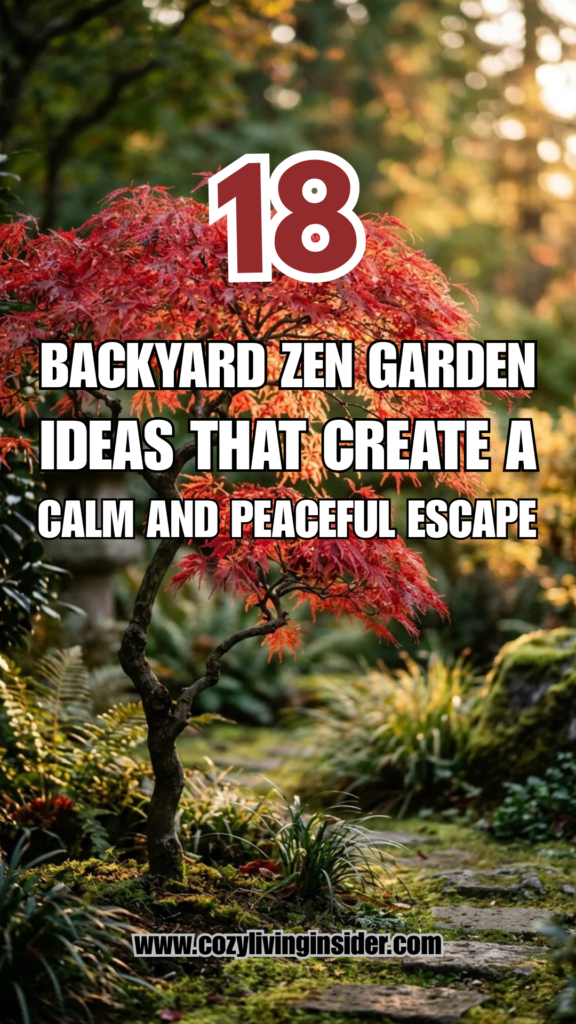
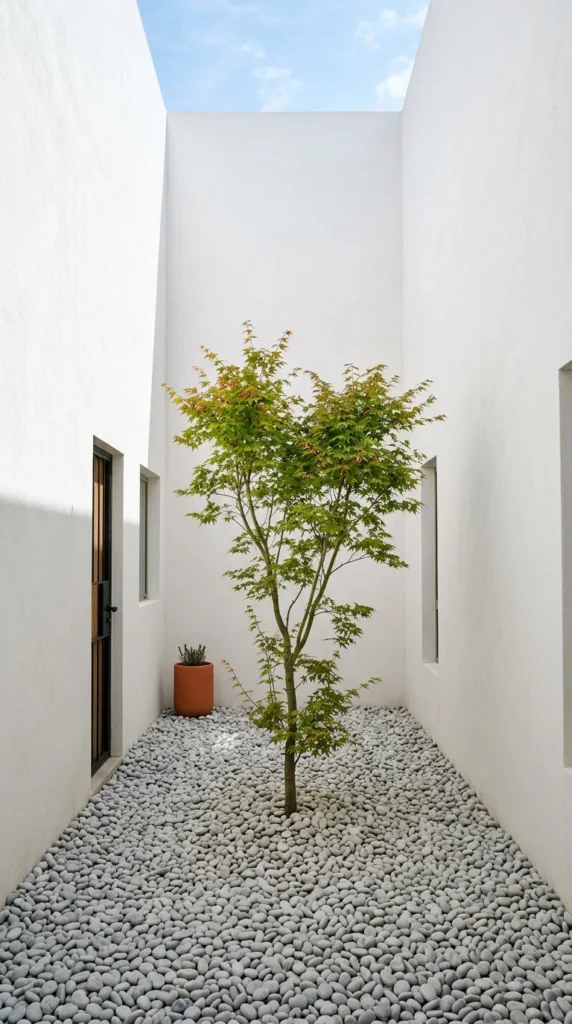
The Japanese Maple (Acer palmatum) is the “star” tree of many Zen landscapes. Its delicate leaf structure and dramatic seasonal color changes—from bright spring greens to deep autumn reds—remind the viewer of the impermanence of life. These trees are often pruned to maintain a compact, airy shape, allowing light to filter through the branches and cast dancing shadows on the raked gravel below.
9. Minimalist Pathways
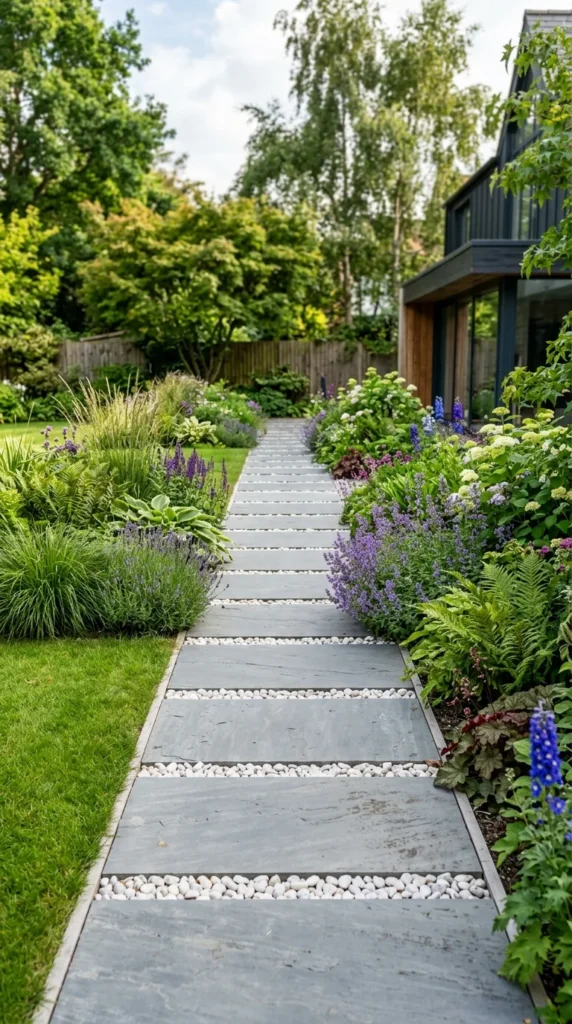
A minimalist pathway provides structure and direction. Unlike the winding tobi-ishi, a straight, clean-lined path suggests a direct route to a place of contemplation. Using modern materials like slate, basalt, or poured concrete can give your Zen garden a contemporary edge while maintaining the core principles of order and simplicity. The contrast between the hard, straight lines of the path and the soft, organic shapes of the surrounding plants creates a pleasing visual tension.
10. Shishi-odoshi
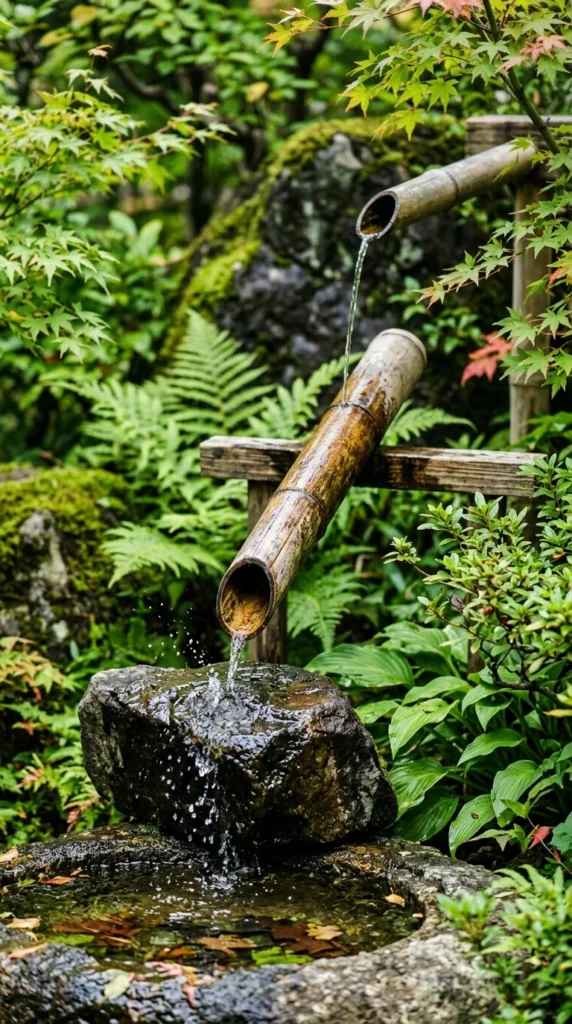
The shishi-odoshi, or “deer scarer,” adds an auditory dimension to the garden. Originally designed to frighten away herbivores, the rhythmic “clack” of the bamboo hitting a stone has become a beloved sound of the Zen garden. The sound punctuates the silence, making the surrounding quiet feel even deeper. It serves as a reminder of the passage of time and creates a rhythmic heartbeat for your outdoor sanctuary.
11. Zen Bridges
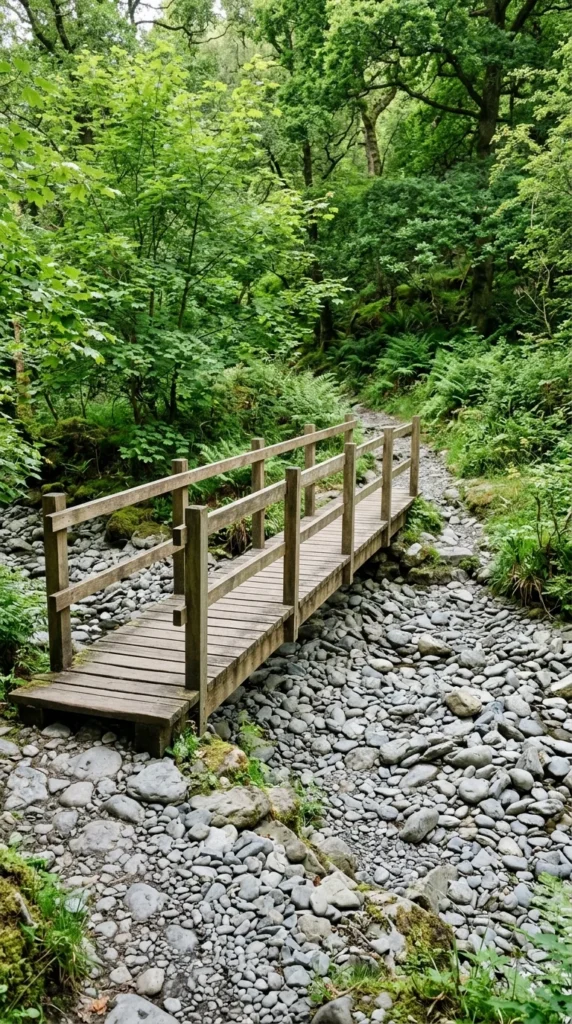
A bridge in a Zen garden often symbolizes the transition from the mundane world to the spiritual realm. Even if you don’t have a water feature, a “dry bridge” crossing a gravel path or a bed of river rocks can be a powerful design element. Whether it is a simple flat stone slab or a slightly arched wooden structure, the bridge invites you to pause and appreciate the view from a different vantage point.
12. Meditation Corner
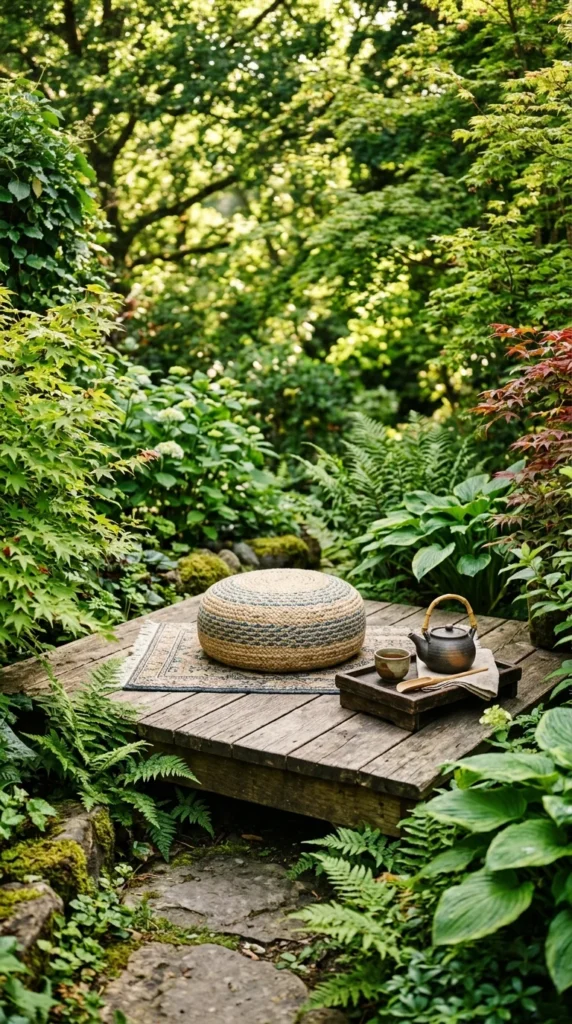
The ultimate goal of a Zen garden is to provide a space for meditation. Creating a dedicated “meditation corner” ensures the garden is functional rather than just decorative. This can be a simple wooden deck (engawa), a stone bench, or even a cleared area of soft grass. Surround this space with tall plants or a screen to create a “room” within the garden, protecting you from distractions and allowing for deep focus.
13. Fern Accents
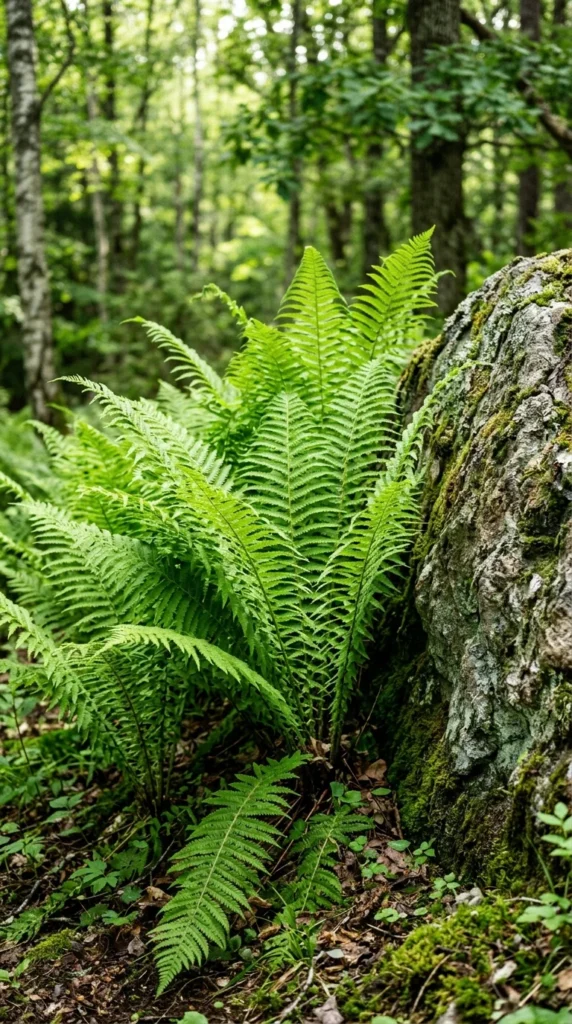
Ferns are excellent additions to Zen gardens, especially in shady corners where other plants might struggle. Their ancient, prehistoric appearance adds a layer of timelessness to the landscape. The intricate patterns of fern fronds provide a soft, textural contrast to the hard surfaces of stone and wood. They evoke the feeling of a damp, cool mountain forest, contributing to the “cool” and “yin” energy of a peaceful escape.
14. Dry Stream Beds
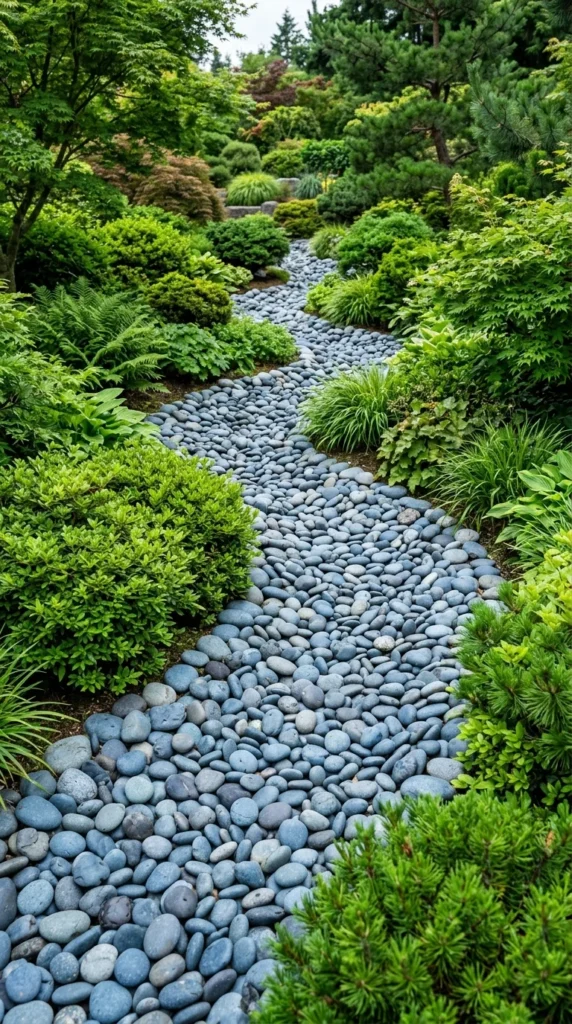
A dry stream bed, or kare-taki, uses stones of different sizes to mimic the appearance of a dried-up river. Larger boulders are placed along the “banks,” while smaller pebbles fill the center to represent the water’s current. This is an excellent solution for areas with drainage issues or for homeowners who want the look of water without the maintenance of a pump and filter system.
15. Evergreens
Evergreen trees, particularly pines and junipers, are symbols of longevity and endurance in Japanese culture. In a Zen garden, these trees are often pruned using the Niwaki technique to look like miniature versions of ancient, wind-swept trees. This cloud-pruning creates negative space between the branches, allowing the viewer to appreciate the tree’s skeletal structure and the sky beyond.
16. Gravel Borders
Order is a fundamental aspect of Zen design. Using gravel borders to create clear “zones” in your backyard helps the eye navigate the space without feeling overwhelmed. A border of dark gravel against a light stone path or a green lawn creates a high-contrast line that looks modern and intentional. It also serves a practical purpose by preventing soil from washing onto your walkways during rain.
17. Pagoda Statues
A pagoda statue adds a vertical architectural element that references traditional East Asian temples. These multi-tiered towers represent the five elements of Buddhist cosmology: earth, water, fire, wind, and space. While large pagodas can be expensive, even a small, foot-tall stone version can add a sense of sacredness to a corner of the garden. Place it among plants rather than in the open to create a sense of discovery for the visitor.
18. Enclosed Courtyards
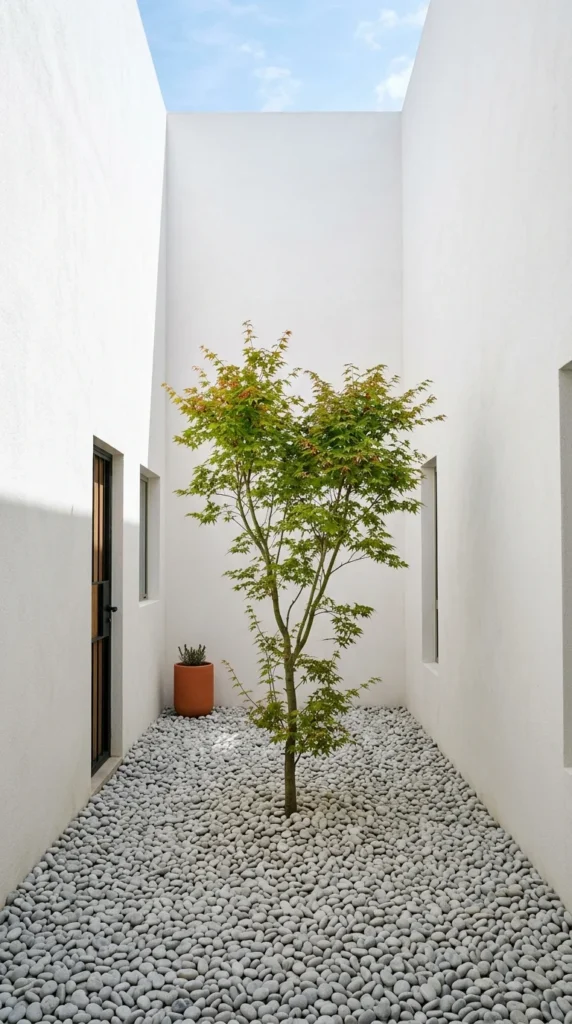
If you have a very small space, an enclosed “courtyard” Zen garden—known as a tsubo-niwa—is the perfect solution. These tiny gardens are designed to be viewed from inside the house, acting like a living painting. By using a limited palette of one tree, one rock, and a bed of gravel, you can create a powerful sense of expansiveness within a tiny footprint. The enclosure keeps the focus entirely on the curated elements, blocking out the visual noise of the surrounding environment.