
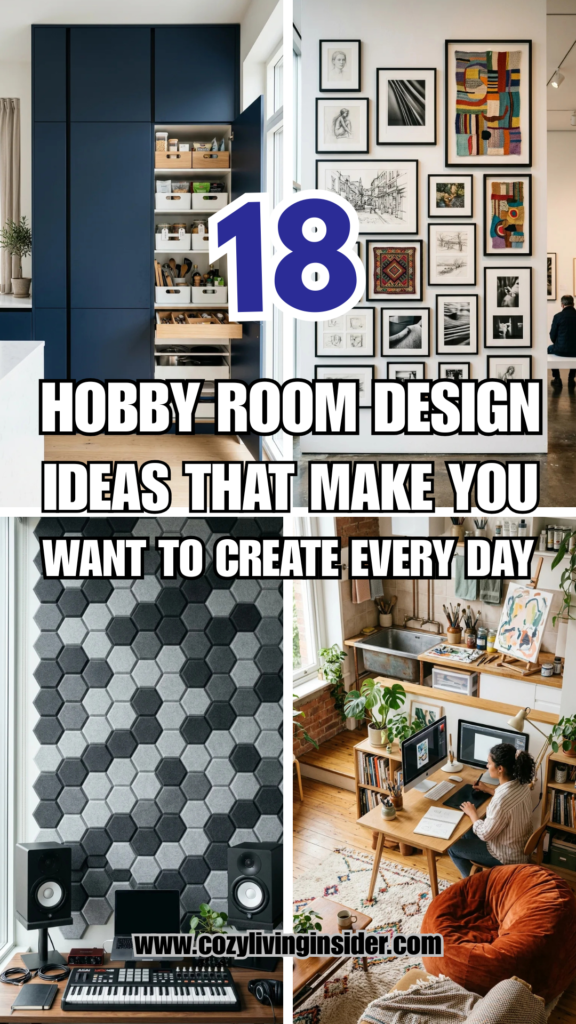

A dedicated hobby room is more than just a place to store supplies; it is a sanctuary for the soul and a catalyst for innovation. Whether you are a painter, a gamer, a woodworker, or a musician, the environment in which you practice your craft significantly impacts your output and enthusiasm. Transforming a spare bedroom, a basement, or even a corner of your living area into a tailored hobby space requires a balance of ergonomic functionality and aesthetic inspiration.
1. Natural Light
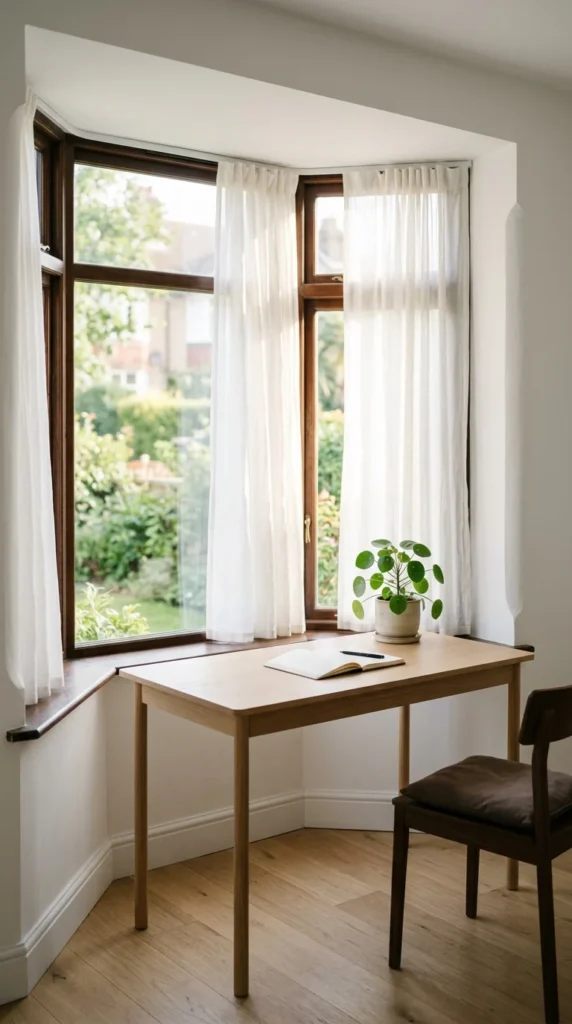
Lighting is the cornerstone of any creative endeavor. Natural light not only reduces eye strain but also elevates mood and accurately renders colors—a critical factor for artists and crafters. When designing your hobby room, position your primary workspace near a window. If your room lacks sufficient windows, consider installing “daylight” LED bulbs that mimic the sun’s color temperature to maintain a vibrant, energizing atmosphere throughout the day.
2. Vertical Storage
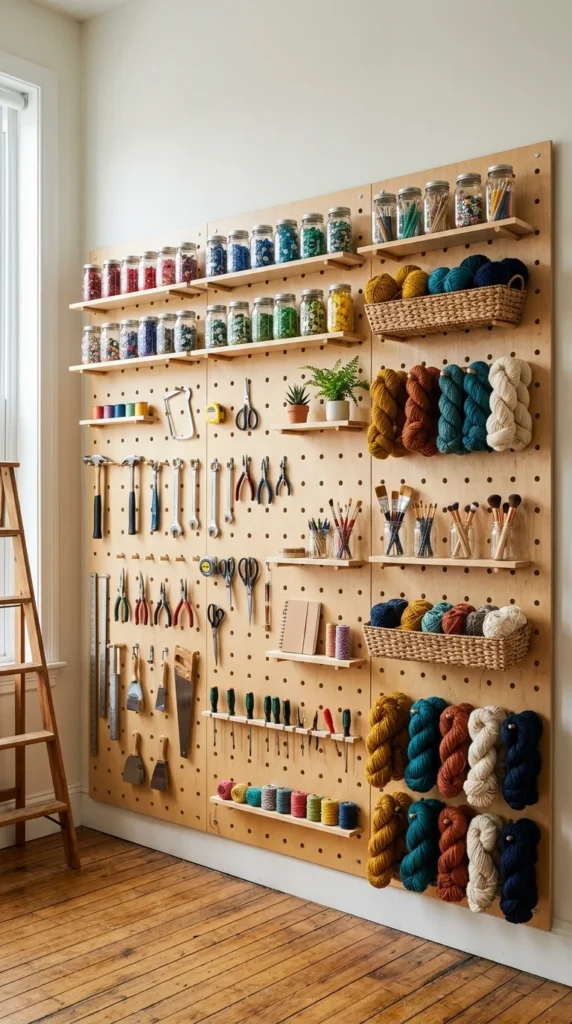
When floor space is at a premium, look upward. Vertical storage solutions like pegboards, slat walls, and floating shelves allow you to keep your tools within arm’s reach while keeping your work surface clear. A well-organized vertical display also serves as functional wall art, showcasing the tools of your trade in a way that feels intentional and inspiring.
3. Ergonomic Seating
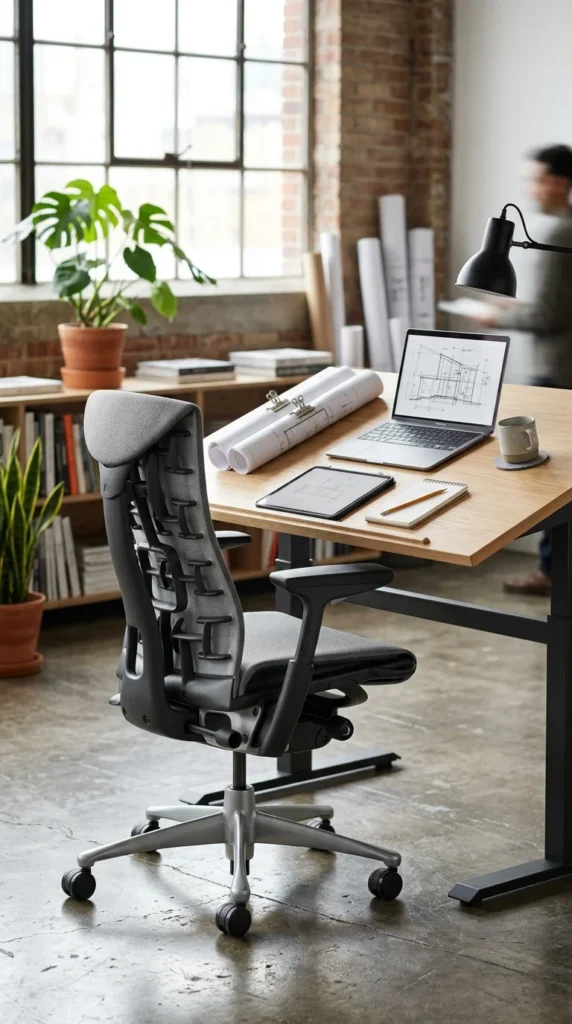
Hobbyists often spend hours immersed in their projects, making ergonomic support essential for long-term health. Invest in a high-quality chair that supports the natural curve of your spine. For activities that require movement, such as sewing or painting, a rolling stool with an adjustable height can provide the necessary flexibility without sacrificing comfort.
4. Zoning Layout
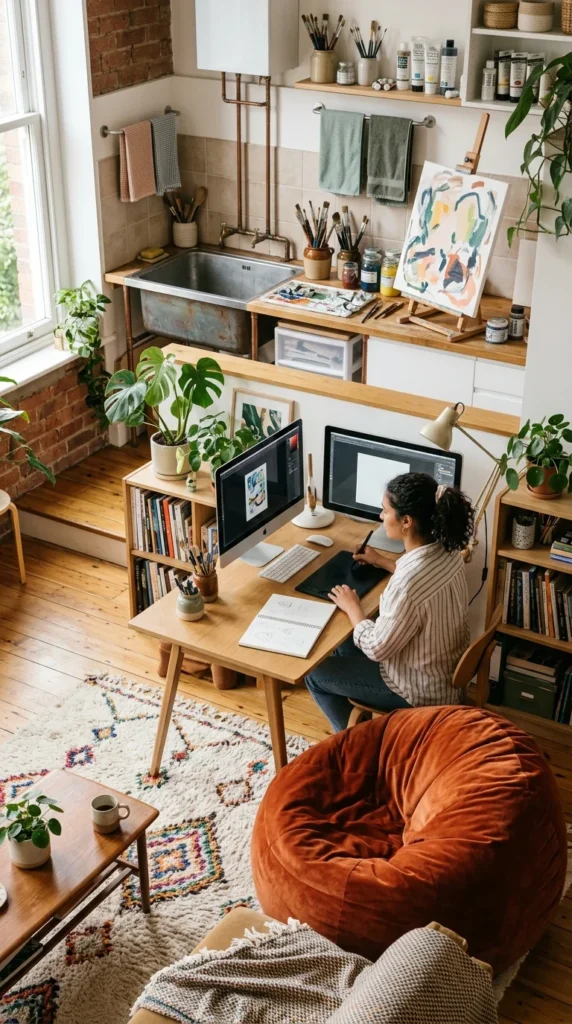
If your hobbies are diverse, a “zoning” approach is most effective. Define specific areas for different stages of your process. For instance, a “messy zone” with easy-to-clean flooring is ideal for painting or potting, while a “clean zone” with soft lighting and a comfortable desk is perfect for planning, digital editing, or journaling.
5. Modular Furniture
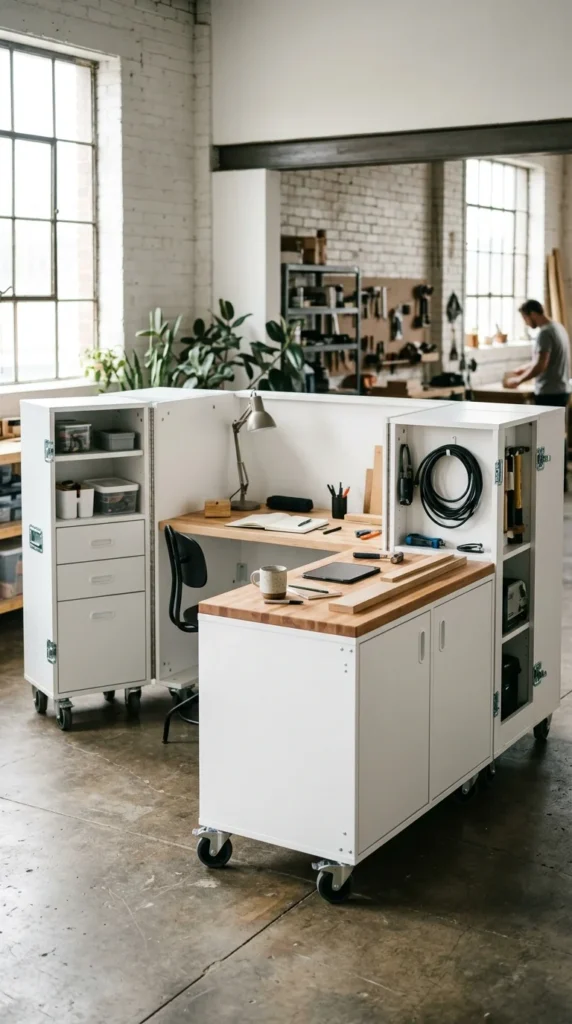
Flexibility is key in a creative space. Modular furniture, such as rolling carts and foldable tables, allows you to reconfigure the room based on the scale of your current project. This adaptability ensures that your room can evolve alongside your interests, preventing the space from feeling static or cluttered.
6. Color Psychology
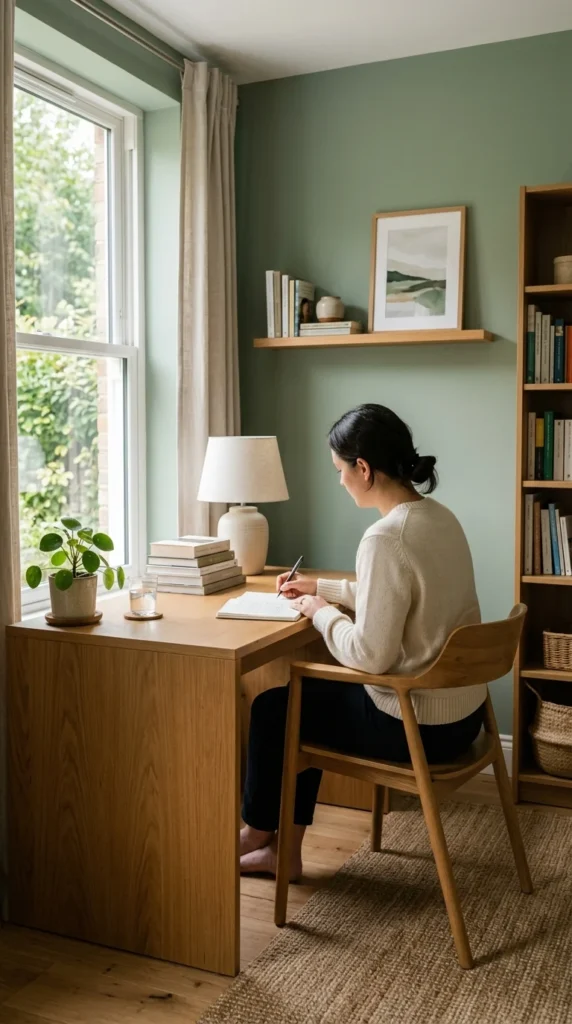
The color of your walls can dictate your creative energy. Soft blues and greens promote focus and calmness, making them ideal for writing or intricate craft work. Conversely, vibrant yellows and oranges can stimulate energy and communication, which is perfect for a collaborative music studio or a high-energy gaming room. Consider the “mood” of your hobby before selecting a palette.
7. Acoustic Treatment
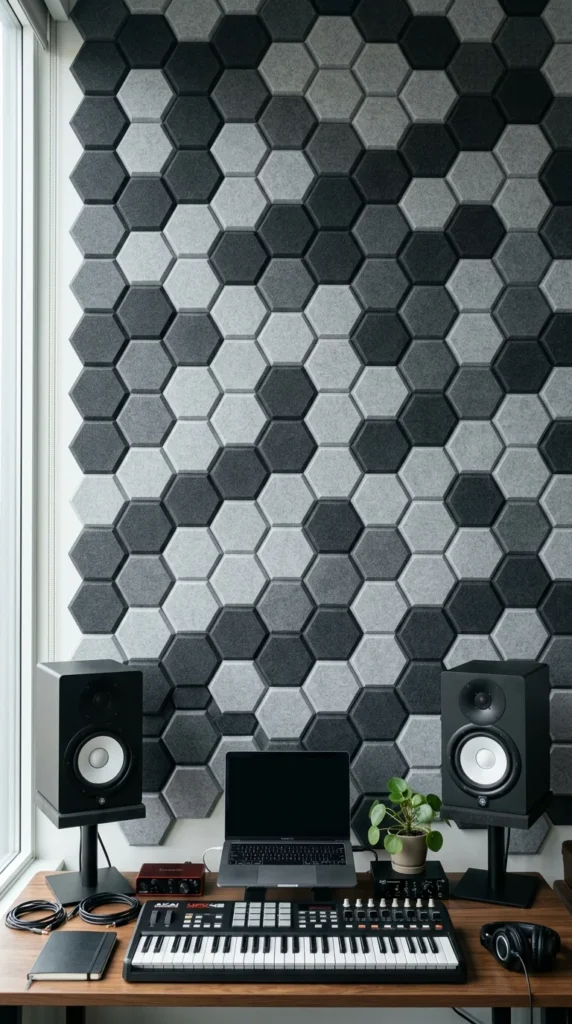
For musicians, podcasters, or gamers, sound management is a priority. Acoustic panels help reduce echo and prevent sound from leaking to the rest of the house. Modern acoustic treatments come in various shapes and colors, allowing them to serve as a decorative element rather than just a functional necessity.
8. Integrated Technology
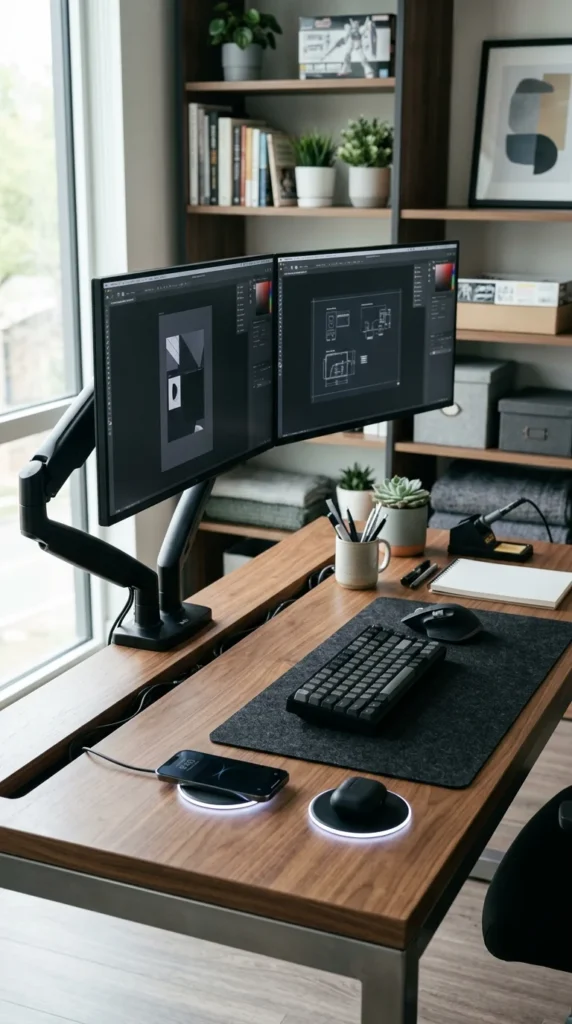
A clutter-free environment fosters a clutter-free mind. Integrating technology—such as built-in charging stations, cable management trays, and smart lighting—ensures that your electronic tools are always ready to go without the visual noise of tangled wires. Smart home assistants can also be used to control lighting scenes or play background music with simple voice commands.
9. Display Gallery

Your hobby room should celebrate your achievements. Dedicate a wall to displaying finished projects or “work-in-progress” pieces. Not only does this provide a sense of accomplishment, but seeing your past successes can also provide the motivation needed to push through a creative block.
10. Durable Flooring
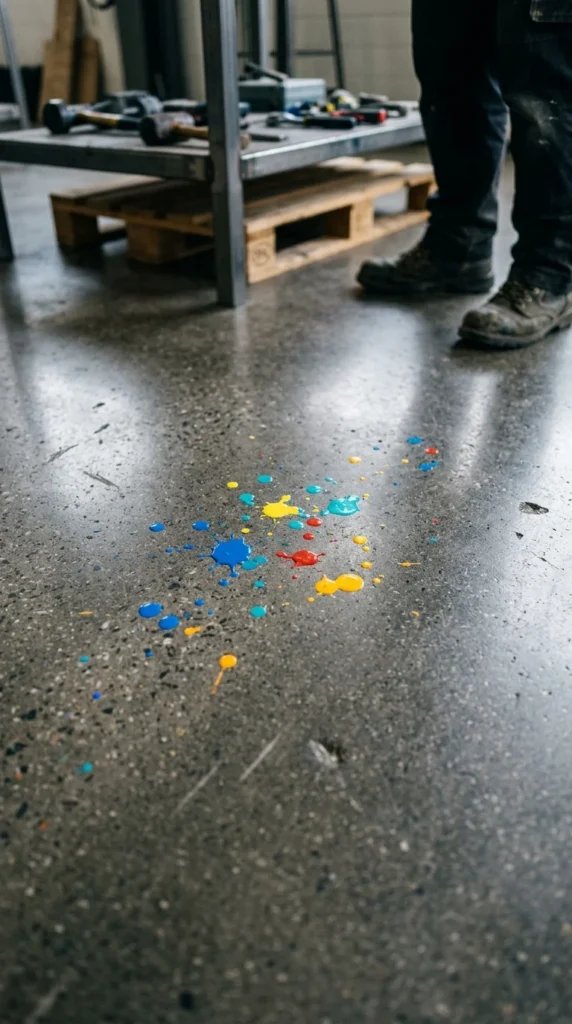
Choose flooring that matches the intensity of your hobby. Hardwood or polished concrete is excellent for art studios or workshops where spills and dust are common. For more sedentary hobbies like gaming or reading, a plush area rug can add warmth and comfort to the space.
11. Inspiration Board

A physical “mood board” or inspiration wall is a powerful tool for visual thinkers. Use a large corkboard or a magnetic strip to pin up textures, color samples, and sketches. This constant visual reminder of your goals and influences keeps your creative direction clear and focused.
12. Hidden Storage
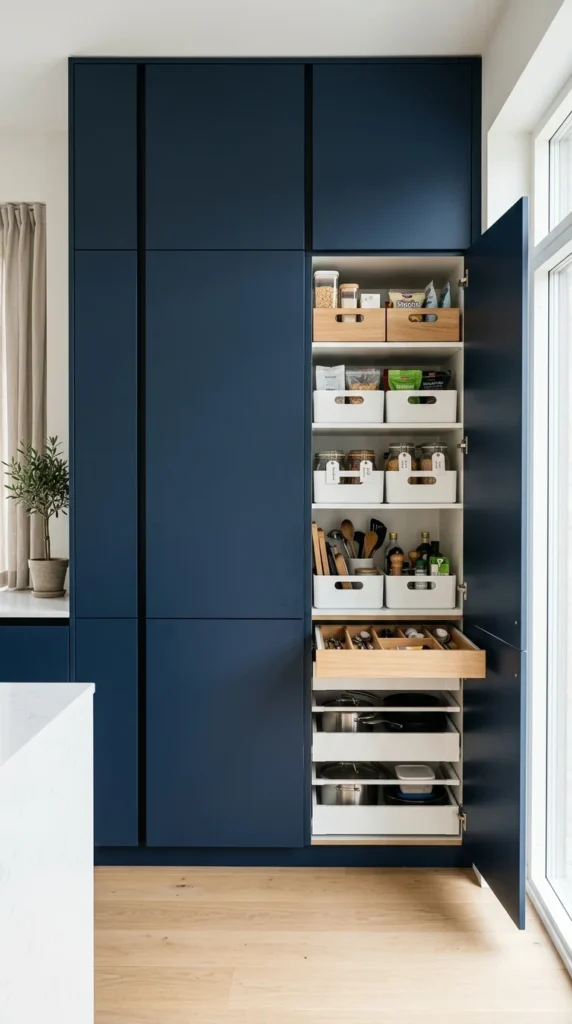
While displaying tools can be inspiring, some items are better left out of sight. Bulk supplies, seasonal materials, and less aesthetic equipment can be tucked away in closed cabinetry. This creates a streamlined look that prevents the room from feeling overwhelmed by “stuff.”
13. Task Lighting
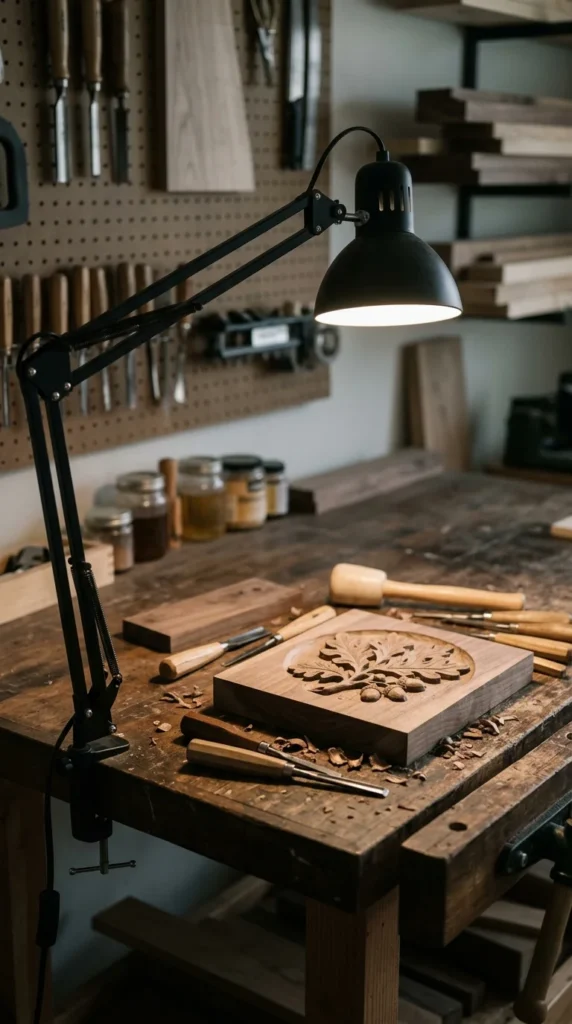
While ambient lighting sets the mood, task lighting is what allows you to execute fine details. Adjustable desk lamps with high CRI (Color Rendering Index) are essential for sewing, jewelry making, or painting. Position these lights to minimize shadows on your work surface.
14. Greenery Integration
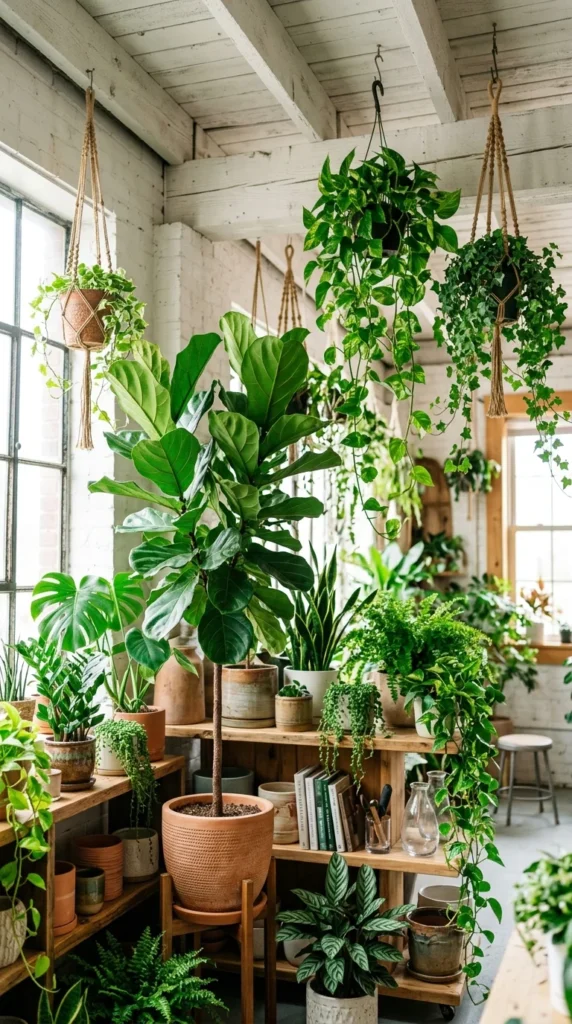
Plants do more than just beautify a space; they improve air quality and have been shown to reduce stress levels. Incorporating greenery into your hobby room creates a “living” environment that feels fresh and inviting. Choose low-maintenance varieties like pothos or snake plants if you tend to get lost in your work for days.
15. Personal Sanctuary
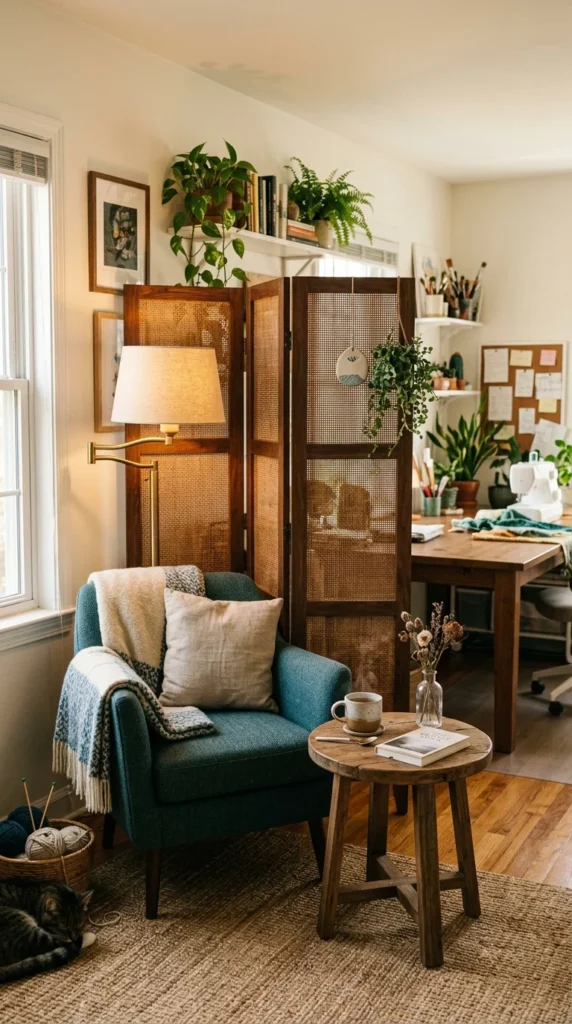
Every hobby room should have a “reset” corner. This is a space where you can step away from the project at hand to reflect, read, or simply breathe. A comfortable armchair or a small window seat provides a physical and mental break, preventing burnout during intense creative sessions.
16. Statement Workbench
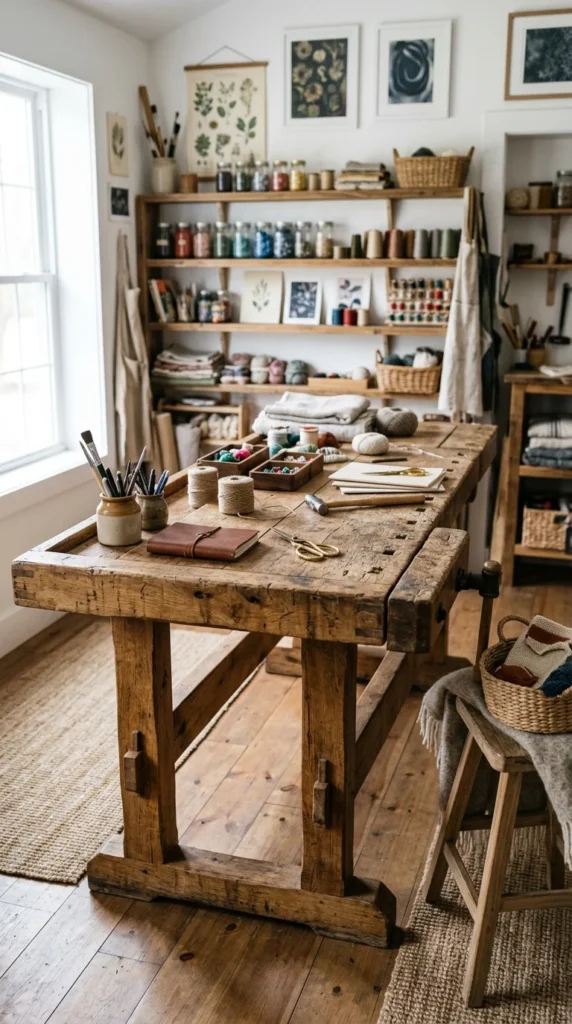
A high-quality workbench is the heart of many hobbies. Whether it’s a heavy-duty butcher block for woodworking or a large, smooth surface for pattern cutting, your primary work surface should be sturdy and spacious. Treating the workbench as a “statement piece” of furniture elevates the entire room’s design.
17. Sensory Details
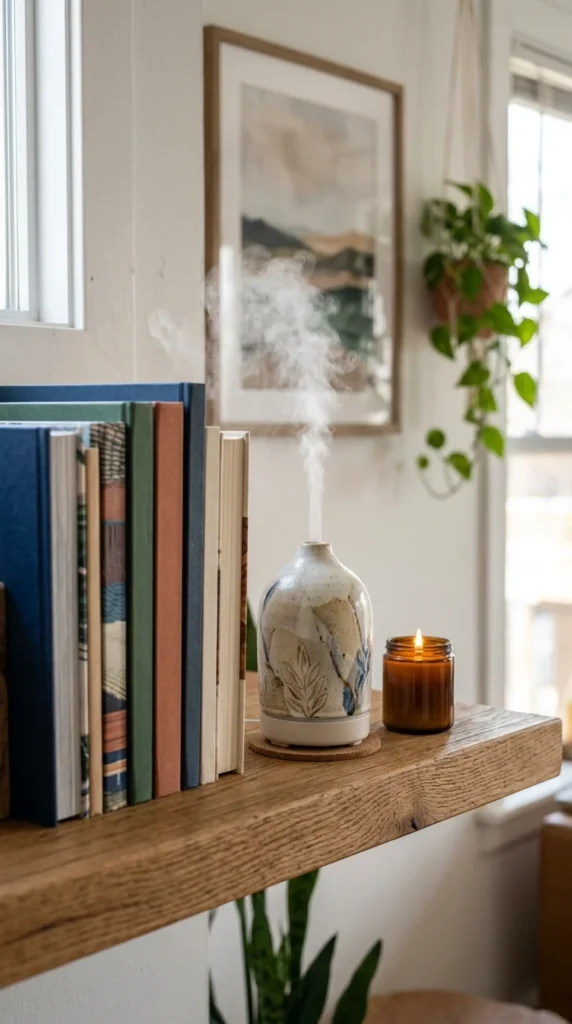
Engage all your senses to create a truly immersive experience. Consider the scent of the room—lavender for relaxation or citrus for energy. Think about the tactile experience of your tools and the background sounds. A room that caters to all senses becomes a destination you look forward to visiting every day.
18. Ease of Cleanup
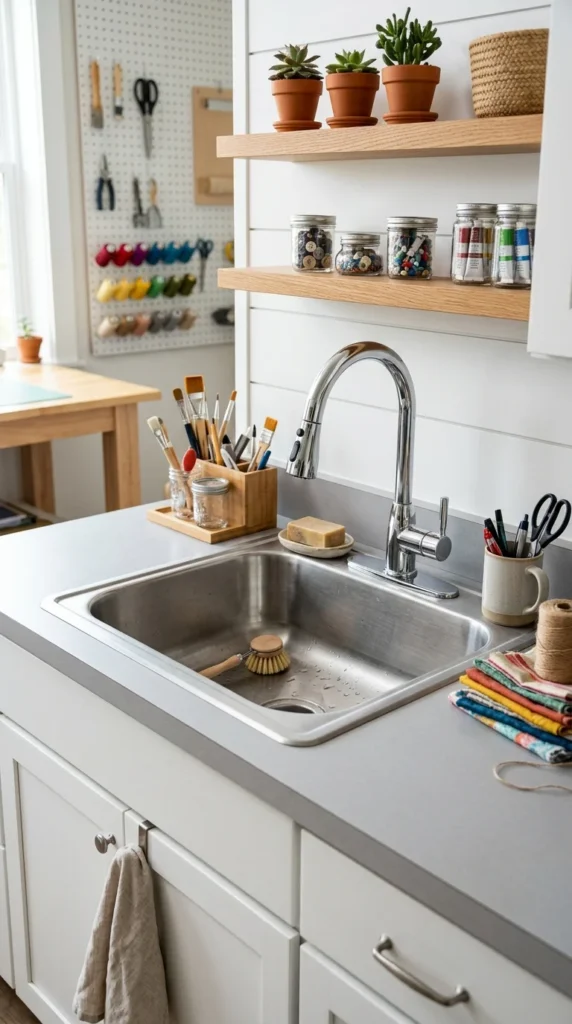
The creative process is often messy, but the cleanup shouldn’t be a deterrent. Incorporate features that make tidying up effortless, such as a built-in sink, a dedicated trash and recycling station, and surfaces that are resistant to stains and scratches. The easier it is to clean up, the more likely you are to start a new project tomorrow.