
The kitchen is the heart of the home, but for years, it was often the most monochromatic room in the house. The “all-white kitchen” dominated design magazines for decades, offering a clean, if somewhat sterile, aesthetic. However, interior design has shifted toward more personalized, layered, and dynamic looks. Enter the two-tone kitchen cabinet trend—a design strategy that uses two different colors or finishes to create visual interest, define space, and add architectural depth.
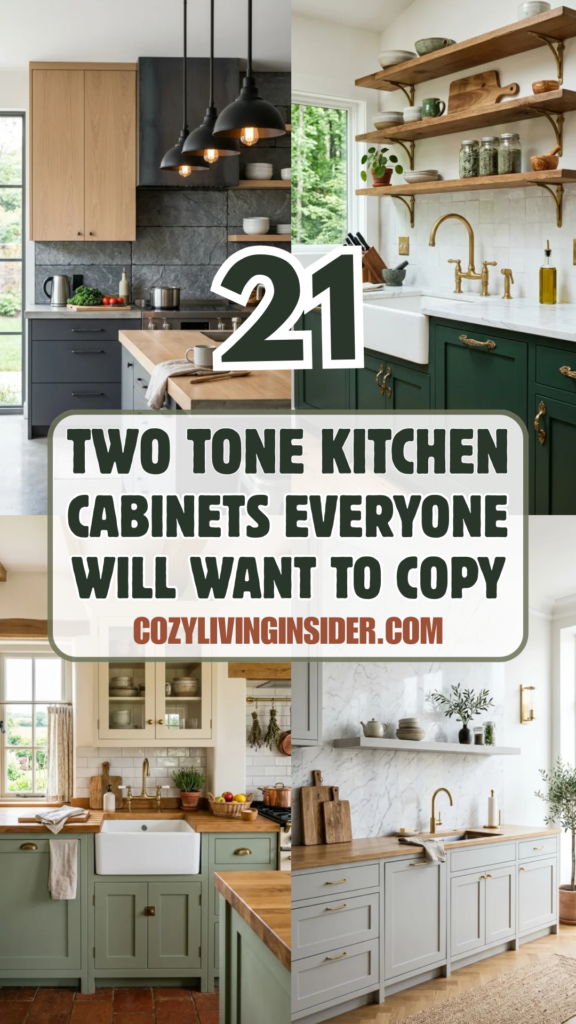
Two-tone cabinetry isn’t just about picking two colors you like; it’s about balance, proportion, and light. By strategically placing darker colors on the bottom and lighter shades on top, you can ground the room while keeping the upper half airy. Alternatively, using a different color for the kitchen island creates a focal point that anchors the entire room. Whether you are looking for a high-contrast “tuxedo” look or a subtle organic blend, these 21 two-tone kitchen cabinet ideas will inspire your next renovation.
1. Navy & White
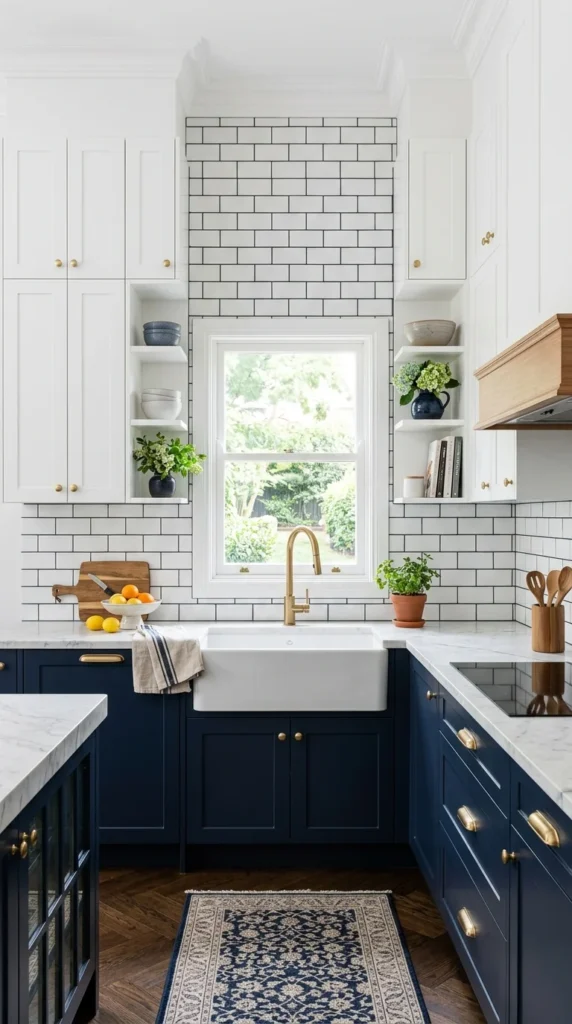
The navy and white combination is perhaps the most enduring two-tone trend. Often referred to as the “tuxedo” kitchen, this pairing offers a sense of stability and timelessness. The dark navy lowers ground the space, making the kitchen feel anchored, while the white uppers reflect light, preventing the room from feeling cramped or dark. This look works exceptionally well with brass or gold hardware, which adds a touch of warmth to the cool blue tones.
2. Sage & Cream
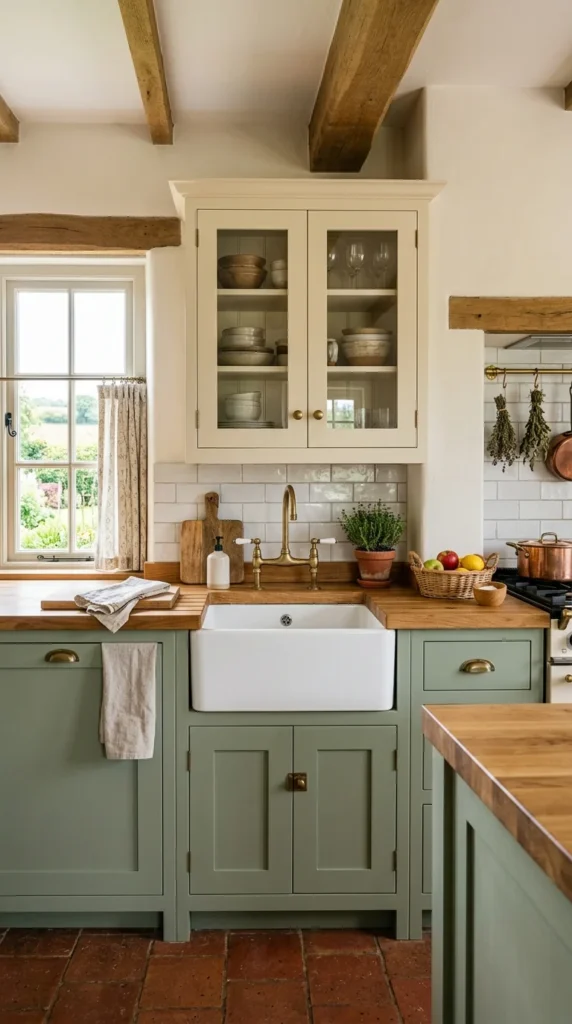
For those who want a hint of color without the intensity of primary shades, sage and cream are a perfect match. This palette evokes a sense of nature and tranquility, making it ideal for cottage-style or farmhouse kitchens. Sage green acts as a neutral with a twist, pairing beautifully with organic materials like wood and stone. Using a warm cream instead of a stark white softens the transition between the two colors.
3. Charcoal & Wood

This combination is a masterclass in texture. Mixing a solid paint color like charcoal with a natural wood grain adds an architectural element to the kitchen. The dark gray provides a sleek, modern edge, while the warmth of the wood prevents the space from feeling too industrial or cold. It is a popular choice for urban lofts and contemporary homes that value a “warm modern” aesthetic.
4. Black & White
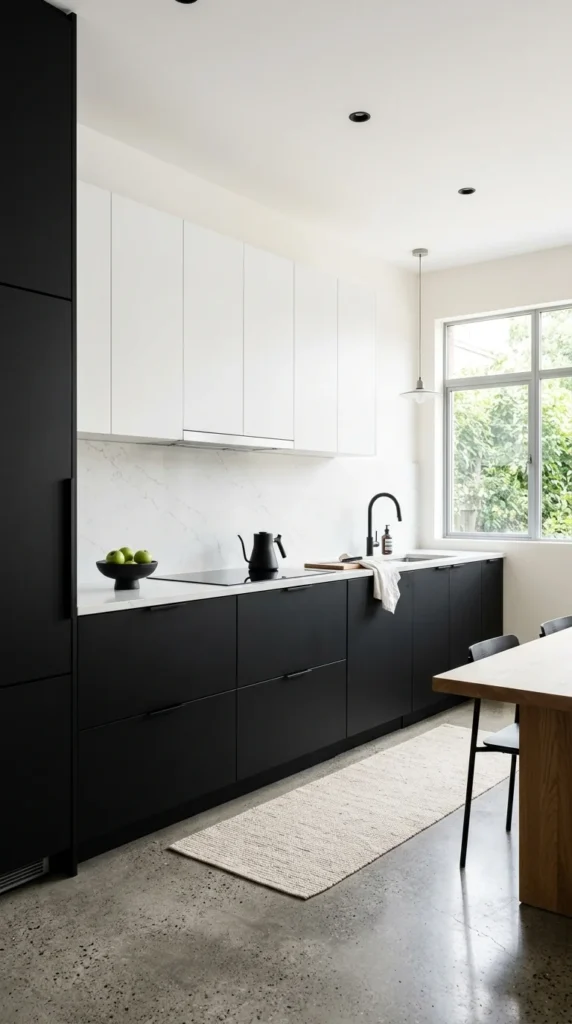
If you want a kitchen that makes a statement, black and white is the way to go. This high-contrast look is clean, bold, and incredibly versatile. To keep it from feeling too stark, designers often recommend using a matte finish for the black cabinets. This absorbs light and provides a velvety texture that looks expensive and curated.
5. Teal & Oak
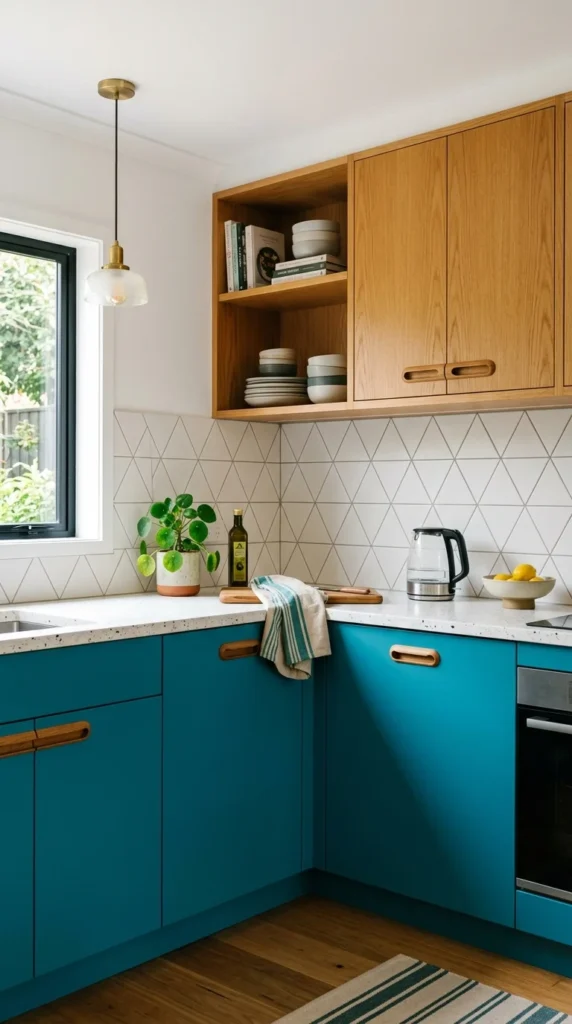
Teal and oak offer a playful yet sophisticated nod to mid-century modern design. Teal is a courageous choice that brings energy to the room, while the oak provides a vintage feel that balances the vibrancy. This duo works best in kitchens with plenty of natural light, where the blue-green hues can truly shine.
6. Forest Green & Brass
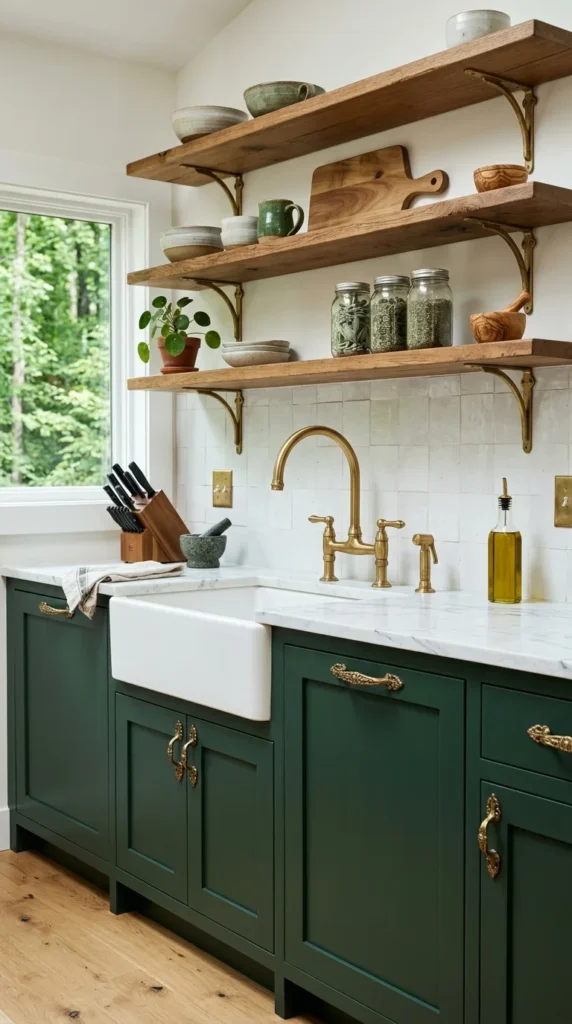
Forest green has emerged as the “new neutral” for luxury kitchens. It is moody, rich, and deeply comforting. When paired with brass accents and white marble, it creates a “jewelry box” effect. This two-tone approach often involves painting all the lower cabinets and the floor-to-ceiling pantry units in green, leaving the upper walls for light-colored tile or open shelving.
7. Greige & Walnut
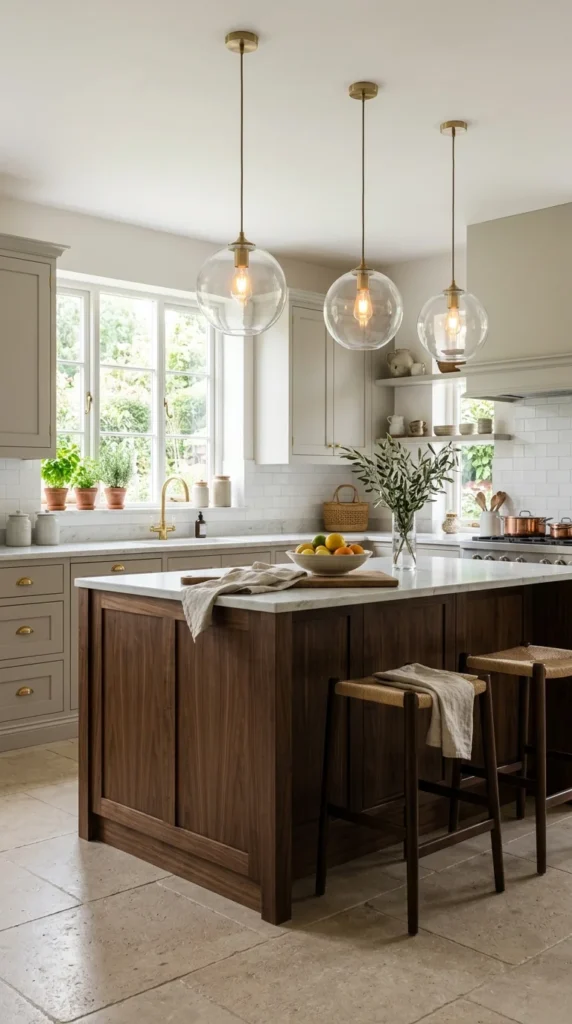
Greige (a mix of gray and beige) is the ultimate chameleon color. It’s warmer than gray but cooler than traditional beige. Pairing greige cabinets with a dark walnut island creates a subtle, high-end look that feels organic and expensive. This combination is perfect for homeowners who want a two-tone look that remains understated and elegant.
8. Gray & Marble
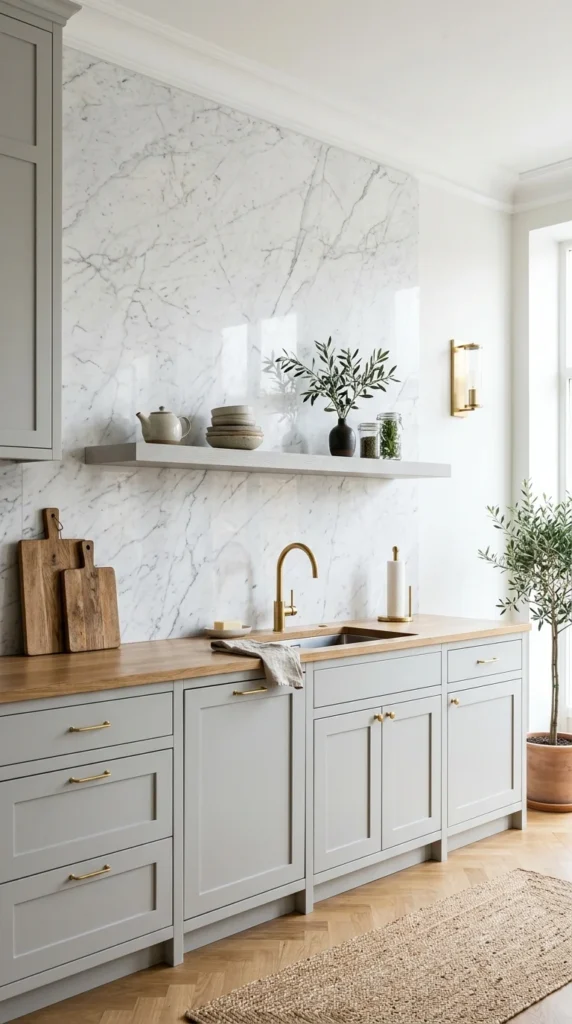
Technically, the “second tone” here is the stone itself. By choosing a light gray for the lower cabinets and allowing a heavily veined marble backsplash to take the place of upper cabinets, you create a seamless, airy environment. This is a favorite among minimalists who want to highlight the quality of their materials rather than a variety of colors.
9. Mint & Slate

Mint and slate offer a unique take on the cool-toned kitchen. The mint brings a fresh, spring-like energy to the upper half of the room, while the slate gray provides a heavy, grounding base. This is an excellent choice for smaller kitchens, as the light mint helps the ceiling feel higher.
10. Terracotta & Sand

Inspired by Southwestern and Mediterranean landscapes, this color pairing is all about warmth. Terracotta brings a rustic, grounded feel, while the sand color keeps the space feeling bright and sun-drenched. This look pairs exceptionally well with copper cookware and wrought-iron details.
11. Plum & Ash
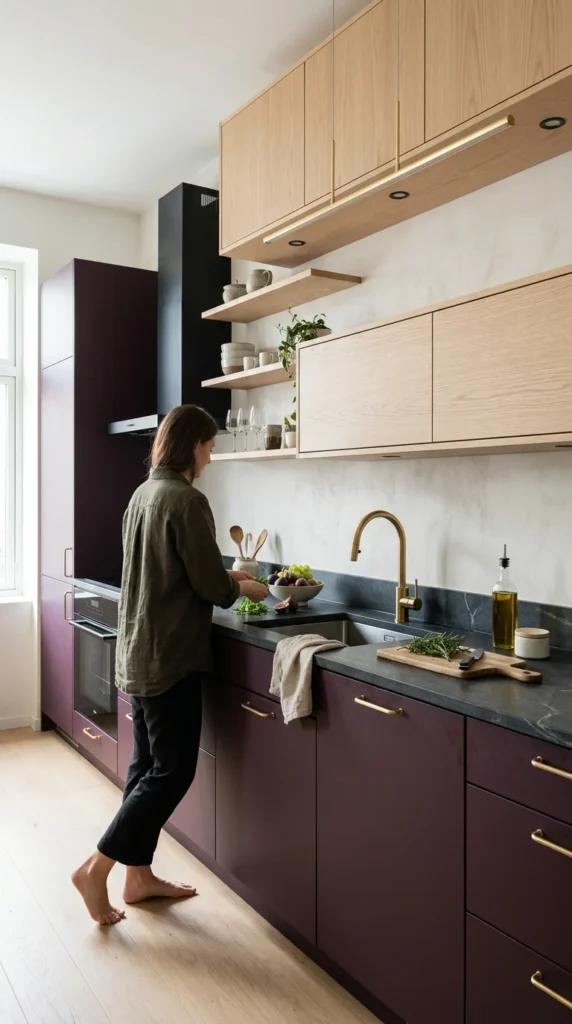
For the homeowner who isn’t afraid of color, plum and ash offer a sophisticated, artistic vibe. Plum is a regal, unexpected choice for a kitchen, and when paired with the pale, almost white tones of ash wood, it feels modern rather than traditional. It’s a great way to inject personality into a standard kitchen layout.
12. Midnight & Gold

This is the pinnacle of glamour. Midnight blue is so dark it almost passes for black in certain lights, providing an incredible backdrop for gold accents. Using gold-toned cabinetry or metal-leafed uppers is a bold move that turns the kitchen into a showpiece. It’s a design choice that works best in open-concept homes where the kitchen serves as a social hub.
13. Sky Blue & White
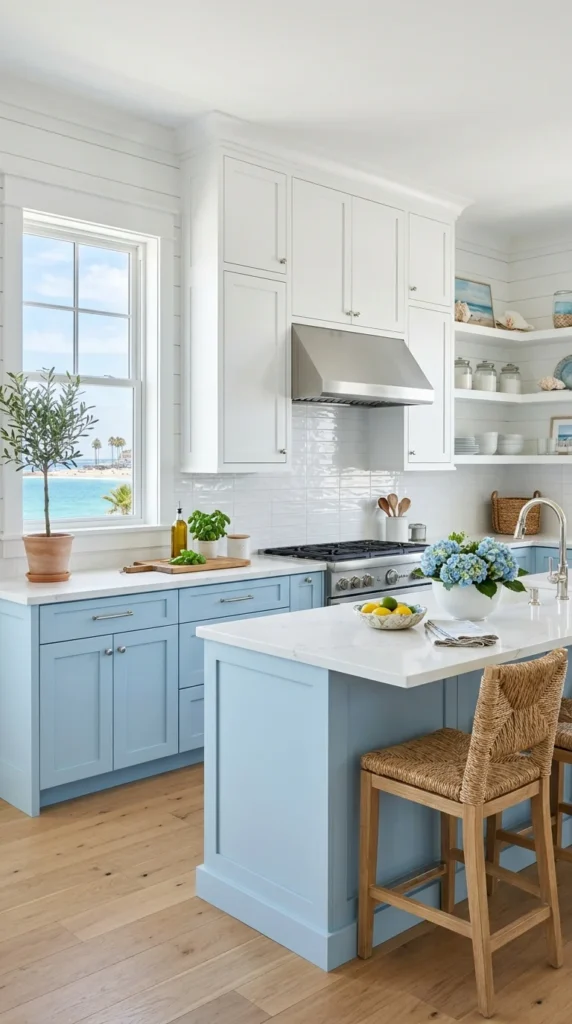
Perfect for beach houses or anyone wanting a “breezy” feel, sky blue and white are incredibly refreshing. This combination maximizes light and creates a relaxed atmosphere. To keep it from looking too much like a nursery, use professional-grade stainless steel appliances and clean-lined hardware.
14. Espresso & Ivory
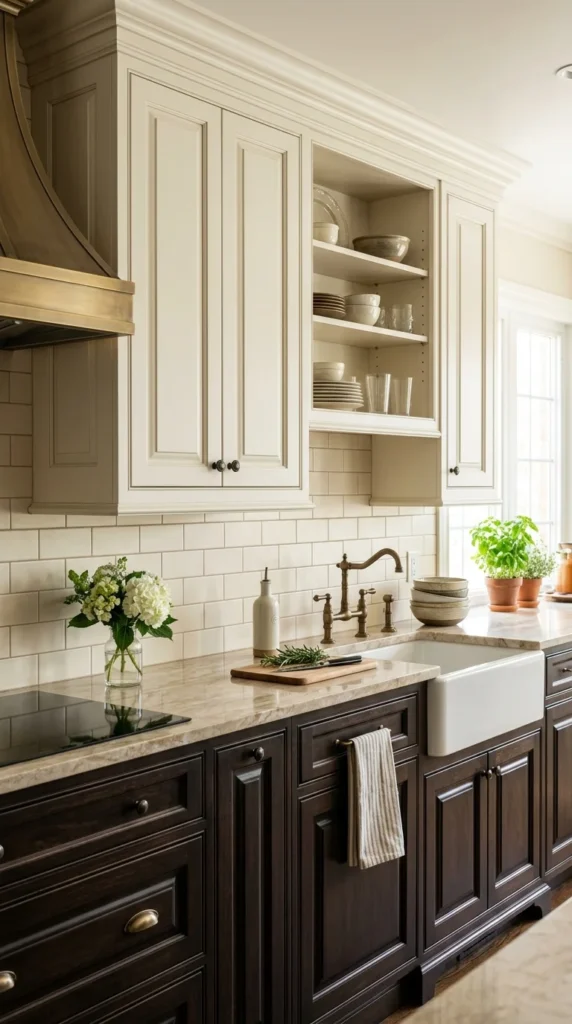
A classic in traditional home design, espresso and ivory offer high contrast without the starkness of black and white. The deep brown wood tones provide a sense of luxury and permanence, while the ivory uppers keep the workspace bright. This is an excellent choice for larger kitchens with traditional architectural details.
15. Emerald & Copper

Emerald green is a high-energy color that demands attention. When paired with the warm, glowing tones of copper, the kitchen takes on a vintage, laboratory-chic aesthetic. This combination is often seen in trendy bistros and is making a significant splash in residential design.
16. Taupe & Natural
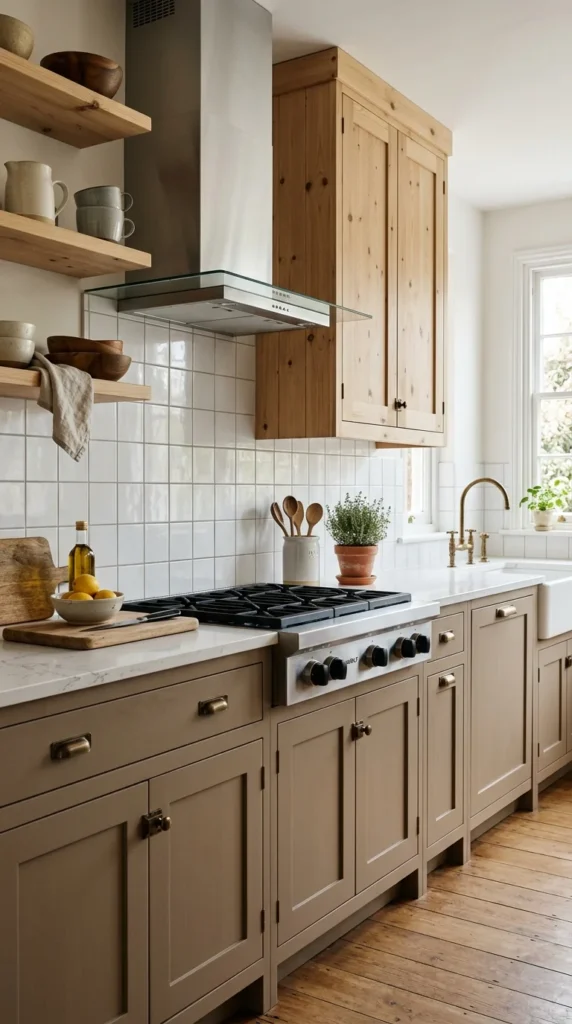
This is a very soft, low-contrast two-tone look. Taupe and natural wood share similar undertones, creating a very cohesive and calming environment. It is the perfect palette for a Scandinavian or Japanese “Japandi” inspired home where the focus is on simplicity and natural materials.
17. Blush & Gray
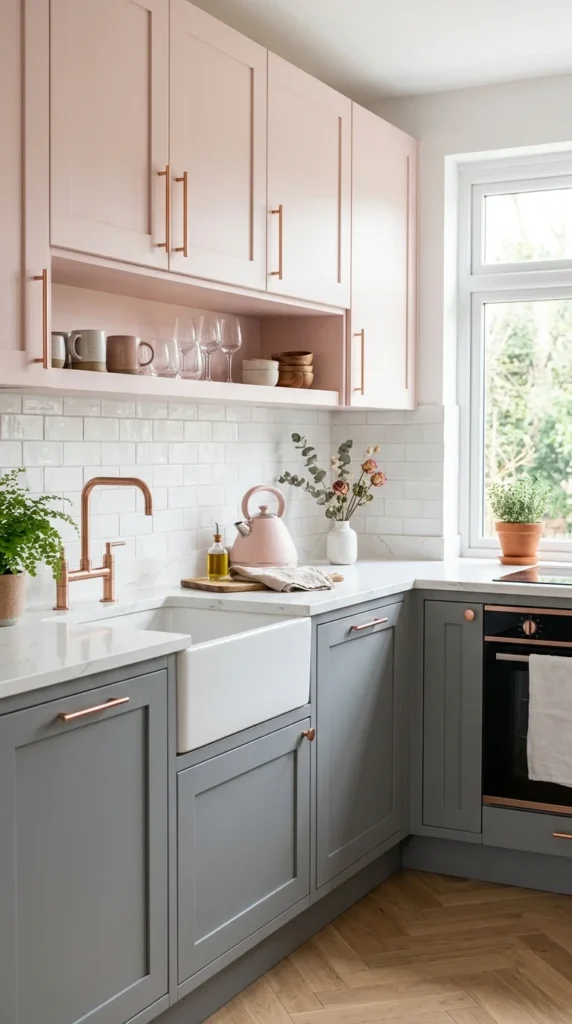
Blush pink has moved beyond the bedroom and into the kitchen. When paired with gray, it loses its “saccharine” quality and becomes a sophisticated neutral. The gray lowers provide the necessary “weight” to the design, while the blush adds a soft, flattering glow to the room.
18. Mustard & Charcoal
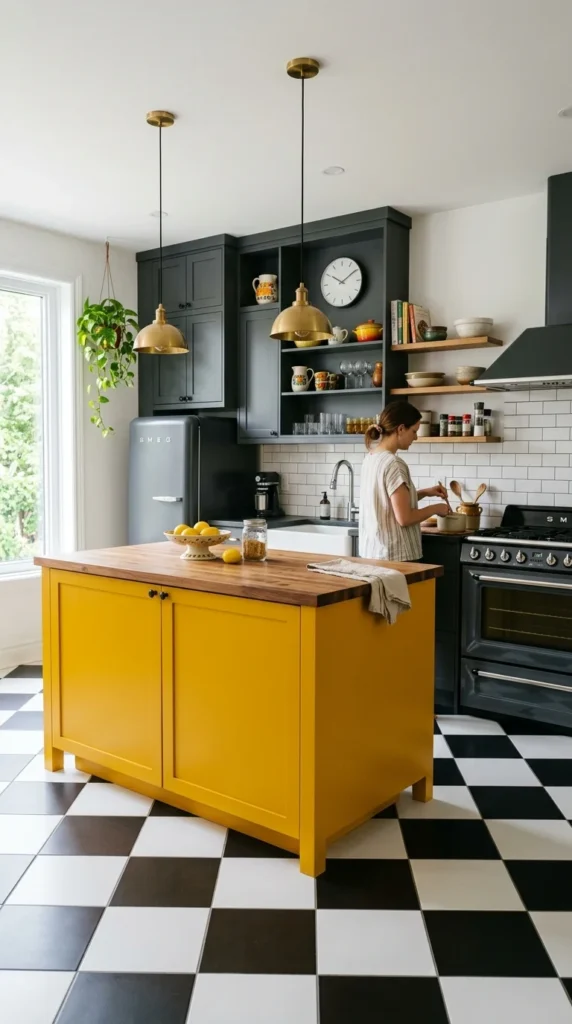
Mustard yellow and charcoal are a classic mid-century color duo. This is a high-personality choice that brings a sense of cheer and “cool” to the home. The yellow serves as a focal point—usually on the island—while the charcoal prevents the yellow from becoming overwhelming.
19. Olive & Birch
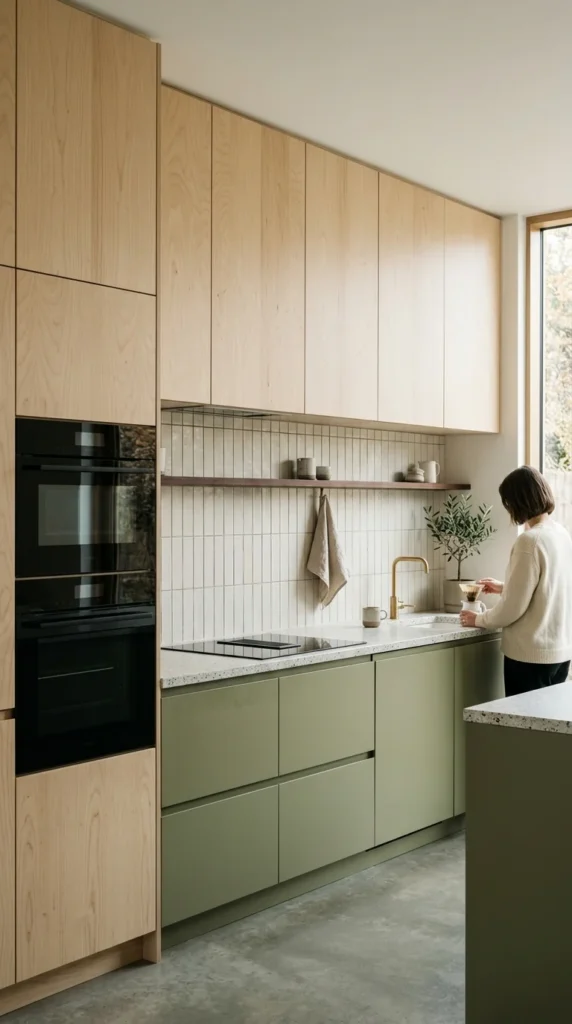
Olive green and birch wood create a “forest” feel that is very grounding. This combination is particularly effective in kitchens that have a connection to the outdoors, such as those with large sliding glass doors leading to a garden. It feels organic, humble, and incredibly stylish.
20. Burgundy & Cream
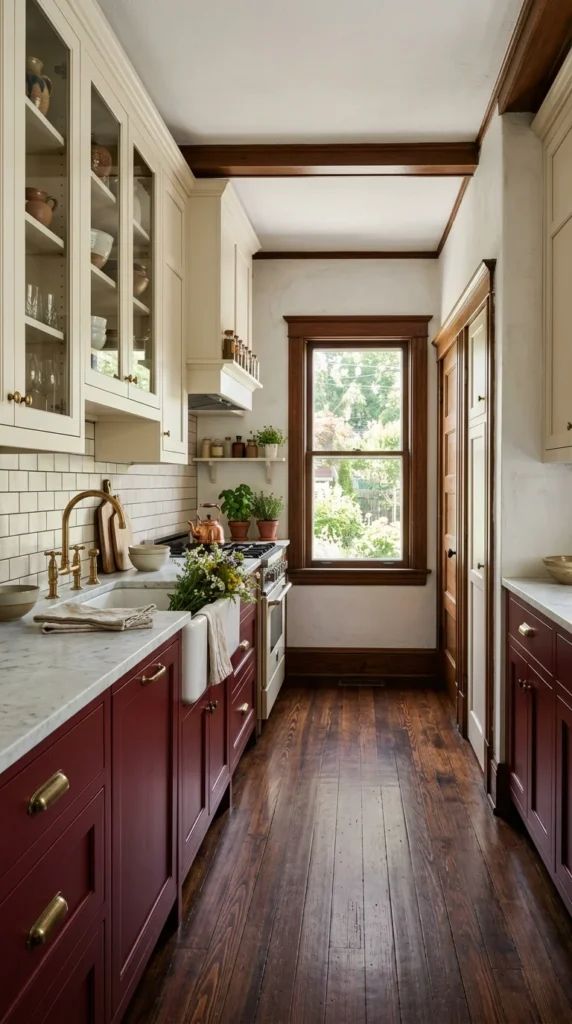
Burgundy is a traditional color that brings a sense of heritage and warmth. When paired with cream, it feels less “heavy” and more balanced. This is a great choice for older homes where you want to respect the history of the architecture while still embracing modern design trends.
21. Matte Black & Raw Wood
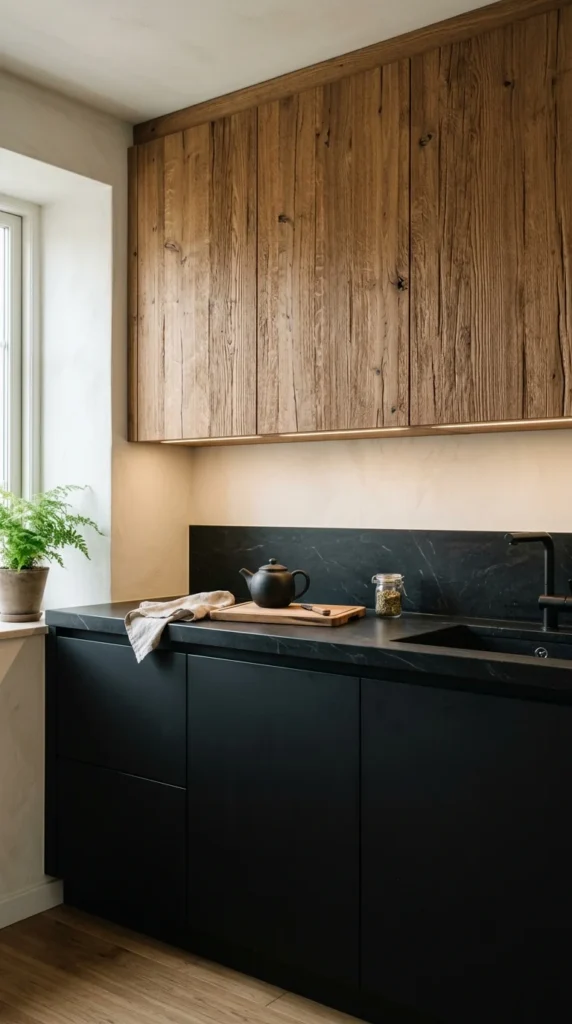
For a truly contemporary and architectural look, matte black and raw wood are unbeatable. The contrast in texture is just as important as the contrast in color. The smoothness of the matte black against the rugged, knotty texture of raw wood creates a kitchen that feels more like a piece of custom furniture than a utility room.
Key Tips for Two-Tone Success
Choosing the colors is only half the battle. To ensure your two-tone kitchen looks professional and balanced, keep these design principles in mind:
- Ground the Space: As a general rule, place the darker color on the lower cabinets. This provides a visual “weight” that makes the room feel stable. Putting dark colors on top can sometimes make the ceiling feel like it is “closing in.”
- Coordinate the Hardware: Use the hardware to tie the two colors together. Using the same finish (like brushed brass or matte black) on both sets of cabinets creates a sense of continuity.
- The Power of the Island: If you aren’t ready to commit to different colors for your upper and lower cabinets, try making the kitchen island a different color than the perimeter cabinets. This is the easiest way to dip your toe into the two-tone trend.
- Neutralize the Rest: When using two different cabinet colors, try to keep the walls, floors, and backsplash relatively neutral. You want the cabinets to be the star of the show, not compete with a busy wallpaper or a loud floor tile.