
The entryway serves as the definitive preamble to your home’s interior narrative. It is the first space guests encounter and the last one you see before departing, making it the ideal candidate for a high-impact design intervention. An accent wall in the foyer does more than just fill empty space; it anchors the room, provides architectural interest, and sets a sophisticated tone for the rest of the residence. Whether you are aiming for modern minimalism, rustic warmth, or bold maximalism, the following twenty ideas provide a comprehensive guide to elevating your entryway.
1. Classic Shiplap
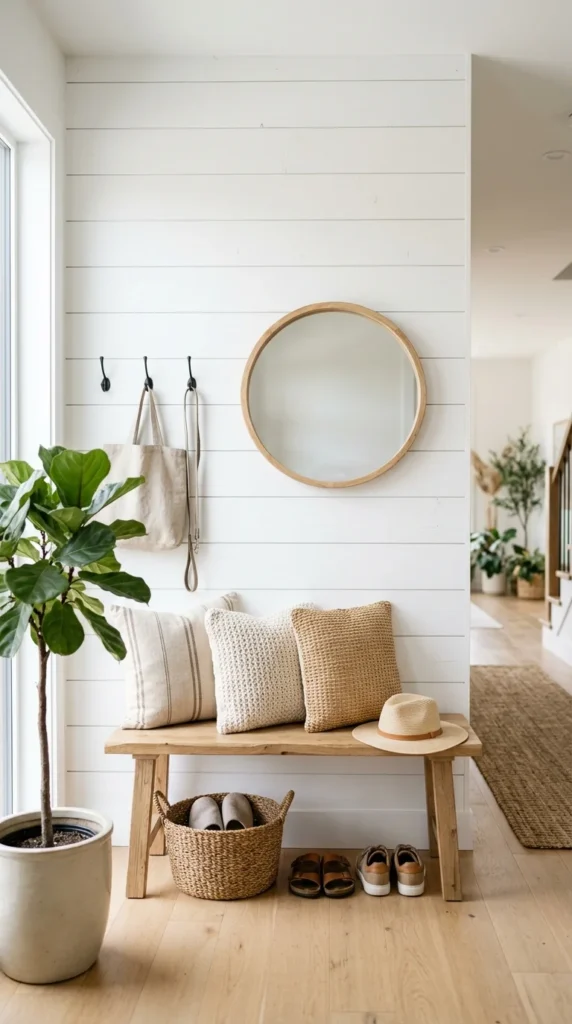
Horizontal shiplap remains a premier choice for those seeking a “modern farmhouse” or coastal aesthetic. By installing interlocking wooden planks horizontally, you create a sense of width in a narrow hallway. While traditional white is a staple for a clean, bright look, painting shiplap in a charcoal or navy hue can instantly modernize the texture, adding depth and architectural shadow lines that paint alone cannot achieve.
2. Bold Paint
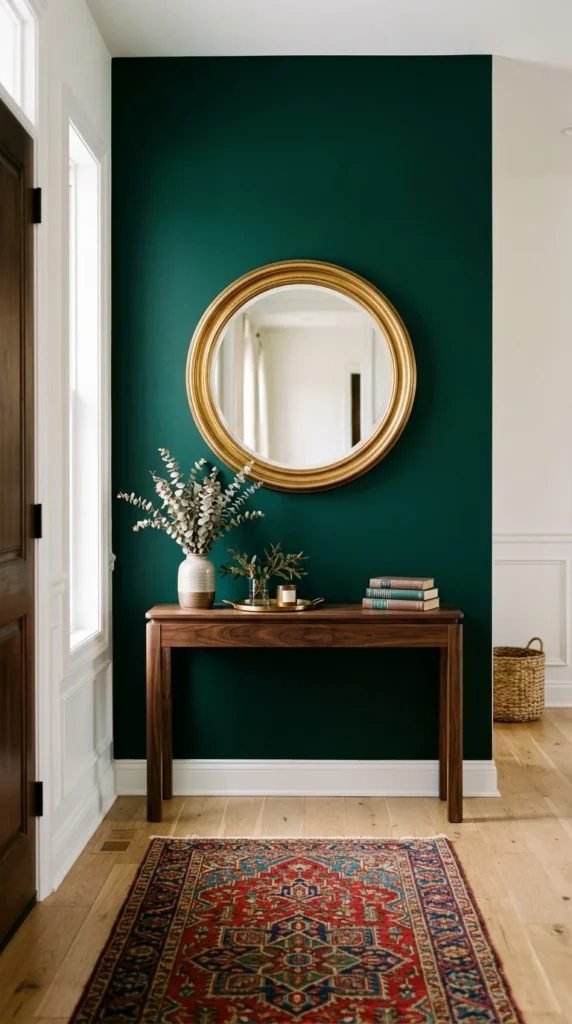
Sometimes, the most effective transformation is the simplest. A single wall painted in a saturated, moody tone—such as forest green, midnight blue, or terracotta—creates an immediate focal point. This approach works exceptionally well in foyers with ample natural light. To ensure the space remains “elevated” rather than overwhelming, opt for a matte or eggshell finish to minimize glare and highlight the richness of the pigment.
3. Statement Wallpaper
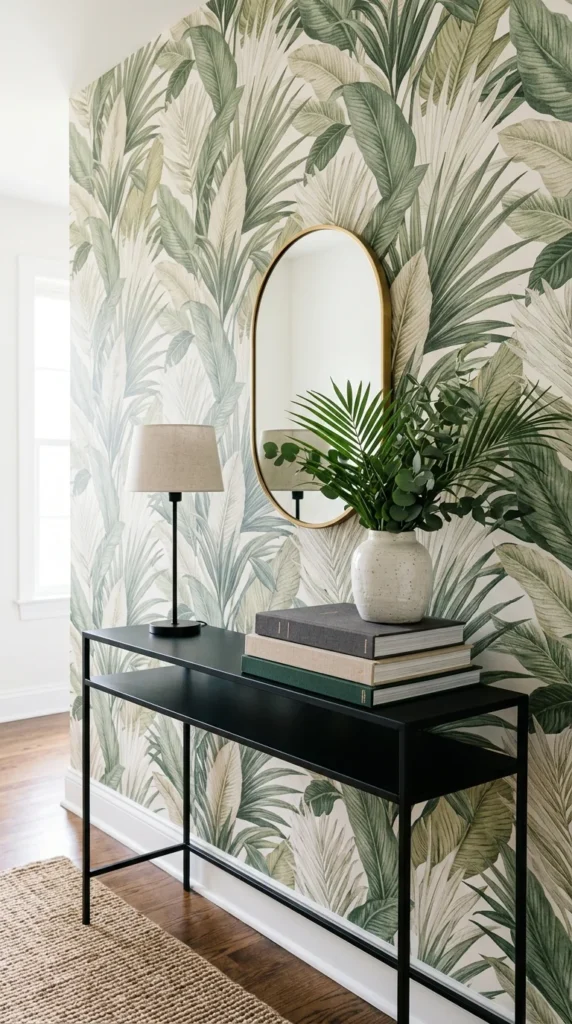
Wallpaper has seen a massive resurgence in luxury interior design. For an entryway, consider oversized florals, intricate chinoiserie, or subtle grasscloth textures. Wallpaper allows for a level of detail and pattern that is difficult to replicate with paint. Peel-and-stick options are available for those who want flexibility, but traditional high-end paper offers a tactile quality that feels permanent and intentional.
4. Gallery Wall
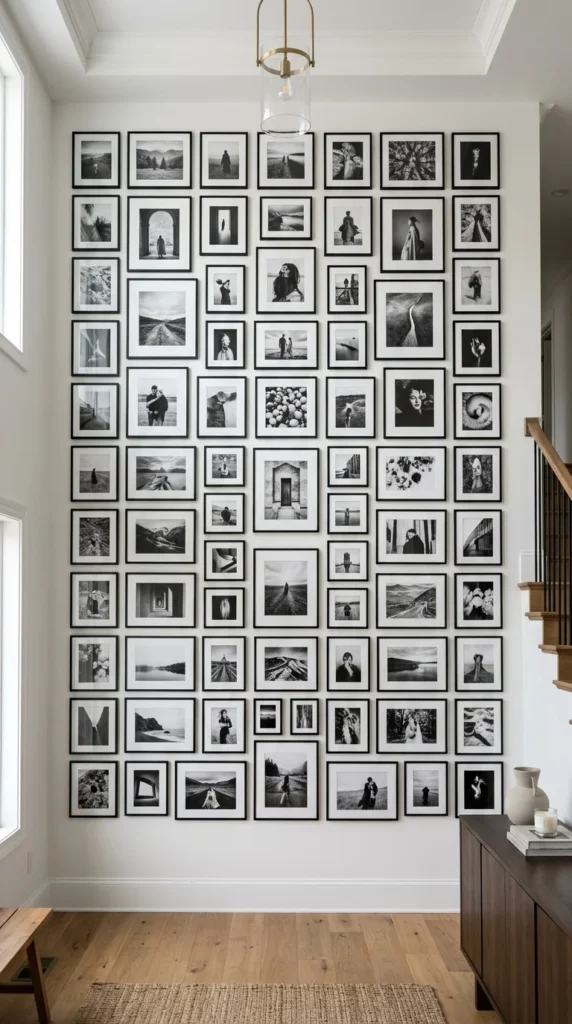
A gallery wall transforms a transition space into a personal museum. The key to an elevated gallery wall is consistency; using matching frames or a restricted color palette for the artwork creates a cohesive look. In an entryway, this wall serves as a conversation starter, showcasing family history, travel photography, or abstract sketches that reflect the homeowner’s personality.
5. Board and Batten
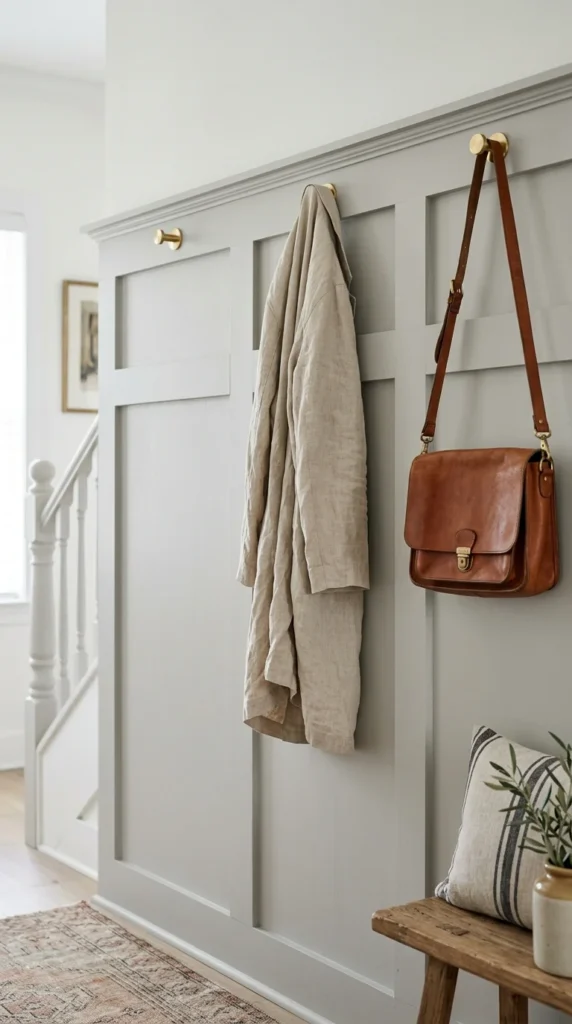
Board and batten is a timeless carpentry technique that adds three-dimensional structure to a flat wall. By applying vertical and horizontal wooden strips over a smooth surface, you create a paneled effect that feels historic and expensive. This is particularly effective when used on the lower two-thirds of the wall, topped with a ledge for small art pieces or decorative objects.
6. Oversized Mirror
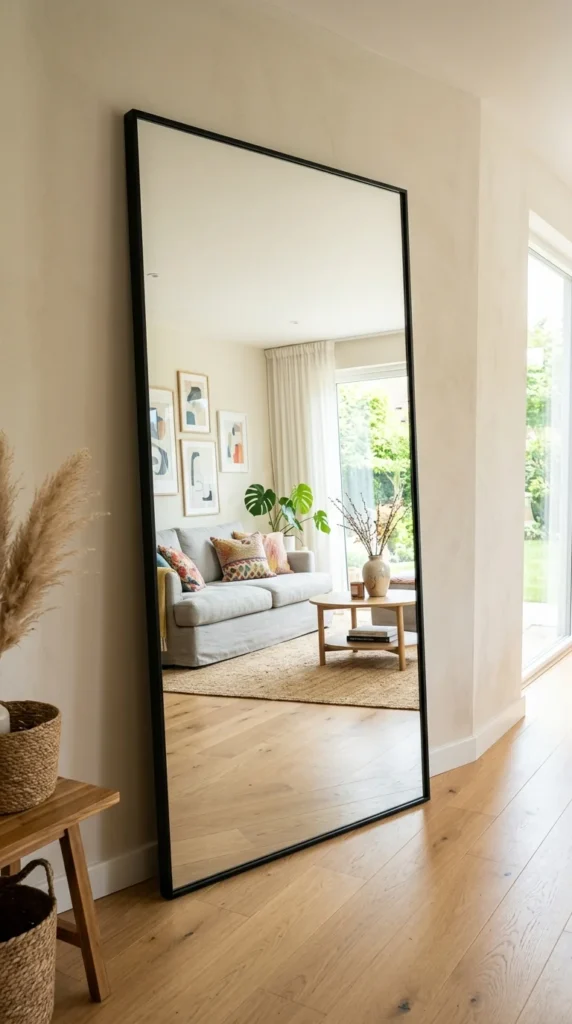
In smaller entryways, an accent wall defined by a massive mirror is a masterclass in functional design. A large-scale mirror reflects light and provides the illusion of doubled square footage. Whether it is a sleek, frameless modern piece or a heavy, ornate gilded antique, a mirror serves as a “window” that opens up the foyer while providing a practical spot for a final appearance check.
7. Wood Slats
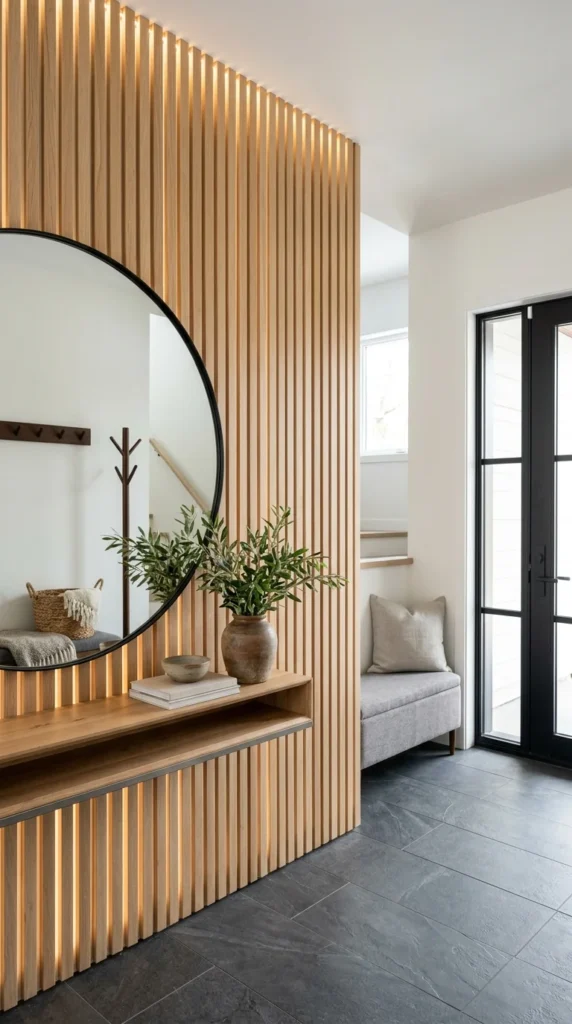
Vertical wood slats provide a mid-century modern or Scandinavian vibe that feels incredibly high-end. The repetition of the thin wooden columns adds height to the room and introduces a rhythmic, organic texture. This style is often used to hide secret doors or to provide a backdrop for a minimalist floating bench, blending natural materials with sharp, architectural lines.
8. Stone Veneer
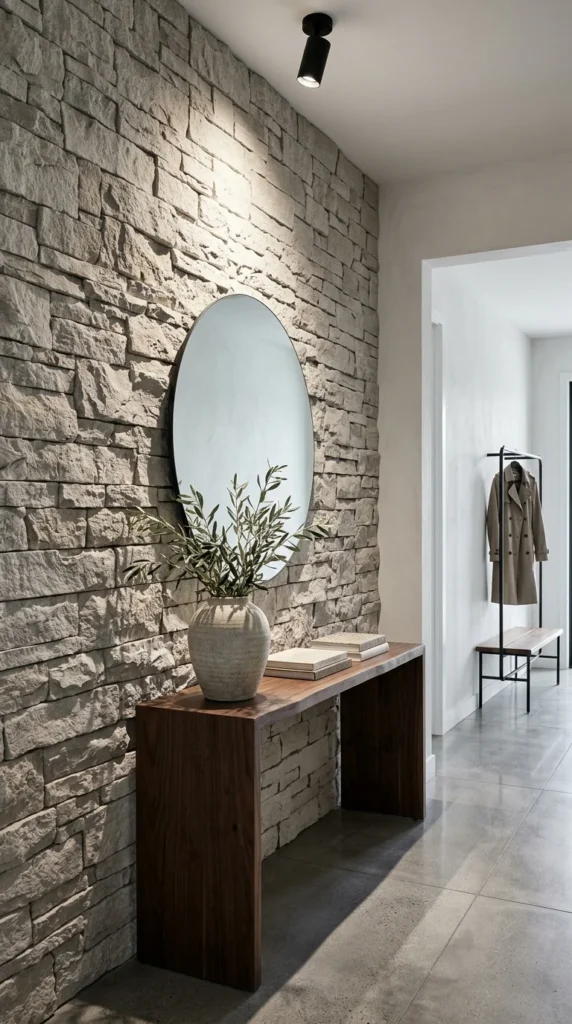
To bring the outdoors in, a stone veneer accent wall provides an earthy, grounded feel. From sleek slate tiles to rugged stacked ledge stone, this material introduces a tactile element that feels permanent and structural. When paired with soft lighting, the shadows created by the stone’s uneven surface add a dramatic, moody ambiance to the home’s entrance.
9. Exposed Brick
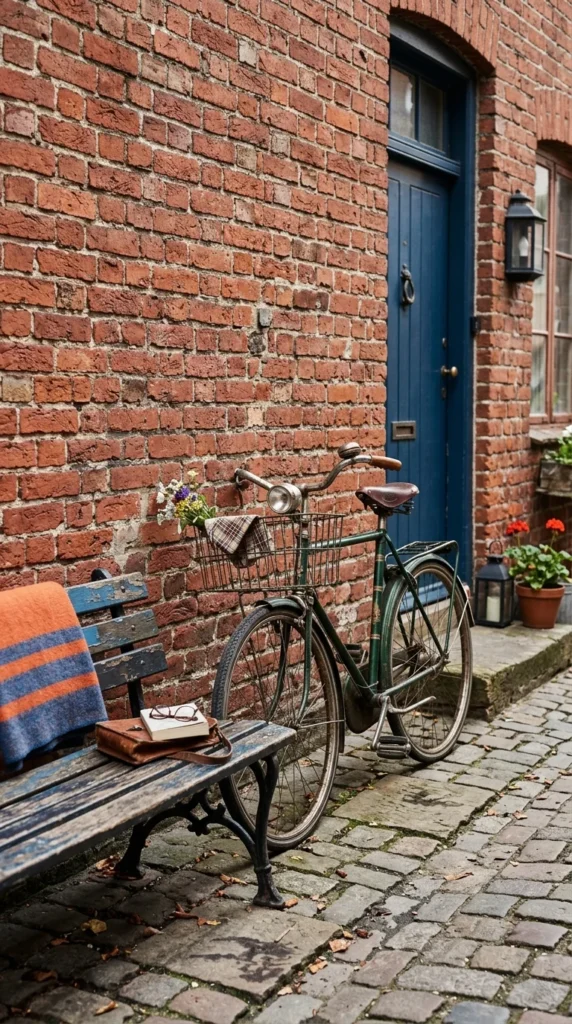
Exposed brick offers an industrial or historical charm that is hard to beat. If your home doesn’t have original brick, high-quality brick veneers can replicate the look perfectly. It provides a warm, ruddy backdrop that pairs beautifully with iron accents, leather furniture, and greenery, giving the entryway a “loft-style” sophistication.
10. Abstract Mural
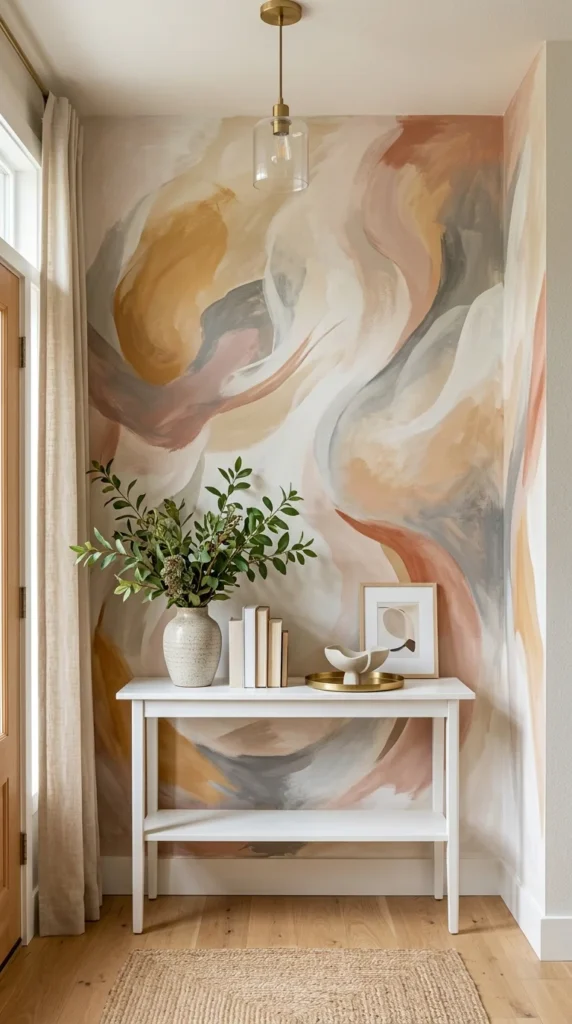
For a truly unique entrance, a hand-painted or custom-printed mural acts as a massive piece of art. Abstract murals with soft, flowing shapes or monochromatic landscapes create a serene environment. This approach works best when the rest of the furniture in the entryway is kept simple, allowing the wall itself to be the primary artistic statement.
11. Integrated Shelving
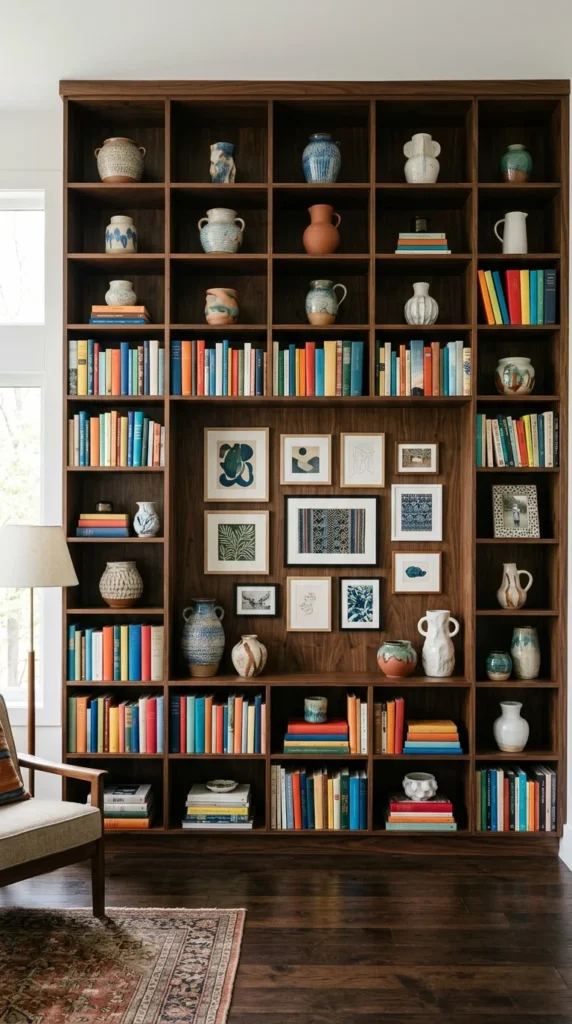
Combining storage with aesthetics, an accent wall of built-in shelving is both practical and beautiful. By painting the back of the shelves a contrasting color or using high-quality wood grain, you create a sophisticated “library” feel right at the front door. This is an excellent way to display curated collections and keep the entryway organized.
12. Metallic Accents
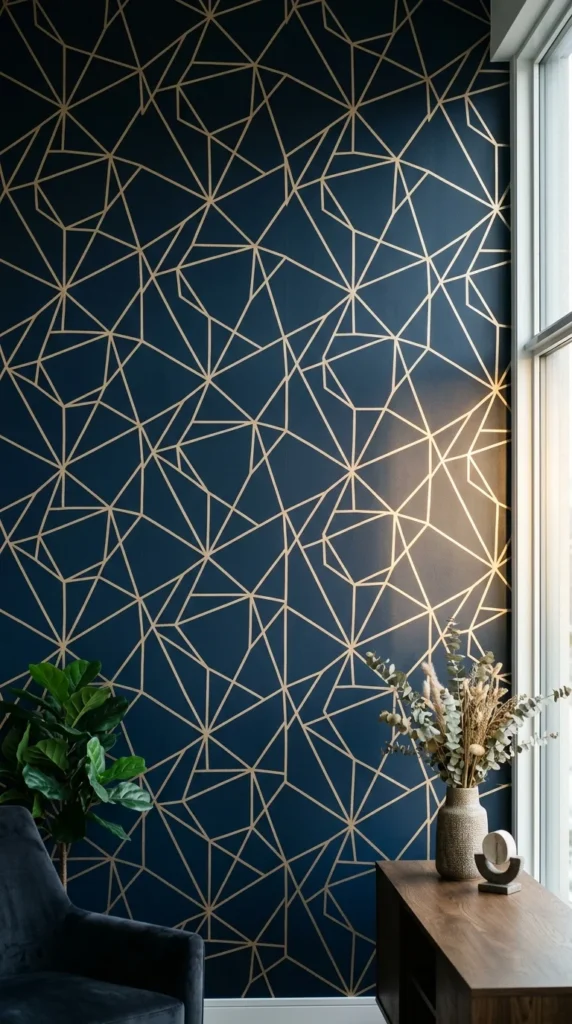
Metallics bring a sense of luxury and glamour to the home. This can be achieved through metallic-flecked wallpaper, gold-leafing, or geometric wall decals. In an entryway, where lighting is often focused, metallic accents catch the glow of lamps or chandeliers, creating a shimmering, dynamic surface that changes throughout the day.
13. Venetian Plaster
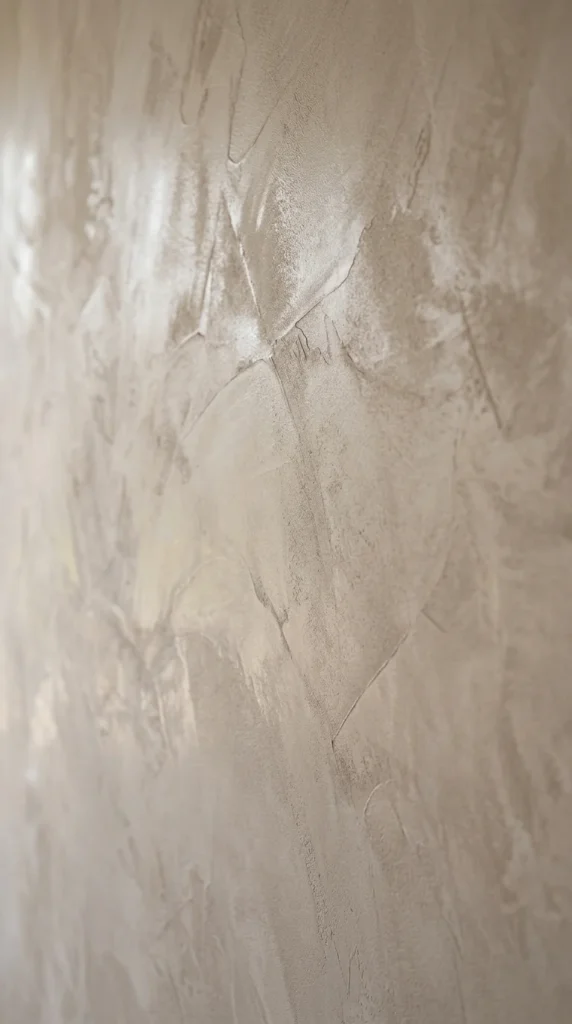
Venetian plaster is a high-end wall finish made from fired limestone and water, which is then applied in thin layers. The result is a smooth, polished surface with a depth of color and a slight translucency that mimics stone. It is a subtle way to add “quiet luxury” to an entryway without relying on loud patterns or bright colors.
14. Functional Chalkboard
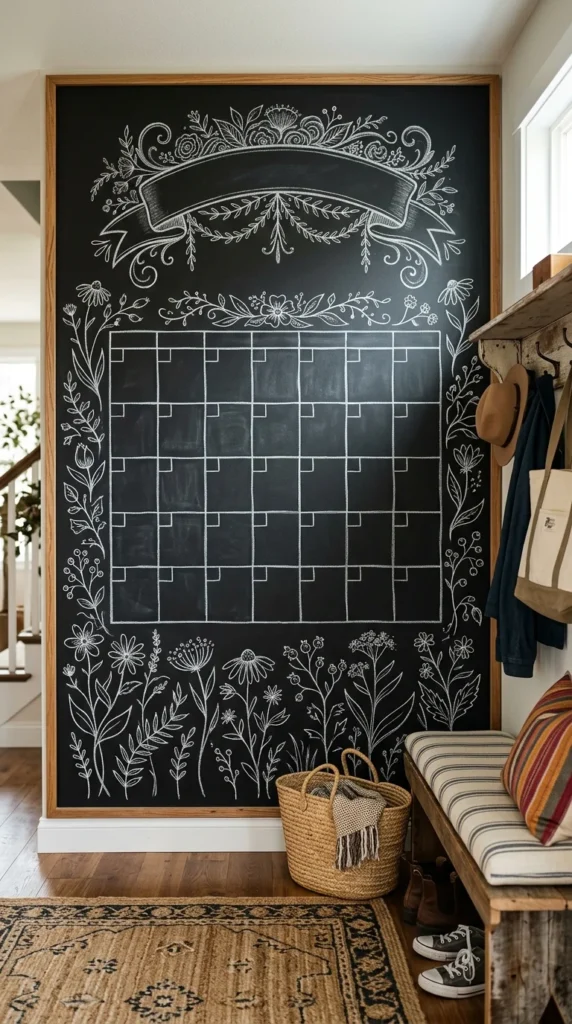
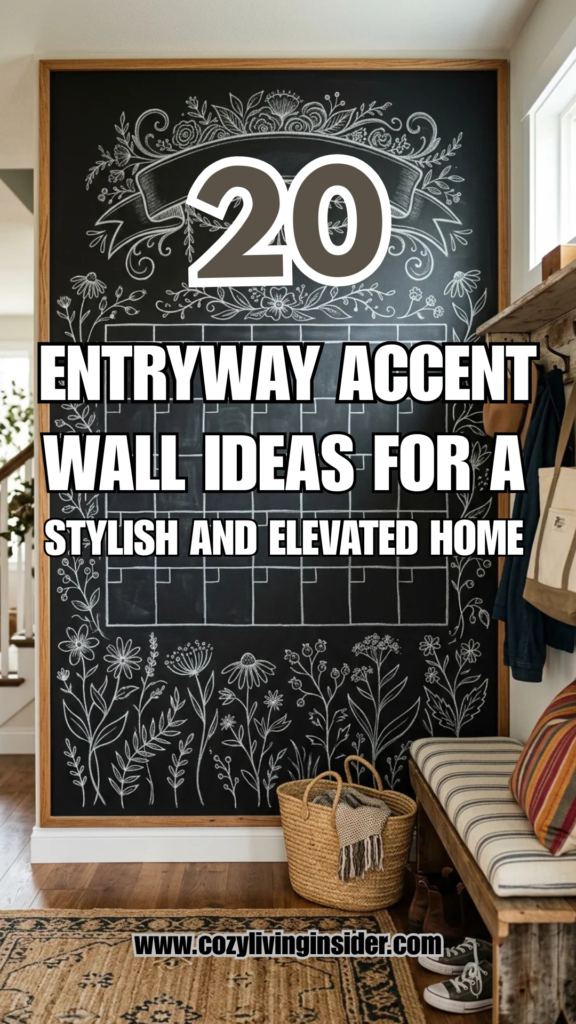
While often associated with kitchens or playrooms, a sophisticated chalkboard wall can work beautifully in a modern entryway. When executed in a high-quality matte black paint and kept organized, it serves as a functional art piece where family schedules, welcoming messages, or artistic sketches can be rotated, keeping the decor fresh and personal.
15. Symmetrical Sconces
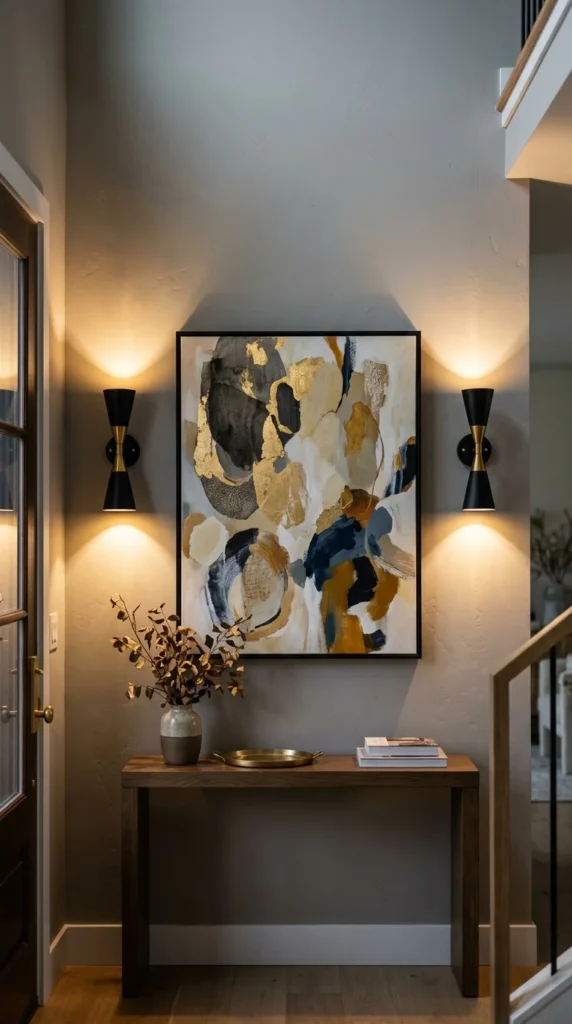
Sometimes the “accent” isn’t the wall surface itself, but how it is lit. A symmetrical arrangement of high-end wall sconces can transform a plain wall into a grand architectural feature. Lighting draws the eye and highlights the textures or artwork on the wall, creating a warm, inviting atmosphere that is essential for a foyer.
16. Patterned Tile
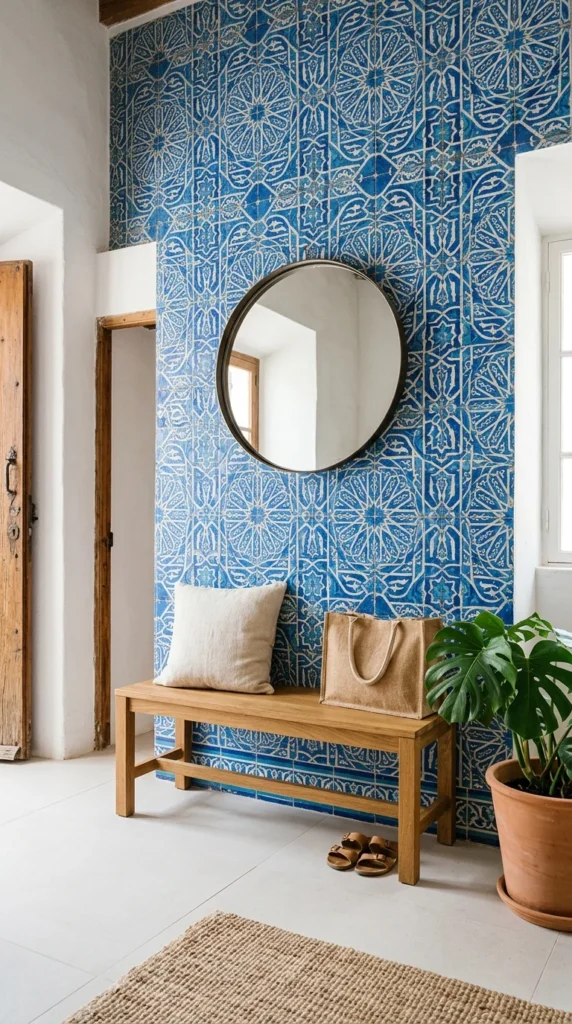
Tiling a wall is a bold move that pays off in durability and visual impact. Encaustic tiles with bold patterns or textured ceramic tiles can create a “jewelry box” effect in an entryway. Because tile is easy to clean, this is also a very practical choice for a high-traffic area that might encounter damp coats or muddy shoes.
17. Natural Cork
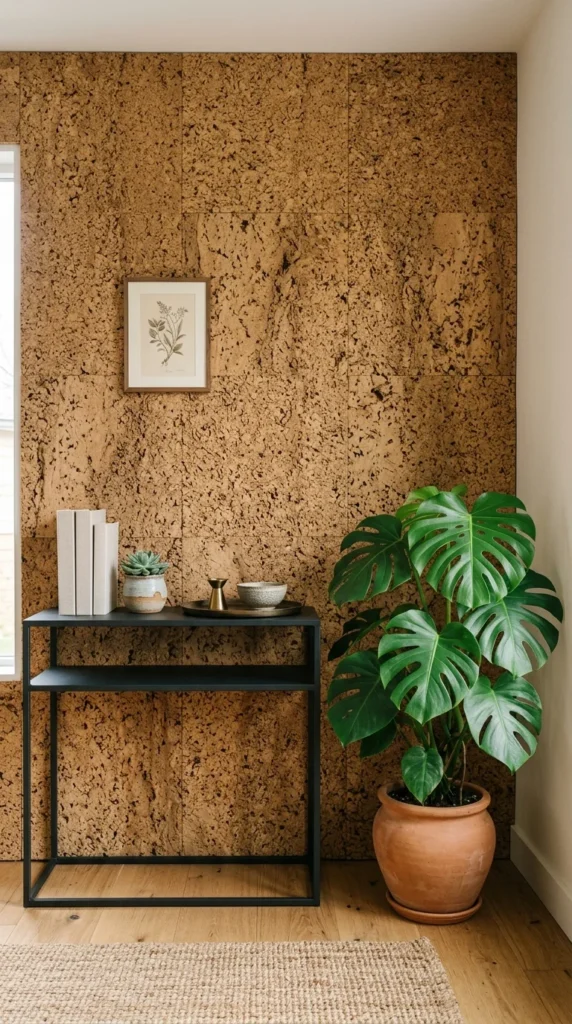
Cork is an eco-friendly material that introduces incredible warmth and acoustic benefits. An accent wall made of thick cork tiles adds a tactile, organic element to the home. Beyond its visual appeal, it acts as a giant bulletin board for pinning invitations, photos, and notes, making it a perfect hub for a busy household.
18. Padded Fabric Panels
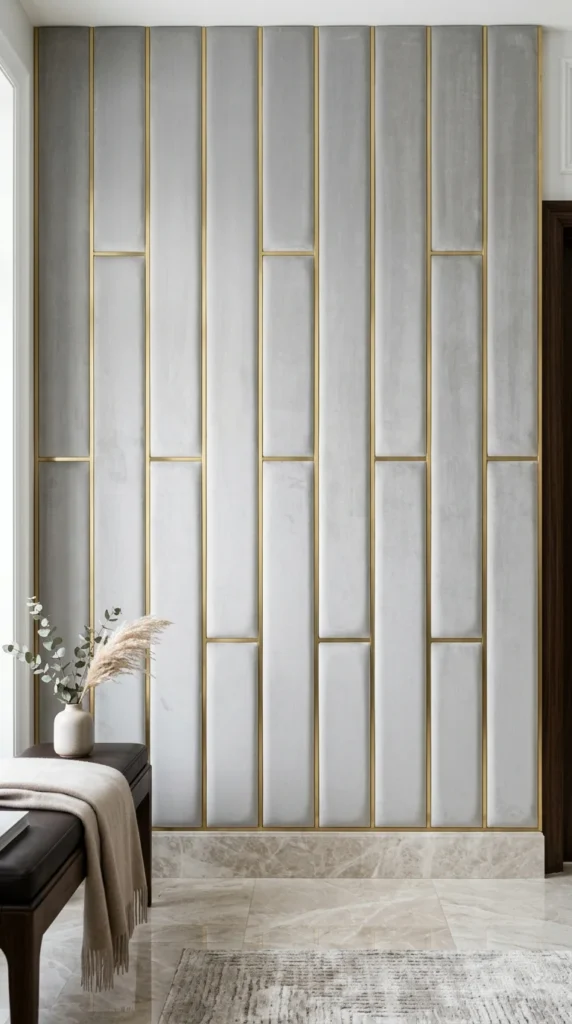
Upholstered wall panels provide the ultimate in luxury and sound dampening. Using fabrics like velvet, linen, or faux leather, these panels add a soft, tactile dimension to the entryway. This look is frequently seen in boutique hotels and high-end penthouses, offering a sense of comfort and exclusivity from the moment you step inside.
19. Vertical Greenery
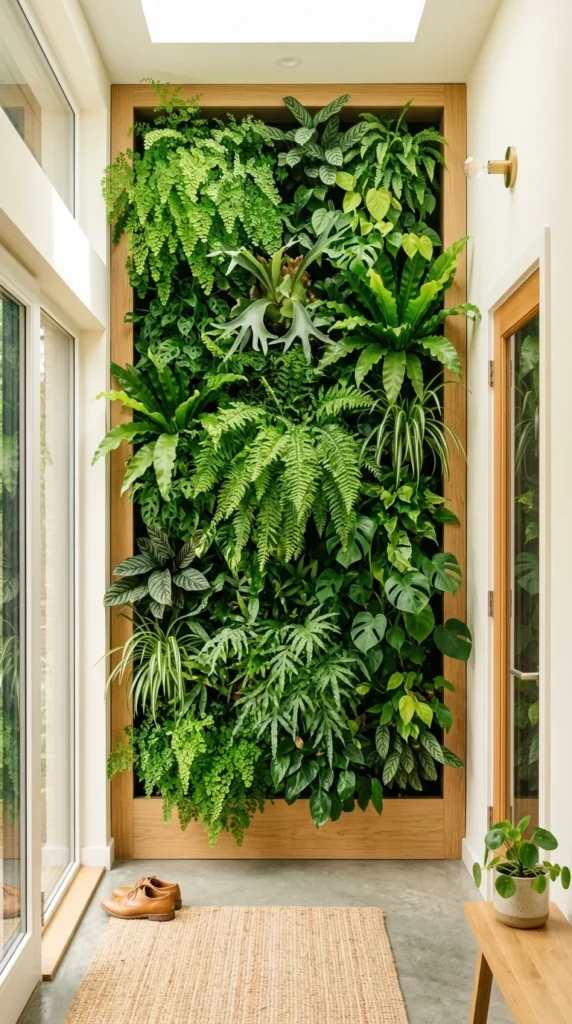
A “living wall” or a preserved moss installation brings life into the home quite literally. A vertical garden creates a stunning, organic focal point that purifies the air and provides a calming, biophilic connection to nature. For a lower-maintenance version, preserved reindeer moss in various shades of green offers a similar aesthetic without the need for irrigation.
20. Geometric Molding
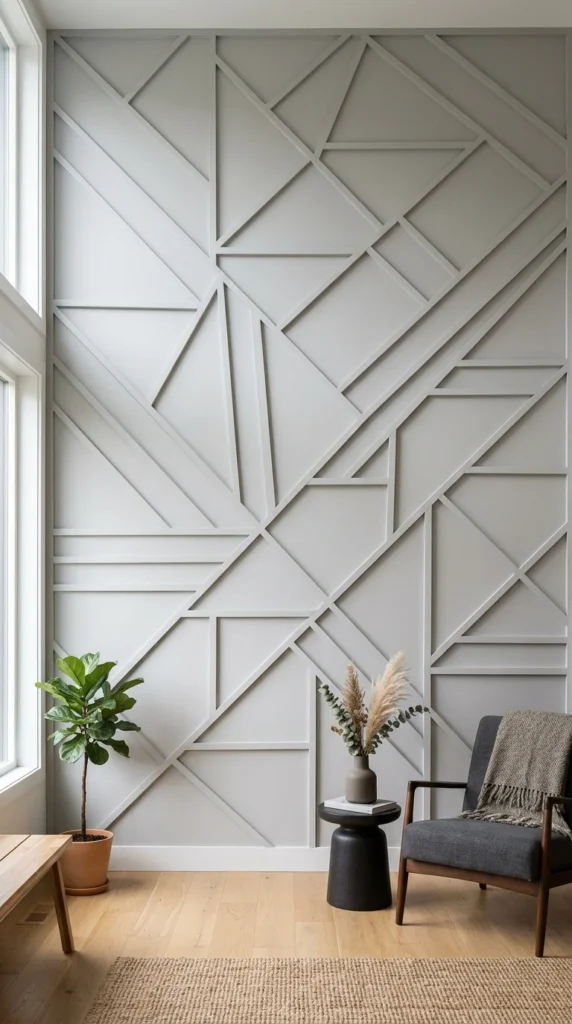
Geometric molding involves using thin trim pieces to create bespoke patterns—such as chevrons, hexagons, or random linear intersections—directly on the wall. When the molding and the wall are painted the same color, the effect is sophisticated and architectural, relying on light and shadow rather than color to create visual interest.