
In an era defined by constant connectivity and high-pressure environments, the concept of a “wellness room” has transitioned from a luxury to a necessity. Whether you call it a zen den, a meditation space, or a sanctuary, this dedicated area serves as a physical boundary between the demands of the outside world and your internal peace. Creating such a space requires more than just a spare corner; it involves a deliberate curation of sensory elements designed to lower cortisol levels and foster mindfulness.
1. Natural Light
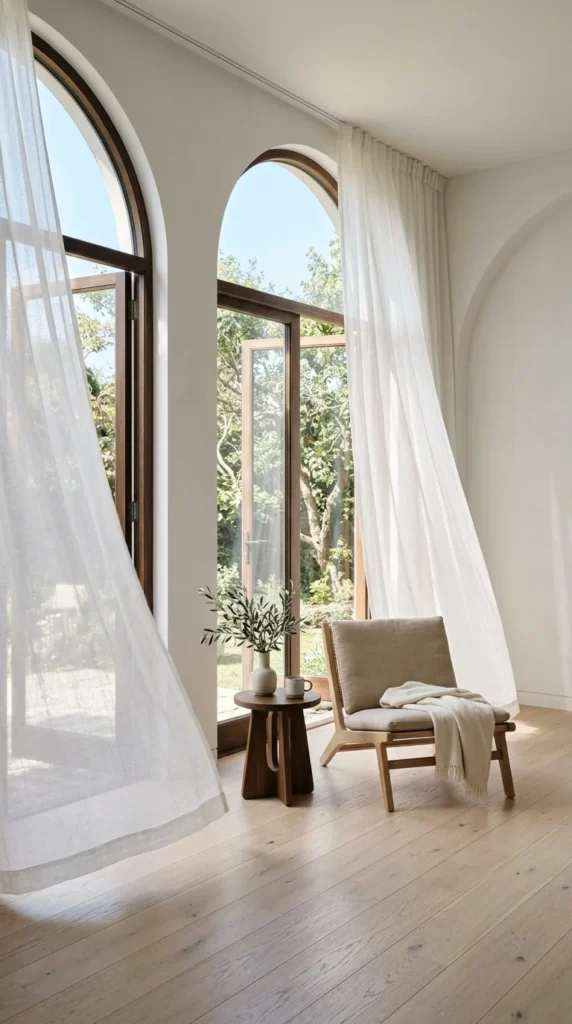
The foundation of any restorative space is its connection to the natural cycle of the day. Maximizing natural light helps regulate the body’s circadian rhythm, improving sleep quality and mood. When designing your wellness room, choose a space with ample windows. Use sheer window treatments that provide privacy while still allowing sunlight to permeate the room. The interplay of light and shadow throughout the day creates a dynamic yet calming environment that grounds the inhabitant in the present moment.
2. Biophilic Design
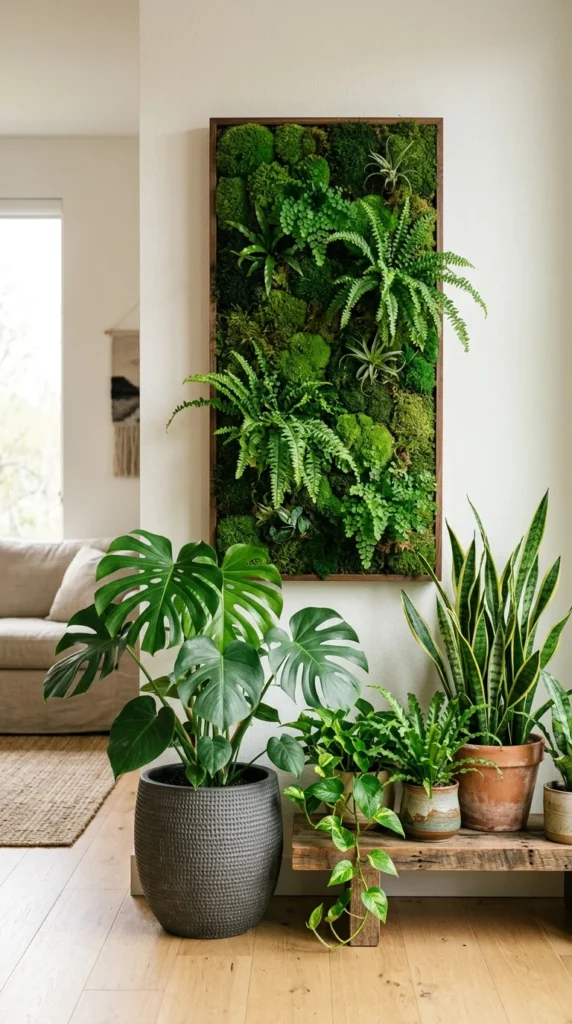
Biophilic design is the practice of integrating nature into the built environment to improve mental health. Incorporating living greenery does more than just aesthetic work; plants act as natural air purifiers and have been scientifically proven to reduce stress. Consider a “living wall” or a curated collection of low-maintenance indoor plants. The presence of organic shapes and the vibrant green spectrum helps lower heart rates and restores cognitive function after long periods of digital strain.
3. Neutral Palettes
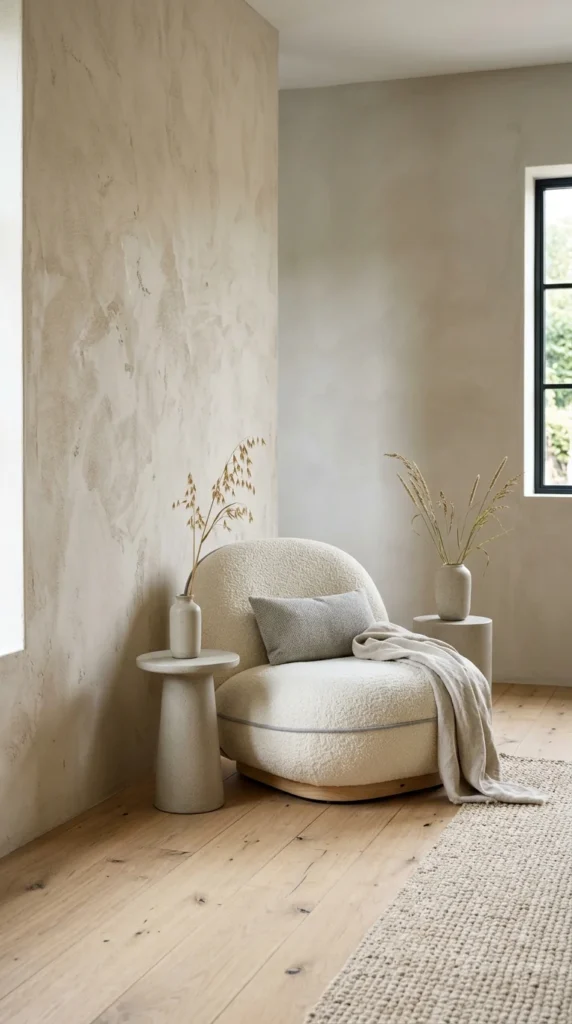
Color psychology plays a pivotal role in how we perceive a space. For a wellness room, a neutral palette is essential to minimize visual noise. Shades of off-white, warm beige, and soft greys provide a “blank canvas” for the mind to rest. These tones don’t demand attention, allowing the occupant to focus inward. Avoid high-contrast patterns or jarring bright colors, which can stimulate the brain rather than soothe it.
4. Meditation Cushions
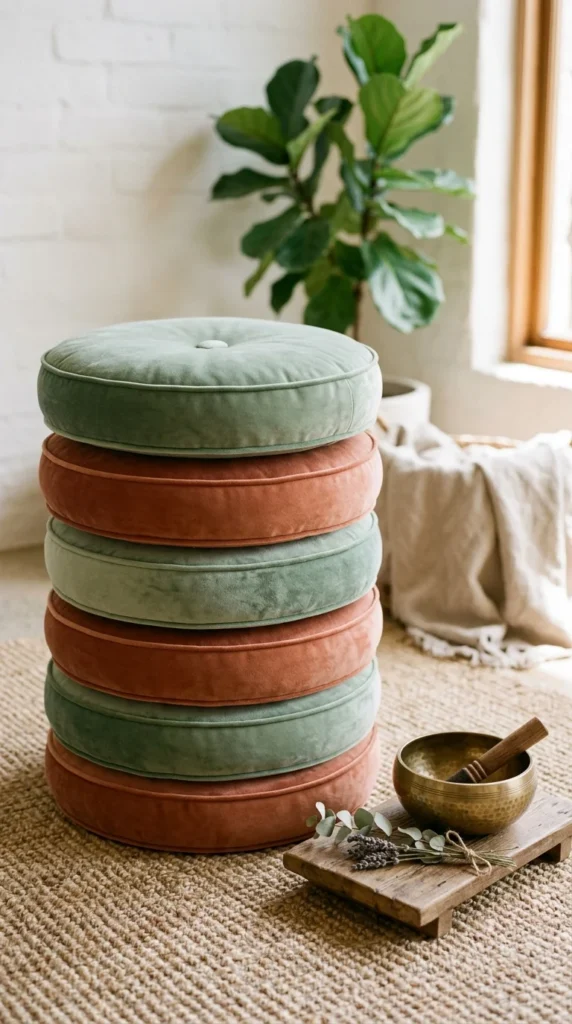
Comfort is the precursor to stillness. Dedicated floor seating, such as zafus (traditional meditation cushions) or bolsters, encourages proper posture while signaling to the brain that this is a space for introspection. Choose cushions with natural fillings like buckwheat hulls, which contour to the body. Having these items permanently displayed creates a visual invitation to sit and breathe, making a daily mindfulness practice more accessible.
5. Aromatherapy Station
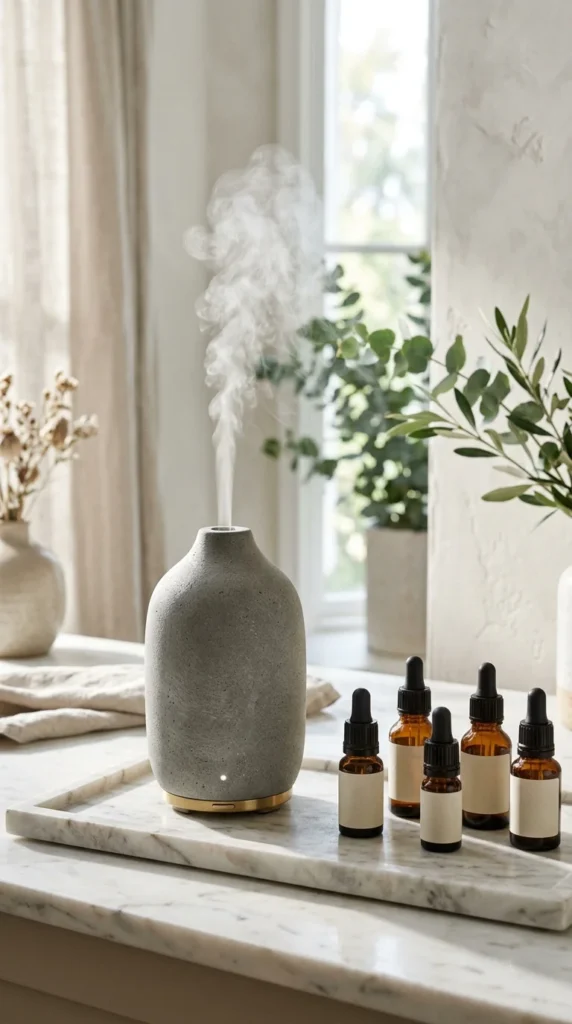
Our sense of smell is directly linked to the limbic system, the part of the brain responsible for emotions and memory. An aromatherapy station allows you to customize the “scent-scape” of your room. Lavender and chamomile promote relaxation, while eucalyptus and peppermint can clear the mind and improve focus. Using an ultrasonic diffuser ensures the air remains humidified while gently dispersing essential oils without the use of heat, preserving their therapeutic properties.
6. Sound Healing
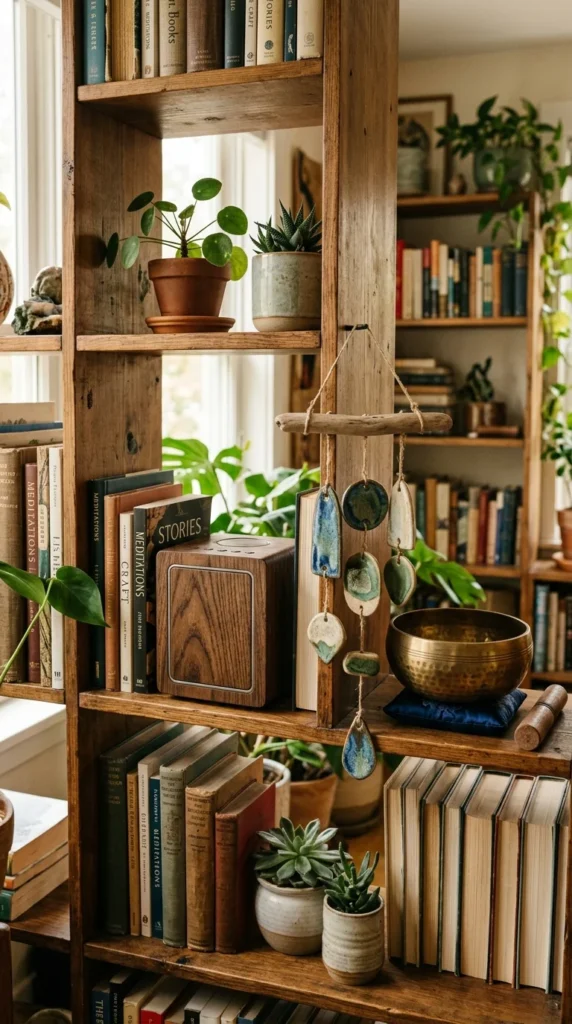
The auditory environment is just as important as the visual. Integrating sound-dampening elements like thick rugs or acoustic felt panels can help block out the hum of the household. Supplement this with intentional sound: a high-quality speaker for playing white noise, nature sounds, or binaural beats. For a more tactile experience, keep a singing bowl or a rain stick nearby to facilitate “sound baths” that help shift the brain into a meditative state.
7. Soft Textiles
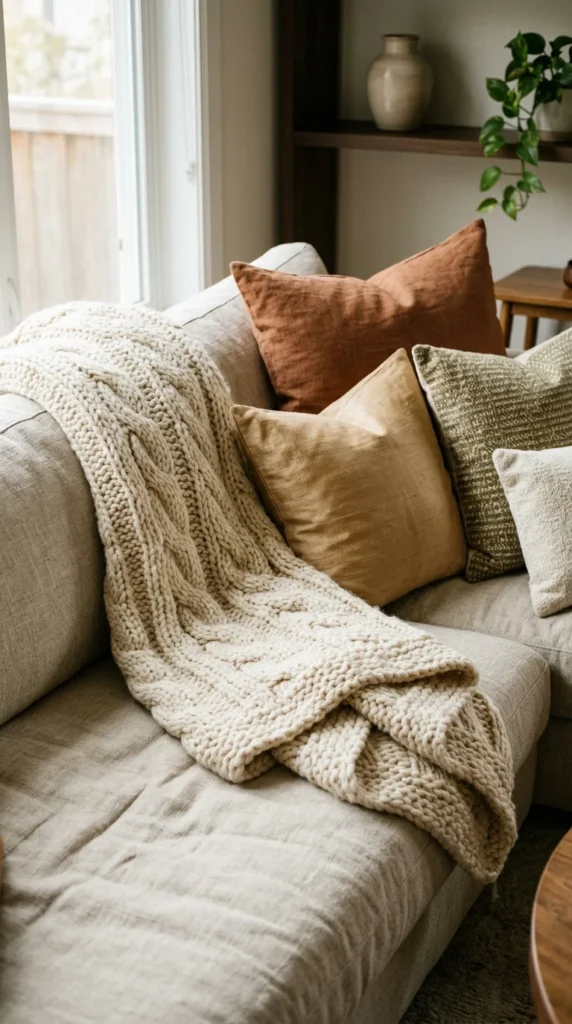
Tactile comfort is a key component of the “hygge” philosophy, which emphasizes coziness and well-being. Layering different textures—such as wool, silk, linen, and cotton—creates a sensory richness that feels grounding. A heavy weighted blanket can be particularly effective in a wellness room, as the gentle pressure mimics the feeling of being held, which can reduce anxiety and promote a sense of security.
8. Earthy Hues
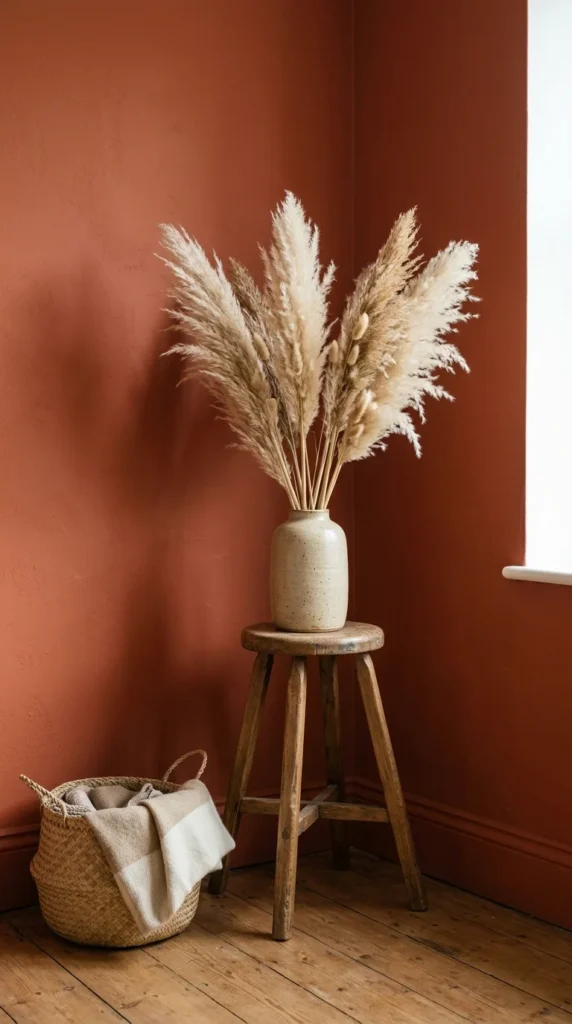
While neutrals are a staple, incorporating earthy, grounded colors can add a sense of warmth and stability. Muted tones of clay, forest green, or slate blue connect the room to the elements. These colors are found in nature and are inherently soothing to the human eye. They provide enough depth to make the space feel “cozy” and enclosed, like a protective cocoon, without becoming overwhelming.
9. Hidden Storage
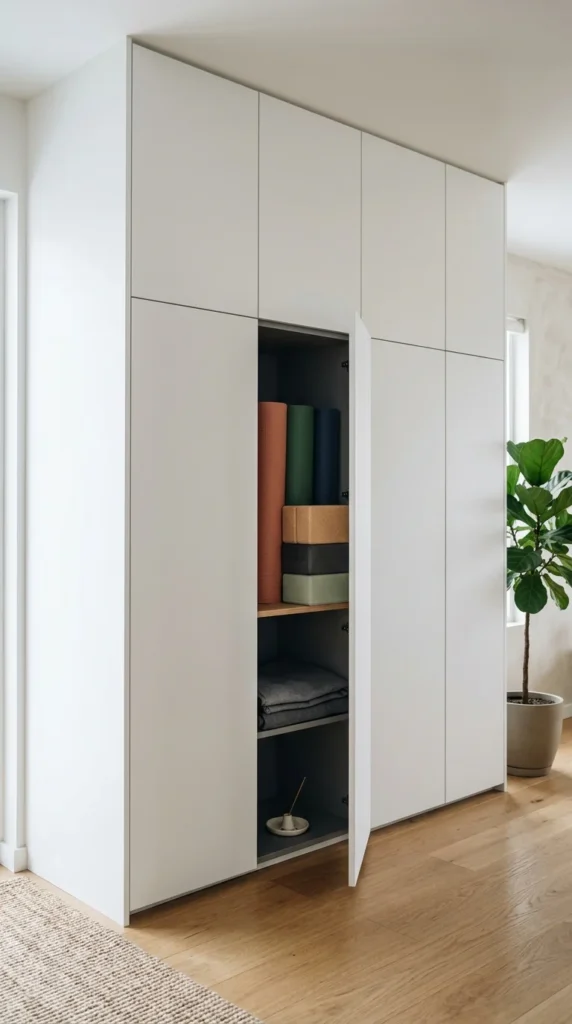
Clutter is the enemy of a calm mind. Visual disarray often translates to mental distraction. Implementing “invisible” storage solutions allows you to keep yoga mats, foam rollers, journals, and blankets within reach but out of sight when not in use. Built-in cabinets or minimalist wooden chests ensure the room maintains its clean lines and open feel, preserving the “zen” atmosphere.
10. Movement Space
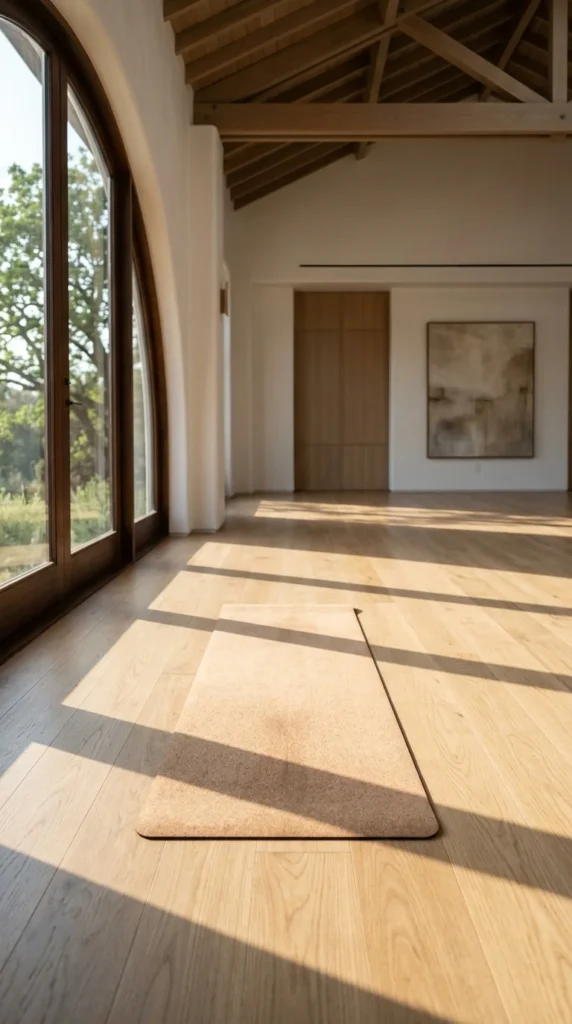
A wellness room should accommodate physical restoration as much as mental. Leaving a portion of the floor completely clear provides space for stretching, yoga, or light movement. This “negative space” in the room design is vital; it prevents the area from feeling cramped and allows for the free flow of energy. A cork or natural rubber mat provides a non-toxic, grounded surface for these activities.
11. Digital Detox
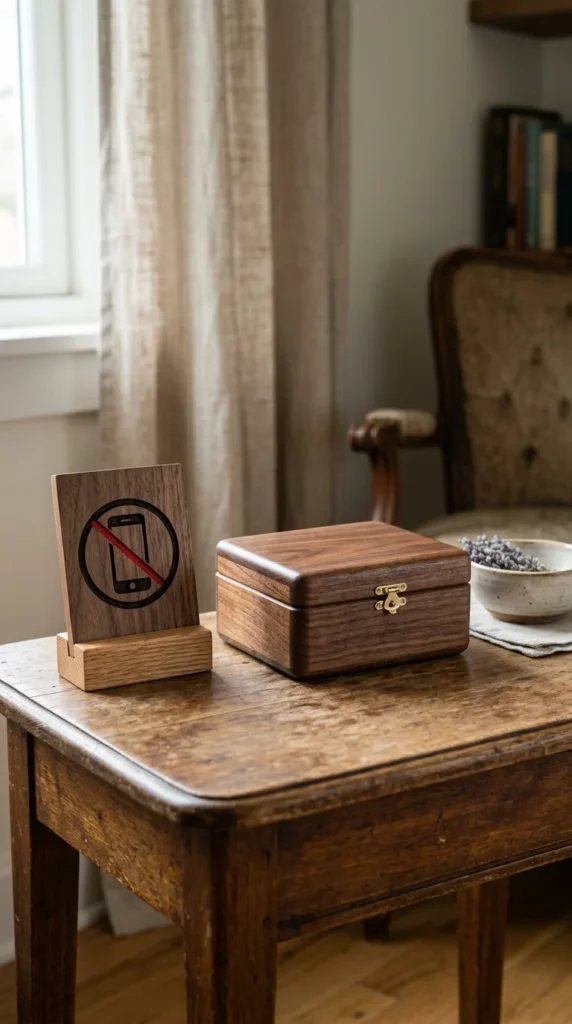
To truly escape, the wellness room must be a tech-free zone. The presence of screens and the blue light they emit are counterproductive to relaxation. Designate a “phone home” outside the room or use a dedicated wooden box where devices are placed before entering. Removing the temptation of notifications allows for a deeper level of presence and ensures the space remains a sanctuary for the self rather than a digital extension of the office.
12. Water Features
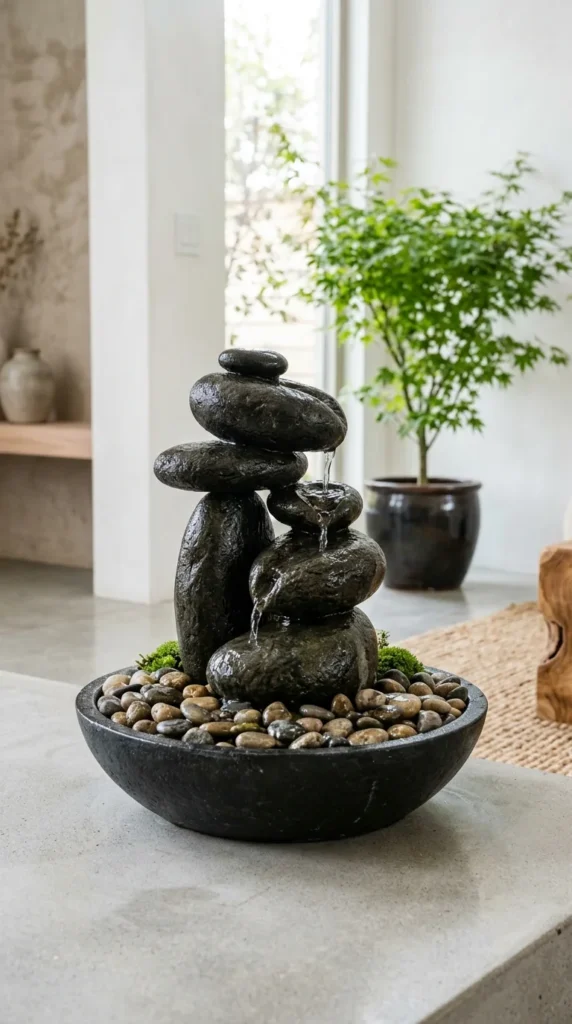
The sound of running water is universally recognized as one of the most relaxing auditory experiences. A small tabletop fountain or a wall-mounted water feature introduces the element of water into the room. The rhythmic, repetitive sound acts as a natural white noise, masking external distractions and creating a focal point for meditation. It also adds a touch of humidity to the air, which can be beneficial for breathing.
13. Air Purification
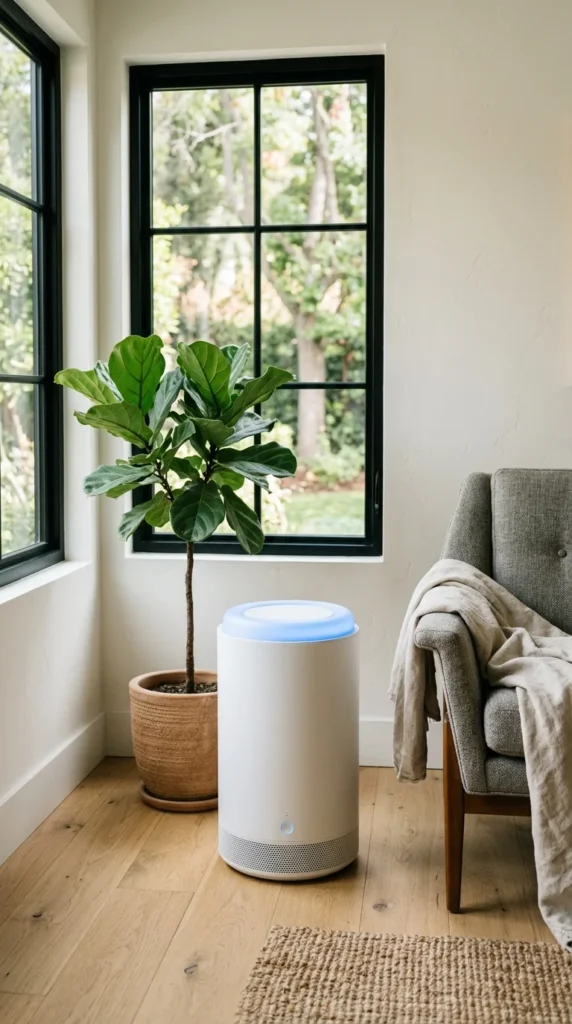
We often overlook the “invisible” components of wellness, such as air quality. High concentrations of CO2 or pollutants can lead to lethargy and headaches. A high-efficiency particulate air (HEPA) purifier ensures that the air you breathe during your deep breathing exercises is clean and fresh. Choose a model with a low decibel rating so that the hum of the motor doesn’t disrupt the silence of your sanctuary.
14. Reading Nook
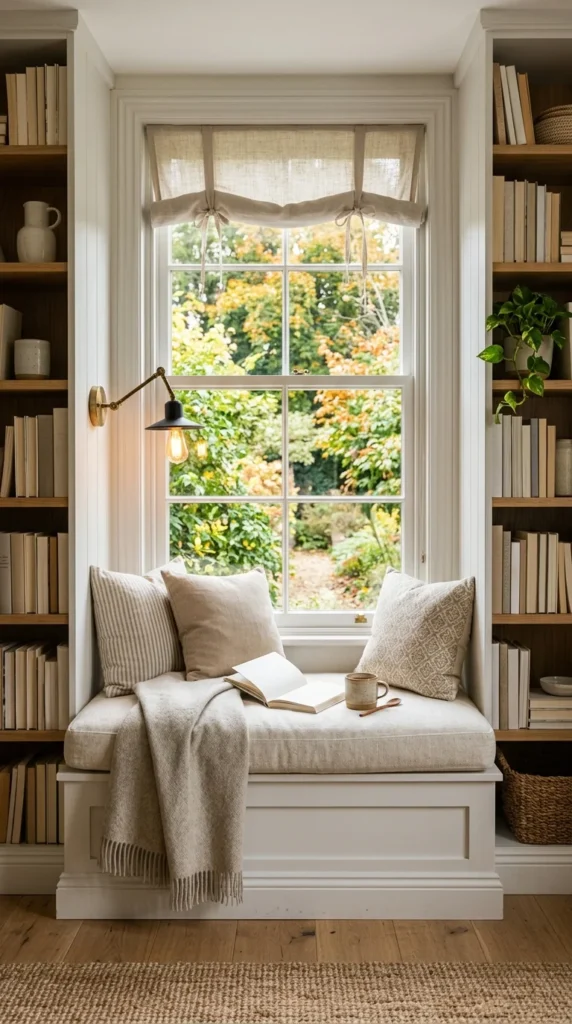
A wellness room is an ideal place for “slow” activities like reading. A dedicated nook with a comfortable chair or a window seat encourages you to put down the remote and pick up a book. This promotes a state of “flow”—a cognitive state where you are fully immersed in a task, which is highly restorative for the brain. Keep a curated selection of inspirational or philosophical texts nearby to encourage mindful consumption.
15. Healing Crystals
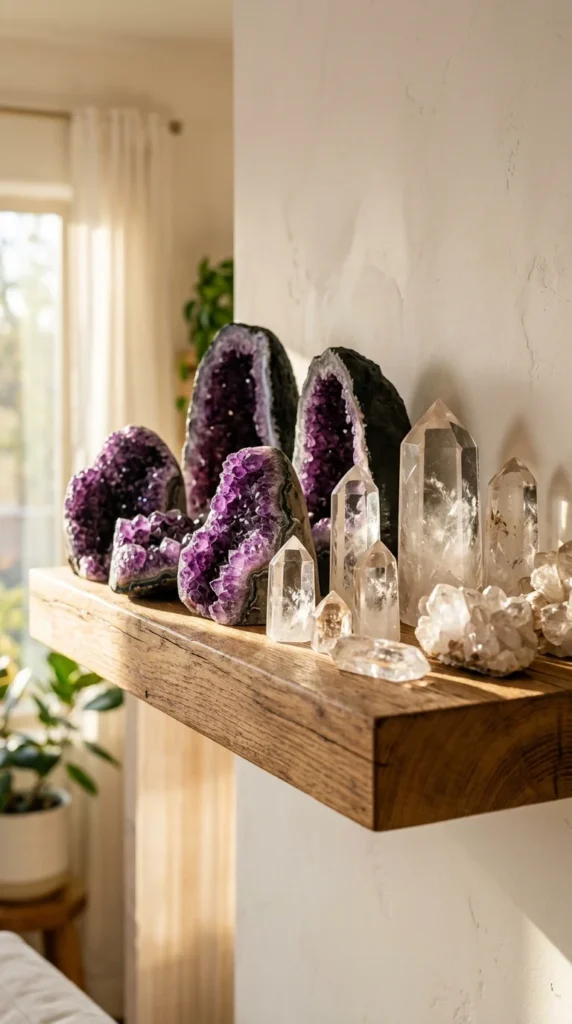
Whether you subscribe to the energetic properties of stones or simply appreciate their natural beauty, crystals add a geological element to a wellness room. Large specimens of amethyst, rose quartz, or selenite serve as beautiful focal points. They represent the Earth’s slow, enduring processes, offering a sense of perspective and timelessness. Placing them near light sources allows their natural facets to glow, adding a touch of magic to the space.
16. Adjustable Lighting
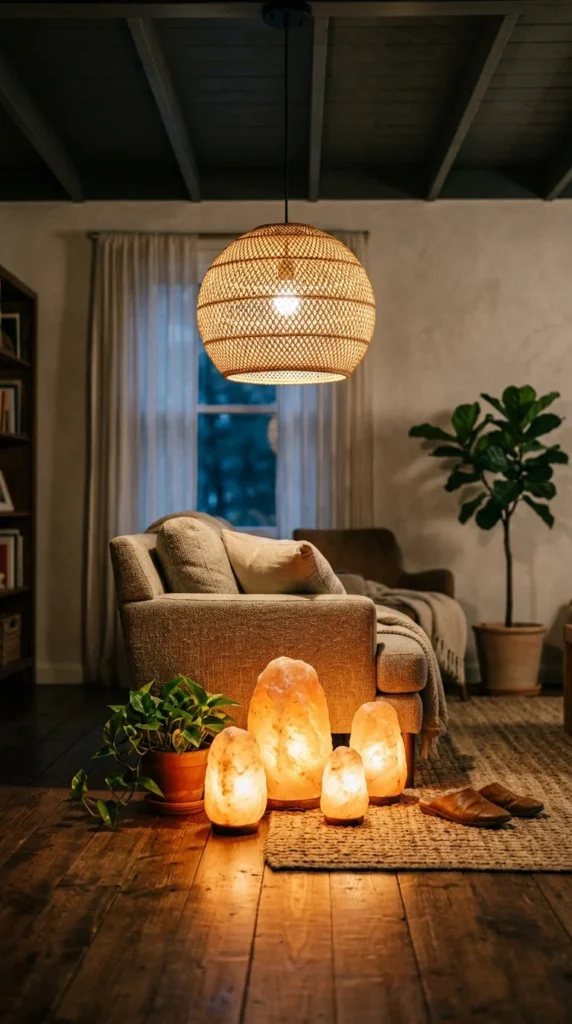
The ability to control light intensity is crucial for transitioning between different wellness activities. Bright, natural light is great for morning yoga, but soft, dim lighting is essential for evening meditation. Incorporate dimmable switches, smart bulbs that change color temperature, or several small lamps (like Himalayan salt lamps) to create a warm, sunset-like glow. This “low-blue” light environment prepares the body for rest by encouraging melatonin production.
17. Personal Altars
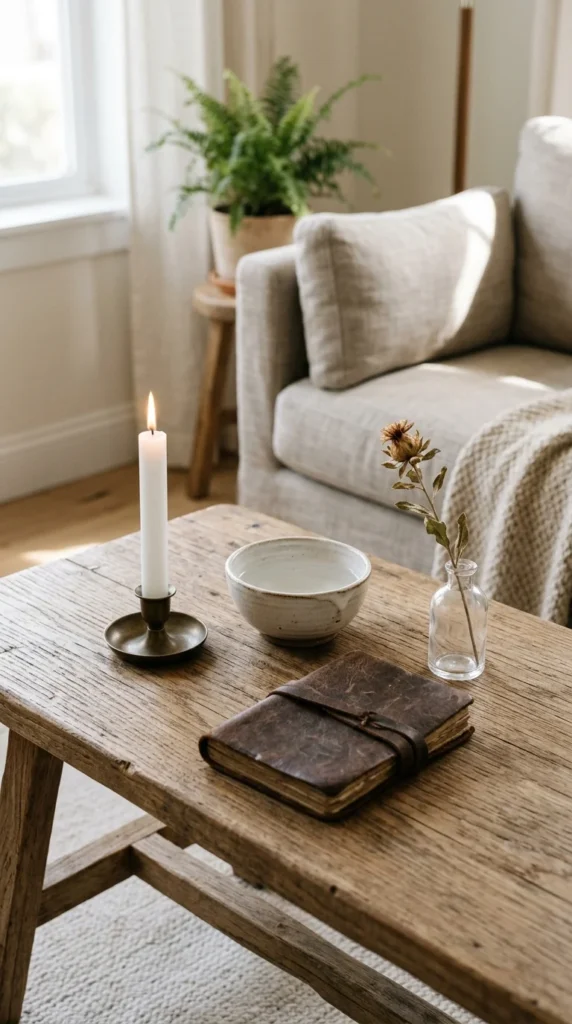
Finally, a wellness room should feel personal. An altar is not necessarily religious; it is simply a designated space for objects that hold personal meaning or intention. This could include a journal, photos of loved ones, a “gratitude jar,” or mementos from nature. This small curated space serves as an anchor for your practice, reminding you of your “why” and making the room feel uniquely yours.