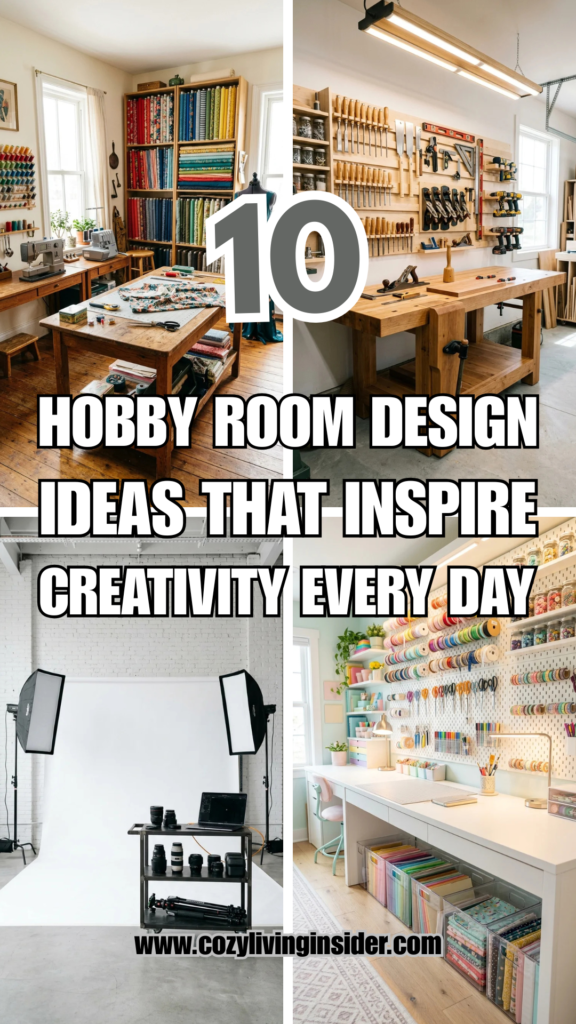

The environments we inhabit significantly influence our mental clarity and creative output. A dedicated hobby room is more than just a place to store equipment; it is a sanctuary where the distractions of daily life fade away, allowing for deep focus and the “flow state” essential for innovation. Whether you are an aspiring painter, a dedicated musician, or a tech-enthusiast, the design of your space acts as a catalyst for your passion. By intentionally curating your surroundings, you can transform a simple spare room into a powerhouse of inspiration.
Designing such a space requires a balance between functionality and aesthetics. It involves understanding the specific needs of your craft—such as lighting requirements, storage solutions, and ergonomic furniture—while also incorporating personal touches that spark joy. The following ten design ideas offer a blueprint for creating a hobby room that not only facilitates productivity but also nurtures the soul.
1. Art Studio
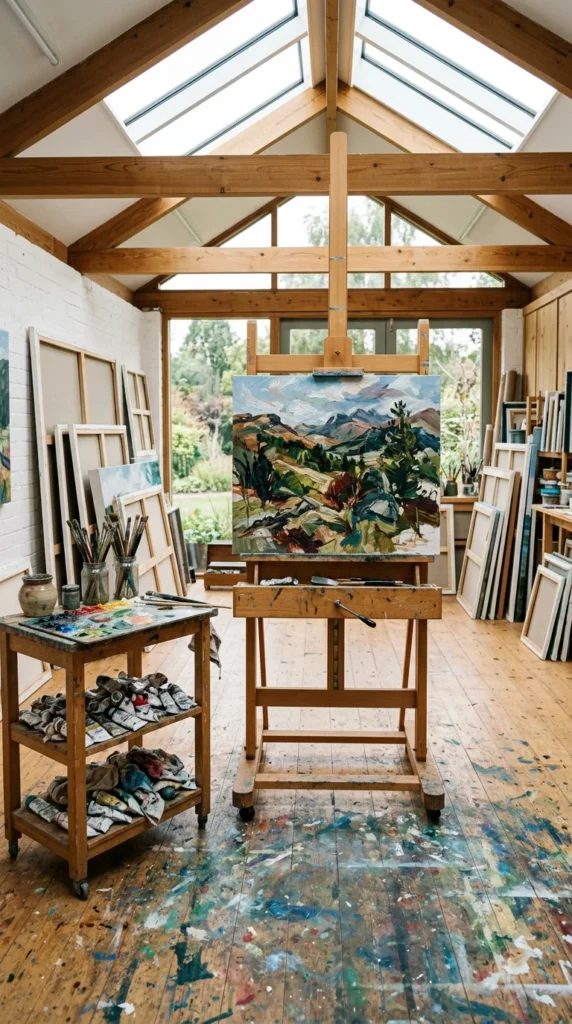
For visual artists, light is the most critical element. An art studio should ideally be positioned to receive consistent, indirect natural light, which prevents harsh shadows and keeps colors true. The design should prioritize “cleanable” surfaces, such as polished concrete or treated wood floors, allowing the artist to create without the fear of permanent stains.
Vertical storage is essential in an art studio. Installing deep shelving or drying racks ensures that finished pieces and works-in-progress are kept safe. Beyond the functional, consider an “inspiration wall”—a large corkboard or magnetic strip where you can pin sketches, color swatches, and clippings that drive your current projects.
2. Craft Room
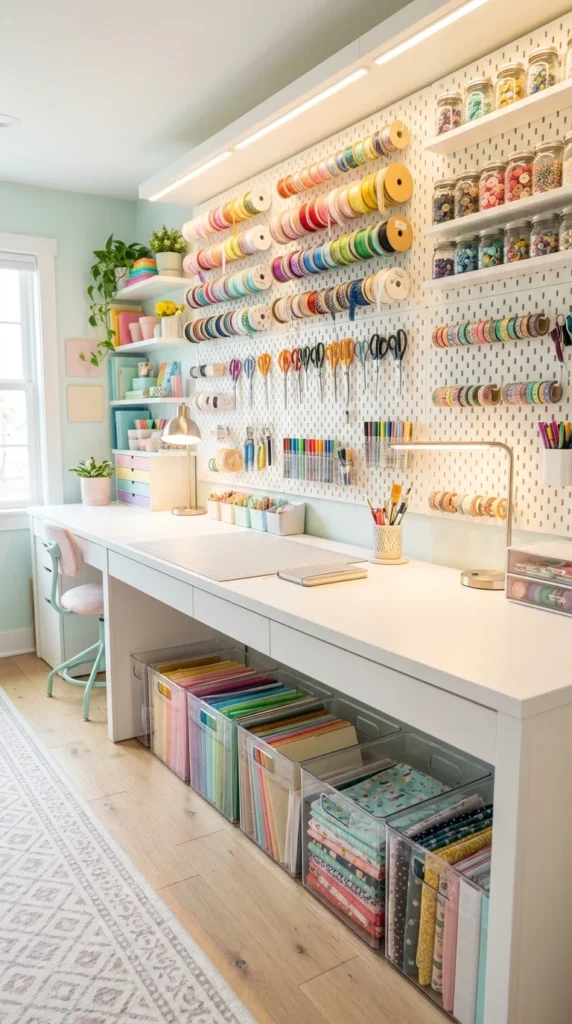
The hallmark of a great craft room is organization. When dealing with hundreds of small components like beads, stamps, or ribbons, a “place for everything” philosophy is mandatory. Pegboards are a versatile solution, allowing you to rearrange tools as your collection grows.
A large, counter-height central table is a game-changer for crafters. This allows for “standing work,” which is often better for the back during long sessions of cutting or assembly. Ensure that the lighting is adjustable; a combination of bright overhead lights and focused task lamps will prevent eye strain during intricate detail work.
3. Music Sanctuary
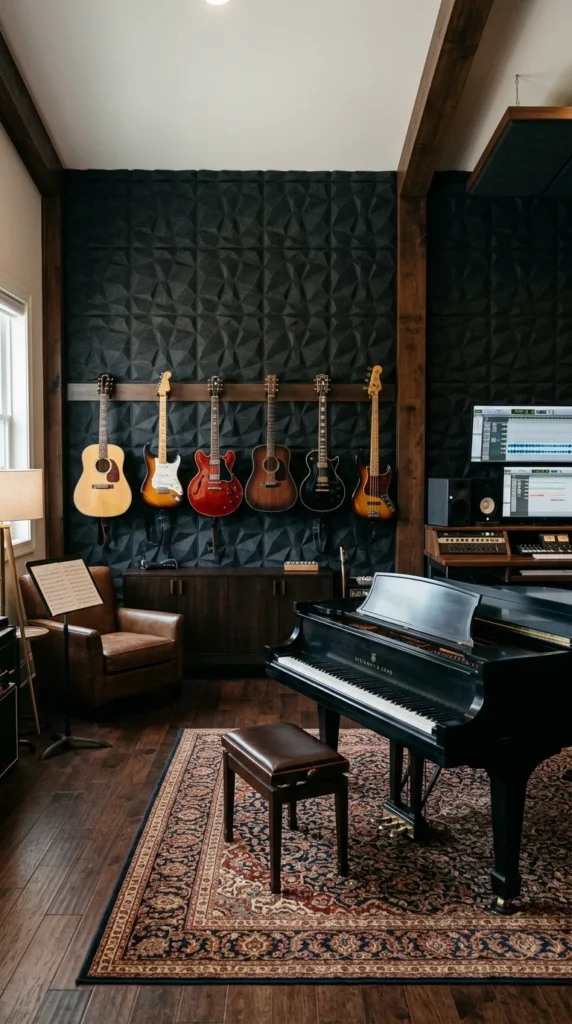
A music room must address both aesthetics and acoustics. To prevent sound leakage and internal echoes, incorporate soft materials like thick rugs, heavy curtains, and specialized acoustic panels. These panels now come in various colors and shapes, allowing them to serve as a modern design feature rather than just a functional necessity.
Storage in a music room should double as a display. Instruments are often beautiful objects in their own right; hanging guitars on the wall or placing a cello on a dedicated stand turns your tools into art. For those into digital production, cable management is key—utilize desks with built-in channels to keep the space looking professional and clutter-free.
4. Writing Nook
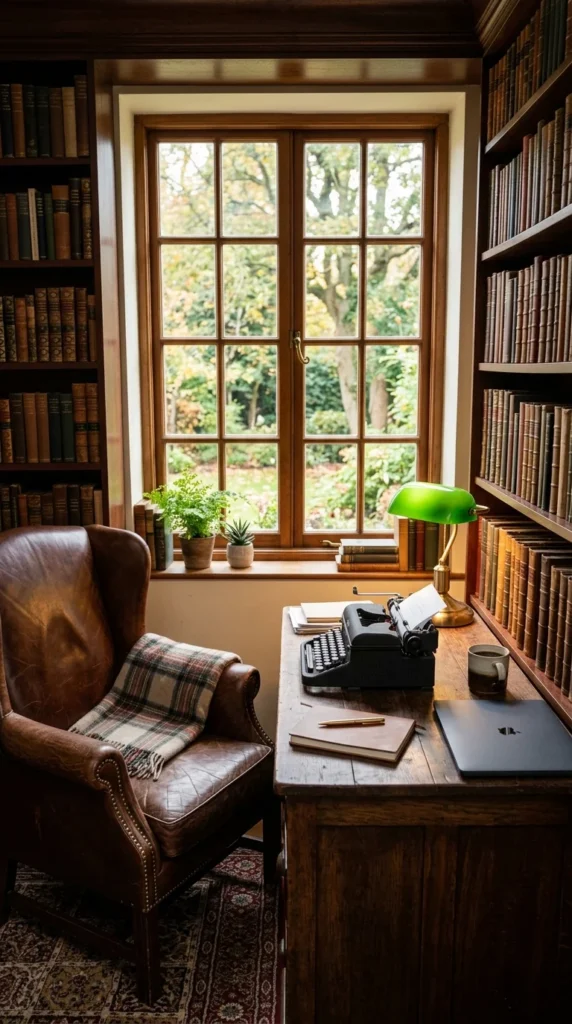
The ideal writing space is a fortress of solitude. It should be designed to minimize external distractions. A minimalist approach often works best here—a clean desk, a supportive ergonomic chair, and perhaps a single piece of inspiring artwork. However, some writers prefer a “literary cocoon,” surrounded by books that offer a sense of history and companionship.
Consider the “view” from the desk. Some writers find a window view distracting, while others find it essential for contemplation. If you prefer to face a wall, decorate it with a simple, calming wallpaper or a large whiteboard for outlining plots and character arcs. Comfort is paramount, so investing in a high-quality chair is non-negotiable for those long hours of drafting.
5. Photography Studio
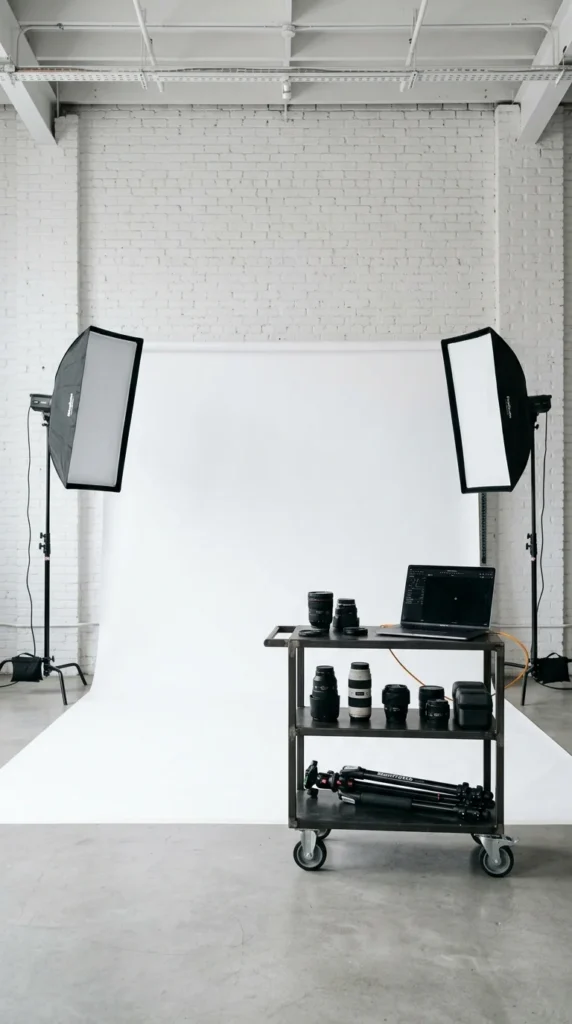
A home photography studio needs to be versatile. The “cyclorama wall” or a simple backdrop system is the centerpiece, allowing for a variety of shoots from portraits to product photography. Because photography involves a lot of gear, modular storage on wheels is highly recommended so the floor plan can be cleared quickly.
Darkness is just as important as light in a studio. Blackout curtains are essential for controlling the environment completely. If the space is also used for digital editing, ensure the desk area is positioned away from glare and that the wall color is a neutral grey to avoid color cast on your monitors during the post-processing phase.
6. Gaming Hub
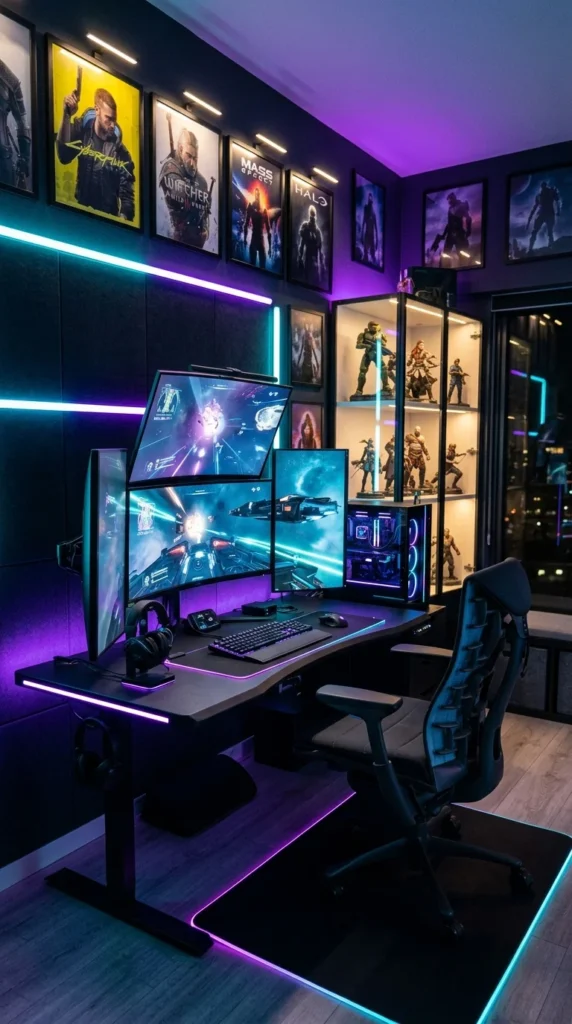
For the modern gamer or streamer, the hobby room is a high-tech cockpit. Cable management and power supply are the primary technical hurdles. Design the room around a “command center” desk that can accommodate multiple monitors and specialized peripherals.
Atmosphere is everything in a gaming hub. Integrated LED strips behind desks and along ceilings can be synced with the on-screen action to create an immersive experience. Beyond the tech, don’t forget the “chill zone”—a comfortable sofa or bean bag for console gaming or for friends to sit and watch.
7. Woodworking Shop
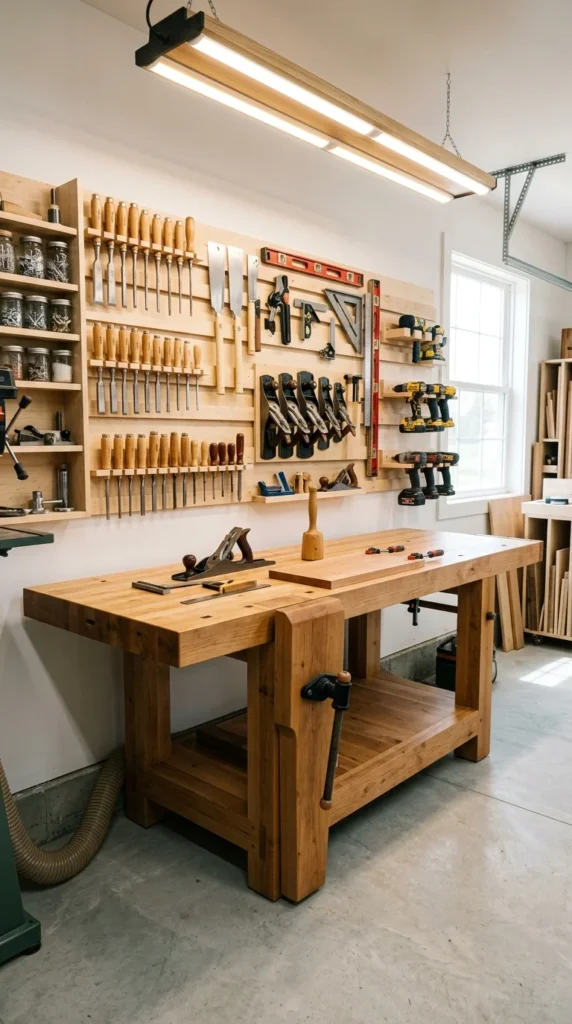
Safety and workflow dictate the design of a woodworking shop. The layout should follow the “work triangle” logic, keeping the most-used tools (like the workbench, table saw, and miter saw) within easy reach of each other. Adequate ventilation and a robust dust collection system are vital for health and cleanliness.
In a workshop, the walls are your best friend. A French cleat system allows for ultimate flexibility, enabling you to move tool holders as your inventory changes. Ensure the lighting is exceptionally bright and shadow-free to ensure precision during measuring and cutting.
8. Sewing Suite
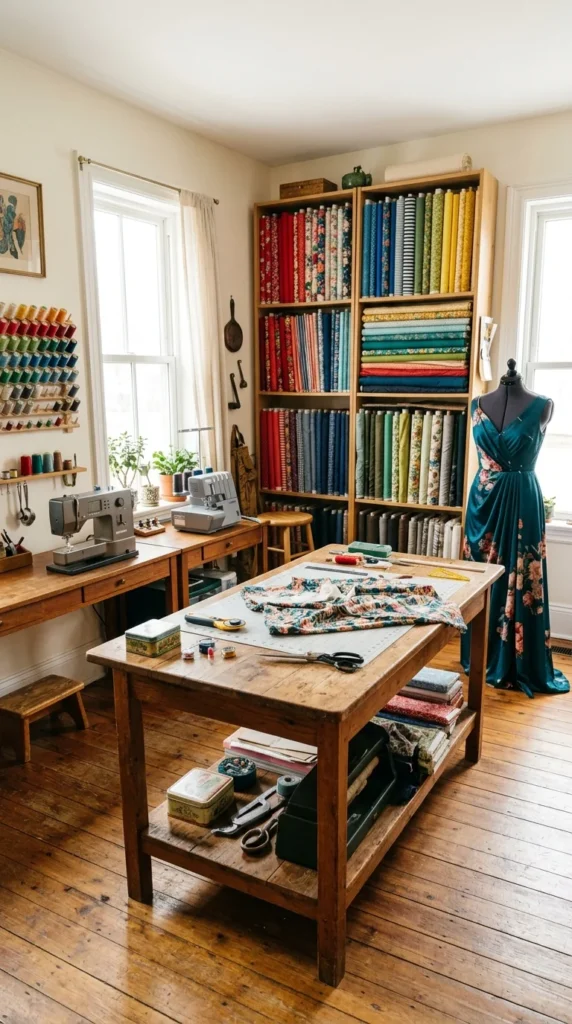
A sewing room requires a significant amount of flat surface area. A dedicated cutting table that you can walk all the way around is the ultimate luxury for a garment maker. Storage should be designed to keep fabrics visible but protected from dust and sunlight, which can fade delicate fibers.
Organization for “notions”—threads, zippers, and needles—can be handled with clear drawers or a custom-built cabinet. Lighting needs to be versatile: bright ambient light for the whole room and a dedicated, high-intensity lamp for the sewing machine needle area to ensure perfect stitching.
9. Reading Room
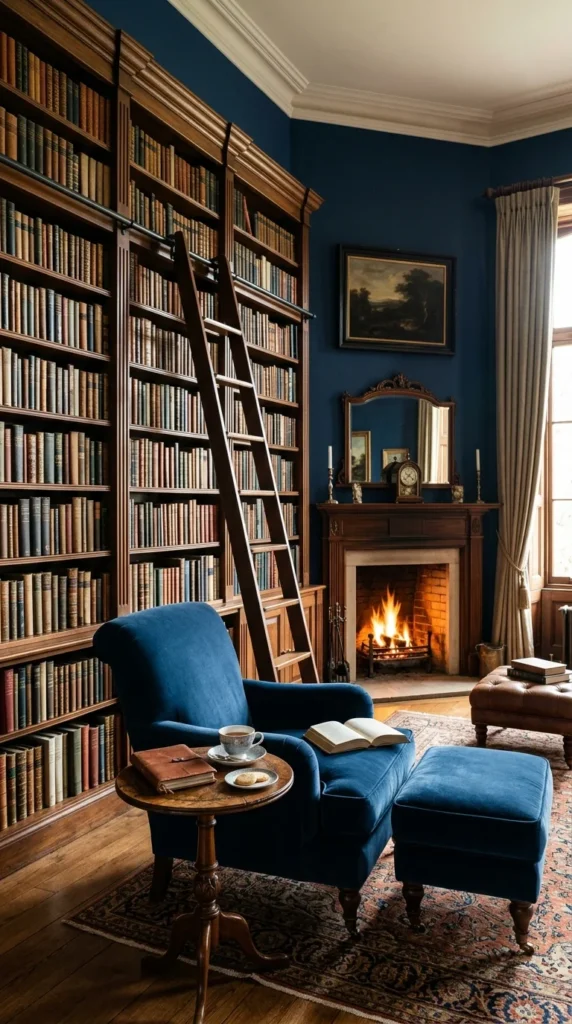
A reading room is a sanctuary for the mind. The design should prioritize tactile comfort and warmth. Soft textures, such as wool rugs, velvet upholstery, and linen curtains, help create a sense of enclosure and peace.
The centerpiece of any reading room is the shelving. Built-in bookcases provide a sense of permanence and “architecture” to the room. Lighting should be layered: soft ambient light to create a mood, and a dedicated reading lamp with a warm bulb that focuses light directly onto the page without causing glare.
10. Yoga Studio
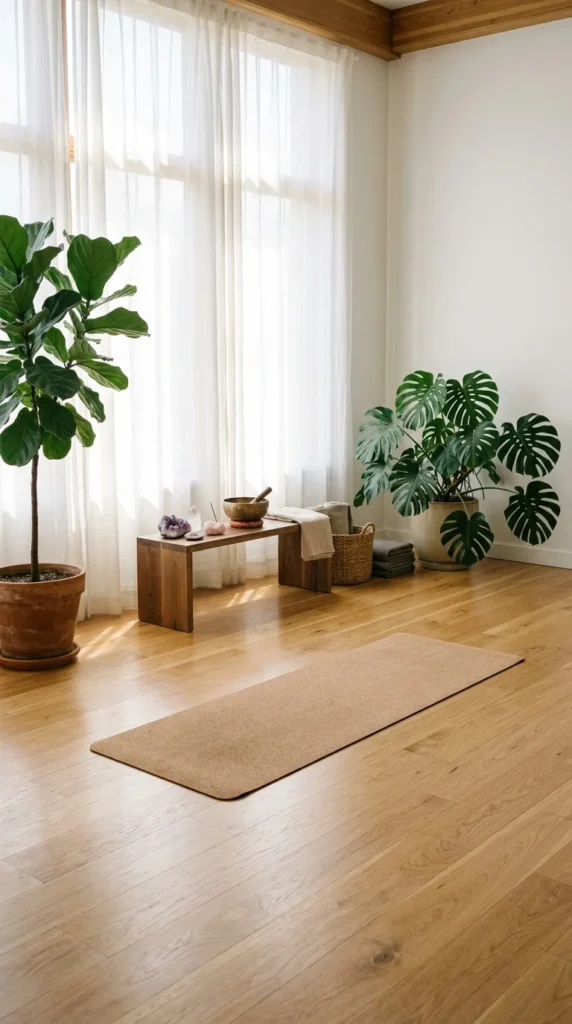
A home yoga or meditation studio should be a “breath of fresh air.” The design philosophy here is “less is more.” By removing clutter, you remove mental noise. Natural materials like bamboo, cork, and stone help ground the space and connect the practitioner to the environment.
Mirrors are a functional addition, allowing for the checking of form and alignment, but they should be placed thoughtfully so they don’t become a distraction. Incorporating elements of nature—such as indoor plants or a small water feature—can significantly enhance the calming effect of the room.
Final Considerations for Your Creative Space
Regardless of which hobby you pursue, several universal design principles can help maximize your room’s potential:
- Zoning: Even in a small room, try to separate “active” work areas from “storage” or “contemplation” areas. This helps your brain switch into the right mode when you sit down.
- Ergonomics: Your hobby should bring joy, not back pain. Invest in the best chair or workbench height for your specific physical needs.
- Personalization: This is the one room in the house where you can truly express yourself. Don’t be afraid of bold colors, unique collections, or “organized chaos” if that is what fuels your creativity.
- Flexibility: Interests evolve. Choose furniture and storage solutions that can be adapted or moved as your hobby grows or changes direction.
By dedicating a specific area of your home to your passions, you are making a commitment to your own personal growth and well-being. A well-designed hobby room doesn’t just store tools; it houses dreams.