
In an era of “fast furniture” and overnight room makeovers, the philosophy of slow decorating offers a sophisticated alternative. Slow decorating is the practice of curated living—choosing quality over convenience and allowing a home to evolve naturally over time. By resisting the urge to fill every corner instantly, you create a space that reflects your personal history, values, and aesthetic sensibilities. This approach results in a home that feels lived-in, soulful, and deeply intentional.
1. Vintage Wood
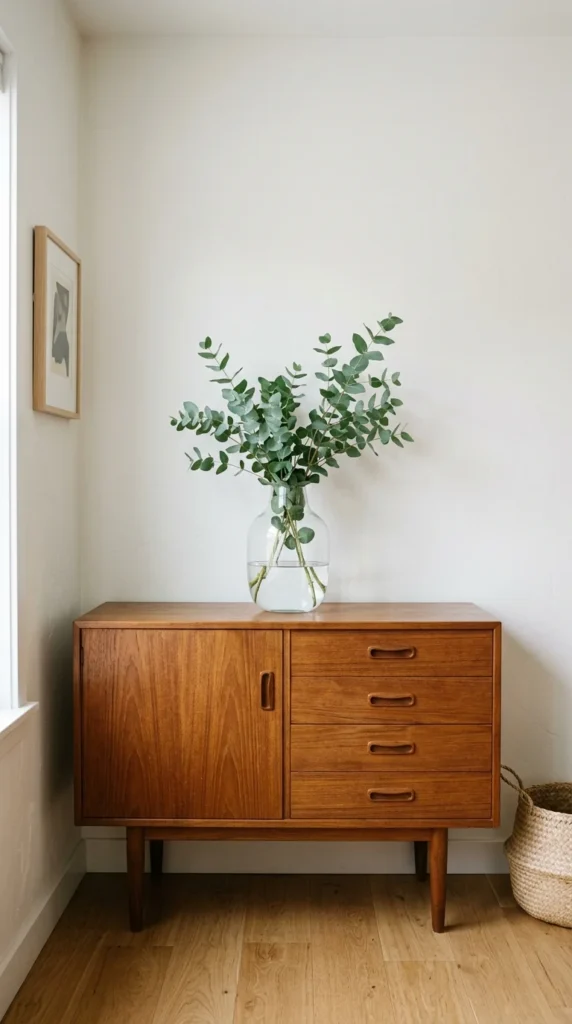
Incorporating vintage wood pieces is the cornerstone of an intentional home. Unlike mass-produced composite materials, solid wood antiques carry a sense of history and “soul” that cannot be replicated. Look for pieces with a rich patina—scuffs and wear marks are not flaws but storytellers. Whether it’s a 19th-century farmhouse table or a sleek Danish modern credenza, these items provide a structural anchor for your rooms, grounding the space in craftsmanship.
2. Layered Textiles
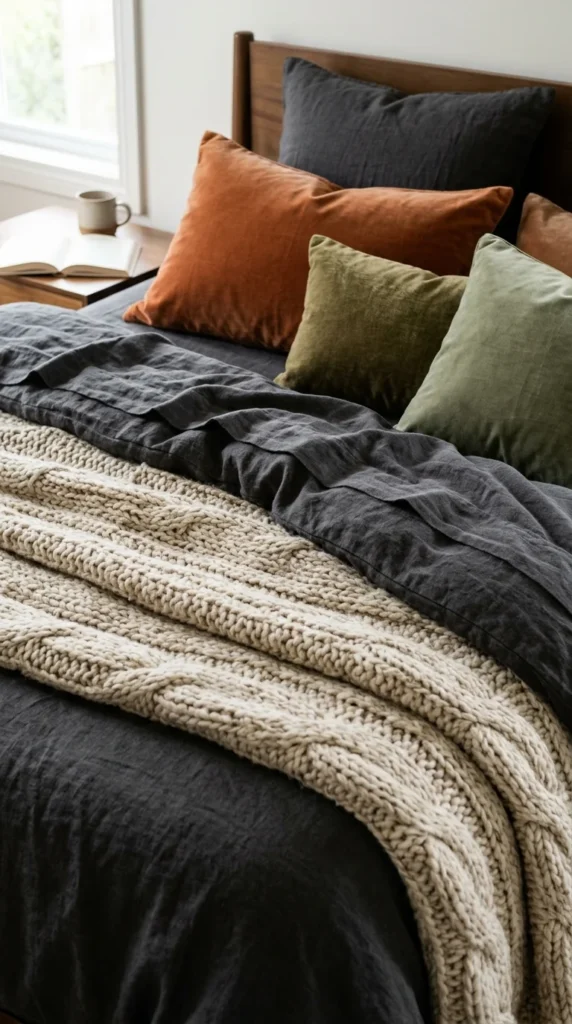
Intention is felt through touch. Moving away from synthetic, “flat” fabrics toward natural fibers creates a sensory experience. Layering different weights and weaves—such as a heavy wool blanket over crisp cotton sheets or a silk cushion against a velvet sofa—adds visual depth and physical comfort. This layering suggests a home that has been carefully assembled over seasons rather than bought in a single set.
3. Original Artwork
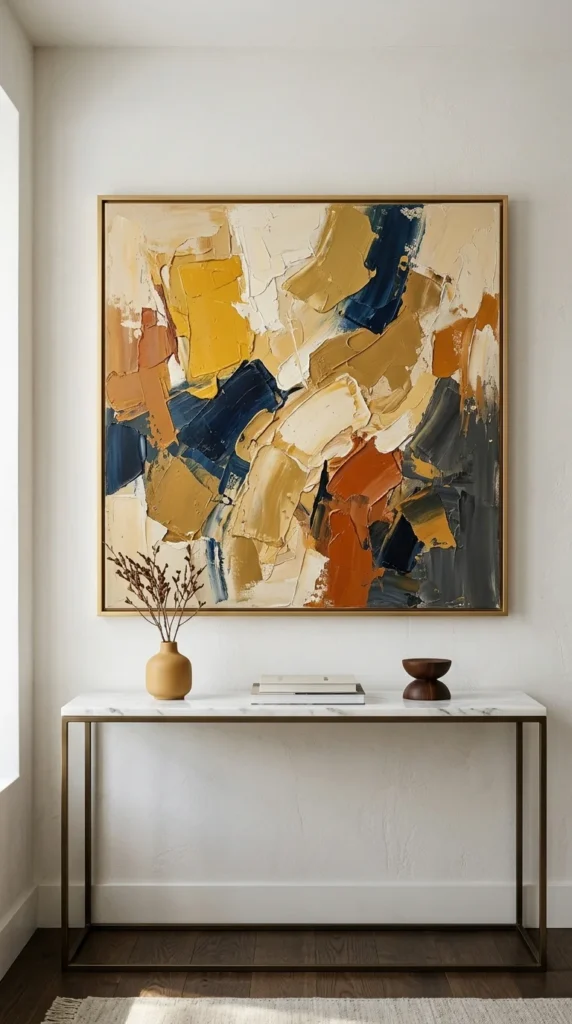
Avoid the temptation of “filler” art found in big-box stores. Slow decorating prioritizes original pieces that evoke a genuine emotional response. This doesn’t require a high-end gallery budget; it can mean a sketch from a local artist, a canvas you painted yourself, or a vintage oil painting found at a flea market. Original art introduces unique brushstrokes and textures that give a wall personality and focus.
4. Living Greens
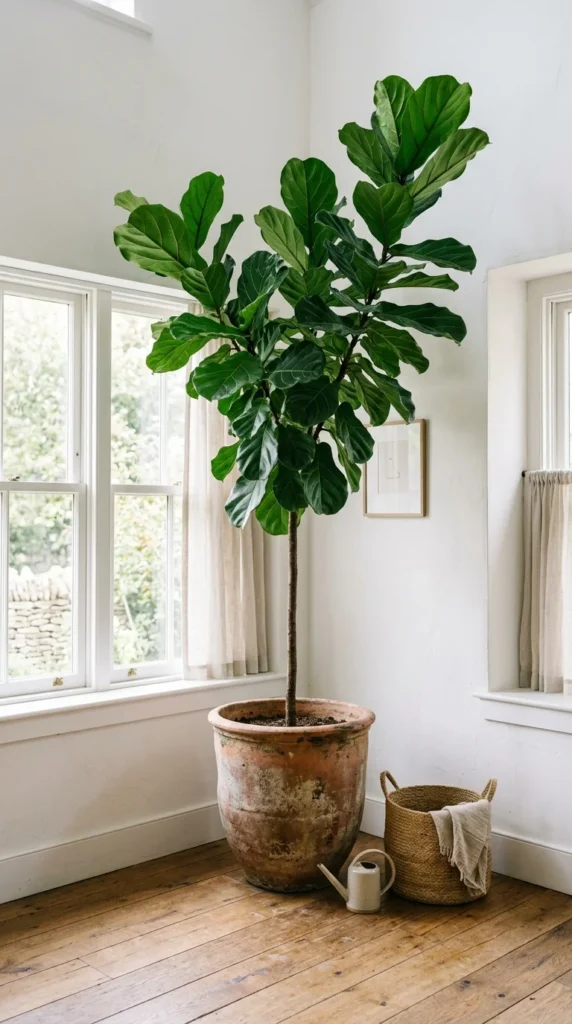
Plants are the most dynamic element of an intentional home. Instead of buying dozens of small succulents at once, invest in one or two “statement” plants and nurture them over years. Watching a fiddle-leaf fig or a monstera grow to fit a specific corner creates a literal connection between your life and your environment. The organic shapes of foliage break up the straight lines of furniture and architecture.
5. Hand-Knotted Rugs
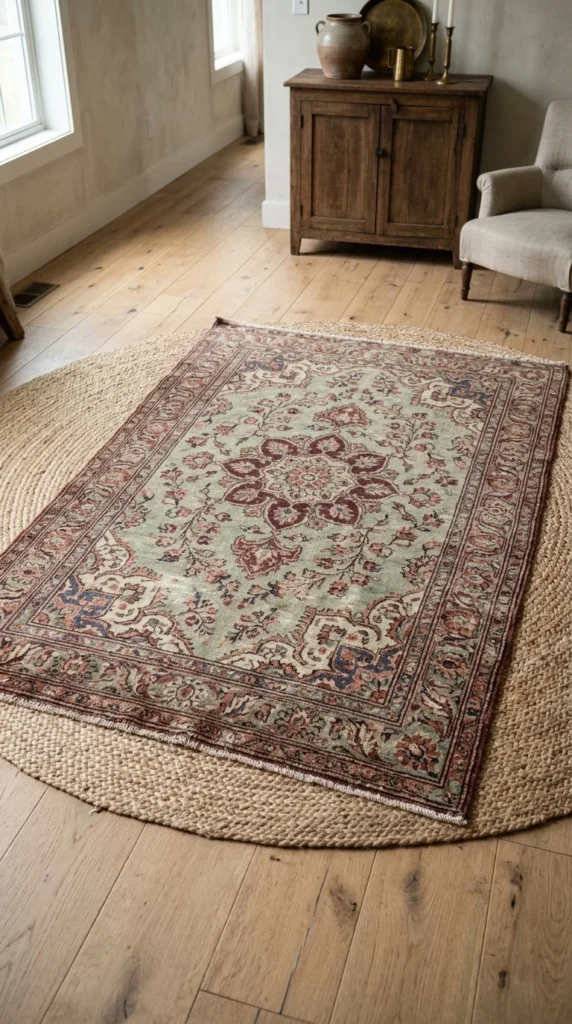
A high-quality rug is the foundation of any room. Slow decorators often opt for hand-knotted wool or silk rugs over synthetic, machine-made versions. These pieces are durable enough to last generations and often improve with age as the colors soften. Choosing a rug with a complex, traditional pattern or a rich, artisanal weave provides a sense of permanence and luxury that defines the boundaries of a living space.
6. Sculptural Lighting
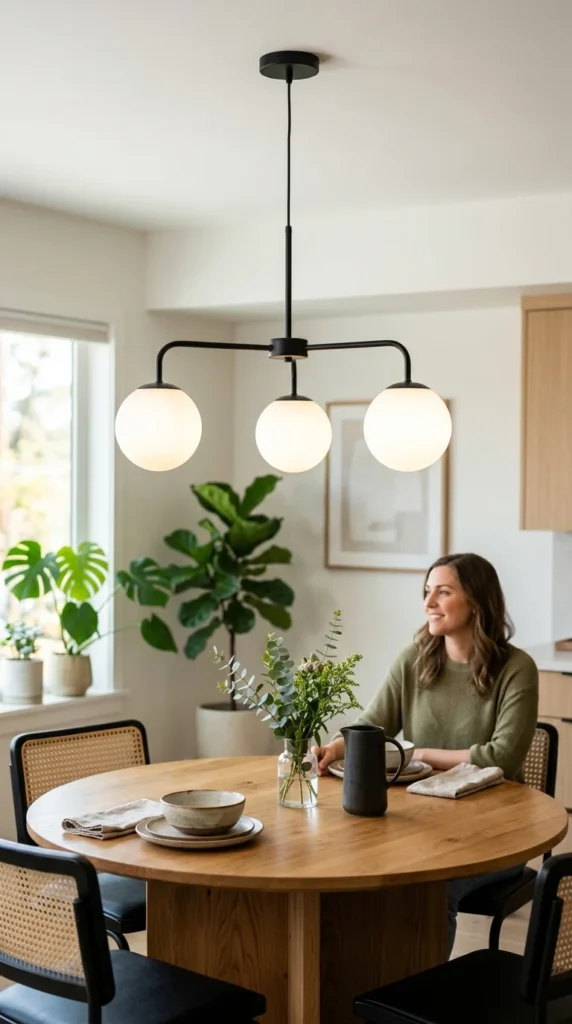
Lighting should be treated as functional sculpture. Instead of relying solely on standard recessed ceiling lights, curate a collection of lamps and pendants that offer varied heights and intensities. A vintage brass floor lamp or a hand-blown glass pendant creates a focal point even when switched off. At night, these varied light sources allow you to “paint” the room with shadows and warmth, making it feel cozy and considered.
7. Collected Books
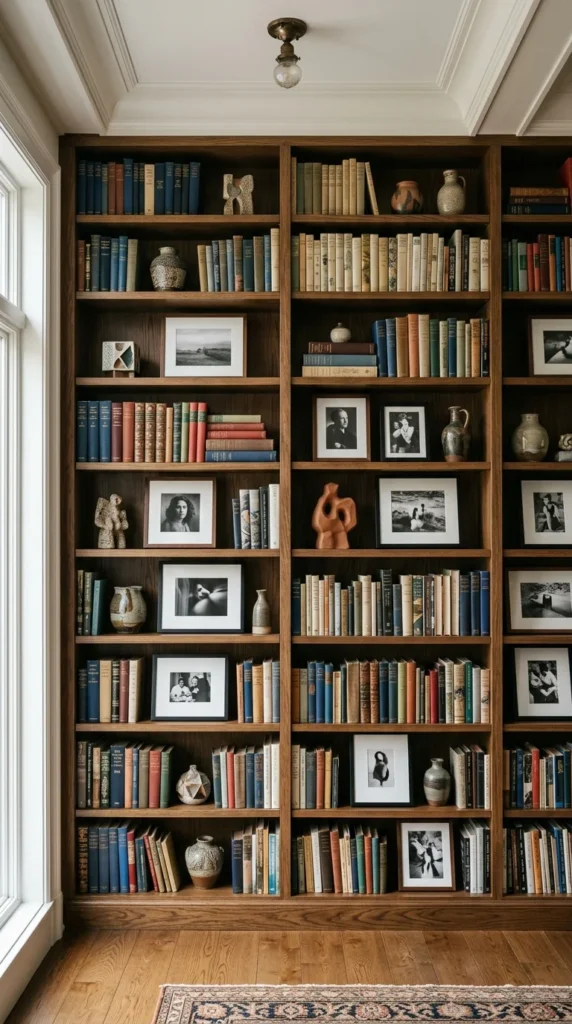
A library shouldn’t be bought; it should be grown. Arranging books by subject or personal significance—rather than just by color—shows a life of curiosity. Leave space on your shelves for future finds. Interspersing books with small objects collected during travels transforms a storage unit into a curated gallery of your intellectual and physical journeys.
8. Artisanal Ceramics
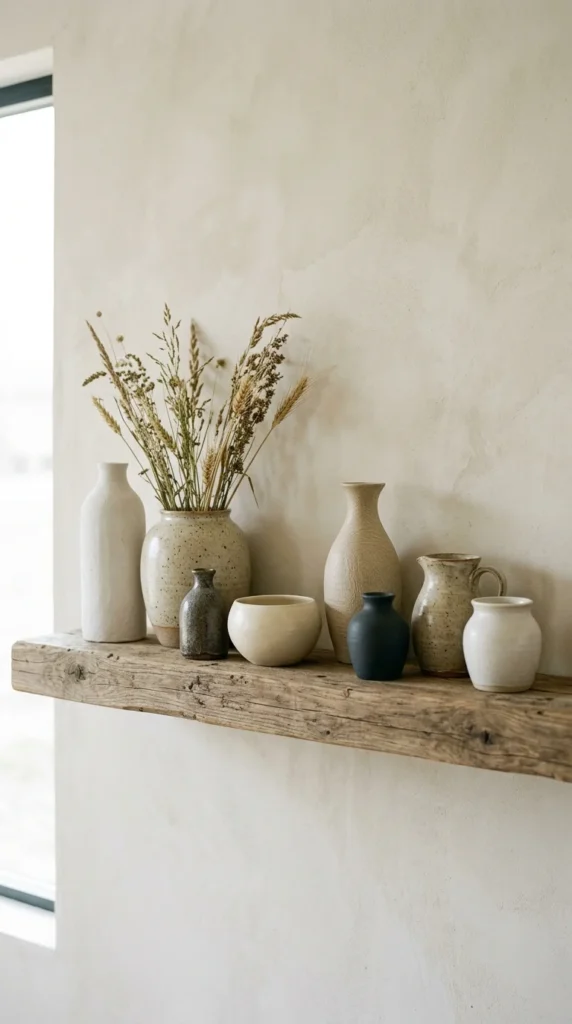
Replacing mass-produced dinnerware and vases with handmade ceramics instantly elevates the everyday. The slight imperfections in a hand-thrown bowl or the unique drip of a glaze make these items feel special. Using a handmade mug for your morning coffee is a small, intentional ritual that connects you to the maker’s process and the material itself.
9. Natural Stone
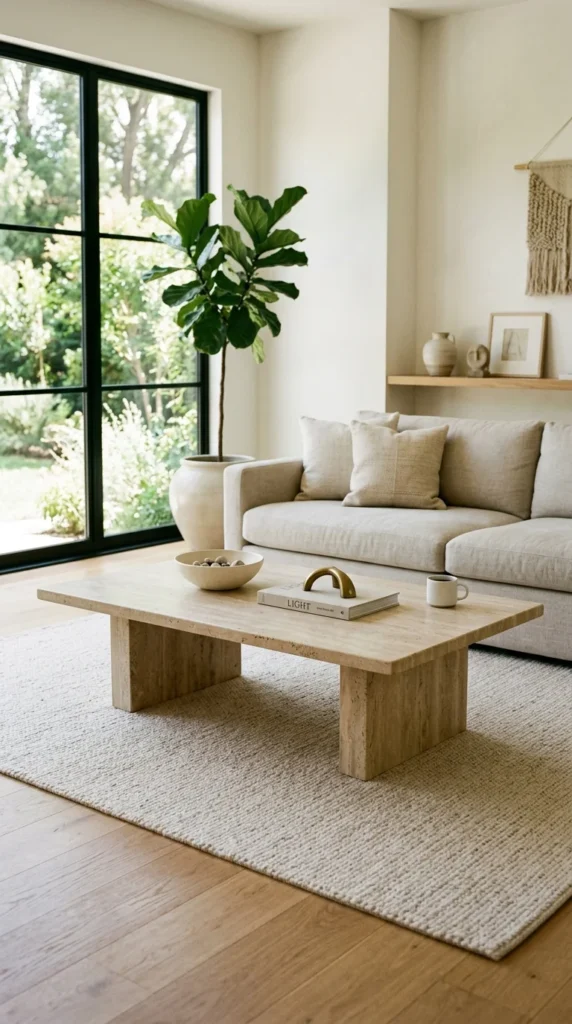
Incorporating stone like marble, travertine, or limestone adds a timeless, geological element to a room. Whether it’s a large coffee table or a simple marble tray on a kitchen counter, the weight and cold-to-the-touch feel of stone provide a sense of stability. Natural stone features unique veining that ensures no two pieces are exactly alike, reinforcing the one-of-a-kind nature of your home.
10. Statement Mirrors
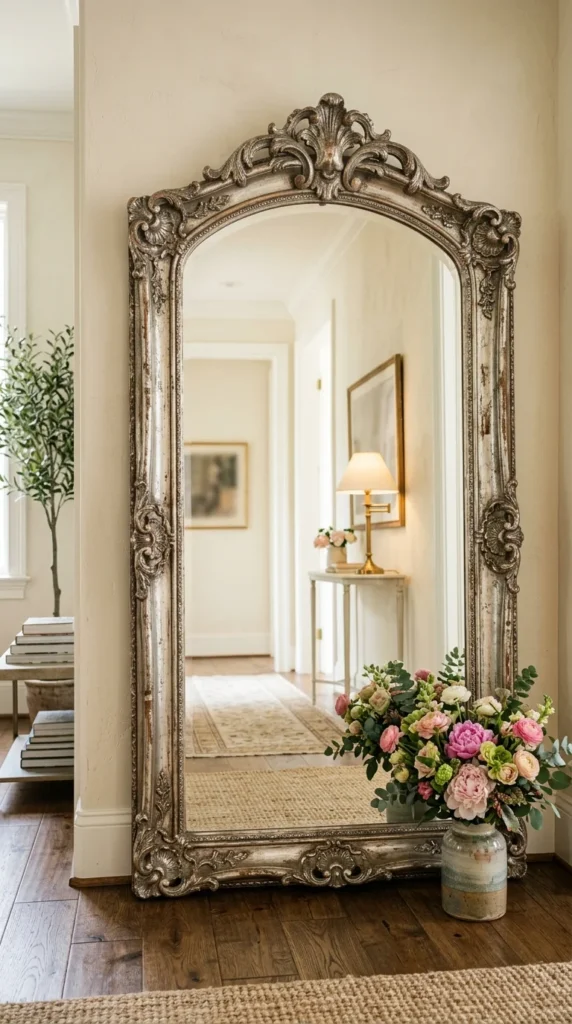
Mirrors are more than just functional tools; they are architectural enhancements. A large-scale mirror can act as a “window,” reflecting light and making a room feel twice as large. Choosing a frame with character—perhaps a carved wood frame or a sleek, industrial metal edge—turns the mirror into a piece of art that anchors the room’s symmetry.
11. Patinated Metals
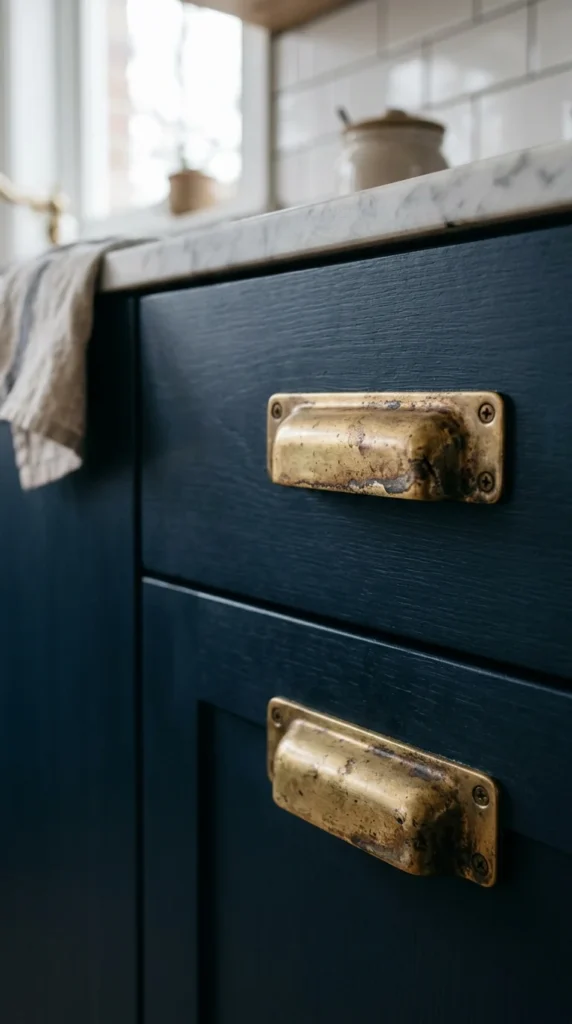
In a world of shiny, perfect finishes, the beauty of “living finishes” like unlacquered brass, copper, or bronze stands out. These metals react to the oils in your hands and the air, developing a unique patina over time. This aging process is a hallmark of slow decorating, as it celebrates the passage of time and the frequent use of the home’s functional elements.
12. Curated Gallery
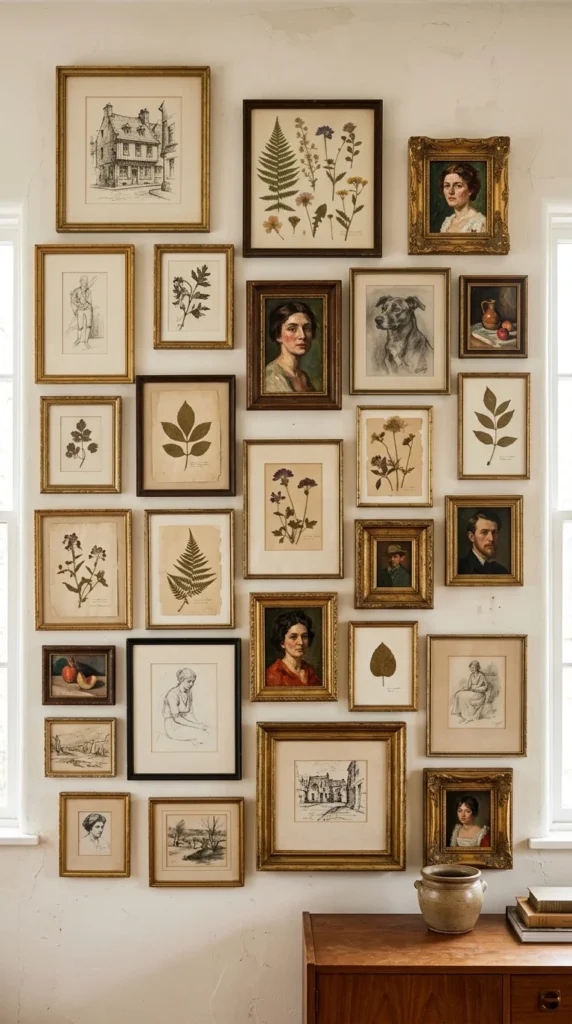
An intentional gallery wall is never finished in a day. It is a collection of memories, art, and ephemera gathered over years. Start with one or two pieces and add to the arrangement as you find things that speak to you—a postcard from a museum, a child’s drawing, or a high-end photograph. The evolution of the wall makes it a living map of your experiences.
13. Quality Hardware
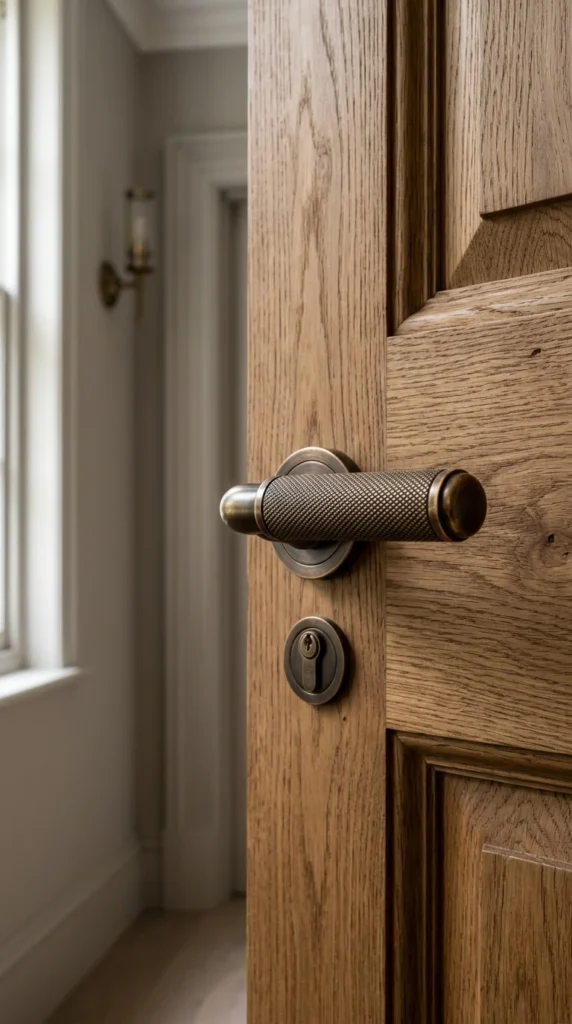
Upgrading the “touchpoints” of your home—door handles, light switches, and cabinet pulls—is a subtle but powerful way to signal intention. Replacing plastic or cheap metal hardware with heavy, well-made alternatives changes the physical experience of moving through your home. The weight and texture of a quality handle provide a satisfying tactile confirmation of a well-built space.
14. Bespoke Upholstery
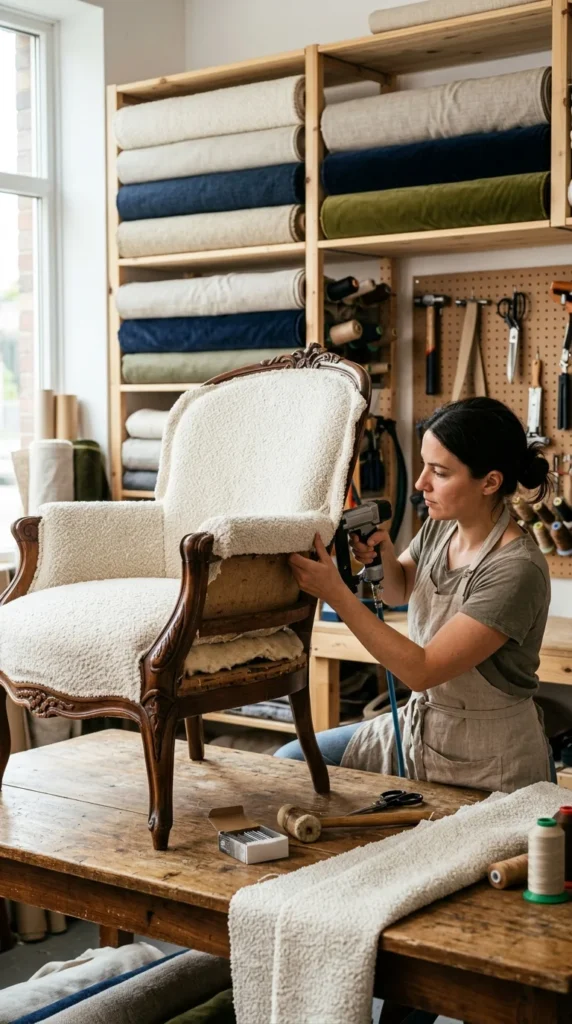
Slow decorating often involves breathing new life into old silhouettes. Finding a vintage chair with a “good bones” and having it reupholstered in a high-quality contemporary fabric is the ultimate act of curation. It allows you to customize a piece to your exact comfort and style requirements while keeping a historical item out of a landfill.
15. Organic Shapes
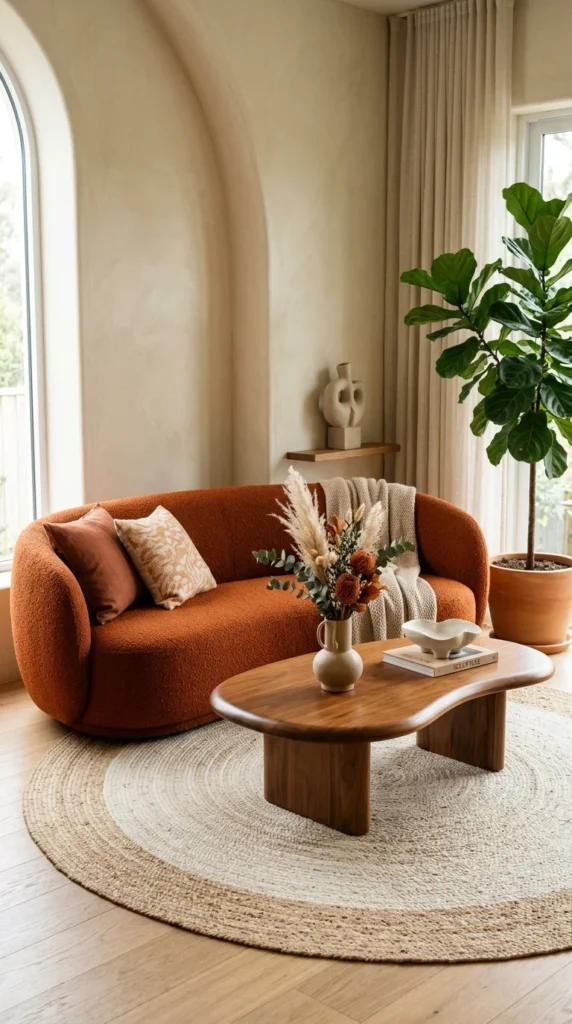
To make a home feel more intentional and less “showroom-like,” introduce organic, fluid shapes. Rigid, rectangular furniture can feel cold; a curved sofa, a round dining table, or an asymmetrical mirror softens the environment. These shapes mimic nature, which inherently feels more relaxing and thoughtfully designed.
16. Intentional Entryways
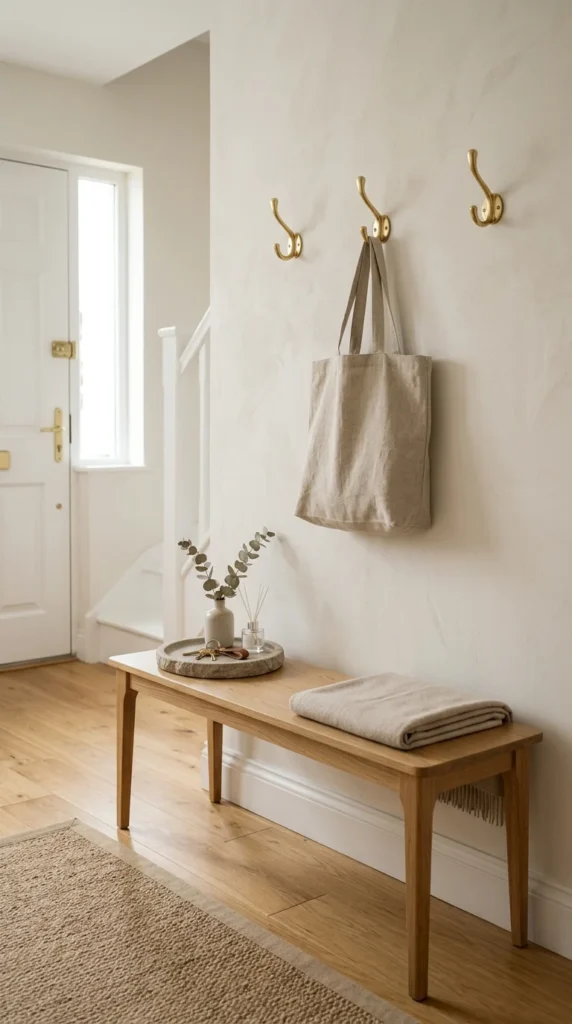
The entryway sets the tone for the entire home. Instead of allowing it to become a dumping ground, design it with purpose. A dedicated spot for keys, a high-quality bench for removing shoes, and a single piece of art create a transition from the chaotic outside world to the curated peace of your home. It signals that every square inch of the space has a job to do.
17. Sensory Scents
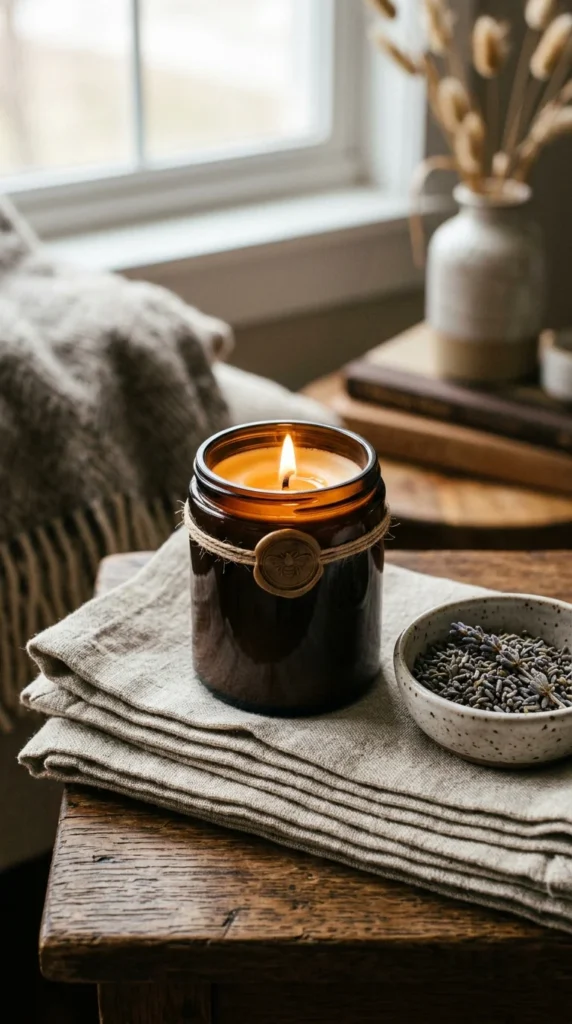
An intentional home appeals to all senses, including smell. Avoid synthetic aerosols in favor of natural scents like beeswax candles, essential oil diffusers, or dried herbs. Creating a “signature scent” for your home—perhaps cedar in the winter and citrus in the summer—associates specific memories and moods with your space, making it feel like a true sanctuary.
18. Window Treatments
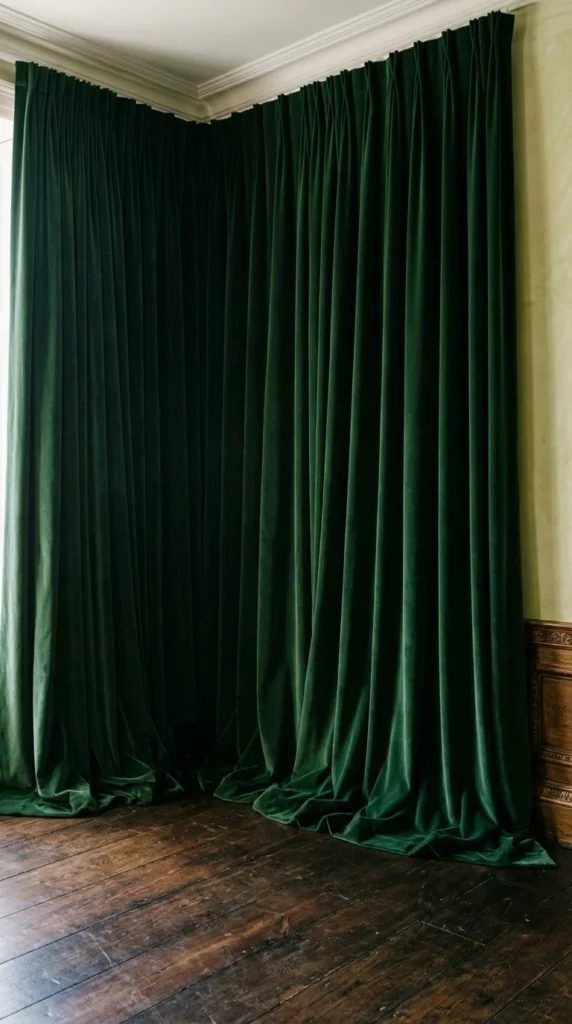
Window treatments are often an afterthought, but they provide the “tailoring” for a room. Slow decorating favors high-quality drapes in natural materials like linen, wool, or velvet. Curtains that are hung high and wide not only make windows look larger but also add a layer of acoustic softening and thermal insulation, making the room feel more substantial and private.
19. Personal Collections
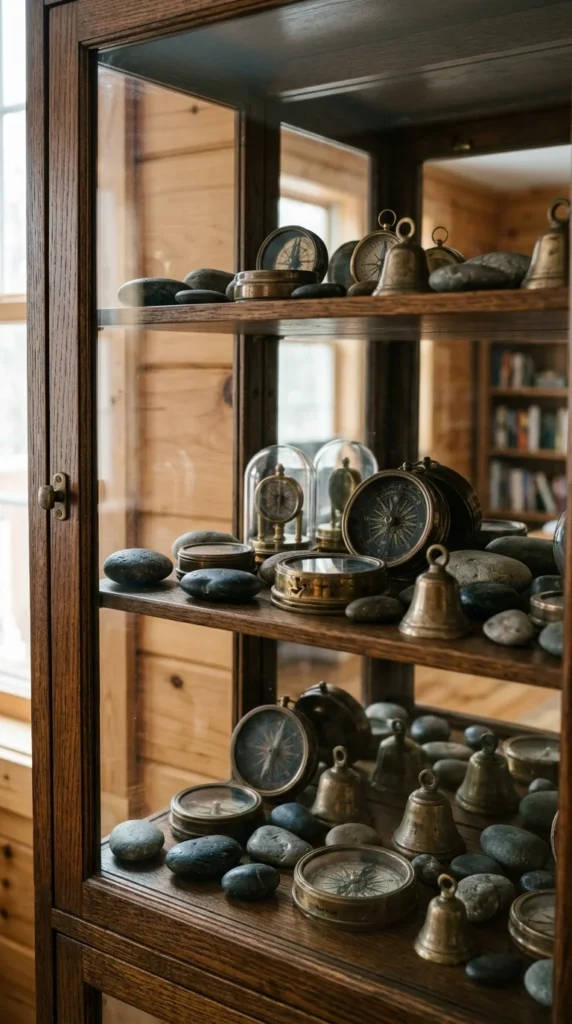
Displaying collections is a way to tell your story. Whether you collect seashells from every beach you’ve visited, vintage cameras, or specific types of pottery, showing them together in a deliberate way turns “clutter” into a “collection.” The key is to group them by theme or material to ensure the display feels like a curated exhibition rather than an accidental accumulation.
20. Soft Minimalism
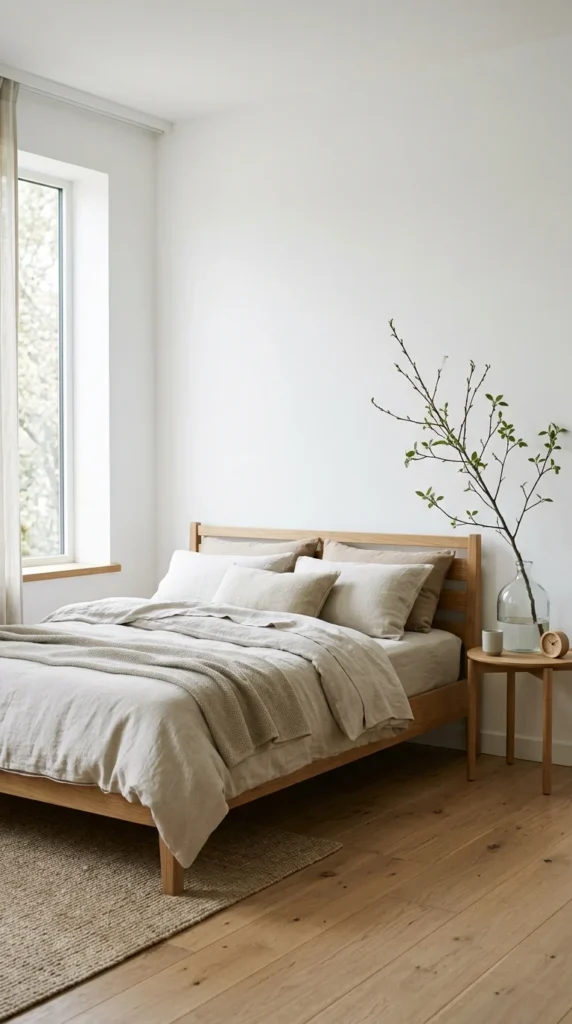
Soft minimalism isn’t about having nothing; it’s about having only what matters. It involves a “one-in, one-out” policy that ensures every item in the room earns its keep. By choosing a few high-quality, beautiful items and giving them space to “breathe,” you highlight the intention behind each choice. This creates a calm, clutter-free environment that promotes mental clarity.
21. Hand-Woven Baskets
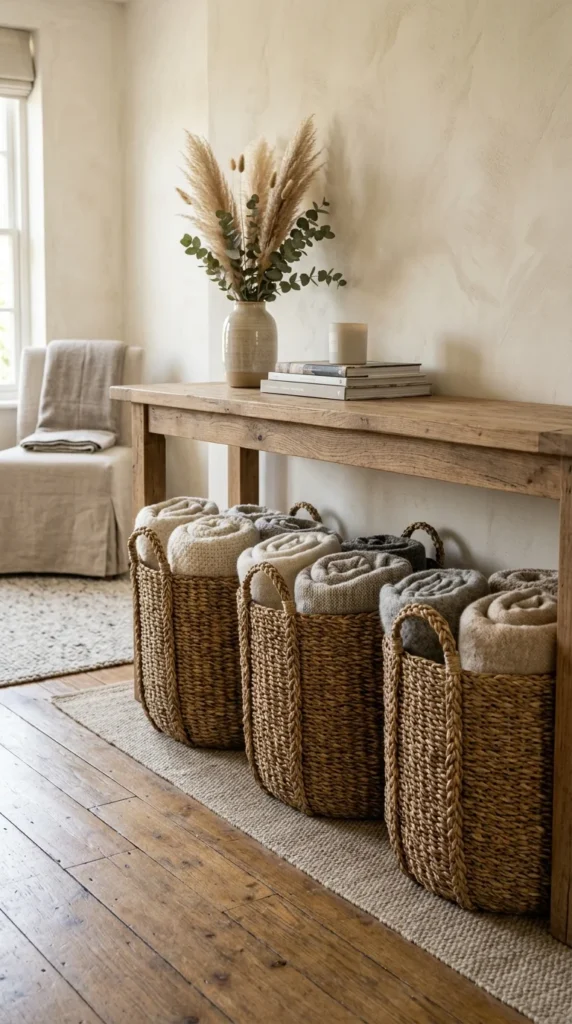
Storage can be beautiful. Hand-woven baskets made from natural materials like seagrass, willow, or rattan add texture while hiding necessary but unsightly items like remote controls, toys, or extra linens. These artisanal items bring an earthy, grounded feel to a room, bridging the gap between functional utility and decorative art.
22. Architectural Salvage
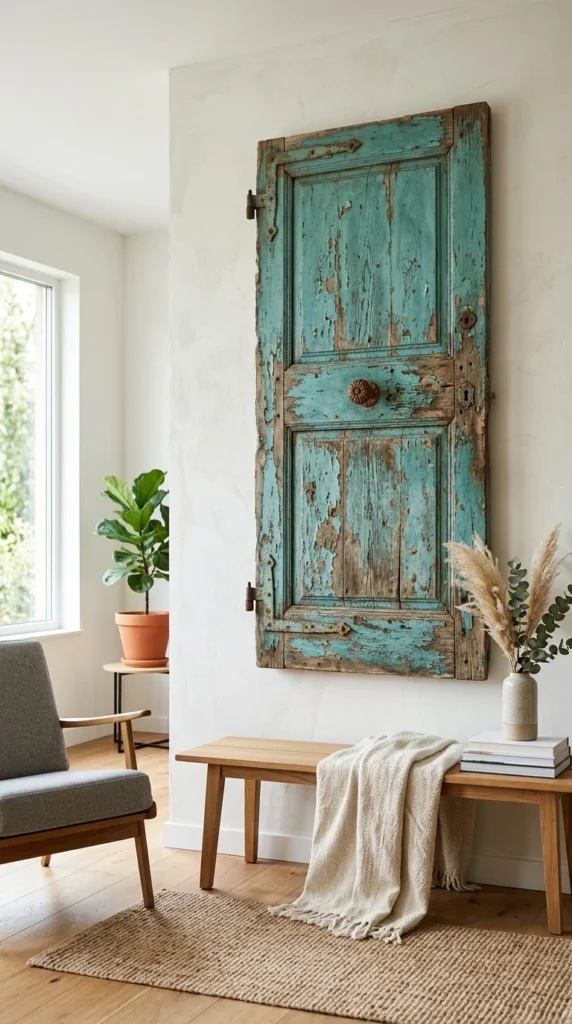
Incorporating pieces of architectural salvage—like an old mantel, a stained-glass window, or reclaimed corbels—adds an instant layer of age to a newer home. These items serve as conversation starters and provide a sense of architectural permanence. They remind us of the craftsmanship of the past and help a home feel like it has been standing for decades.
23. Thoughtful Symmetry
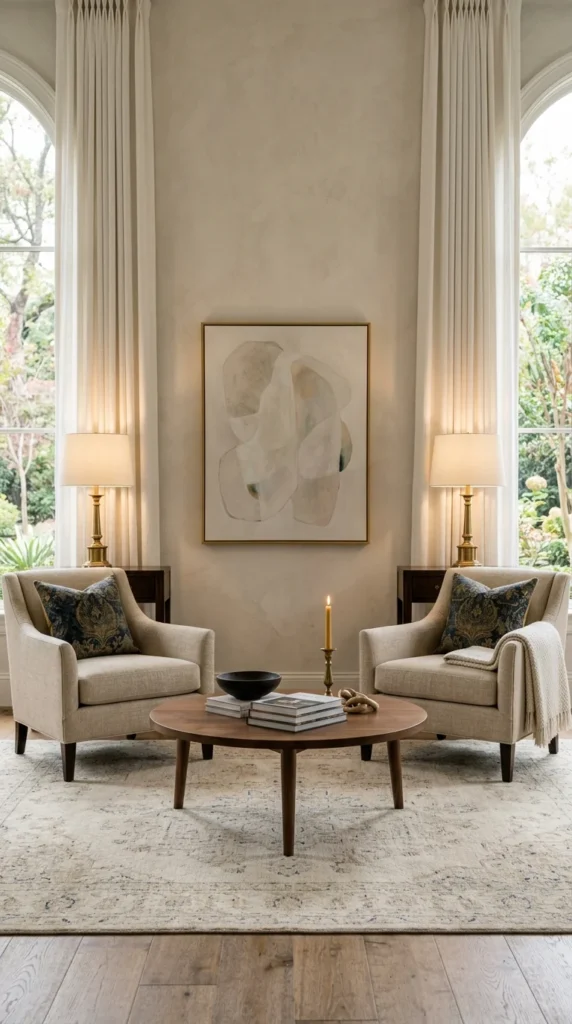
Symmetry is a classic design principle that creates an immediate sense of order and calm. You can apply this intentionally by flanking a fireplace with identical chairs or placing matching lamps on a sideboard. This visual balance feels “settled” and deliberate, providing a restful focal point for the eye in an otherwise busy world.
24. Exposed Materials
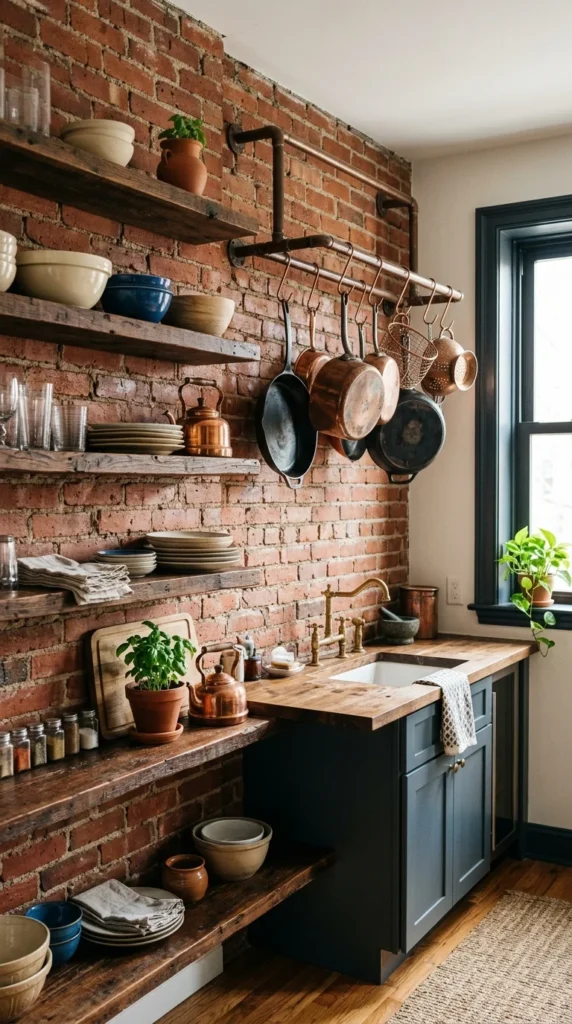
If your home has beautiful structural elements—like brick walls, wooden beams, or concrete floors—intentional decorating means letting them show. Rather than covering them up, highlight these materials. They provide a “raw” honesty to the space that feels authentic and unpretentious, qualities that are central to the slow decorating movement.
25. Seasonal Transitions
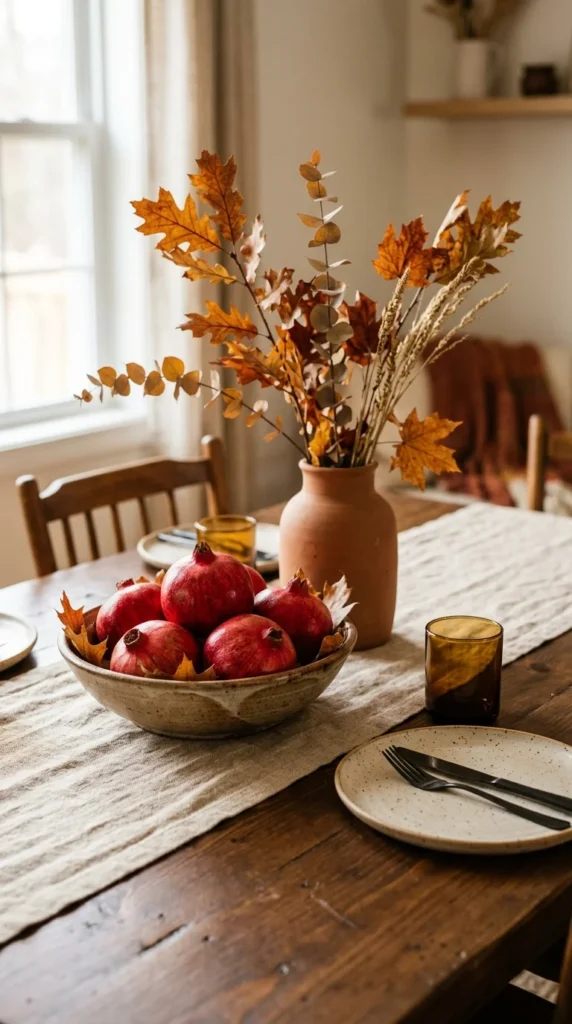
An intentional home is never static; it breathes with the seasons. Slow decorating involves making small, thoughtful shifts throughout the year—swapping heavy wool throws for light cotton ones in the spring, or replacing a vase of fresh flowers with dried branches in the winter. These rituals keep you connected to the natural rhythm of time and keep your home feeling fresh and deeply considered.