


Color drenching is the interior design technique of choosing a single hue and applying it to every surface in a room. This includes the walls, the ceiling, the trim, the doors, and often the radiator and cabinetry. By removing the visual “break” that white ceilings or beige trim usually provide, color drenching creates an immersive, cocoon-like atmosphere that feels incredibly intentional and high-end.
When executed correctly, this technique can make a bedroom feel larger, more cohesive, and undeniably expensive. It hides architectural imperfections and emphasizes the silhouette of your furniture. Here are eight color-drenched bedroom ideas that evoke a sense of bold, sophisticated luxury.
1. Emerald Green
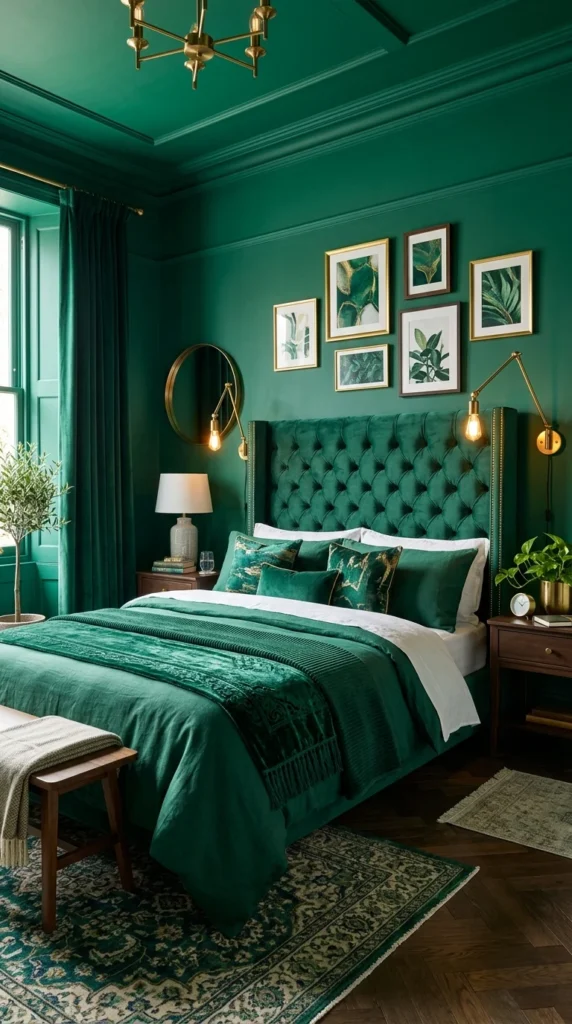
Emerald green is the quintessential “jewel box” color. When you drench a bedroom in this deep, botanical hue, you instantly evoke a sense of heritage and opulence. Because green is a color found abundantly in nature, even a highly saturated version feels grounding rather than overwhelming.
To make an emerald-drenched room look expensive, focus on texture. Pair the flat or eggshell paint on the walls with high-sheen fabrics like velvet or silk in the same shade. The way light hits the different textures of the same color creates a sophisticated “tone-on-tone” depth that prevents the room from looking flat. Incorporating metallic accents, particularly unlacquered brass or gold, provides the perfect warm contrast to the cool undertones of the green.
2. Midnight Blue
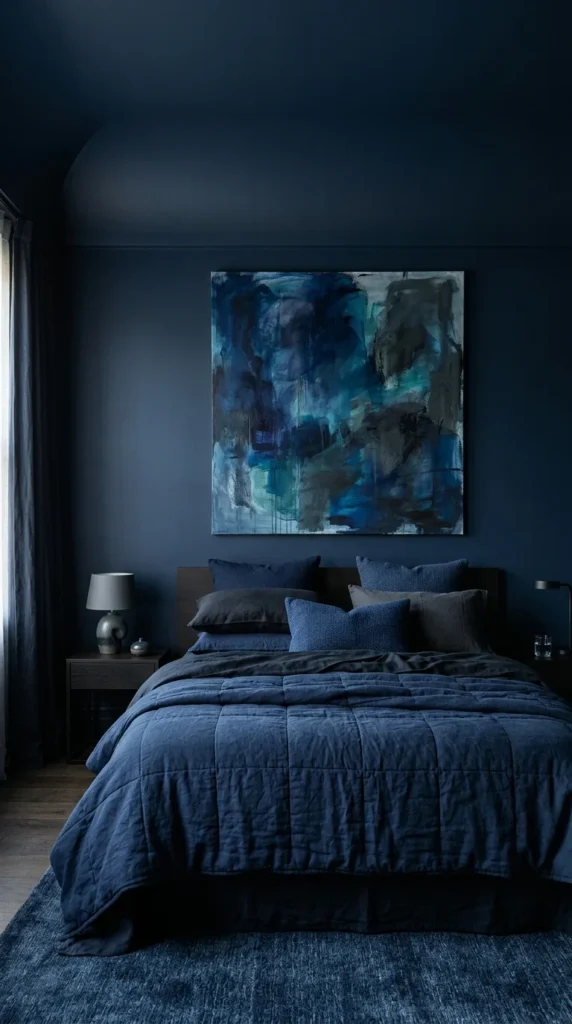
Midnight blue is often considered the “new black” in luxury interior design. It offers the same drama and mystery as black but with a softer, more inviting undertone. Color drenching in midnight blue creates a nocturnal sanctuary that is perfect for rest and relaxation.
In a midnight blue room, the absence of a white ceiling eliminates the “closed-in” feeling that dark colors sometimes produce. Instead, the ceiling seems to recede, creating an infinite, sky-like effect. To elevate this look, use a high-gloss finish on the trim and doors while keeping the walls matte. This subtle shift in sheen reflects light in a way that looks architectural and custom-designed.
3. Terracotta
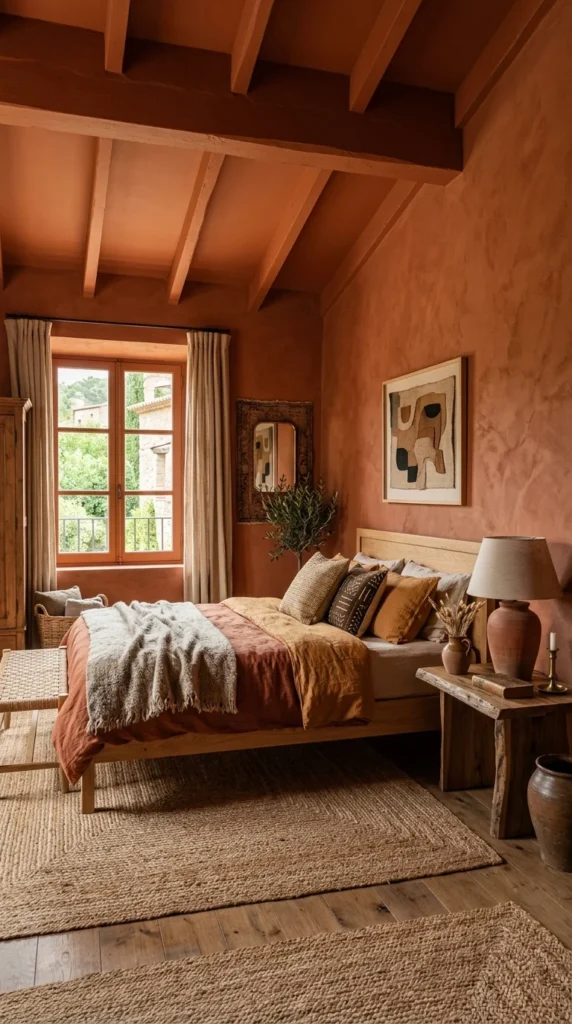
Terracotta offers a bridge between minimalist organic design and bold color saturation. While many people associate color drenching with dark tones, using a mid-tone earthy clay color can make a bedroom feel incredibly warm and expansive.
This color works exceptionally well in rooms with plenty of natural light. During the “golden hour,” a terracotta-drenched room will glow from floor to ceiling. To maintain the expensive, “quiet luxury” aesthetic, pair this color with natural materials like oak, rattan, and linen. Avoid high-contrast accents and instead stick to a palette of ochre, sienna, and sand to maintain the monochromatic flow.
4. Charcoal Grey
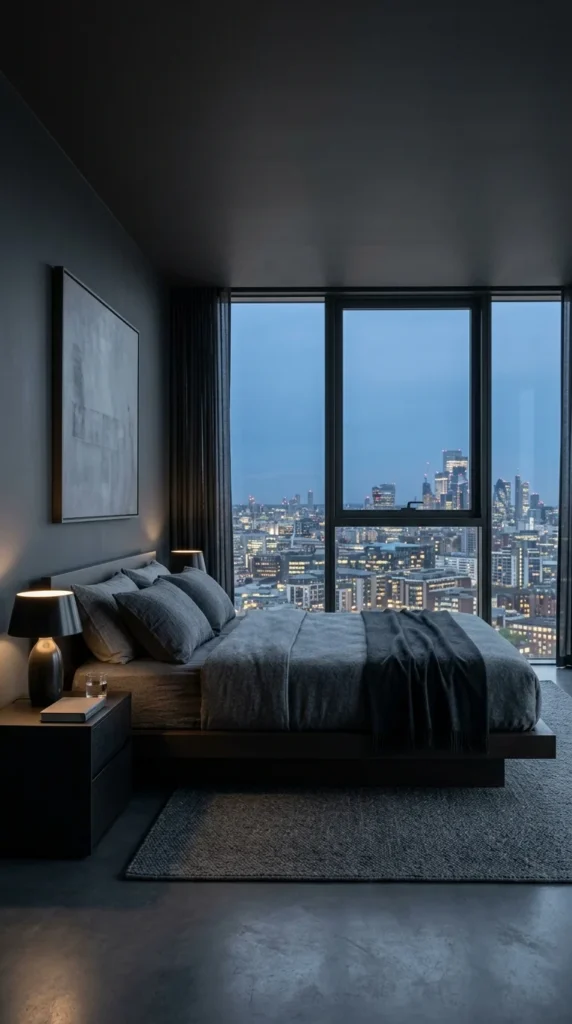
Charcoal grey is the ultimate choice for a masculine, sophisticated, or urban-style bedroom. Unlike lighter greys which can sometimes feel cold or institutional, a deep charcoal drenching feels cozy and protective.
The secret to making charcoal look expensive is the quality of the paint and the integration of lighting. Use a “limewash” or “roman clay” finish to add movement and a stone-like quality to the walls. In a drenched charcoal room, integrated LED strip lighting or warm-toned architectural sconces are essential. The light grazing the dark, textured surfaces creates a dramatic, high-end hotel vibe that is both bold and timeless.
5. Burgundy
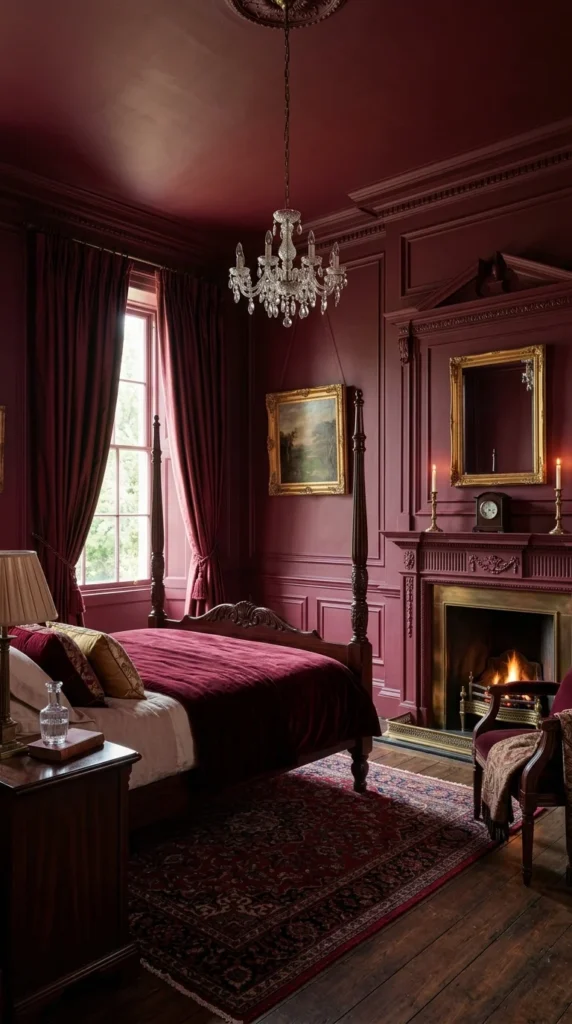
Burgundy and deep wine shades are synonymous with old-world glamour and traditional luxury. Drenching a room in this color is a daring move that pays off by creating an atmosphere of warmth and intimacy. It is particularly effective in rooms with historical details like crown molding or wainscoting, as the single color allows the shadows of the woodwork to provide the only “decoration.”
To prevent burgundy from feeling dated, keep the furniture silhouettes modern or go full-maximalist with antique pieces. Using the same color for the window treatments—velvet curtains that match the walls—further enhances the drenched effect, making the windows feel like an integrated part of the architecture rather than an afterthought.
6. Mustard Yellow
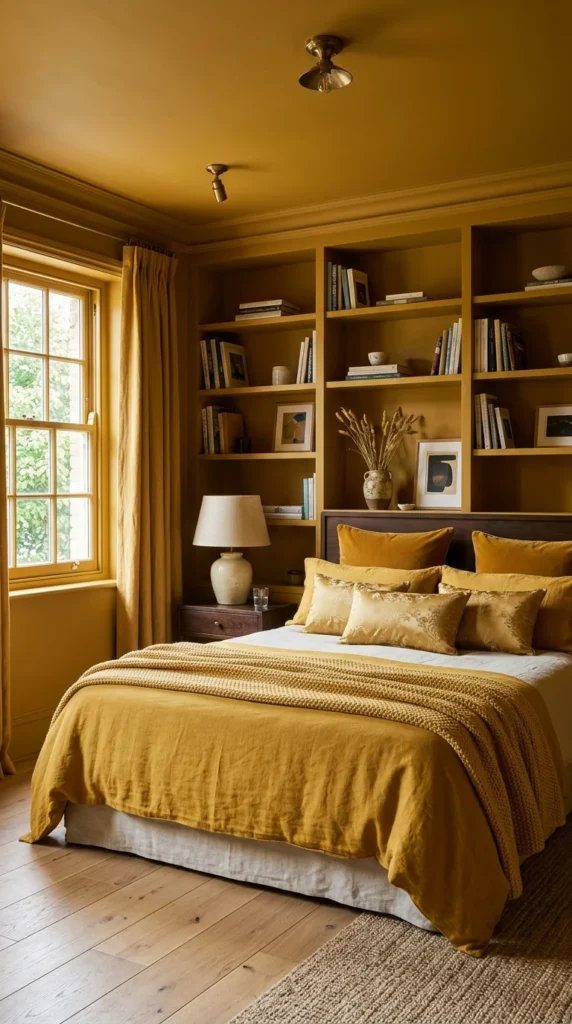
Mustard yellow, or “ochre,” is a bold choice that exudes confidence and creativity. While a bright lemon yellow might feel too energetic for a bedroom, a deep, desaturated mustard feels sophisticated and “designer.”
Color drenching in mustard creates a perpetual Mediterranean summer feel. To make this look expensive, it is vital to balance the warmth with cool-toned accessories or neutral flooring. A mustard-drenched room looks stunning when paired with dark walnut furniture or black iron accents. The key is to ensure the paint has enough “brown” in its base to keep it looking grounded and mature rather than primary and youthful.
7. Dusty Rose
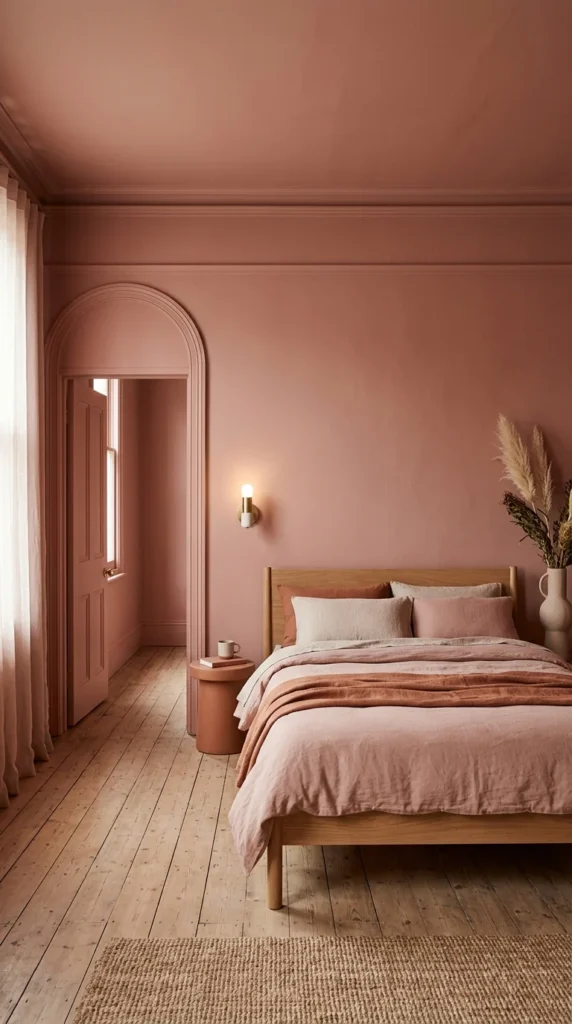
Dusty rose is no longer just for nurseries or feminine parlors. When used in a color-drenching capacity, a muted, “dirty” pink becomes a sophisticated neutral. This color is particularly effective at making a room feel soft and illuminated, as it reflects a flattering, warm light onto the skin.
For an expensive look, choose a pink with significant grey or beige undertones—often referred to as “plaster” or “nude.” By painting the ceiling and trim in this shade, you create a seamless, sculptural space. Pair this with travertine stone, cream-colored wool rugs, and matte black hardware to ground the color and give it a modern, high-fashion edge.
8. Deep Teal
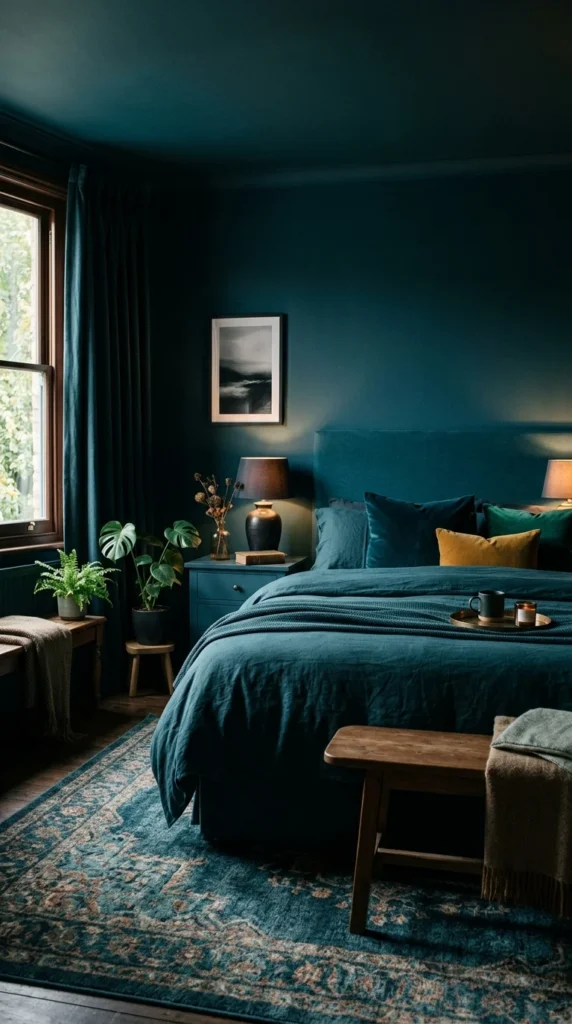
Teal sits perfectly between the calming nature of blue and the invigorating energy of green. A deep, saturated teal drenching creates an “oceanic” feel that is incredibly soothing for a sleeping environment. It is a color that feels both exotic and established.
To maximize the “expensive” feel of a teal room, play with light and shadow. Because teal is a complex color, it changes significantly depending on the time of day. Use a flat finish on the ceiling to hide any imperfections and a satin finish on the baseboards for durability and a slight reflective quality. This color pairs beautifully with “tobacco” leather and dark, moody wood tones, creating a rich, layered aesthetic that looks like it was curated by a professional designer.
Tips for Successful Color Drenching
- Consider the Sheen: Use a matte or flat finish for the walls and ceiling to minimize glare and create a velvet-like appearance. Use a satin or eggshell finish for doors and trim to provide subtle contrast and make the surfaces easier to clean.
- Don’t Forget the Details: Color drenching only works if you are truly “all in.” This means painting the radiator, the vent covers, the light switch plates, and even the window cranks. Any “white” plastic or metal will stick out and break the illusion.
- Layer the Lighting: In a drenched room, one overhead light won’t suffice. You need “pools” of light. Use floor lamps, table lamps, and sconces to create highlights and shadows, which bring the single color to life.
- Texture is Key: When the color is the same, the eye looks for texture. Mix linen, velvet, wool, and silk within the same color family to provide the visual interest that a second color would normally provide.