
In an era defined by fast fashion and overnight shipping, the concept of “slow decorating” has emerged as a necessary rebellion. Slow decorating is the intentional practice of curating a home over time, prioritizing quality, personal connection, and sustainability over immediate gratification. It is about moving away from “catalogue homes” that look complete the day you move in, and instead allowing your space to evolve as you do.
By adopting a slow decorating philosophy, you create an environment that feels grounded, authentic, and inherently calm. It allows for a deeper appreciation of the objects you own and ensures that every piece in your home serves a purpose or sparks genuine joy. Here are 16 ideas to help you cultivate a timeless, tranquil sanctuary through the art of slow decorating.
1. Vintage Finds
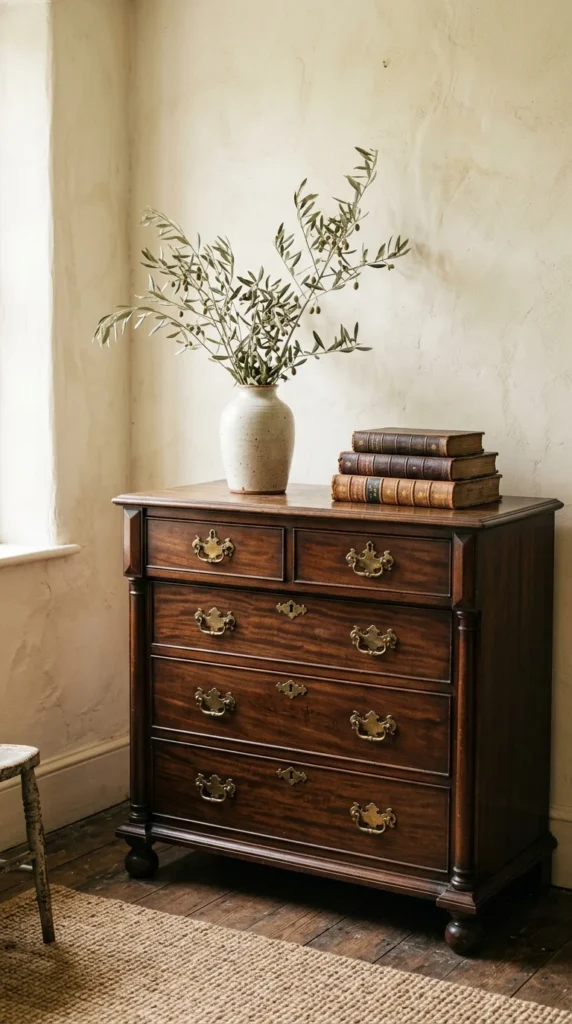
The hallmark of a slow-decorated home is the presence of pieces with a past. Scouring antique markets, estate sales, and thrift stores requires patience, but the reward is a one-of-a-kind interior. Vintage furniture brings a sense of weight and history that modern, mass-produced items often lack. Whether it is a mid-century modern sideboard or a rustic farmhouse table, these pieces have already stood the test of time and carry a soul that enriches your living space.
2. Natural Materials
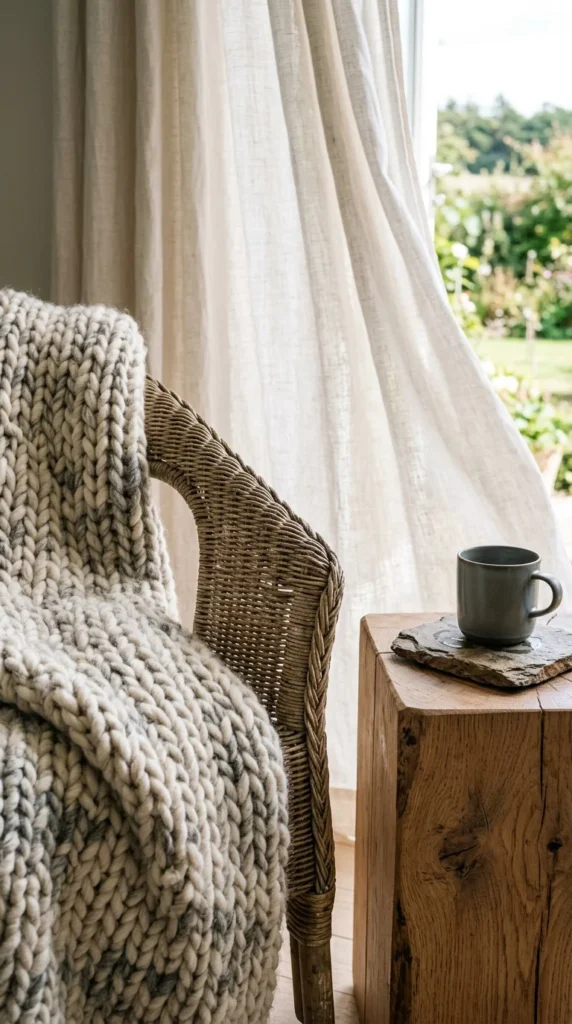
Calmness is often rooted in our connection to the natural world. Incorporating materials like solid wood, stone, wool, linen, and jute creates a tactile environment that feels organic and soothing. Unlike synthetic materials, natural fibers age beautifully, developing a patina that tells a story. When you choose a stone countertop or a solid oak bookshelf, you are investing in the longevity of your home’s aesthetic.
3. Neutral Palettes
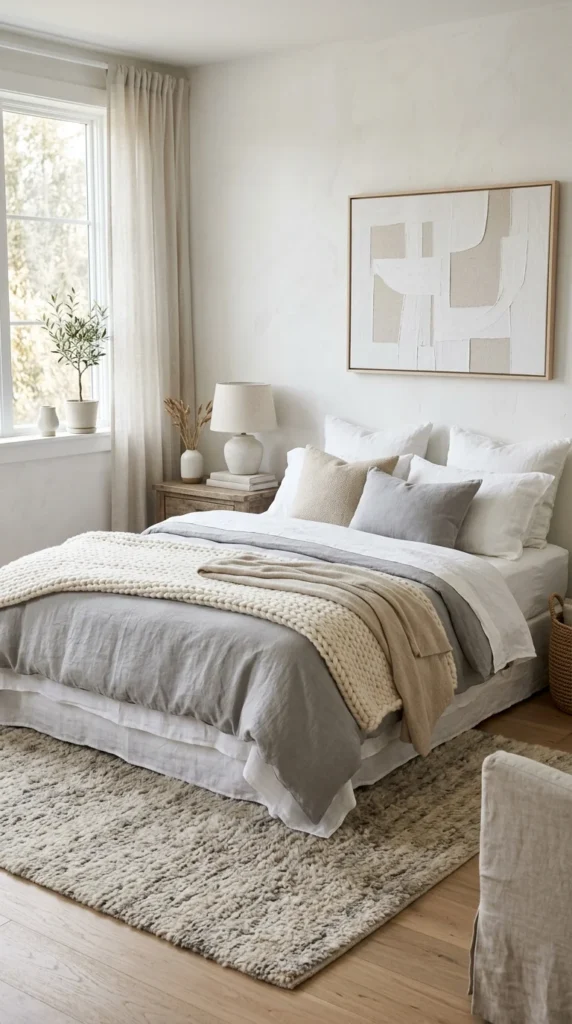
To create a timeless space, start with a foundation of neutrals. Shades of off-white, sand, taupe, and charcoal provide a quiet backdrop that allows your furniture and art to shine. A neutral palette is inherently calming because it reduces visual noise, making a room feel larger and more cohesive. As your tastes evolve, you can easily update the look with seasonal accents without needing a complete overhaul.
4. Curated Collections
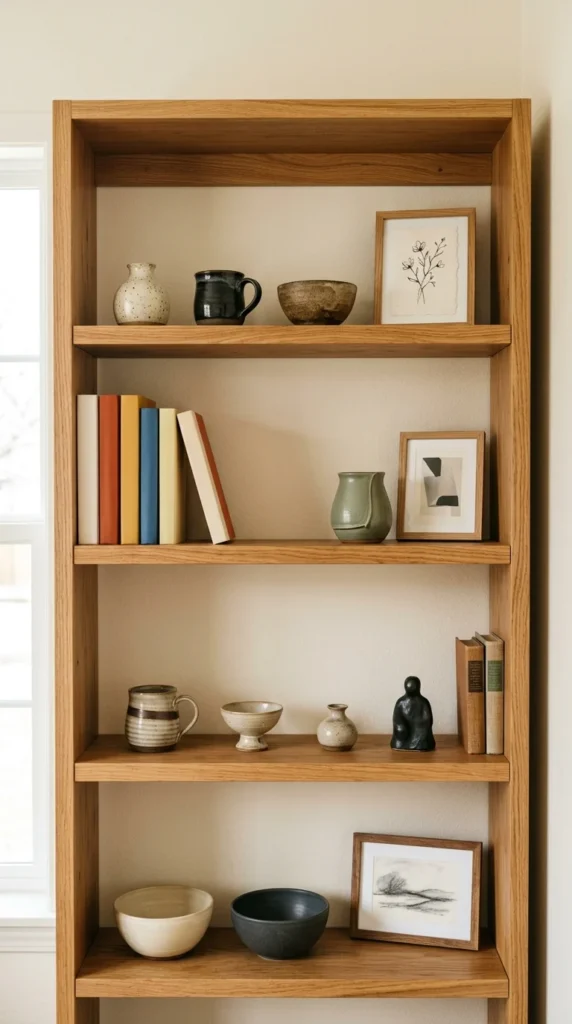
Slow decorating encourages you to display items that mean something to you. Rather than buying “shelf fillers” from a big-box store, wait to fill your surfaces with treasures collected during travels, gifts from loved ones, or objects found in nature. A curated collection of stoneware, sea glass, or vintage cameras tells the story of your life and interests, making your home feel uniquely yours.
5. Statement Lighting
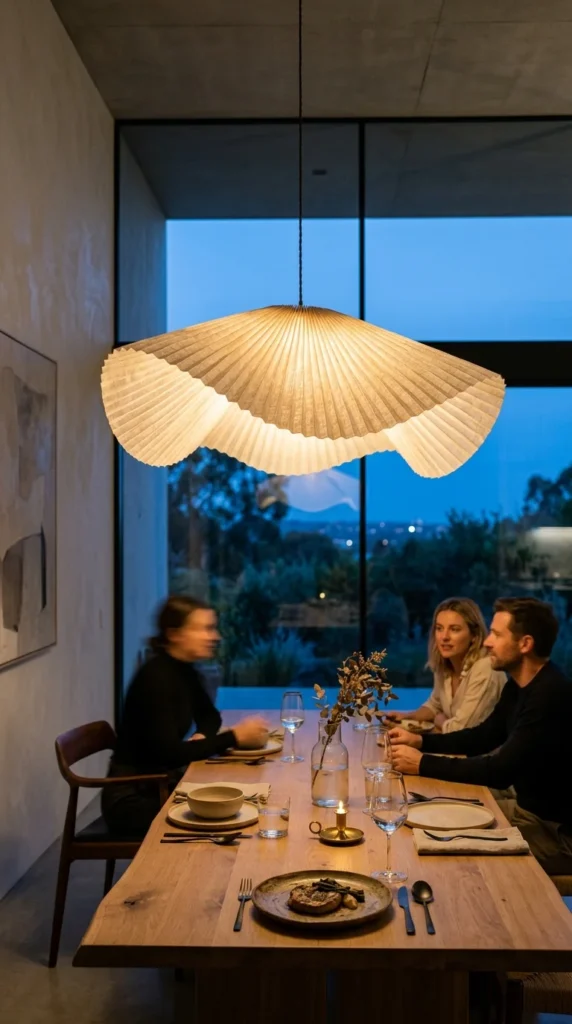
Lighting is the “jewelry” of a room and should be chosen with great care. Avoid the “boob lights” or generic fixtures that come standard in many homes. Instead, look for sculptural lamps and pendants that act as works of art. Consider the quality of light as well; soft, warm layers of light from floor lamps and sconces create an inviting ambiance that overhead lighting simply cannot match.
6. Textural Layers
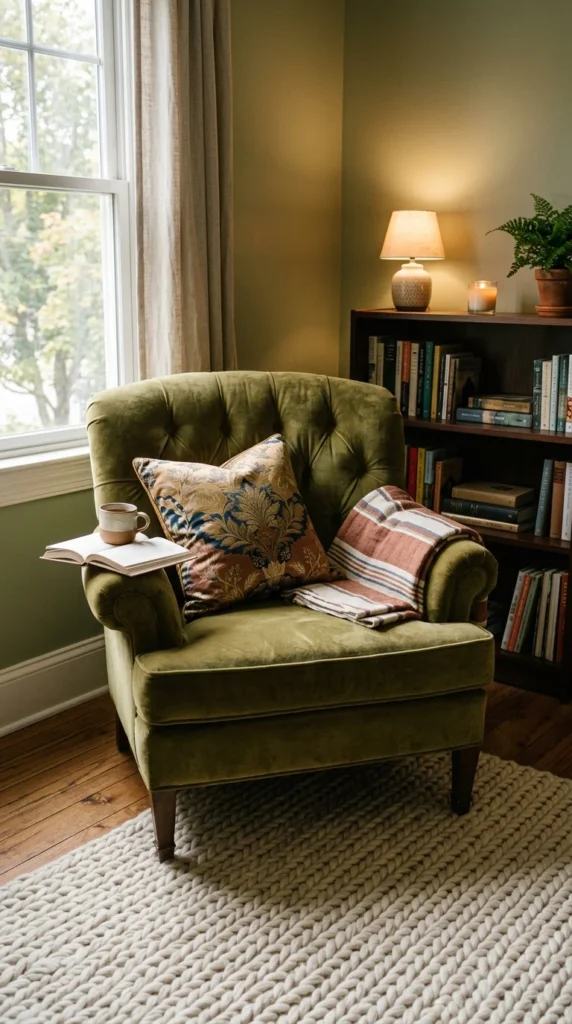
A space can feel flat if it lacks texture. Slow decorating involves layering different weaves and finishes to create depth. Think about the contrast between a smooth marble table and a rough jute rug, or a crisp cotton sheet paired with a heavy wool duvet. These sensory details contribute to the “coziness” of a home, making it feel layered and lived-in over time.
7. Artisanal Ceramics
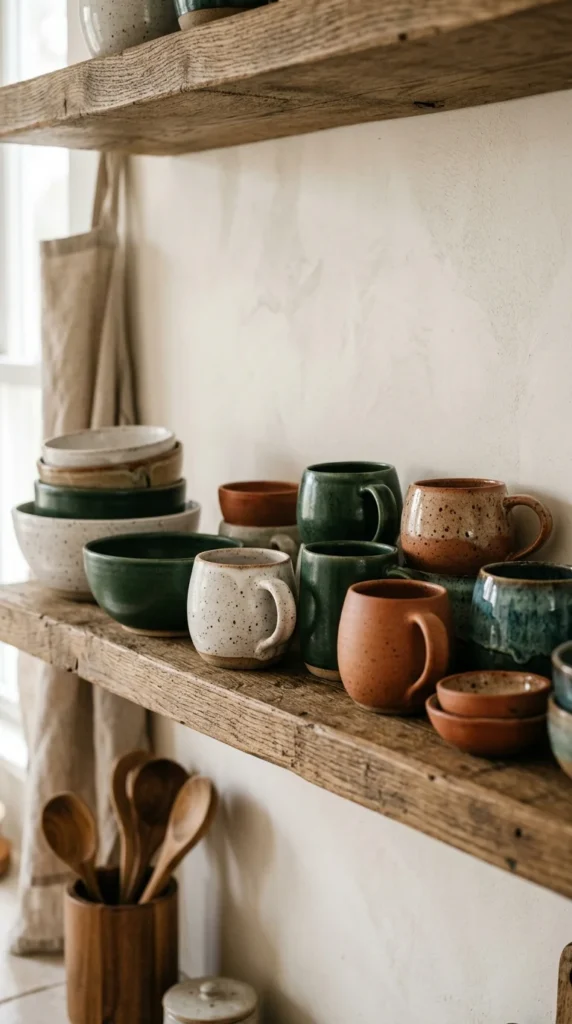
There is a profound beauty in the “perfectly imperfect” nature of handmade items. Incorporating artisanal ceramics into your daily life—using a hand-thrown mug for your morning coffee or a hand-painted platter for dinner—brings a sense of mindfulness to routine tasks. Supporting local makers also aligns with the sustainable ethos of slow decorating, ensuring your home supports a circular and creative economy.
8. Indoor Greenery
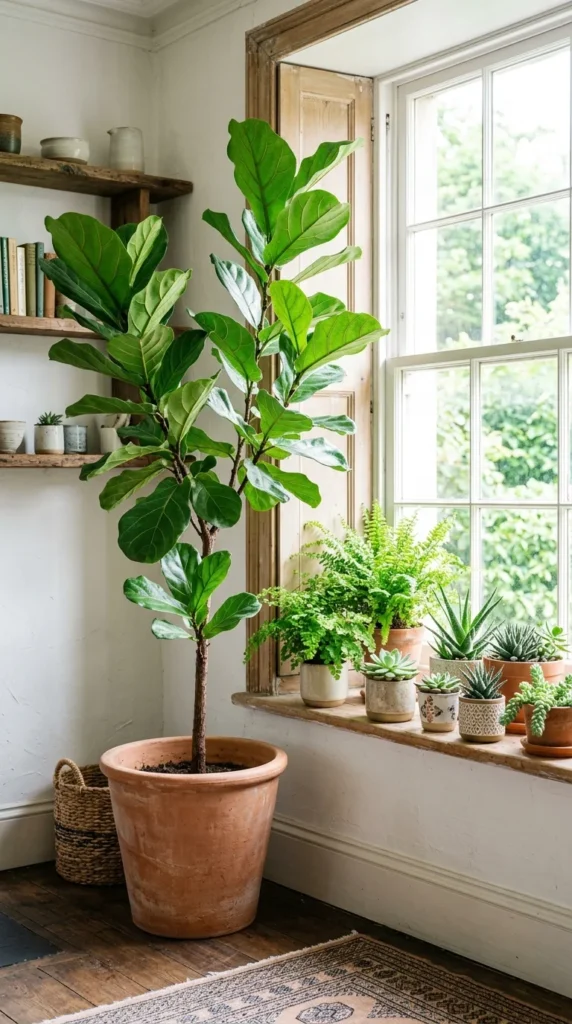
Bringing the outdoors in is a foundational element of a calm home. Plants not only purify the air but also introduce life and movement into a room. The “slow” aspect comes from nurturing these plants and watching them grow over the years. A large, mature tree in a living room provides a focal point that feels both majestic and grounding.
9. Handcrafted Wood
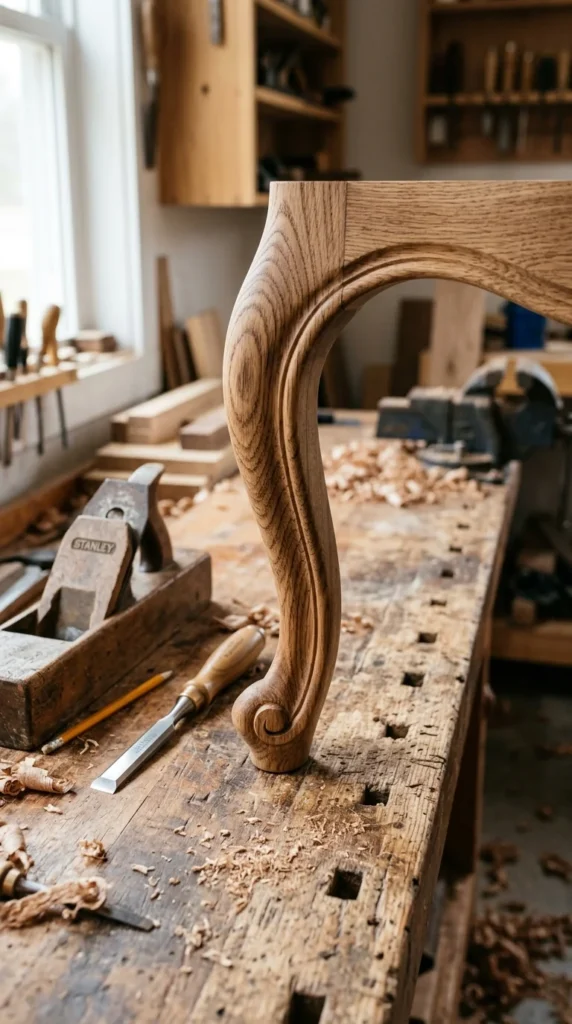
In a world of MDF and veneer, solid wood furniture is a luxury that pays dividends in durability. Whether it is a dining table where you gather for decades or a hand-carved stool, the warmth of real wood is irreplaceable. Slow decorating means saving for that one high-quality wooden piece rather than buying several cheap alternatives that will end up in a landfill within a few years.
10. Minimalist Art
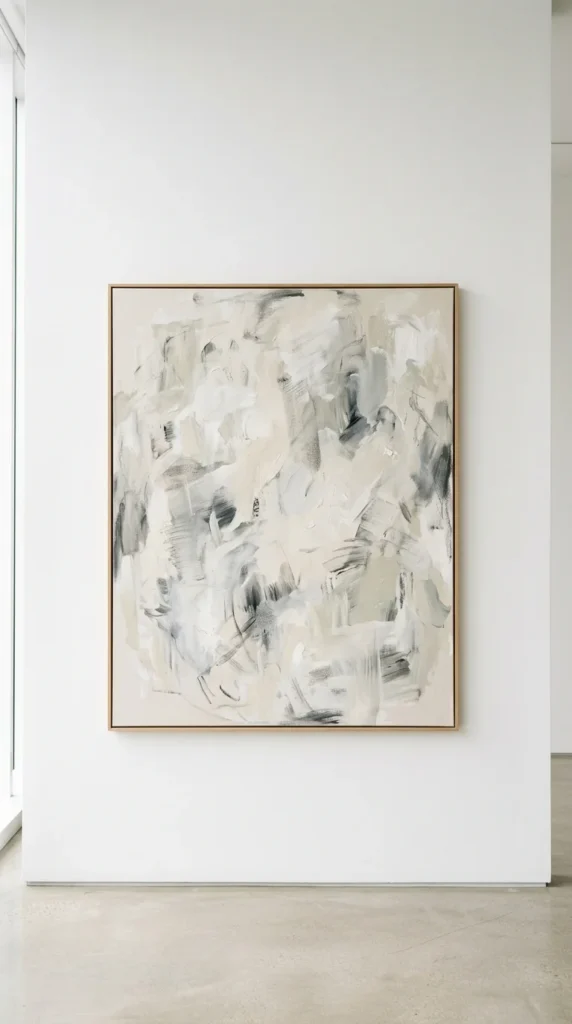
Walls don’t need to be covered in “fast art” prints. Instead, leave them bare until you find a piece that truly resonates with you. This could be an original painting, a large-scale photograph, or even a framed piece of textile. Minimalist art allows the eye to rest and prevents the space from feeling cluttered or overwhelming.
11. Quality Linens
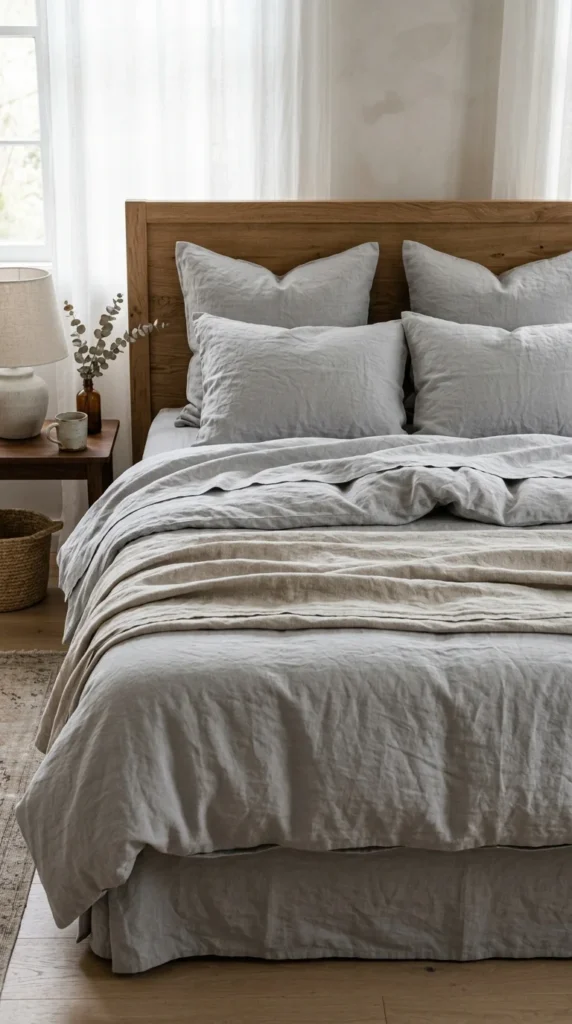
We spend a third of our lives in bed, so investing in high-quality linens is a vital part of creating a restful sanctuary. Linen is breathable, durable, and actually gets softer with every wash. Choosing bedding in muted, earthy tones ensures your bedroom remains a timeless place of retreat, unaffected by changing color trends.
12. Negative Space
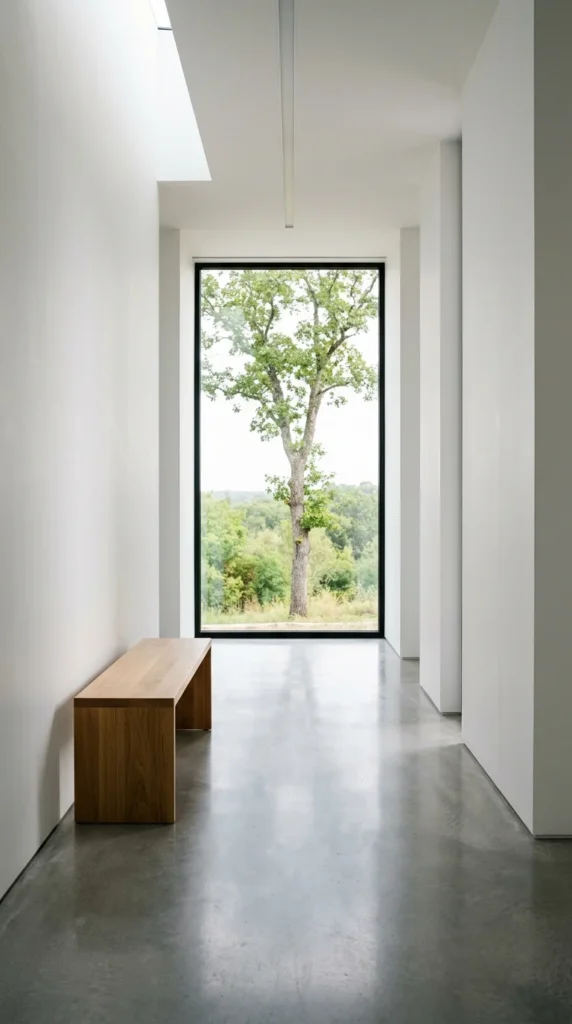
One of the hardest parts of slow decorating is knowing when to stop. Negative space—the empty areas in a room—is just as important as the furniture. It allows the architecture of the home to breathe and prevents a “claustrophobic” feeling. By intentionally leaving some corners empty, you create a sense of lightness and mental clarity.
13. Personal Heirlooms
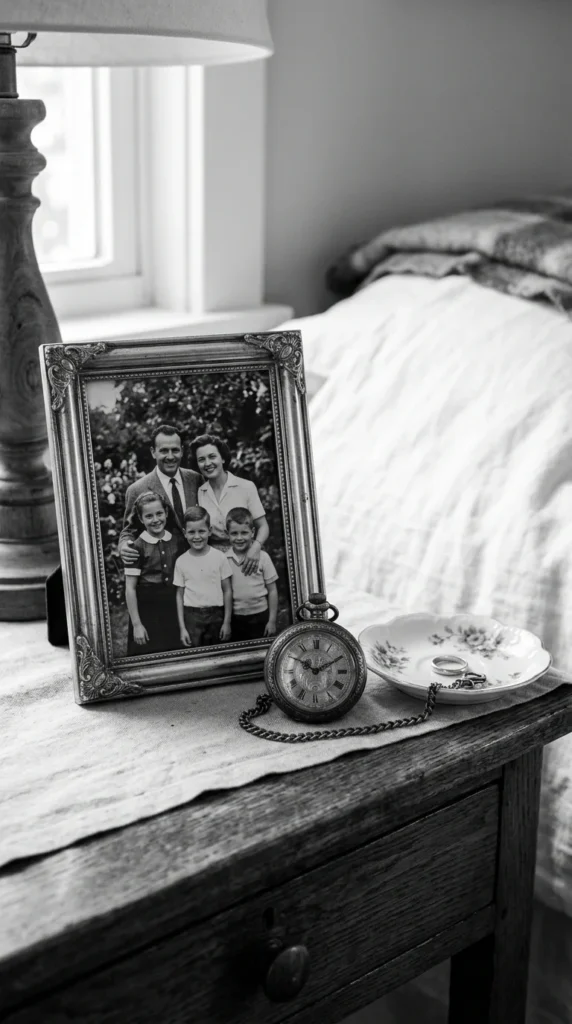
Timelessness is often achieved by blending the old with the new. Items passed down through generations—a grandfather’s clock, a mother’s quilt, or a set of vintage silverware—connect us to our heritage. These heirlooms provide an emotional anchor in the home, serving as reminders of family history and the continuity of time.
14. Earthy Tones
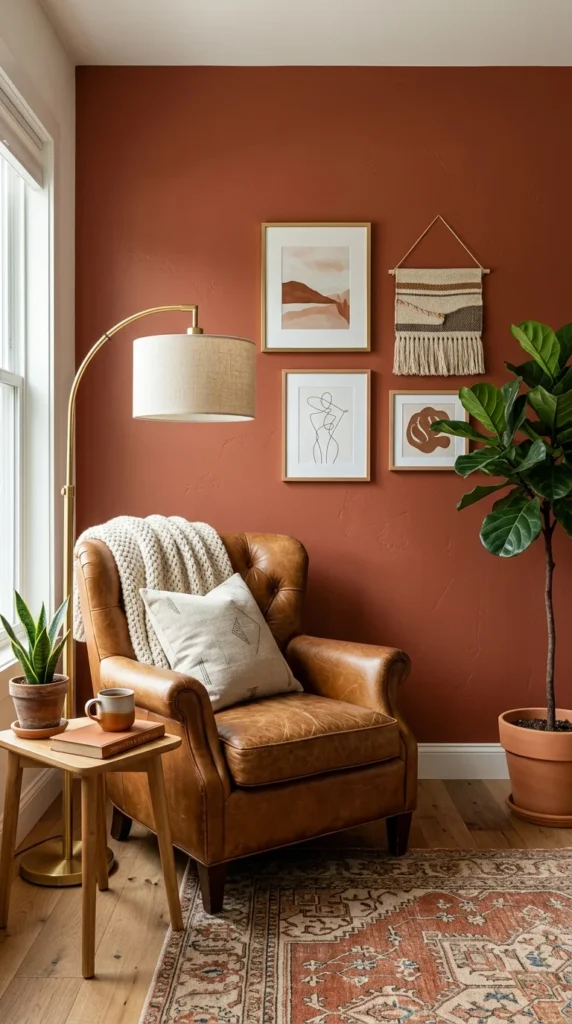
While neutrals are the foundation, earthy tones like sage green, ochre, terracotta, and deep brown add warmth and sophistication. These colors are derived from the landscape and therefore never feel dated. Using these hues in upholstery or wall paint can make a room feel more cocoon-like and intimate.
15. Multi-sensory Elements
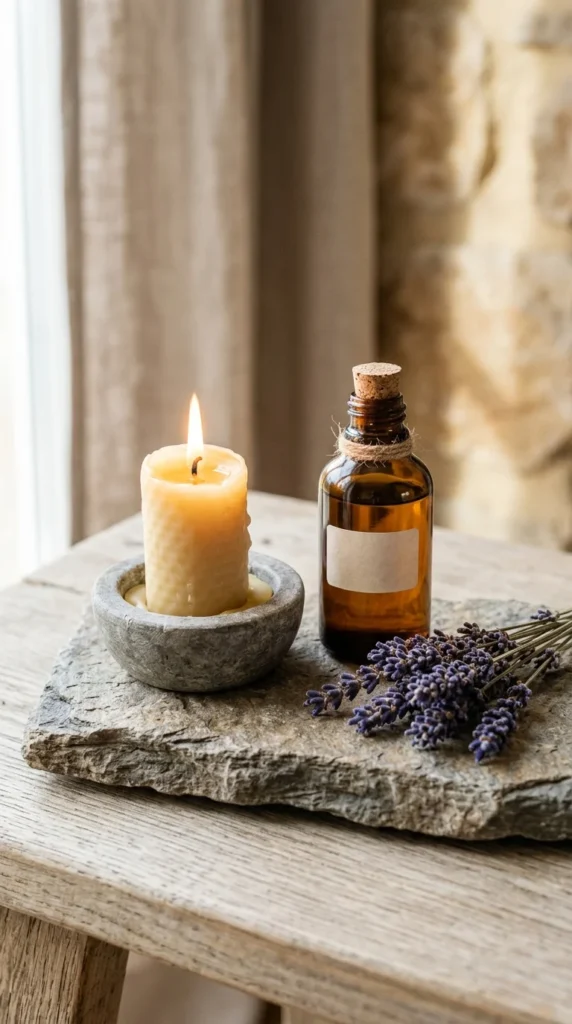
A calm space isn’t just about what you see; it’s about what you smell and hear. Slow decorating includes the selection of scents and sounds. A high-quality candle, a slow-burning incense, or the gentle ticking of a mechanical clock can significantly alter the mood of a room. These subtle elements ground you in the present moment.
16. Living History
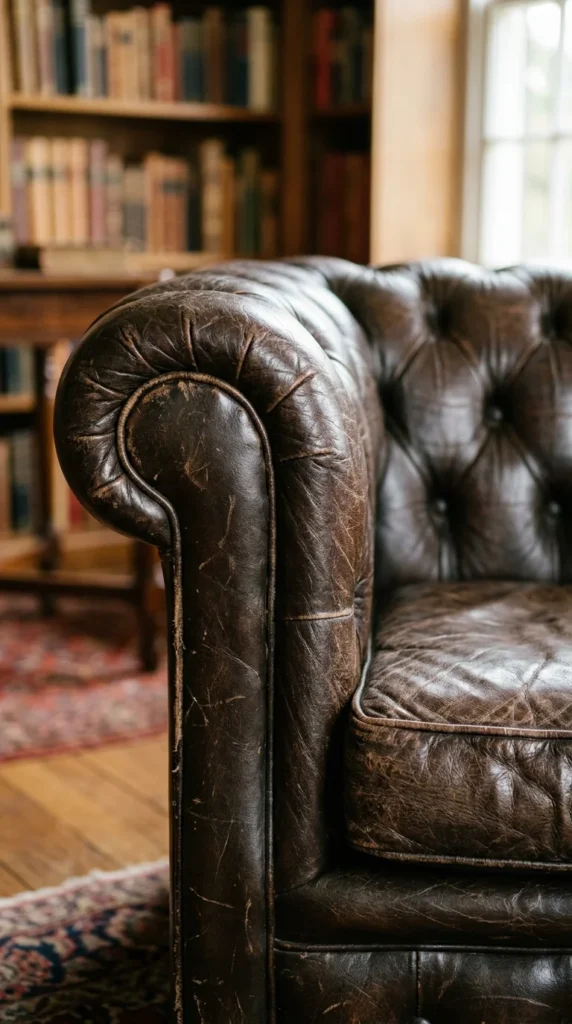
Finally, embrace the “patina” of your home. Scratches on a wooden floor, the fading of a rug in the sun, or the softening of a leather chair are signs of a life well-lived. Slow decorating celebrates the way a home ages. Instead of rushing to fix every imperfection, see them as the marks of history that make your space feel authentic and truly timeless.