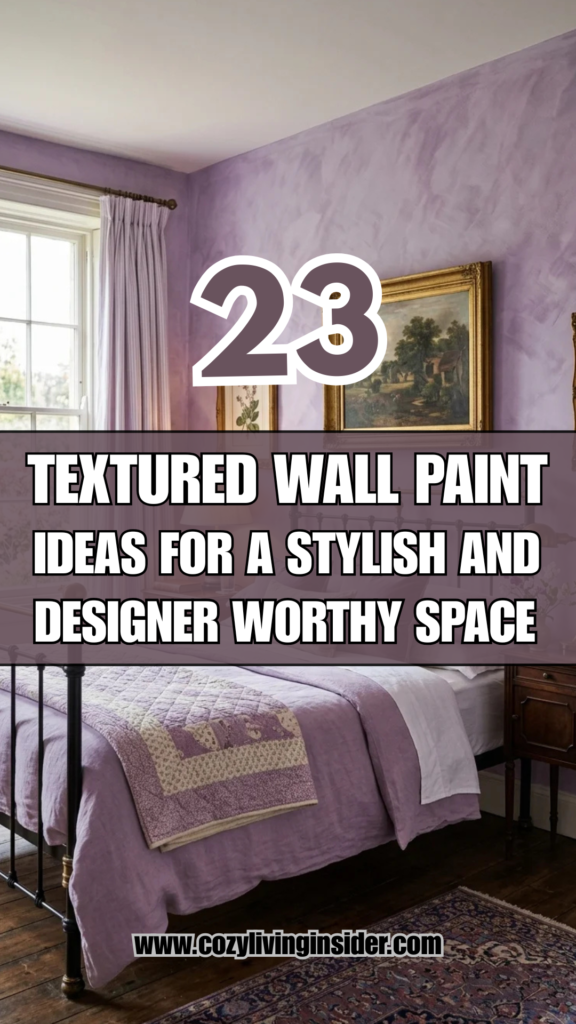

Texture is the secret ingredient that transforms a flat, uninspired room into a multi-dimensional sanctuary. In the world of interior design, walls are often the largest surface area available for expression. While flat paint offers cleanliness, textured paint adds character, movement, and a sense of luxury that elevates a home’s overall aesthetic. From the rustic charm of Mediterranean villas to the industrial chic of urban lofts, textured finishes provide a tactile quality that engages both the eyes and the touch.
1. Concrete Finish
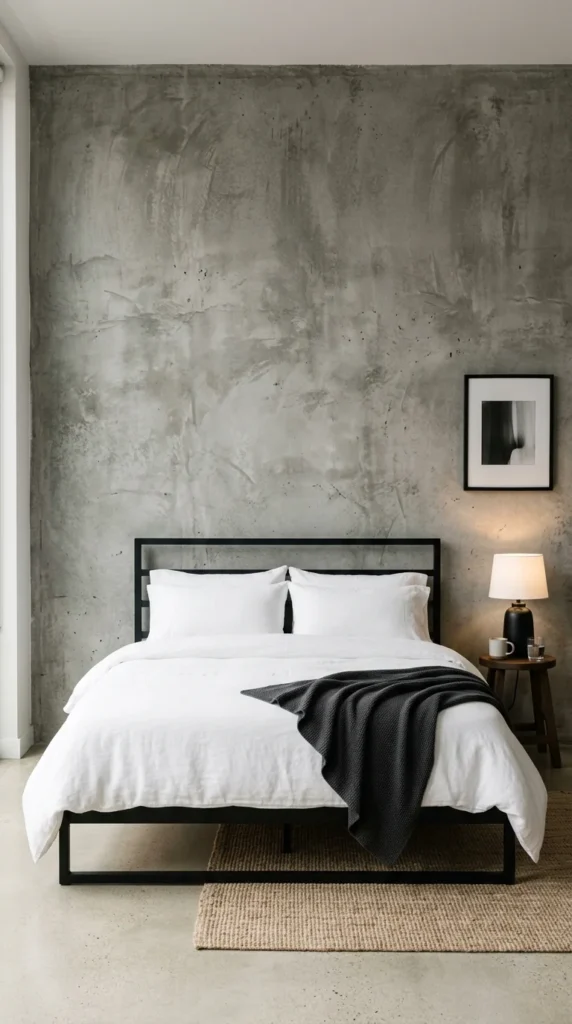
The industrial aesthetic remains a staple in modern design, and a concrete finish is the pinnacle of this trend. Achieving this look doesn’t require actual heavy masonry; specialized concrete-effect paints or micro-cement applications can replicate the raw, brutalist beauty of poured concrete. It is perfect for modern living rooms or bedrooms where you want to introduce a sense of grounded stability and architectural edge.
2. Venetian Plaster
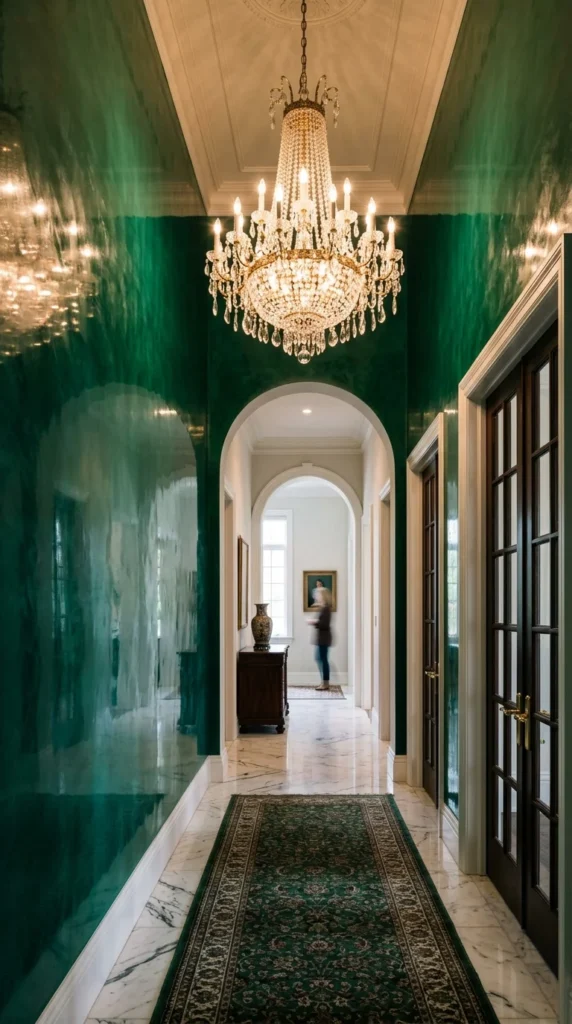
Venetian plaster is the gold standard for luxury wall finishes. It involves applying thin layers of plaster mixed with marble dust, which are then buffed to create a smooth, high-sheen surface with immense depth. The result is a wall that looks like solid stone or marble, offering a timeless elegance that works exceptionally well in dining rooms, foyers, and master suites.
3. Limewash
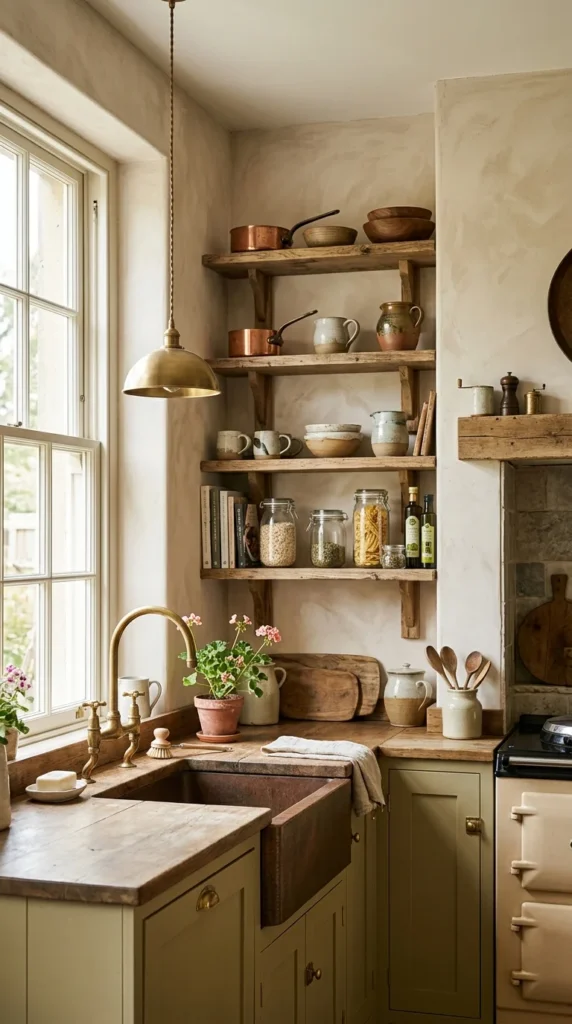
Limewash is one of the oldest decorative finishes, making a massive comeback in contemporary “organic modern” homes. It is made from crushed, burned, and slaked limestone mixed with water. Its signature look is a matte, chalky, and slightly streaky finish that adds a soft, ethereal glow to any space. It is breathable and eco-friendly, making it ideal for bedrooms and nurseries.
4. Suede Effect
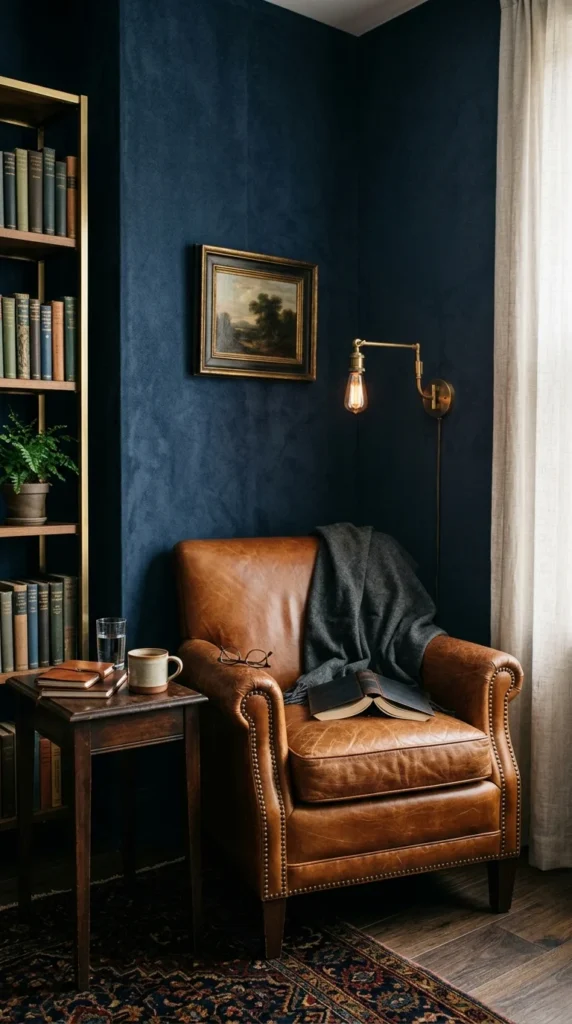
For those seeking a sense of warmth and intimacy, the suede effect is unmatched. This finish uses a specialized paint containing micro-beads to create a surface that mimics the look and feel of brushed suede. It absorbs light rather than reflecting it, giving the room a quiet, hushed atmosphere that is perfect for home libraries, media rooms, or master bedrooms.
5. Sand Swirl
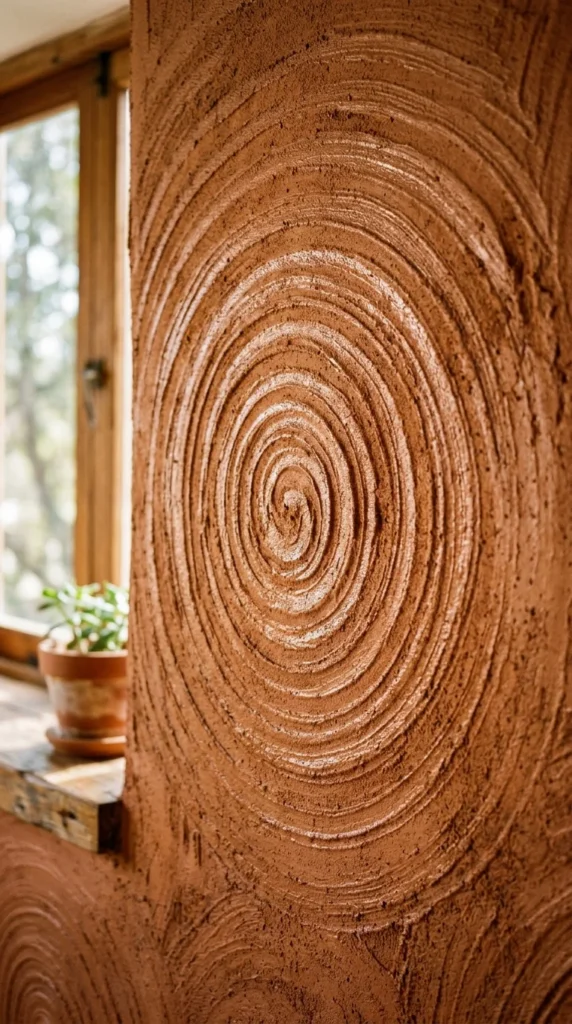
Sand swirl is a classic technique that introduces a rhythmic, geometric element to the walls. By mixing sand or a similar grit into the paint and using a wide brush in a circular motion, you create a series of overlapping fans or “swirls.” This technique is excellent for hiding imperfections in the drywall while adding a vintage, mid-century flair to the space.
6. Combing Technique
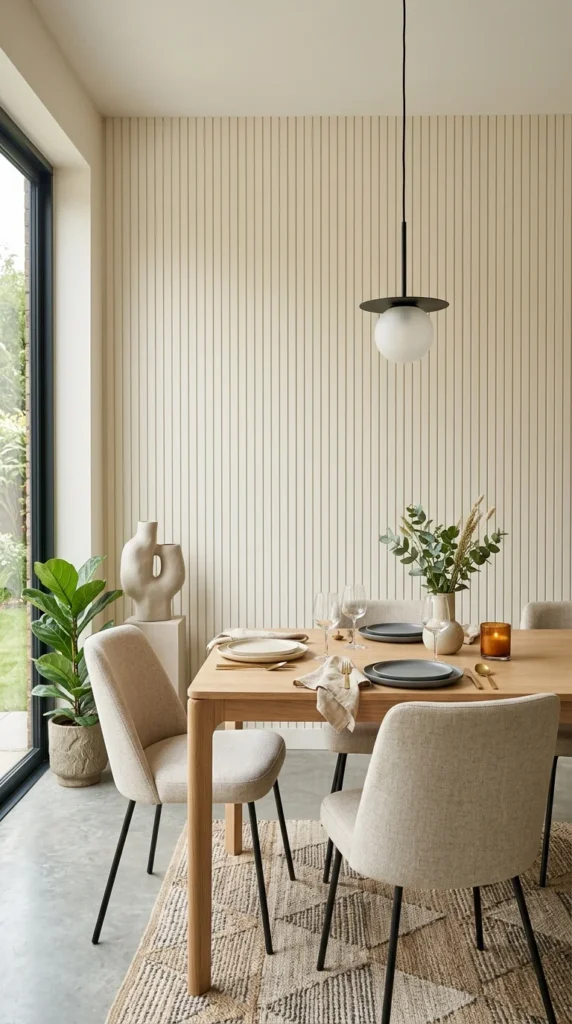
The combing technique involves using a notched trowel or a specialized “comb” tool to pull through wet glaze or paint. Depending on the movement, you can create vertical pinstripes, horizontal waves, or even a woven checkerboard pattern. Vertical combing is particularly useful for making low ceilings feel higher by drawing the eye upward.
7. Color Washing
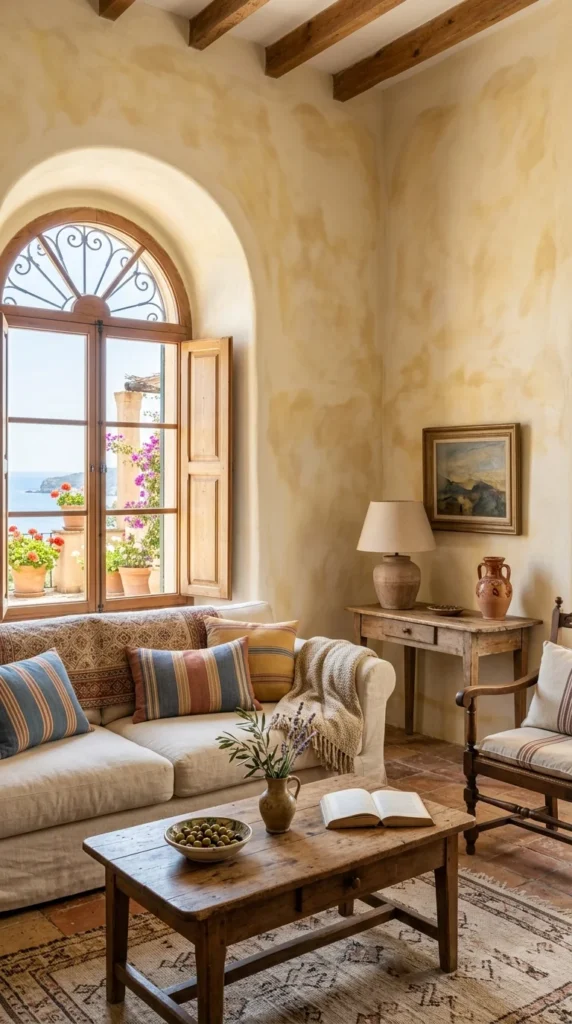
Color washing is a faux finishing technique that creates a soft, luminous depth. A thin glaze is applied over a solid base coat using a sponge or a soft rag in a random, circular motion. This creates a “cloud-like” appearance that mimics the weathered walls of an old European villa. It is a fantastic way to add warmth to large, open spaces.
8. Metallic Glaze
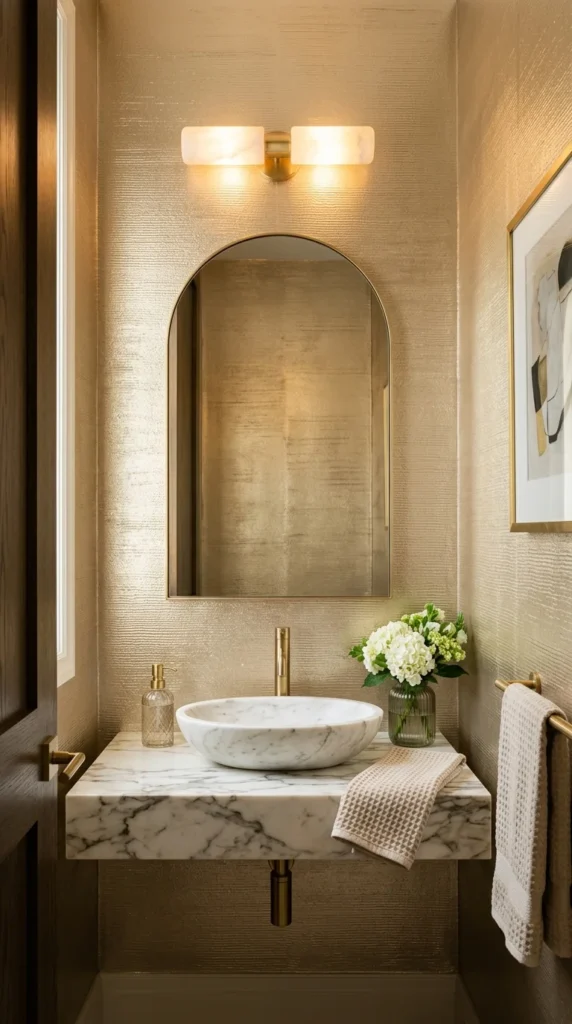
Metallic glazes bring a touch of glamour and high-end sophistication. These can be applied over other textures—like a skip-trowel or a combed finish—to highlight the peaks and valleys with a subtle shimmer. Whether you choose gold, silver, bronze, or copper, metallic finishes are best used on accent walls to create a focal point that changes throughout the day as the light shifts.
9. Rag Rolling
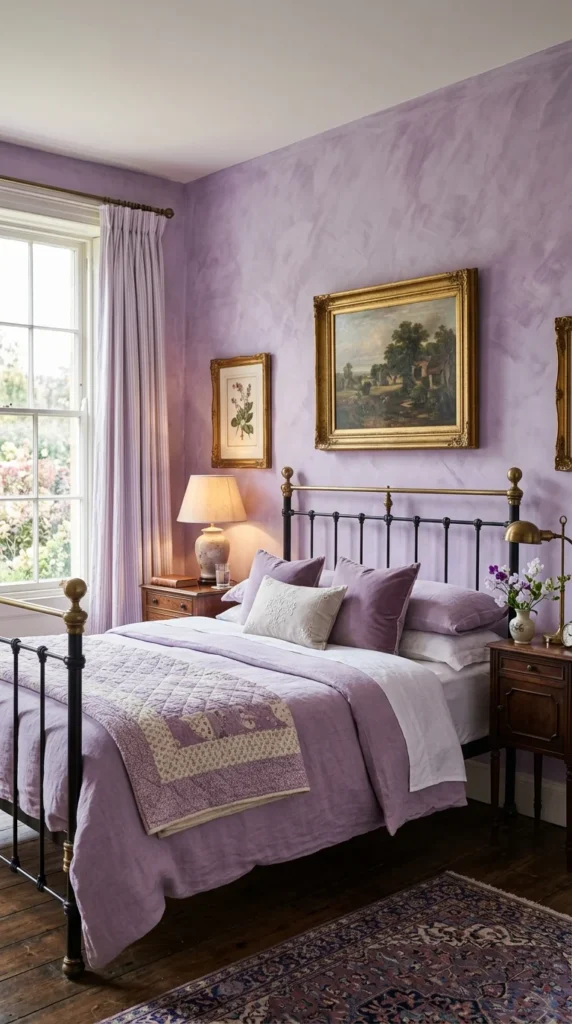
Rag rolling is a versatile DIY-friendly technique that produces a look similar to expensive wallpaper or fabric. By rolling a bunched-up rag over a wet glaze, you create a complex, mottled pattern. Depending on how the rag is twisted, the result can range from a soft, romantic blur to a more defined, crinkled texture that adds significant visual interest.
10. Sponging
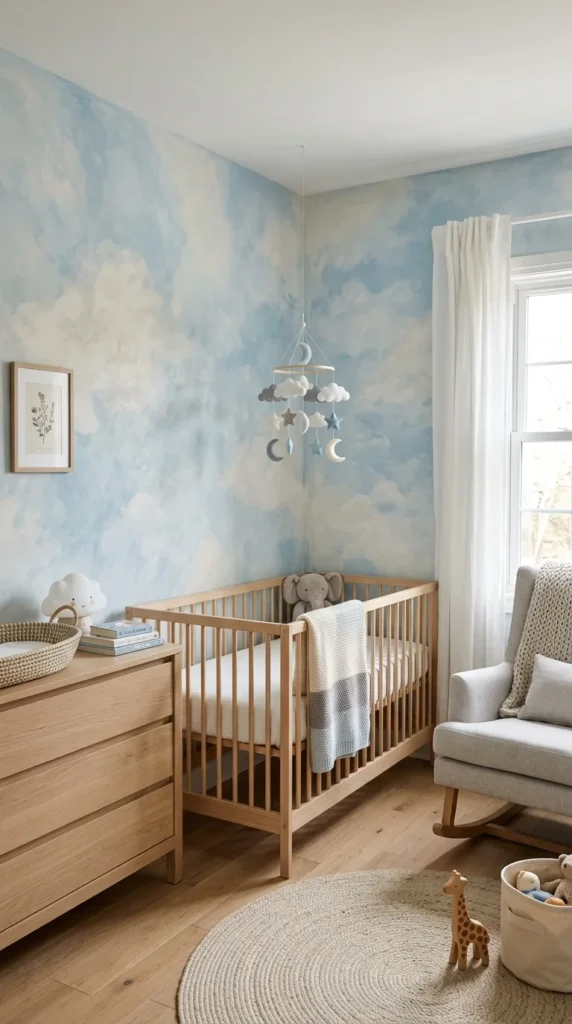
Sponging is one of the most accessible ways to add texture and depth. By dabbing a sea sponge onto the wall with various shades of the same color, you create a porous, organic look. This technique is excellent for creating a “broken color” effect, which hides scuffs and fingerprints, making it a practical choice for high-traffic areas like hallways and children’s rooms.
11. Skip Trowel
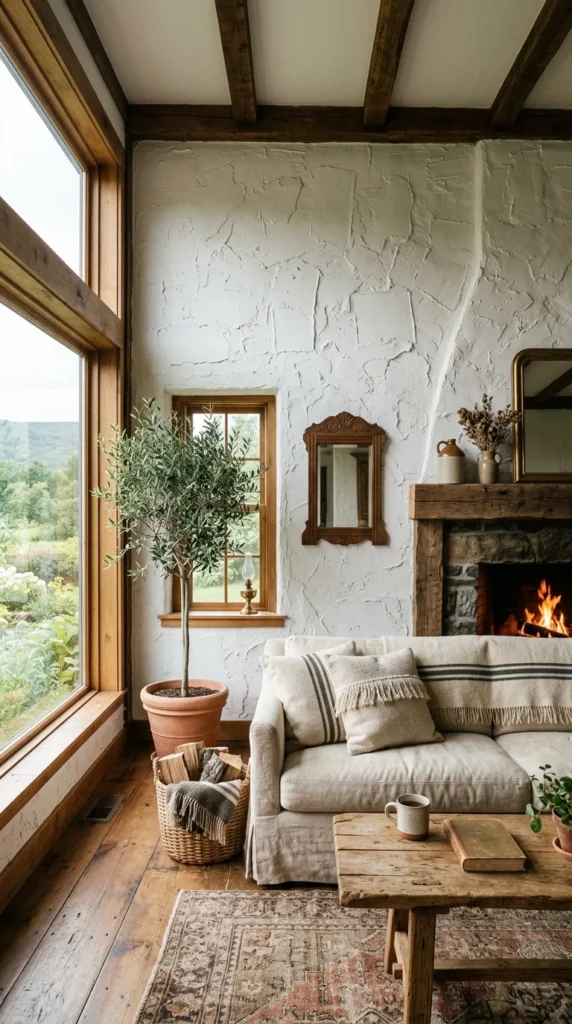
The skip trowel finish is characterized by its uneven, handcrafted appearance. It is achieved by applying a thin layer of joint compound with a trowel and “skipping” it across the surface to leave behind small gaps and ridges. Once painted, this texture provides a beautiful play of light and shadow, perfect for rustic, farmhouse, or Mediterranean-inspired interiors.
12. Knockdown
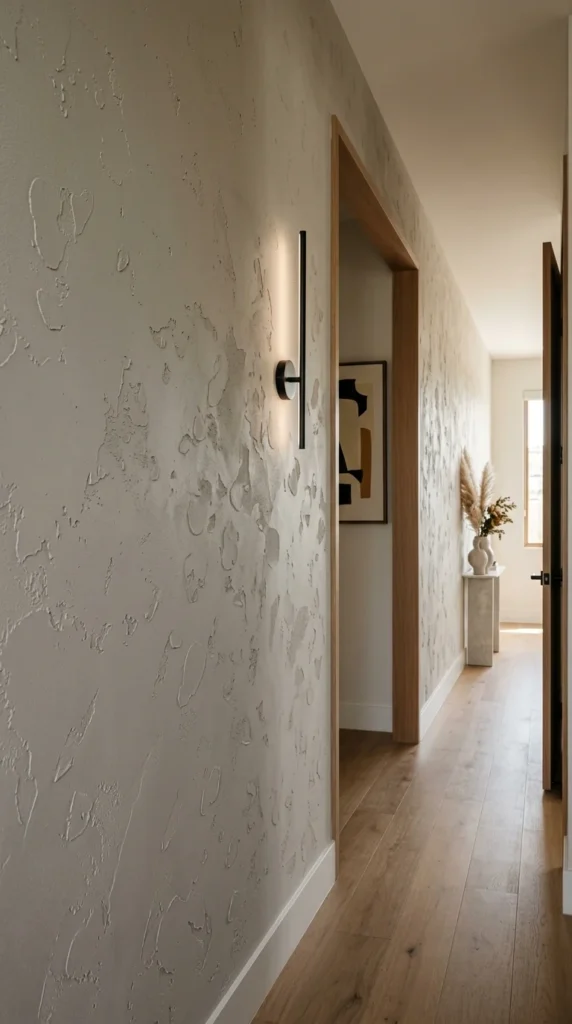
Knockdown is a more refined version of the traditional splatter texture. After a texture is sprayed or rolled onto the wall, a wide blade is used to “knock down” the peaks, resulting in a flatter, more contemporary finish. It offers a professional, designer look that is more subtle than orange peel or popcorn finishes but still provides plenty of tactile interest.
13. Orange Peel
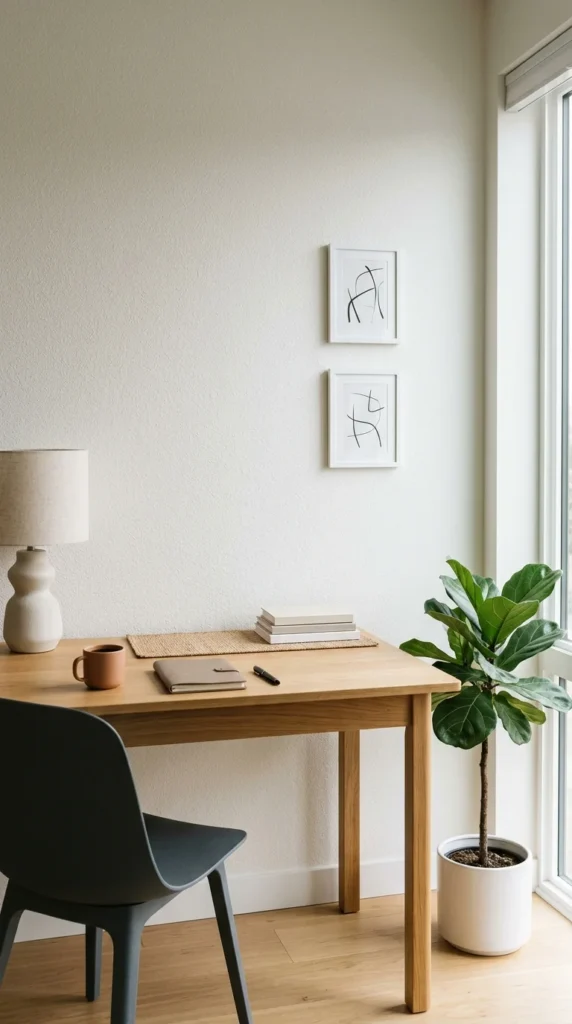
Named for its resemblance to the skin of an orange, this texture is achieved by spraying a thinned-down drywall compound onto the wall. It is a popular choice for modern homes because it provides a consistent, durable finish that hides minor wall flaws without the drama of more aggressive textures. It works best in bright, airy rooms where a subtle “bounce” of light is desired.
14. Stucco
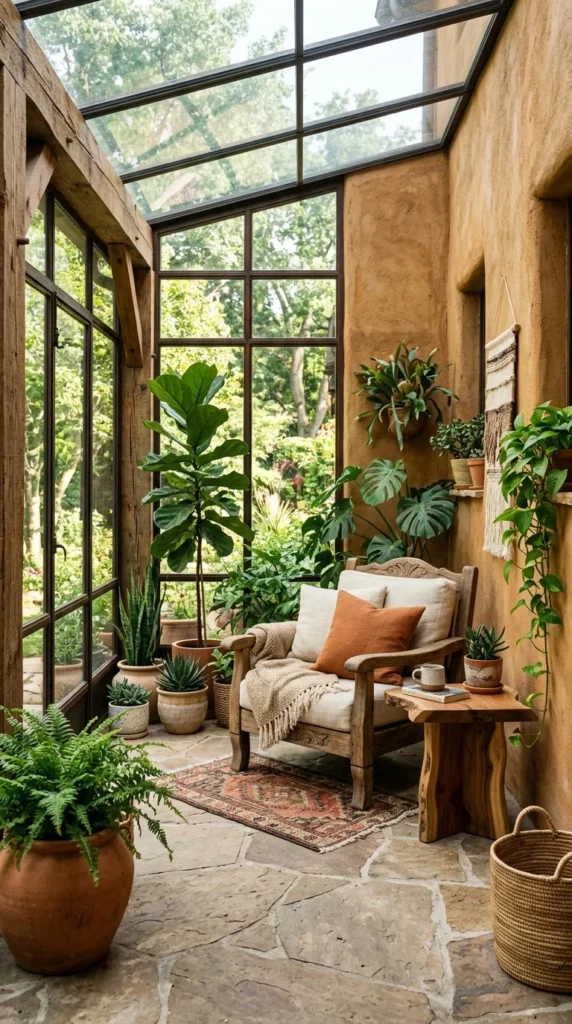
Traditionally an exterior finish, stucco has moved indoors to provide an earthy, grounded feel. Indoor stucco-style paint is thick and can be applied to create a heavy, gritty texture that mimics stone or clay. It is an excellent choice for a sunroom or a feature wall in a room filled with natural wood and plants, emphasizing a connection to the outdoors.
15. Linen Weave
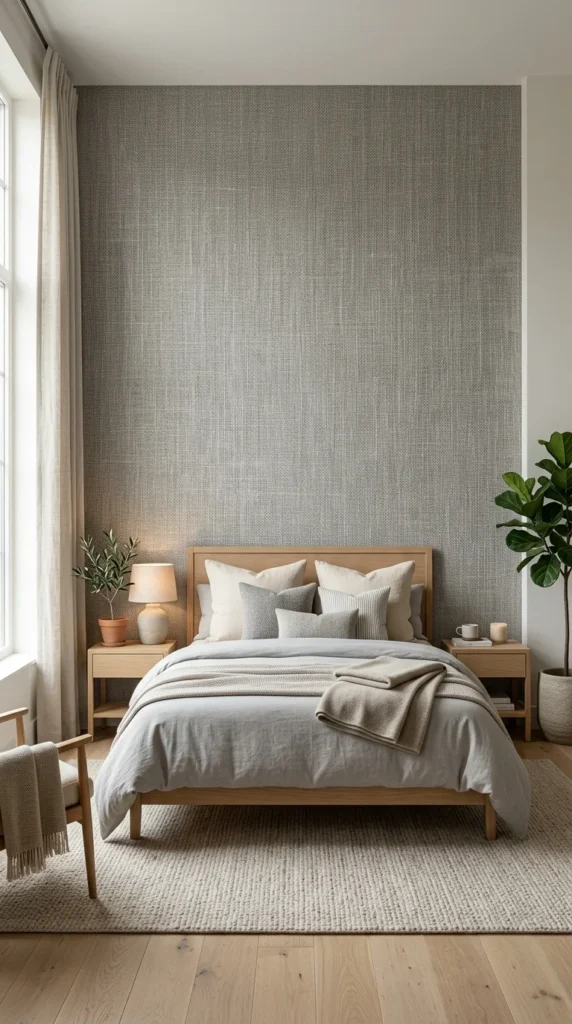
The linen weave technique is achieved by dragging a stiff-bristled brush both vertically and horizontally through a wet glaze. This “cross-hatching” creates a finish that looks remarkably like natural linen fabric. It adds a layer of softness and domestic comfort to a room, making it a favorite for bedrooms and cozy reading nicks.
16. Faux Brick
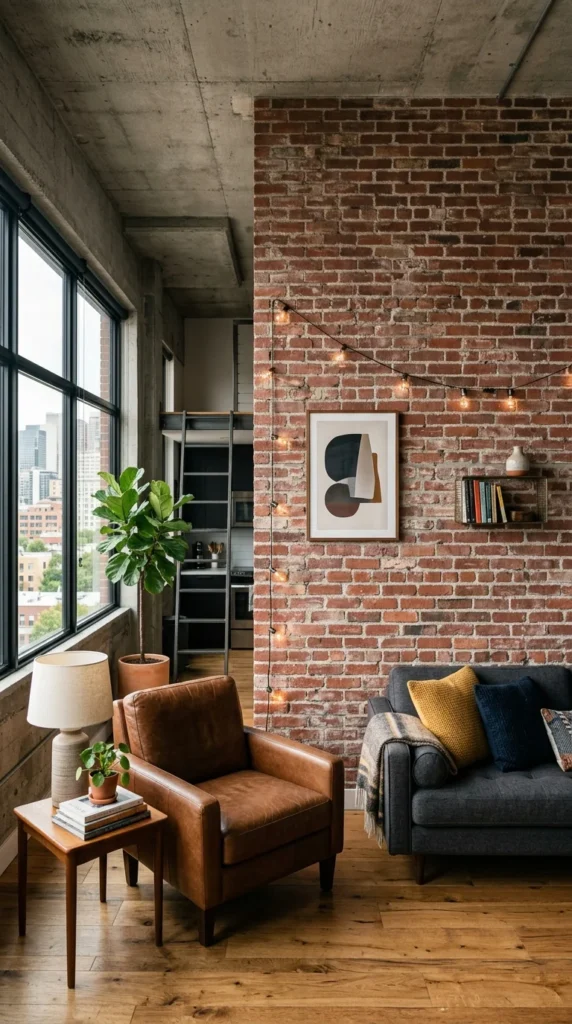
If you love the look of exposed brick but live in a modern building, faux brick paint techniques are the answer. By using a combination of thick textured paste and sponges, you can recreate the shape and porous feel of real brick. When finished with multi-tonal paint, it adds an instant architectural history and warmth to any living space.
17. Leather Look
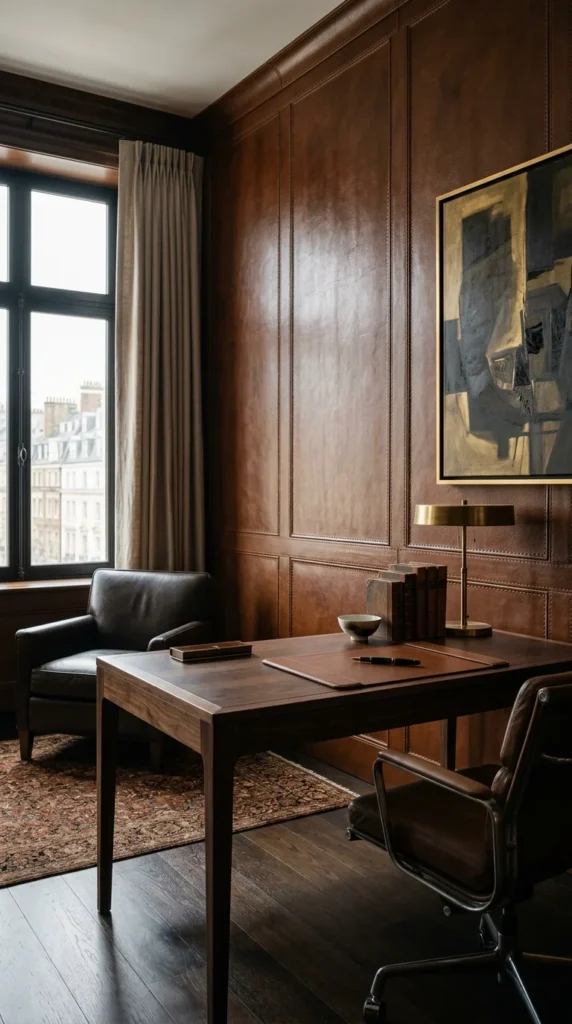
A leather-look finish is achieved through a combination of base coats and specialized glazing techniques, often involving the use of plastic wrap or specialized rollers to create “creases” and “grains.” This finish exudes opulence and authority, making it the perfect choice for home offices, dens, or high-end entertainment rooms.
18. Tadelakt
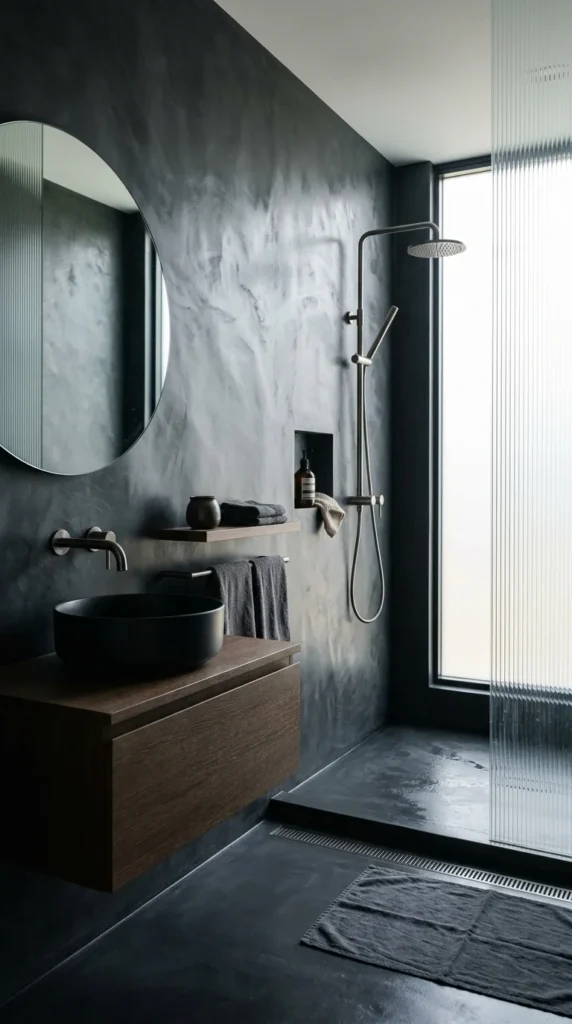
Tadelakt is a traditional Moroccan plastering technique that is lime-based and polished with stones. It is naturally waterproof and has a beautiful, undulating surface that feels like silk to the touch. Because of its moisture-resistant properties and its incredibly luxurious, organic look, it is widely used in high-end spa-like bathrooms and wet rooms.
19. Stippling
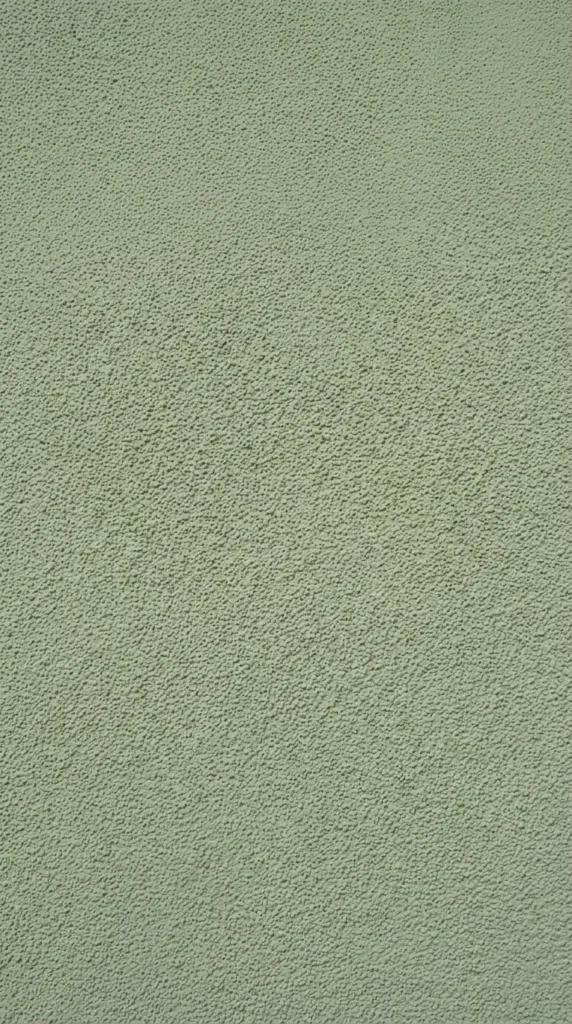
Stippling involves using a large, stiff brush to “dab” paint or texture onto the wall, creating thousands of tiny peaks. While old-fashioned stippling can be harsh, a modern “fine stipple” provides a velvety, matte appearance that is excellent for hiding severe wall damage. It gives the wall a dense, fabric-like quality that feels very substantial.
20. Slap Brush
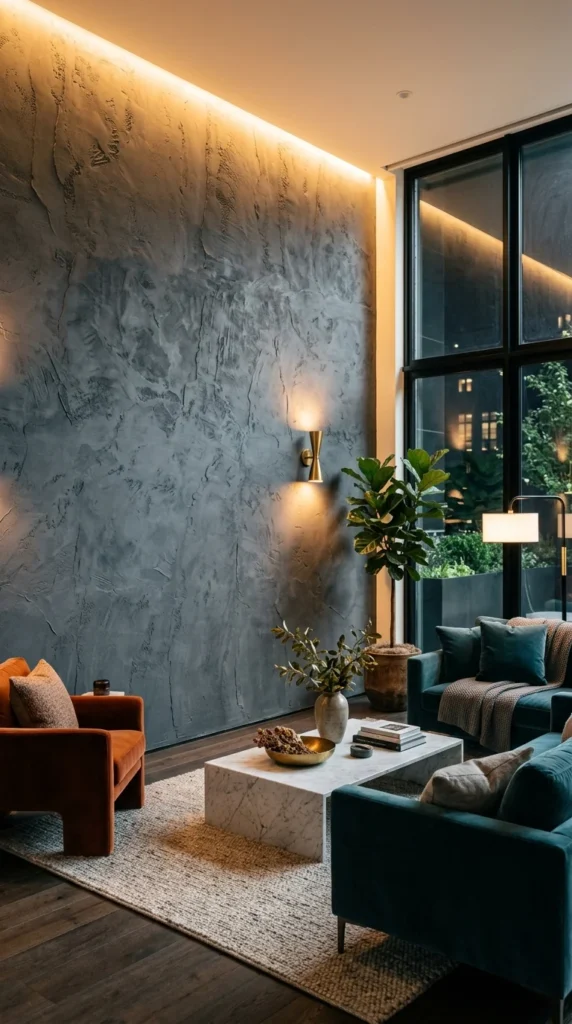
Slap brush (sometimes called “crows foot”) is a bold, artistic texture. It is created by applying drywall compound and then “slapping” it with a flattened brush. This creates a series of random, starburst patterns. When painted with a satin or semi-gloss finish, the ridges catch the light and create a high-energy, dynamic atmosphere.
21. Ombre Texture
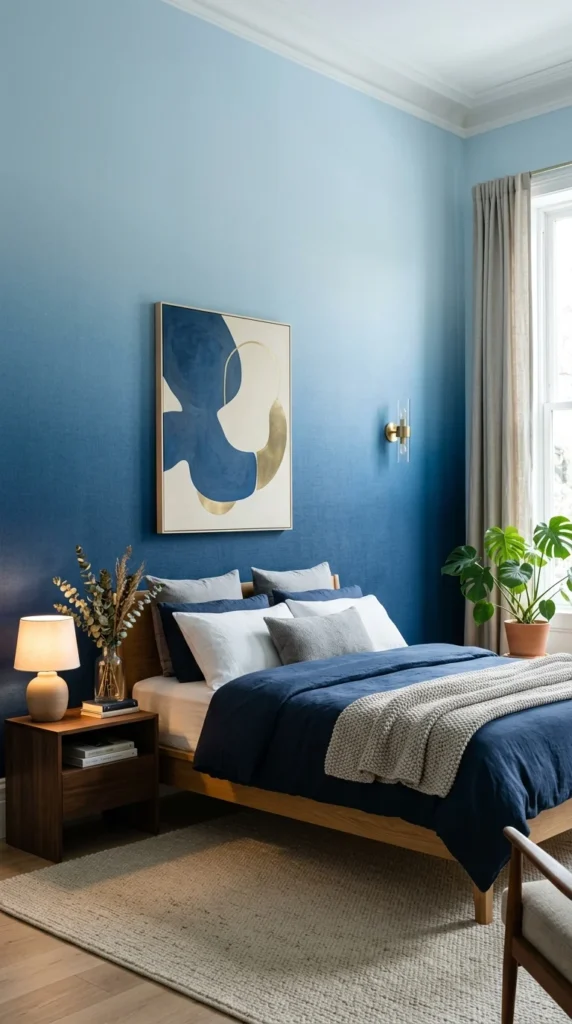
The ombre effect involves a gradual transition from one color to another. When combined with a texture like color washing or sponging, it creates a breathtaking, artistic statement. The texture helps to blend the colors more naturally than flat paint would, resulting in a wall that looks like a sunset or a misty morning horizon.
22. Granite Finish
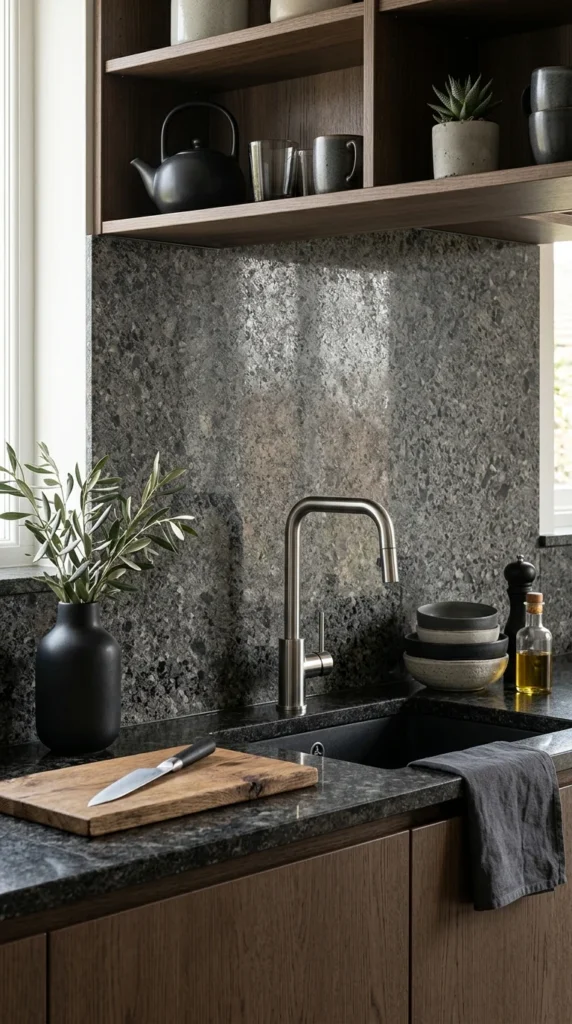
Granite-effect paints contain multi-colored flecks that, when applied, give the appearance of natural stone. This texture is often used in smaller areas or as a sophisticated accent. It provides a speckled, high-end look that is both durable and visually complex, working beautifully in kitchens, bathrooms, or as a backdrop for modern art.
23. Velvet Glaze
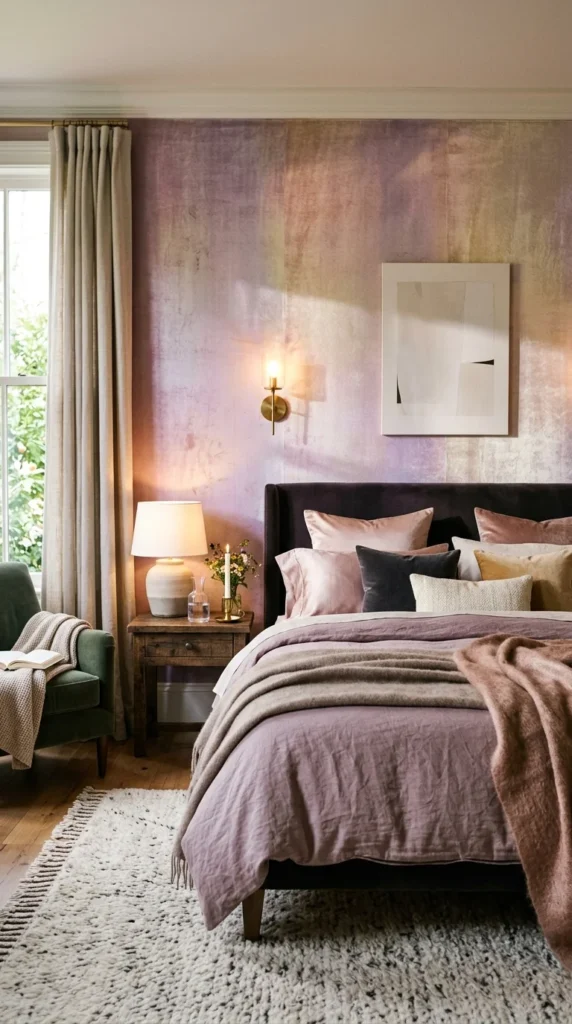
Velvet glaze is a specialty finish that uses light-reflecting pigments to create a soft, shimmering appearance that changes based on your position in the room. It mimics the “nap” of velvet fabric—looking darker from one angle and lighter from another. This finish adds a layer of soft-touch luxury and romanticism, making it a top choice for designer-worthy master suites.