
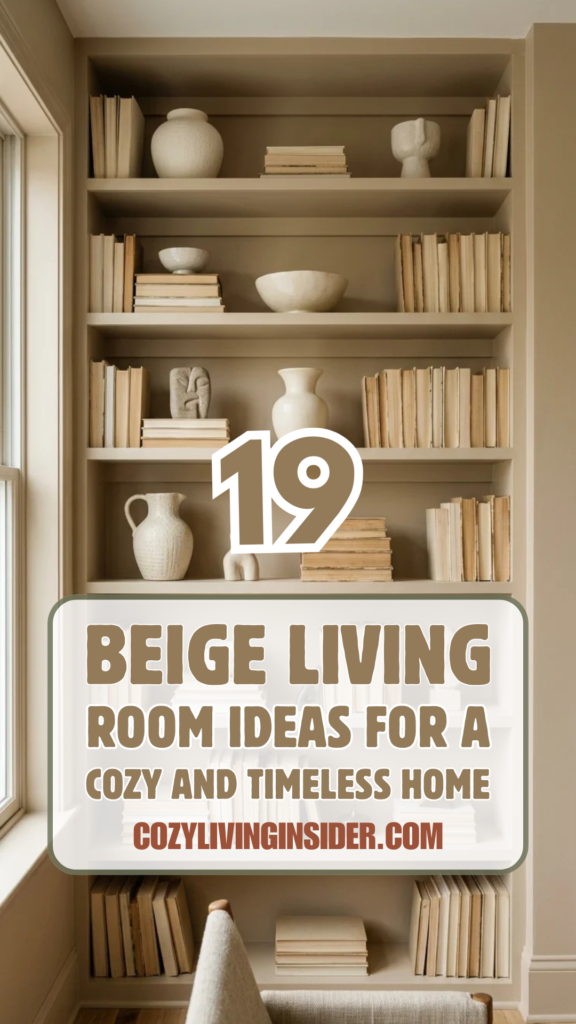

The color beige has long been dismissed as “boring” or “safe,” but in the world of interior design, it is undergoing a significant renaissance. Far from being uninspired, a beige palette offers a sophisticated canvas that exudes warmth, tranquility, and timelessness. Whether you are aiming for a minimalist Scandinavian look, a rustic farmhouse feel, or a luxurious modern aesthetic, beige serves as the perfect foundation.
By playing with textures, lighting, and subtle tonal shifts, a beige living room can become a sanctuary of comfort. The key lies in layering and contrast—ensuring the space feels curated rather than flat. Here are 19 expert-approved ideas to transform your living room into a beige-toned masterpiece.
1. Monochromatic Layers
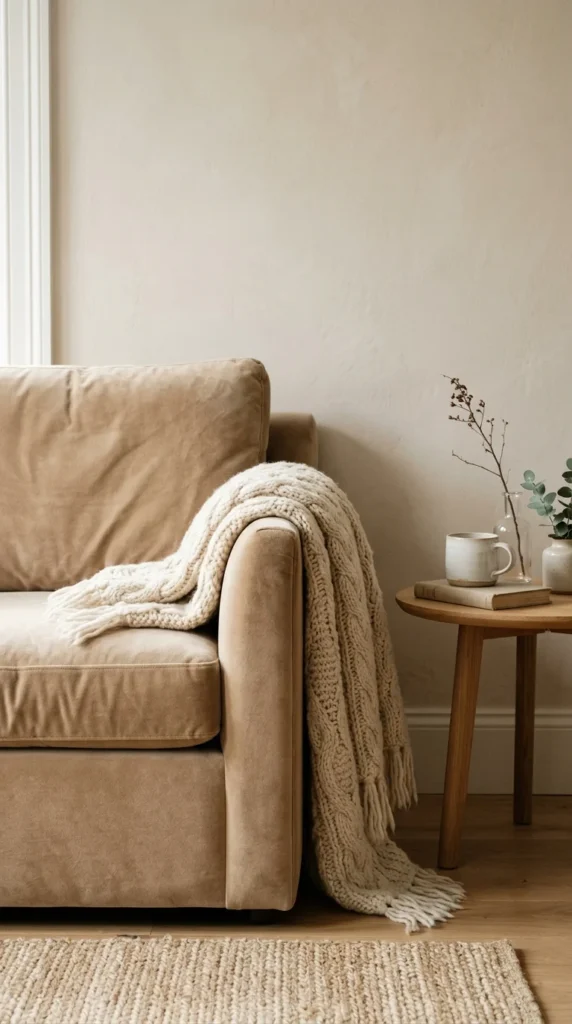
The secret to a successful monochromatic room is variation in tone. Instead of using one single shade of beige, incorporate a spectrum ranging from light cream and buttermilk to deeper shades of biscuit and taupe. This creates depth and prevents the room from looking like a single, flat block of color. By layering these “near-whites” and “warm tans,” you create a visual rhythm that guides the eye across the room, making the space feel intentionally designed and cozy.
2. Natural Wood
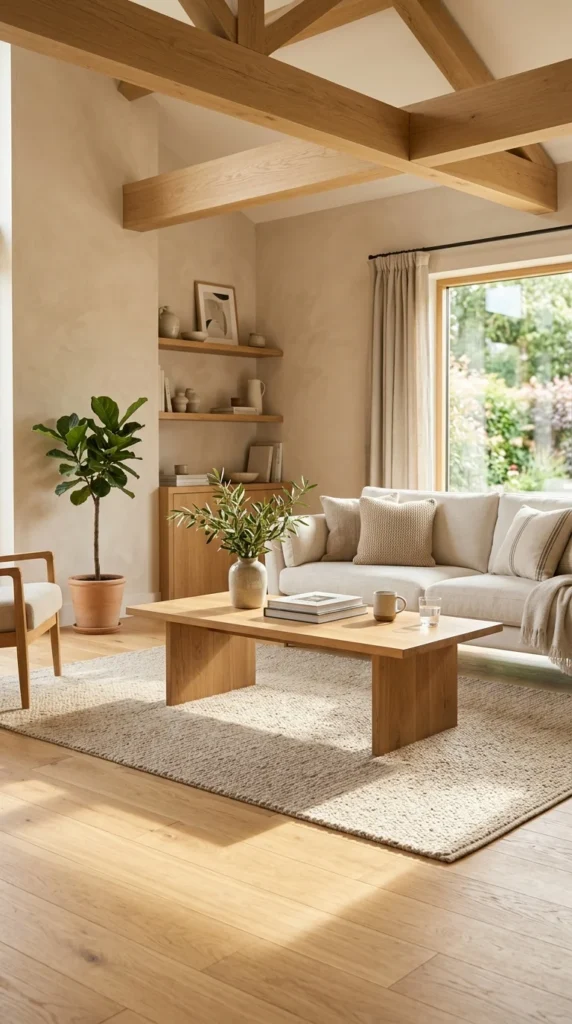
Beige and wood are a match made in design heaven. Since beige has organic undertones, it pairs beautifully with the natural grain of oak, walnut, or pine. Wooden elements—such as a handcrafted coffee table, exposed ceiling beams, or a set of floating shelves—add a sense of structural warmth. The organic texture of the wood breaks up the softness of beige upholstery, providing a grounded, earthy feel that brings the outdoors in.
3. Bouclé Fabrics
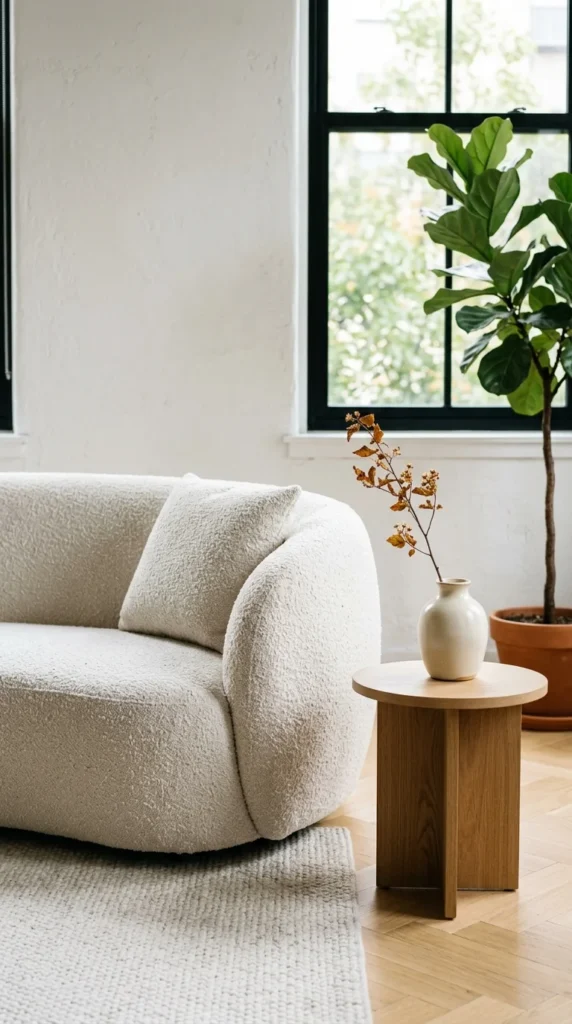
Texture is the most critical component of a neutral living room. Bouclé, with its looped yarns and tactile surface, has become a staple for beige interiors. A bouclé sofa or accent chair adds an instant layer of “visual weight” and comfort. The way light hits the uneven surface of the fabric creates micro-shadows, which adds interest to the room without needing to introduce a single bold color.
4. Metallic Accents
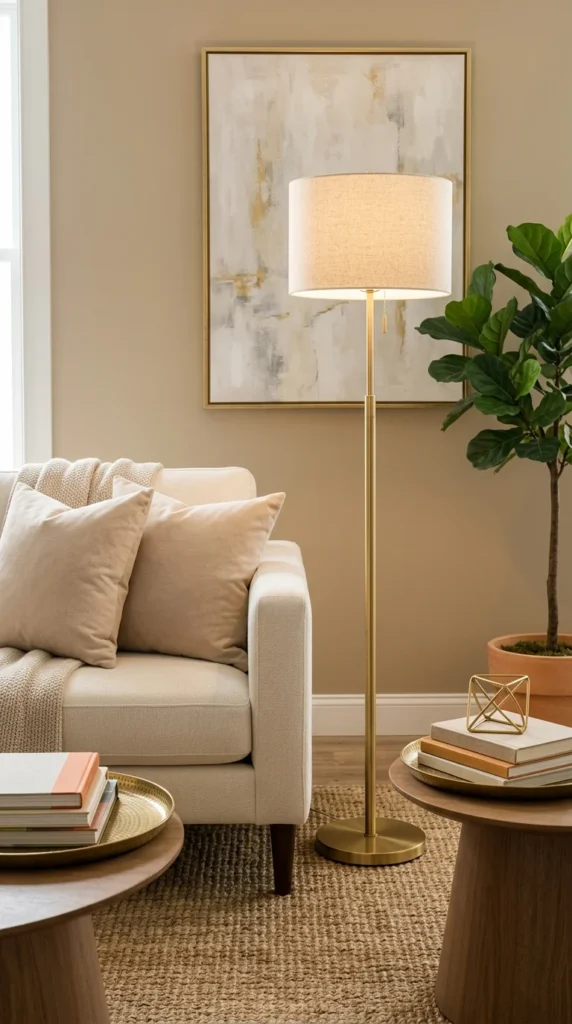
To elevate a beige living room from “cozy” to “luxurious,” incorporate metallic finishes. Gold, brass, and champagne-toned metals complement the warmth of beige beautifully. Consider a brass-framed mirror, metallic legs on a coffee table, or even subtle gold hardware on cabinetry. These reflective surfaces catch the light and provide a “glam” factor that prevents a neutral room from feeling too casual.
5. Indoor Greenery
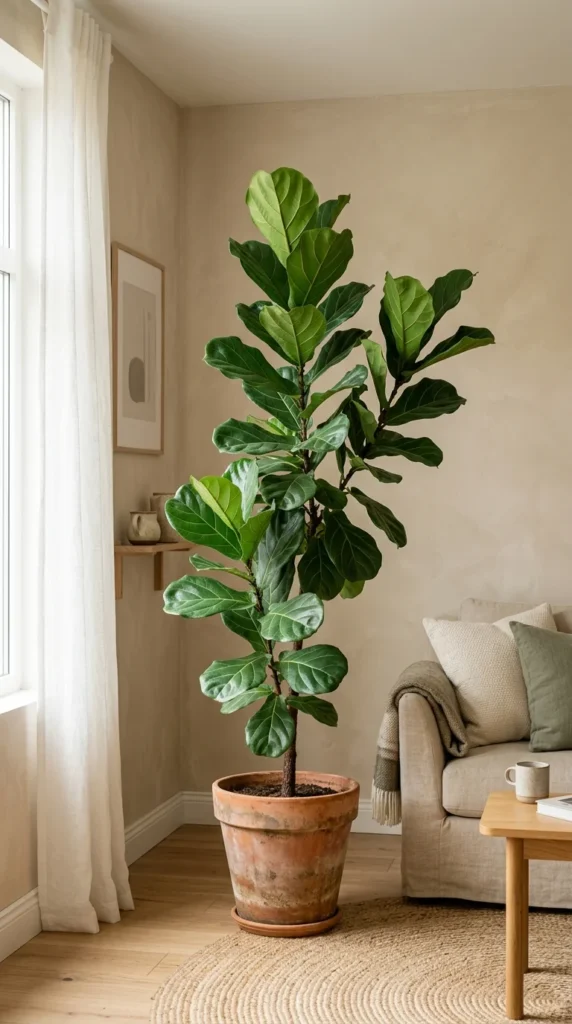
If you feel your beige room needs a “pop,” skip the bright paint and reach for a plant. The vibrant green of live foliage acts as a natural accent color that feels fresh and revitalizing. Whether it’s a towering olive tree in a stone crock or a collection of small succulents on a mantle, greenery breathes life into a neutral space. The organic shapes of the leaves also soften the straight lines of furniture and architecture.
6. Sculptural Lighting
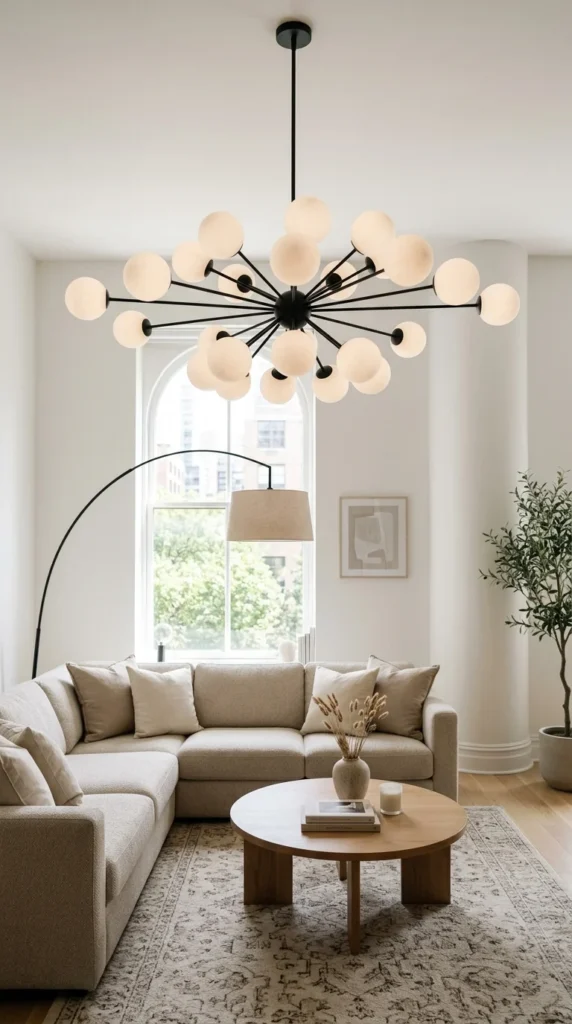
In a room with a limited color palette, the silhouettes of your furniture and fixtures become more prominent. Choosing sculptural lighting—like an oversized paper lantern, an arched floor lamp, or a contemporary chandelier—turns a functional item into a piece of art. Lighting also allows you to control the mood; warm-toned bulbs enhance the golden undertones of beige paint, making the room feel glowing and ethereal at night.
7. Dark Contrasts
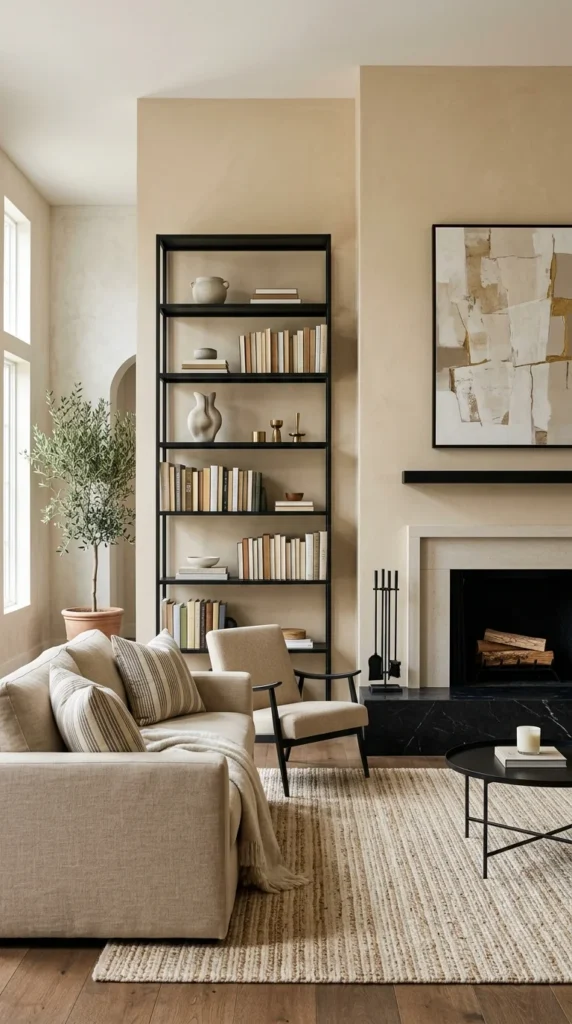
While the goal is a beige room, adding small hits of black or charcoal can provide necessary “visual anchors.” Black picture frames, a slim metal coffee table, or dark curtain rods create a crisp outline that defines the space. This high-contrast approach prevents the room from feeling “washed out” and adds a contemporary edge to the timeless beige aesthetic.
8. Oversized Rugs
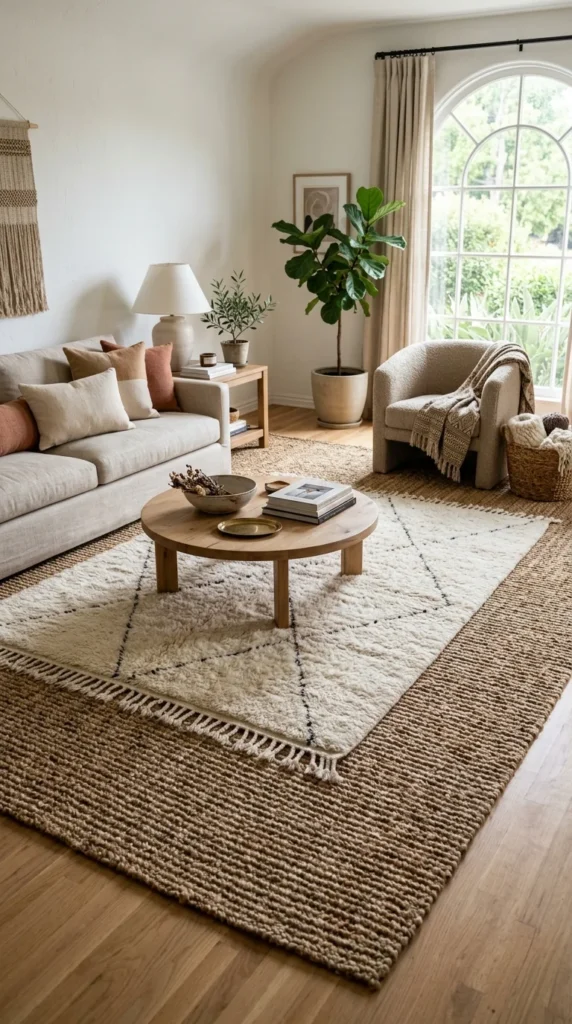
The floor is the largest surface area in your room, so it deserves attention. An oversized rug in a neutral tone like sisal, jute, or plush wool can tie the entire room together. For added coziness, try the “layered rug” look: place a large, flat-weave natural fiber rug on the bottom and a smaller, softer shag or patterned rug on top under the coffee table. This adds both physical and visual warmth to the foundation of the room.
9. Minimalist Art
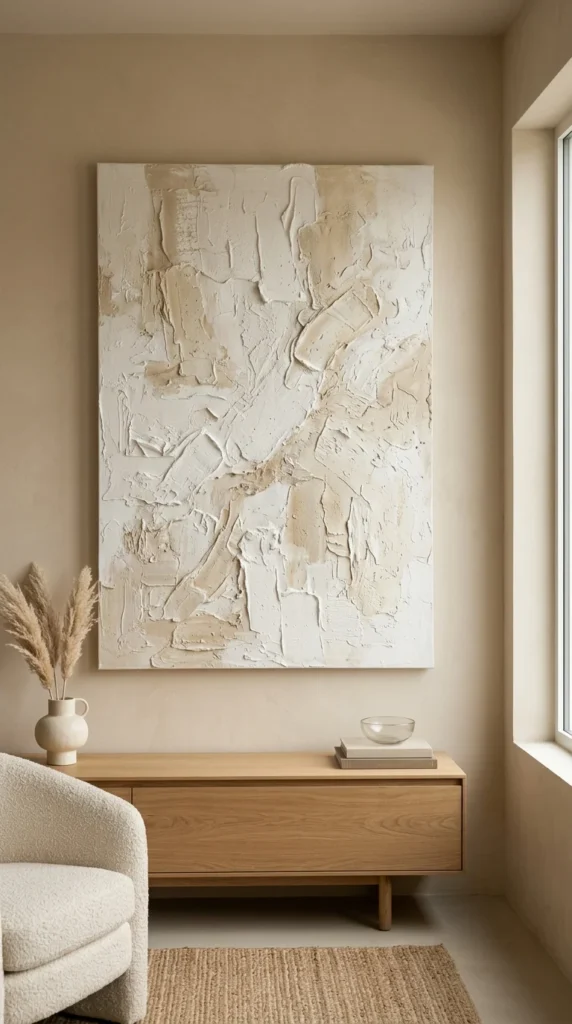
You don’t need bright colors to make a statement on your walls. Large-scale abstract art in varying shades of beige, cream, and white can be incredibly impactful. Look for pieces that emphasize texture—such as heavy impasto brushstrokes or fabric collages. This keeps the wall decor consistent with the room’s palette while providing a sophisticated focal point that draws the eye upward.
10. Coastal Influence
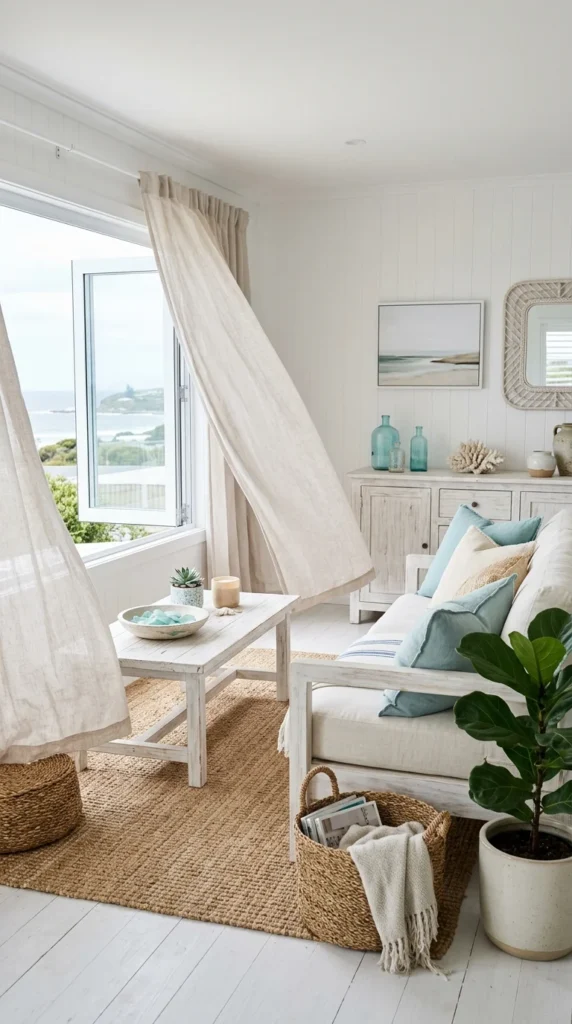
Beige is the quintessential color of the coast, reminiscent of sand and driftwood. To achieve a coastal-inspired beige living room, lean into light, airy fabrics like linen and cotton. Incorporate elements like woven seagrass baskets, bleached wood accents, and perhaps a few subtle hints of sea-salt blue or soft grey. The result is a home that feels like a permanent vacation—relaxed, bright, and effortless.
11. Velvet Seating
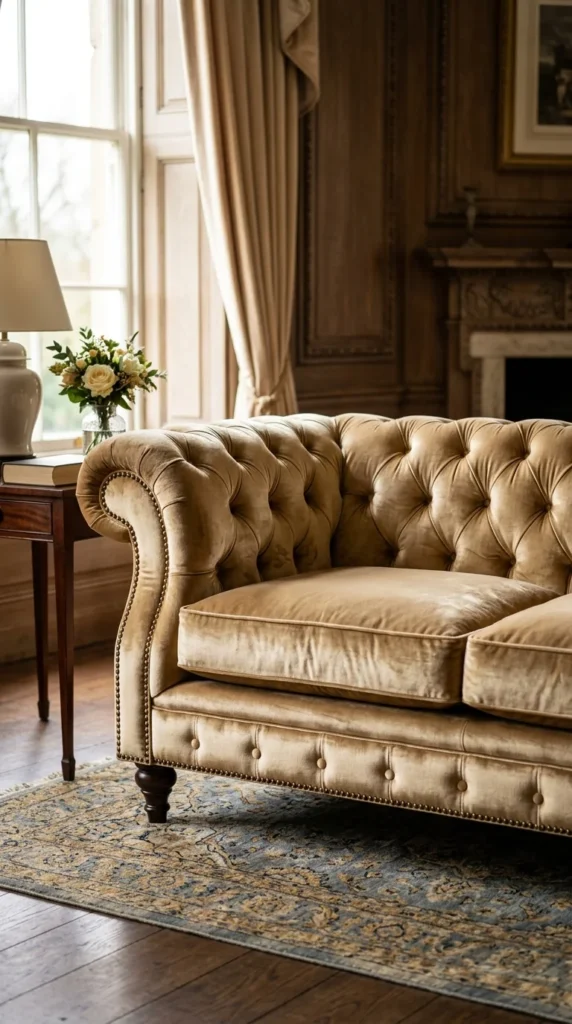
While linen is great for a casual look, velvet brings a sense of opulence to a beige room. A beige or “mushroom” colored velvet sofa looks incredibly high-end. The way the light reflects off the velvet pile creates different tones within the same fabric, giving the furniture a multidimensional look. It’s a perfect choice for those who want a neutral room that still feels formal and elegant.
12. Built-in Shelving
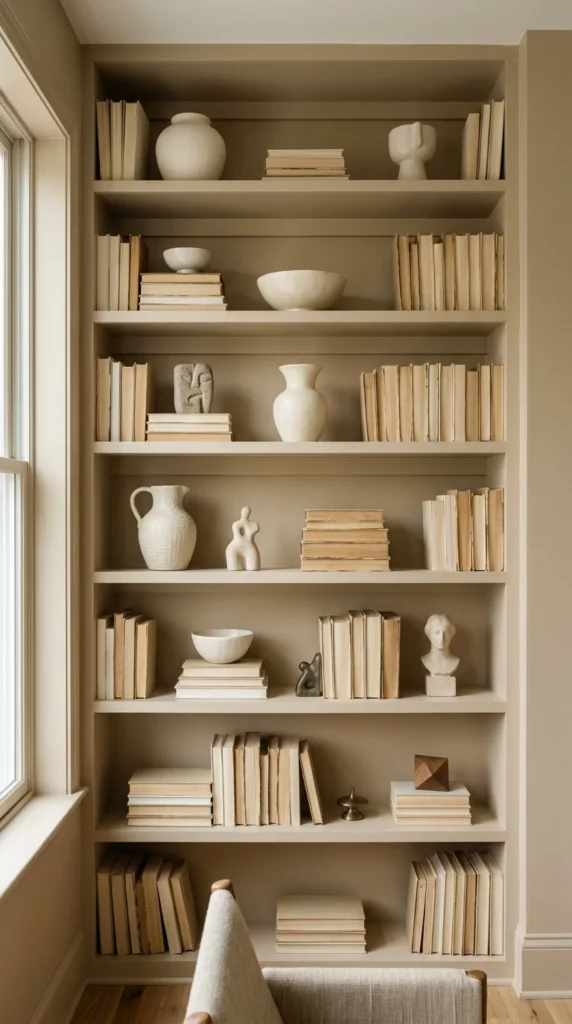
For a seamless, architectural look, consider floor-to-ceiling built-ins painted in the same shade as your walls. This “color-drenching” technique makes the room feel larger and more cohesive. Styling these shelves with neutral-toned objects—such as white pottery, stone bookends, and beige-bound books—maintains the serene aesthetic and turns your storage into a curated display.
13. Stone Fireplaces
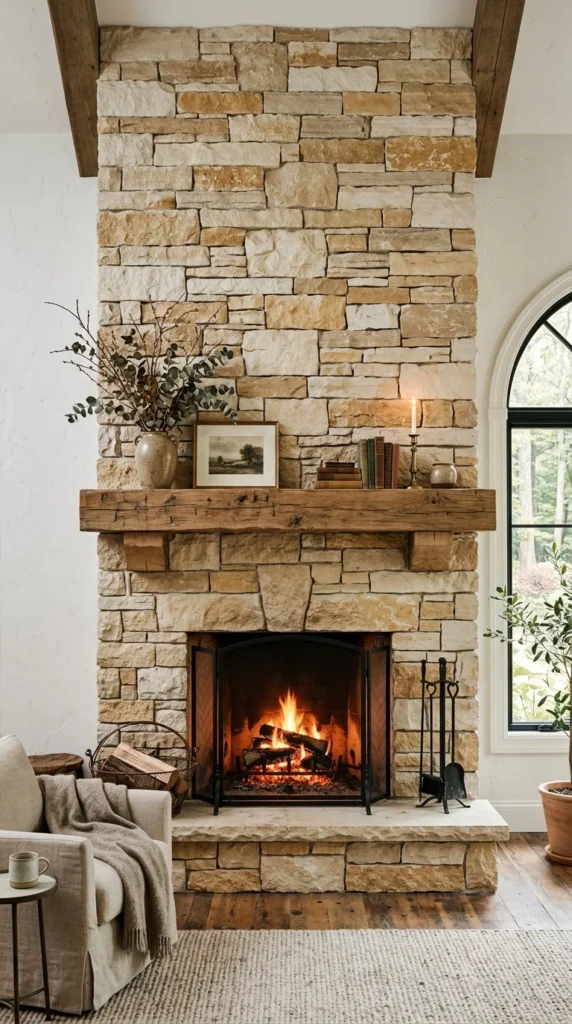
A fireplace is often the heart of the living room, and a stone surround in a beige hue can be a stunning focal point. Whether you use smooth limestone for a modern look or rugged fieldstone for a rustic vibe, the natural variations in the stone provide organic texture. It creates a “grounding” element that makes the living room feel permanent and well-crafted.
14. Layered Curtains
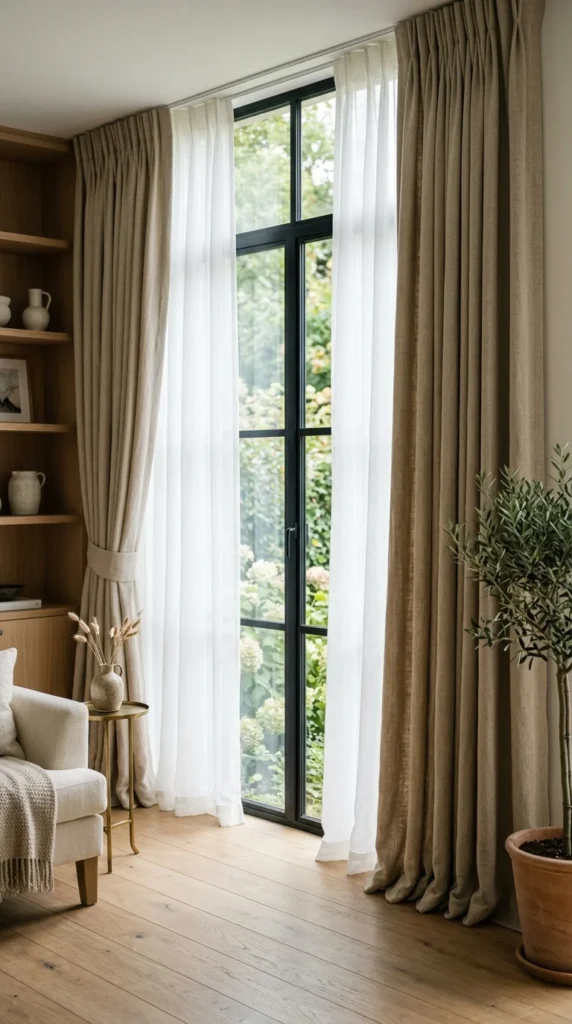
Windows are a great place to play with the beige palette. Using sheer curtains allows soft, filtered light to enter the room, enhancing the warm tones of the walls. Pairing them with heavier, opaque drapes in a slightly darker shade of beige adds a sense of luxury and provides better insulation. The vertical lines of the fabric also add height to the room, making it feel more grand.
15. Vintage Finds
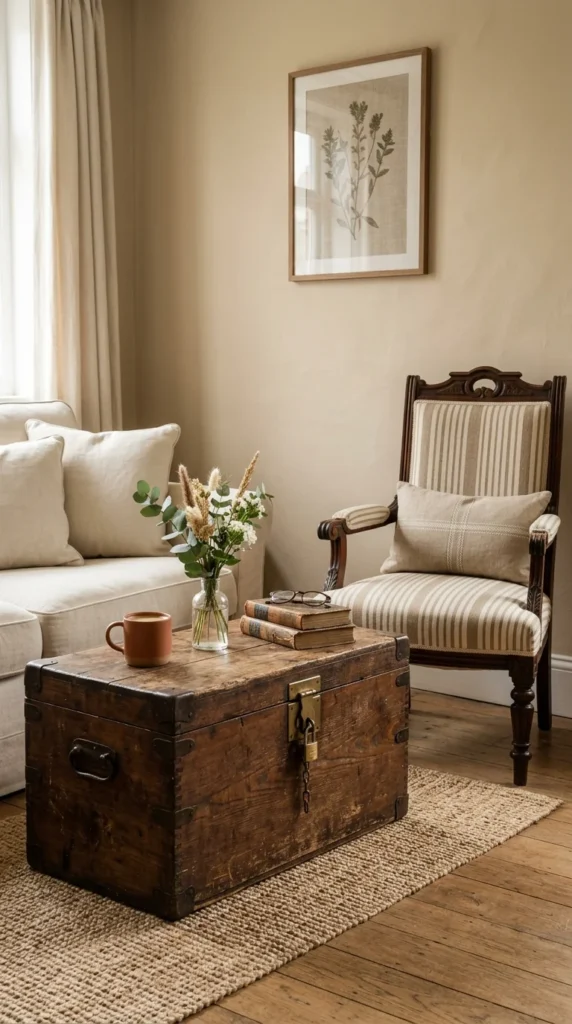
A beige room runs the risk of feeling a bit “catalog-perfect” if everything is new. To add soul and character, incorporate vintage or antique pieces. A weathered wooden chest, a vintage Persian rug in faded ochre and cream, or an antique mirror with a patinaed frame can give the room a sense of history. These “imperfect” pieces provide a beautiful contrast to the clean lines of modern beige furniture.
16. Scandinavian Simplicity
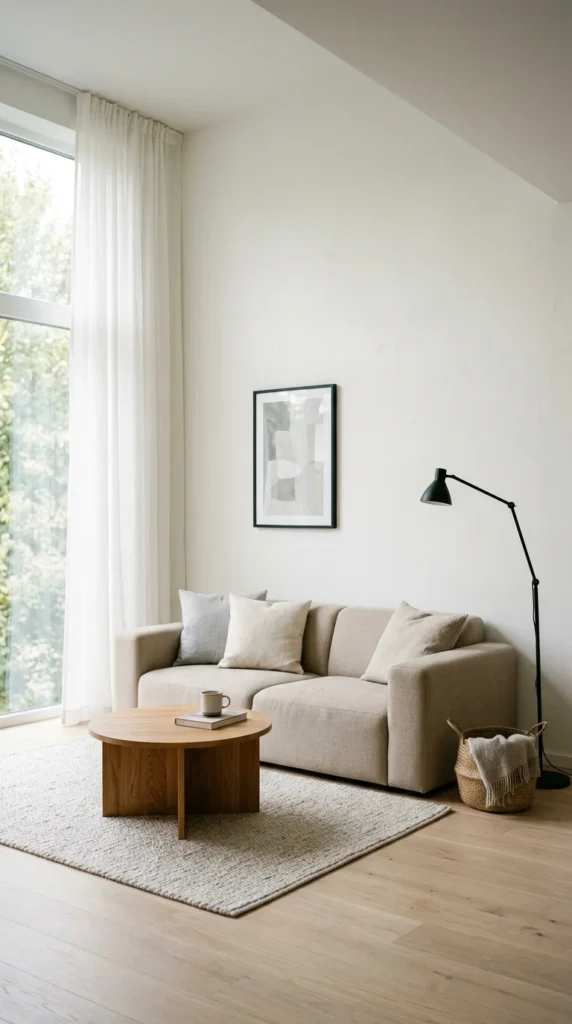
The Scandinavians are masters of the neutral palette. To achieve this look, focus on “Hygge”—the concept of coziness and contentment. Keep the furniture functional and the decor minimal. Use a light “greige” (a mix of grey and beige) for the walls to keep the space feeling cool and modern, and add warmth through sheepskin throws, simple wooden furniture, and plenty of natural light.
17. Patterned Textiles
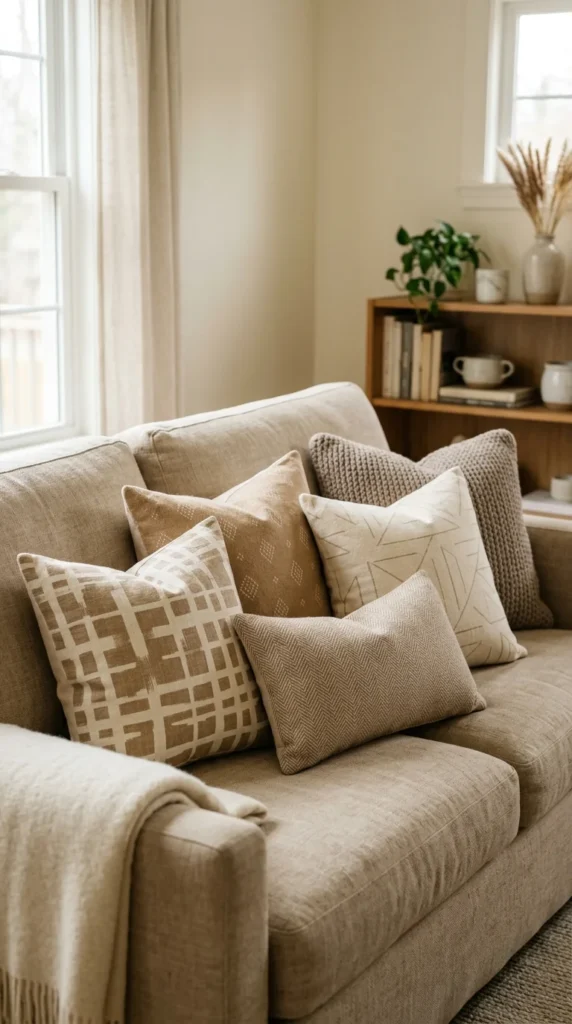
While solid colors are the hallmark of beige rooms, subtle patterns can add much-needed energy. Look for textiles with tonal patterns—think herringbone weaves, faint stripes, or geometric block prints in shades that are only a few steps away from your base color. This introduces visual interest without breaking the monochromatic theme or overwhelming the senses.
18. Glass and Acrylic
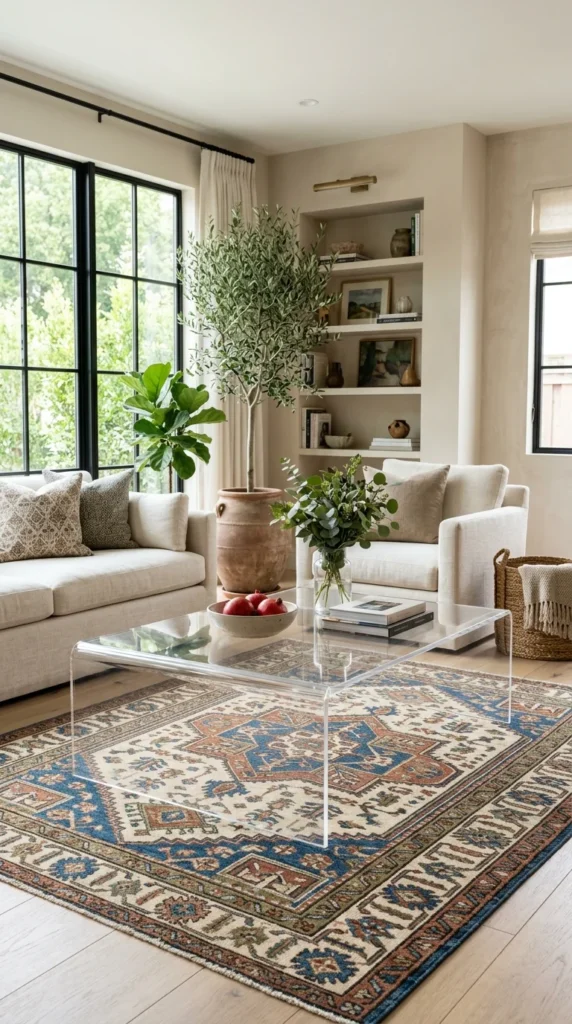
In a beige living room, you want to maintain a sense of airiness. Using “disappearing” furniture like a glass-topped coffee table or acrylic “ghost” chairs allows the eye to travel through the room without interruption. This is particularly effective in smaller living rooms, as it keeps the beige palette feeling light and prevents the furniture from feeling too “heavy” in the space.
19. Scent and Ambience
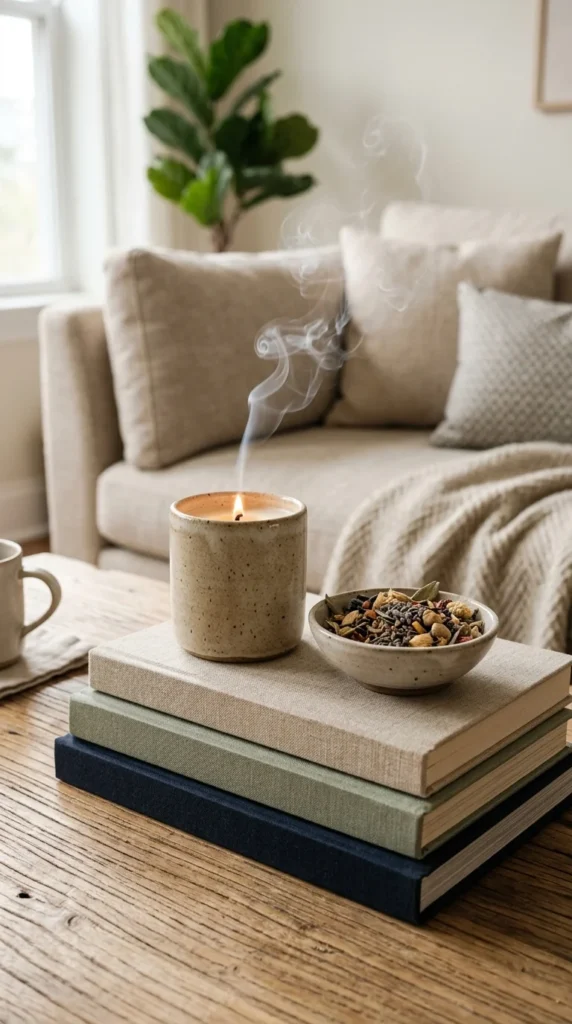
A truly cozy living room appeals to more than just the eyes. To complete your beige sanctuary, consider the “invisible” design elements. Scented candles in vessels made of ceramic or frosted glass contribute to the aesthetic while filling the room with warm scents like sandalwood, vanilla, or amber. The soft flicker of a candle flame against a beige wall creates a serene, cinematic atmosphere that defines a “timeless” home.