
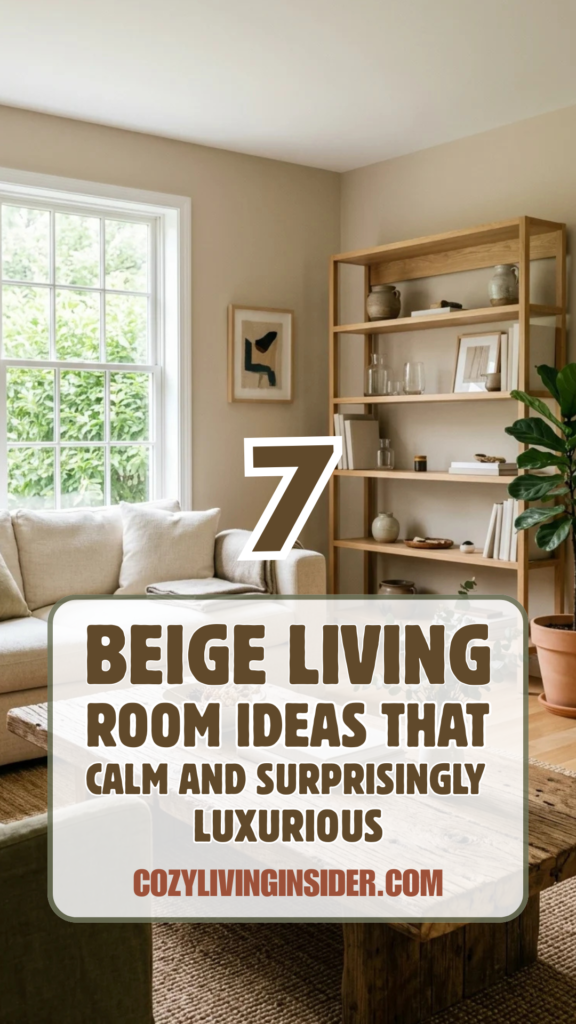

The color beige has long suffered from an unfair reputation. Often dismissed as “plain” or “safe,” it has historically been the default choice for those afraid of color. However, in the contemporary world of high-end interior design, beige has undergone a radical transformation. It is no longer just a neutral backdrop; it is a sophisticated palette that serves as the foundation for some of the most serene and opulent homes in the world.
When executed with intention, a beige living room evokes a sense of “quiet luxury”—a trend that prioritizes quality, texture, and atmosphere over flashy displays of wealth. By playing with different tones, materials, and architectural elements, you can create a space that feels both deeply calming and undeniably expensive. Here are seven ways to elevate a beige living room into a sanctuary of luxury.
1. Monochromatic Layers
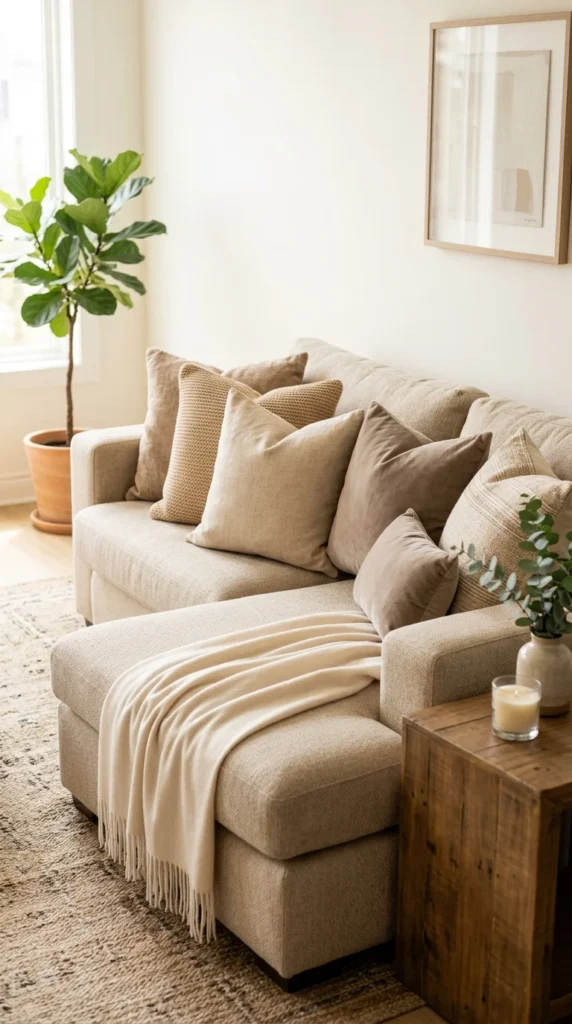
The secret to a beige room that feels expensive rather than flat is monochromatic layering. Instead of sticking to a single shade, professional designers mix a spectrum of “near-neutrals.” This includes everything from the palest ivory and creamy oatmeal to deeper tones like sand, fawn, and mushroom.
By layering these slightly different hues, you create visual depth. When the eye moves across the room, it perceives subtle shifts in tone rather than a monolithic block of color. To achieve this look, start with a light base—perhaps “Swiss Coffee” or “Off-White” walls—and then introduce furniture and decor in varying saturations. The result is a cohesive, harmonious environment that feels thoughtfully curated and incredibly soft.
2. Tactile Textures
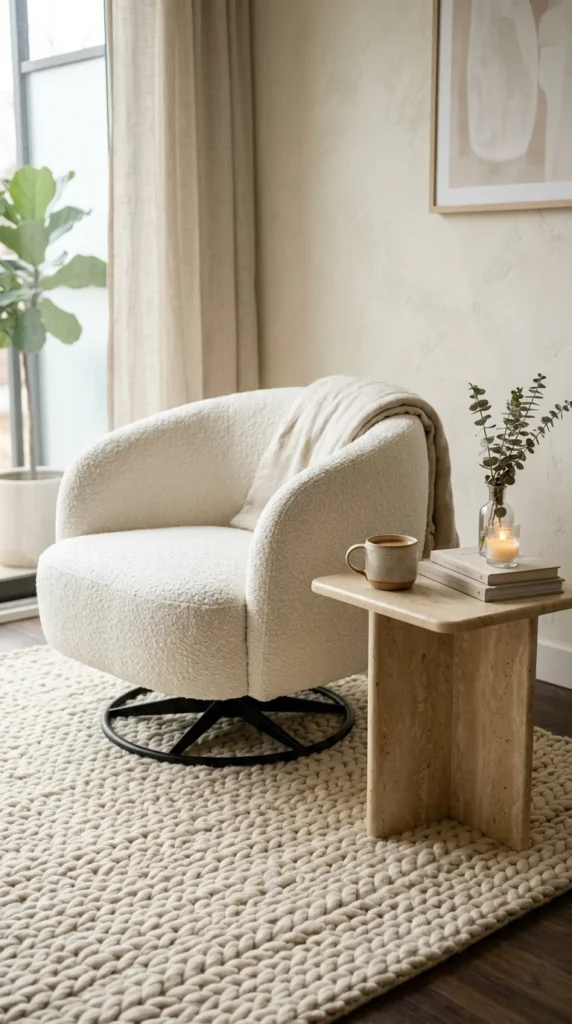
In the absence of bold color, texture becomes the “protagonist” of the room. A luxurious beige living room relies heavily on the tactile quality of its materials to provide interest. If every surface is smooth and flat, the room will feel clinical. To make it feel like a high-end retreat, you must introduce a variety of finishes.
Consider the interplay between a nubby bouclé armchair and a sleek, polished marble mantle. Imagine the contrast of a heavy, hand-knotted wool rug against smooth, wide-plank oak flooring. Incorporating materials like silk, velvet, linen, and even suede adds a sensory richness that invites people to touch and linger. These textures catch the light differently, creating natural shadows and highlights that give the room a three-dimensional quality.
3. Metallic Accents
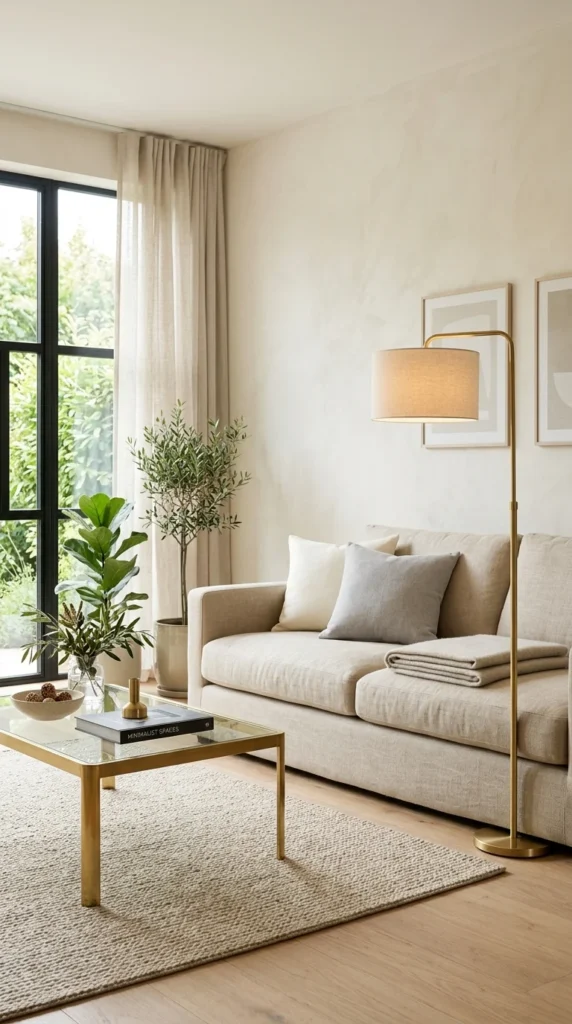
Nothing elevates a neutral palette quite like the strategic use of metal. While silver can sometimes feel a bit cold in a beige setting, warmer metals like brass, gold, and brushed bronze act as jewelry for the room. These elements provide a necessary “sparkle” that prevents a beige space from looking too matte or muddy.
The key is restraint. You don’t need a gold-leafed ceiling; instead, look for slim-profile metal frames on side tables, a sculptural brass floor lamp, or even metallic hardware on built-in cabinetry. The reflective properties of metal break up the softness of the fabrics and add a hard-edged sophistication that signals luxury.
4. Natural Wood
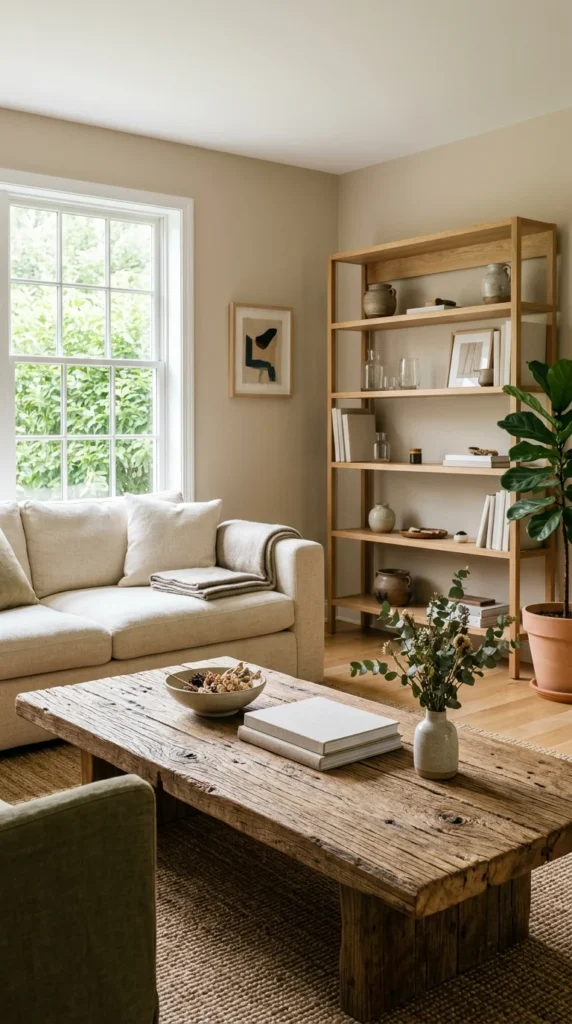
To keep a beige living room from feeling sterile, it is essential to ground it with organic materials. Natural wood is the perfect companion to a beige palette because it shares the same warm undertones while introducing a sense of history and life.
Light woods, such as white oak, ash, or maple, maintain the airy and bright aesthetic of a beige room. However, don’t be afraid of a slightly darker walnut or reclaimed wood piece to add weight and “soul” to the space. The grain of the wood acts as a natural pattern, providing a subtle visual complexity that complements the simplicity of the neutral walls. Whether it’s through exposed ceiling beams, a handcrafted coffee table, or even a simple wooden stool, these organic elements bring warmth and a sense of “home.”
5. Sculptural Lighting
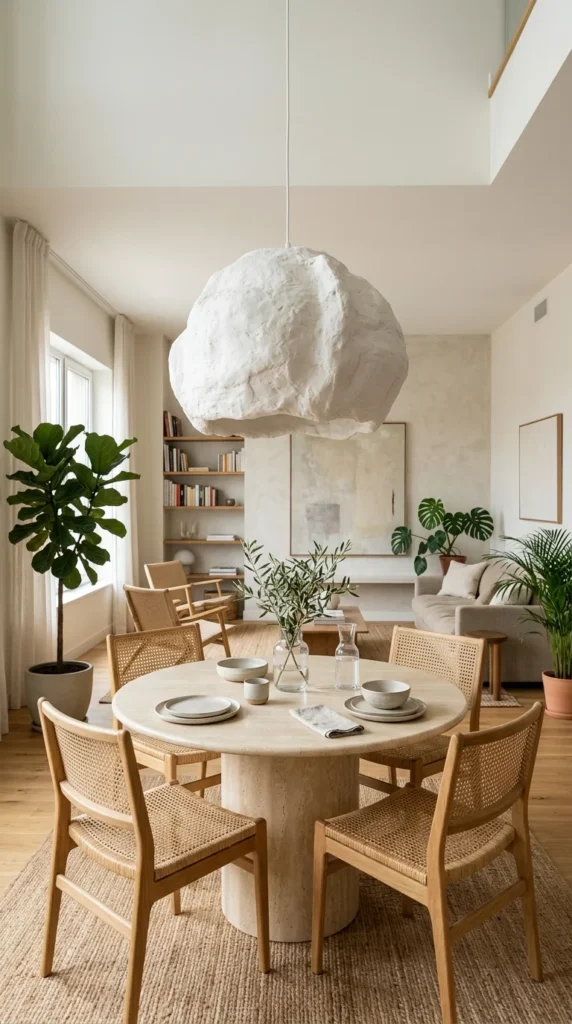
In a minimalist or neutral space, lighting should be treated as functional art. Large-scale, sculptural light fixtures serve as a focal point, drawing the eye upward and defining the volume of the room. When you have a calm, beige backdrop, a bold chandelier or a unique pendant light stands out without overwhelming the senses.
Look for fixtures with interesting silhouettes or unusual materials. A large paper lantern can add a soft, ethereal glow, while a plaster-coated chandelier provides a matte, architectural feel. Soft, layered lighting—combining overhead fixtures with floor lamps and sconces—is also crucial for creating that “glowy” evening ambiance that defines luxury hotels and high-end residences.
6. Wall Molding
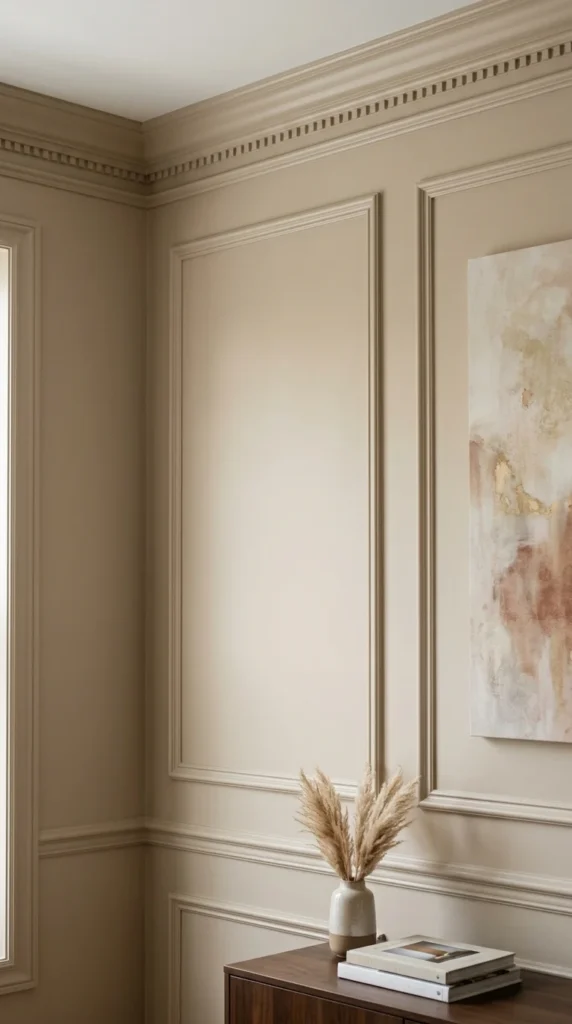
One of the most effective ways to make a beige room look expensive is to add architectural interest to the walls. In a plain white or beige box, there is nowhere for the eye to rest. By adding wall molding—such as picture frame wainscoting, shiplap, or crown molding—you create a sense of heritage and craftsmanship.
When the molding is painted the same beige color as the walls (a technique known as “color drenching”), it creates a subtle play of shadow and light. This adds a level of sophistication that feels custom-built. It moves the room away from the “builder-grade” look and into the realm of custom interior design. This architectural “jewelry” ensures that even when the room is empty, it still feels finished and luxurious.
7. Bold Contrasts
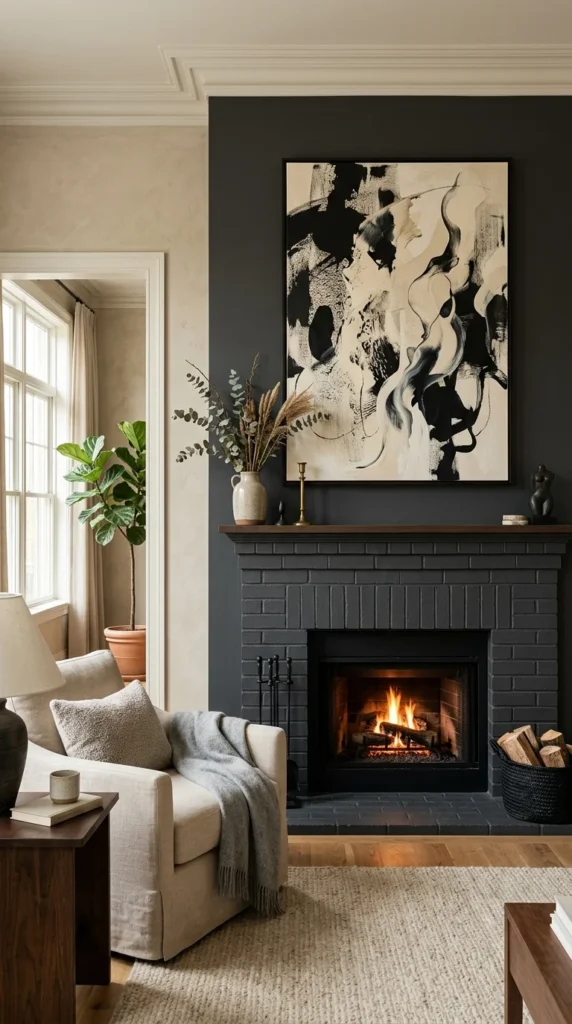
While the goal is a calm, beige environment, a completely monochromatic room can sometimes lack “edge.” To make the beige feel intentional and modern, introduce small but sharp hits of contrast. Black, charcoal, or deep chocolate brown can act as an anchor, preventing the lighter tones from floating away.
This could be as simple as a black metal window frame, a dark marble fireplace hearth, or a collection of black-and-white photography on the wall. These “punctuation marks” of dark color make the surrounding beiges look even crispier and cleaner. It creates a dynamic tension that is a hallmark of contemporary luxury design, ensuring the space feels curated and sharp rather than just “nice.”
By focusing on these seven elements—layers, texture, metals, wood, lighting, architecture, and contrast—you can transform a simple beige living room into a masterclass in sophisticated design. The result is a home that doesn’t just look beautiful, but feels like a deep breath of fresh air.