
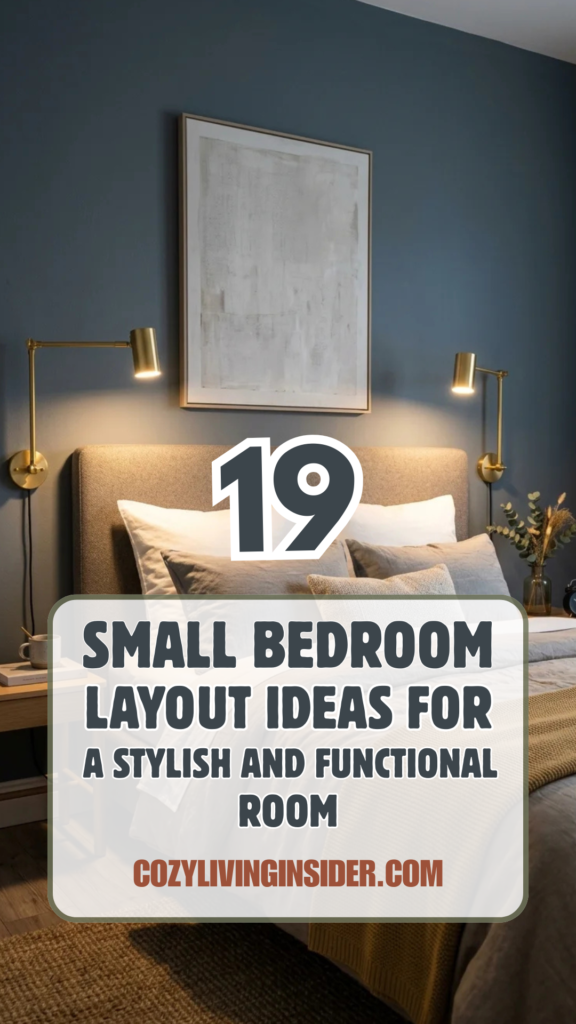

Maximizing a small bedroom requires a strategic blend of creativity, organization, and design savvy. When square footage is limited, every inch must be intentional, serving a purpose while maintaining a sense of style. The challenge lies in avoiding a cluttered feel while ensuring the room remains a functional sanctuary for rest and rejuvenation. By focusing on vertical space, multi-functional furniture, and light-enhancing techniques, you can transform even the tightest quarters into a sophisticated retreat.
In this guide, we explore 19 innovative layout ideas designed to optimize your small bedroom, proving that size is never a barrier to exceptional interior design.
1. Lofted Bed
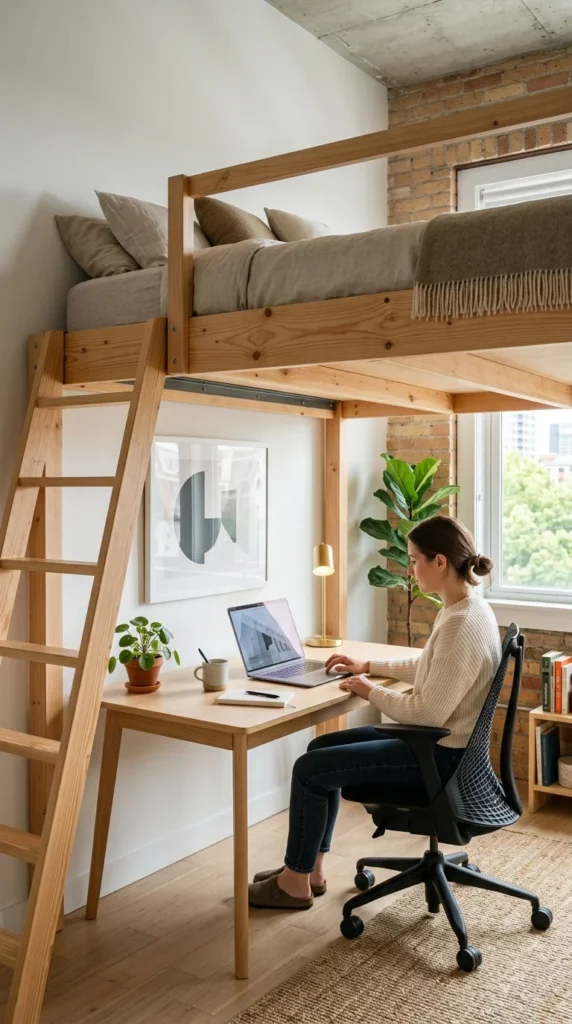
One of the most effective ways to double your usable square footage is by going vertical. A lofted bed lifts the sleeping area toward the ceiling, freeing up the entire floor area beneath it. This “found” space is perfect for a home office, a cozy reading nook with a loveseat, or even an expansive wardrobe system. This layout is particularly popular in studio apartments and urban dwellings where floor space is at a premium.
2. Corner Placement
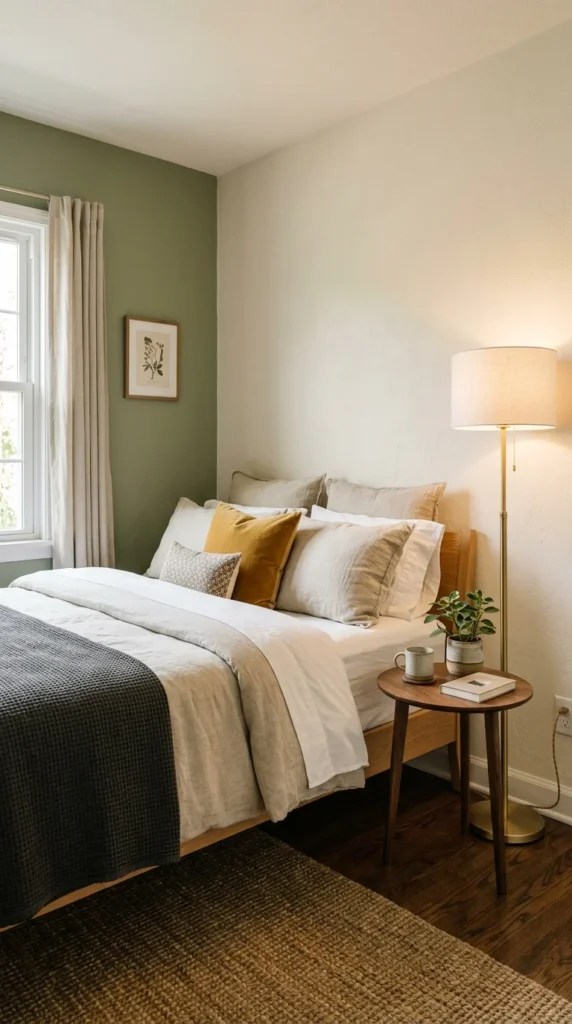
While traditional interior design often suggests centering the bed, pushing the bed into a corner can significantly open up the room. By aligning the bed against two walls, you create a larger, continuous floor area for movement or additional furniture. This layout makes the room feel less cramped and provides a cozy, “nook-like” atmosphere for sleeping.
3. Under-Bed Storage
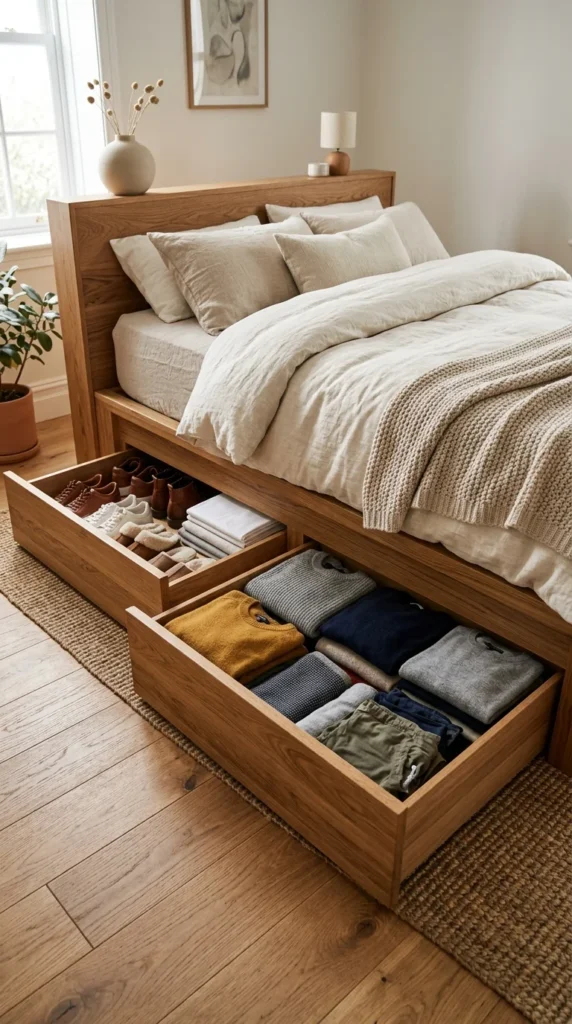
When you lack closet space, your bed should do the heavy lifting. Opting for a bed frame with built-in drawers or using stylish risers to create space for storage bins is a game-changer. This layout keeps bulky items like seasonal clothing and extra bedding out of sight, maintaining a clean and minimalist aesthetic without sacrificing essential storage.
4. Murphy Bed
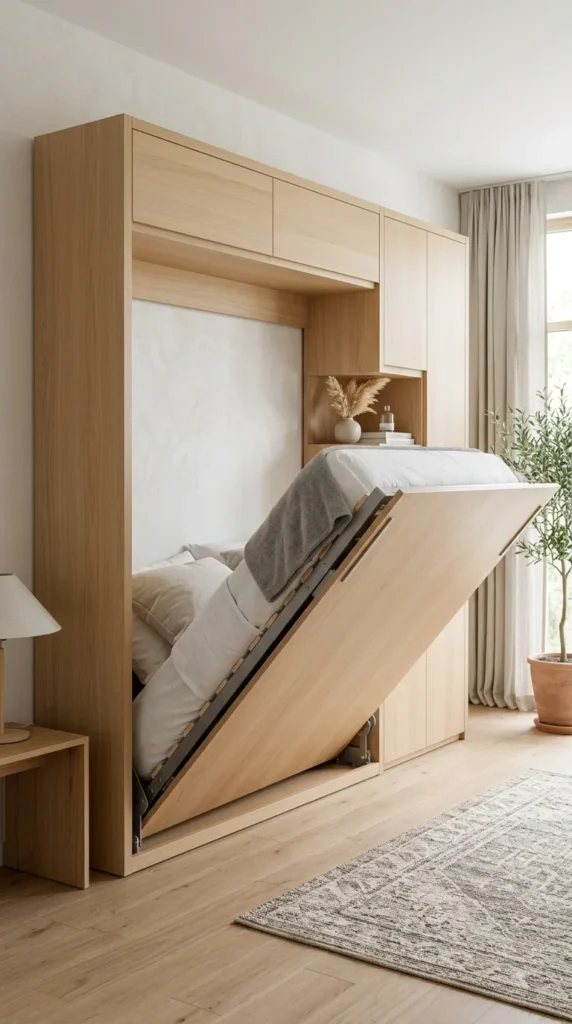
The Murphy bed—or wall bed—is the ultimate solution for multi-functional rooms. During the day, the bed folds up into a wall-mounted cabinet, transforming the bedroom into a spacious office or living area. Modern designs are seamless and can include integrated shelving or even a fold-down desk on the exterior, making them as stylish as they are functional.
5. Floating Nightstands
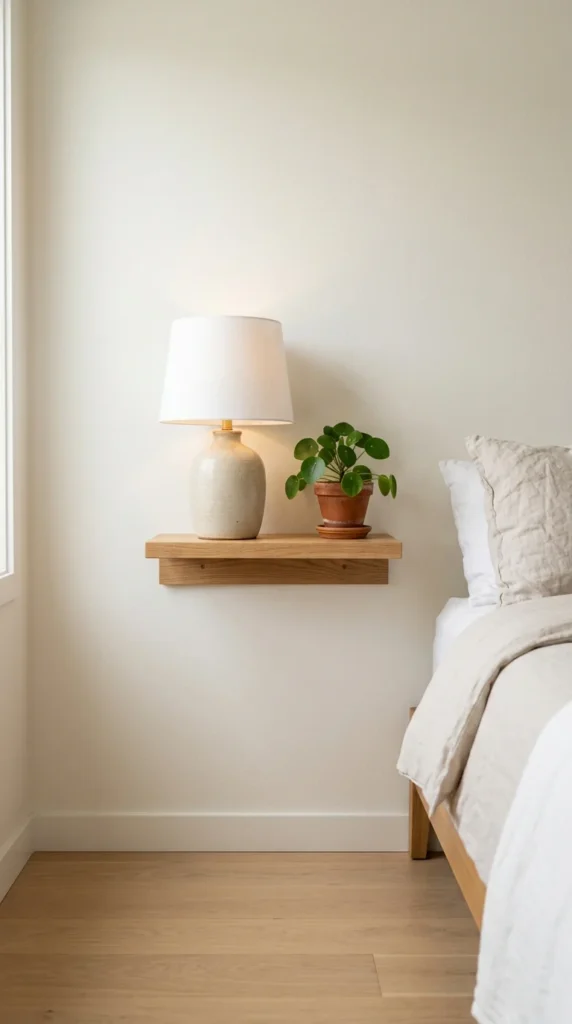
Bulky nightstands with legs can make a small floor plan feel crowded. Floating nightstands, which are wall-mounted shelves, provide a landing spot for your phone, water, and books while keeping the floor visible. This visual continuity makes the room feel larger and much easier to clean.
6. Vertical Shelving
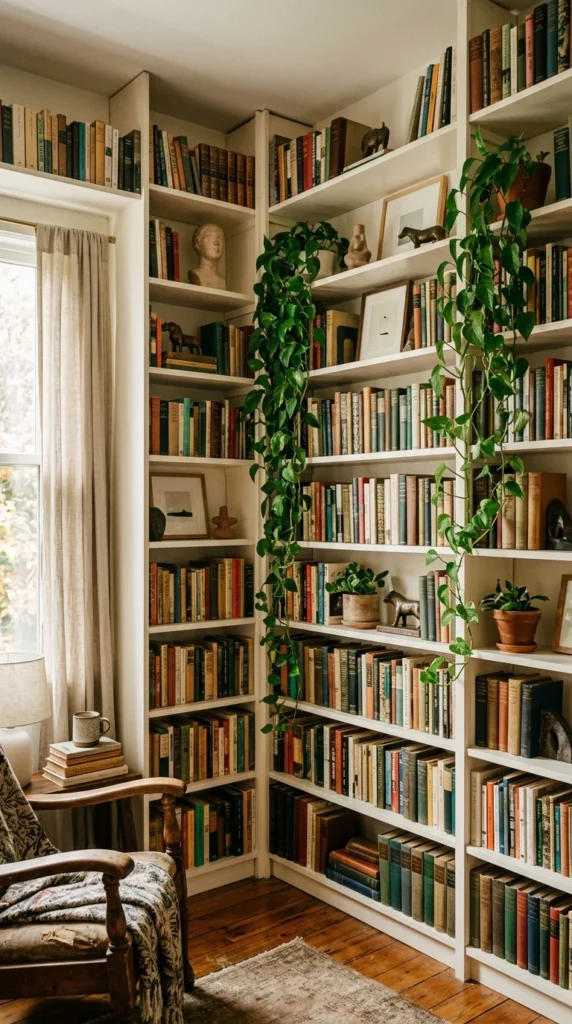
When you cannot expand outward, expand upward. Tall, narrow shelving units utilize the often-ignored space near the ceiling. This layout allows you to display decor and store essentials without occupying valuable floor space. For an even more integrated look, consider “floating” shelves that wrap around corners.
7. Mirrored Closets
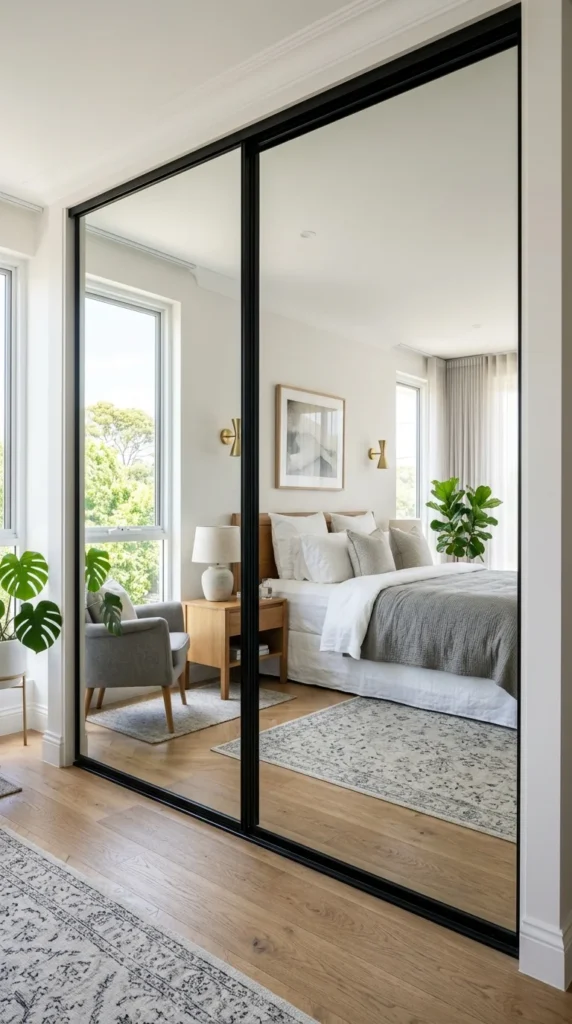
Mirrors are a classic designer trick for small spaces. By installing floor-to-ceiling mirrored doors on your closet, you effectively double the visual depth of the room. The mirrors also bounce natural light from windows into the darker corners of the space, making the entire environment feel more vibrant and expansive.
8. Window Seating
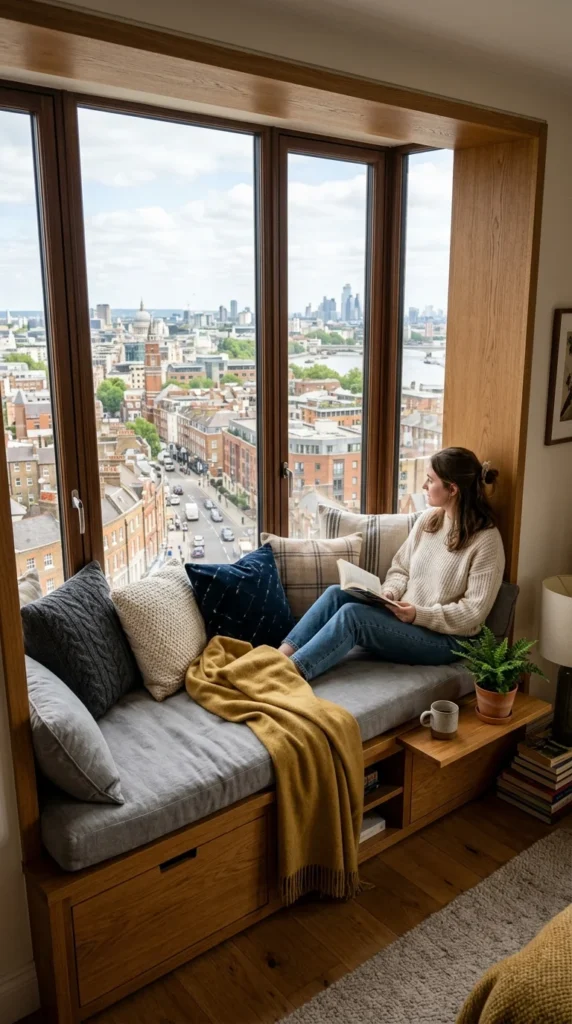
If your bedroom has a window, consider building a bench directly beneath it. This layout provides extra seating without the footprint of a traditional chair and often includes hidden storage inside the bench. It turns an unused architectural feature into a functional focal point and a perfect spot for morning coffee.
9. Desk Integration
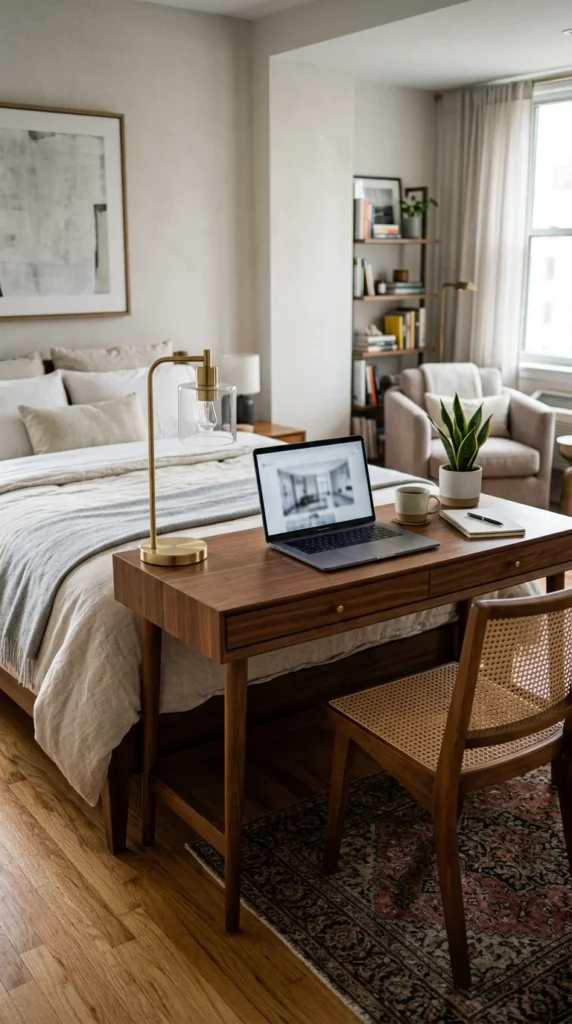
In a small bedroom, furniture often needs to pull double duty. Placing a slim desk at the foot of the bed or alongside it allows the room to function as an office during the day. This layout is more efficient than trying to squeeze a desk into a corner where it might interfere with closet access or walkways.
10. Monochromatic Palette
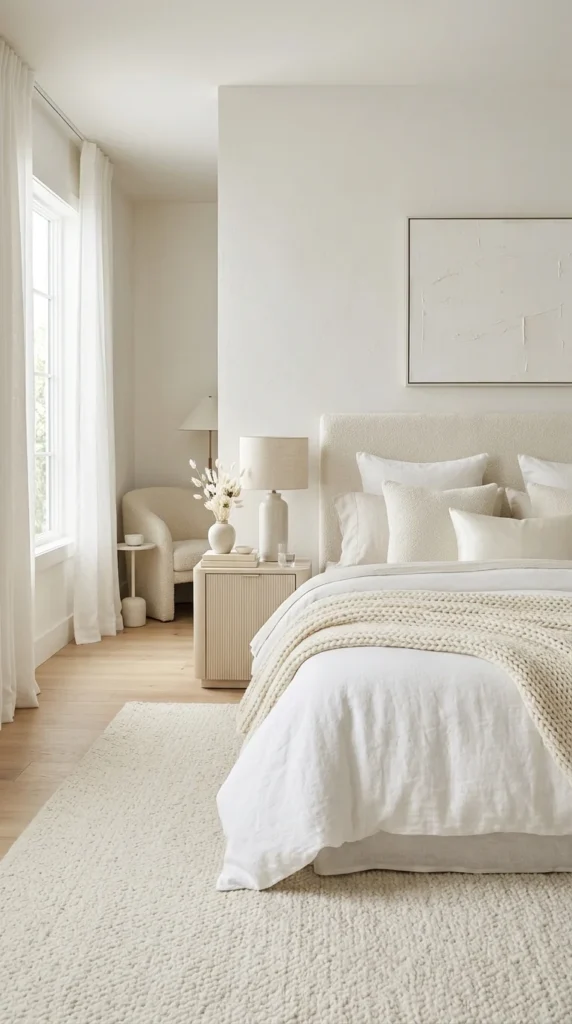
A cohesive color palette is essential for small layouts. Using varying shades of a single color—typically a light neutral like white, beige, or soft gray—blurs the lines between walls, floors, and furniture. This lack of harsh visual breaks prevents the room from feeling “chopped up” and creates a serene, expansive atmosphere.
11. Headboard Storage
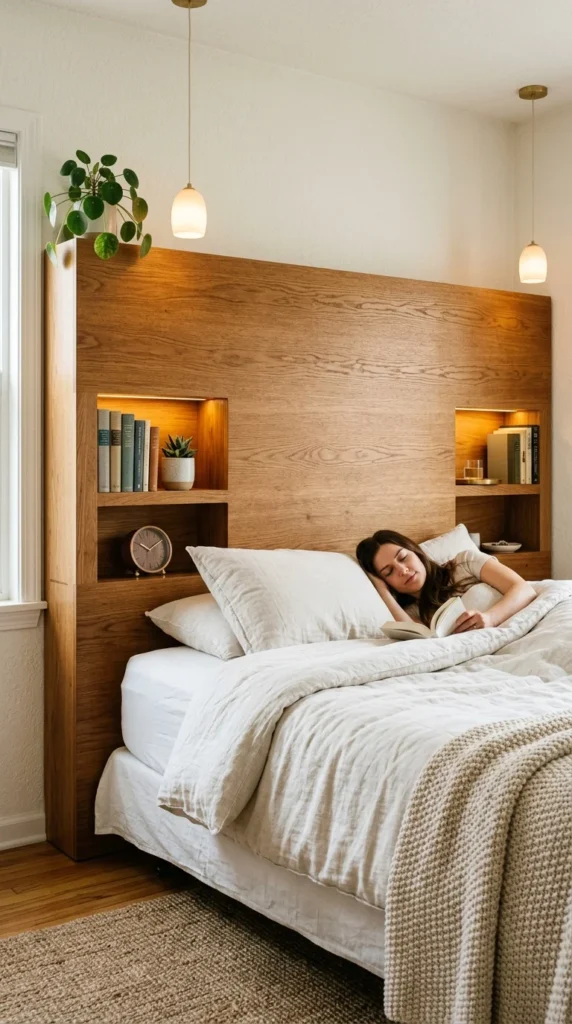
Replace a traditional decorative headboard with one that offers storage. Many modern headboards feature hidden compartments or open shelving. This is an excellent way to store items within arm’s reach while keeping the rest of the room clear of clutter. It’s a perfect layout for those who enjoy reading in bed.
12. Sliding Doors
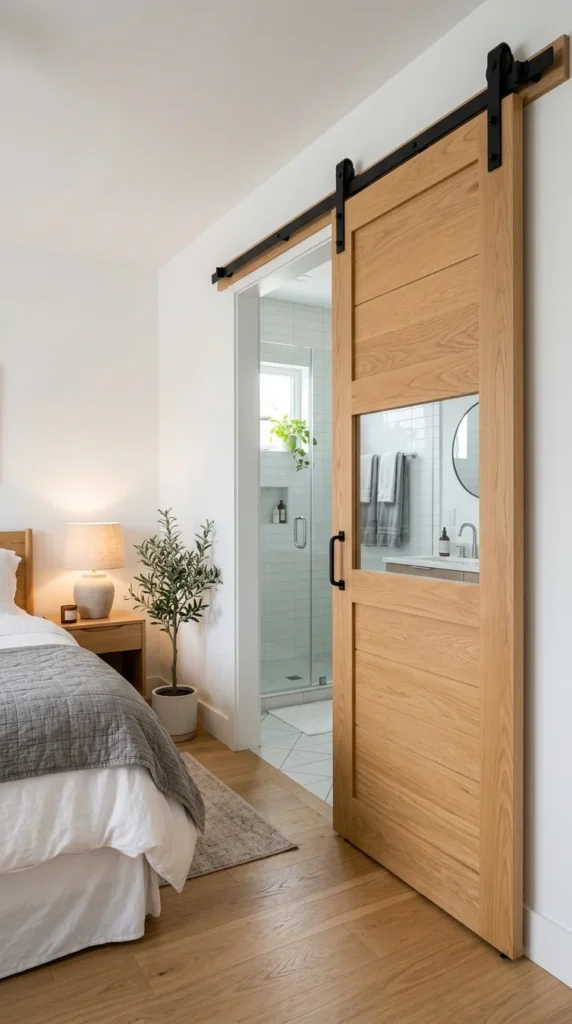
Traditional swinging doors require “clearance” space to open, which can dictate where you place your furniture. Switching to sliding barn doors or pocket doors saves significant floor space. This allows you to place furniture closer to the doorway without obstructing movement, providing more flexibility in your layout.
13. Rug Zoning
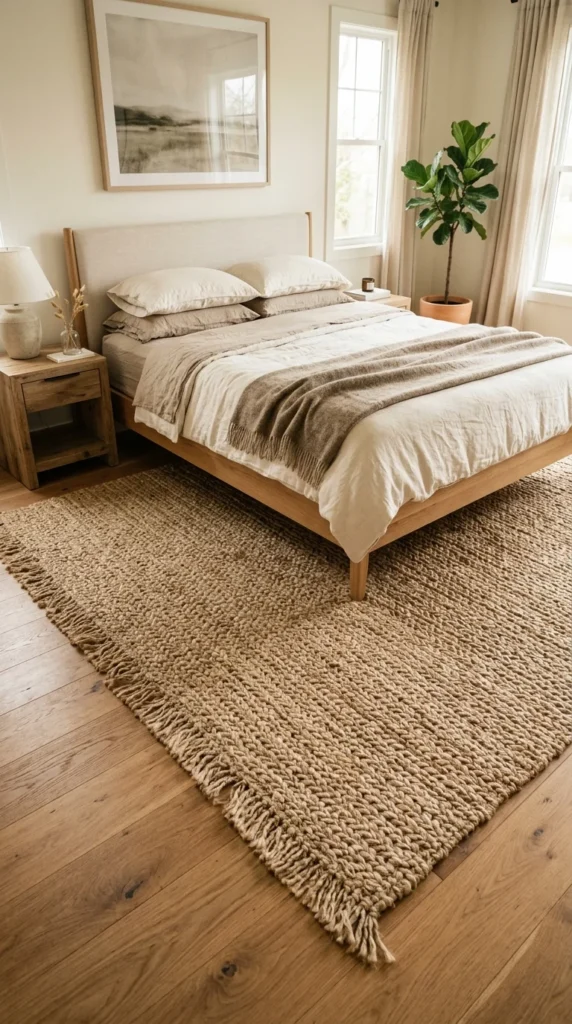
Even in a small room, it is important to define different areas. A well-placed area rug can “zone” the bed as the primary focal point. By placing a rug under the bottom two-thirds of the bed, you create a visual anchor that makes the room feel organized and intentionally designed rather than just a collection of furniture.
14. Sconce Lighting
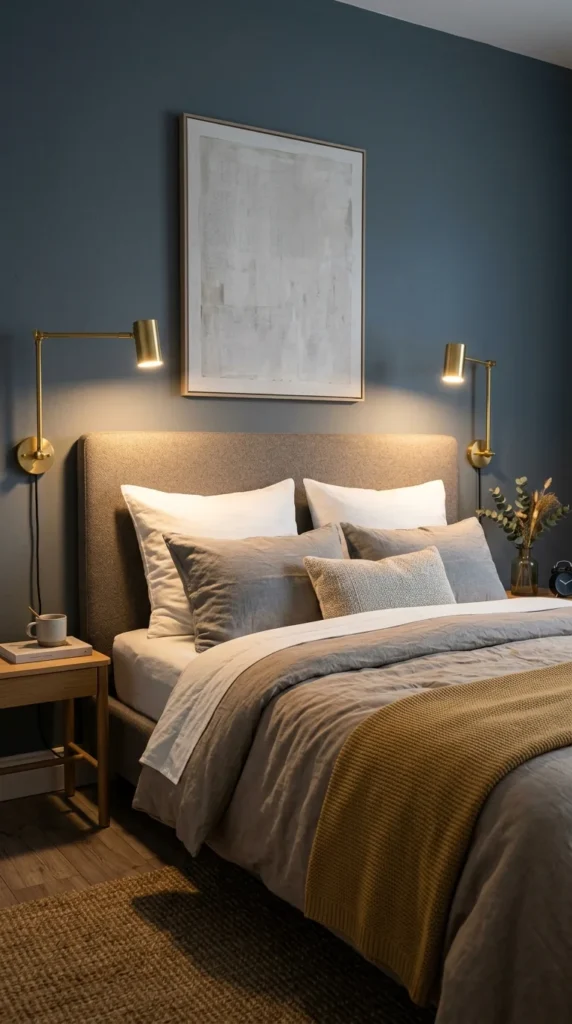
Table lamps take up valuable real estate on nightstands. By opting for wall-mounted sconces, you free up the surface area of your bedside tables. Sconces also allow you to control the height of your light source, which can draw the eye upward and emphasize the height of the room.
15. Minimalist Bedframe
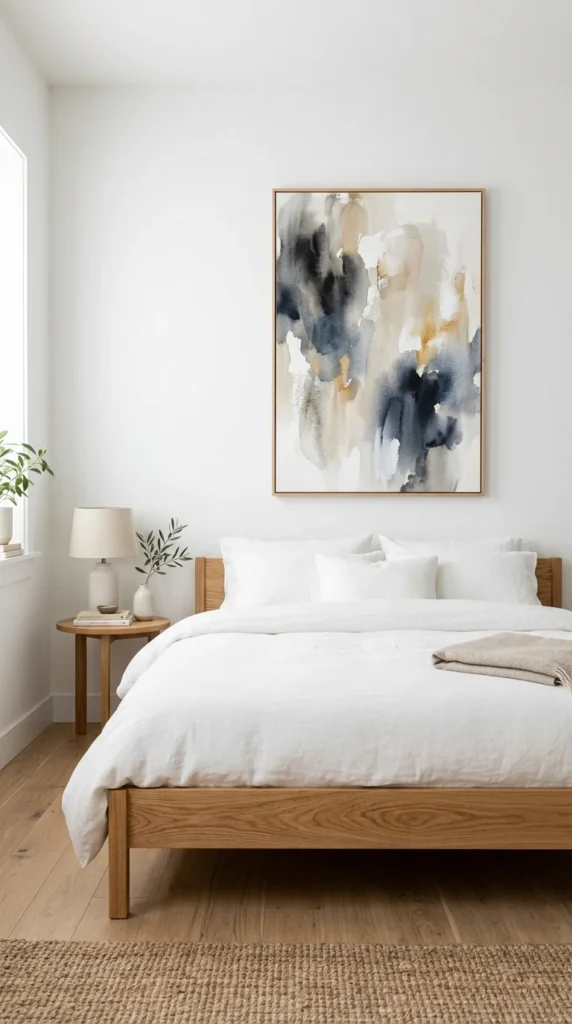
A heavy, ornate bed frame can overwhelm a small room. Instead, choose a low-profile platform bed or a simple metal frame. Keeping the bed low to the ground creates more “air” above the furniture, which makes the ceiling appear higher and the room feel less congested.
16. Ottoman Bench
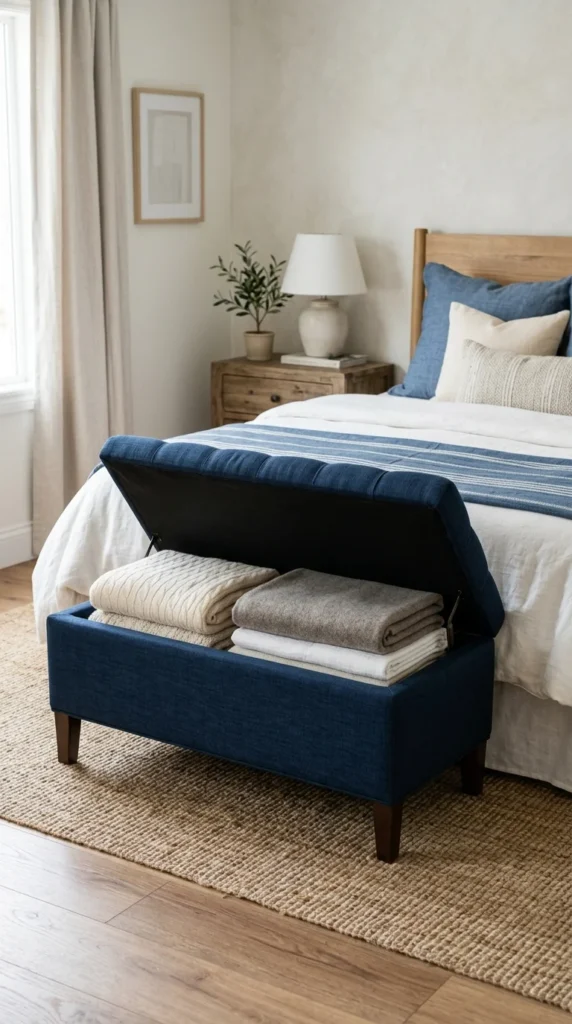
An ottoman at the foot of the bed serves three purposes: it provides a place to sit while putting on shoes, it offers extra storage for bulky blankets, and it acts as a visual extension of the bed. Choosing a piece with legs rather than a solid base will help maintain a sense of openness on the floor.
17. Clear Furniture
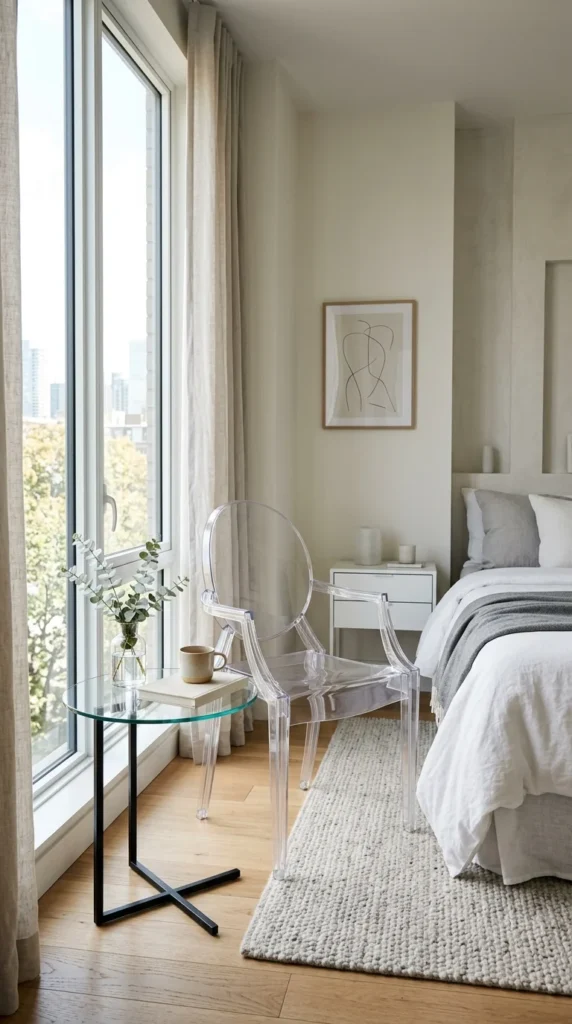
Furniture made of acrylic or glass is a secret weapon for small spaces. Because these pieces are transparent, they have almost zero “visual weight.” You get the functionality of a chair or table without the piece taking up any visual space, keeping the room’s sightlines clear and unobstructed.
18. Accent Wall
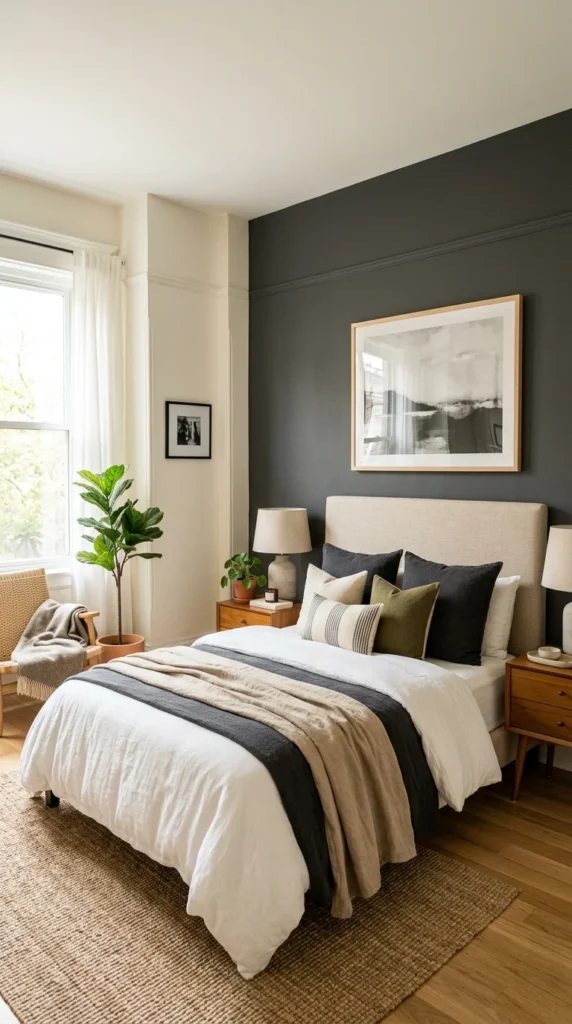
While light colors are generally recommended for small rooms, a single dark or textured accent wall can actually create an illusion of depth. By painting the wall behind the bed a deeper shade, you draw the eye inward, making the back wall feel further away. This adds a sophisticated touch without making the room feel enclosed.
19. Layered Bedding
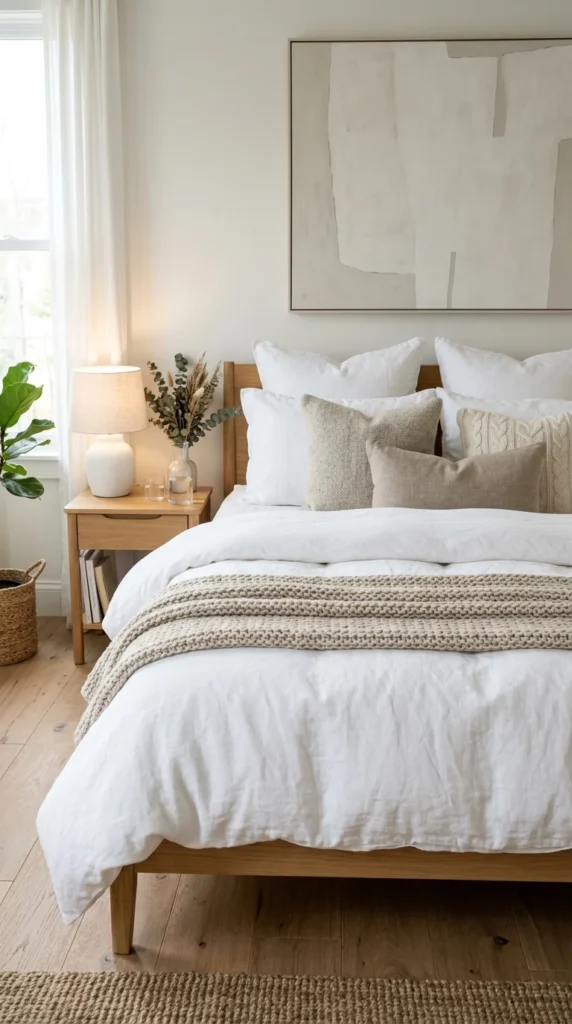
The bed is the most prominent feature in a small room, so make it look luxurious. Layering different textures—such as linen, wool, and cotton—adds richness and depth. While it doesn’t physically save space, it makes the room feel high-end and cozy, turning a small footprint into a high-style sanctuary.