
Maximizing a small bedroom is less about the physical square footage and more about the strategic manipulation of light, layout, and furniture. In modern urban living, the bedroom often serves as a multi-functional sanctuary—a place for rest, work, and storage. When space is at a premium, every inch must be intentional. By employing specific design principles, you can transform a cramped quarters into an airy, sophisticated retreat that feels significantly larger than its blueprints suggest.
The following eight layout strategies represent the pinnacle of small-space interior design, focusing on visual continuity, vertical utility, and the psychological impact of a clutter-free environment.
1. Lofted Bed
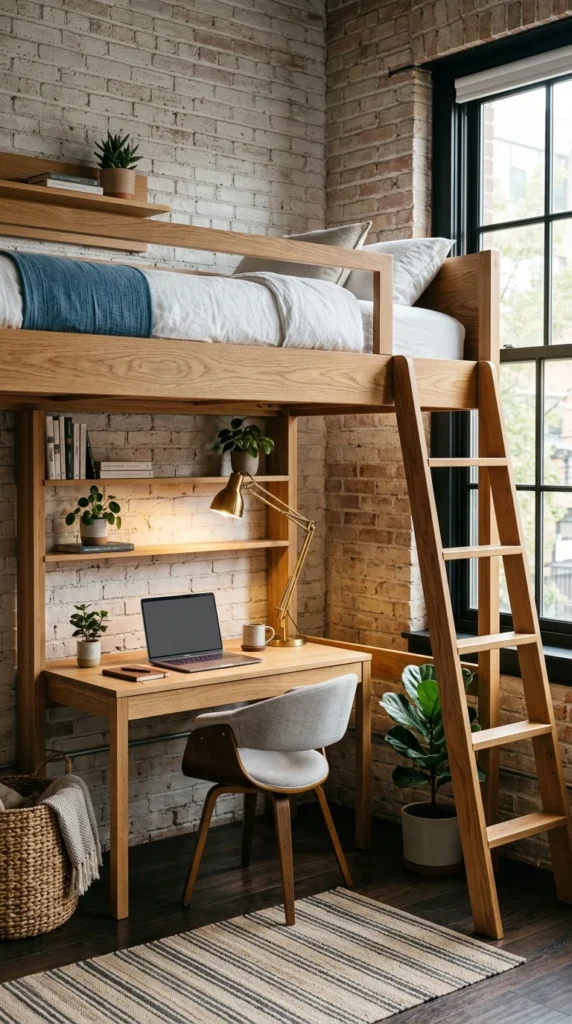
When floor space is non-existent, the only way to go is up. A lofted bed is perhaps the most transformative layout change for a small room. By elevating the sleeping area, you effectively double the usable square footage of that specific footprint. The area underneath can be repurposed into a “room within a room,” such as a private workstation, a walk-in closet, or a reading nook with a compact armchair.
This layout works exceptionally well in rooms with high ceilings. It separates the “active” zones of the day from the “rest” zone of the night, which is psychologically beneficial for sleep hygiene. To keep the look professional and adult, opt for custom-built cabinetry or high-quality timber frames rather than tubular metal styles often associated with dorm rooms.
2. Wall-Mounted Furniture
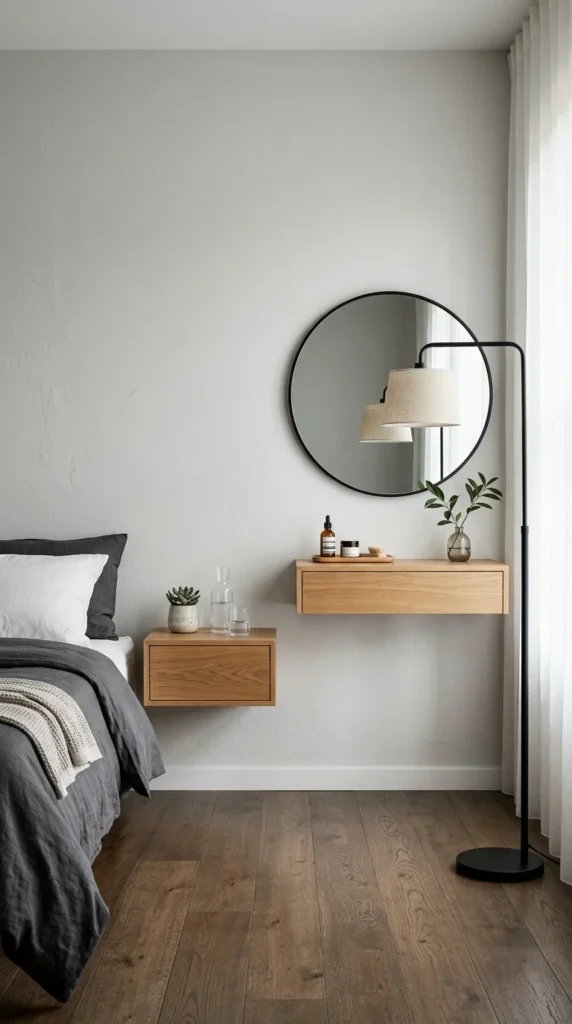
One of the most effective ways to trick the eye into perceiving more space is to keep the floor visible. Traditional furniture with heavy bases or bulky legs acts as a visual “stop,” cutting off the room’s flow. Wall-mounted furniture, often referred to as “floating” pieces, allows the eye to travel all the way to the baseboards.
A floating nightstand or a wall-mounted drop-leaf desk provides all the necessary utility without the visual weight. This layout creates an uninterrupted floor line, which suggests a larger area. Additionally, it makes cleaning significantly easier, preventing the accumulation of dust bunnies that often plague tight corners in small bedrooms.
3. Mirrored Surfaces
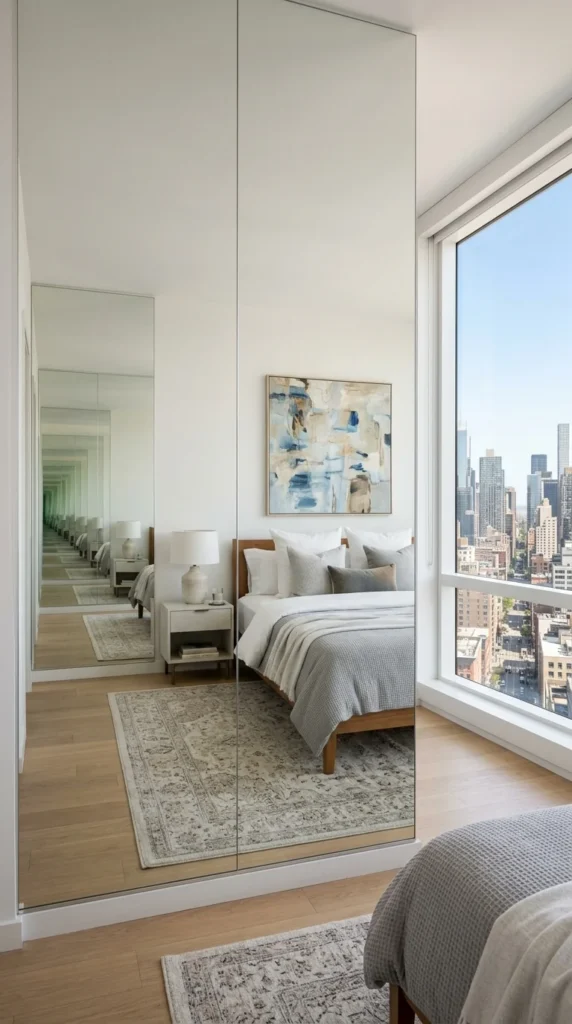
Mirrors are the oldest trick in the designer’s handbook for a reason: they work. A strategically placed mirror can bounce light into dark corners and create the illusion of a “window” where there is only a wall. To maximize this effect, consider a layout that features floor-to-ceiling mirrored closet doors or a large leaning floor mirror positioned opposite the room’s primary light source.
The reflection not only doubles the visual depth of the room but also increases the brightness by reflecting both natural and artificial light. For a more contemporary feel, use “aged” or tinted mirrors to add depth without the starkness of a standard reflective surface. This approach turns a functional item into a grand architectural feature.
4. Corner Placement
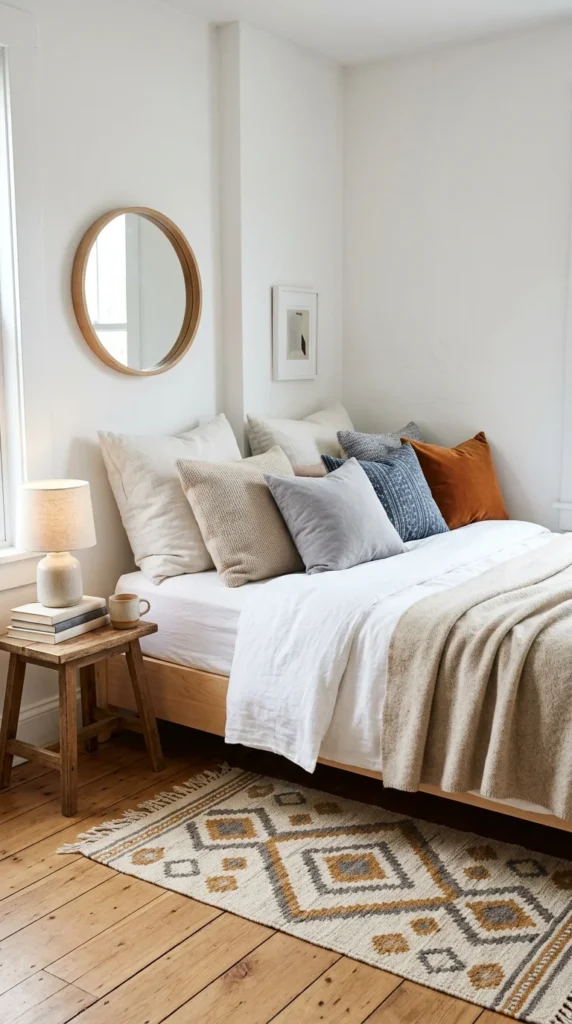
In traditional interior design, the bed is usually centered on the main wall with space on either side. In a small bedroom, however, this “symmetrical” layout often wastes valuable real estate. Pushing the bed into a corner—known as a “corner-tuck”—frees up a significant amount of floor space in the center of the room.
This layout creates a cozy, cocoon-like sleeping area and allows for a larger walkway or space for a dresser or desk elsewhere. To make the corner bed look intentional rather than accidental, use a “wraparound” headboard or a series of coordinated throw pillows against both walls to create a polished, “daybed” aesthetic.
5. Under-Bed Storage
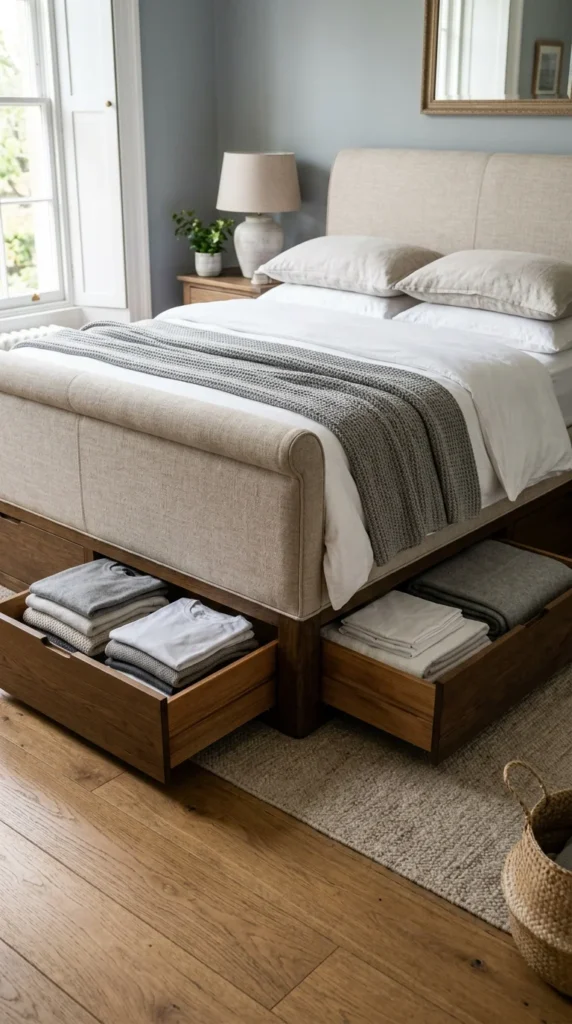
Clutter is the ultimate enemy of small spaces. If your bedroom is filled with boxes, bins, and overflowing wardrobes, it will inevitably feel cramped. A storage-integrated bed frame utilizes the “dead space” that usually exists beneath the mattress. This layout allows you to eliminate a bulky dresser entirely, freeing up wall space for art or a mirror.
Whether you choose a hydraulic lift-up bed (ottoman style) or a frame with deep drawers, the key is to ensure the storage is hidden. Seamless integration maintains the room’s aesthetic integrity while providing a massive amount of storage for seasonal clothing, extra linens, or shoes.
6. Multi-Functional Pieces
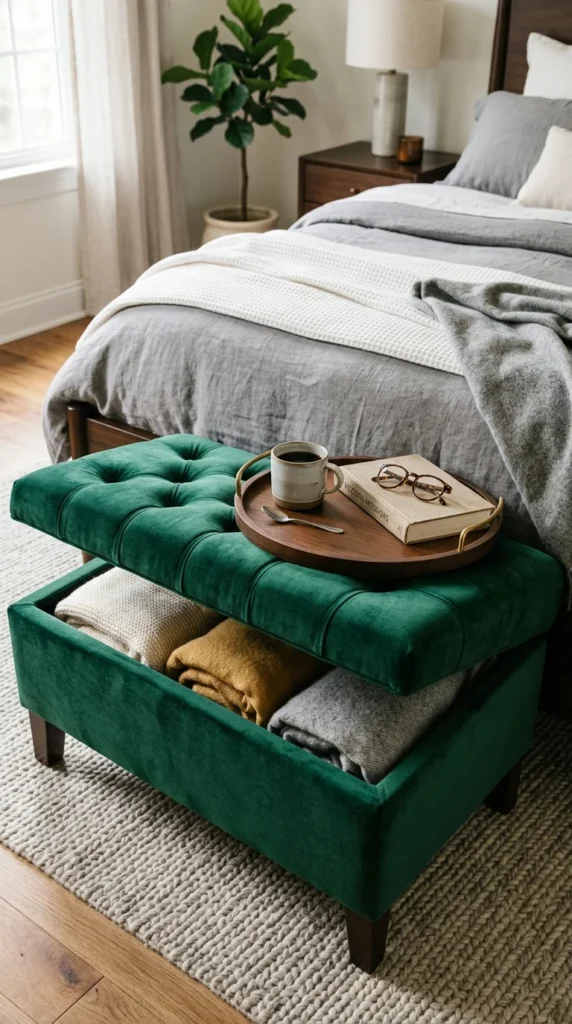
In a small bedroom, every piece of furniture must earn its keep. A layout that incorporates multi-functional furniture reduces the total number of items in the room, which in turn reduces visual noise. An ottoman with hidden storage can serve as a seat, a footrest, and a linen closet. A headboard with built-in shelving can replace the need for nightstands.
When selecting multi-functional pieces, look for clean lines and high-quality materials. The goal is to have the room feel curated rather than “packed.” By choosing one piece that does the job of three, you maintain the “negative space” necessary for the room to feel expansive.
7. Vertical Shelving
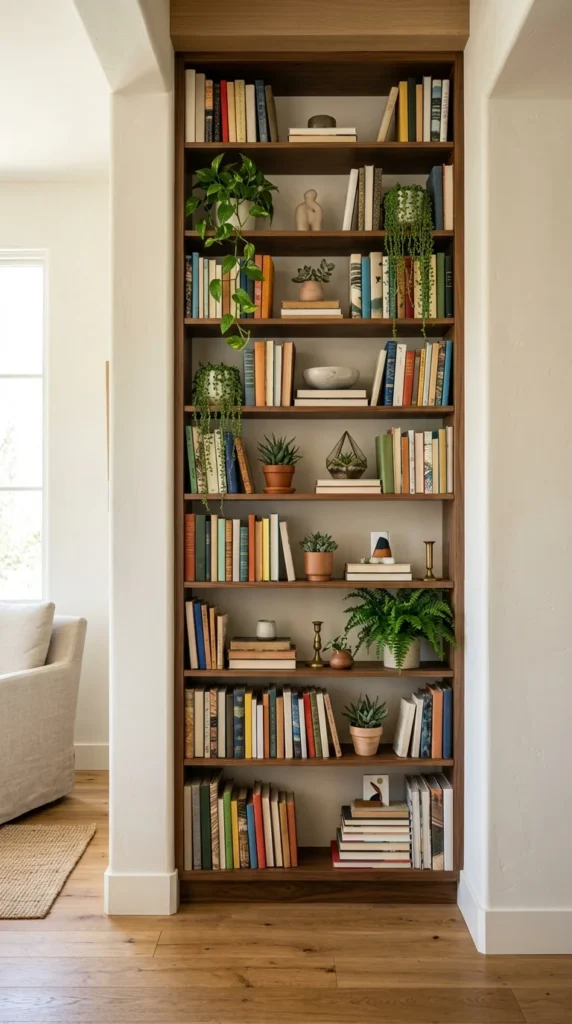
When you run out of horizontal space, look to your walls. A vertical shelving layout draws the eye upward, emphasizing the height of the room rather than its narrow width. Installing floating shelves that reach toward the ceiling provides ample space for books, decor, and essentials without encroaching on the floor.
To keep this from feeling cluttered, use a “breathable” arrangement—leave some empty space on the shelves and use uniform baskets to hide smaller, less attractive items. This vertical approach turns your storage into a decorative element, making the walls feel like an active part of the room’s design rather than just boundaries.
8. Monochromatic Palette
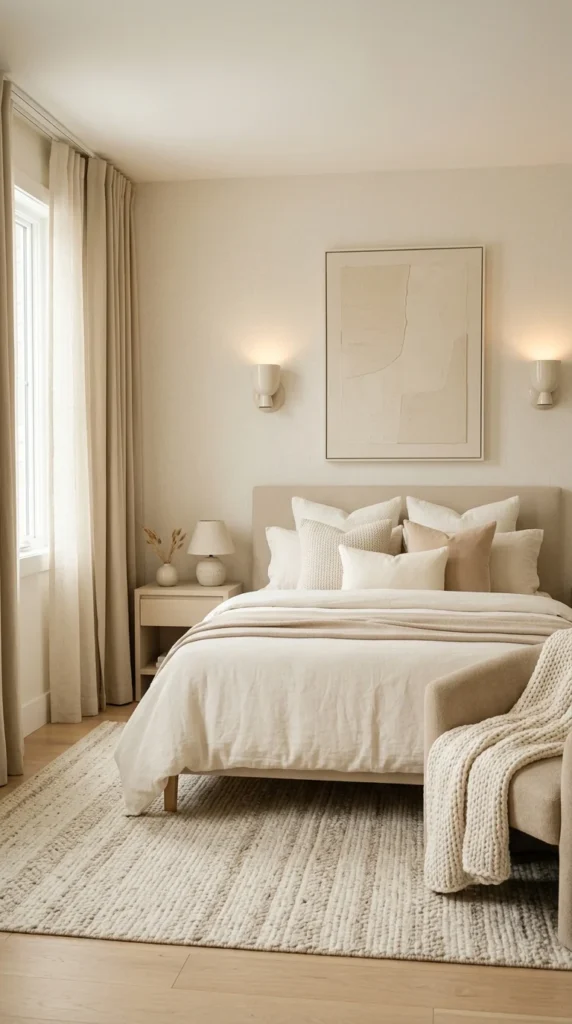
While not a physical “layout” in terms of furniture placement, the color layout of a room is critical to its perceived size. A monochromatic color scheme—particularly in light, neutral tones like off-white, greige, or pale blue—blurs the lines between walls, ceiling, and floor.
When the furniture color matches the wall color, the pieces “recede” into the background rather than standing out as distinct, space-consuming objects. This creates a continuous visual field that the brain interprets as more open and airy. To prevent a monochromatic room from feeling flat, incorporate various textures—such as a linen duvet, a wool rug, and a velvet chair—to add depth and sophistication without the need for contrasting colors that would “shrink” the space.