
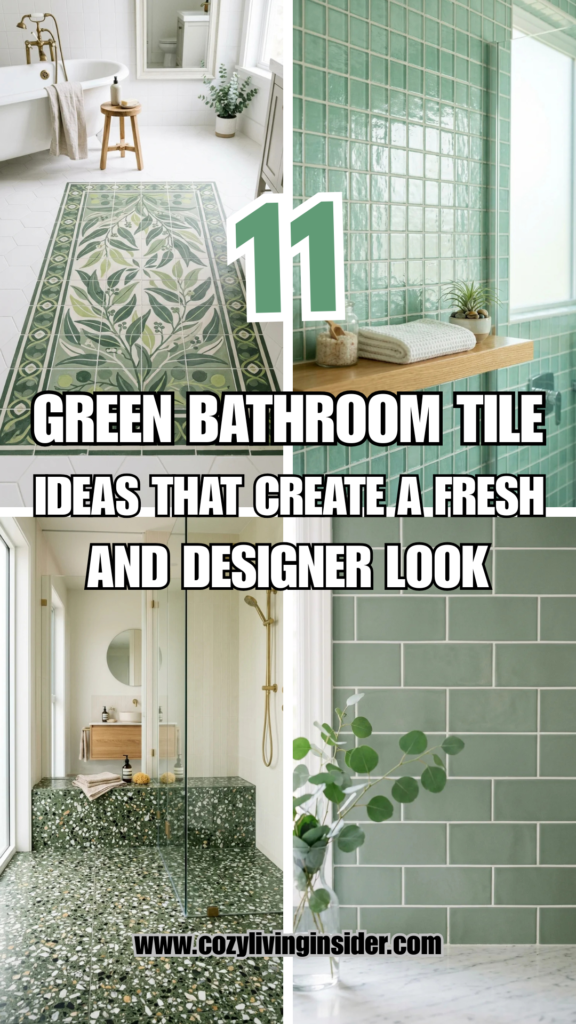

The bathroom is no longer just a functional space; it has evolved into a sanctuary for relaxation and rejuvenation. In the world of interior design, color plays a pivotal role in setting this mood, and green has emerged as the undisputed champion of the modern “spa-at-home” aesthetic. From the muted whispers of sage to the dramatic depths of forest green, tiles in these hues evoke a sense of nature, tranquility, and high-end sophistication.
Green is psychologically associated with balance and renewal. By incorporating green tiles, homeowners can bridge the gap between the indoors and the outdoors, creating a biophilic environment that feels both organic and curated. Whether you are aiming for a vintage mid-century vibe or a sleek, contemporary masterpiece, here are 11 green bathroom tile ideas to transform your space.
1. Sage Subway
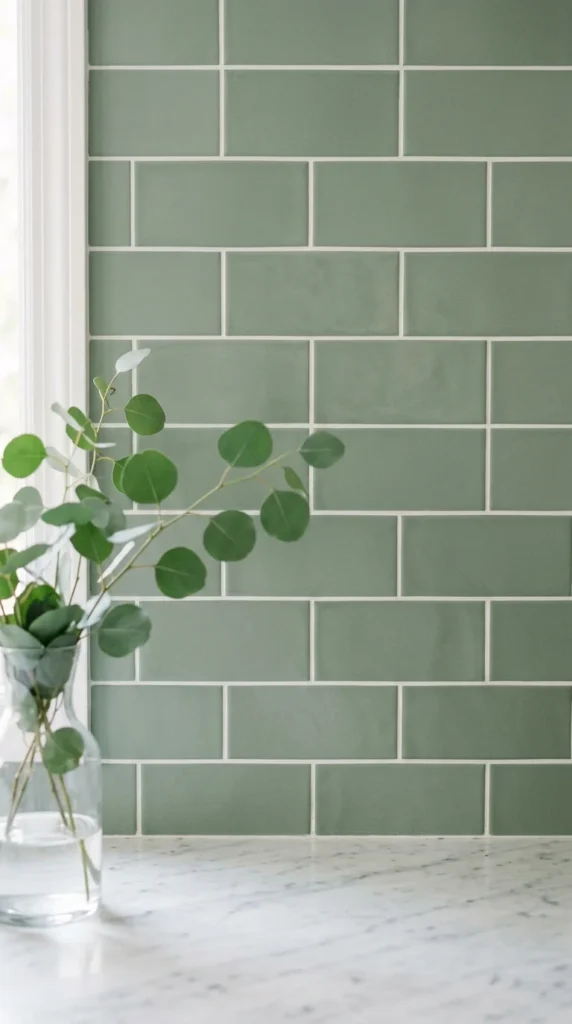
The subway tile is a perennial favorite, but opting for it in a sage green hue elevates the look from “standard” to “designer.” Sage acts as a neutral with a personality—it is subtle enough to cover large wall areas without overwhelming the senses. When paired with white grout, the geometric pattern is highlighted, creating a clean and airy feel. This choice works exceptionally well in smaller bathrooms or powder rooms where you want to introduce color while maintaining a sense of openness. To complete the look, consider pairing sage subway tiles with light wood accents and matte black hardware for a modern farmhouse or Scandinavian-inspired finish.
2. Emerald Zellige
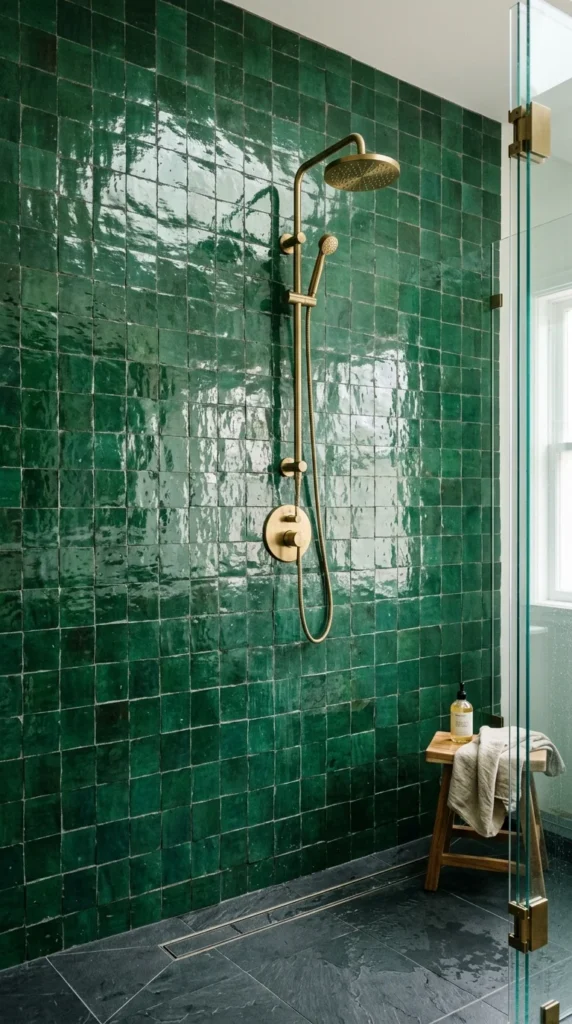
For those who crave texture and authenticity, Zellige tiles are the ultimate luxury. These handcrafted Moroccan terracotta tiles are famous for their “perfect imperfections.” No two tiles are exactly the same shade or thickness, resulting in a wall that looks like a living work of art. In emerald green, Zellige tiles provide a jewel-toned richness that mimics the depths of a tropical forest. Because the glossy glaze reflects light unevenly, the bathroom gains a dynamic quality that shifts throughout the day as the sun moves. This style is best paired with brass or gold fixtures to lean into the opulent, Mediterranean aesthetic.
3. Olive Penny
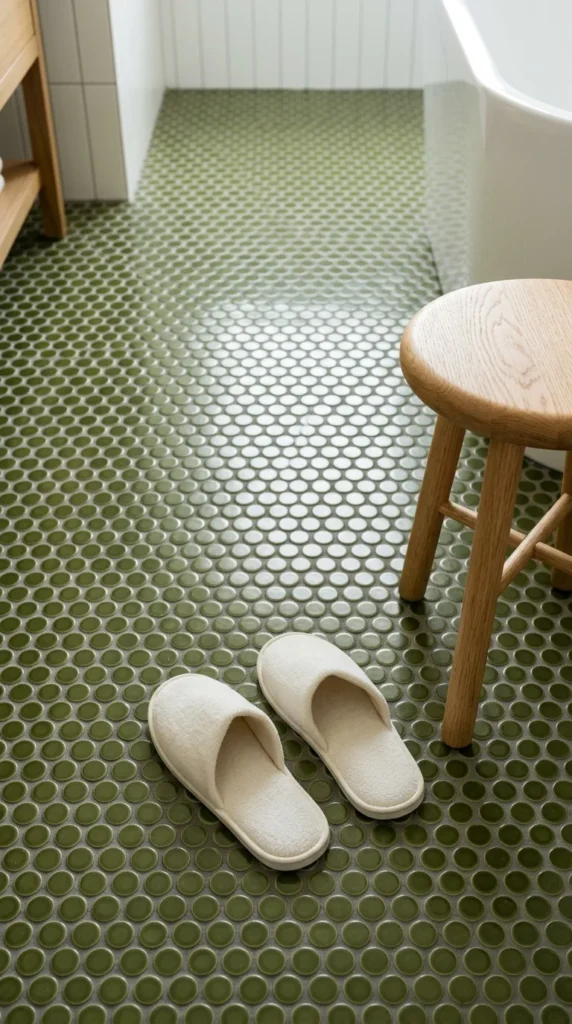
Penny tiles bring a nostalgic, retro charm that feels surprisingly fresh when executed in olive green. Olive is a sophisticated, earthy tone that grounds a room. Because of the high density of grout lines, penny tiles offer excellent slip resistance, making them an ideal choice for shower floors. Using olive green on the floor while keeping the walls a crisp white creates a “bottom-heavy” design that feels stable and cozy. If you want to be daring, carry the olive penny tiles from the floor halfway up the wall for a continuous, immersive look that celebrates mid-century modern design.
4. Forest Herringbone
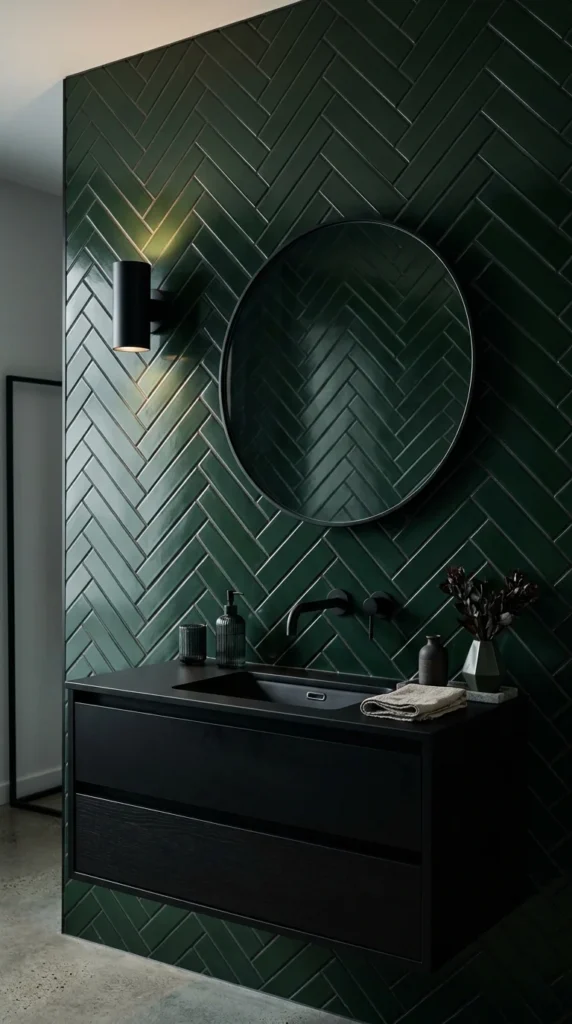
The herringbone pattern is synonymous with high-end architecture. When rendered in a deep forest green, it creates a moody, sophisticated atmosphere that commands attention. The v-shaped rows draw the eye upward or across the room, which can be used strategically to make a bathroom feel taller or wider. Forest green is a powerful color that pairs beautifully with dark marbles or slate floors. To prevent the space from feeling too dark, incorporate integrated LED strip lighting under mirrors or floating vanities to highlight the intricate tile work and add a layer of warmth.
5. Mint Hexagons
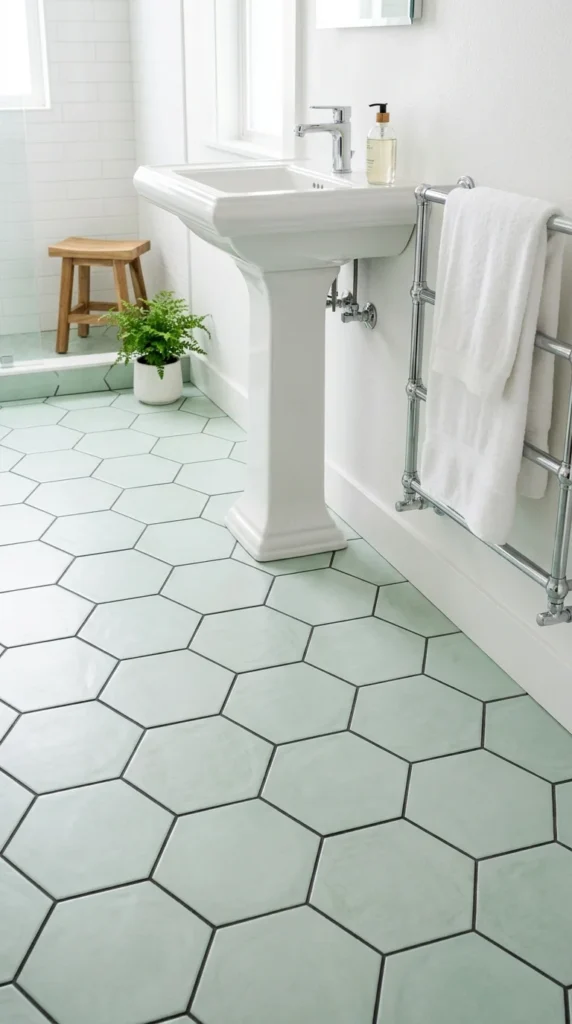
Hexagonal tiles—or “hex tiles”—are a fantastic way to introduce geometry without the rigidity of squares or rectangles. Mint green offers a playful, refreshing vibe that is perfect for a guest bathroom or a children’s washroom. It feels clean, energetic, and bright. Using a darker grout with mint tiles emphasizes the honeycomb shape, turning the floor or wall into a focal point. Mint also pairs exceptionally well with polished chrome or nickel fixtures, which enhance the cool undertones of the green.
6. Jade Fish
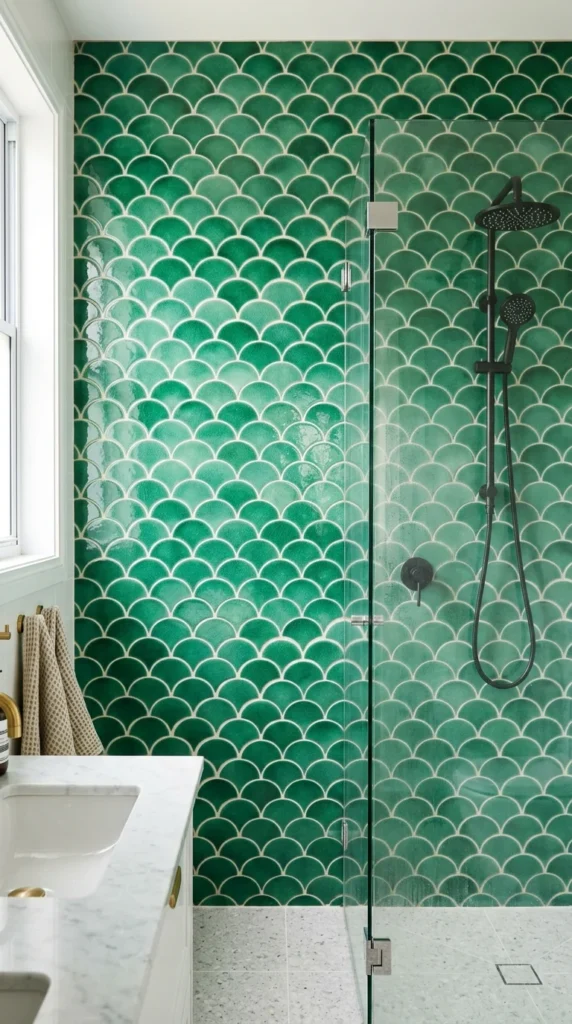
Also known as scalloped or fan tiles, fish scale tiles are inherently oceanic. In a jade green hue, they evoke the beauty of sea glass and tropical waters. This shape is perfect for creating a feature wall in a shower or behind a vanity. The curved lines of the jade tiles soften the hard angles typically found in bathrooms, creating a more organic and flowing environment. Because the shape is so distinct, it is often best to let the tiles be the star of the show by keeping the rest of the decor minimalist and understated.
7. Teal Large
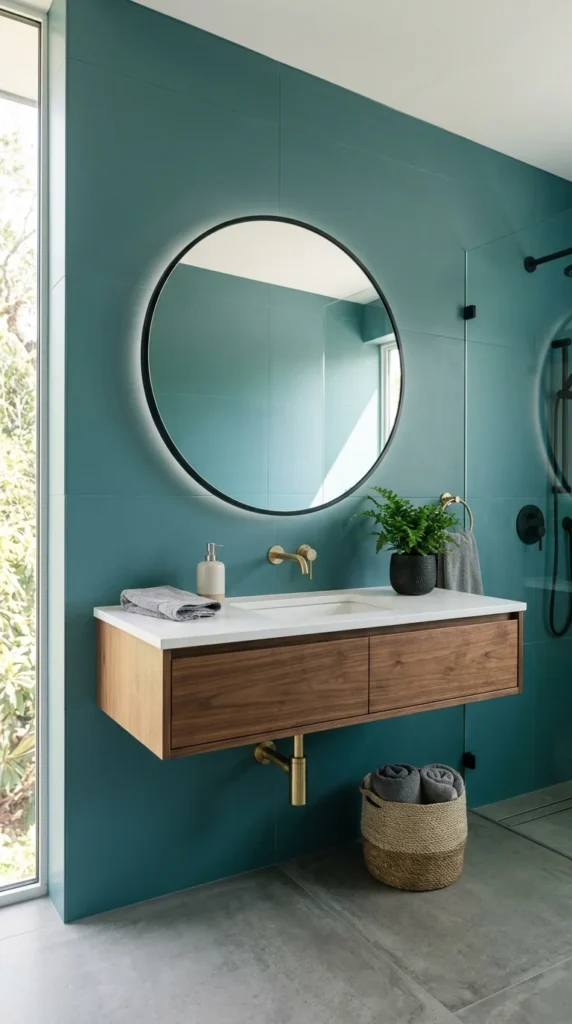
Large-format tiles are the height of contemporary minimalism. By reducing the number of grout lines, you create a seamless, slab-like appearance that feels incredibly high-end and is much easier to clean. Teal is a unique “bridge” color that combines the calming properties of blue with the energy of green. In a large-format application, teal creates a bold, immersive experience. This look works best in spacious bathrooms where the scale of the tiles can be fully appreciated. Pair this with “invisible” drains and wall-mounted faucets to maintain the sleek, uninterrupted aesthetic.
8. Moss Terrazzo
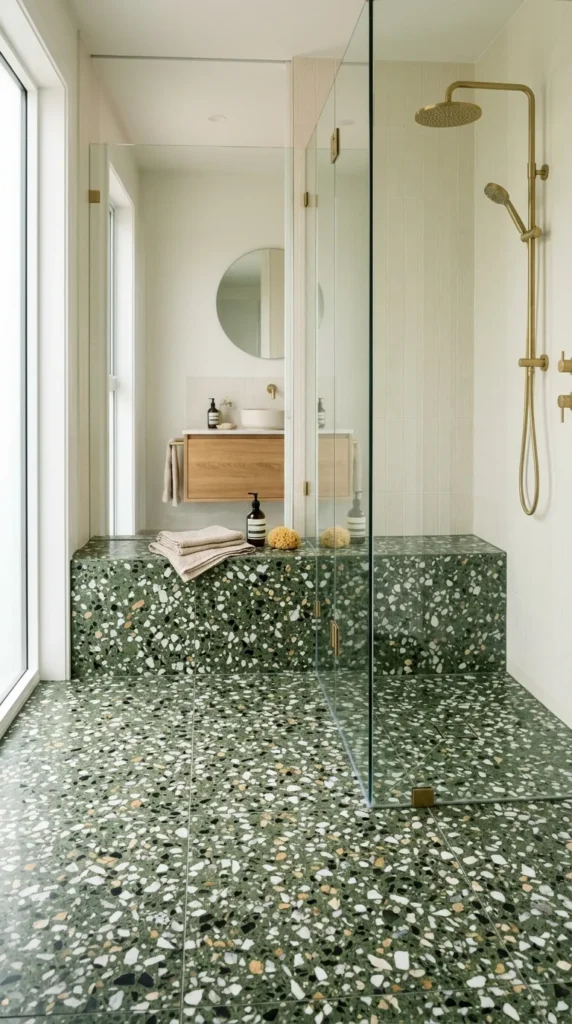
Terrazzo is enjoying a massive resurgence in the design world, and moss green versions are leading the trend. These tiles consist of chips of marble, quartz, and granite set in a colored cement base. Moss green terrazzo provides an earthy, tactile quality that feels grounded and durable. It is an excellent way to introduce multiple colors into the bathroom palette, as you can pull accents for your towels and accessories from the flecks within the tile. The matte finish of most terrazzo tiles provides a sophisticated, non-reflective surface that hides water spots and footprints effectively.
9. Pistachio Stack
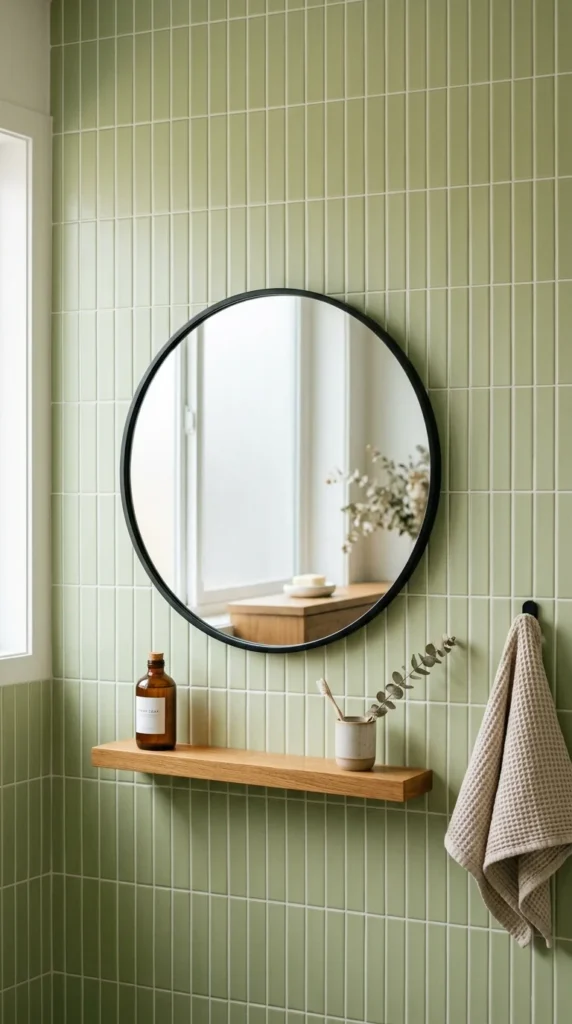
Vertical stacking is a modern alternative to the traditional offset brick pattern. Using “kit-kat” or finger tiles in a soft pistachio green creates a sense of height and rhythm. The vertical lines lead the eye toward the ceiling, making the room feel loftier. Pistachio is a creamy, warm green that feels inviting and soft. This tile choice is particularly popular for vanity backsplashes, where the fine-scale texture provides a beautiful backdrop for a statement mirror. It’s a clean, architectural look that suits urban apartments and modern renovations.
10. Seafoam Glass
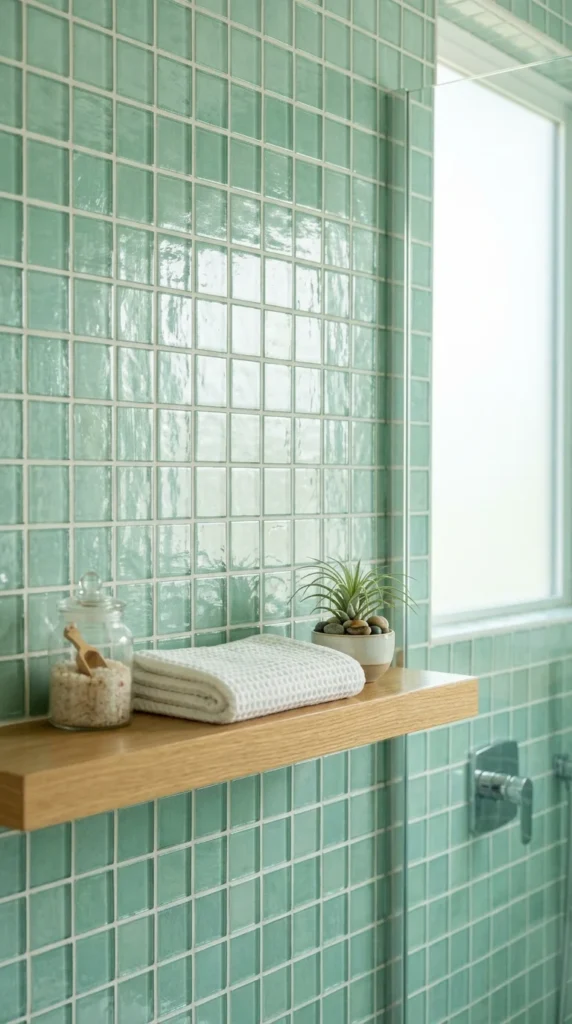
Glass tiles have a luminous quality that ceramic and stone simply cannot match. Seafoam green glass tiles are translucent, allowing light to penetrate the surface and reflect back, which gives the walls a sense of depth and shimmer. This is the ultimate choice for creating a spa-like atmosphere. The cool, watery tones of seafoam green are incredibly soothing. Because glass is non-porous, these tiles are also highly resistant to mold and staining, making them as practical as they are beautiful. Pair them with white pebbles and bamboo accents to lean into the zen-garden aesthetic.
11. Eucalyptus Patterned
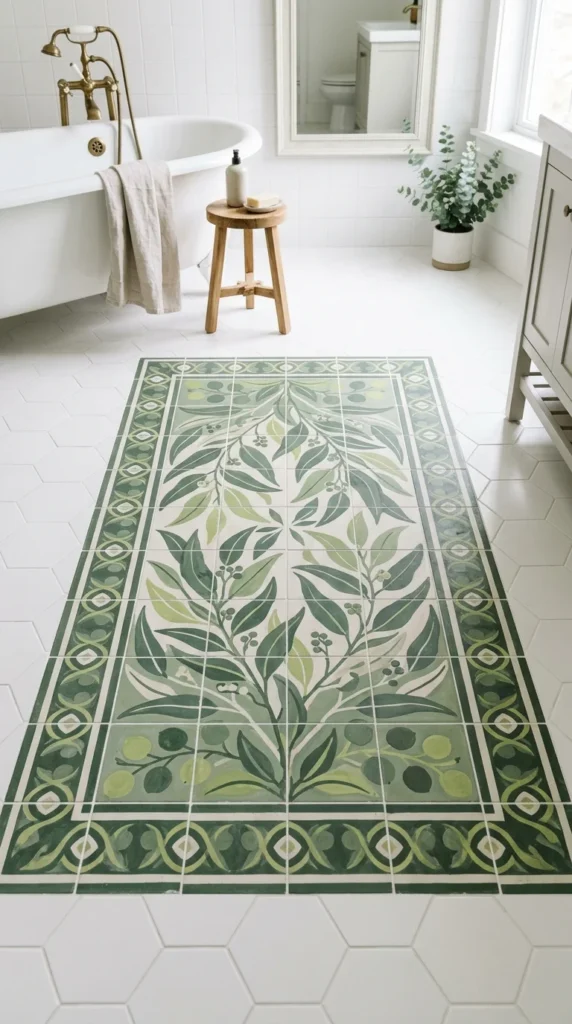
Patterned tiles allow for maximum personal expression. Eucalyptus-inspired botanical prints bring a literal interpretation of nature into the bathroom. These are often encaustic cement tiles, which have a matte, chalky finish and a handmade feel. Using a patterned green tile on the floor serves as a “visual rug,” anchoring the room and providing a focal point. When using bold patterns, it is usually best to keep the wall tiles simple—such as a large white square or a subtle textured cream—to ensure the space doesn’t feel cluttered. This look is perfect for Victorian restorations or bohemian-style homes.
Designing with Green: Expert Tips
To truly master the green tile trend, consider these professional design principles:
- Complementary Metals: Green is incredibly versatile when it comes to hardware. For a warm, vintage, or luxurious feel, choose unlacquered brass or brushed gold. For a cool, modern, or industrial look, matte black or polished chrome provides a sharp contrast.
- The Power of Wood: Green and wood are a match made in heaven. Natural oak, walnut, or teak vanities complement green tiles by reinforcing the earthy, biophilic theme.
- Grout Choice Matters: Don’t overlook the grout. White grout makes green tiles pop and feel “fresher.” Matching the grout to the tile (monochromatic) creates a seamless, sophisticated look. Dark grey or black grout adds an industrial edge and highlights the shape of the tile.
- Lighting Considerations: Green can change dramatically depending on the light source. Cool-toned LED bulbs can make green tiles look clinical, while warm-toned bulbs can bring out the yellow undertones. Always test a tile sample in your bathroom’s specific lighting before committing to a full installation.