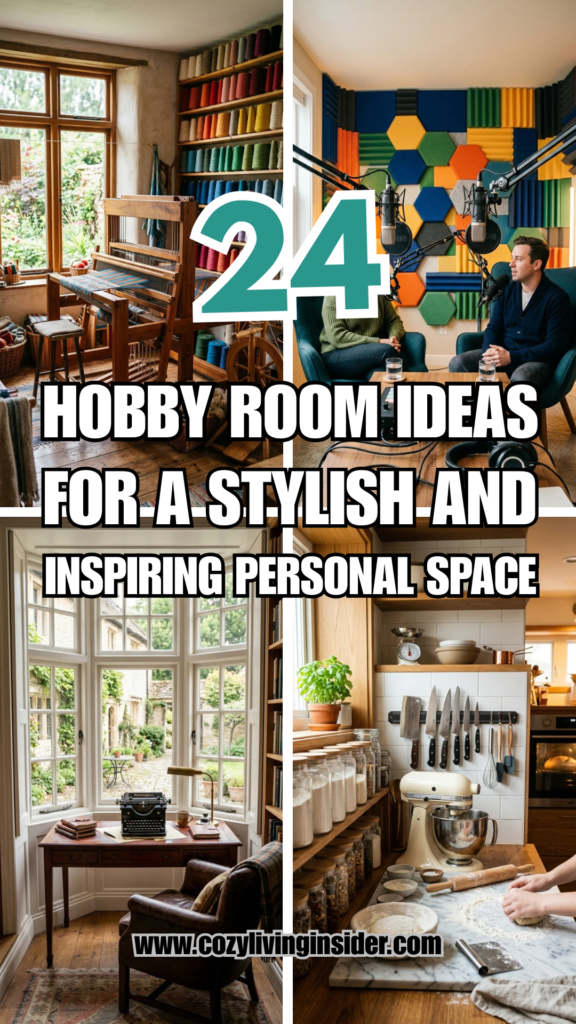

In the modern home, a hobby room is more than just a spare corner; it is a sanctuary for creativity, a retreat for relaxation, and a dedicated space where passions take center stage. Whether you are an avid crafter, a tech enthusiast, or a fitness devotee, having a specialized environment can significantly enhance your proficiency and enjoyment. Designing such a space requires a delicate balance between functional utility and aesthetic appeal. The following 24 ideas explore various ways to transform an underutilized area into a sophisticated hub of personal inspiration.
1. Crafting Studio
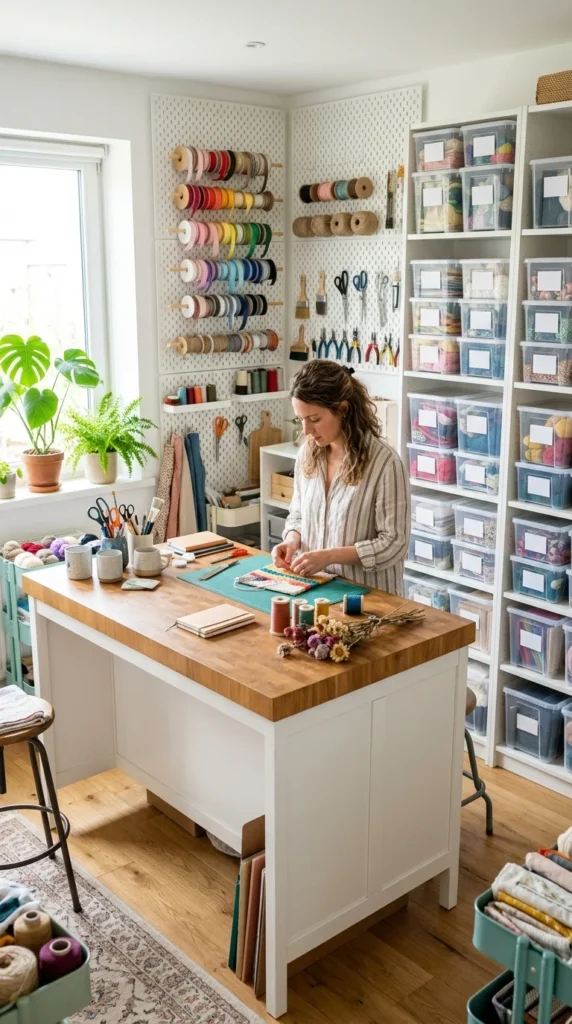
A dedicated crafting studio thrives on organization and surface area. Utilize a large central table to allow for expansive projects like scrapbooking or gift wrapping. Vertical storage, such as pegboards and slat walls, keeps tools within reach while turning supplies into a visual display. Natural light is essential here to ensure color accuracy across different materials.
2. Home Library
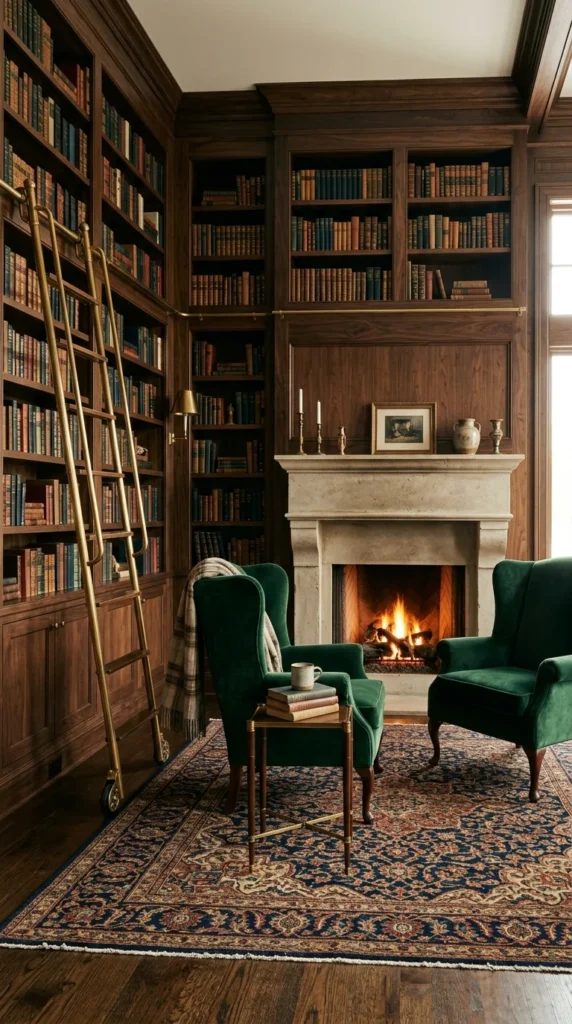
For the bibliophile, a home library offers a quiet escape. Maximize vertical space with custom shelving and include a rolling ladder for accessibility and a touch of classic elegance. Incorporate comfortable seating and layered lighting—combining overhead fixtures with adjustable reading lamps—to create a cozy atmosphere conducive to hours of uninterrupted reading.
3. Music Room
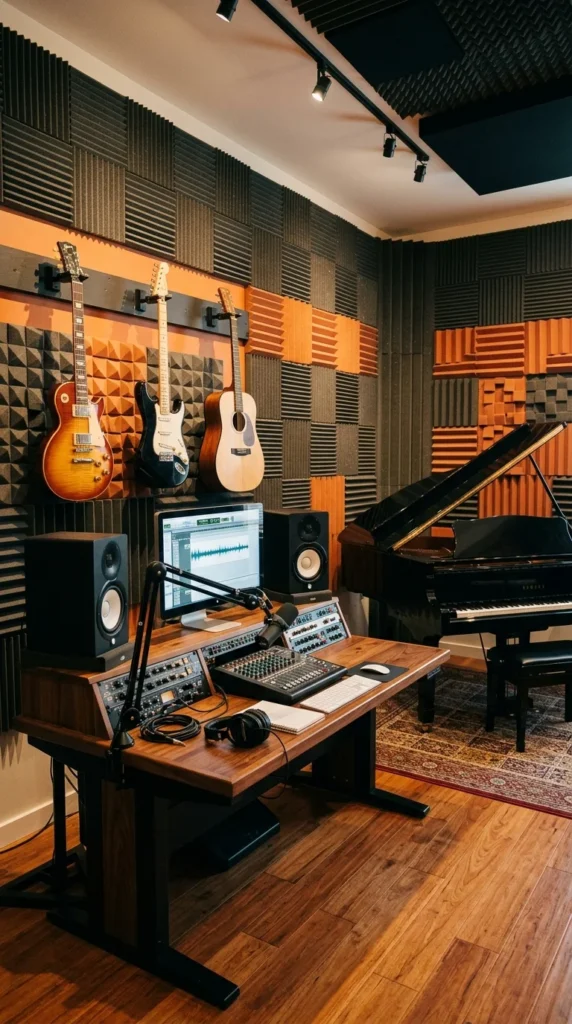
Designing a music room requires a focus on acoustics and instrument care. Use heavy rugs and acoustic wall panels to dampen echoes and prevent sound leakage. Wall mounts are excellent for displaying instruments like guitars and violins, doubling as decor while keeping the floor clear for amplifiers and stands.
4. Art Atelier
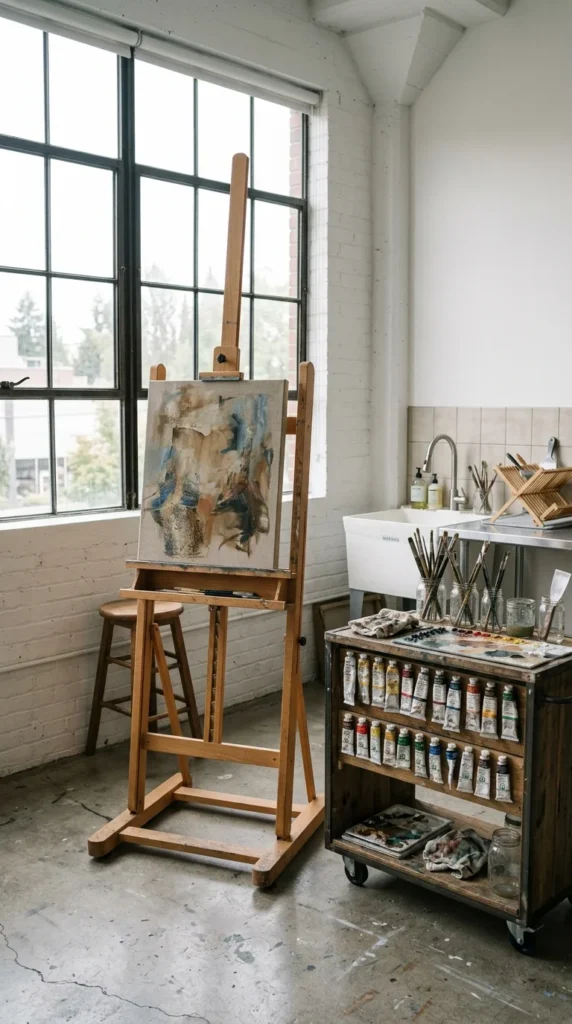
An art atelier should prioritize light and ease of cleanup. North-facing windows provide the most consistent light for painting. Choose flooring that is easy to wipe down, such as polished concrete or linoleum, and include a utility sink for washing brushes and palettes. A rolling taboret or cart allows you to move your supplies exactly where you need them.
5. Gaming Den
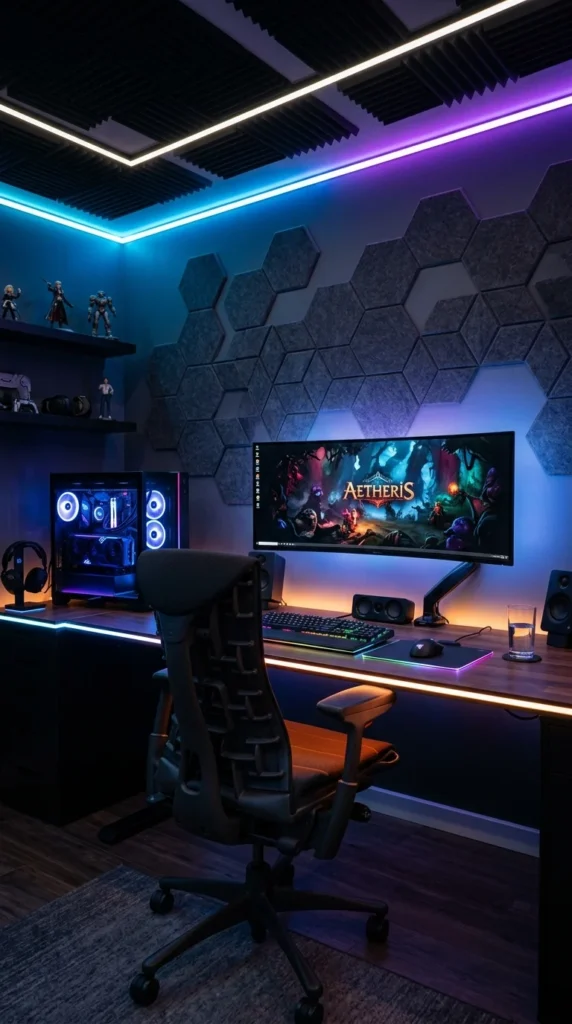
The ultimate gaming den blends high-performance tech with immersive aesthetics. Invest in an ergonomic setup to support long sessions and use smart lighting to set the mood. Cable management is crucial here; use desk grommets and under-desk trays to keep wires hidden, maintaining a sleek, futuristic look.
6. Yoga Studio
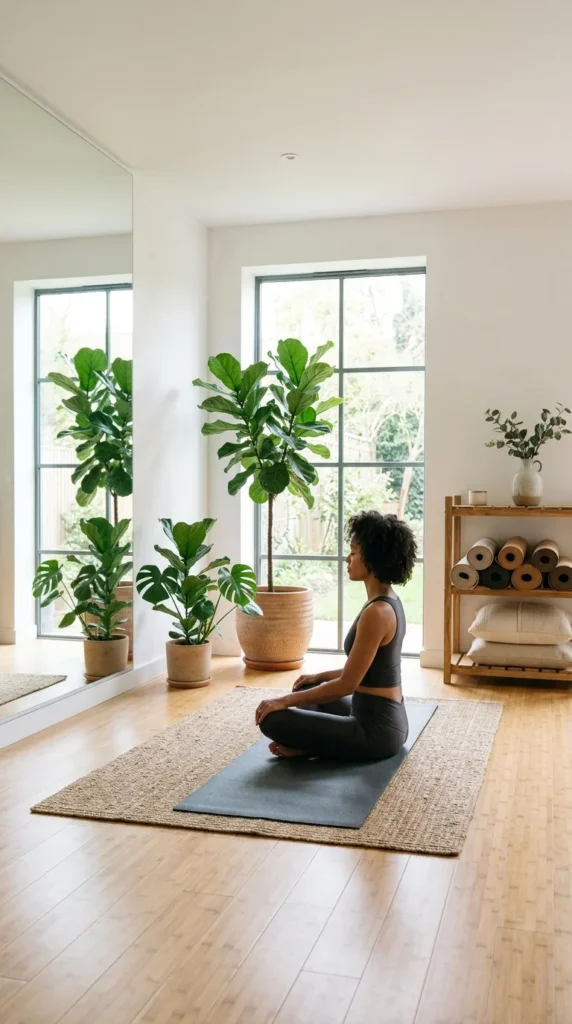
A successful yoga or meditation space relies on minimalism and tranquility. Clear the clutter to allow for movement and use a neutral color palette to promote calm. Incorporate natural elements like wood and indoor plants to improve air quality and create a grounded, Zen-like environment.
7. Woodworking Workshop
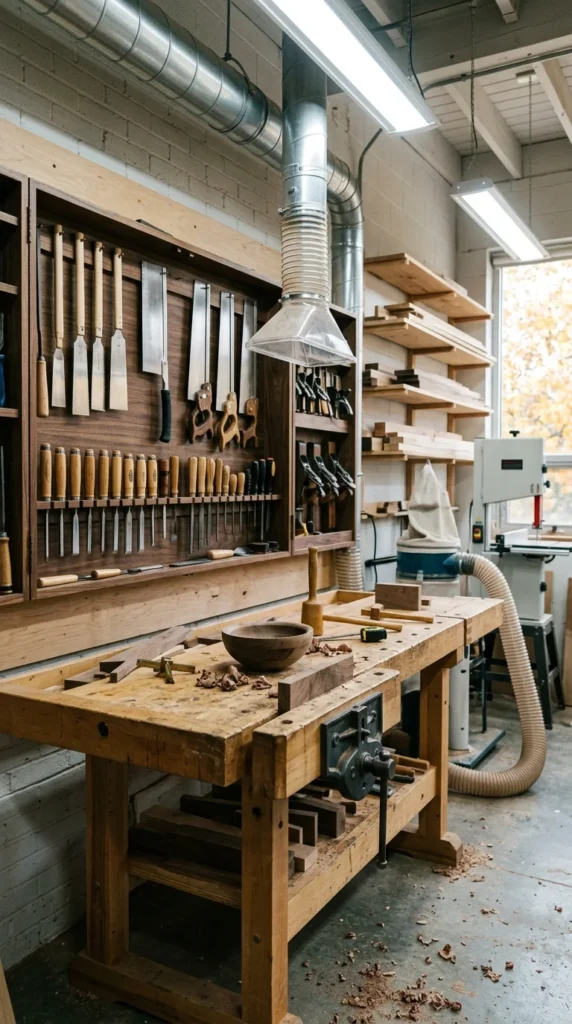
Safety and workflow are the priorities in a woodworking shop. Ensure the space is well-ventilated and equipped with a robust dust collection system. Organize tools by frequency of use and maintain clear pathways around large machinery like table saws and lathes. Heavy-duty lighting is a must for precision work.
8. Photography Studio
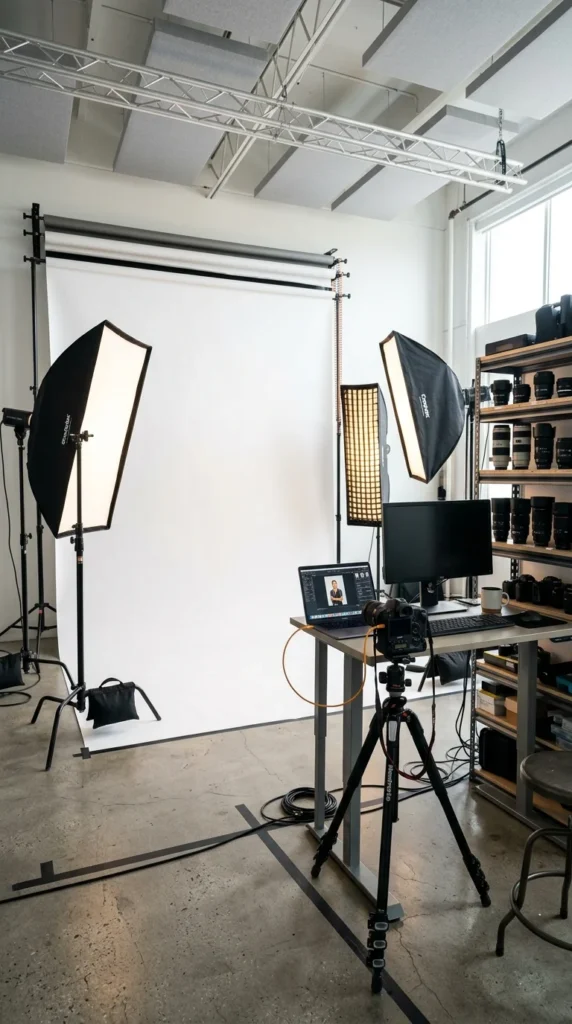
A photography studio needs versatility. Use a rail system for backdrops to quickly switch between colors and textures. Ensure there is plenty of floor space for light stands and tripods. A dedicated “digital darkroom” area with a color-calibrated monitor is also essential for post-processing work.
9. Sewing Room
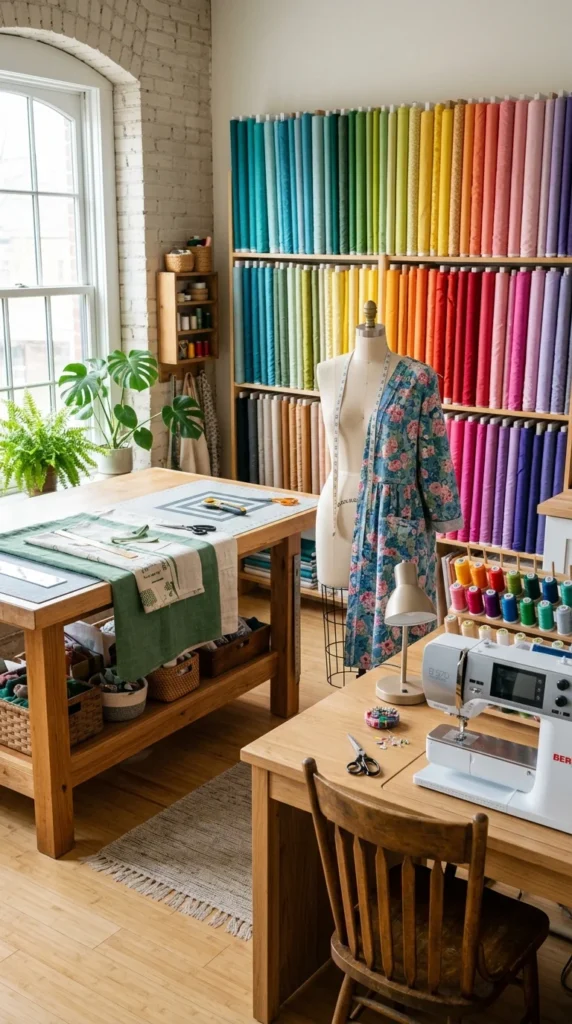
In a sewing room, ergonomics play a major role. A cutting table at waist height prevents back strain, while a specialized sewing desk keeps the machine at the correct level for seated work. Use clear drawers or open shelving to store fabric, making it easy to see your inventory at a glance.
10. Culinary Lab
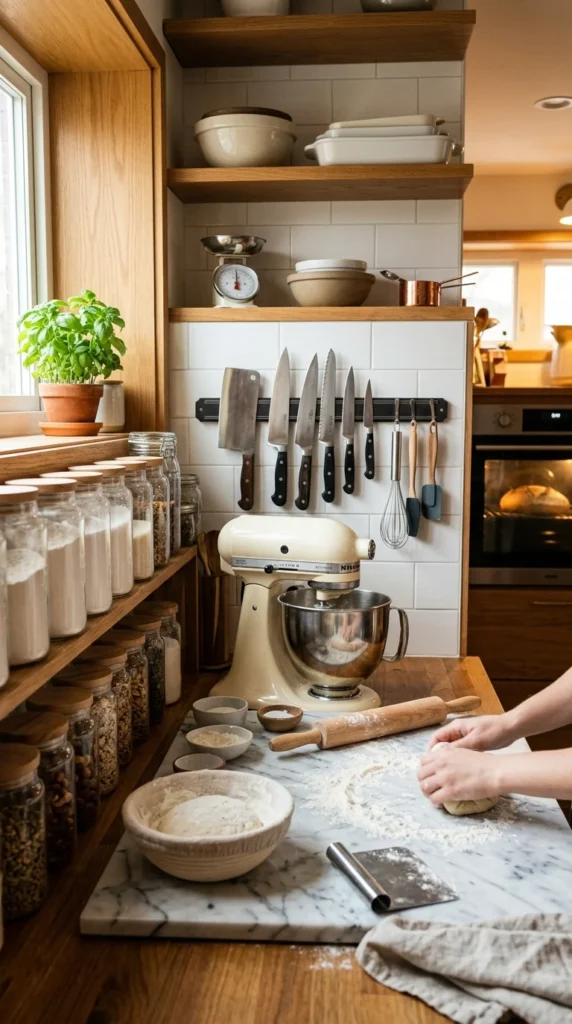
For those who love to experiment with food, a culinary lab or “chef’s pantry” provides the space that a standard kitchen might lack. Specialized equipment, like sous-vide machines or fermentation stations, can be permanently housed here. Use professional-grade surfaces like stainless steel or marble for durability and hygiene.
11. Gardening Hub
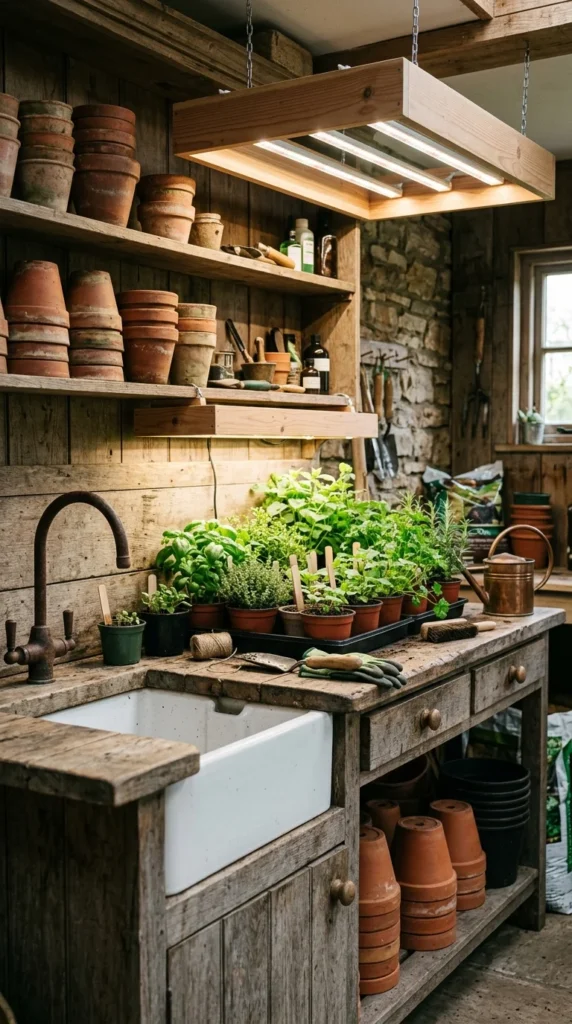
An indoor gardening hub or potting room is perfect for the urban gardener. Include a deep utility sink and a waterproof workbench for repotting plants. Integrated grow lights allow you to start seeds year-round, while wall-mounted racks can hold trowels, pruners, and watering cans.
12. Home Cinema
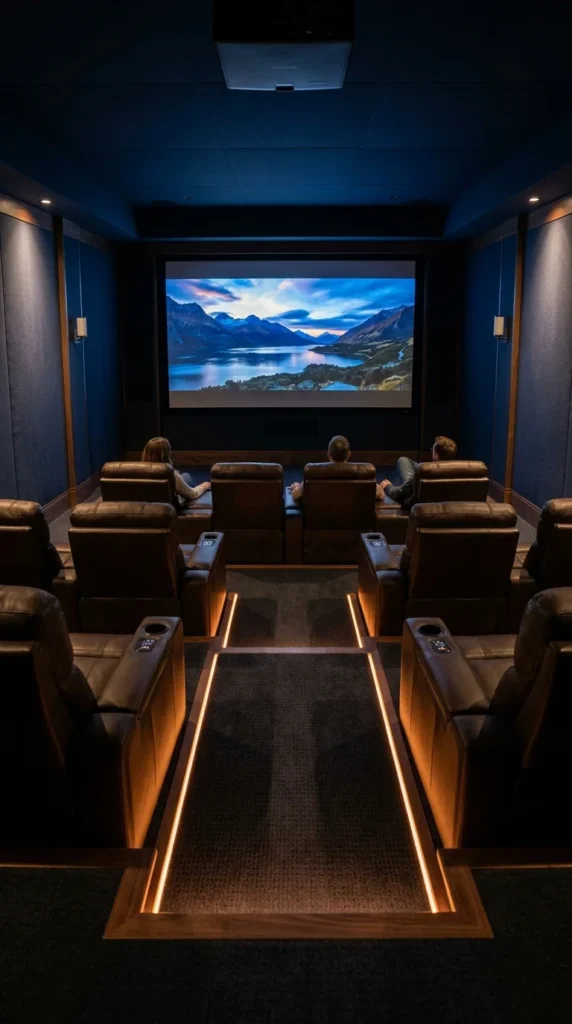
The home cinema is the pinnacle of leisure. Focus on light control with blackout curtains and dark matte paint to prevent screen glare. Tiered seating ensures everyone has a great view, and integrated surround sound speakers provide an immersive audio experience.
13. Writing Nook
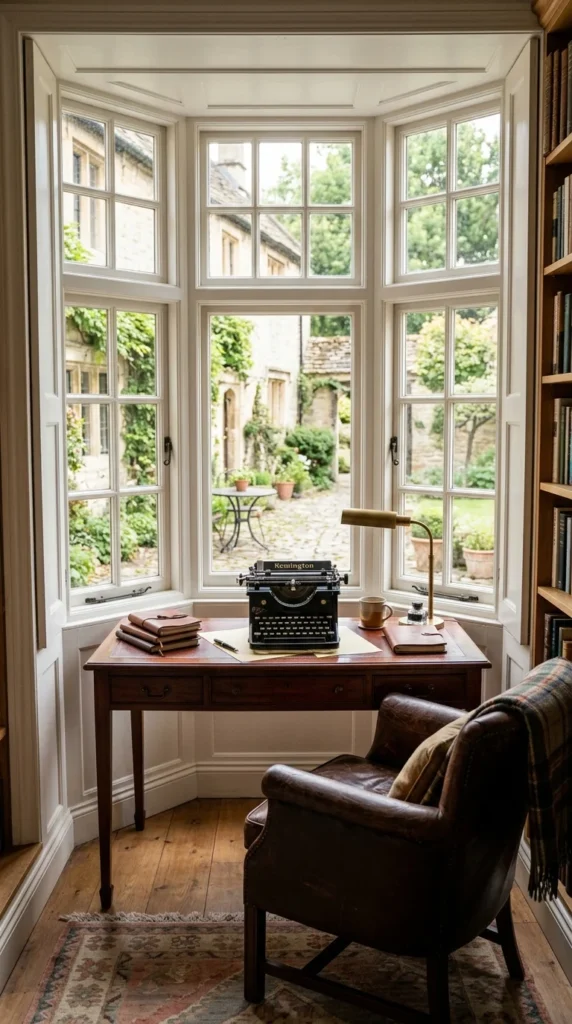
A writing nook should be a distraction-free zone. Position the desk near a window for inspiration but keep the surrounding area simple. A few personal mementos and a high-quality lamp can make the space feel inviting without becoming cluttered.
14. Fitness Suite
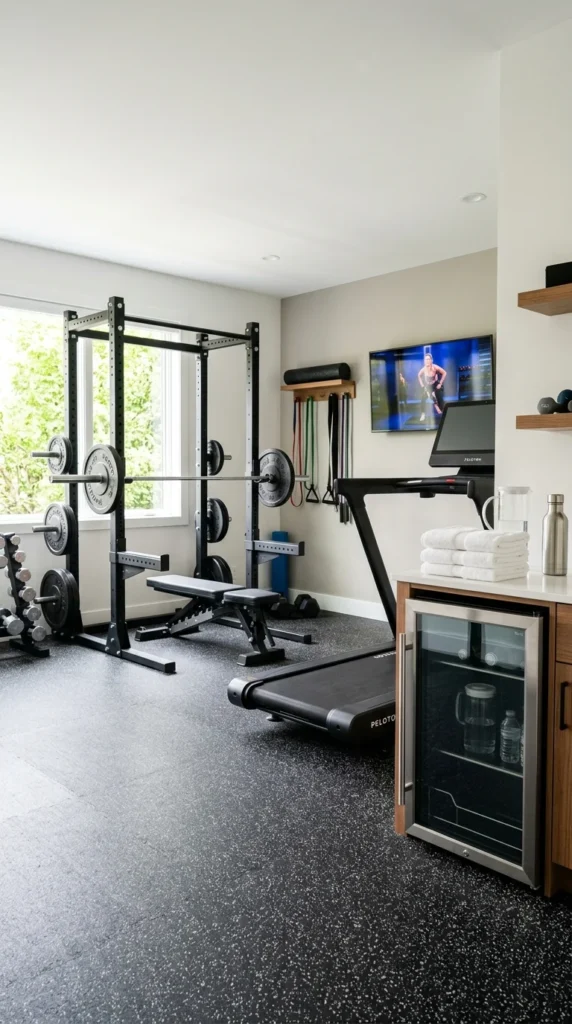
A home fitness suite should be as motivating as it is functional. Use durable rubber flooring to protect the subfloor and dampen noise. Mirrors are essential for monitoring form, while a dedicated sound system or TV can help keep energy levels high during workouts.
15. Model Building
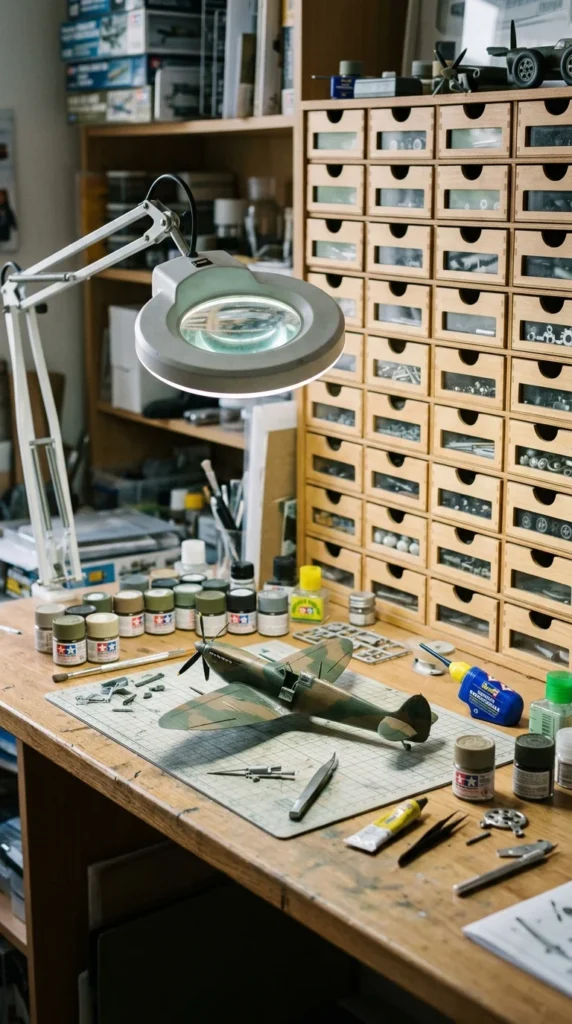
Model building requires extreme precision and organization. A high-quality magnifying lamp and a stable, flat work surface are non-negotiable. Use small-part organizers—similar to those used for hardware or jewelry—to keep tiny components from getting lost.
16. Collector’s Gallery
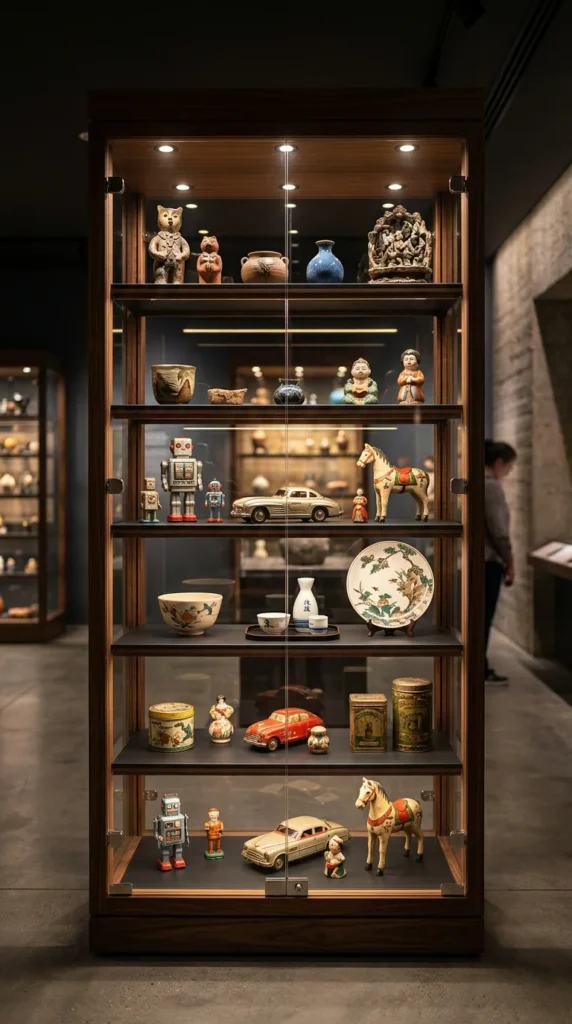
If your hobby is collecting, your room should be a gallery. Use glass-fronted cabinets to protect items from dust while keeping them visible. Individual spotlights or LED strip lighting inside the cabinets can highlight specific pieces and create a professional, curated feel.
17. Mixology Bar
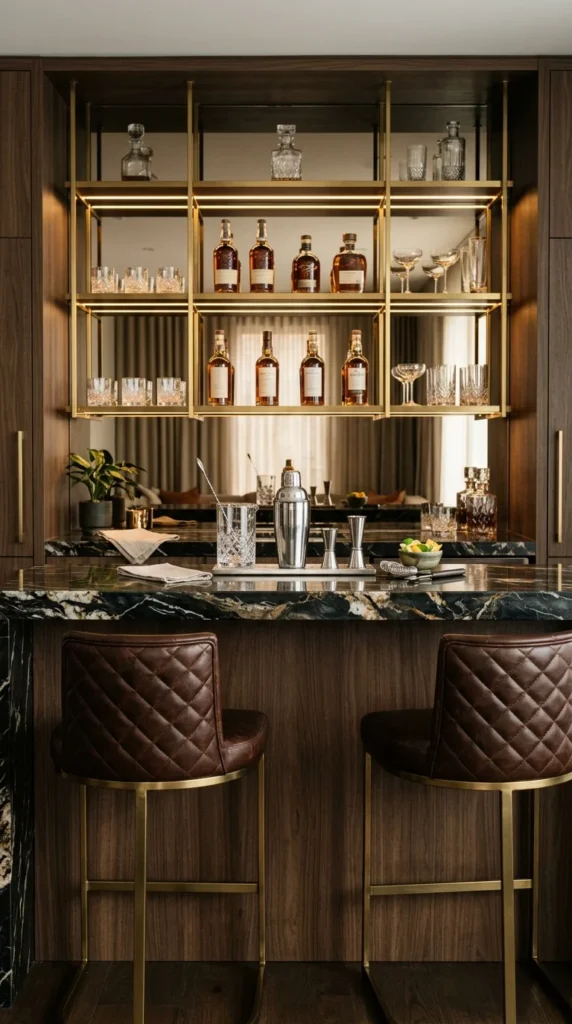
A mixology bar is perfect for the amateur bartender. Include a small bar sink, a dedicated ice maker, and plenty of shelving for spirits and glassware. Mirrored backsplashes and mood lighting can give the space the feel of a high-end lounge.
18. Podcast Studio

For podcasters, sound quality is paramount. A small, carpeted room is ideal for minimizing echo. Desktop boom arms for microphones keep the workspace clear for notes or laptops, and “On Air” signage adds a professional touch.
19. Puzzling Station
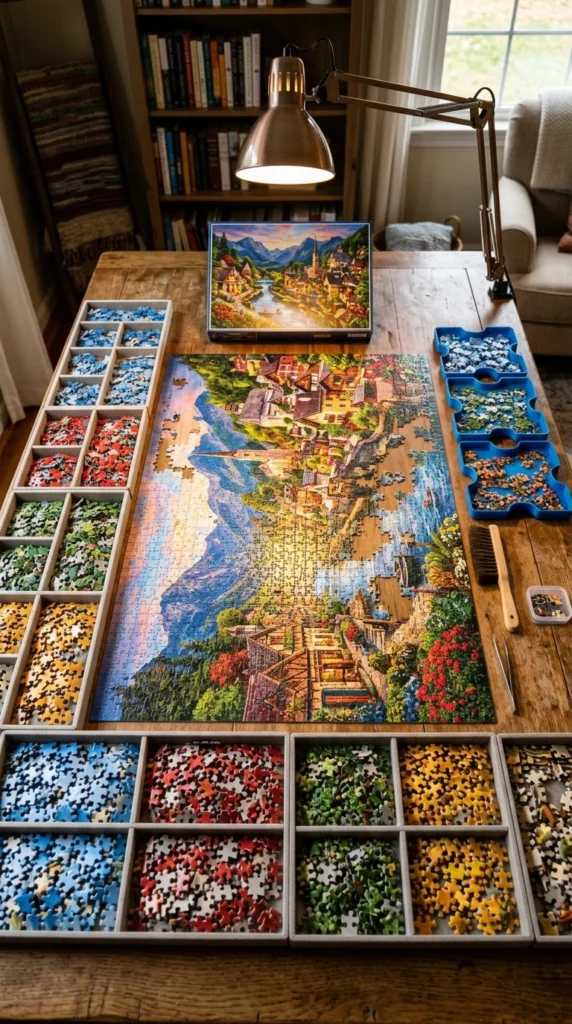
Jigsaw puzzles require a lot of horizontal space and the ability to leave a project out for days. A dedicated puzzle table with sorting drawers allows you to organize pieces by color or edge. Bright, shadow-free overhead lighting is essential for identifying subtle color gradients.
20. Astronomy Lookout
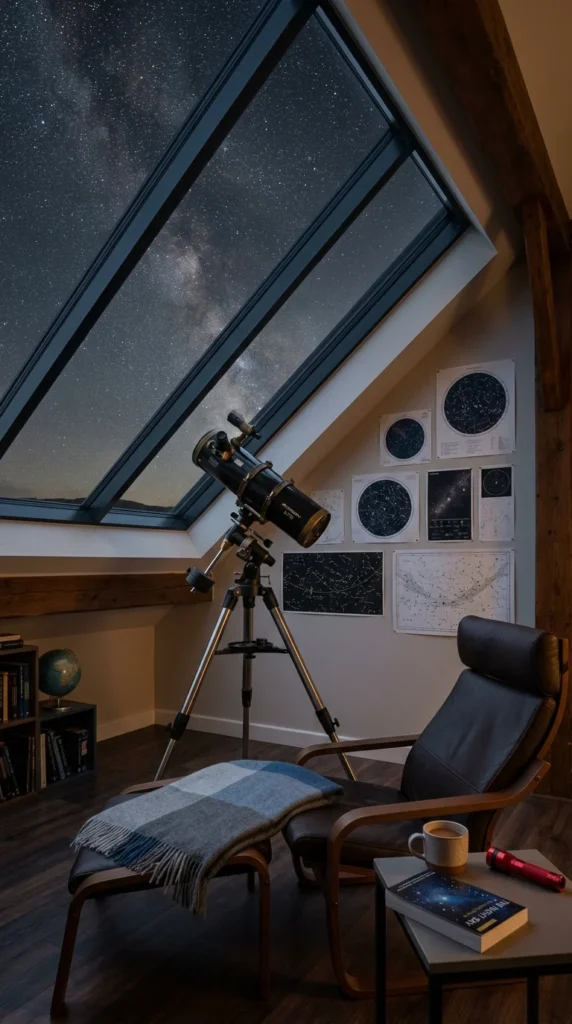
An astronomy room is best located on the highest floor with access to a balcony or a large skylight. Keep the room dark to allow your eyes to adjust, using red-light lamps for navigation. Storage for lenses and star charts should be easily accessible.
21. Textile Weaving Room
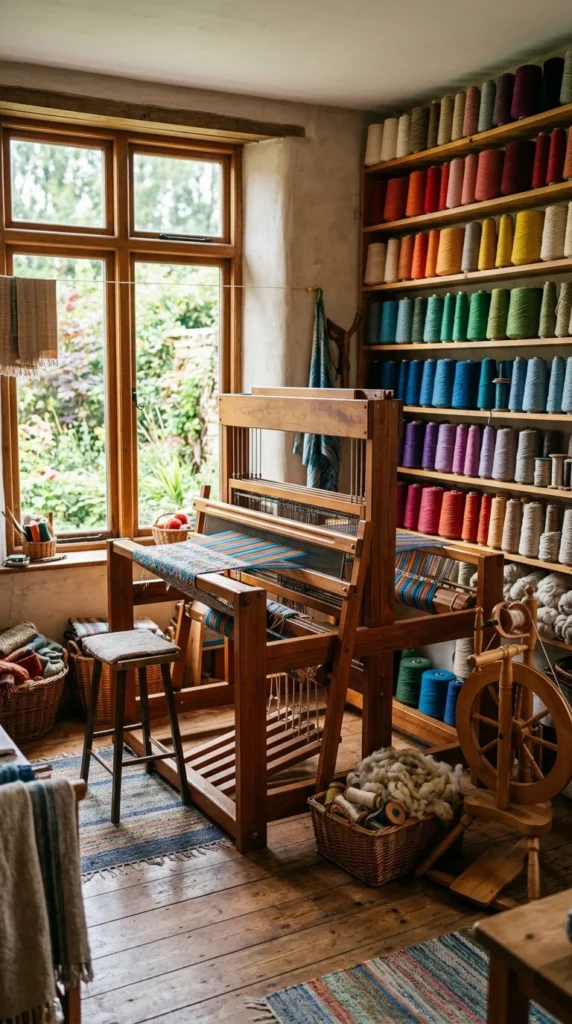
Textile arts like weaving require significant floor space for looms and ample storage for yarn. Use open cubbies to organize yarn by fiber type and color, which also adds a beautiful, textured element to the room’s decor.
22. Jewelry Making Bench
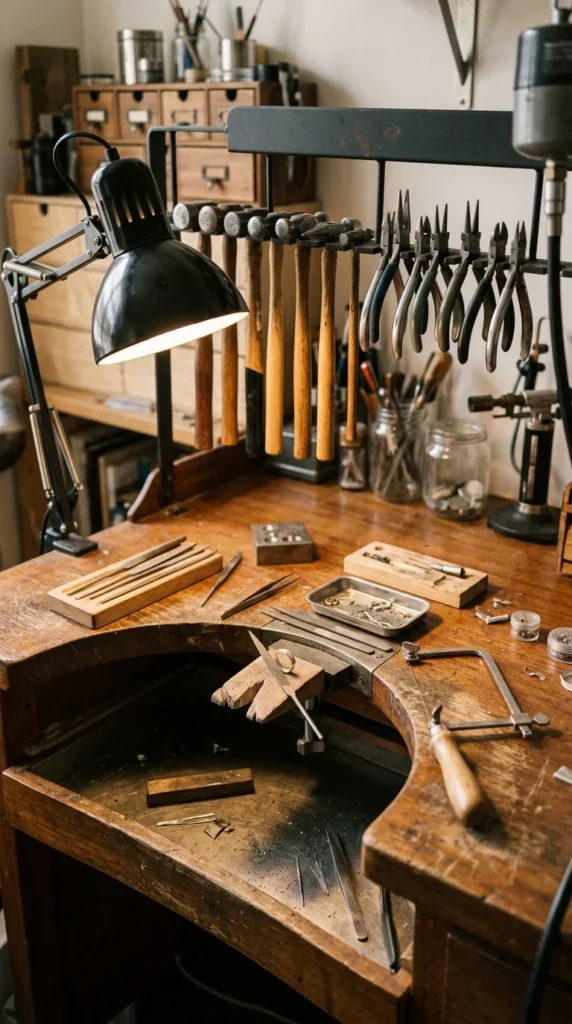
Jewelry making involves many specialized hand tools. A traditional jeweler’s bench with a “bench pin” and a “catch tray” for metal filings is the centerpiece of this hobby room. Ensure you have excellent task lighting and a comfortable, adjustable stool.
23. Arcade Room

For the retro gamer, an arcade room is a colorful blast from the past. Use neon signs and bold graphics to enhance the theme. Ensure you have enough electrical outlets and dedicated circuits to handle the power load of multiple vintage machines.
24. Indoor Golf Sim

An indoor golf simulator requires high ceilings and a wide-open area. The room is dominated by the impact screen and the turf hitting mat. This space often doubles as a high-end media room due to the large projection setup.
Tips for Designing Your Hobby Room
- Prioritize Lighting: Every hobby has different lighting needs. Art and sewing require natural light; gaming and cinema require darkness; while woodworking and modeling need intense task lighting.
- Invest in Storage: Clutter is the enemy of creativity. Use a mix of open shelving for items you use frequently and closed cabinets for things you want to keep tucked away.
- Think About Power: Modern hobbies often require multiple electronics. Plan your outlet locations carefully and consider built-in USB ports or hidden cable runs.
- Reflect Your Personality: This is your personal space. Don’t be afraid to use bold colors, display your finished work, or incorporate decor that makes you feel inspired.
Conclusion
A hobby room is an investment in your personal growth and happiness. By dedicating a specific area of your home to the activities you love, you create a boundary that allows you to fully immerse yourself in your passions. Whether you have an entire basement or just a small spare bedroom, these ideas demonstrate that with thoughtful design and organization, any space can become a stylish and inspiring retreat.