
The exterior of your home is the first thing guests, neighbors, and potential buyers see. While landscaping and paint colors play significant roles, the hardscaping—specifically your front walkway—serves as the literal and metaphorical “red carpet” to your residence. Brick remains one of the most popular materials for this purpose due to its timeless aesthetic, durability, and versatility.
Whether you are aiming for a historic colonial look, a rustic cottage feel, or a sleek modern entrance, the way you lay your bricks can transform the entire architectural narrative of your property. Here are ten brick walkway ideas designed to instantly elevate your home’s curb appeal.
1. Running Bond
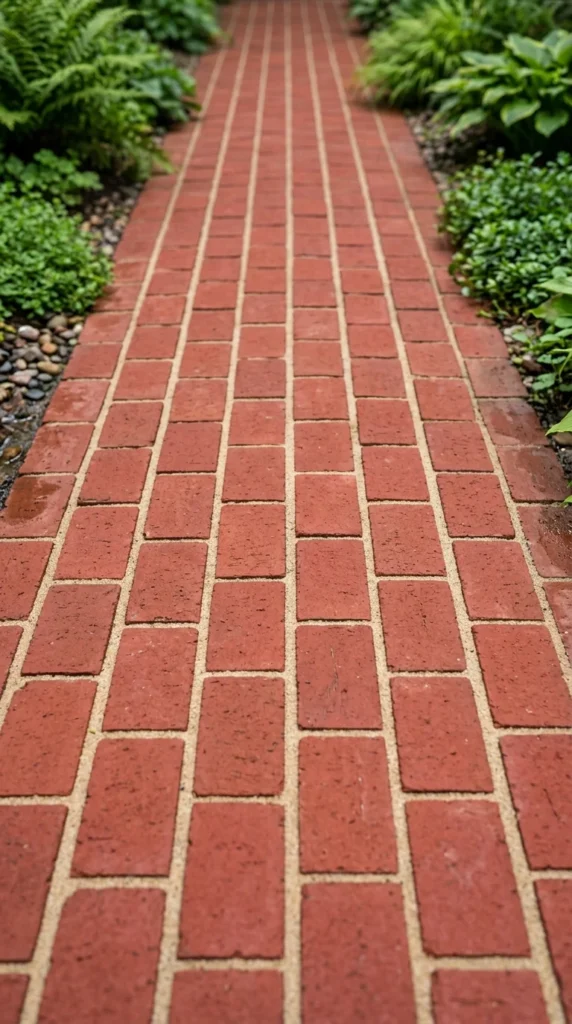
The running bond is perhaps the most recognizable and widely used brick pattern. It consists of bricks laid end-to-end in a straight line, with each row offset by half a brick. This “staggered” look is not only structurally sound but also visually lengthening.
- Visual Impact: This pattern creates long, clean lines that can make a short front yard appear deeper than it actually is.
- Ease of Installation: Because it requires minimal cutting, it is an excellent choice for DIY enthusiasts or projects with a tighter budget.
- Versatility: It complements almost any architectural style, from traditional ranch homes to contemporary builds.
2. Herringbone Pattern
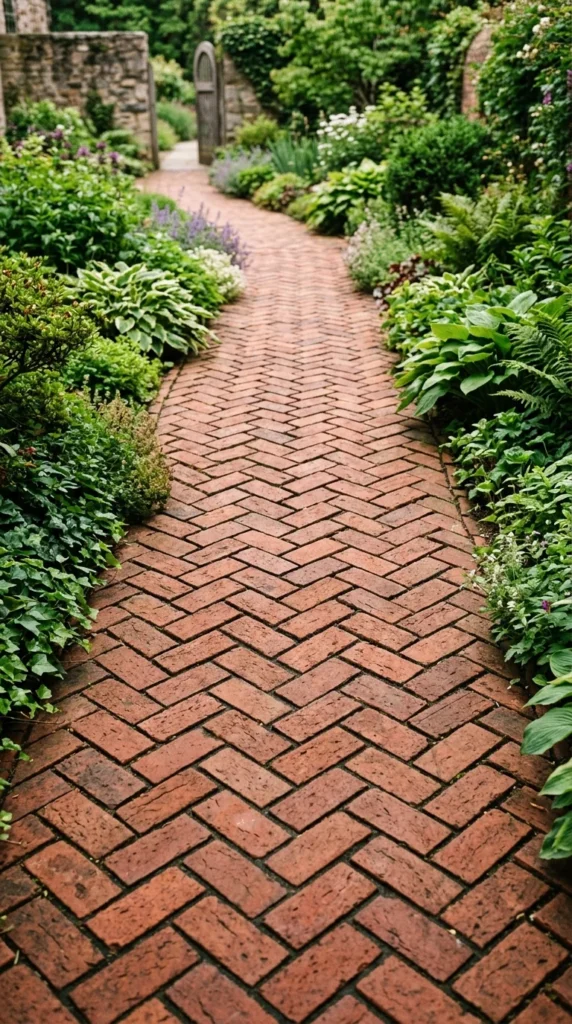
For homeowners looking to add a sense of sophistication and movement to their landscape, the herringbone pattern is an unrivaled choice. Bricks are laid at either 45 or 90-degree angles to one another, creating a rhythmic zig-zag effect.
- Structural Integrity: This is one of the strongest patterns available. The interlocking nature of the bricks prevents them from shifting over time, making it ideal for high-traffic areas.
- Formal Aesthetic: The herringbone pattern exudes a high-end, European feel often seen in historic estates and upscale urban brownstones.
- Tension and Texture: The diagonal lines break up the monotony of a flat lawn, adding a layer of visual “texture” that draws the eye directly to the front door.
3. Basketweave Design
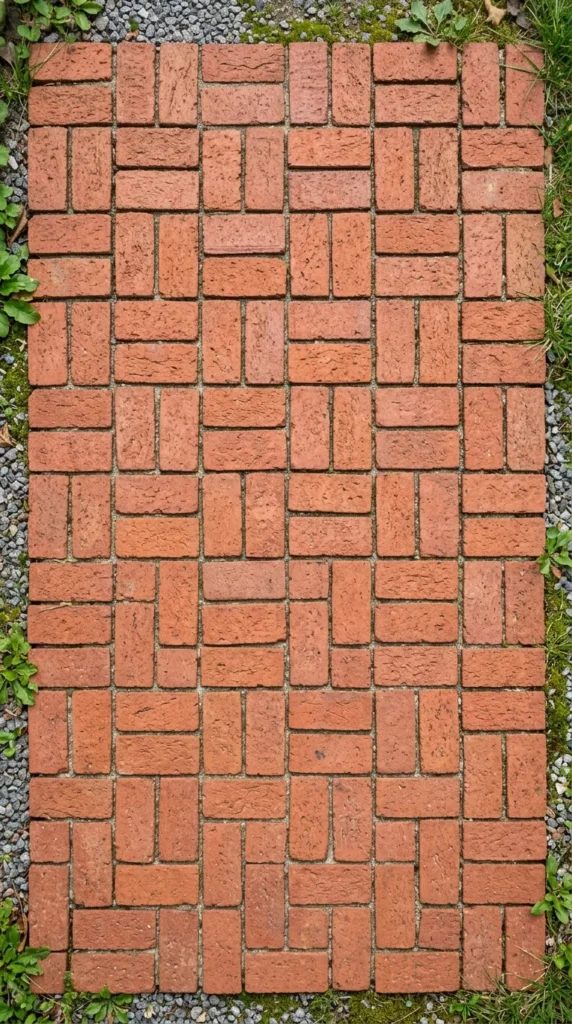
The basketweave pattern is a nostalgic, traditional design that evokes the charm of a colonial garden. It involves laying bricks in pairs (or triplets), alternating between horizontal and vertical orientations to create a “woven” appearance.
- Historical Charm: This design is perfect for older homes or those designed in a “New England” or “Cottage” style.
- Color Play: You can use two different shades of brick to emphasize the weave, creating a checkered or patterned effect that adds personality.
- Compact Spaces: Because the pattern is repetitive and contained, it works exceptionally well for small entryways or landing areas near steps.
4. Curved Pathways
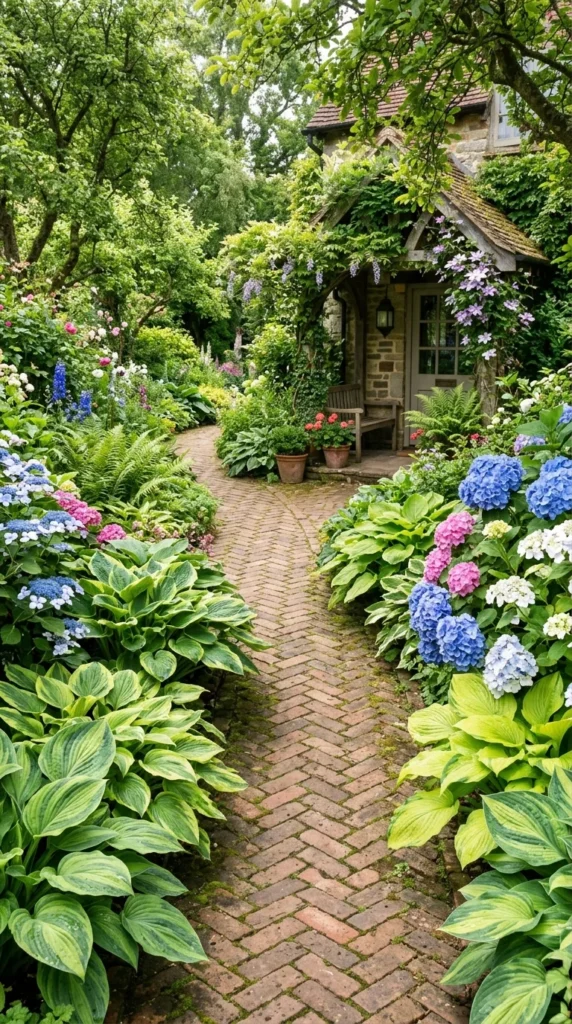
While straight lines suggest formality and efficiency, curved walkways suggest discovery and relaxation. Using bricks to create a meandering path can soften the harsh angles of a house and integrate the structure more naturally into the surrounding landscape.
- Organic Flow: Curves are more inviting and feel less rigid. They allow the visitor to slow down and appreciate the surrounding landscaping.
- Softening Modern Architecture: If your home has many sharp, modern edges, a curved brick path can provide a necessary visual balance.
- Technique: Achieving a curve with rectangular bricks requires wider joints on the outer edge or custom-cut “pie” shaped bricks to maintain a smooth arc.
5. Reclaimed Bricks
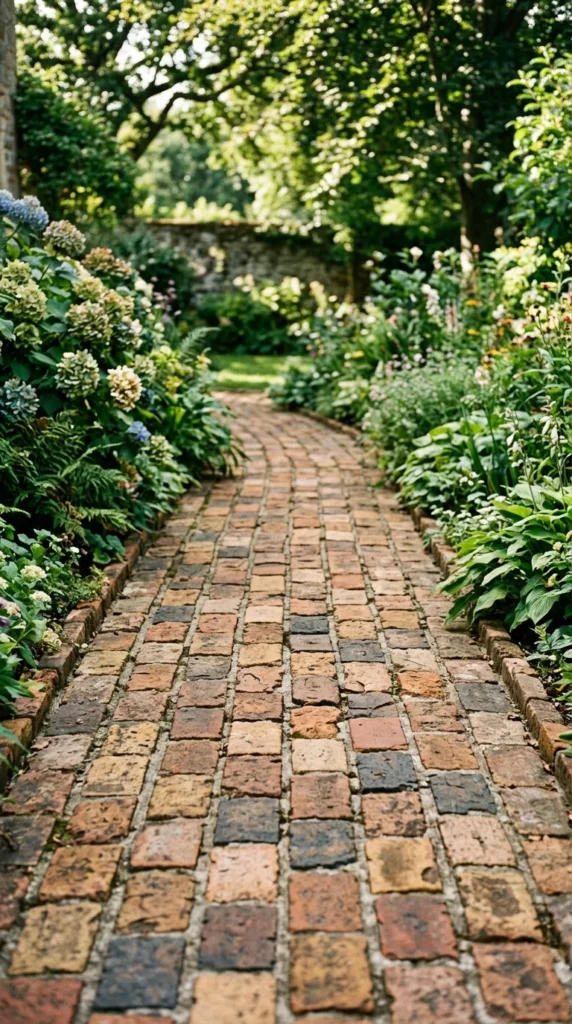
There is a unique beauty in the “imperfect.” Reclaimed or “antique” bricks bring a sense of history and soul to a home that new materials simply cannot replicate. These bricks often come from demolished historic buildings and feature varied textures and color gradients.
- Eco-Friendly Choice: Using reclaimed materials is a sustainable way to landscape, reducing the carbon footprint of your home improvement project.
- Instant Maturity: A reclaimed brick path makes a new home look like it has been part of the neighborhood for decades, providing a “lived-in” elegance.
- Color Variance: The natural weathering of old bricks offers a palette of deep reds, scorched oranges, and mossy grays that look stunning against a green lawn.
6. Mixed Materials
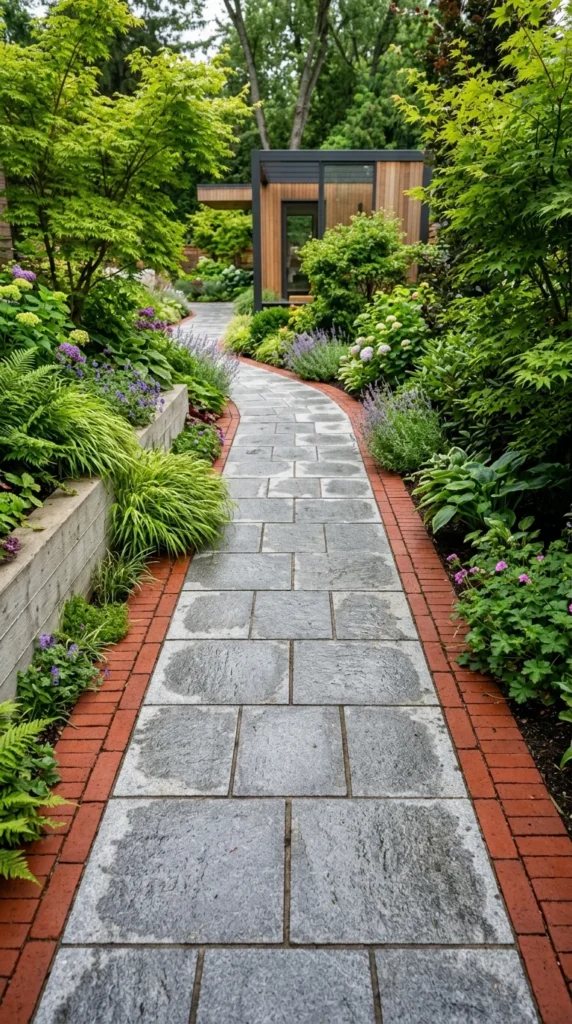
You don’t have to limit your walkway to just brick. Combining brick with other materials like natural stone, gravel, or concrete pavers can create a custom, high-design look that stands out from the rest of the street.
- Contrast: Using a brick border (soldier course) around a field of bluestone or gravel provides a clean frame that makes the interior material “pop.”
- Zoning: Different materials can be used to signal transitions, such as moving from the sidewalk to the private entry path.
- Modern Twist: Combining the warmth of brick with the cool tones of gray slate or concrete creates a balanced, transitional aesthetic.
7. Stacked Bond
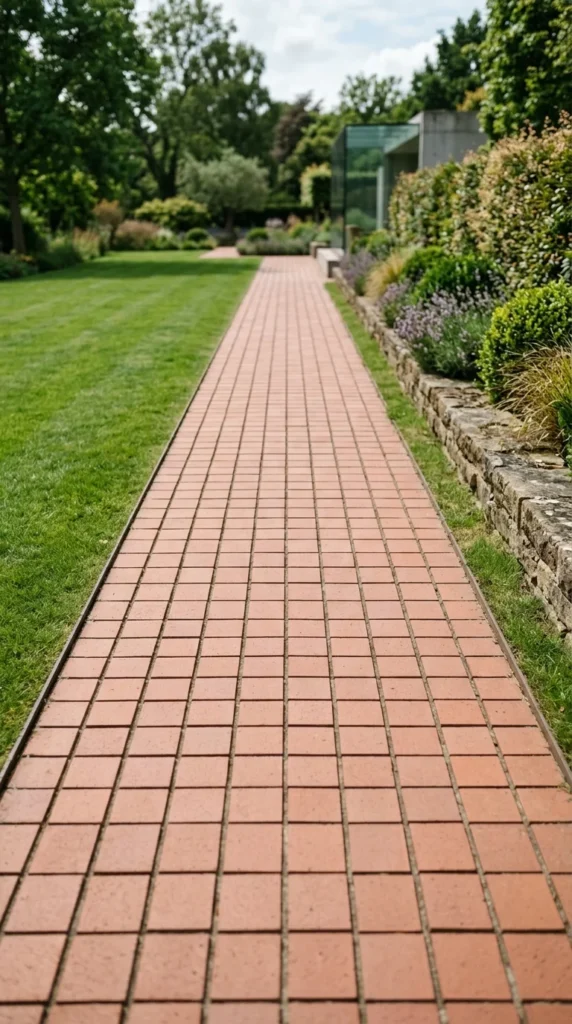
For those who prefer a minimalist or modern aesthetic, the stacked bond pattern is the ultimate choice. In this layout, bricks are aligned perfectly both horizontally and vertically, creating a grid.
- Architectural Precision: This pattern emphasizes the geometry of the brick itself. It looks best with bricks that have very straight edges and uniform colors.
- Modern Appeal: While the running bond is traditional, the stacked bond feels industrial and contemporary.
- Visual Direction: When laid vertically (leading toward the door), it creates a very strong “lead-in” line that focuses the viewer’s attention.
8. Bordered Accents
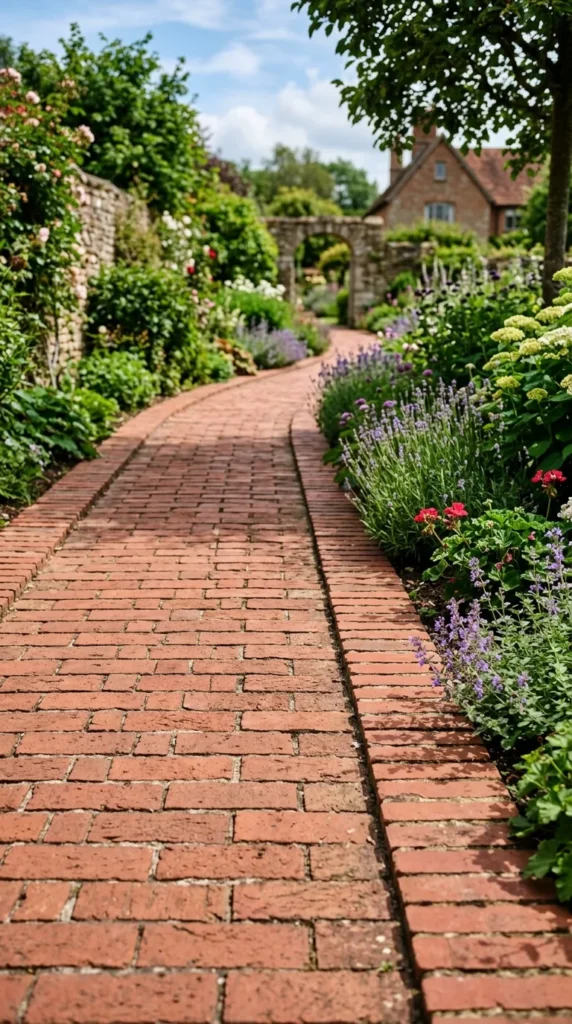
A border, often called a “soldier course” (bricks stood vertically) or a “sailor course” (bricks laid horizontally but perpendicular to the path), acts as a frame for your walkway.
- Definition: A border provides a crisp, finished edge that separates the walkway from the lawn or mulch beds.
- Polished Look: It prevents the walkway from looking “unfinished” and adds a layer of professional craftsmanship.
- Material Highlighting: You can use a slightly darker or different colored brick for the border to create a “picture frame” effect for the inner pattern.
9. Circular Motifs
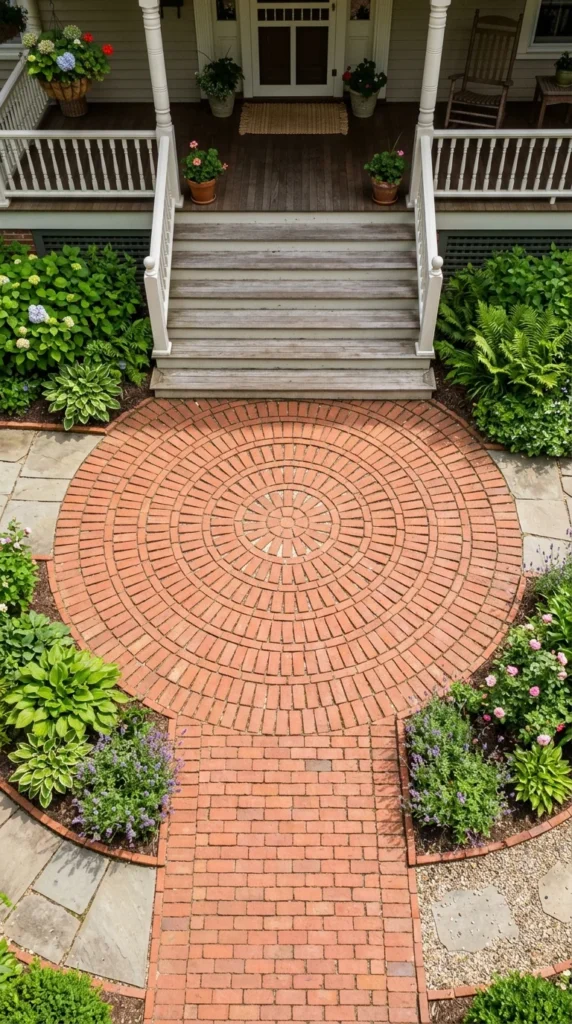
If you have a large front yard or a wide landing area, a circular brick motif can serve as a stunning focal point. This involves laying bricks in concentric circles or a sunburst pattern.
- Focal Point: It breaks the linear nature of a walkway and creates a “destination” feel at the entrance.
- Grandeur: Circular designs are often associated with grand estates and public plazas, immediately boosting the perceived value of the home.
- Dynamic Design: It allows for creative expression, such as placing a fountain, a flagpole, or a specimen tree in the center of the circle.
10. Stepping Stones
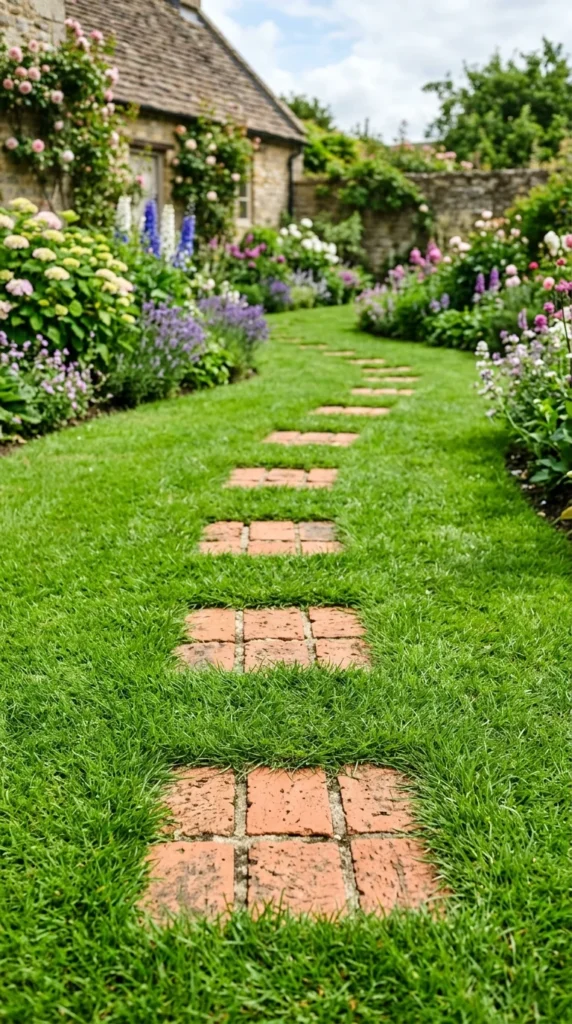
Not every walkway needs to be a solid mass of masonry. For a more casual, garden-style approach, consider “brick stepping stones.” This involves creating small pads of brick (usually 4 to 9 bricks per pad) and spacing them out across a lawn or a bed of groundcover.
- Whimsical Aesthetic: This look is perfect for cottage-style homes, side paths, or secret garden entrances.
- Permeability: Because there is space between the “stones,” water can soak into the ground more easily, making it an eco-conscious drainage solution.
- Integration with Nature: Allowing moss or creeping thyme to grow between the brick pads creates a soft, romantic look that blends the hardscaping with the landscape.