


Dry river beds are more than just an aesthetic choice; they are a functional solution for homeowners seeking to blend natural beauty with practicality. By mimicking the look of a natural watercourse using stones, pebbles, and boulders, you can manage drainage issues, reduce water consumption, and create a striking focal point that requires minimal upkeep. Whether you are dealing with a steep slope or a flat expanse of lawn, dry river rock landscaping offers endless versatility.
1. Serpentine Paths
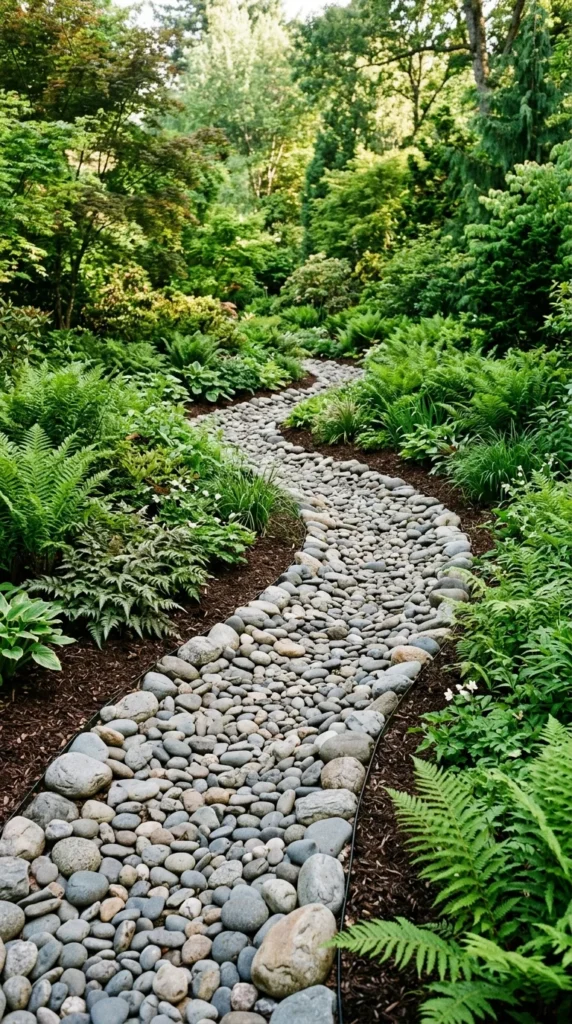
A serpentine path creates a sense of movement and rhythm in your yard. By avoiding straight lines, you mimic the natural flow of water, which draws the eye across the landscape. This technique is particularly effective in long, narrow yards where a curved river bed can break up the monotony and make the space feel larger and more organic.
2. Tiered Waterfalls
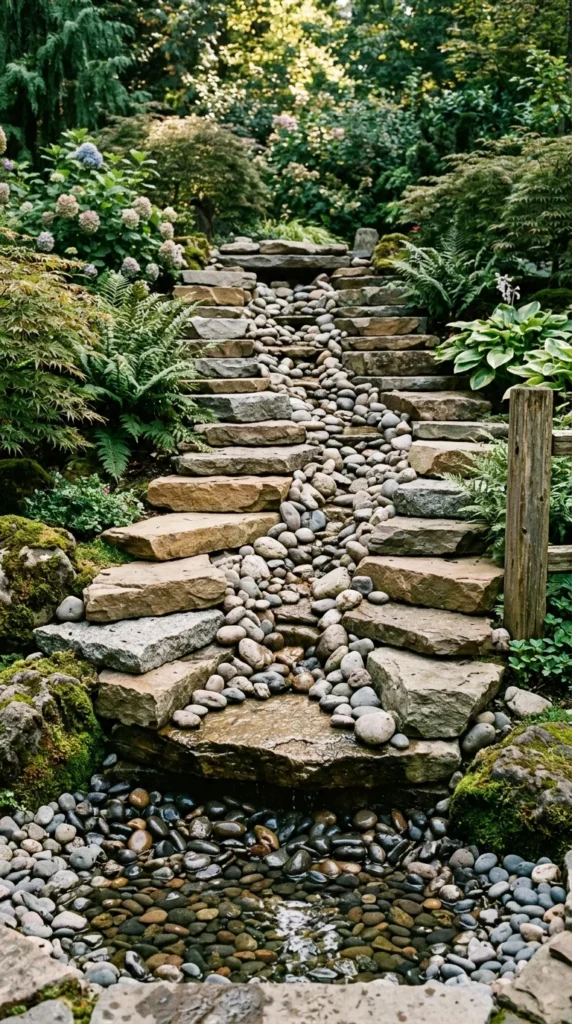
Even without actual water, you can capture the essence of a cascading stream. Using large, flat flagstones to create “shelves” and filling the gaps with smaller river rocks creates a dry waterfall. This adds significant vertical interest to your garden and serves as a dramatic centerpiece that looks stunning year-round.
3. Zen Gardens
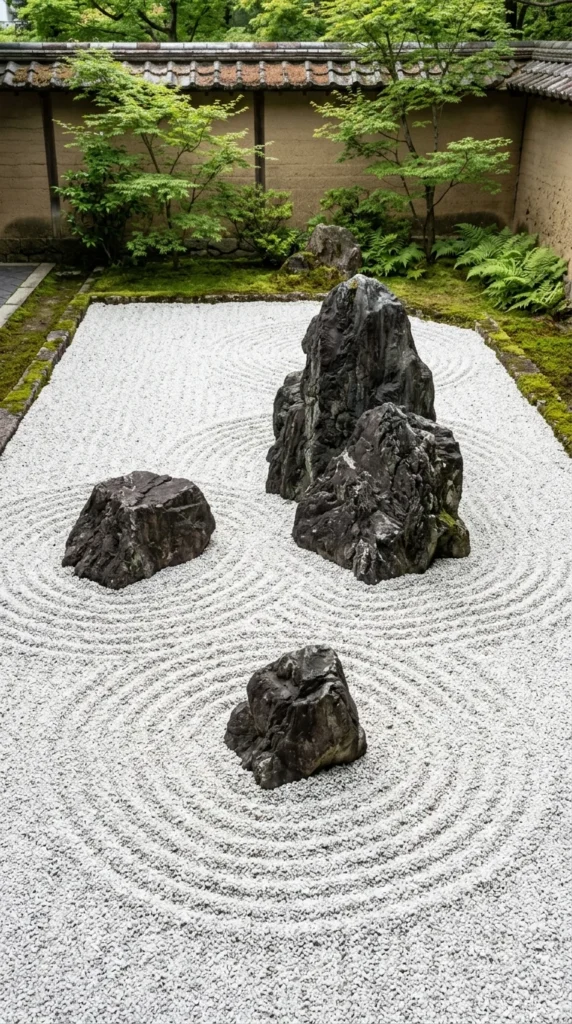
Incorporate dry river rocks into a Zen-inspired space to promote tranquility. Use smaller gravel or pea gravel to represent water and larger smooth stones to act as “islands.” This style emphasizes minimalism and provides a peaceful area for reflection while requiring almost zero maintenance beyond the occasional raking.
4. Succulent Accents
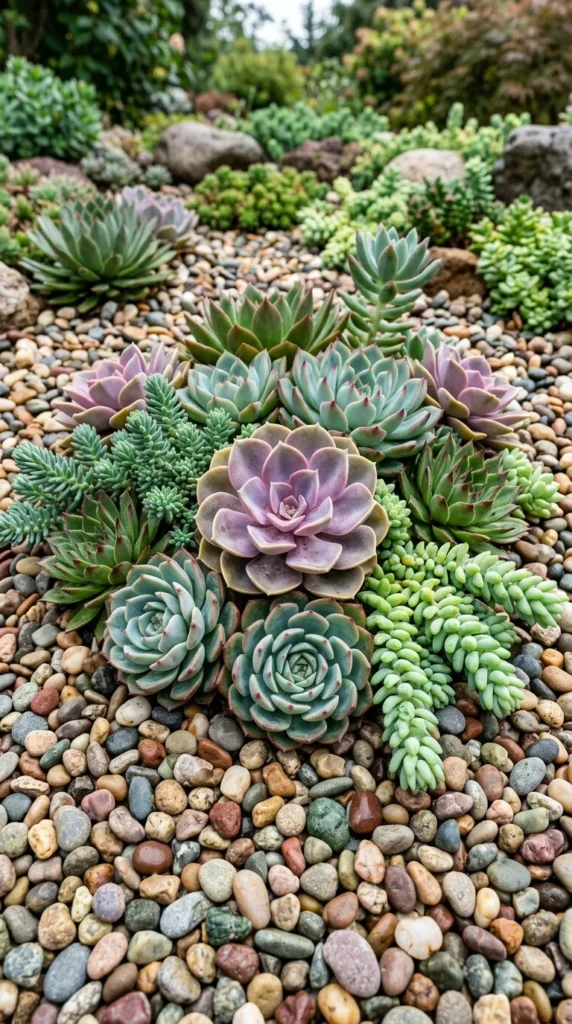
Succulents and river rocks are a match made in landscaping heaven. The rocks provide the excellent drainage that succulents require, while the varied textures of the stones highlight the unique shapes and colors of the plants. Use different sizes of rock to create a naturalistic “desert wash” look.
5. Edge Borders
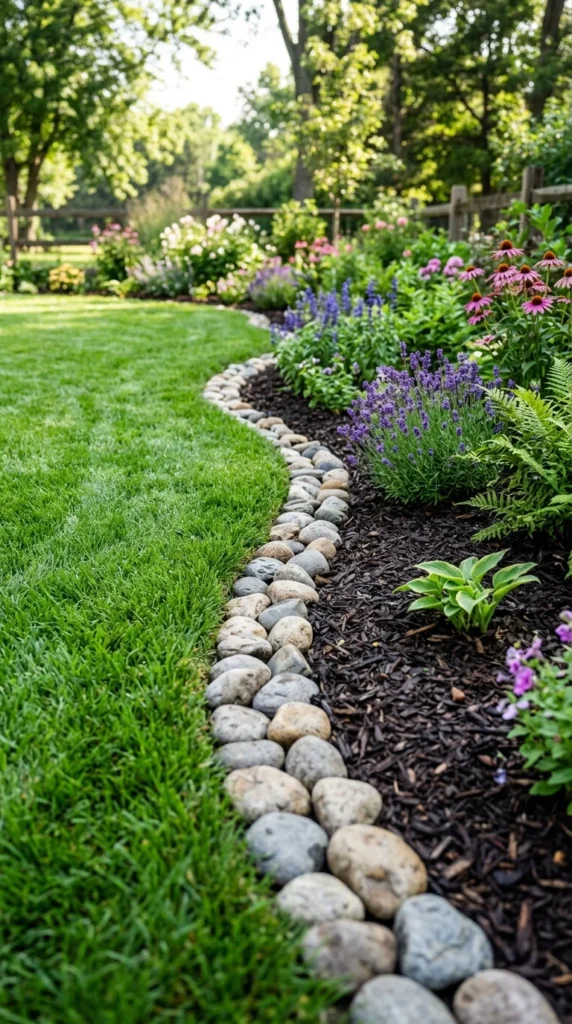
Use river rocks to define the boundaries of your garden beds. Unlike plastic or wood edging, stone borders are permanent and won’t rot or warp. They provide a clean transition between different zones of your yard, such as the lawn and the forest floor, and help prevent mulch from washing away during heavy rain.
6. Fountain Bases
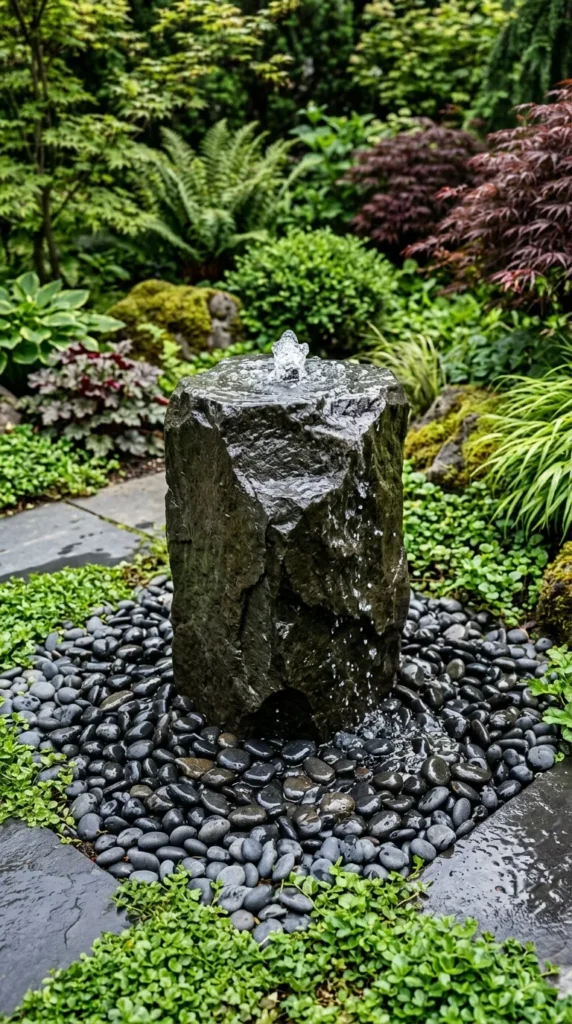
If you have a disappearing fountain or a bubbling rock feature, dry river stones are the perfect medium to cover the underground reservoir. The stones allow water to seep back into the pump system while providing a beautiful, naturalistic base that hides the mechanical components.
7. Boulder Clusters
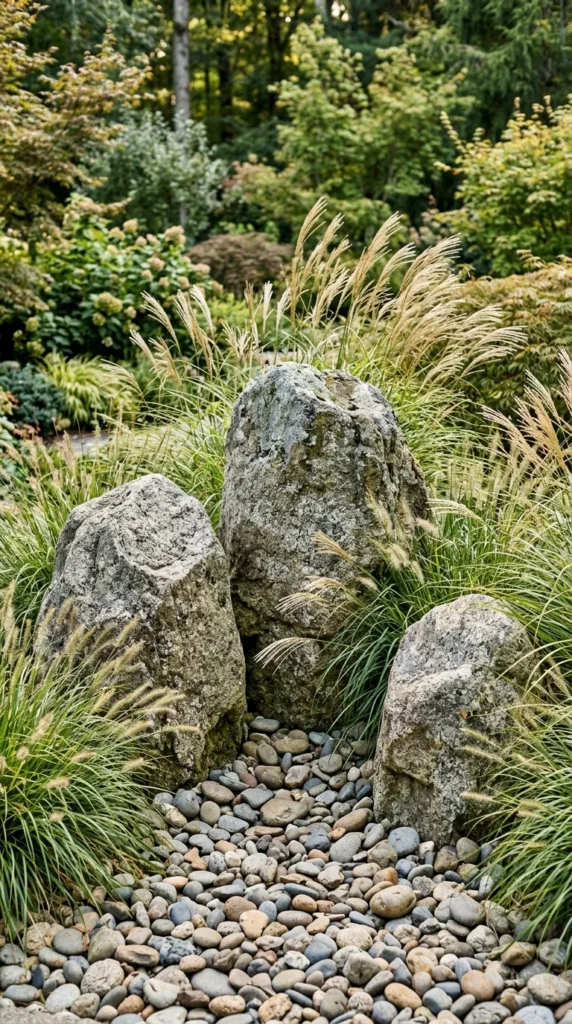
To make a dry river bed look authentic, you must vary the scale of the stones. Incorporating large boulders—often referred to as “anchor stones”—creates visual weight and realism. Place these in clusters of three or five at the bends of your “river” to simulate where a natural current would have deposited them.
8. Island Beds
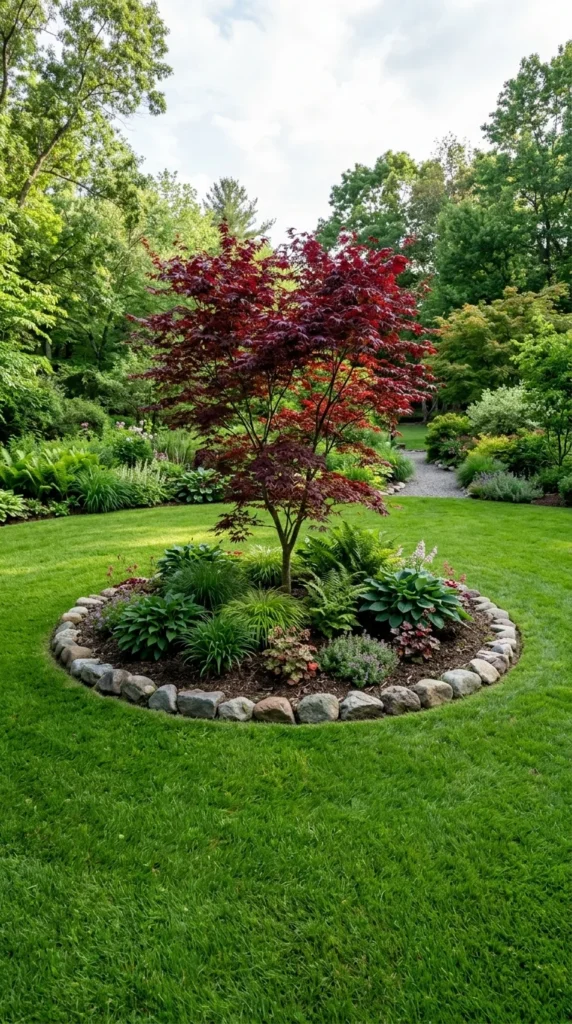
Create a focal point in the middle of your turf by building an island bed edged with river rock. This is an excellent way to reduce the amount of grass you need to mow while adding a sophisticated architectural element to your yard.
9. Creek Beds
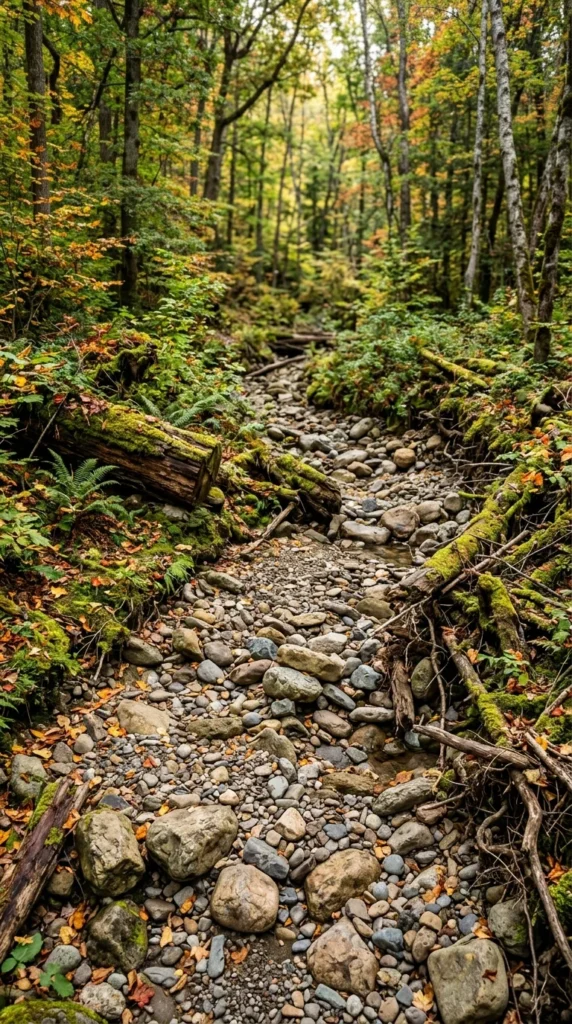
A classic dry creek bed is designed to look like a dormant stream. By using a mix of “river jacks” (larger stones) and smaller pebbles, you can create a realistic texture. This is particularly useful in areas where grass refuses to grow due to heavy shade or poor soil quality.
10. Drainage Solutions
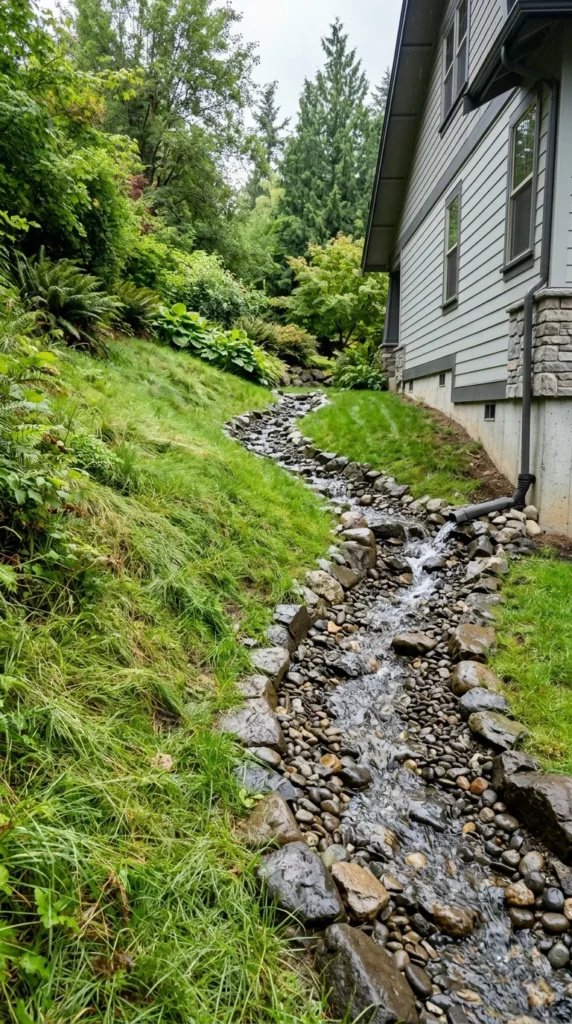
Dry river beds are often the most beautiful way to solve a drainage problem. Instead of a plastic pipe or a concrete ditch, a rock-lined swale can catch runoff from your gutters or a sloping hill and direct it safely away from your home, preventing erosion while looking like a deliberate design choice.
11. Modern Minimalist
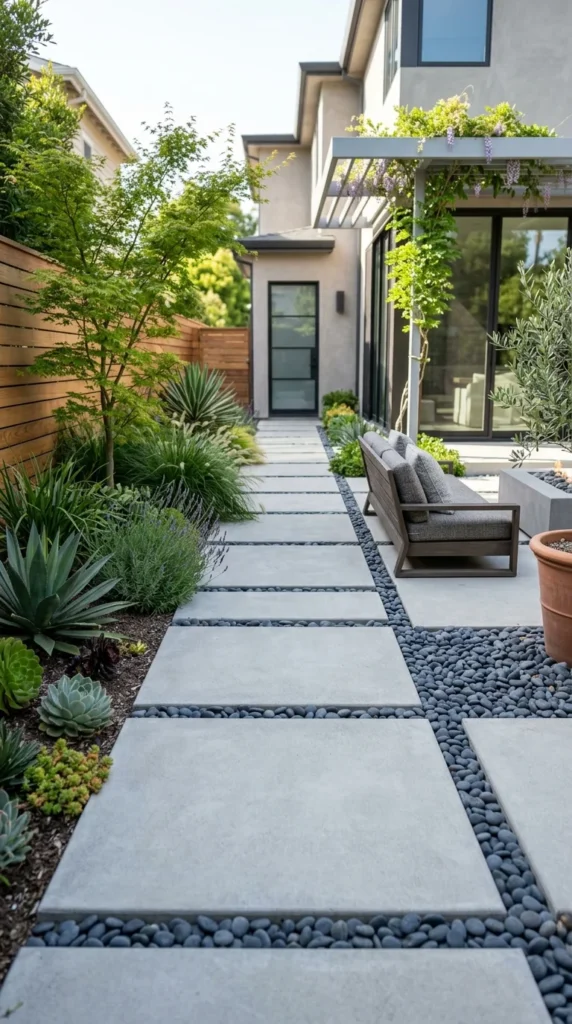
For a contemporary home, use river rocks in a structured, geometric way. Deep grey or black polished pebbles placed in straight lines between concrete pavers create a high-contrast, sophisticated look that complements modern architecture and clean lines.
12. Wildflower Borders
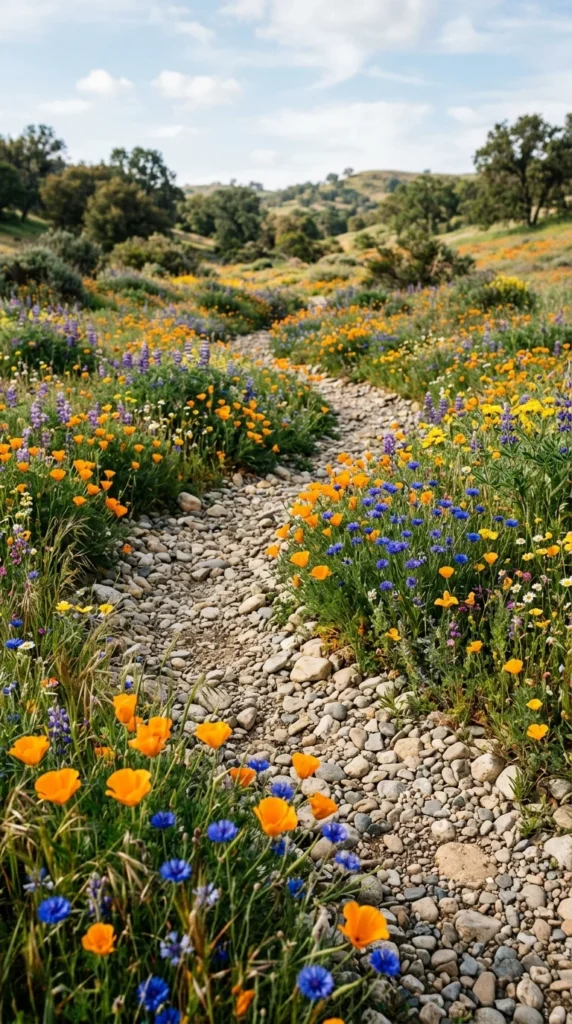
Contrast the hard, permanent nature of stone with the soft, fleeting beauty of wildflowers. Planting native blooms along the edges of a river rock path creates a “meadow” feel. The rocks help keep the soil cool and moist for the plants while providing a clear walking path.
13. Shade Gardens
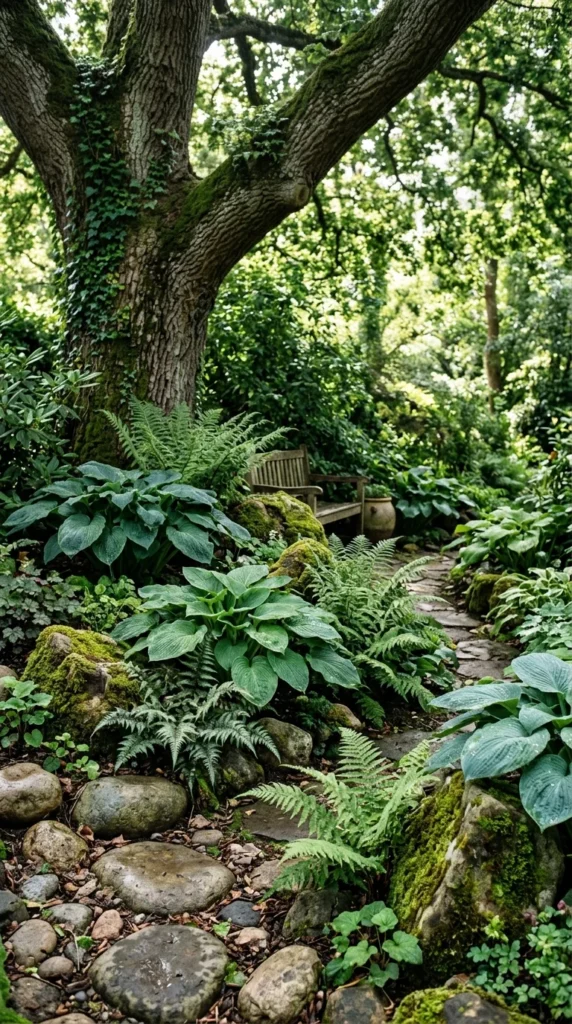
Grass rarely thrives in deep shade, but river rocks do. Create a lush, cool retreat by combining shade-tolerant plants like hostas, astilbes, and ferns with various sizes of river rock. The stones add brightness to dark corners, especially if you choose lighter tan or white rocks.
14. Walkway Inlays
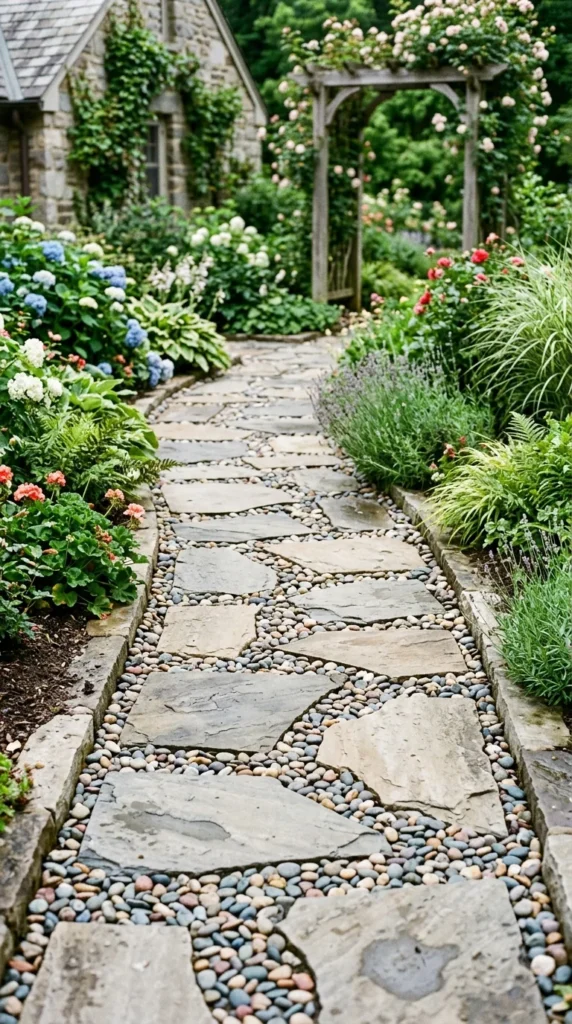
Instead of using mortar or sand between your flagstones, use small river rocks. This creates a more permeable surface that allows rainwater to soak into the ground, reducing runoff. It also adds an extra layer of texture and color to your garden paths.
15. Fire Pit Surround
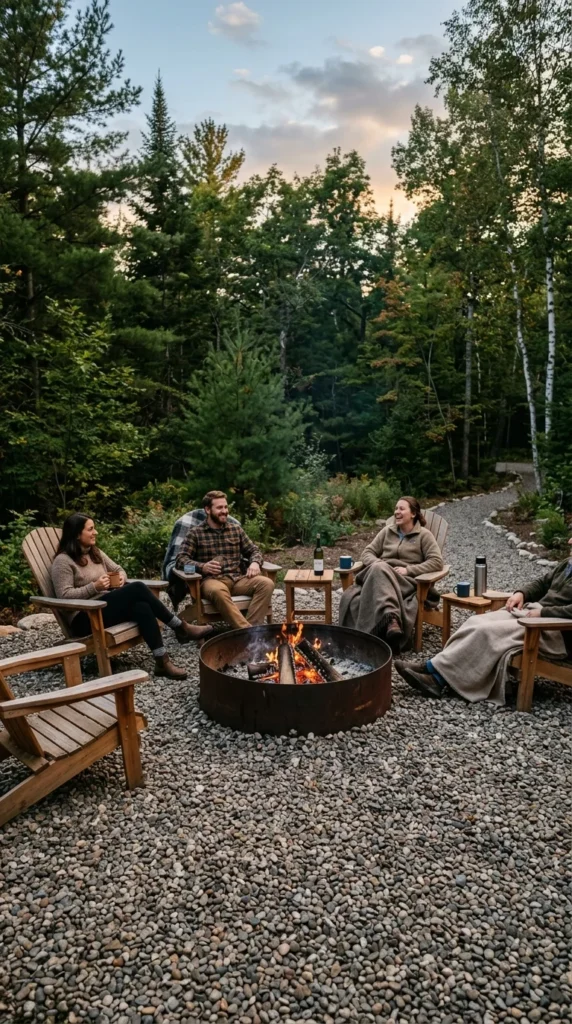
Safety and style go hand-in-hand when you use river rocks as a base for your fire pit. The non-combustible stones provide a stable, level surface for seating and prevent stray sparks from landing on flammable grass or mulch.
16. Slope Stabilization
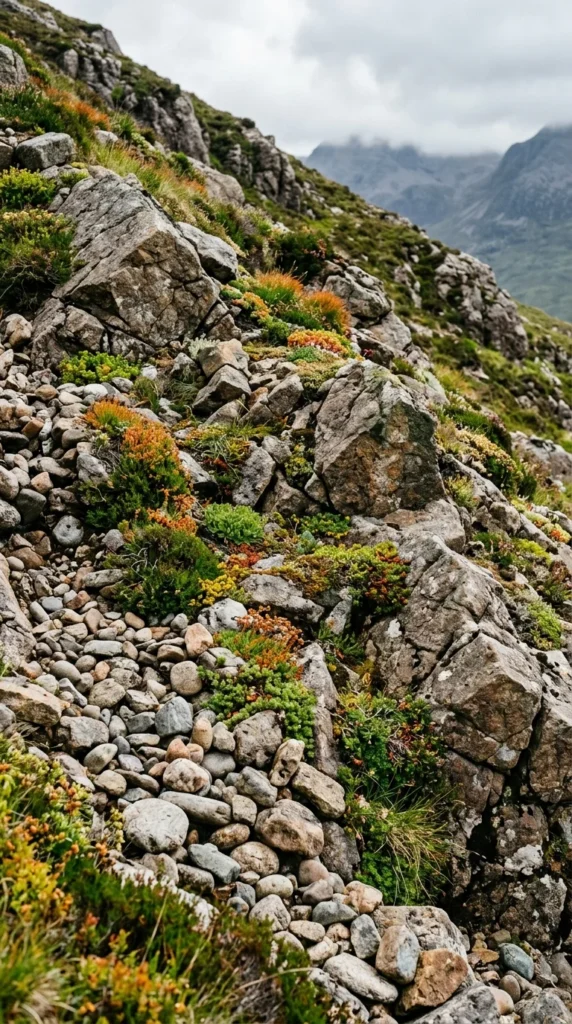
If you have a hill that is difficult to mow or prone to erosion, cover it with river rock. By layering different sizes of stone, you “lock” the soil in place. Planting low-growing groundcovers between the rocks will eventually create a “living wall” effect that is both functional and beautiful.
17. Native Grasses
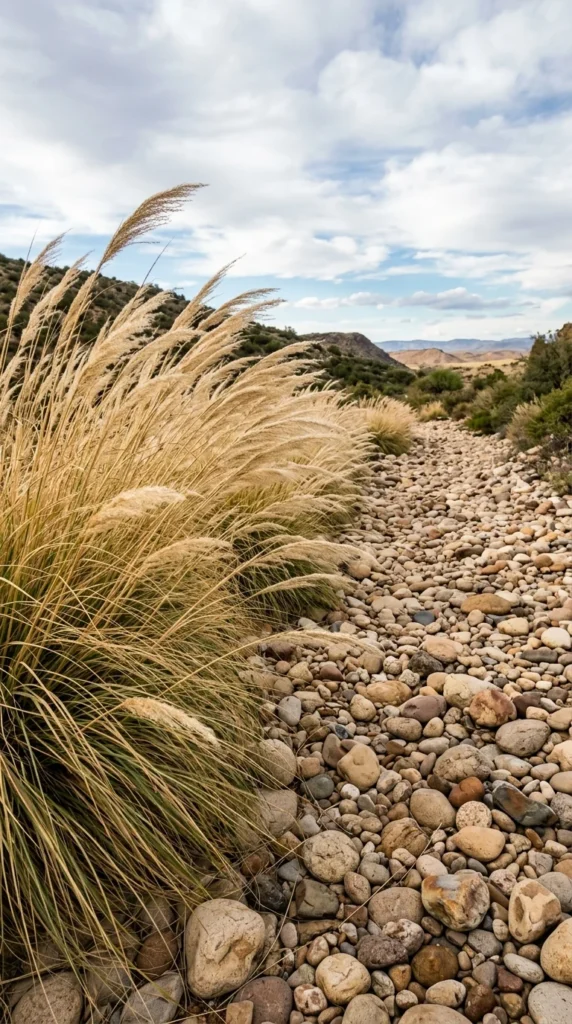
The wispy texture of ornamental grasses like Muhly grass or Blue Fescue provides a stunning contrast to the solid, unmoving nature of river rock. This combination is particularly effective in xeriscaping, as both the rocks and the grasses are extremely drought-tolerant.
18. Tropical Oasis
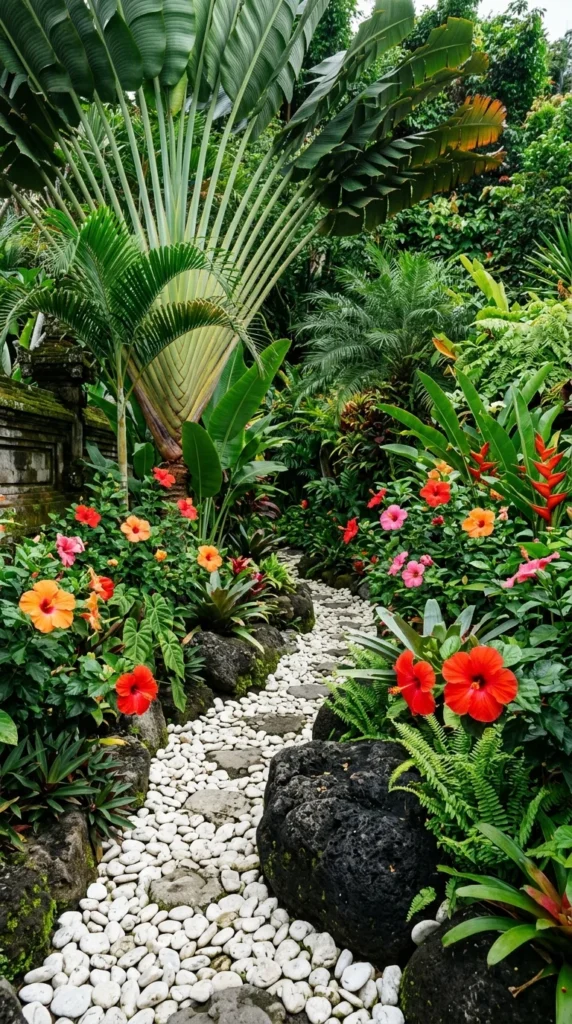
Use light-colored river rocks to create a bright, breezy tropical vibe. The white or tan stones reflect light, making the green of palm fronds and the bright colors of tropical flowers pop. It creates a clean, “resort” feel in your own backyard.
19. Rock Mosaics
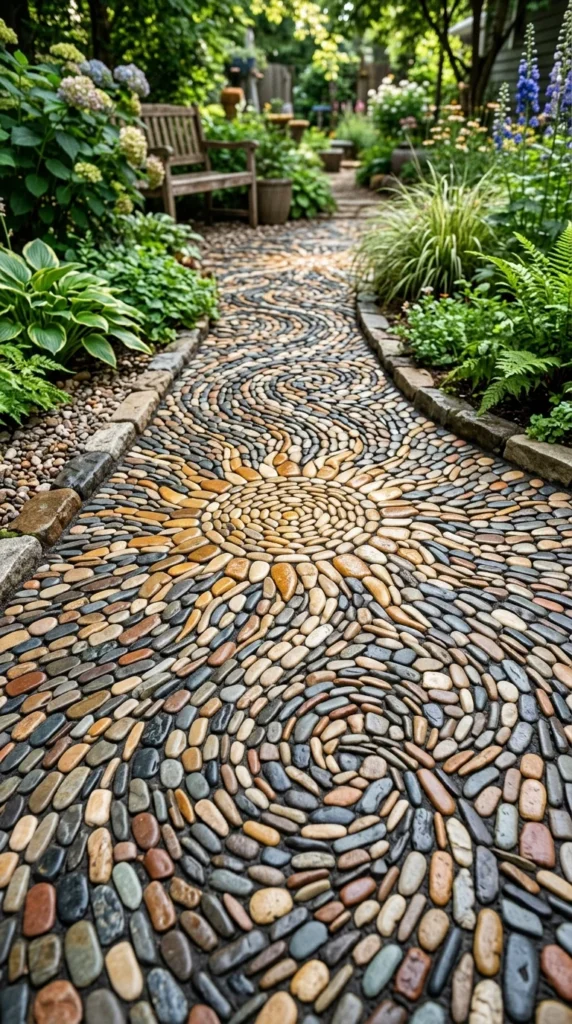
For the artistic homeowner, river rocks can be used to create intricate mosaics. By selecting stones of similar sizes but different colors, you can “paint” patterns, spirals, or images directly into the ground, turning a simple path into a work of art.
20. Pond Perimeters
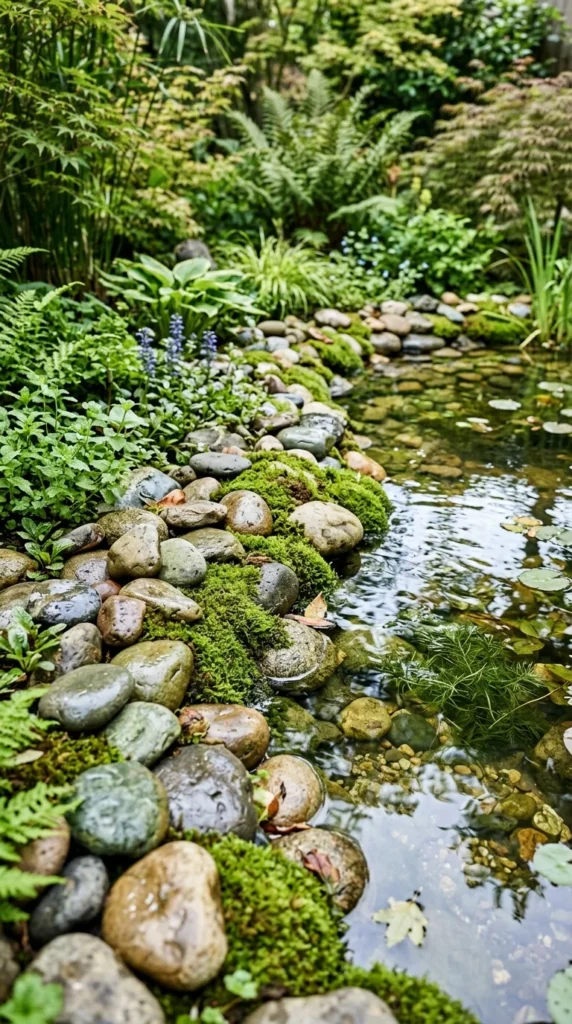
If you have a garden pond, river rocks are essential for a natural look. Use them to transition from the water’s edge to the surrounding landscape. They hide the pond liner and provide a place for beneficial bacteria to grow, helping to keep the water clear.
21. Driveway Edging
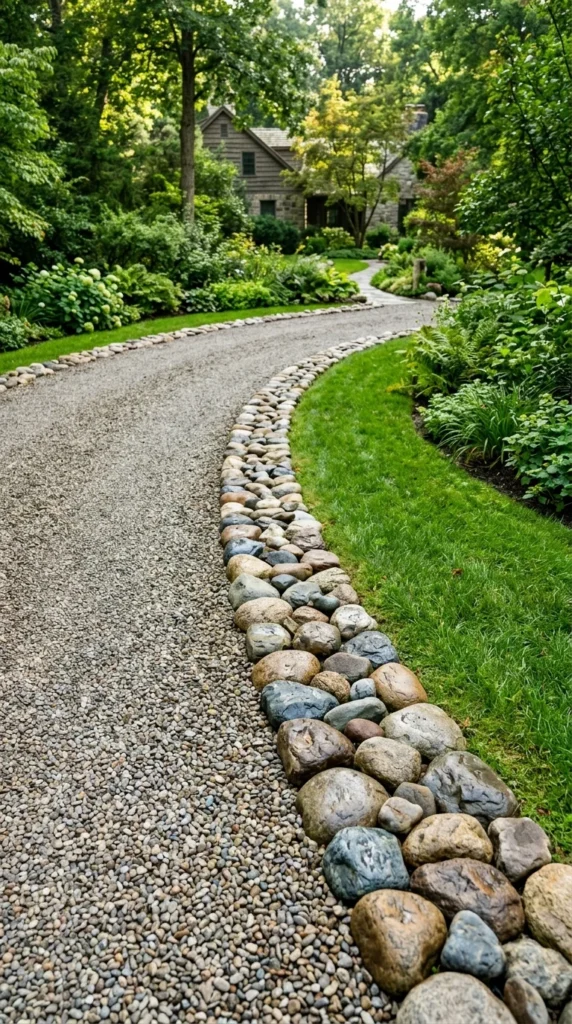
Keep your driveway looking neat by edging it with larger river rocks. This acts as a physical barrier that prevents gravel from migrating into your grass and provides a high-end, finished look to the entrance of your home.
22. Under-Deck Fill
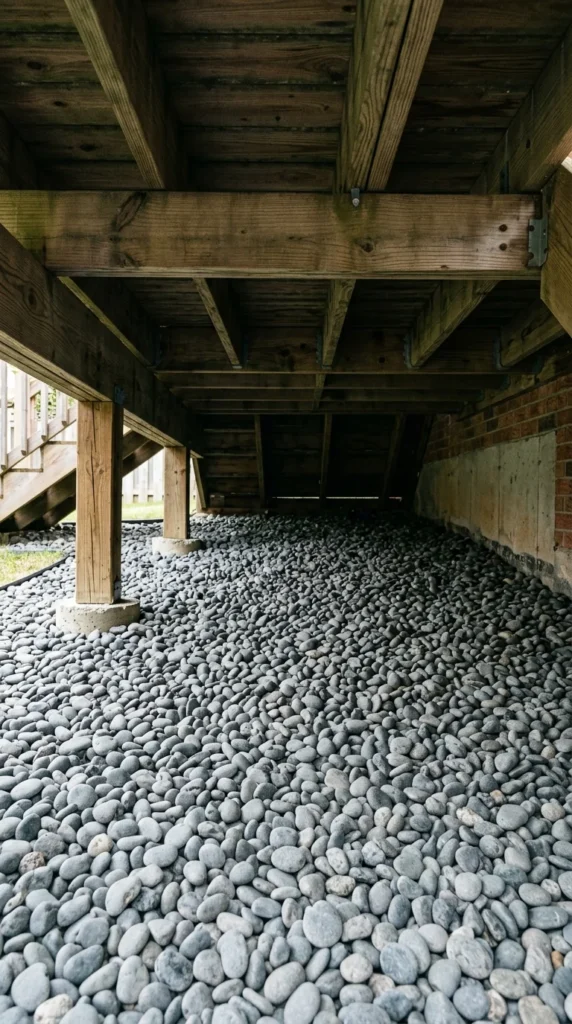
The space under a deck is often a “dead zone” where nothing grows. Instead of leaving it as bare dirt or mud, fill it with a thick layer of river rock over a weed barrier. This keeps the area looking clean, prevents erosion, and discourages pests from nesting.
23. Corner Focal Points
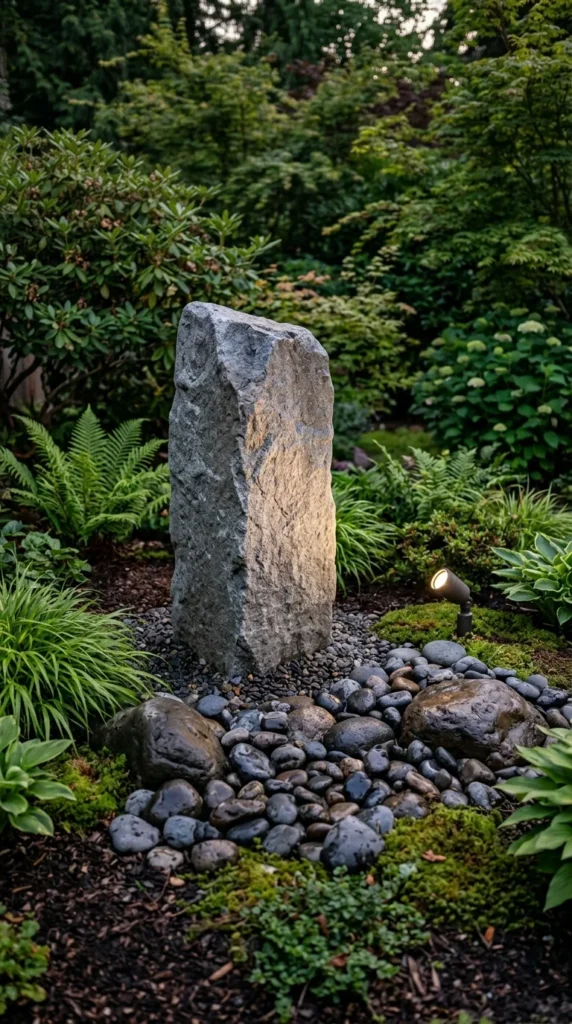
Transform an awkward or unused corner of your yard into a focal point. A small arrangement of river rocks, a single striking plant, and an ornamental boulder can turn a “forgotten” space into a professional-looking landscape feature.
24. Sculptural Elements
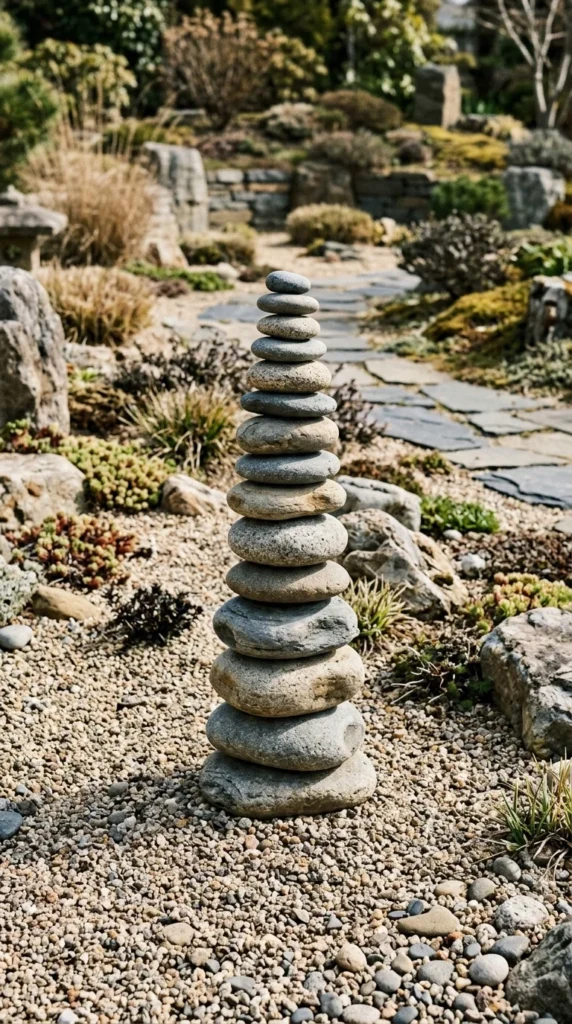
Use rocks to create height and interest through sculpture. Rock cairns (balanced stacks of stones) or “standing stones” add a human touch to the landscape. These elements act as conversation pieces and add a sense of intentionality to the garden design.
Essential Tips for Installing a Dry River Bed
To ensure your dry river rock landscape remains low-maintenance and beautiful for years to come, follow these professional installation guidelines:
- Plan the Path: Use a garden hose or spray paint to outline the shape of your river bed before you start digging. Aim for natural, sweeping curves rather than sharp angles.
- Dig a Trench: Excavate the area to a depth of about 6 to 12 inches. The center should be the deepest part to ensure proper water flow and a realistic appearance.
- Use Weed Barrier: Always lay down a heavy-duty, professional-grade landscape fabric before adding rocks. This prevents weeds from poking through while still allowing water to drain into the soil.
- Vary the Sizes: A realistic dry river bed uses “crushed” stone for the base, “river pebbles” for the middle, and “river jacks” or “boulders” for the edges and accents.
- Think About Maintenance: While low-maintenance, you will occasionally need to blow leaves out of the rocks with a leaf blower or pull the stray weed that manages to sprout in the accumulated sediment.