


As the temperature drops and the days grow shorter, the home becomes more than just a place of residence—it becomes a sanctuary. During the winter months, the bedroom transcends its utilitarian purpose as a place for sleep, evolving into a retreat where one can escape the biting chill and the frantic pace of the holiday season. Creating a “hygge” inspired space requires more than just adding an extra blanket; it involves a thoughtful curation of textures, scents, lighting, and colors that appeal to the senses and promote deep restoration.
To transform your sleeping quarters into a winter haven that you truly never want to leave, consider these nine essential design strategies.
1. Chunky Knits
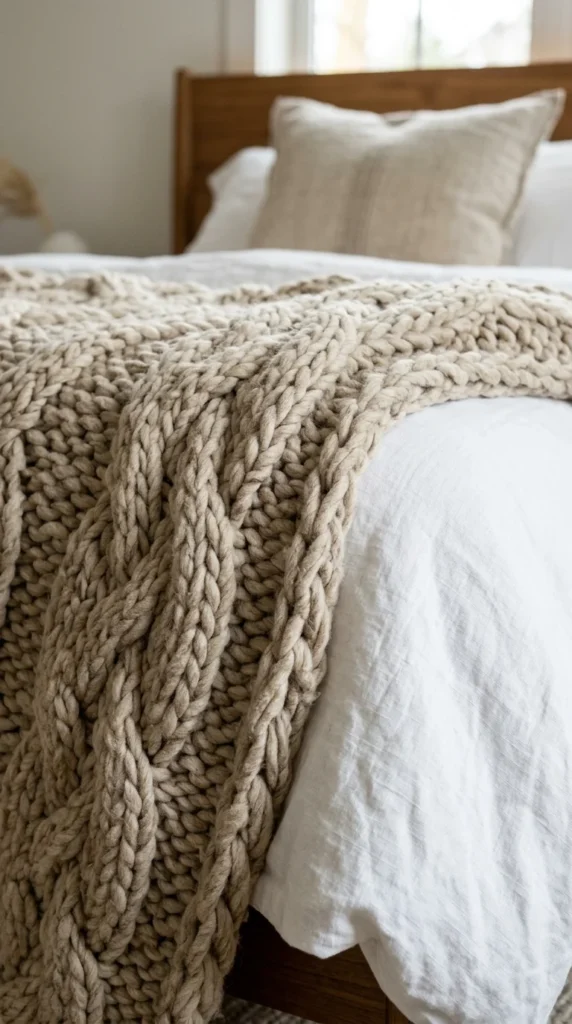
The foundation of any winter bedroom is the introduction of heavy, tactile fabrics. Chunky knit blankets have become a staple of seasonal decor for good reason: they provide immediate visual and physical weight. The oversized weave of a “mermaid” or “arm-knit” wool blanket adds a sculptural element to the bed, breaking up the flat surfaces of standard bedding.
Beyond aesthetics, these knits are exceptionally functional. The pockets of air trapped within the large stitches act as natural insulators, retaining body heat without the suffocating weight of synthetic materials. For the best experience, opt for natural fibers like merino wool or Peruvian highland wool, which offer breathability alongside intense warmth.
2. Ambient Glow

Lighting is perhaps the most influential factor in setting a “cozy” mood. During winter, the harsh overhead “big light” should be avoided in favor of layered, low-level illumination. The goal is to mimic the soft, flickering light of a campfire or a setting sun.
Start by replacing cool-toned light bulbs with “warm white” or “amber” variants (2700K or lower). Integrate multiple light sources at different heights: a floor lamp for the corner, dimmable bedside lamps for reading, and perhaps a string of delicate LED “fairy lights” tucked behind a headboard or along a curtain rod. This creates depth and eliminates harsh shadows, making the room feel smaller and more intimate.
3. Moody Hues
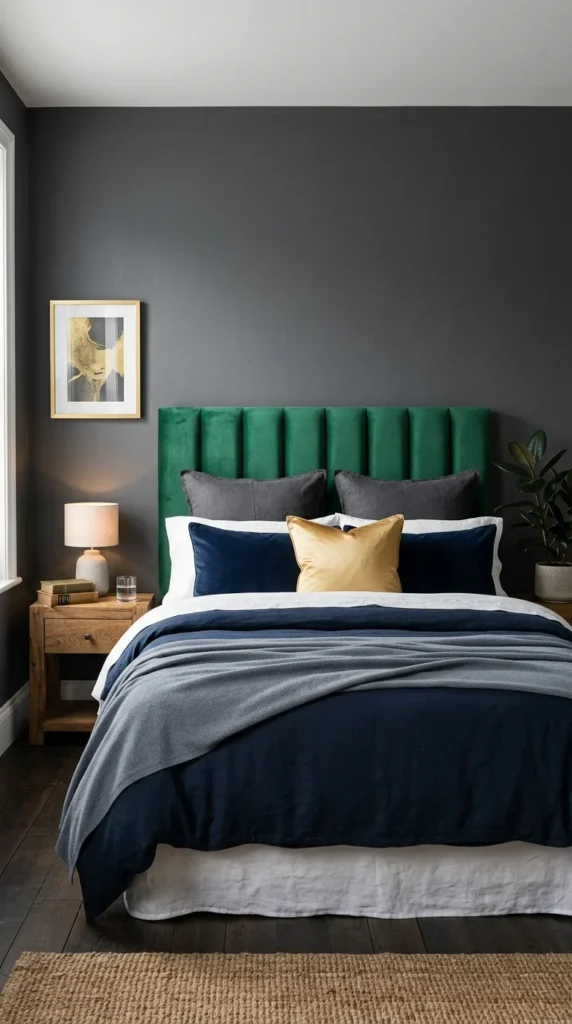
While bright, airy whites are popular in summer, winter invites a more sophisticated, “moody” color palette. Deep tones like forest green, navy blue, charcoal, and burgundy have a psychological “grounding” effect. These colors absorb light rather than reflecting it, which helps the walls feel as though they are gently closing in around you in a protective embrace.
If painting an entire room feels too permanent, you can achieve this effect through textiles. Swap out pastel pillowcases for jewel-toned velvet shams, or introduce a dark, patterned area rug. These richer colors provide a stunning contrast to the white snow outside, emphasizing the warmth of the interior.
4. Flannel Layers

The transition from crisp percale or silk sheets to flannel is a hallmark of the winter season. Flannel is a soft-woven fabric, typically made of cotton, that has been “brushed” to create extra softness and a slight nap. This texture prevents the “cold shock” often felt when sliding into bed on a freezing night.
When selecting flannel, look for a high weight (measured in grams per square meter, or GSM) rather than thread count. A weight of 170 GSM or higher ensures the sheets will be durable and exceptionally warm. Pairing these with a heavy-weight down or down-alternative comforter creates a cloud-like environment that makes getting out of bed in the morning a genuine challenge.
5. Sheepskin Rugs
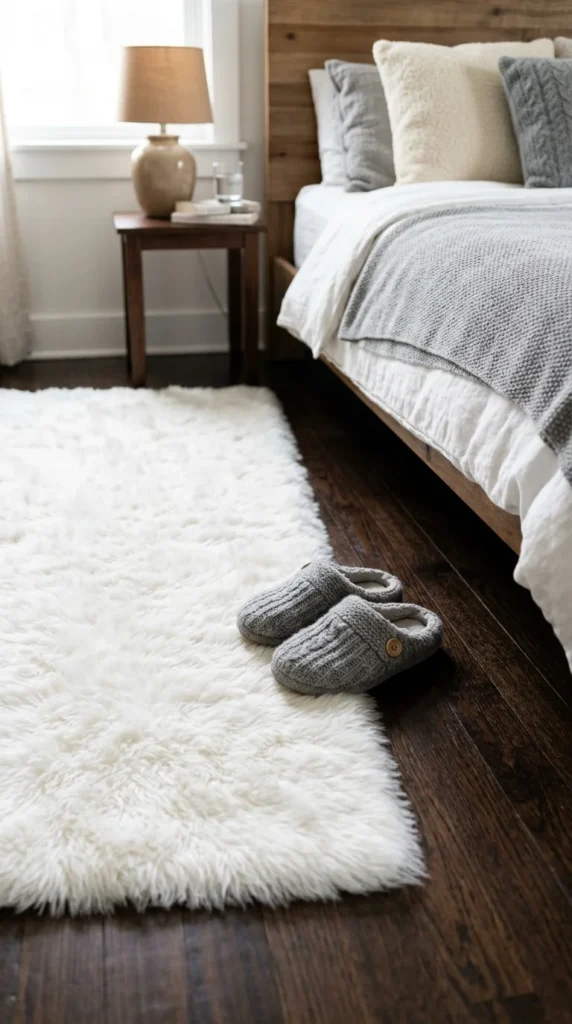
There is nothing quite as jarring as stepping out of a warm bed onto a cold floor. To solve this, winterize your flooring with the addition of sheepskin or high-pile shag rugs. Whether you choose genuine sheepskin or a high-quality faux alternative, these rugs provide a soft, insulating landing pad for your feet.
Placing a rug specifically at the “launch point” of your bed—where your feet first hit the floor—creates a sensory bridge between the warmth of the covers and the start of your day. For a more maximalist look, layer a smaller sheepskin rug over an existing jute or sisal rug to add both visual interest and an extra layer of thermal protection.
6. Winter Aromatherapy
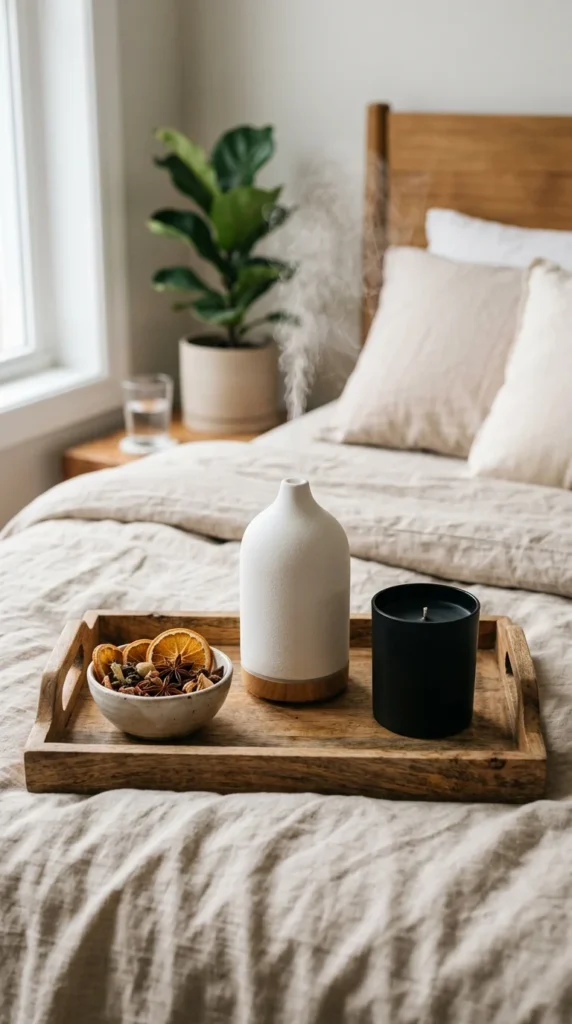
A cozy bedroom should appeal to all five senses, and scent is one of the fastest ways to trigger a relaxation response in the brain. For winter, move away from the light florals of spring and toward scents that evoke warmth, spice, and the outdoors.
Consider a combination of:
- Woody Notes: Cedarwood, sandalwood, and pine to bring the scent of a winter forest indoors.
- Spices: Cinnamon, clove, and ginger for a sense of nostalgic kitchen warmth.
- Sweetness: Vanilla and amber to provide a creamy, comforting base. Using a reed diffuser ensures a constant, subtle scent, while a high-quality soy candle adds the benefit of a flickering flame.
7. Rustic Accents
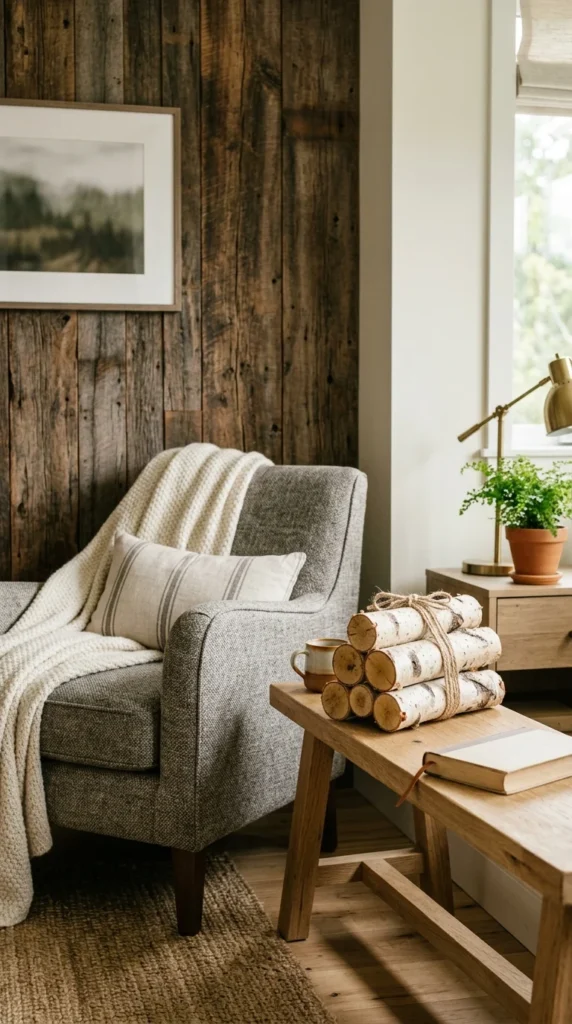
Natural materials like wood and stone have an inherent warmth that synthetic materials lack. In the winter, “bringing the outdoors in” through rustic accents can make a bedroom feel like a remote mountain cabin.
A reclaimed wood headboard, a live-edge wooden bedside table, or even small decorative touches like birch branches in a tall vase can ground the room. These elements introduce “biophilic” design—the practice of connecting indoor spaces to the natural world—which has been shown to reduce stress levels and improve sleep quality.
8. Thermal Drapes
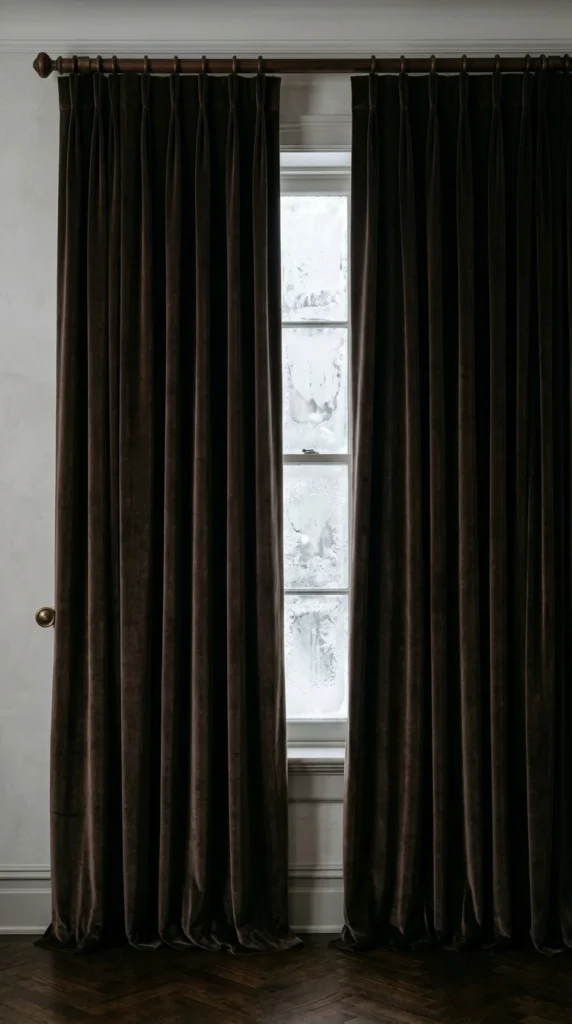
Windows are the primary source of heat loss in a bedroom. To keep the warmth in and the drafts out, swap thin, breezy curtains for heavy thermal drapes. Velvet is an ideal choice for winter because of its density and its ability to block out light, which is essential for those long winter naps.
Thermal-lined curtains serve a dual purpose: they act as an insulating barrier that can lower heating costs, and they provide acoustic dampening. By muffling the sound of wind or street traffic, they create a “quiet zone” that enhances the feeling of seclusion and peace.
9. Reading Nooks
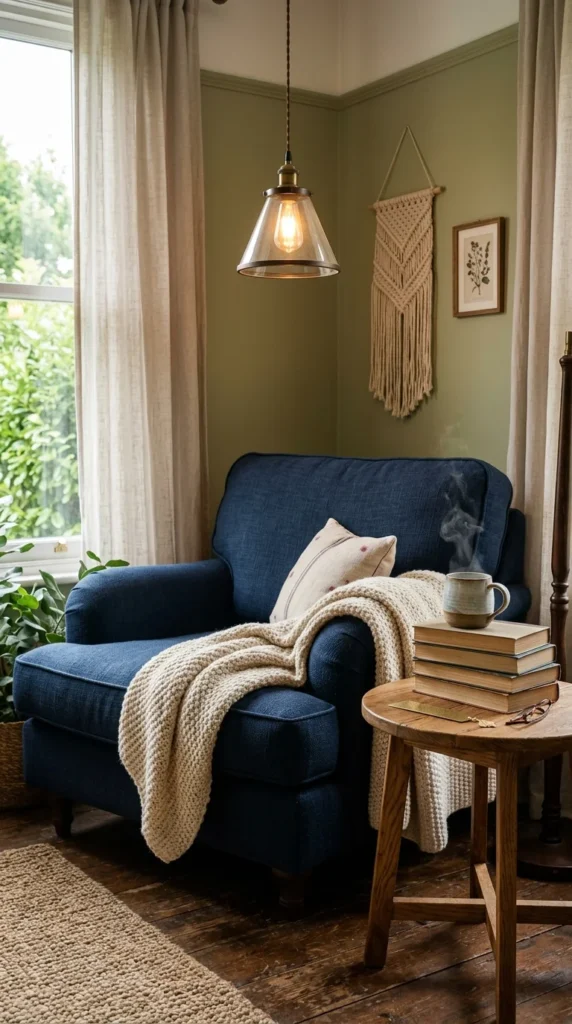
Finally, to truly make your bedroom a place you never want to leave, create a dedicated space for “slow” activities that don’t involve a screen. A reading nook in the corner of the room encourages you to put down your phone and engage in a more tactile, relaxing hobby.
All you need is a comfortable chair, a small side table for a hot beverage, and adequate lighting. This creates a secondary “zone” within the bedroom, allowing the bed to remain a dedicated space for sleep while the nook becomes your sanctuary for reflection, journaling, or getting lost in a novel during a snowstorm. By designing for these quiet moments, you turn your bedroom into a holistic wellness retreat that lasts all season long.