
The transition from a standard apartment balcony to a high-end outdoor retreat is rarely about the square footage available. Instead, it is a matter of intentionality, material selection, and the application of design principles typically reserved for interior luxury suites. When space is at a premium, every choice carries more weight. To make a small balcony look expensive, one must move away from “temporary” or “plastic” solutions and embrace textures and layouts that suggest permanence and sophistication.
In this guide, we explore nine curated design strategies that elevate the humble balcony into an architectural extension of your home.
1. Monochromatic Palettes
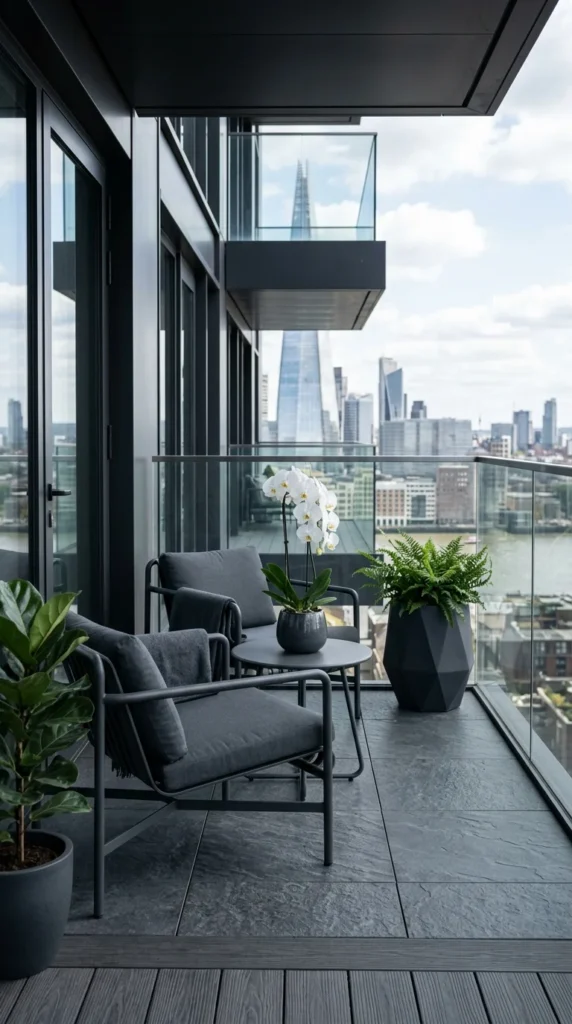
One of the quickest ways to signal “expensive” design is through a disciplined color palette. While many balcony owners clutter their space with mismatched primary colors, luxury design leans heavily into monochromatic or tonal schemes. Using varying shades of a single color—such as slate gray, warm beige, or deep navy—creates a sense of visual continuity that makes the space feel larger and more “custom-built.”
When the furniture matches the flooring and the planters, the eye isn’t interrupted by jarring transitions. This fluidity is a hallmark of high-end boutique hotels. To execute this, select a base neutral and layer it through different textures: a matte metal chair, a linen-weave cushion, and a stone-textured planter, all within the same color family.
2. Interlocking Decking
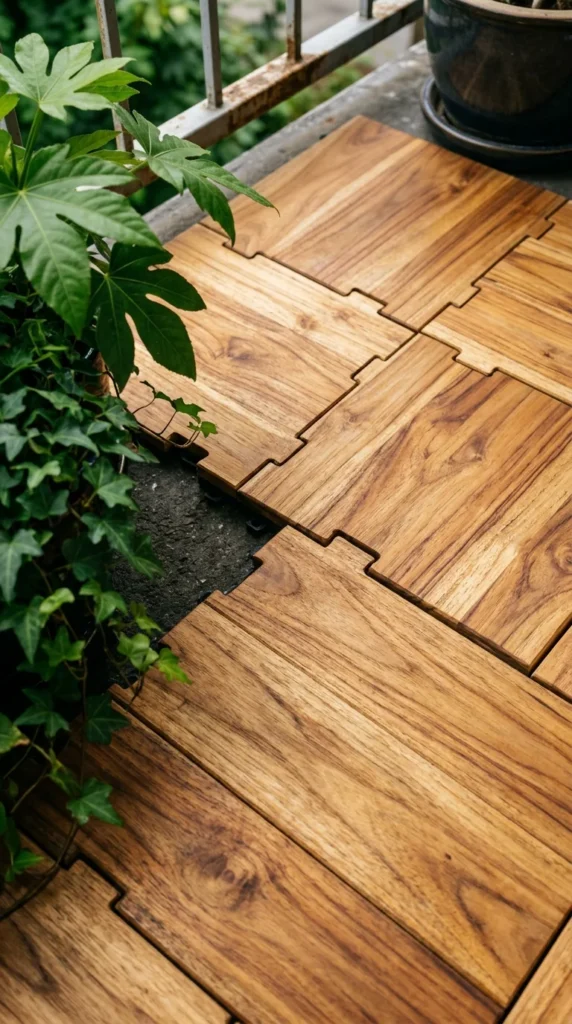
Standard apartment balconies usually come with cold, industrial concrete floors. To immediately elevate the space, you must address the foundation. Interlocking deck tiles—specifically those made from weather-resistant hardwoods like acacia or teak—transform the balcony from a utility ledge into a finished room.
The warmth of wood underfoot provides an organic contrast to the glass and steel of most apartment buildings. Because these tiles are often “floating” and not permanently attached, they are perfect for renters who want a premium look without violating lease terms. For an even more expensive aesthetic, choose a “long-plank” style tile rather than the traditional checkerboard pattern to mimic the look of a high-end yacht deck.
3. Ambient Lighting
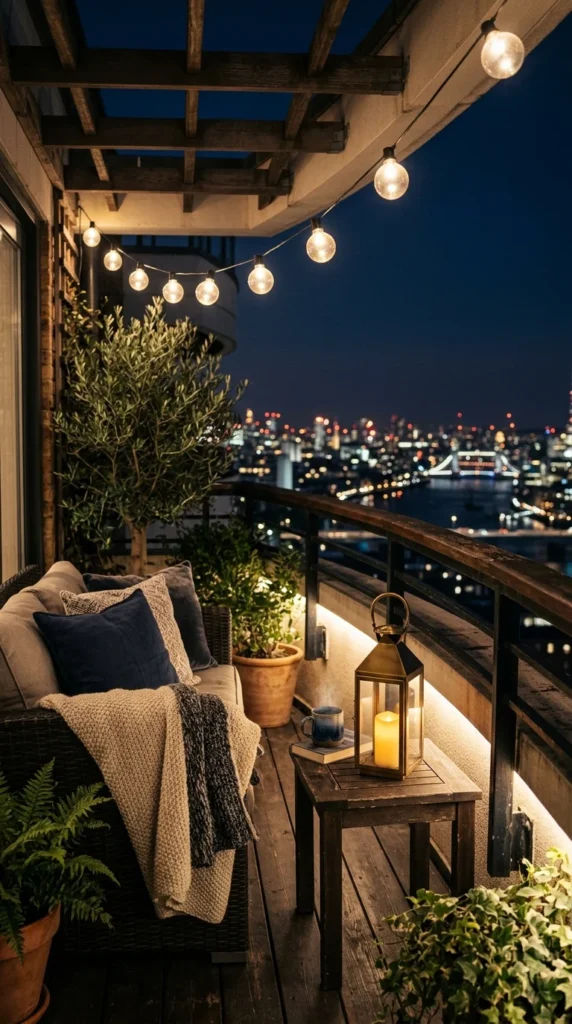
Nothing cheapens a space faster than the harsh, blue-toned glare of a standard building-issued outdoor light or the “cluttered” look of cheap solar stakes. Expensive-looking balconies utilize “layered lighting.” This involves combining different light sources at various heights to create depth.
Incorporate LED light strips along the base of the walls or under the railing to provide a soft “wash” of light. Complement this with a heavy, statement-piece lantern or a designer cordless table lamp. The goal is a warm, golden glow (2700K color temperature) that mimics the atmosphere of a high-end lounge. Avoid “fairy lights” with visible green wires; instead, opt for professional-grade café strings with Edison-style bulbs if overhead lighting is necessary.
4. Vertical Gardens
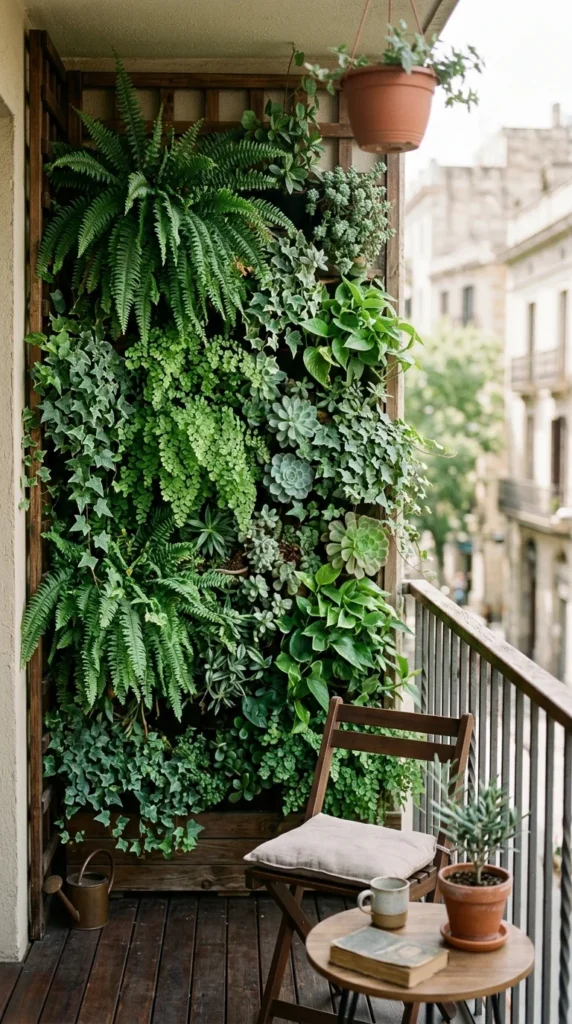
In a small space, floor real estate is the most valuable commodity. Luxury balconies maximize impact by moving the greenery to the walls. A lush vertical garden or “living wall” provides two things that signal wealth: privacy and nature.
Using high-quality planters mounted on a sleek black metal grid or a dark wood trellis creates a sense of “lush abundance” that feels more expensive than a few lonely pots on the floor. Choose plants with structured leaves, such as snake plants or fiddle leaf figs (if the climate permits), to maintain a clean, architectural look. The density of the foliage acts as an organic privacy screen, shielding you from neighbors while providing a high-end sanctuary feel.
5. Luxury Textiles
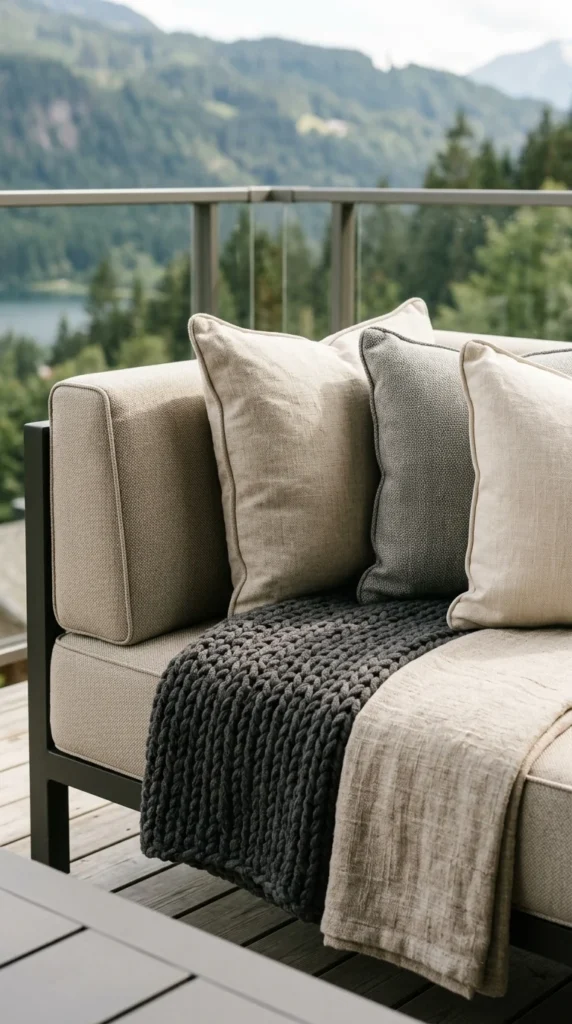
The difference between a “budget” balcony and an “expensive” one often lies in the weight and texture of the fabrics. Cheap outdoor cushions are often thin, shiny, and prone to fading. To achieve a high-end look, invest in heavy-duty, UV-resistant fabrics that mimic the look of indoor upholstery, such as Sunbrella or similar high-performance brands.
Look for “performance linens” and chunky knits. Adding a heavy, high-quality throw blanket and oversized, plush pillows makes the balcony feel like a true extension of the living room. The key is to choose fabrics with a visible weave; the more tactile the fabric looks, the more expensive it appears to the eye.
6. Sculptural Seating
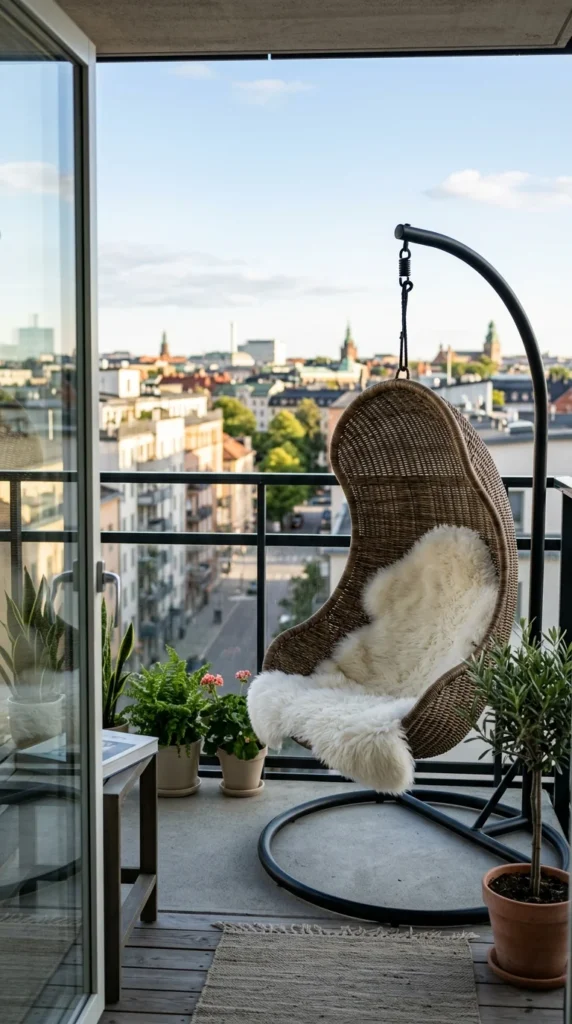
In a small balcony, you may only have room for one or two chairs. Instead of buying a standard folding set, choose a “statement” piece. Sculptural furniture—chairs with unique silhouettes, interesting curves, or bold materials—acts as the focal point of the space, much like a piece of art.
Acapulco chairs, hanging cocoons, or mid-century modern wire chairs offer a sophisticated aesthetic that feels curated rather than bought in a “big box” set. By choosing one high-impact piece of furniture, you create a sense of design-forward luxury that distracts from the limited square footage.
7. Elegant Screens
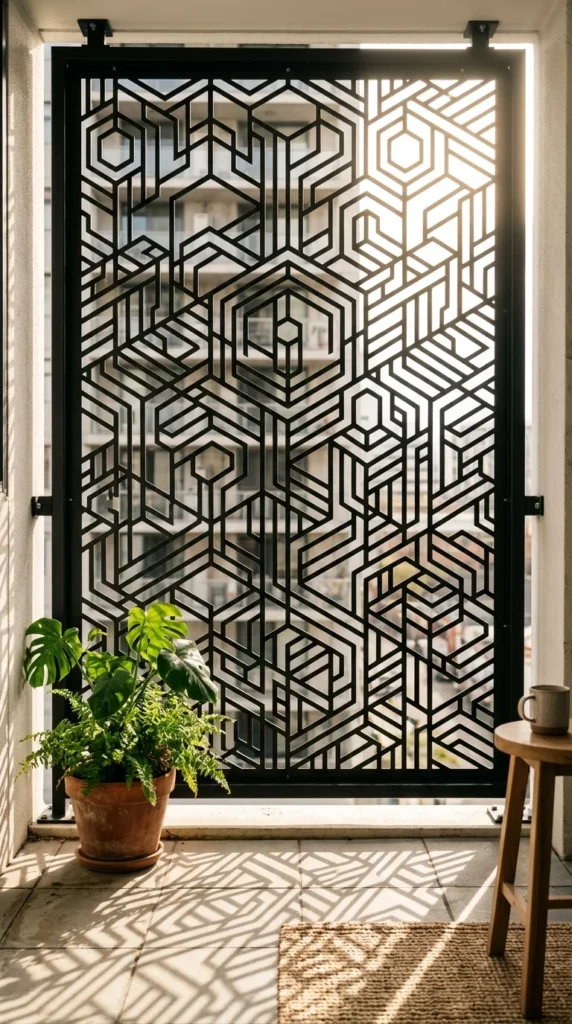
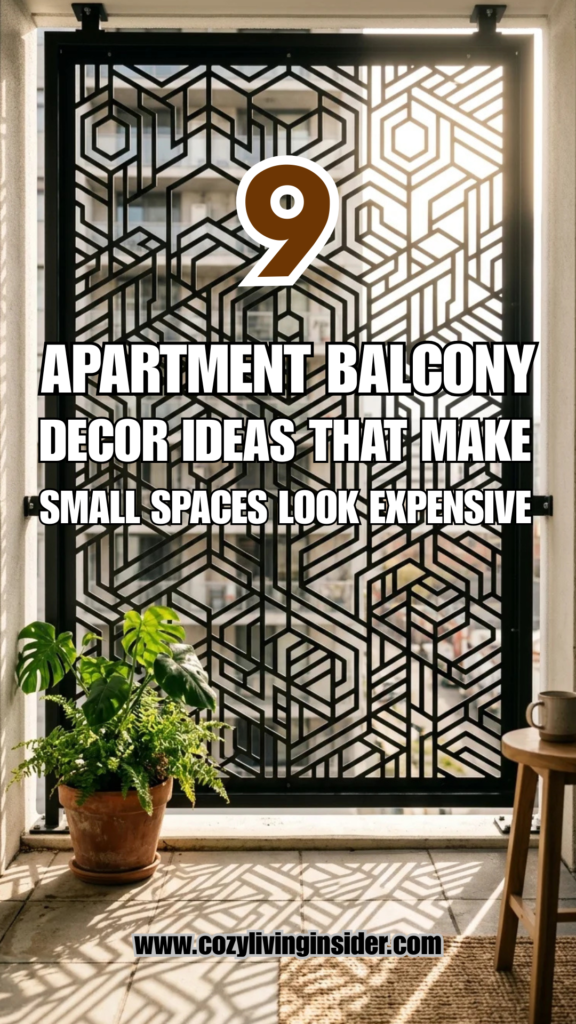
Privacy is a luxury, especially in dense urban environments. To make a balcony look expensive, replace “makeshift” privacy solutions—like plastic ivy or bamboo rolls—with architectural screens. Laser-cut metal panels or high-quality wood slats provide privacy while adding a structural design element to the space.
These screens can be used to hide unsightly items like AC units or to simply create a “room” feel. The play of light and shadow through a geometric screen adds a layer of visual interest that feels intentionally designed and permanent.
8. Designer Rugs
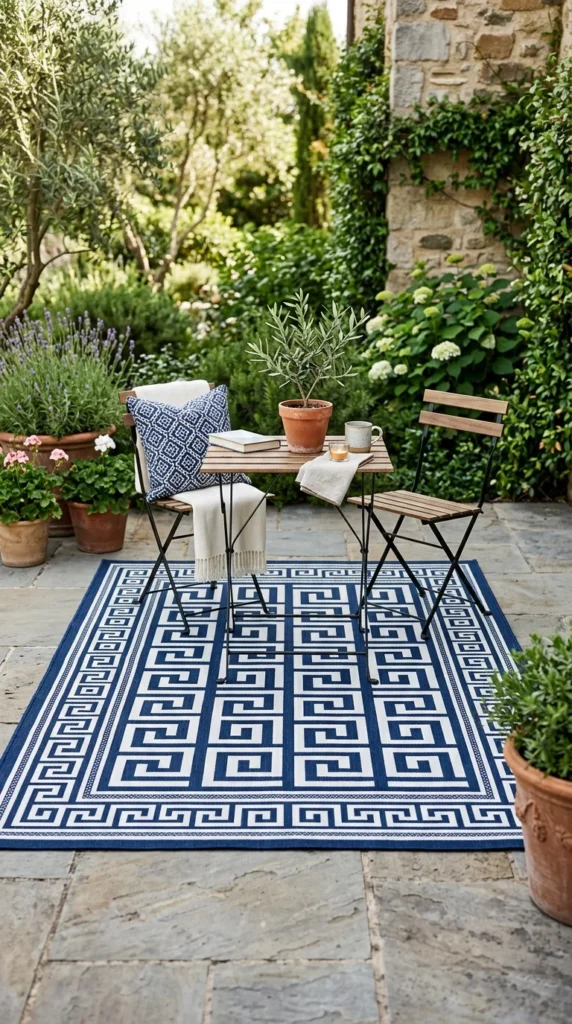
A rug acts as the “anchor” of a room, and the balcony is no exception. A small space can often feel disjointed; an outdoor rug pulls all the elements together into a cohesive “vignette.” To maintain an expensive look, avoid rugs with loud, “tropical” prints or plastic-looking weaves.
Instead, opt for sophisticated patterns like Herringbone, Moroccan trellis, or simple borders in muted tones. The rug should be large enough that at least the front legs of your furniture sit on it, which creates the illusion of a larger, more expansive floor area.
9. Curated Decor
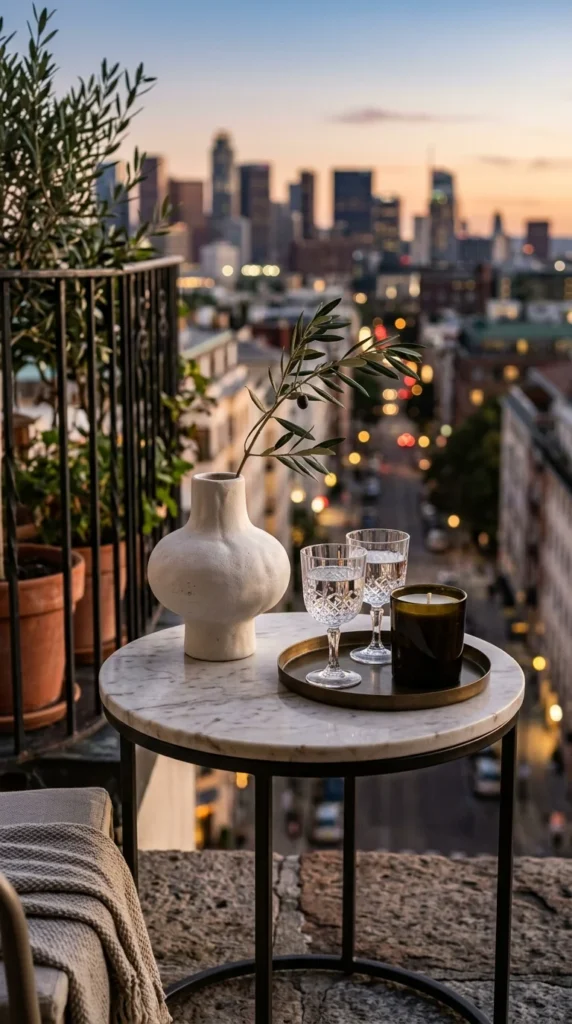
The final touch in any expensive space is the “styling.” Most balconies are treated as storage areas or places for plants only. To elevate yours, treat it like a gallery. Incorporate a few high-quality accessories: a marble-topped side table, a heavy ceramic vase, or a tray for drinks.
The rule here is “less is more.” A single, well-placed sculpture or a high-end outdoor candle is far more effective than a dozen small trinkets. By selecting accessories with weight and material integrity—like stone, brass, or thick glass—you reinforce the idea that the balcony is a sophisticated, high-value part of the home.