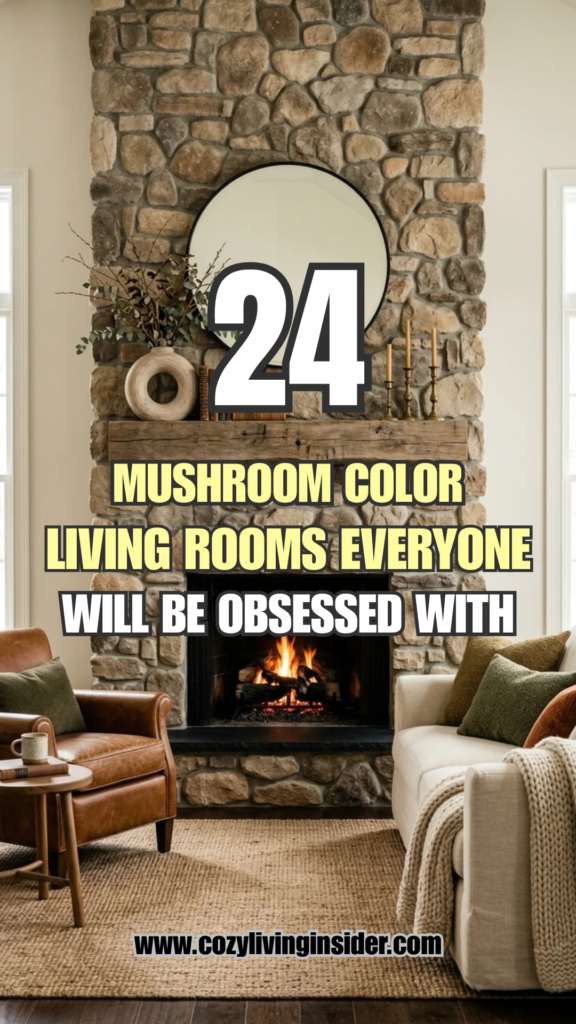

The interior design world is currently witnessing a significant shift away from stark, cold grays and clinical whites toward a more nuanced, “lived-in” neutral: Mushroom. This sophisticated hue—a perfect intersection of gray, beige, and brown—offers a timeless elegance that provides warmth without feeling dated and coolness without feeling sterile. Often referred to as “greige” in its lighter forms or “taupe” in its deeper iterations, mushroom is the ultimate chameleon color, adapting seamlessly to various lighting conditions and architectural styles.
In this comprehensive guide, we explore 24 curated living room designs that showcase the versatility and undeniable allure of mushroom tones. From high-contrast modern spaces to soft, textural sanctuaries, these rooms prove why this earthy neutral is the color everyone is obsessed with.
1. Velvet Textures
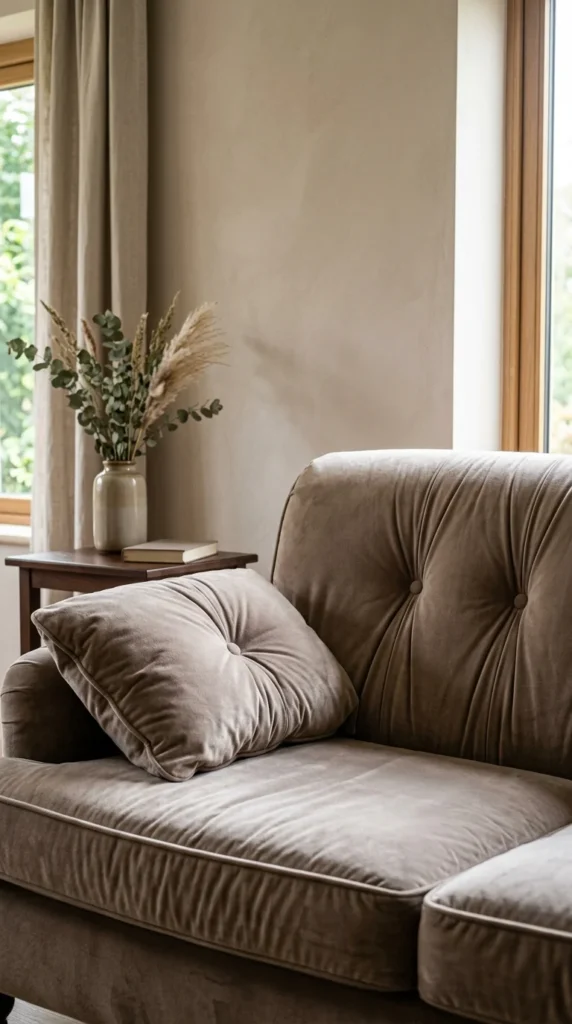
Velvet is the perfect medium for mushroom tones because the fabric’s nap catches the light in ways that highlight the color’s hidden undertones. In a living room, a mushroom velvet sofa acts as a plush anchor. The sheen of the fabric prevents the neutral palette from looking flat, adding a layer of luxury and tactile comfort that invites relaxation.
2. Natural Wood
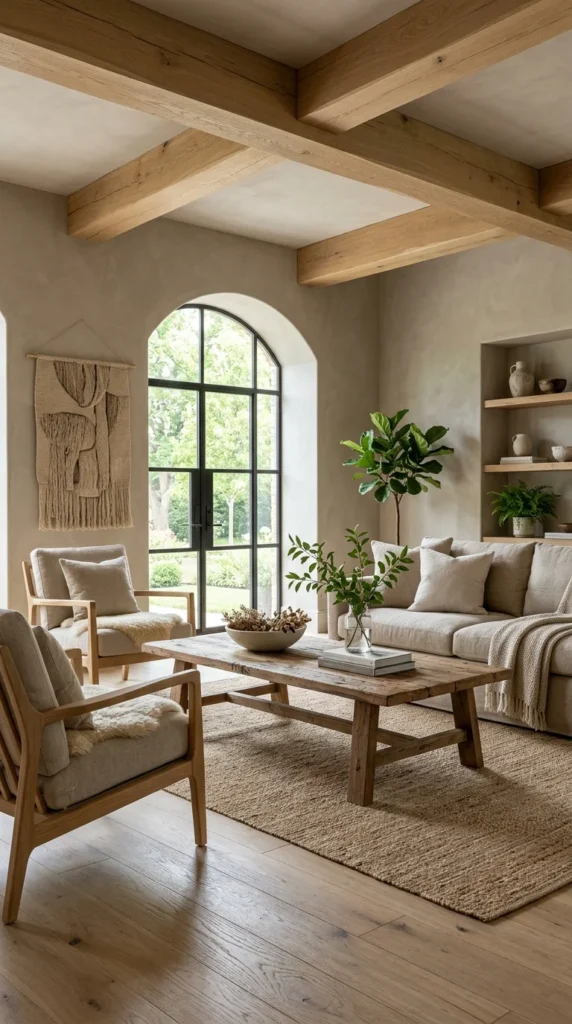
Mushroom is an inherently organic color, making it the natural partner for wood elements. Whether it is light oak, walnut, or reclaimed timber, the warmth of the wood draws out the beige qualities of mushroom paint. This combination creates a grounded, “earthy modern” aesthetic that feels both curated and connected to nature.
3. Minimalist Layers
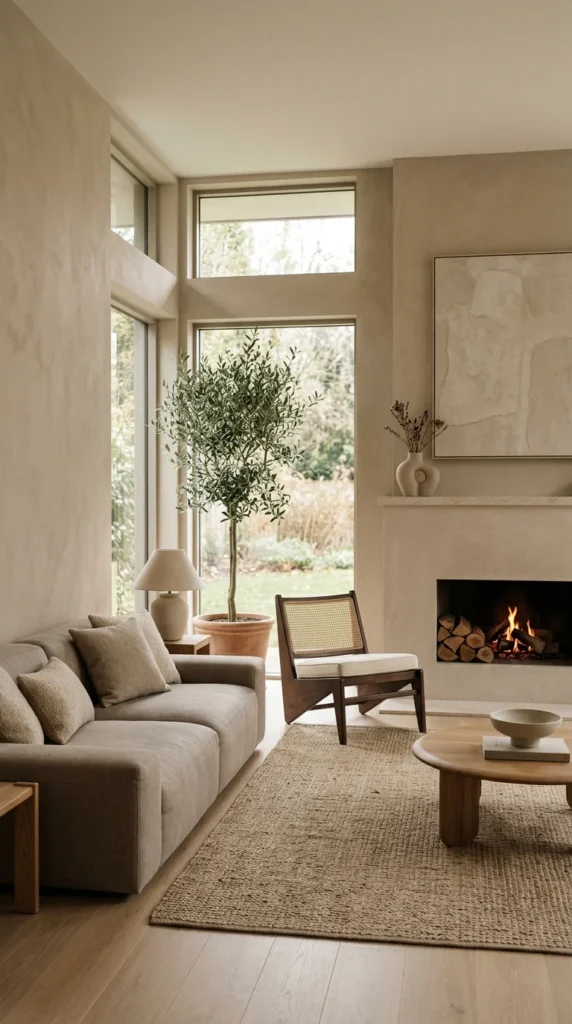
For the minimalist, mushroom provides a way to maintain a “less is more” philosophy without the harshness of pure white. By layering different shades of mushroom—from light sand to deep pebble—you create visual interest through tonality rather than clutter. This approach results in a serene, gallery-like atmosphere.
4. Dark Accents
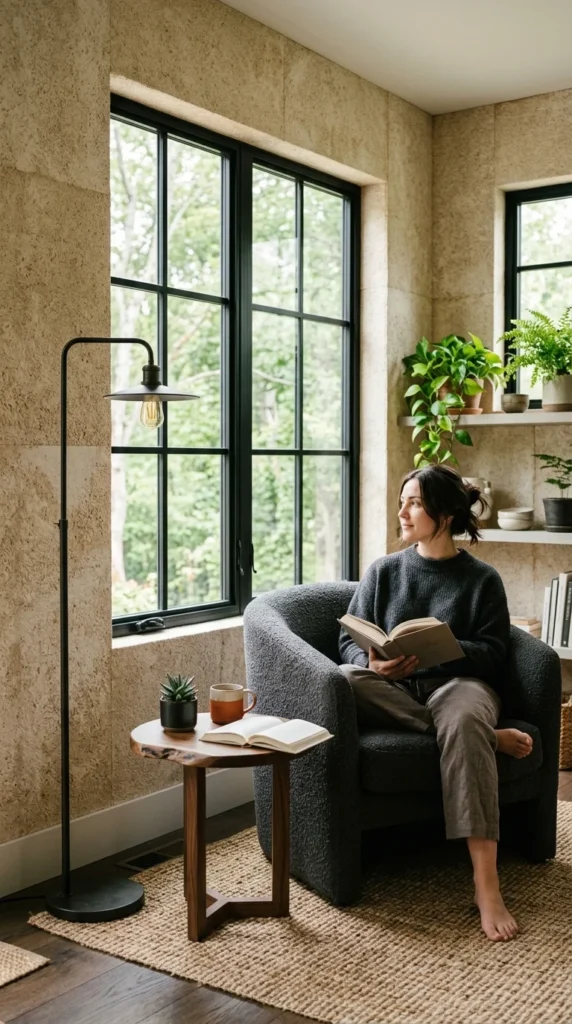
To prevent a mushroom living room from feeling too floaty, incorporate high-contrast dark accents. Matte black or deep charcoal elements, such as light fixtures, picture frames, or furniture legs, provide a necessary “weight” to the room. This contrast makes the mushroom walls pop, giving the space a modern, graphic edge.
5. Tonal Harmony
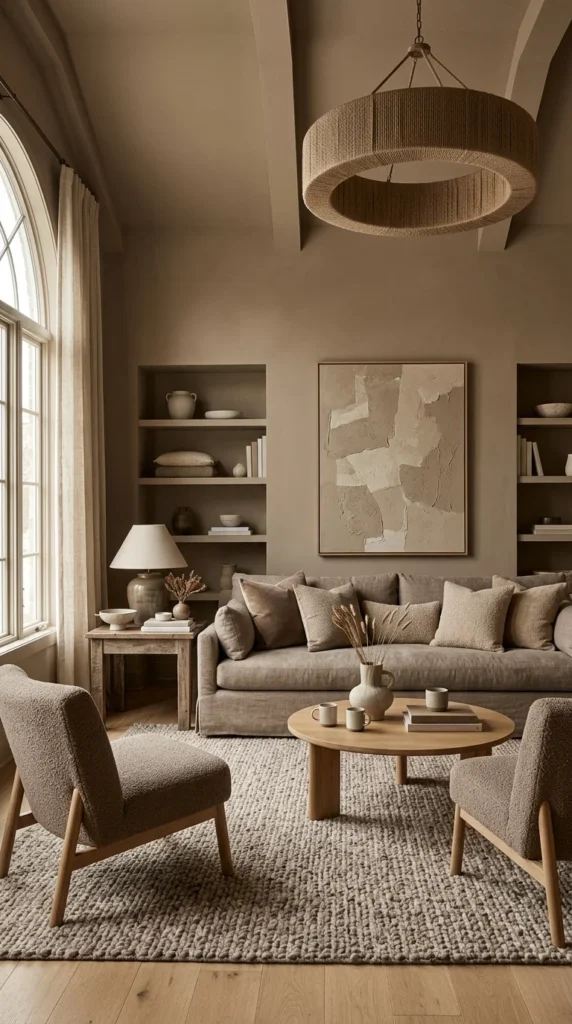
Tonal harmony involves using a single color family throughout the entire space. By painting the walls, trim, and even the ceiling in varying strengths of mushroom, you blur the boundaries of the room, making it feel larger and more cohesive. This “color drenching” technique is a favorite among high-end designers for creating a cocoon-like effect.
6. Brass Details
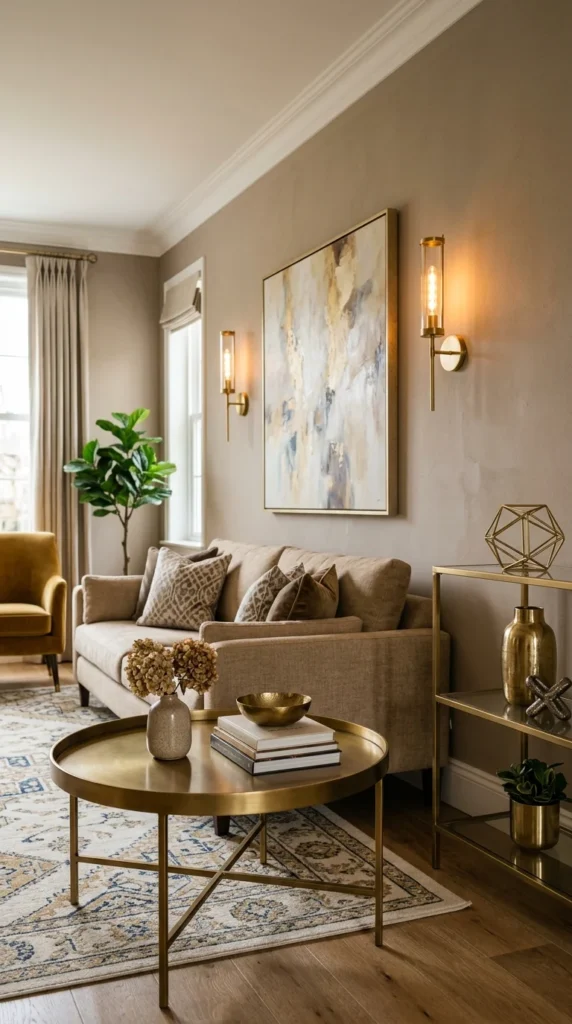
The cool-warm balance of mushroom makes it an ideal backdrop for metallic finishes. Brass and gold, in particular, bring out the golden-brown undertones of the paint. The reflective quality of the metal adds a bit of “jewelry” to the room, elevating the neutral base into something far more glamorous and sophisticated.
7. Oversized Windows
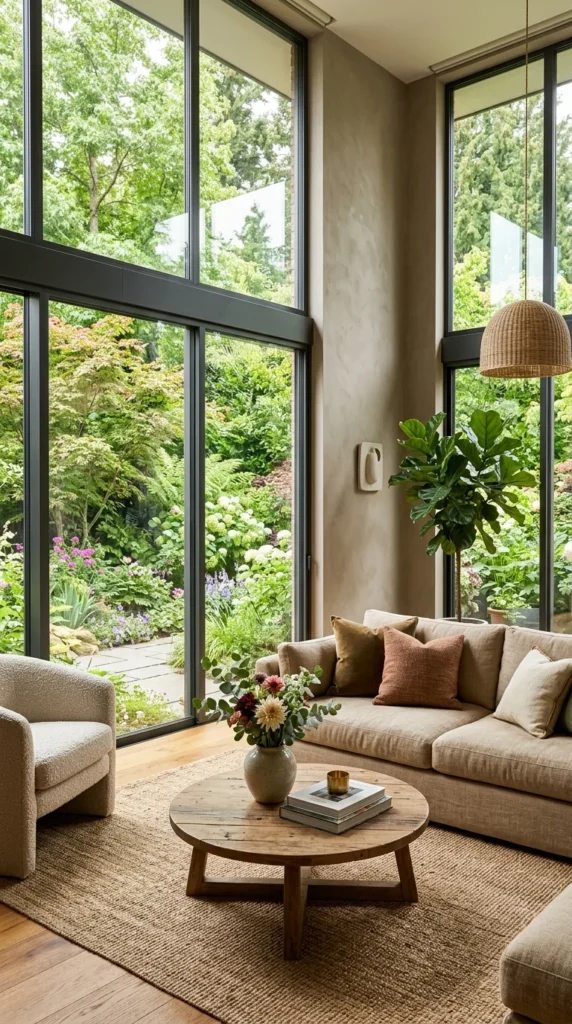
Natural light is the best friend of mushroom tones. Because the color is so reactive to light, large windows allow the walls to shift in tone throughout the day—looking like a warm sand in the morning and a moody, cool gray in the evening. This dynamic quality ensures the room never feels static or boring.
8. Plush Rugs
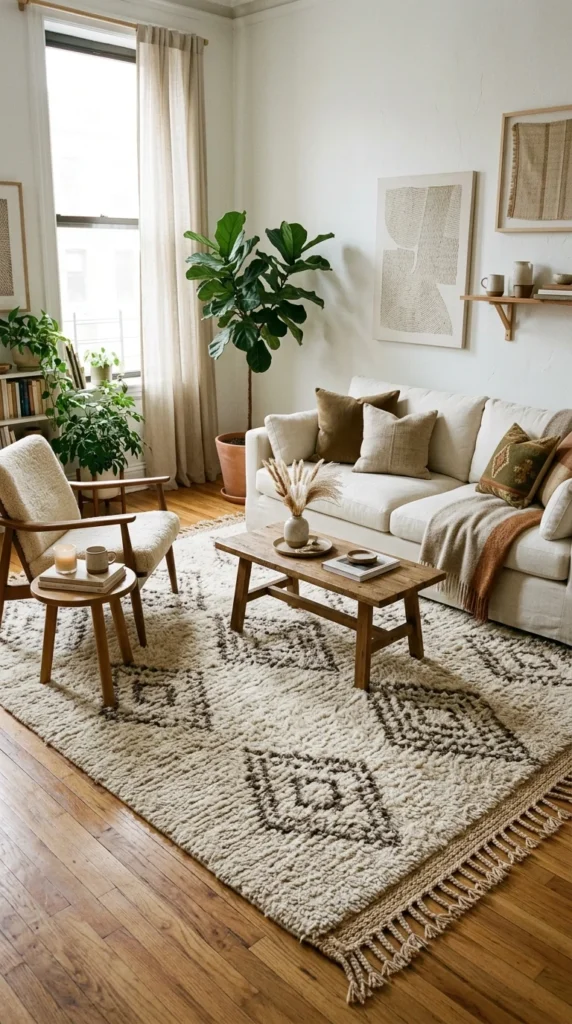
Floor coverings are essential for grounding a mushroom-colored room. A plush, textured rug in a complementary cream or oatmeal shade adds warmth underfoot and breaks up the expanse of the floor. Opting for a rug with a subtle pattern or a high-pile texture adds another dimension to the neutral palette.
9. Matte Finishes
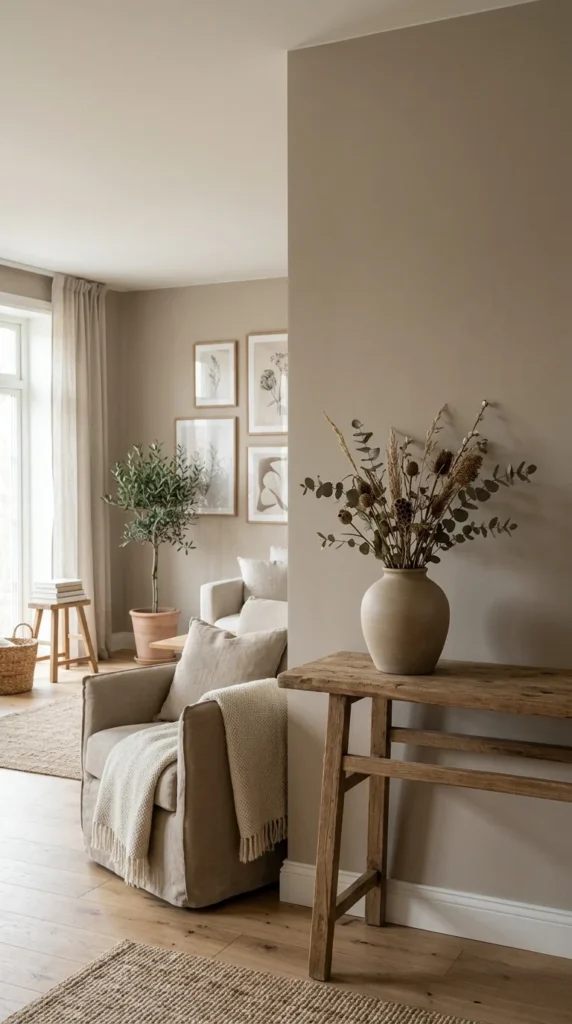
Mushroom looks its most modern when applied in a matte or flat finish. This absorbs light rather than reflecting it, emphasizing the depth of the pigment and creating a velvety appearance on the walls. Complementing this with matte ceramics and non-reflective textiles reinforces a contemporary, sophisticated vibe.
10. Stone Fireplaces
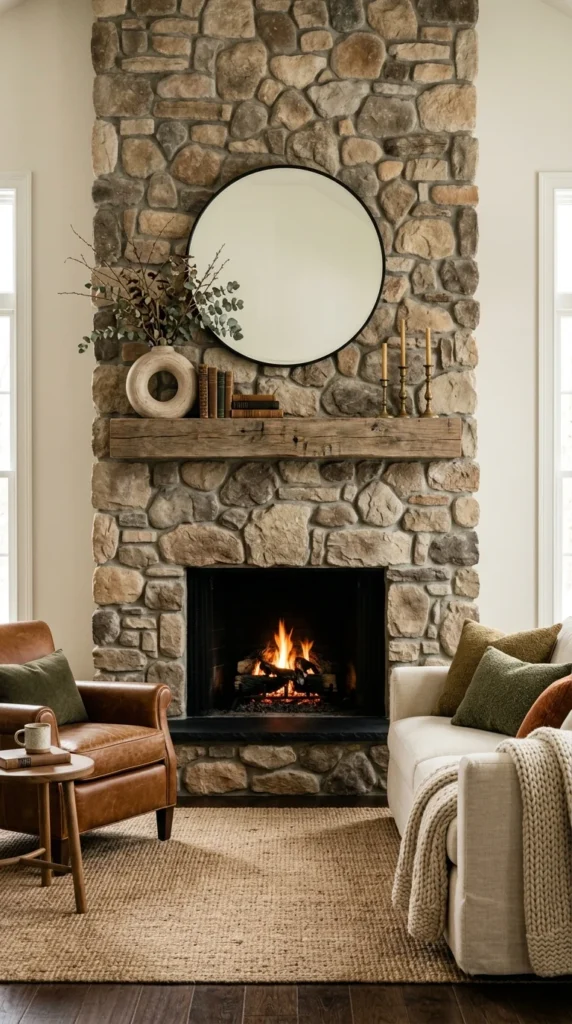
A stone fireplace is a classic architectural feature that pairs beautifully with mushroom walls. Whether using limestone, travertine, or fieldstone, the natural variations in the rock mimic the complexity of the mushroom color. This creates a focal point that feels permanent and architecturally significant.
11. Scandinavian Simplicity
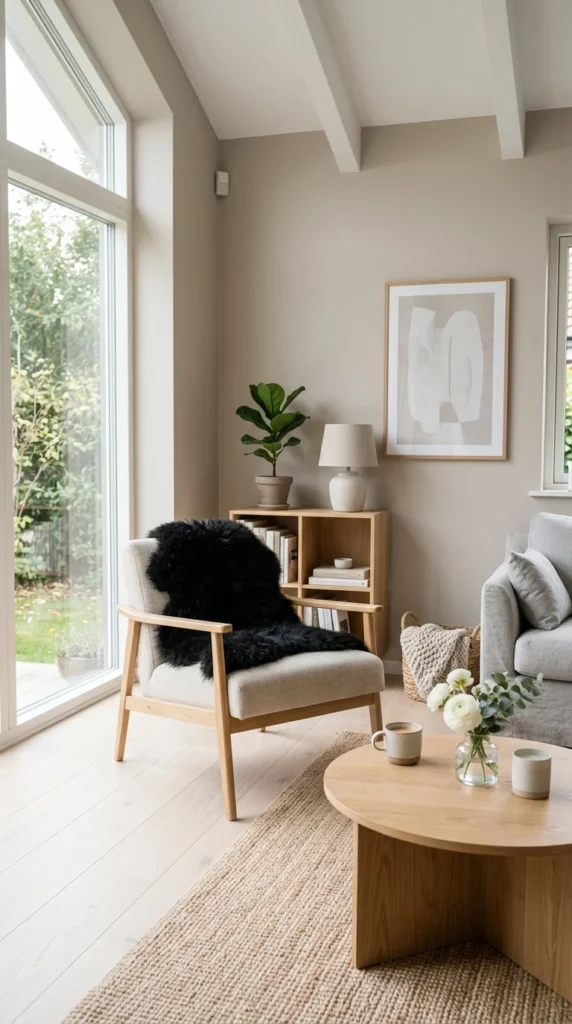
The “Scandi” look thrives on neutrals, but mushroom offers a warmer alternative to the traditional cool grays often seen in Nordic design. Combined with light-colored woods, functional furniture, and plenty of negative space, mushroom creates a “Hygge” environment that is both functional and incredibly cozy.
12. Industrial Loft
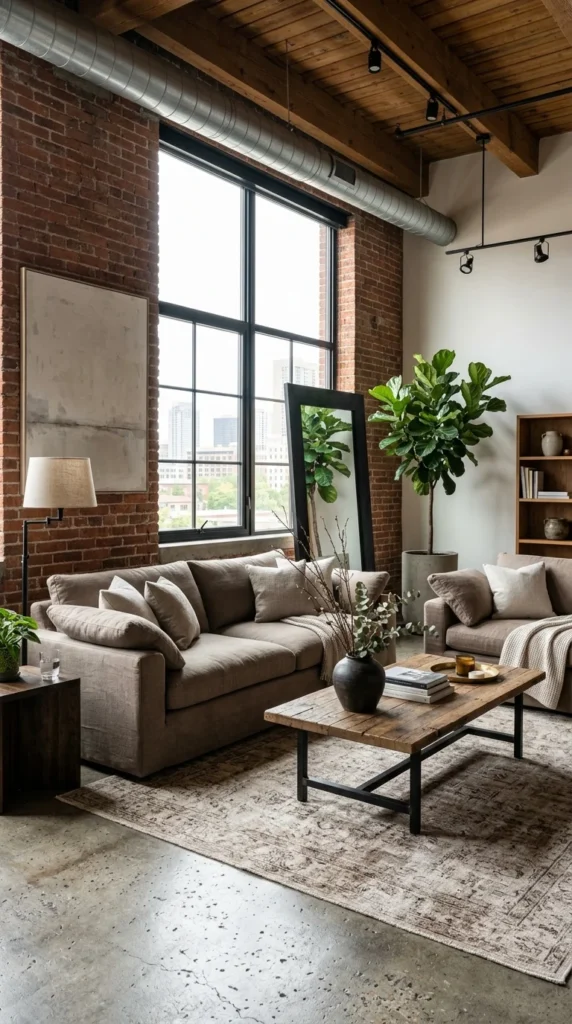
In an industrial setting, mushroom tones can soften the harshness of concrete and brick. Large-scale mushroom furniture provides a comfortable counterpoint to cold architectural materials. It bridges the gap between the ruggedness of an urban loft and the comfort required for a residential living space.
13. Bohemian Chic
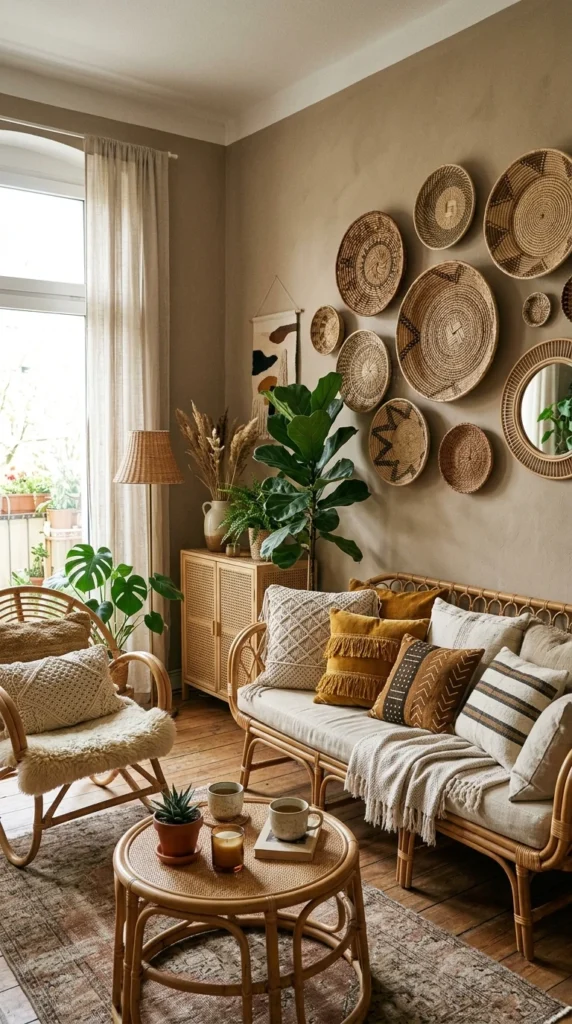
Bohemian design often relies on earthy palettes, making mushroom an ideal base. When paired with rattan, jute, and woven textiles, mushroom feels global and eclectic. It provides a calm background that allows the intricate patterns and textures of “boho” decor to shine without overwhelming the senses.
14. Monochrome Palette
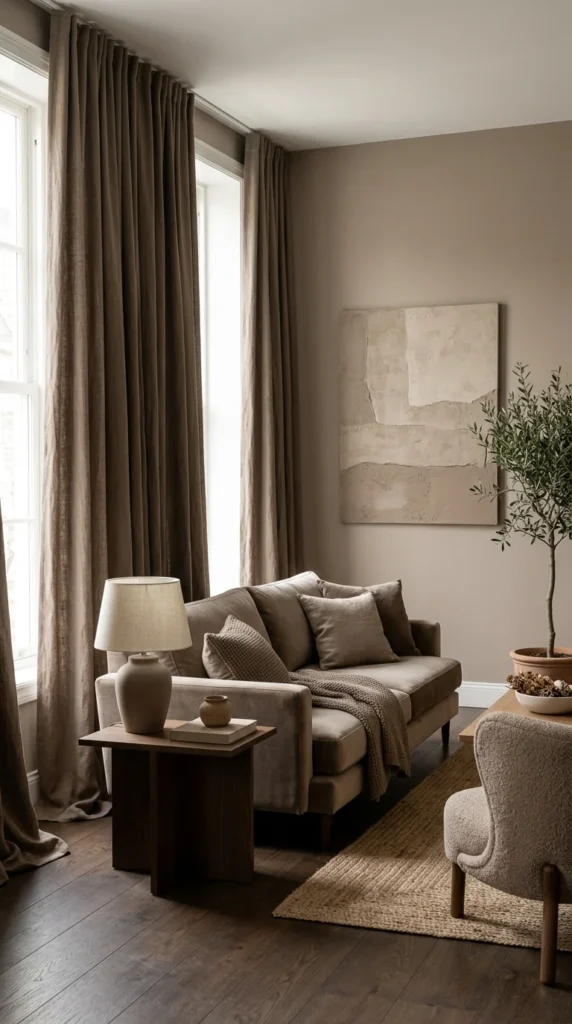
A strictly monochrome palette is the height of modern sophistication. By keeping every element within a narrow range of mushroom shades, you create a space that is visually quiet and incredibly relaxing. The key to this look is varying the textures—linen, wool, and stone—to ensure the room feels rich and layered.
15. Leather Seating
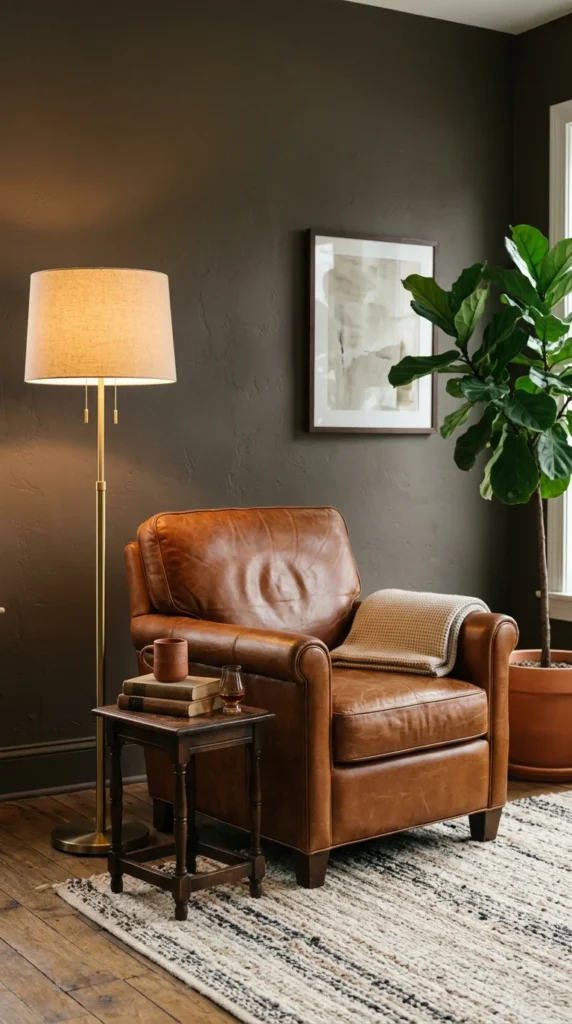
Leather adds an element of timelessness to a mushroom-colored living room. Whether it’s a rich cognac, a dark chocolate, or a worn tan, leather’s natural patina complements the organic feel of mushroom tones. The contrast between the smooth leather and the matte walls creates a sophisticated, library-like atmosphere.
16. Coastal Vibes
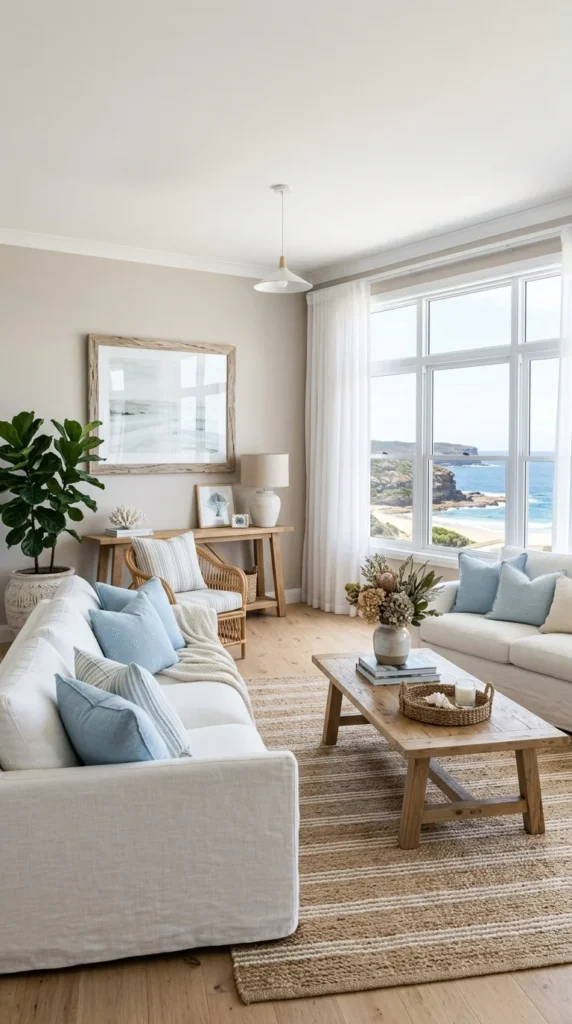
Move away from the traditional “navy and white” coastal look by introducing mushroom. This “driftwood” inspired neutral evokes the feeling of the beach in a more subtle, elevated way. Paired with white linens and soft blues, mushroom creates a breezy, sophisticated coastal retreat.
17. Mid-Century Modern
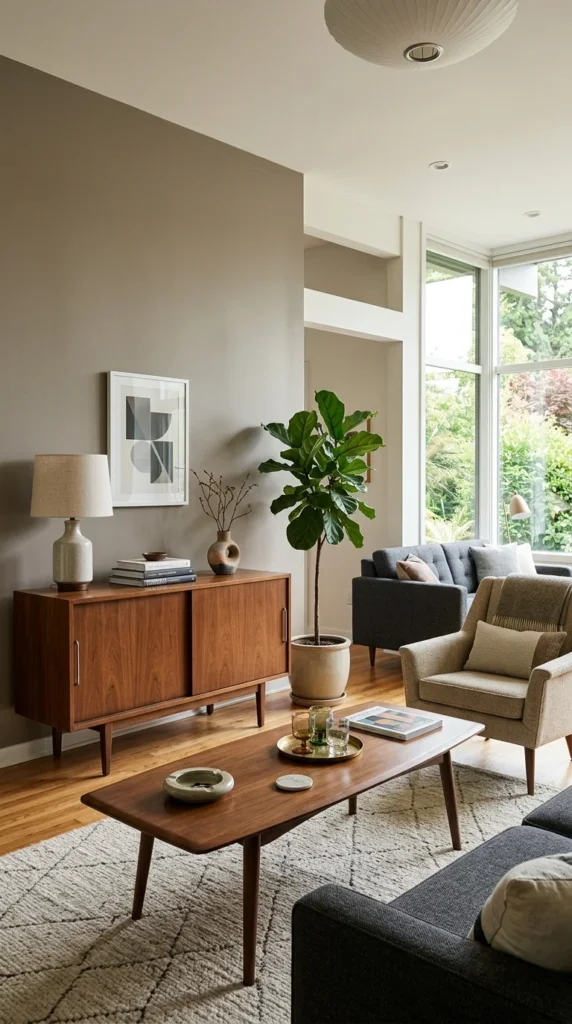
Mushroom was a popular color in the mid-century era, and it remains a perfect fit for the style today. It complements the warm wood tones typical of mid-century furniture (like teak and walnut) and provides a sophisticated backdrop for iconic furniture silhouettes and bold, abstract art.
18. Earthy Linens
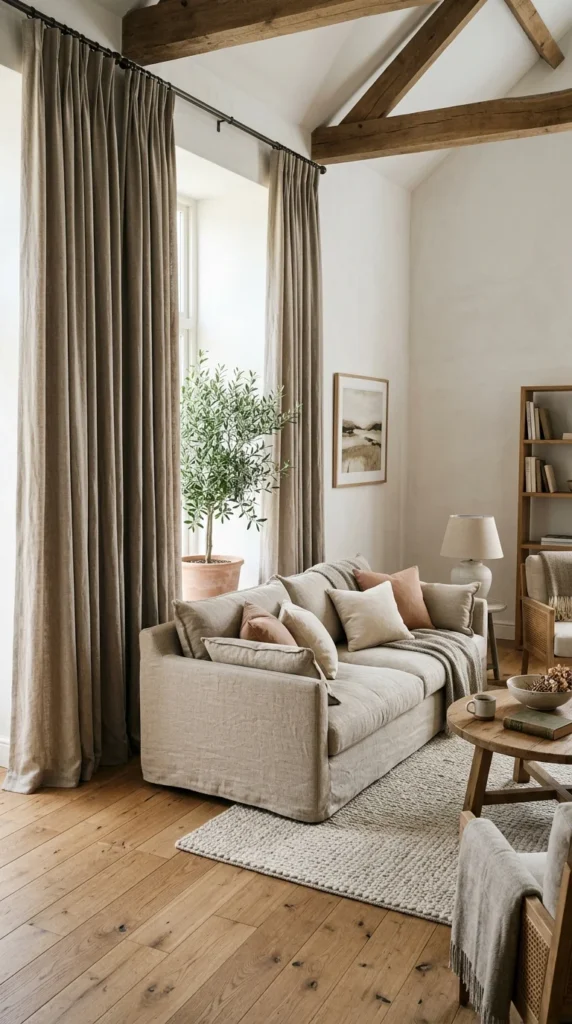
Linen is the ultimate textile for a mushroom-themed room. Its natural slubs and breathable texture enhance the “organic neutral” aesthetic. Mushroom-colored linen curtains, in particular, filter light beautifully, casting a warm, soft glow across the entire room.
19. Statement Lighting
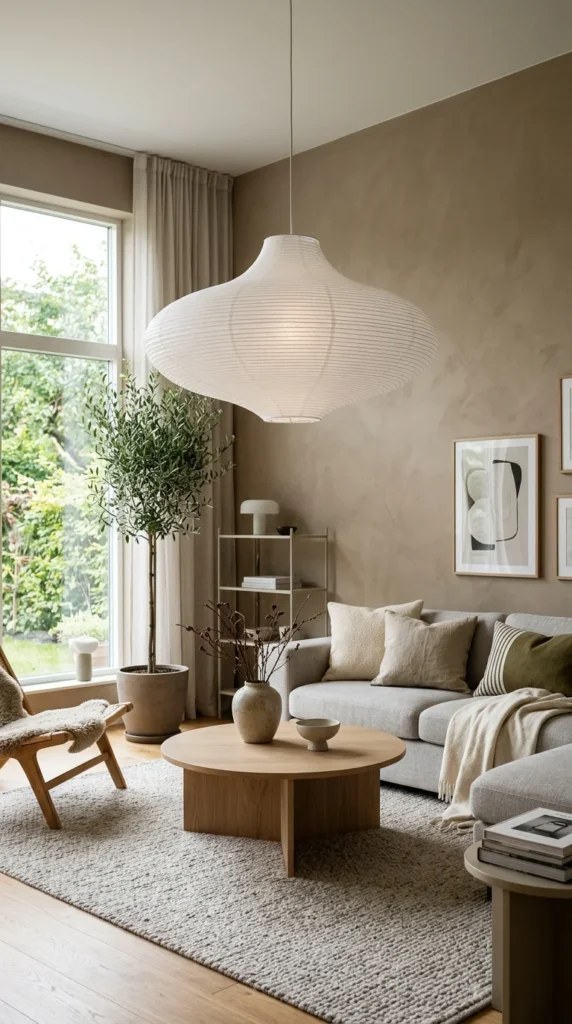
In a room defined by subtle neutrals, statement lighting becomes the star of the show. A large sculptural chandelier or a bold floor lamp in a contrasting color (like bright white or matte black) draws the eye upward and adds a sense of drama to the understated mushroom backdrop.
20. Built-In Shelving
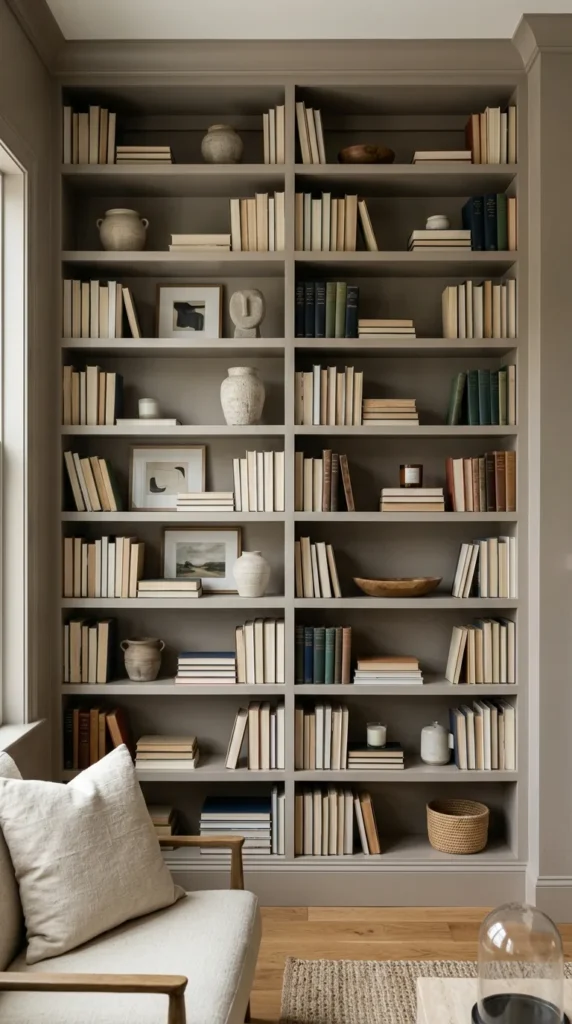
Painting built-in shelving the same color as your mushroom walls is a designer trick that makes the cabinetry look custom and high-end. This seamless look allows the items on the shelves to take center stage, while the shelves themselves disappear into the architecture of the room.
21. Abstract Art
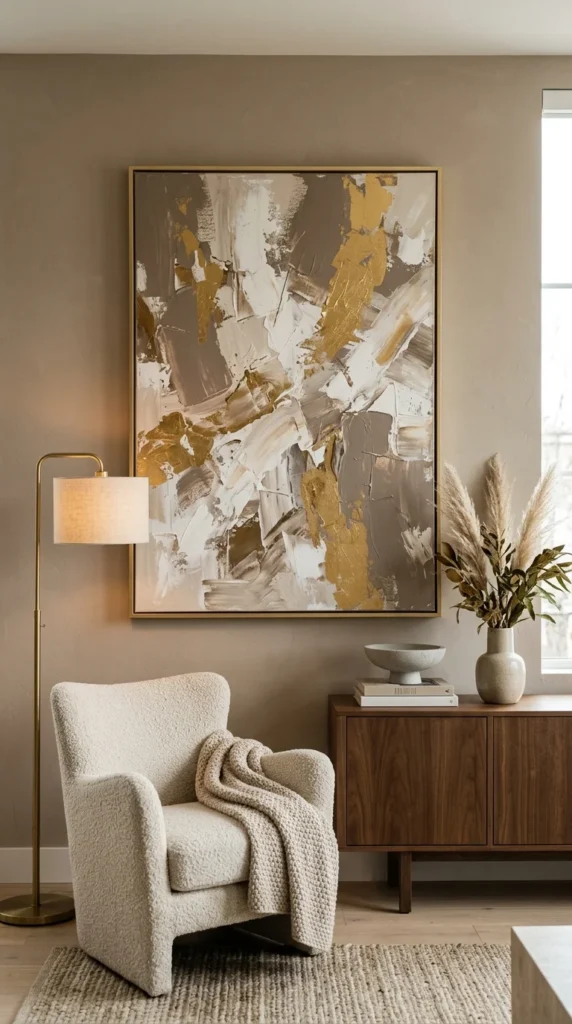
Mushroom walls provide a perfect “blank canvas” for art. Abstract pieces that incorporate similar earthy tones, along with a splash of metallic leaf or high-contrast white, look particularly striking. The neutral wall allows the movement and texture of the painting to be the primary focus.
22. Indoor Greenery
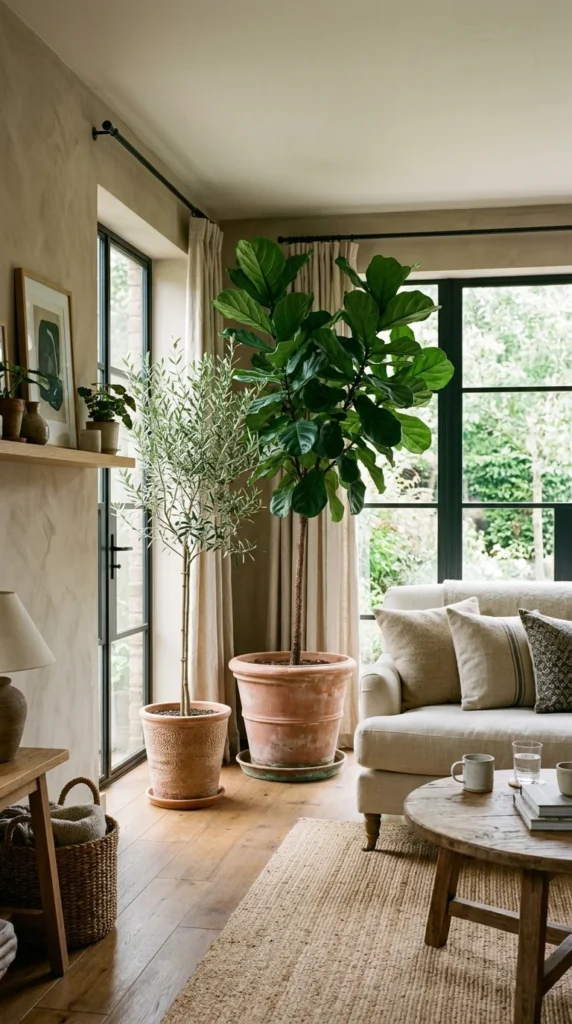
Green is the natural complement to mushroom. The vibrant life of indoor plants—whether it’s the deep green of a Fiddle Leaf Fig or the silvery green of an Olive Tree—pops beautifully against a mushroom background. This combination reinforces the “indoor-outdoor” connection and brings a sense of freshness to the space.
23. Soft Curtains
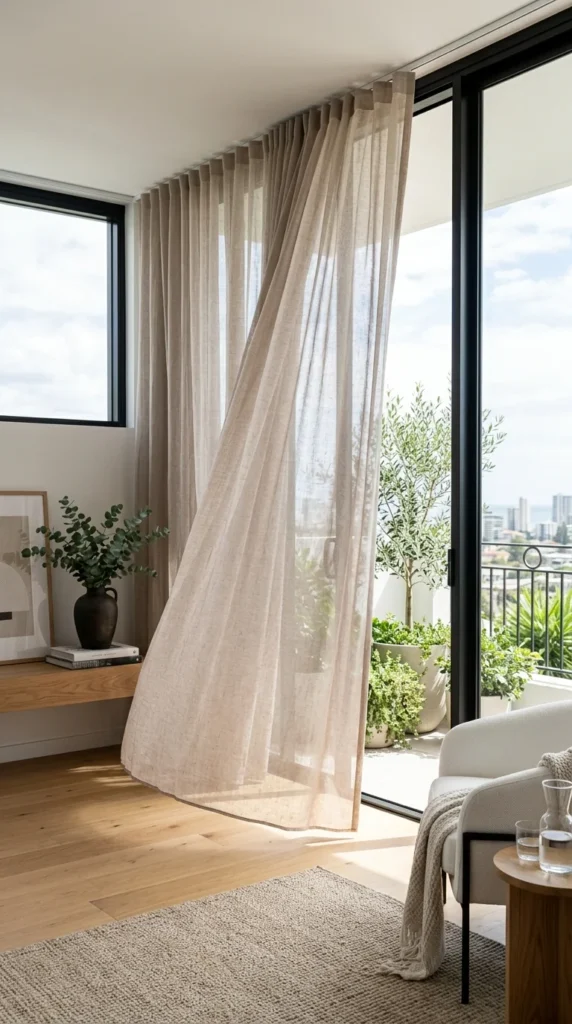
Curtains in a shade just one or two steps away from the wall color can create a beautiful, layered look. Sheer mushroom-colored fabrics allow light to pass through while still providing privacy, creating a soft, romantic atmosphere that softens the lines of the room.
24. Marble Accents
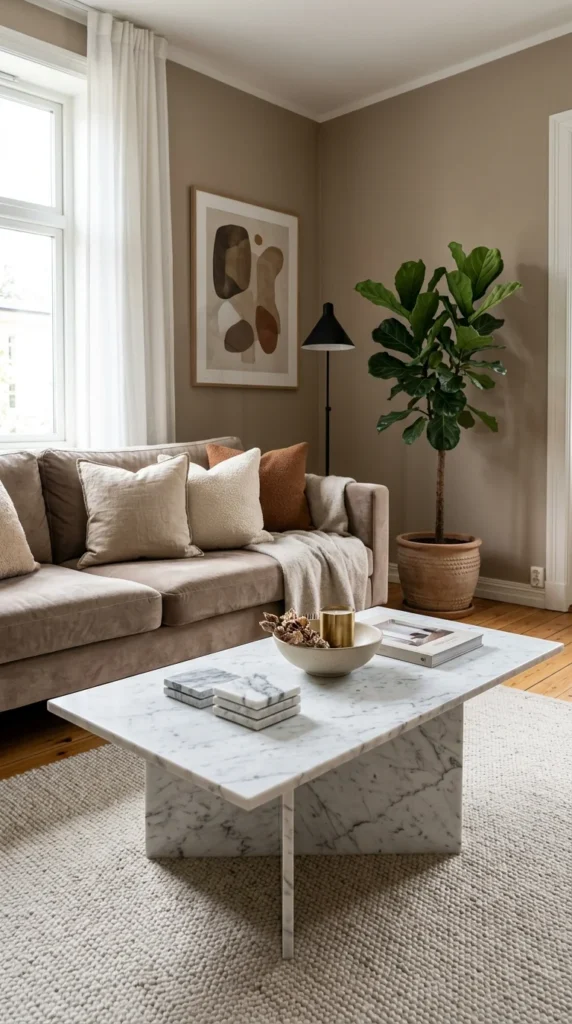
Marble, especially varieties with gray or beige veining, perfectly echoes the complexity of mushroom tones. A marble coffee table or side table adds a cool, hard surface that balances the soft textiles of a living room. This interplay of “hard” and “soft” is key to a well-balanced, professionally designed space.