
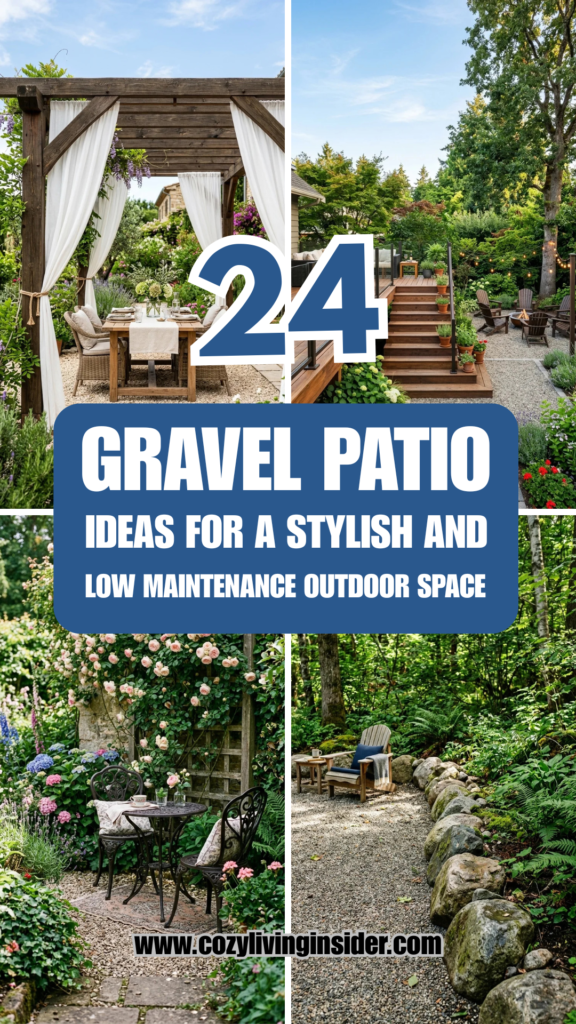

Creating an outdoor sanctuary does not always require the heavy investment of poured concrete or the intense maintenance of a wooden deck. Gravel patios have emerged as a premier choice for homeowners seeking a blend of sophisticated aesthetics, excellent drainage, and cost-effective installation. From the crunch of the stone underfoot to the natural, organic look it provides, gravel offers a versatile foundation for any landscape style, from ultra-modern minimalism to rustic country charm.
In this guide, we explore 24 curated gravel patio ideas that emphasize style, functionality, and ease of care, helping you transform your backyard into a professional-grade retreat.
1. Pea Gravel
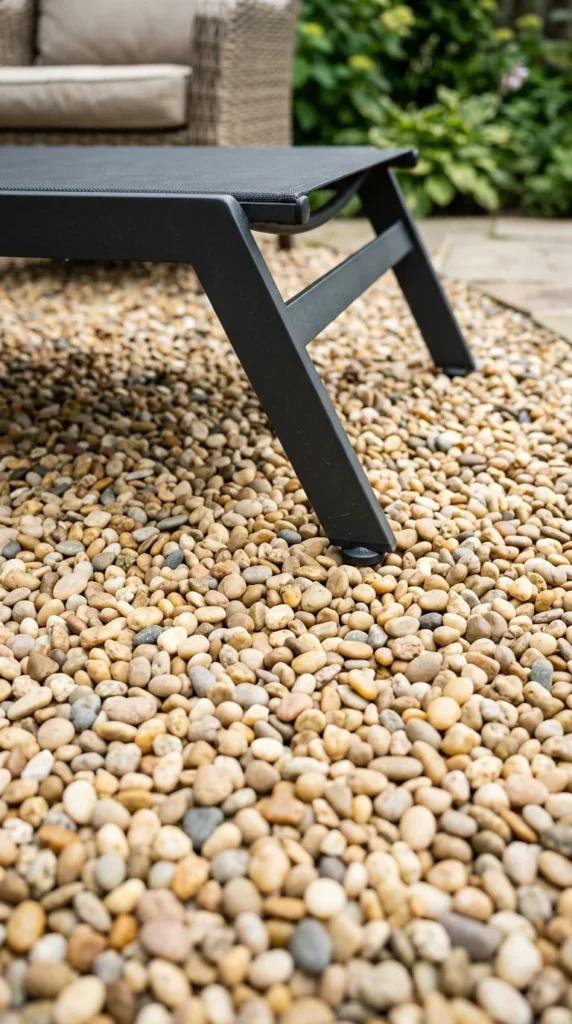
Pea gravel is the quintessential choice for those seeking a soft, rounded texture. These small, pea-sized stones are comfortable to walk on even in bare feet, making them ideal for high-traffic lounging areas. Because the stones are naturally smoothed by water, they offer a fluid, organic look that complements traditional and contemporary homes alike. Use a landscape fabric underneath to prevent weeds from disrupting the uniform surface.
2. Flagstone Mix
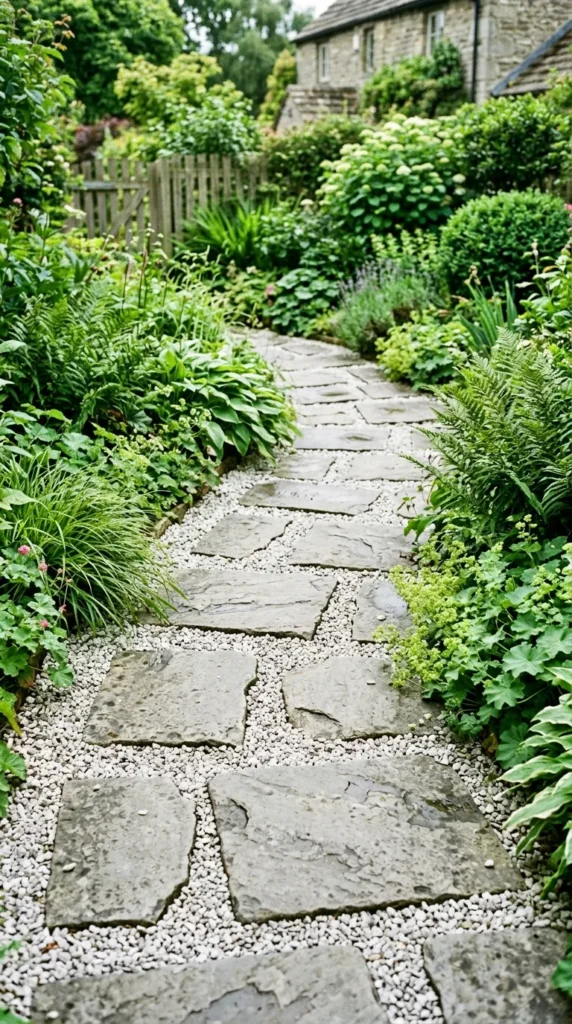
Integrating flagstone pavers into a gravel base provides the best of both worlds: the stability of a solid surface and the permeability of gravel. This approach creates a “stepping stone” effect that guides guests through the space while the gravel fills the gaps, preventing the need for mortar and allowing rainwater to seep directly into the ground.
3. Modern Borders
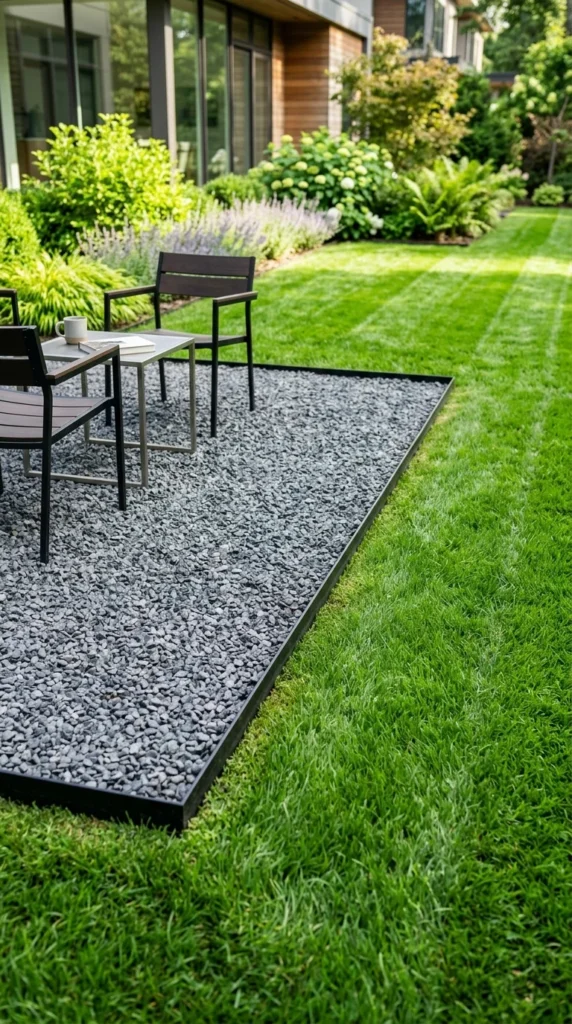
To achieve a crisp, contemporary look, focus on the edging. Metal or aluminum edging creates a razor-sharp line that keeps gravel contained and prevents it from migrating into your lawn. This geometric precision provides a professional finish that defines the patio as a distinct architectural element of the landscape.
4. Fire Pit Hub
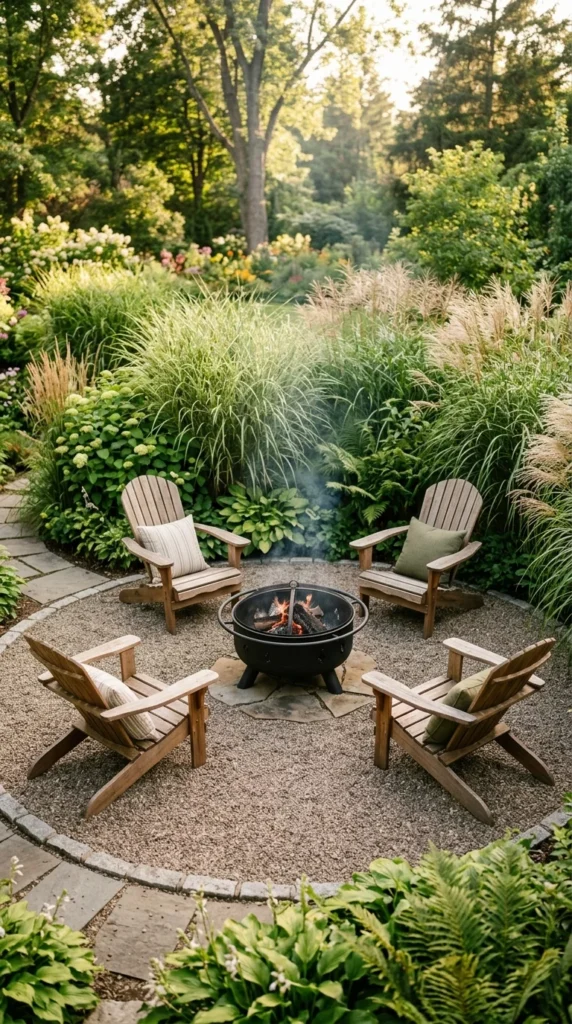
Gravel is an inherently fire-safe material, making it the perfect foundation for a dedicated fire pit zone. Unlike wood decking, gravel won’t catch sparks, and unlike concrete, it won’t crack under high heat. A circular gravel layout naturally draws people inward, creating a cozy, communal atmosphere for evening gatherings.
5. Mediterranean Style
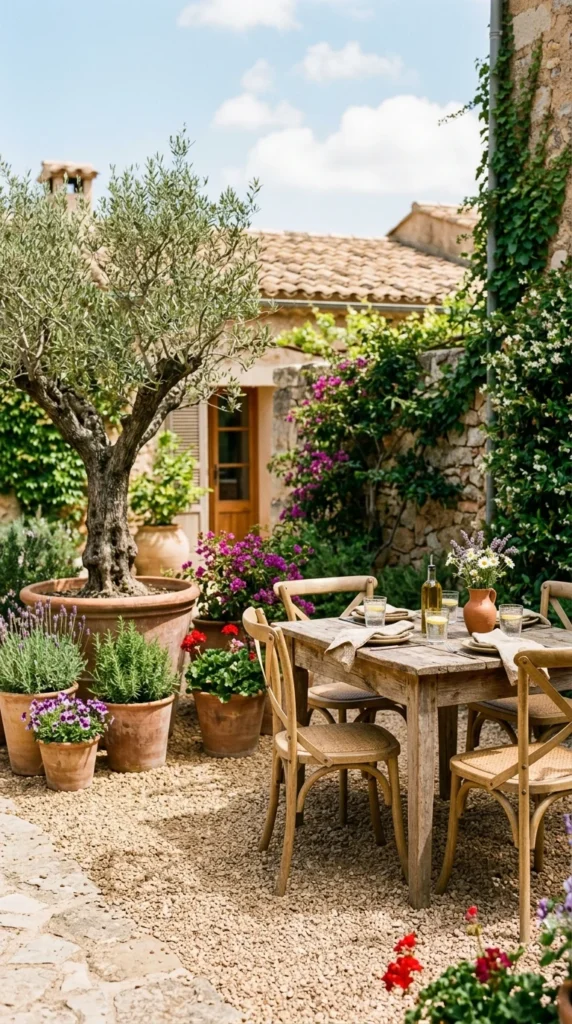
Embrace the aesthetics of the French Riviera or Tuscany by using warm, tan-colored gravel paired with drought-resistant plants. Incorporating lavender, rosemary, and terracotta elements creates a sun-drenched, Mediterranean vibe that feels both timeless and luxurious. This style is particularly effective in arid climates where water conservation is a priority.
6. Stepping Stones
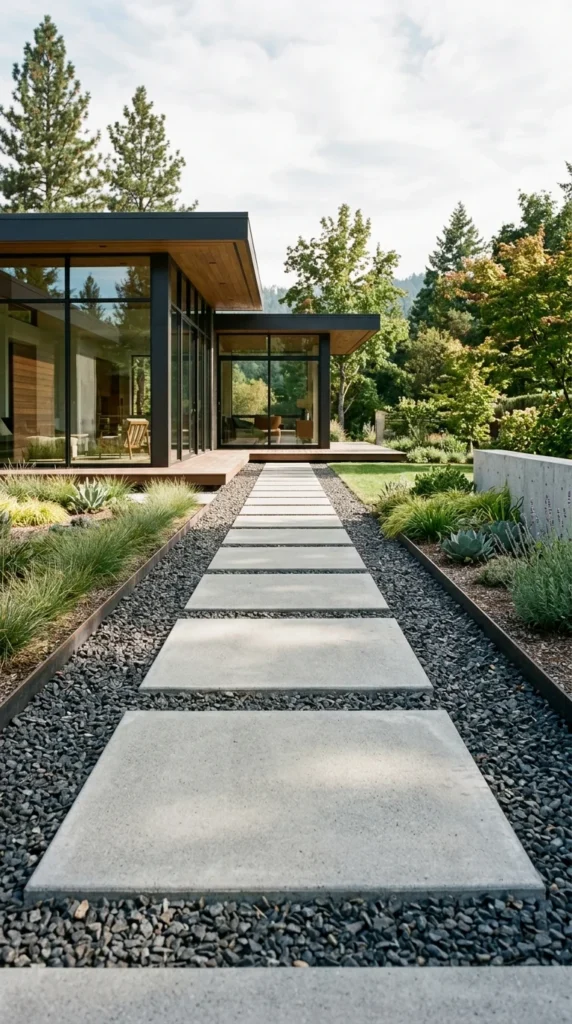
For a high-contrast, architectural look, use oversized square or rectangular concrete pavers set within a bed of dark gravel. This creates a “floating” effect that is a staple of modern landscape design. The grid-like structure provides a sense of order and sophistication, perfect for entryways or transitional spaces.
7. Built-in Seating
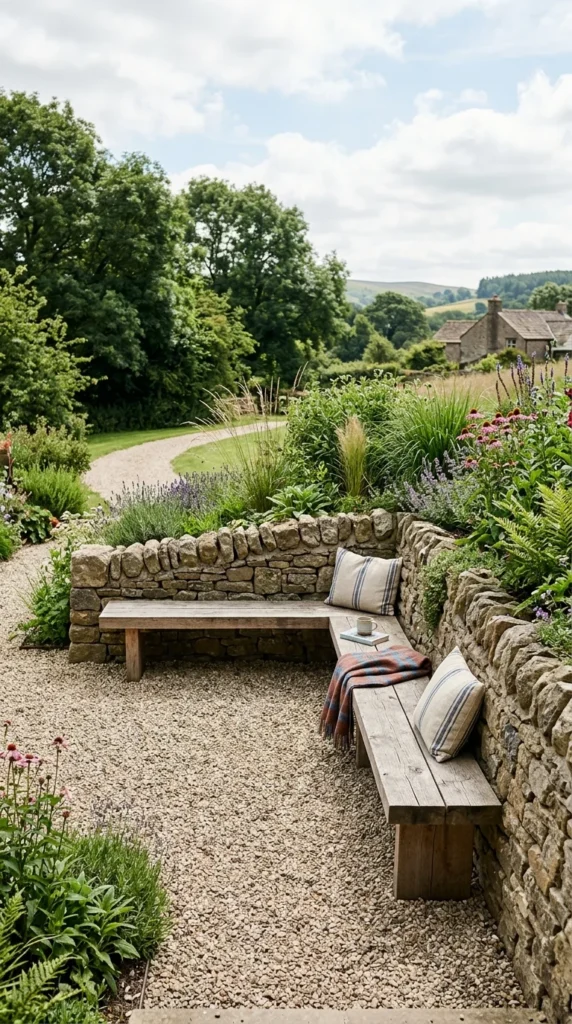
Maximize space by bordering your gravel patio with built-in wooden or stone benches. This eliminates the need for bulky furniture and creates a permanent structure that anchors the patio. The contrast between the stationary wooden benches and the loose texture of the gravel provides a rich, layered aesthetic.
8. Xeriscaping
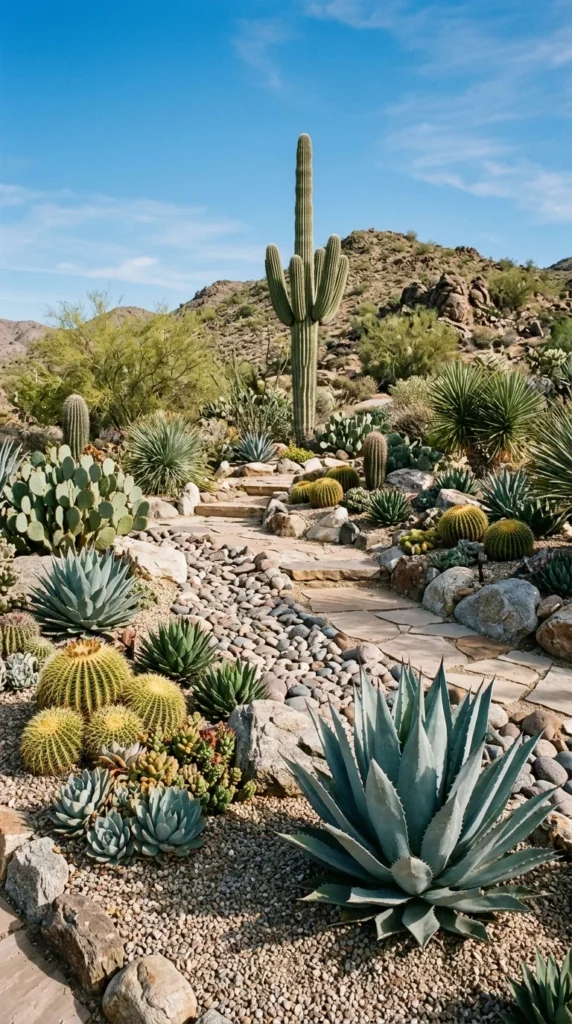
Gravel is a cornerstone of xeriscaping—a landscaping method that reduces or eliminates the need for irrigation. By replacing thirsty lawns with gravel and drought-tolerant plants like succulents and ornamental grasses, you create a sustainable, low-maintenance environment that remains beautiful year-round without heavy water usage.
9. Edging Accents
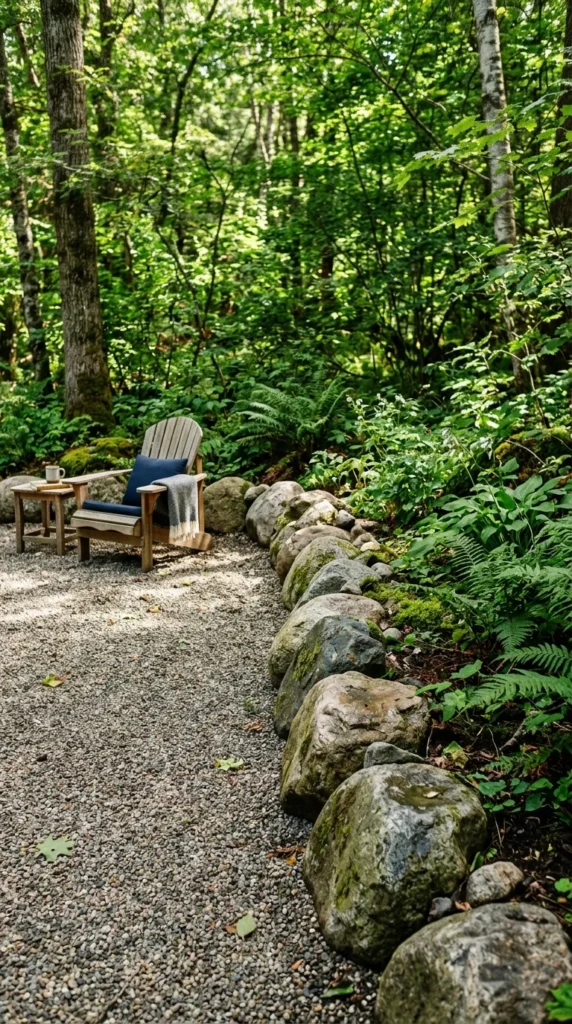
If a modern metal edge feels too sterile, use natural stone or boulders to define the perimeter of your patio. This “soft” edging integrates the patio into the surrounding environment, making it feel like a natural extension of the landscape rather than a man-made addition.
10. Bistro Corner
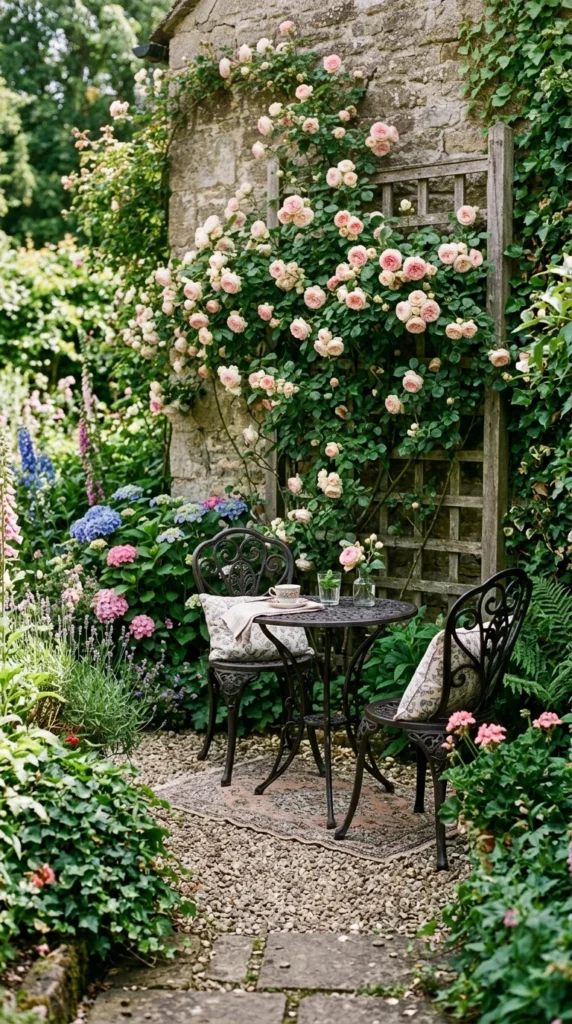
You don’t need a massive backyard to enjoy a gravel patio. A small “bistro corner” can transform an unused nook into a functional breakfast spot. The crunch of gravel under a small metal table creates a Parisian cafe atmosphere that is both romantic and practical for small-scale urban gardening.
11. Zen Garden
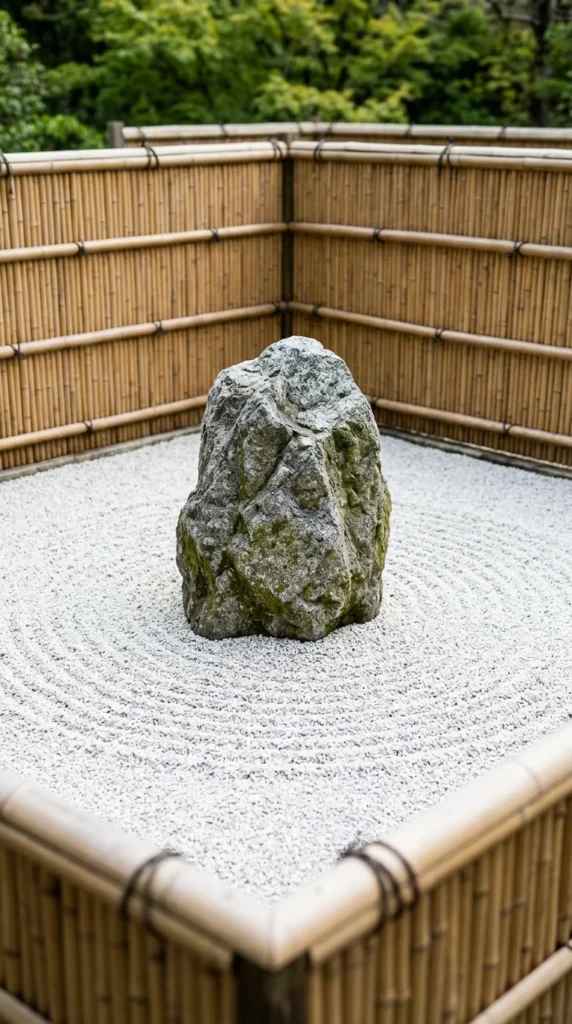
Inspired by Japanese tradition, a gravel-based Zen garden focuses on mindfulness and simplicity. Use fine-grained gravel or crushed granite that can be raked into patterns to represent water ripples. This creates a peaceful, meditative space that serves as a visual focal point for the backyard.
12. Coastal Vibe
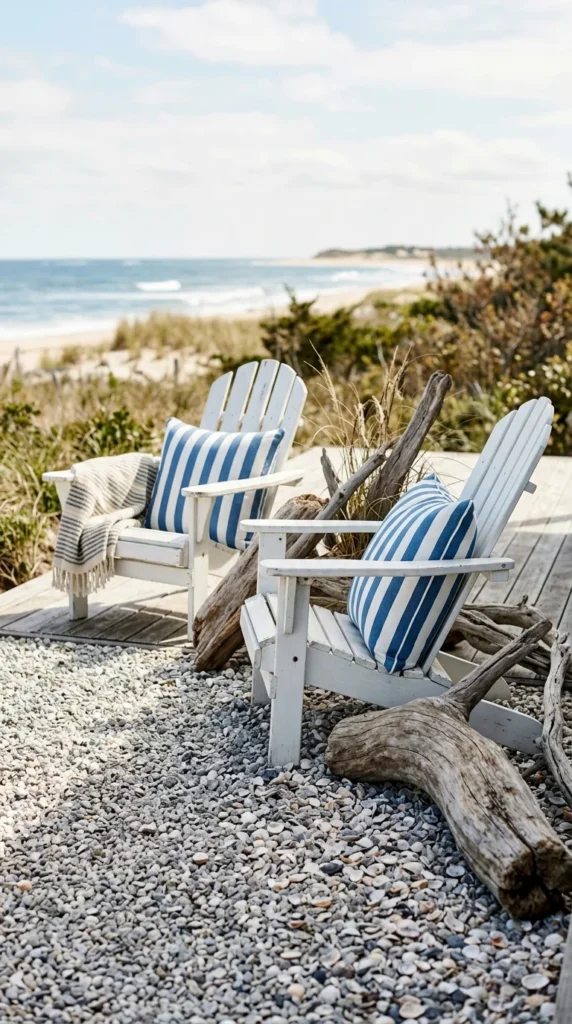
For homes near the water (or those that wish they were), mixing crushed seashells with light grey gravel creates an instant coastal aesthetic. This combination reflects light beautifully and pairs perfectly with nautical decor, bleached wood, and sea-toned textiles.
13. Multi-level
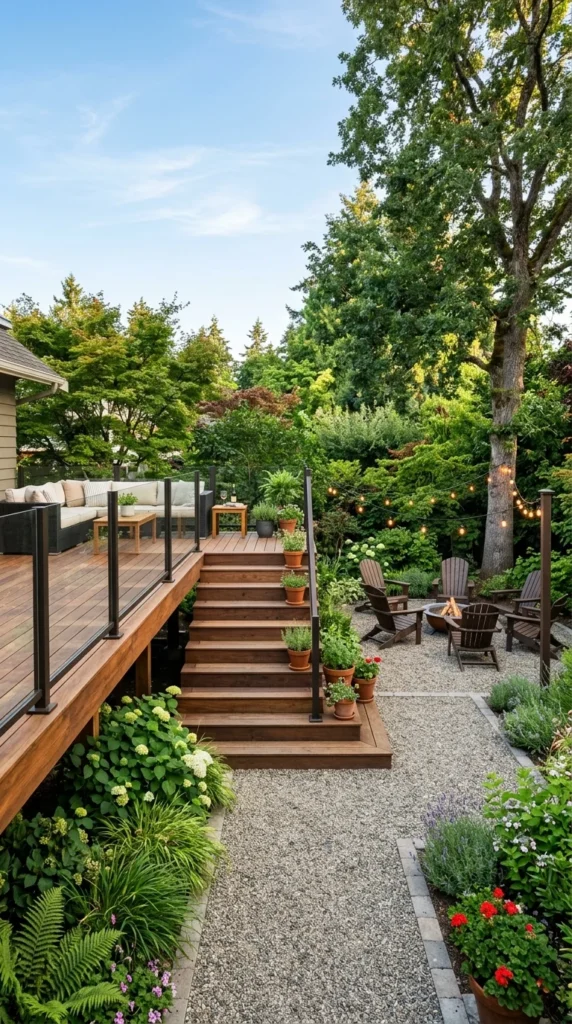
If your yard has a slope, use gravel to create a multi-tiered terrace system. Gravel is much easier to install on different levels than heavy pavers. Retaining walls made of timber or stone can hold the gravel in place, creating distinct “rooms” for dining, lounging, and gardening.
14. Walkway Integration
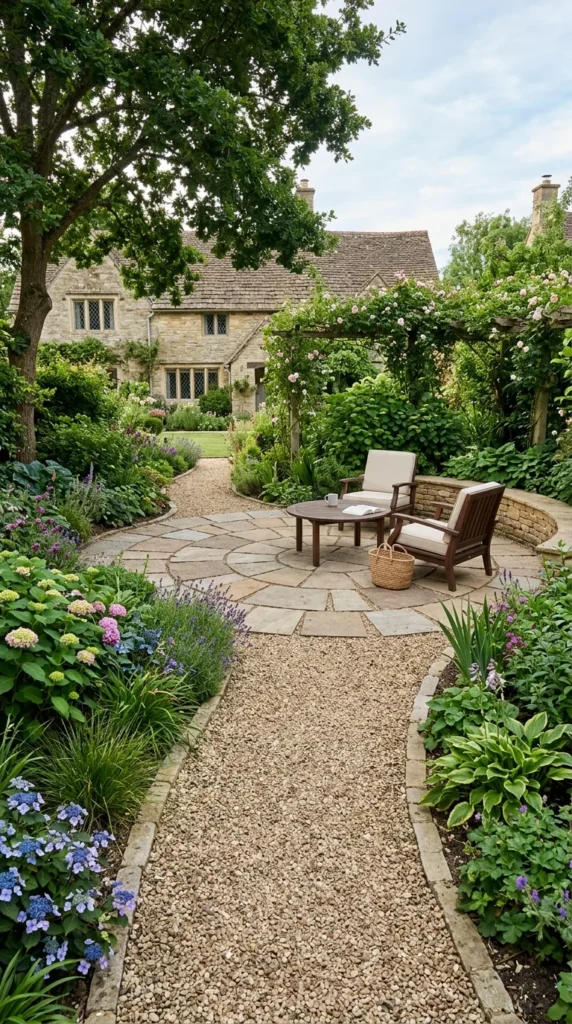
Ensure your landscape flows logically by using the same gravel for both your walkways and your patio. This creates a sense of continuity and makes the outdoor space feel much larger. It eliminates jarring transitions between different materials and simplifies the overall color palette of the yard.
15. Garden Island
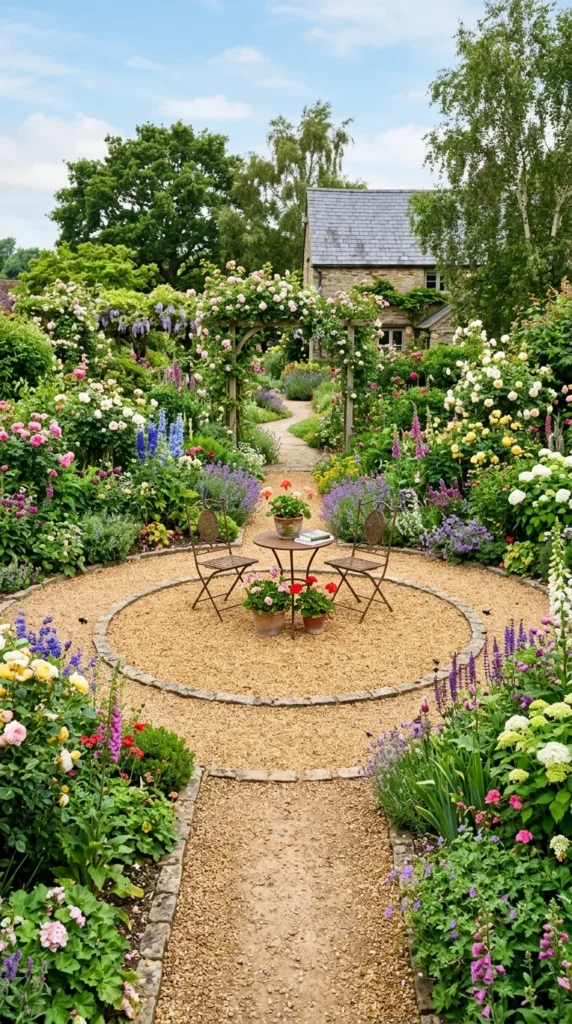
Create a “destination” in your yard by placing a gravel patio in the center of a lush garden bed. Surrounded by perennials and shrubs, this “garden island” feels like a secret getaway. The gravel provides a clean, dry surface to sit on while being enveloped by the sights and scents of your plants.
16. Solar Lighting
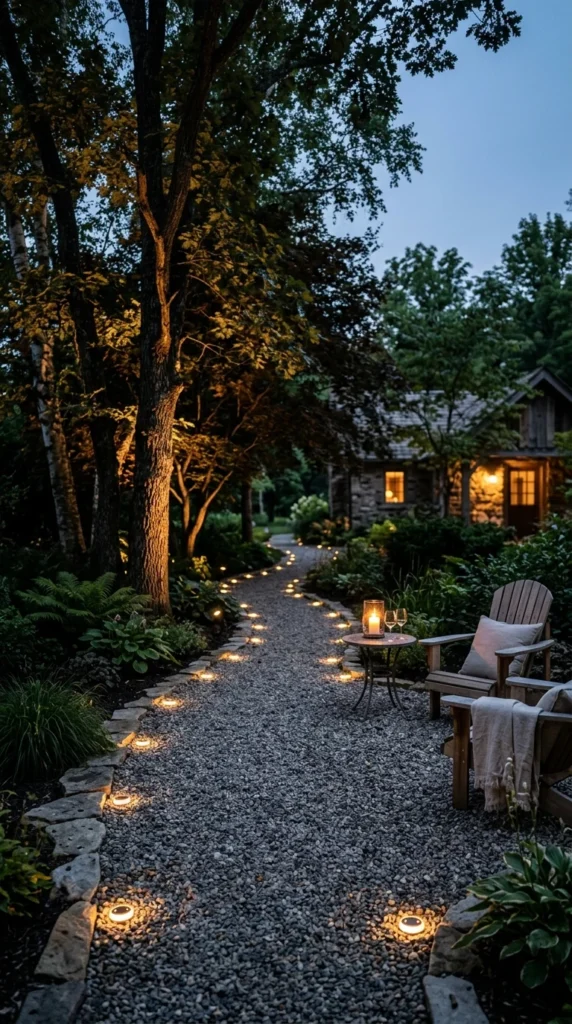
Enhance the safety and ambiance of your gravel patio with integrated lighting. Solar-powered stakes can be easily pushed into the gravel without the need for complex wiring. The light reflects off the individual stones, creating a shimmering effect that makes the patio usable well into the night.
17. Native Plants
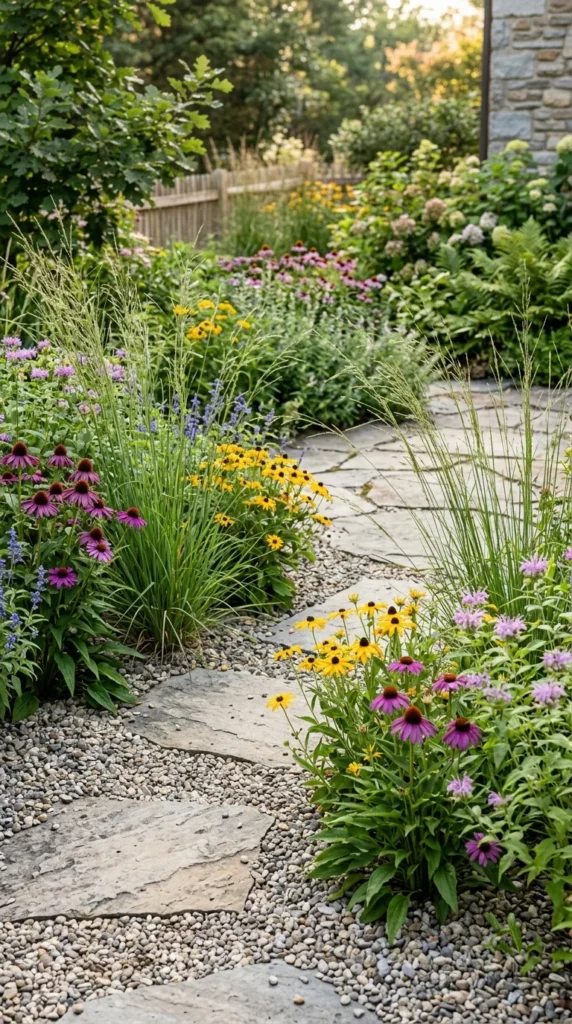
Support local biodiversity by incorporating native plants directly into your gravel design. You can leave small “pockets” in the gravel to plant hardy species that thrive in your specific climate. This creates a “wild” look that requires very little upkeep once established.
18. Pergola Base
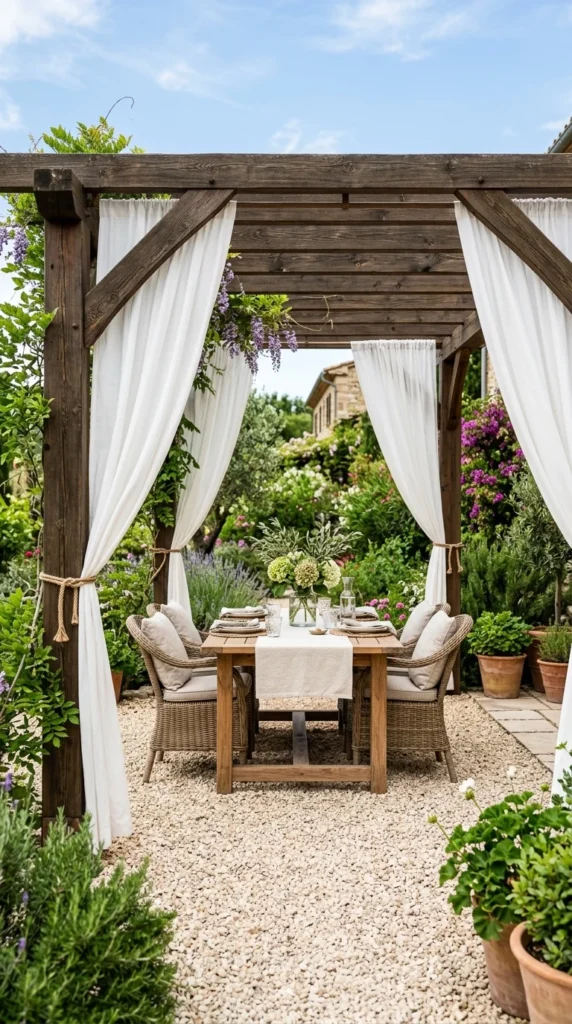
A pergola provides much-needed shade and architectural height. Using gravel as the floor for your pergola is significantly more affordable than building a raised wooden deck underneath it. It also allows for better airflow and drainage around the pergola’s posts, extending the life of the wood.
19. Contrast Textures
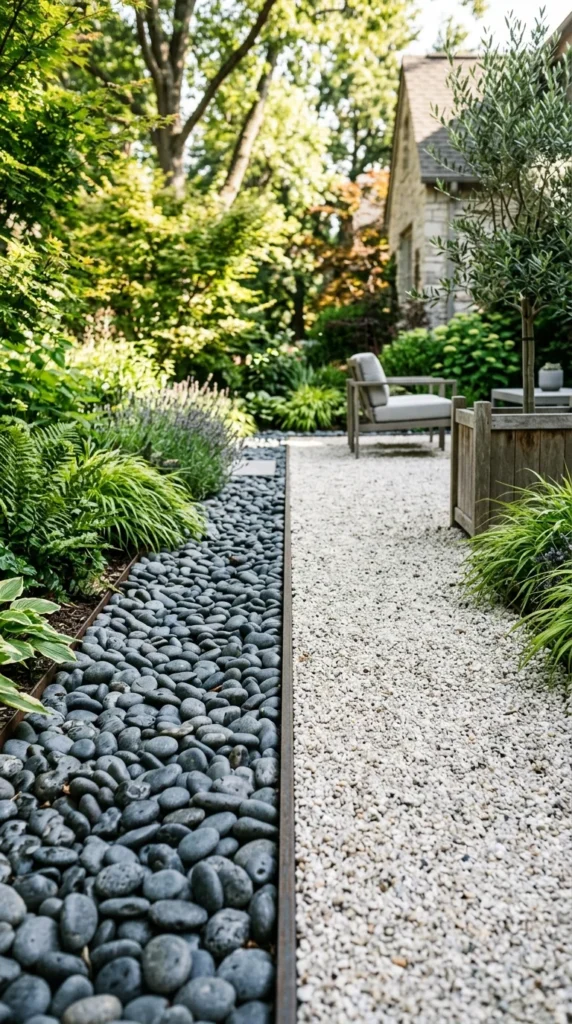
You aren’t limited to just one type of stone. Professional designers often use contrasting textures—such as large, smooth river rocks bordering a field of fine, sharp-angled crushed granite—to create visual interest. This play on scale and texture adds depth to the patio design.
20. Circular Design
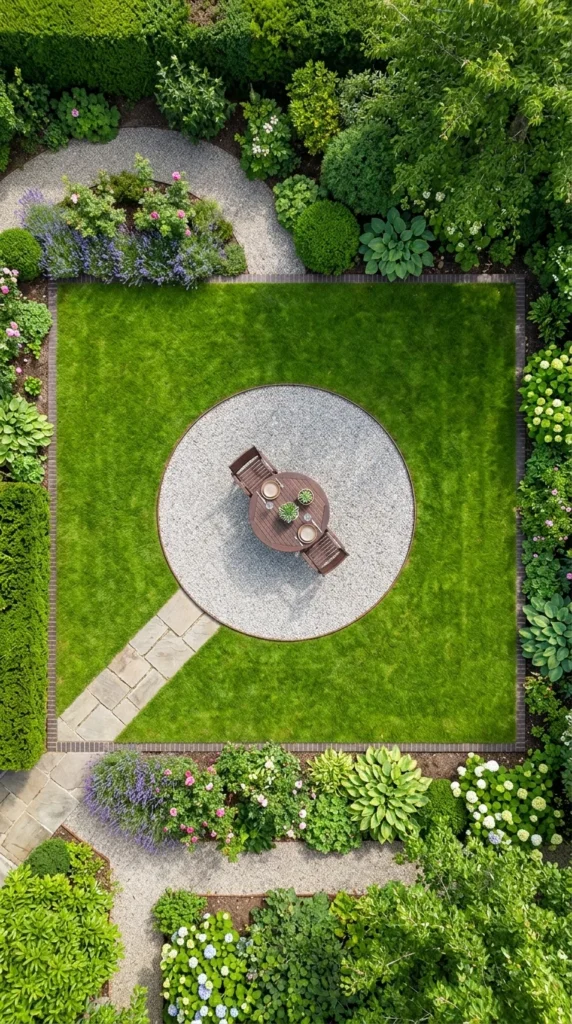
Break away from standard rectangles by opting for a circular patio. A circle creates a natural gathering point and softens the often-rigid lines of a house and fence. It is particularly effective in smaller yards where a circular shape can make the area feel more expansive and open.
21. Rustic Charm
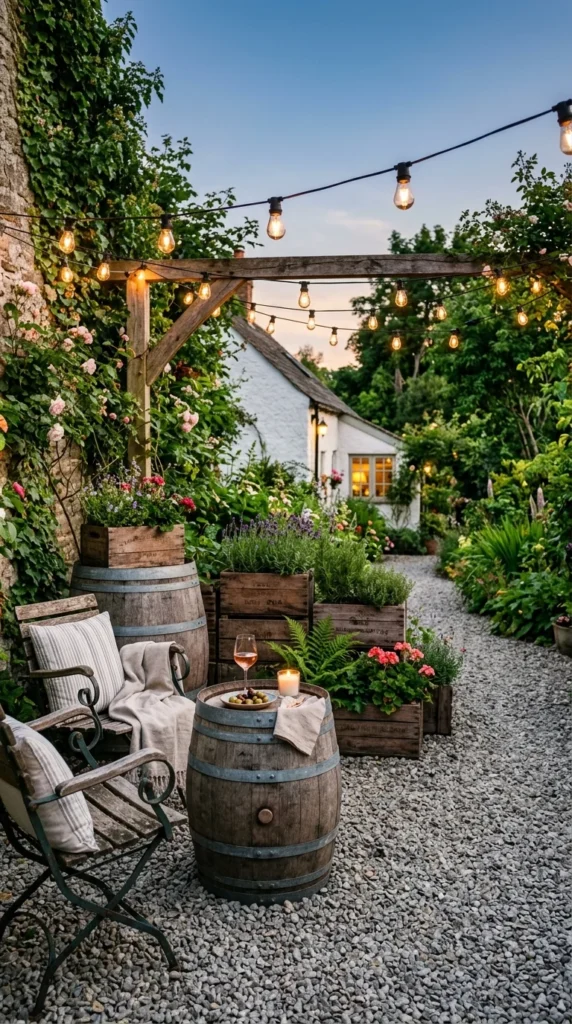
For a farmhouse or cottage-style home, gravel provides the perfect “unfussy” foundation. Pair it with reclaimed materials, such as wine barrels, old timber, and vintage metal chairs. The weathered look of the gravel only improves with age, adding to the lived-in, rustic charm of the space.
22. Dark Slate
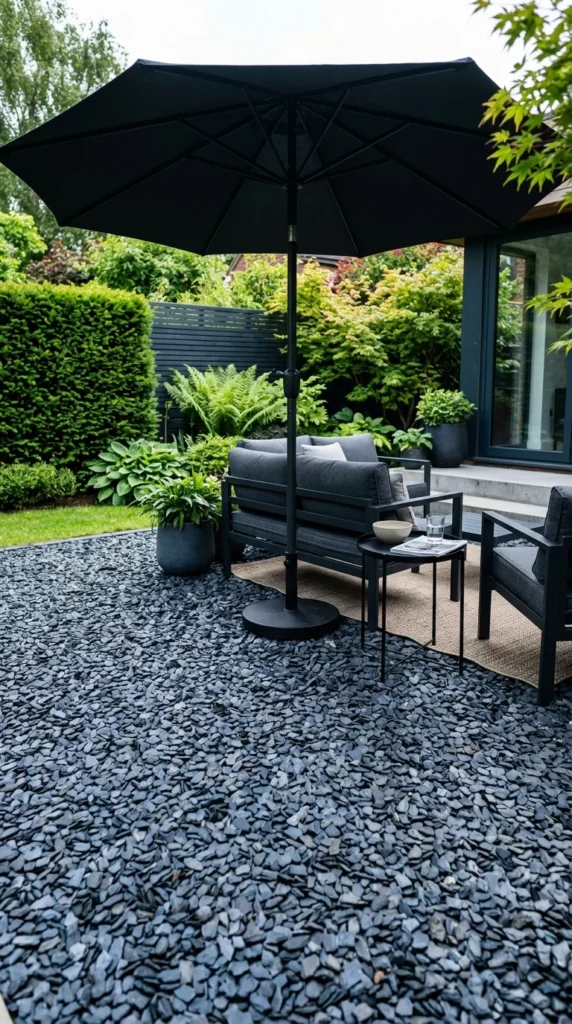
Crushed slate offers a unique, flat texture that packs down more firmly than rounded pea gravel. In dark shades of charcoal or deep blue, it provides a moody, sophisticated look that hides dirt well and creates a stunning backdrop for vibrant green foliage or white outdoor furniture.
23. Tropical Oasis
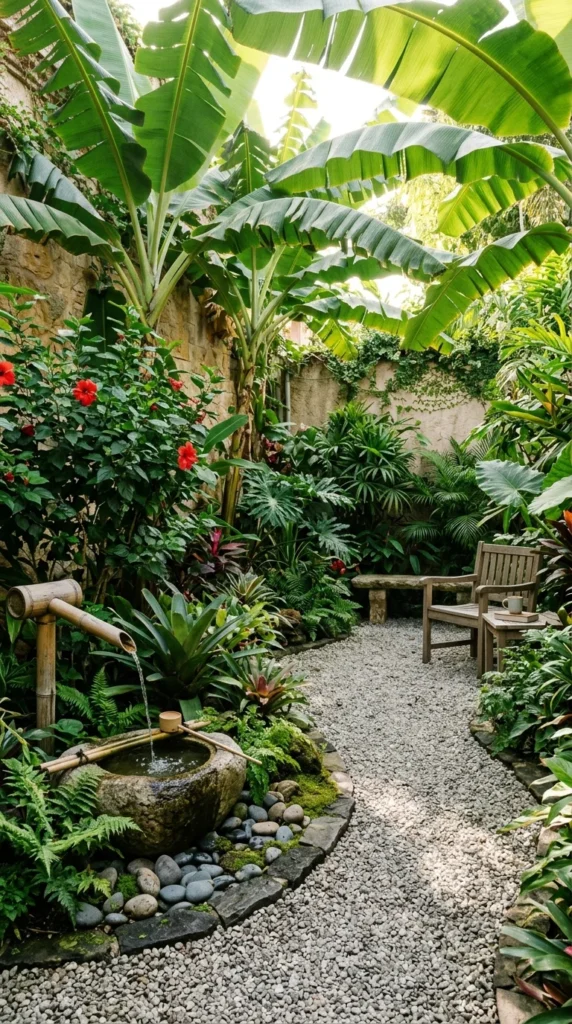
Even in non-tropical climates, you can create an island vibe using gravel. Use light-colored stones to mimic beach sand and surround the patio with oversized, lush foliage. The sound of water from a small fountain hitting the gravel adds to the sensory experience of a tropical retreat.
24. Minimalist Grid
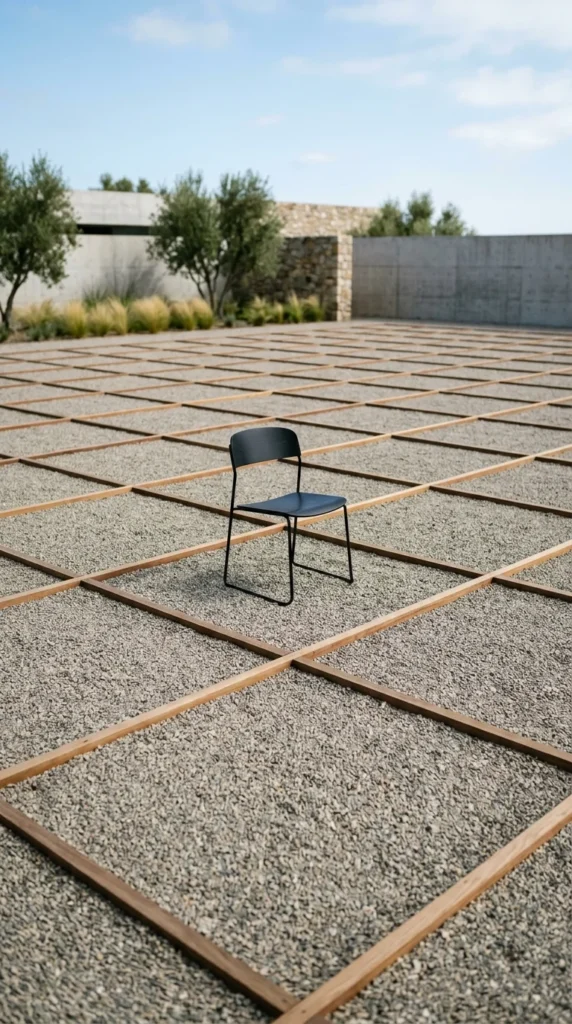
For the ultimate modern statement, use a grid system to organize your gravel. By laying down a frame of wood or metal, you can create a series of “tiles” filled with gravel. This geometric approach turns the ground into a piece of abstract art, proving that gravel can be as high-design as any premium paving material.