
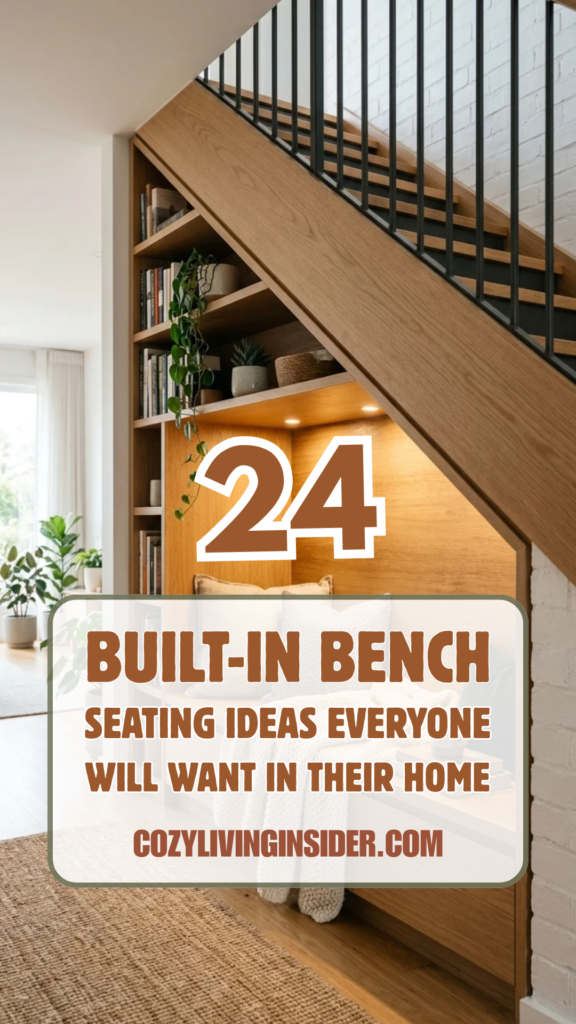

Built-in seating is the ultimate architectural “cheat code” for modern interior design. By integrating furniture directly into the bones of a house, homeowners can maximize square footage, eliminate clutter, and create a sense of permanent, high-end craftsmanship. Whether you are looking to reclaim a neglected corner or provide a seamless transition between rooms, built-in benches offer a versatility that freestanding furniture simply cannot match. From the functional demands of a busy mudroom to the serene quietude of a library nook, these 24 ideas showcase how custom seating can transform the way you live.
1. Kitchen Nook
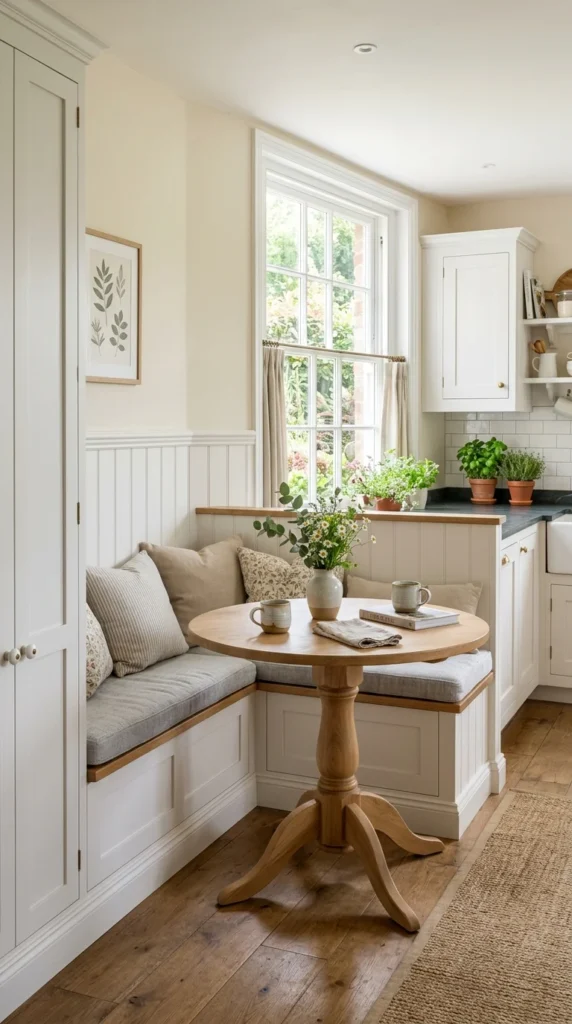
The kitchen nook is perhaps the most classic application of built-in seating. By tucking a bench into a corner, you create an intimate dining experience that saves space compared to a traditional table-and-chair setup. To make this work, ensure the bench height aligns with standard dining chairs (usually 18 inches) and include deep drawers underneath to store seasonal linens or bulky kitchen appliances.
2. Mudroom Cubbies
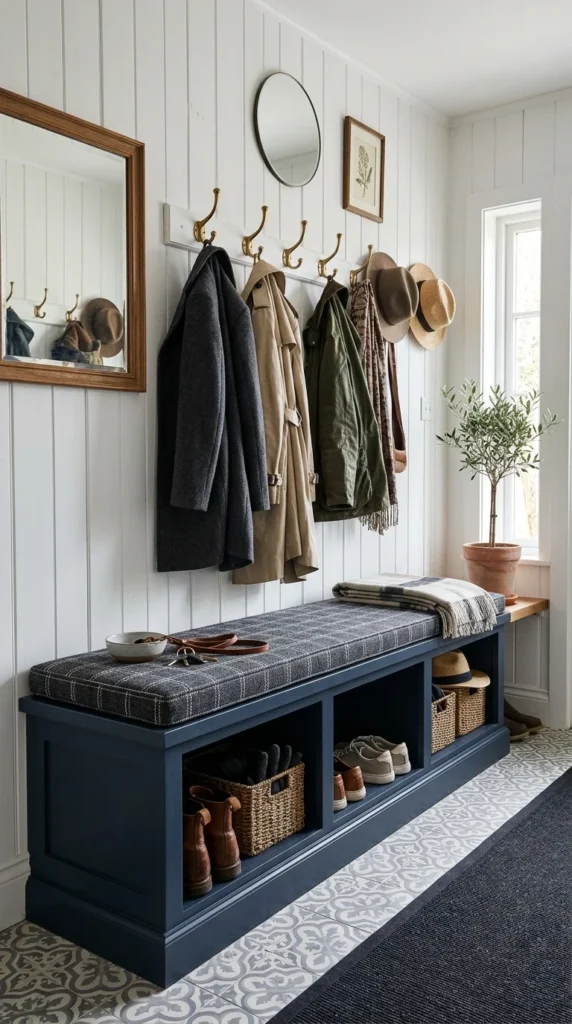
In a high-traffic entryway, a built-in bench serves as a vital transition point. It provides a sturdy place to sit while putting on shoes, while the space below can be partitioned into cubbies for organized storage. Using durable materials like stained hardwood or high-performance paint is essential here to withstand the daily wear and tear of a busy household.
3. Window Seat
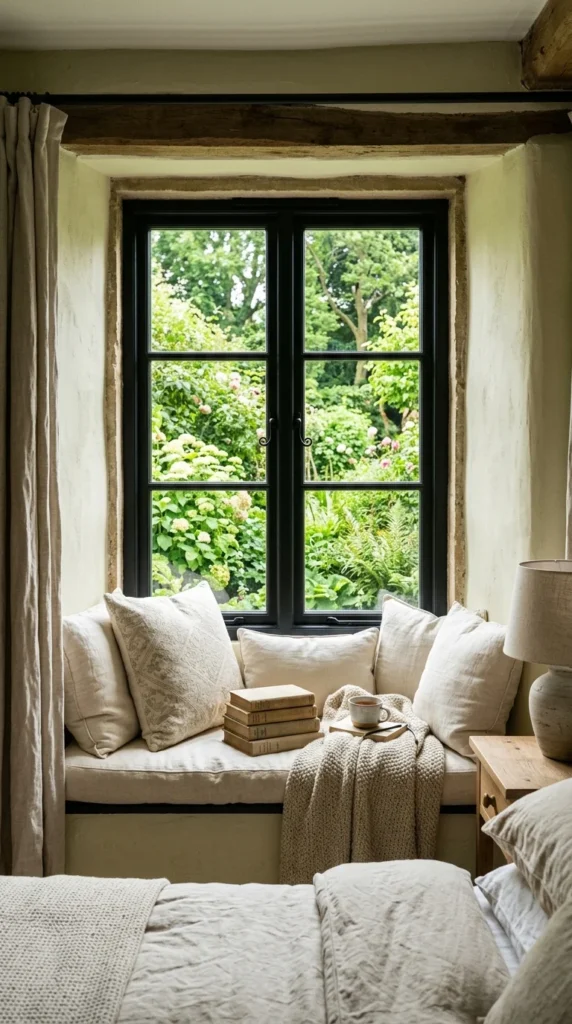
A window seat is more than just a place to sit; it is an invitation to pause and enjoy the view. To optimize this feature, extend the bench the full width of the window casing. If your walls are thick enough, “recessing” the seat into the window frame creates a cocoon-like effect that is perfect for reading or afternoon naps.
4. Dining Banquette
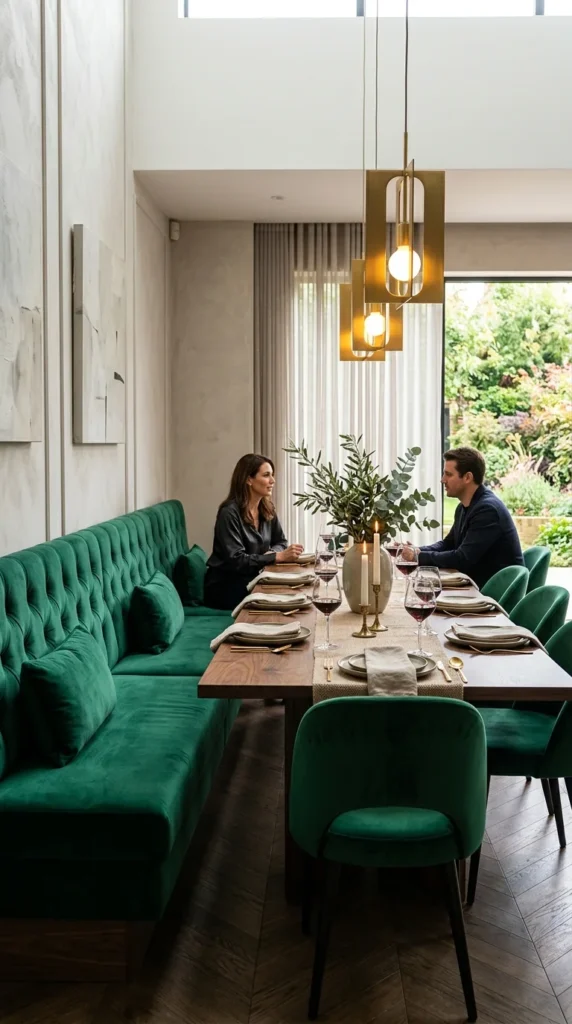
Replacing one side of a dining table’s chairs with a banquette can instantly elevate the room’s sophistication. This approach allows the table to be pushed closer to the wall, opening up the floor plan. For a professional finish, use “to-the-floor” upholstery or a sleek plinth base to hide any structural supports.
5. Under-Stair Alcove
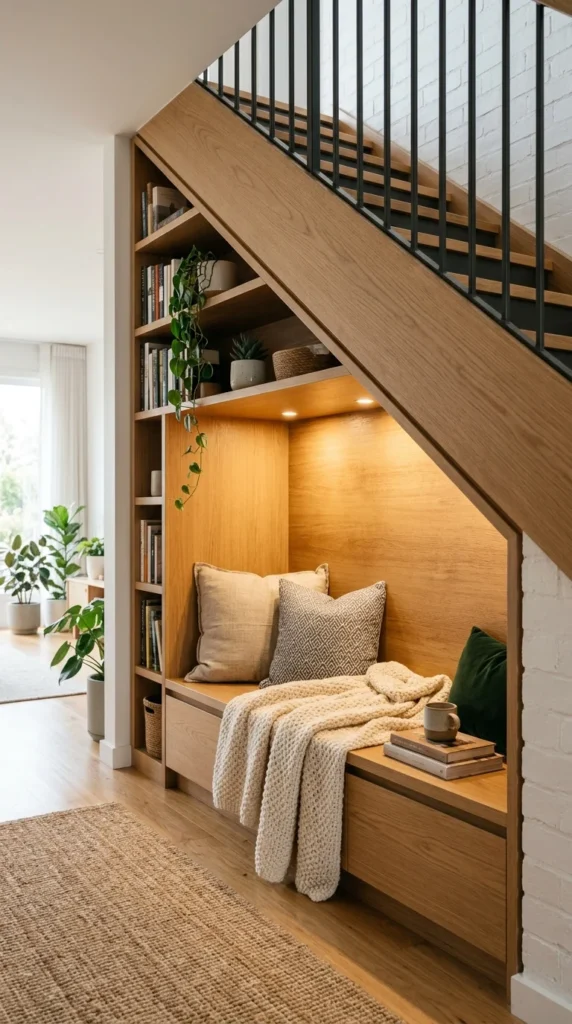
The space beneath a staircase is often wasted, but it is the perfect size for a custom bench. This architectural “moment” can serve as a quiet retreat or a secondary seating area in a hallway. Adding integrated lighting above the bench makes the space feel intentional rather than like an afterthought.
6. Master Bedroom
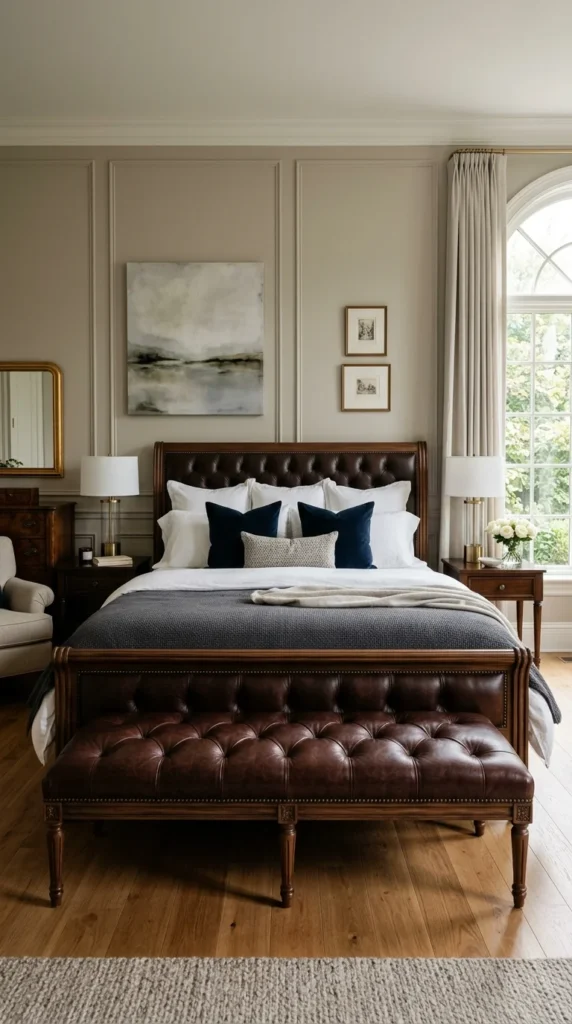
While many people place a freestanding ottoman at the foot of the bed, a built-in bench provides a more grounded, permanent look. It offers a convenient spot for morning routines or evening dressing. Consider a design with a “flip-top” lid to store extra pillows and duvets.
7. Fireplace Hearth
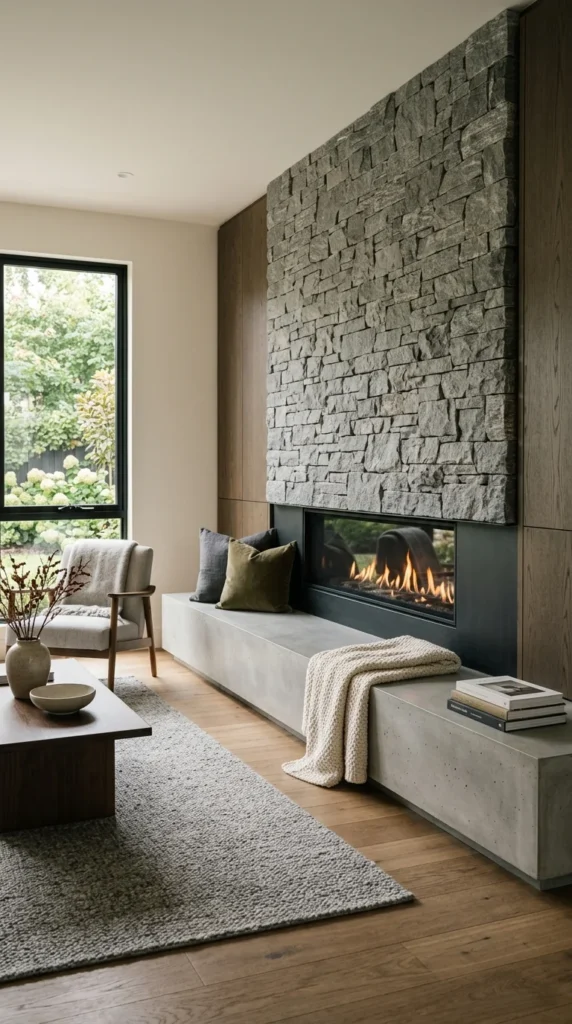
Integrating a bench into the fireplace hearth creates a warm, communal gathering spot. Using non-combustible materials like stone, concrete, or tile ensures safety while providing a sleek, architectural aesthetic. This is particularly effective in open-concept homes where the fireplace serves as a central anchor.
8. Outdoor Deck
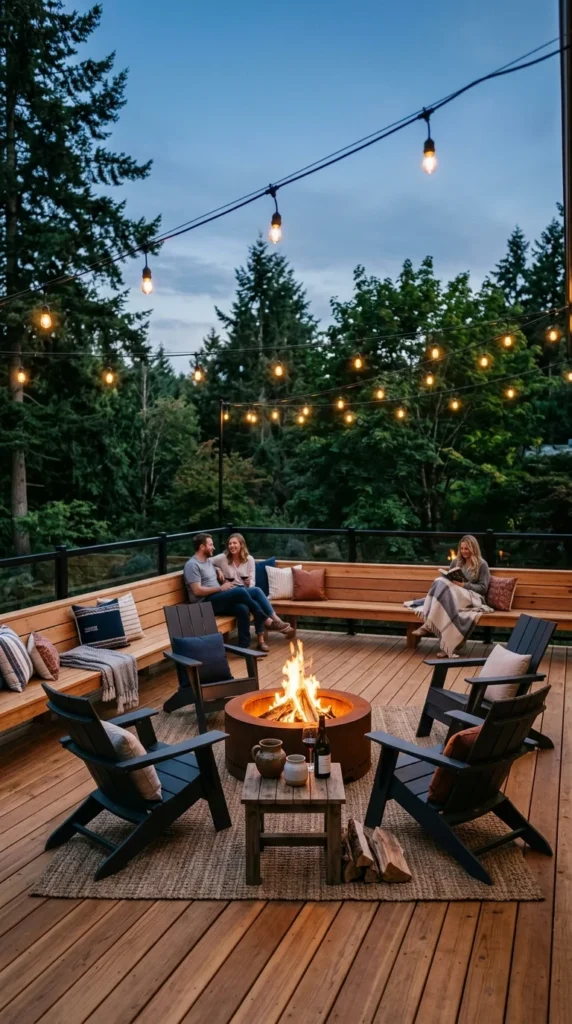
Permanent outdoor seating eliminates the need to store heavy patio furniture during the winter. By building benches directly into the deck’s perimeter or around a fire pit, you create a seamless flow between the house and the landscape. Use weather-resistant woods like Ipe or Teak for longevity.
9. Bathroom Vanity
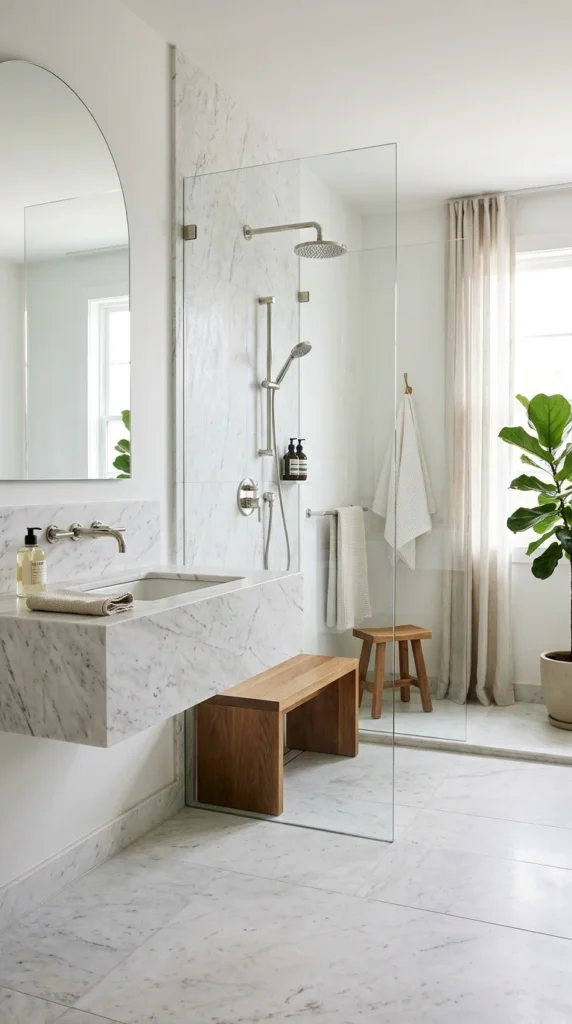
A small built-in bench in the bathroom provides a touch of luxury, offering a place to sit while applying skincare or waiting for a bath to fill. Using water-resistant materials like teak or sealed stone is critical in this high-moisture environment.
10. Home Office
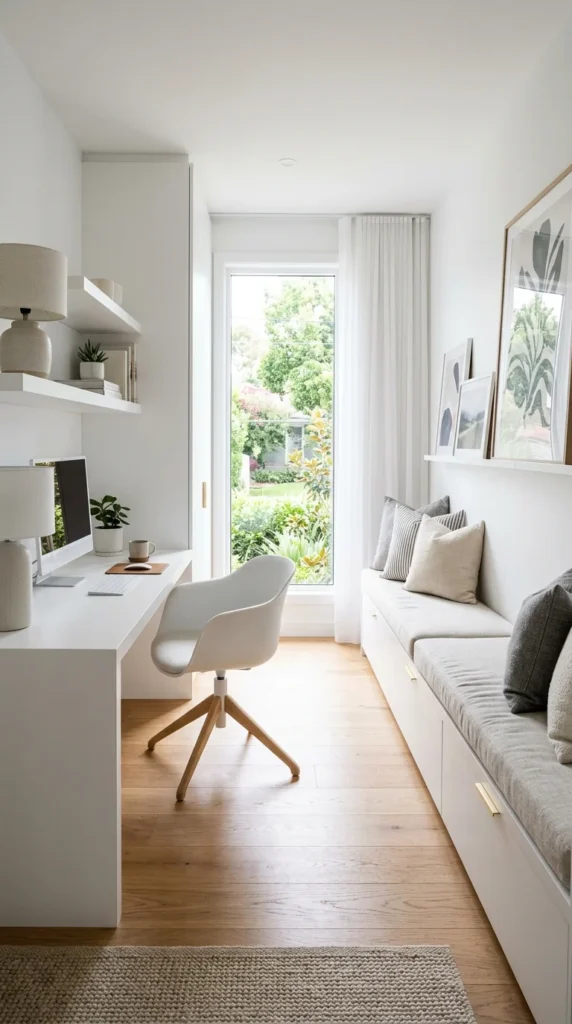
A home office can often feel clinical, but a built-in bench adds a layer of comfort. It provides a “breakout” space where you can step away from the computer to read a document or take a phone call. Integrating filing drawers into the base of the bench adds even more utility to the room.
11. Hallway Transition
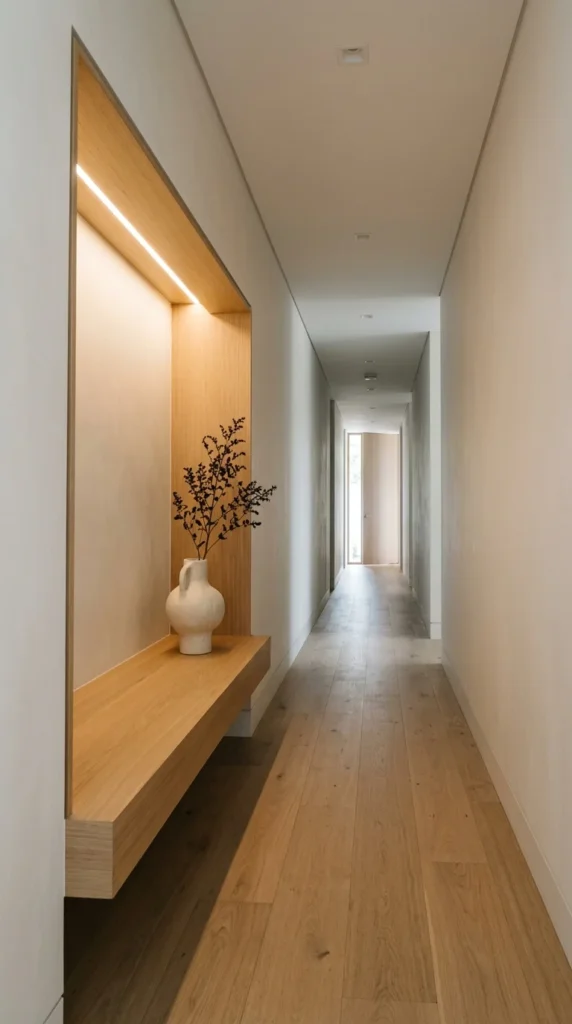
Hallways are frequently overlooked, but a shallow built-in bench can turn a passage into a destination. It breaks up the monotony of long walls and provides a convenient spot for guests to set down a bag or take a moment of rest.
12. Playroom Storage
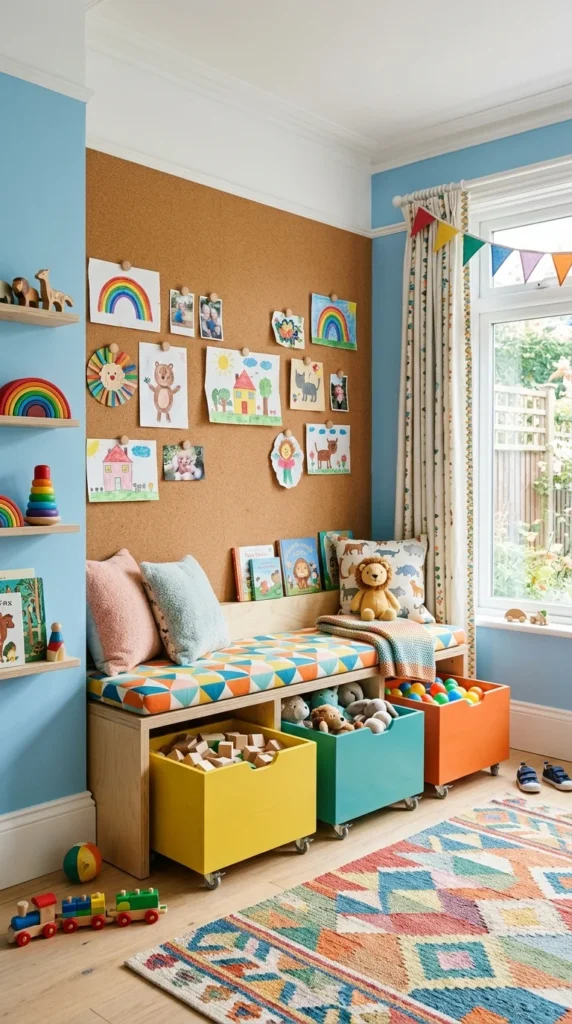
In a playroom, a built-in bench pulls double duty as seating and an organizational powerhouse. By using open-front cubbies or large drawers, you can quickly clear toys off the floor. Ensure the bench height is lower—around 12 to 14 inches—to be easily accessible for children.
13. Entryway Settle
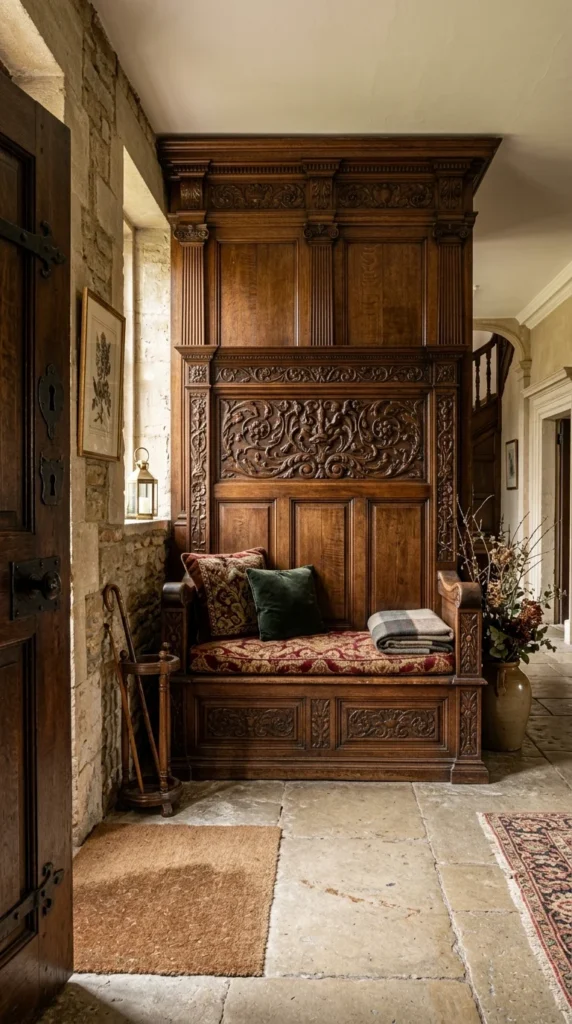
For homes with a more traditional or craftsman architectural style, a “settle” style built-in bench provides a sense of history. High backs and integrated armrests give the piece the presence of a formal piece of furniture while remaining physically attached to the home’s structure.
14. Library Bench
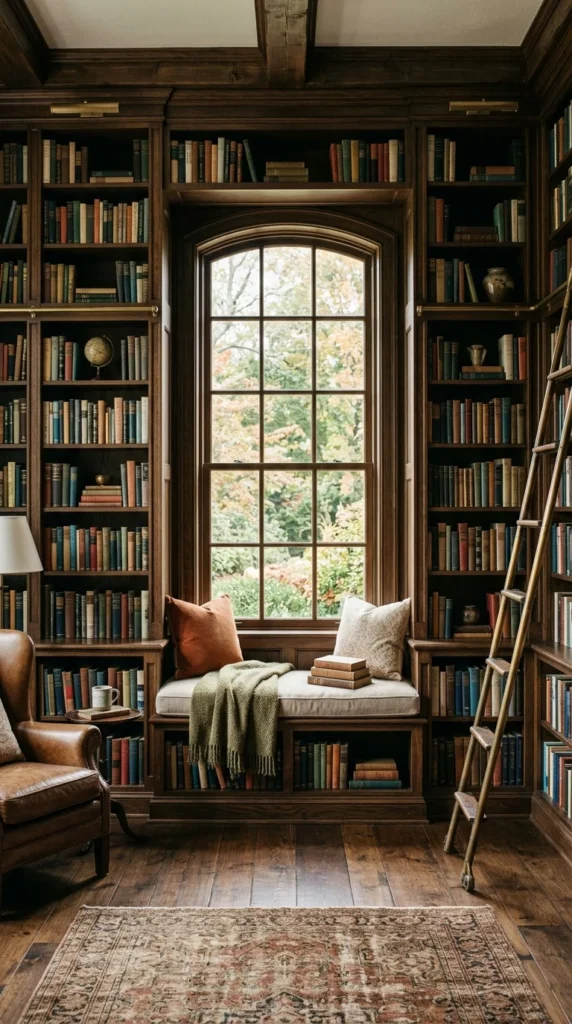
Integrating a bench directly into a wall of bookshelves is the dream of every bibliophile. This configuration allows you to reach for a book and immediately sit down to enjoy it. To make it comfortable for long reading sessions, opt for a deeper seat—at least 20 to 24 inches.
15. Wraparound Bay
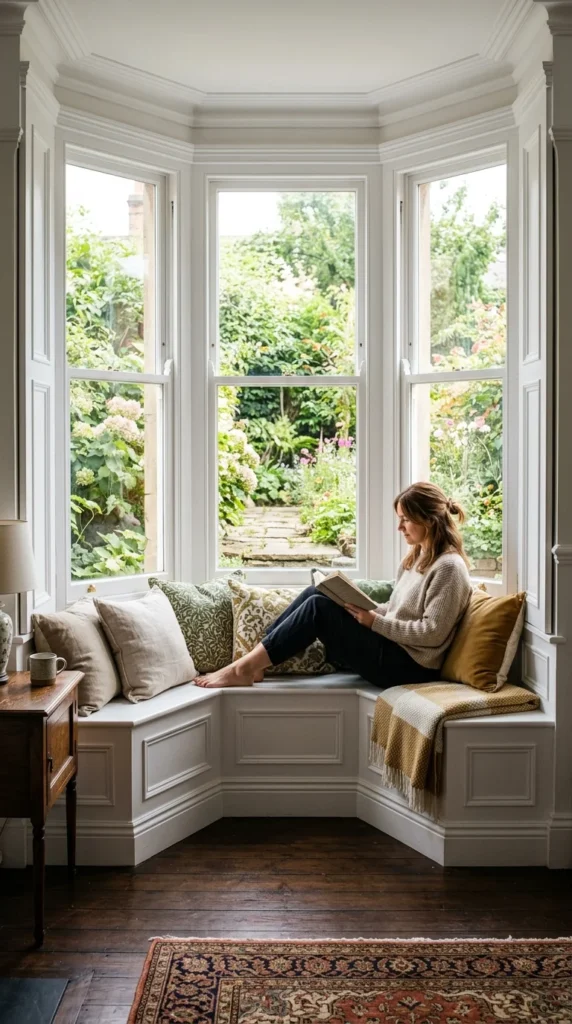
Bay windows are naturally suited for built-in seating. A wraparound bench follows the unique geometry of the architecture, maximizing the usable space in the room. This is an excellent way to add significant seating capacity to a living or dining room without cluttering the center of the floor.
16. Sunroom Daybed
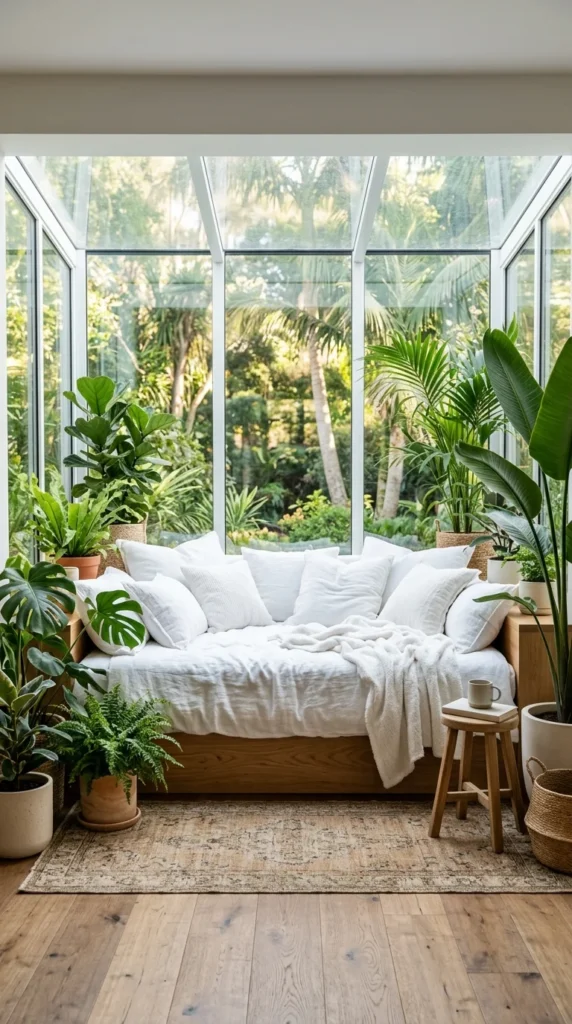
If you have the space, a deep-set built-in bench can function as a daybed. This is ideal for sunrooms or enclosed porches where lounging is the primary activity. Using “outdoor-rated” fabrics for the cushions will prevent fading from the constant sun exposure.
17. Laundry Room
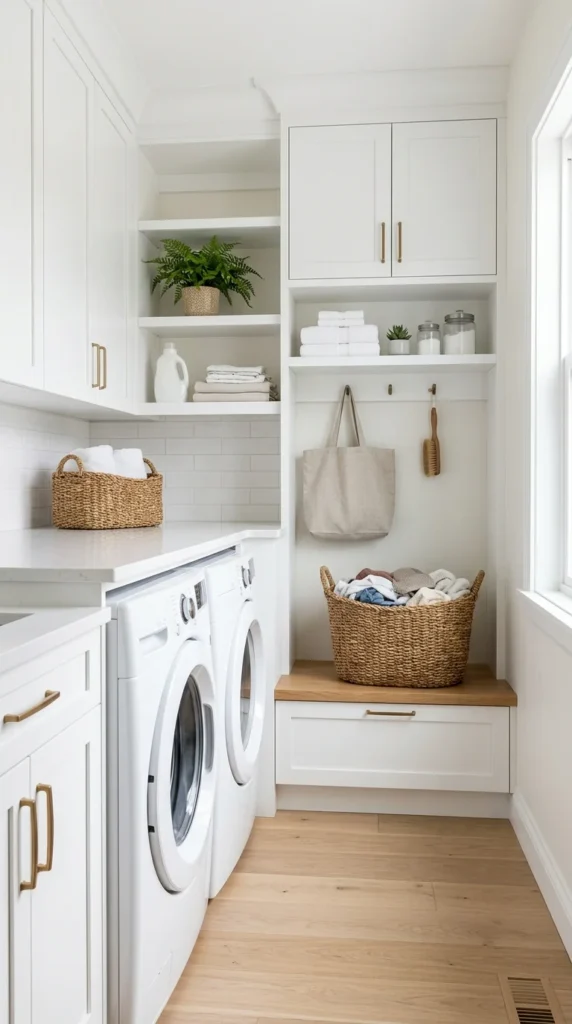
Laundry rooms are often cramped, but a small bench provides a necessary perch for sorting clothes or waiting for a cycle to finish. It can also serve as a landing pad for laundry baskets, keeping them off the floor and at a more ergonomic height.
18. Basement Lounge
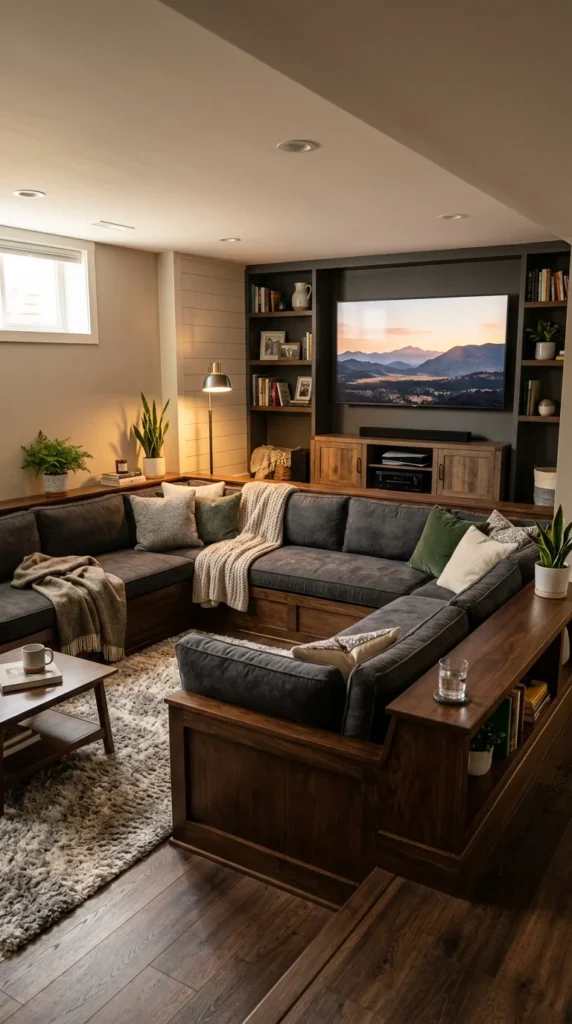
Basements often have odd layouts due to support columns and ductwork. Custom built-in seating can navigate these obstacles more effectively than a standard sofa. A U-shaped bench creates a theater-like atmosphere that is perfect for movie nights or social gatherings.
19. Porch Swing
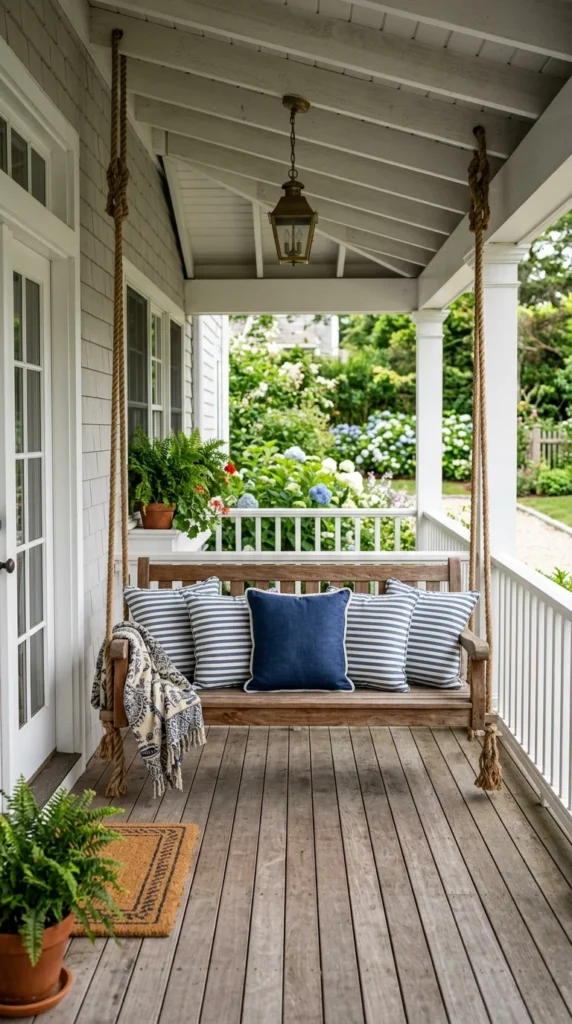
While technically a “swing,” a built-in porch bench that is suspended from the ceiling beams provides a whimsical yet permanent seating solution. It combines the comfort of a traditional bench with the relaxing motion of a swing, perfect for watching the sunset.
20. Corner Floating
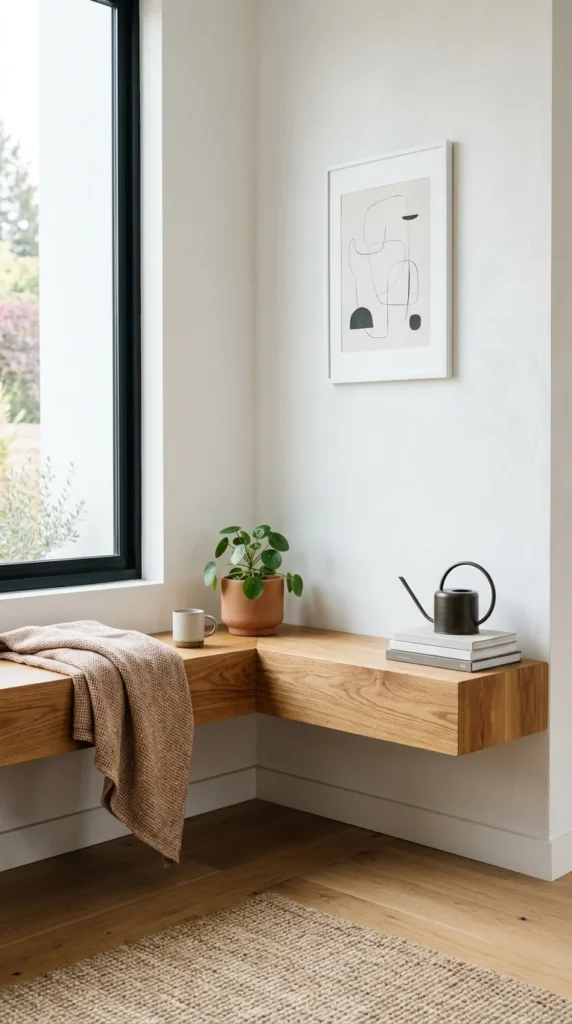
For a contemporary home, a “floating” bench provides a sense of lightness and space. By anchoring the bench to the wall studs without visible legs, you maintain a clean floor line, making the room feel larger. This style works best with thick, solid wood slabs or sleek stone.
21. Greenhouse Bench
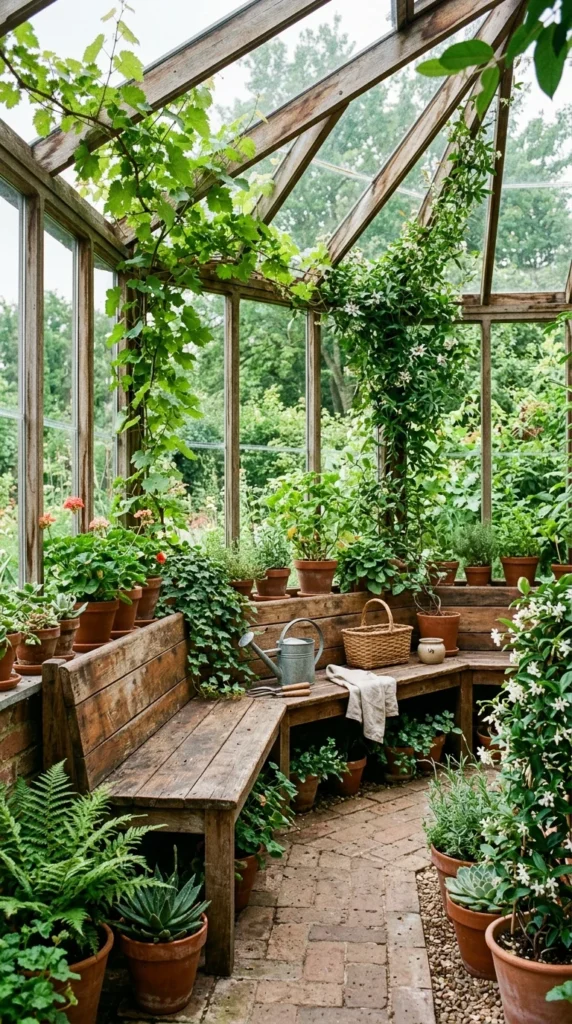
In a greenhouse or indoor garden, a built-in bench provides a place to tend to plants or simply sit and enjoy the greenery. Reclaimed wood is an excellent choice here, as its natural imperfections complement the organic environment.
22. Murphy Bench
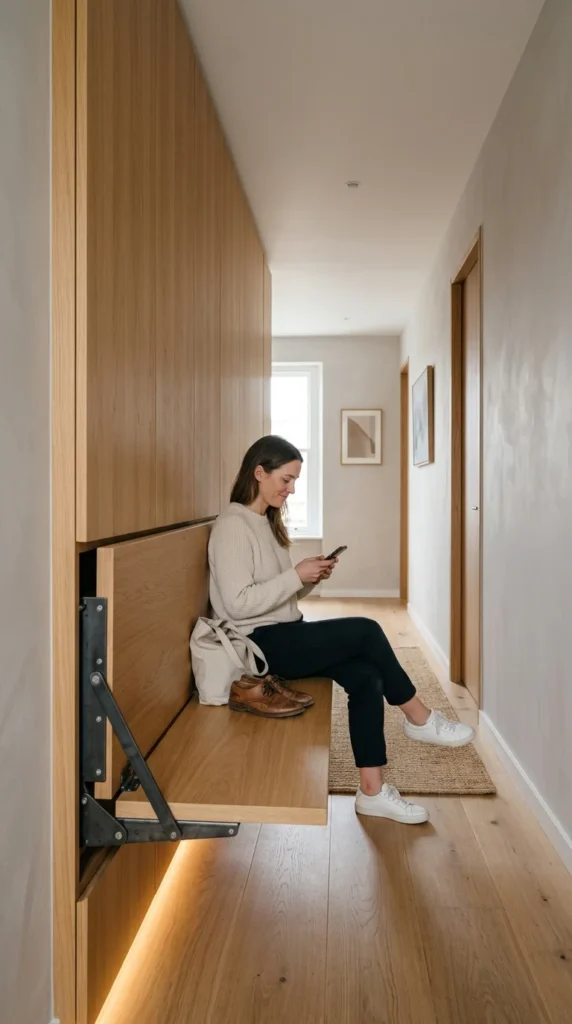
In extremely tight quarters, a fold-down “Murphy” style bench is a stroke of genius. It stays flush against the wall when not in use and can be deployed whenever seating is needed. This is particularly useful in narrow hallways or compact studio apartments.
23. Curved Radius
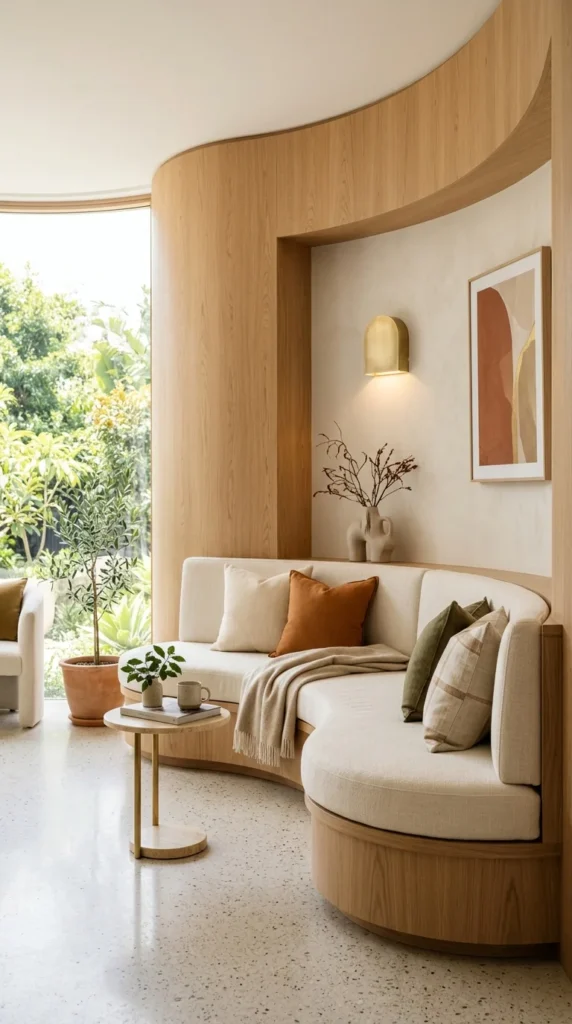
A curved built-in bench is a true architectural statement piece. It requires precision craftsmanship to match the radius of a wall, but the result is a fluid, organic look that softens the hard angles of a room. It encourages conversation by naturally angling sitters toward one another.
24. Pantry Perch
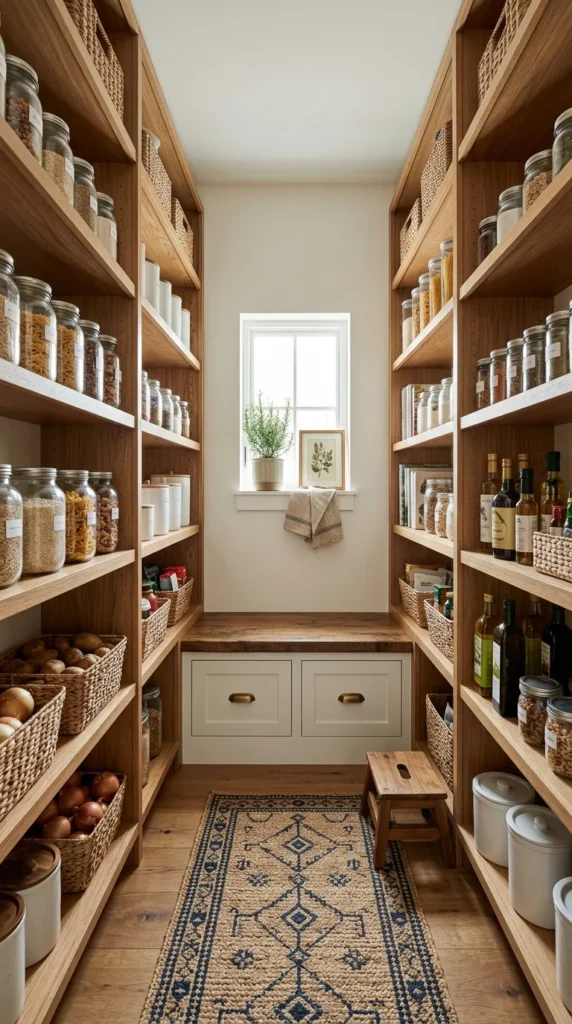
Even a large walk-in pantry can benefit from a small built-in bench. It provides a spot to sit while looking through cookbooks or organizing the week’s groceries. Adding drawers beneath the seat provides even more storage for specialty items that don’t fit on the shelves.
Key Considerations for Your Built-In Bench
- Ergonomics: Standard bench height is 18 inches, but if you plan to use a thick cushion, the base should be shorter (around 14–15 inches) to compensate.
- Storage Styles: Choose between “flip-top” lids for deep storage or “drawers” for easier access to items without moving the cushions.
- Material Choice: For high-traffic areas, use hardwoods like oak or maple. For damp areas like bathrooms or porches, prioritize moisture-resistant materials.
- Upholstery: Opt for “performance fabrics” that are stain-resistant and easy to clean, especially in kitchens and mudrooms.
Built-in seating is an investment that pays dividends in both functionality and home value. By choosing one of these 24 ideas, you can create a customized, high-end feel that makes your home truly unique.