


The bedroom is more than just a place to sleep; it is a personal sanctuary, a retreat from the bustle of daily life. When it comes to interior design, the wall behind the headboard is often considered the “anchor” of the room. Creating an accent wall is one of the most effective ways to introduce personality, texture, and architectural interest without cluttering the space. From moody paint colors to intricate woodwork and avant-garde materials, an accent wall can transform a standard bedroom into a high-end designer suite.
1. Deep Teal
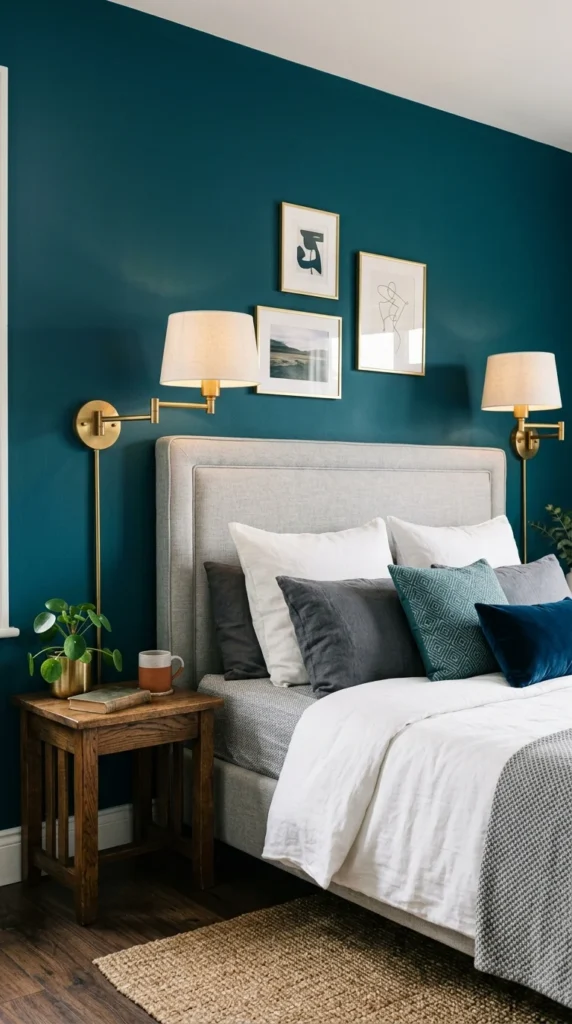
Choosing a dark, saturated color like deep teal or navy blue creates an immediate sense of intimacy and “cocooning.” Darker shades absorb light, which helps the eyes relax in the evening, making it an ideal choice for sleep environments. To keep the room from feeling too heavy, pair a dark painted wall with metallic accents—like brass or gold—and crisp white bedding to provide a sharp, clean contrast.
2. Vertical Slats
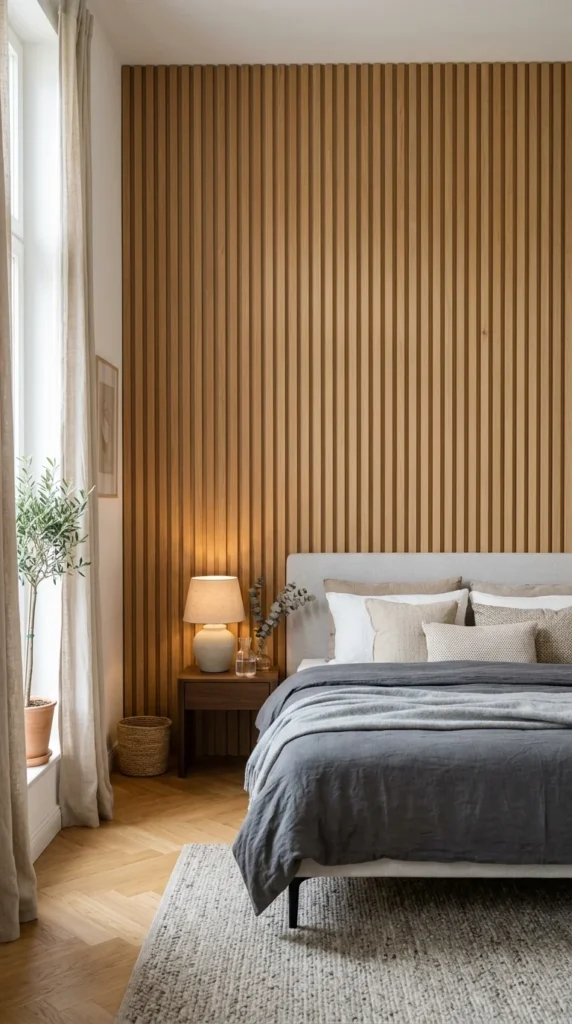
Wood slats are a hallmark of contemporary and Scandinavian design. By installing thin strips of oak, walnut, or pine vertically, you draw the eye upward, making the ceiling appear higher. This technique adds incredible architectural depth and a tactile quality that flat paint simply cannot achieve. It also provides a beautiful play of light and shadow throughout the day.
3. Moody Florals
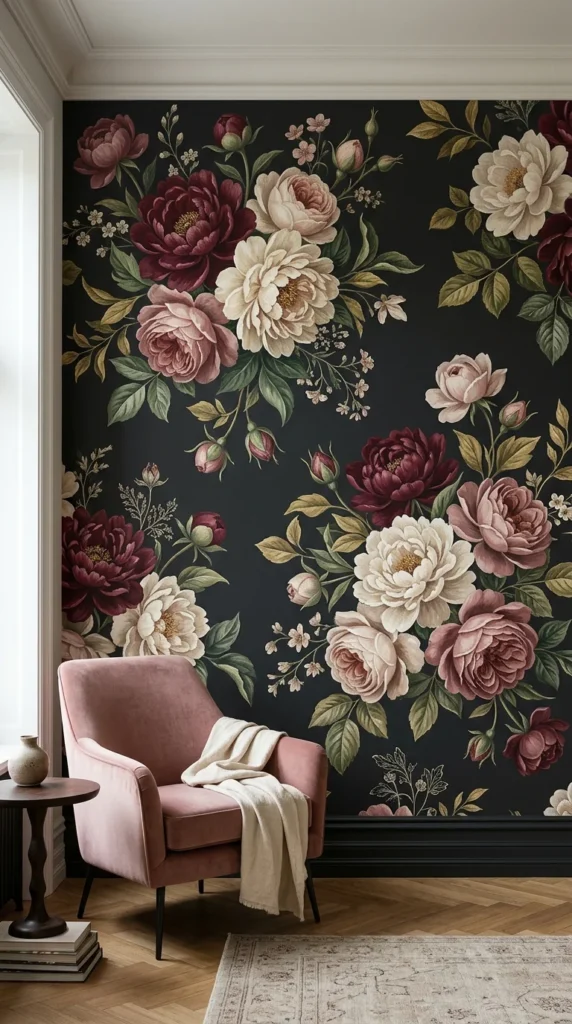
Maximalism is making a comeback, and nothing says “designer-worthy” like a bold, large-scale floral wallpaper. Instead of small, repetitive patterns, look for murals that feature oversized blooms. When executed in dark, moody tones, floral patterns feel sophisticated and romantic rather than dated or “country.” This serves as a piece of art in itself, often requiring very little additional decor on the wall.
4. Board and Batten
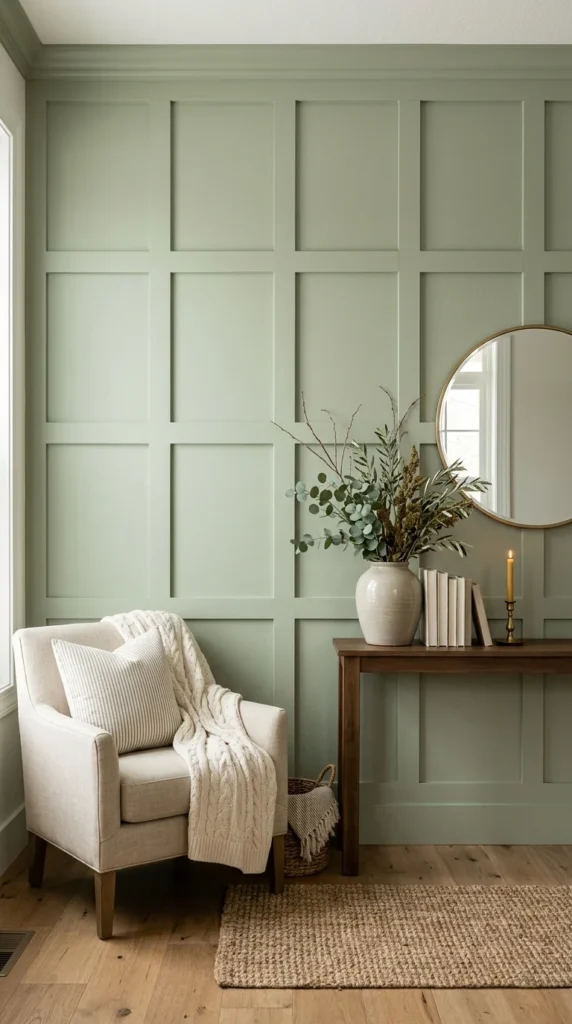
Board and batten is a timeless carpentry technique that involves fixing vertical strips (battens) over horizontal boards or directly onto the wall. It adds a structured, rhythmic feel to the bedroom. While white is the traditional choice, painting board and batten in modern earthy tones like sage, terracotta, or slate grey gives it a fresh, high-end appeal that fits both farmhouse and modern aesthetic styles.
5. Industrial Brick
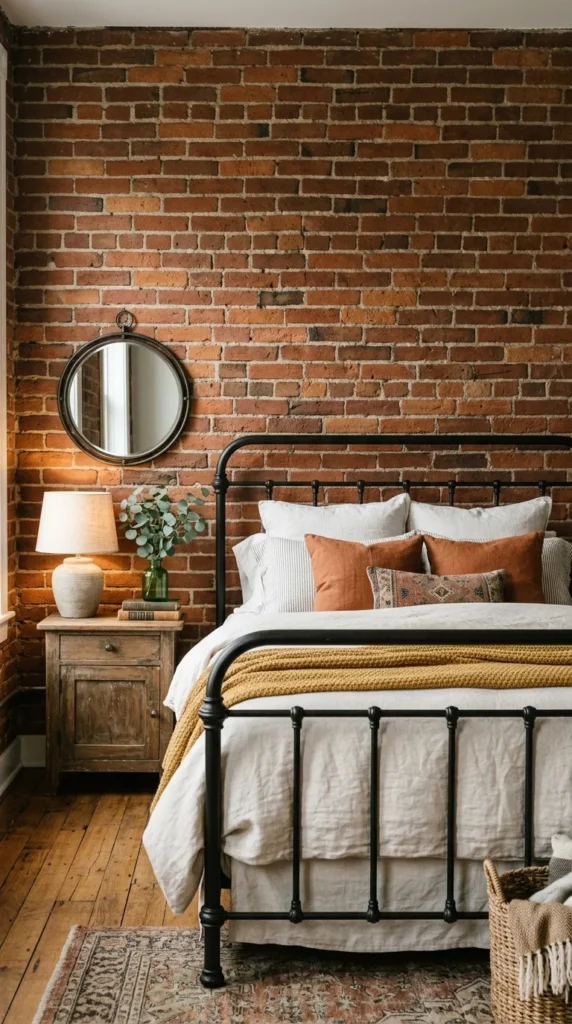
Exposed brick brings an effortless, “lofty” industrial vibe to a bedroom. If you aren’t lucky enough to live in a converted warehouse, high-quality thin brick veneers can recreate the look perfectly. The rough texture of the brick contrasts beautifully with soft elements like velvet pillows and high-thread-count linens, creating a balanced “hard and soft” aesthetic.
6. Fluted Panels
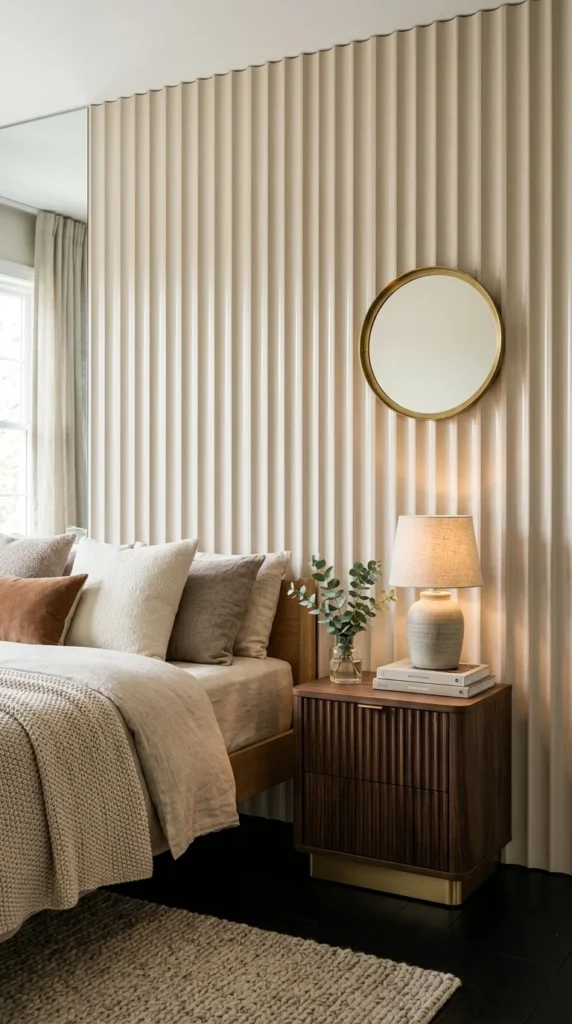
Fluted textures are currently trending in luxury furniture and cabinetry, and extending this look to an accent wall is a masterclass in modern design. The repetitive, rounded grooves catch the light softly, providing a sense of movement. Fluted panels work exceptionally well in monochromatic rooms where you want to add interest through texture rather than color.
7. Misty Landscapes
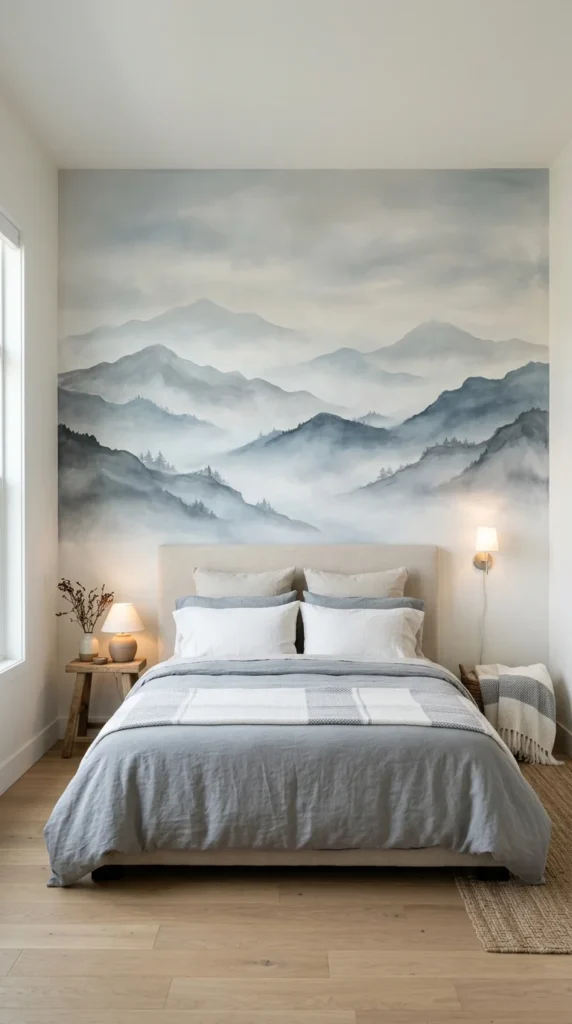
For a bedroom focused on tranquility, a misty landscape mural is the ultimate choice. These “scenic” walls act as a visual window to nature, promoting a sense of calm and openness. Because the colors are typically muted and blended, the mural doesn’t overwhelm the senses, making it a perfect backdrop for a restful night’s sleep.
8. Velvet Upholstery
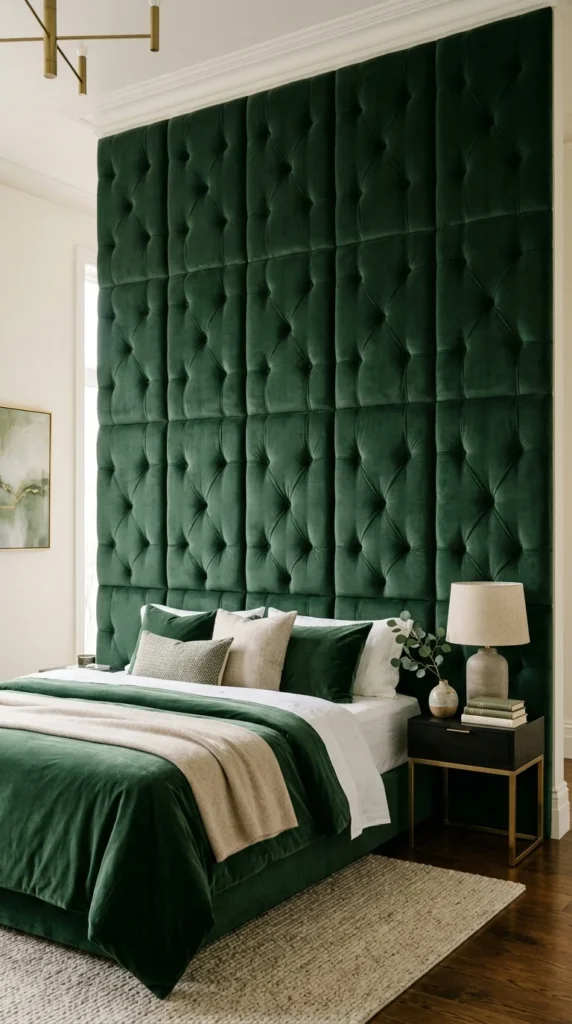
If “cozy” is your primary goal, an upholstered wall is the pinnacle of luxury. By installing large fabric panels—usually in velvet or heavy linen—you not only create a soft surface to lean against but also significantly improve the room’s acoustics. This treatment dampens sound, creating a quiet, library-like atmosphere that feels incredibly expensive.
9. Limewash Finish
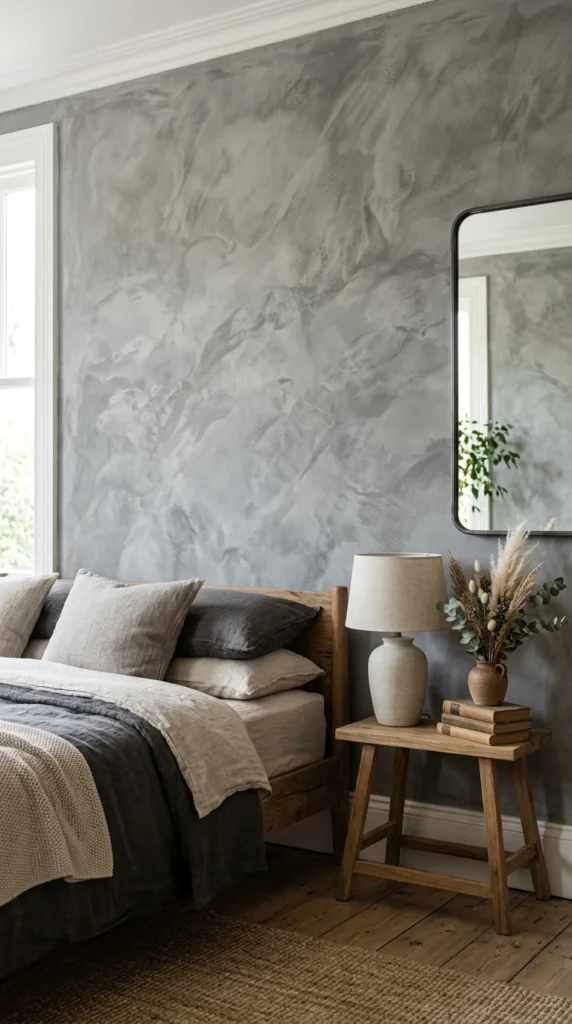
Limewash is an ancient painting technique that has seen a massive resurgence in high-end interior design. It is made from crushed lime and water, resulting in a breathable, mineral-based finish with a unique, mottled appearance. It provides a “perfectly imperfect” look that adds old-world soul to a new construction home.
10. Antiqued Mirrors
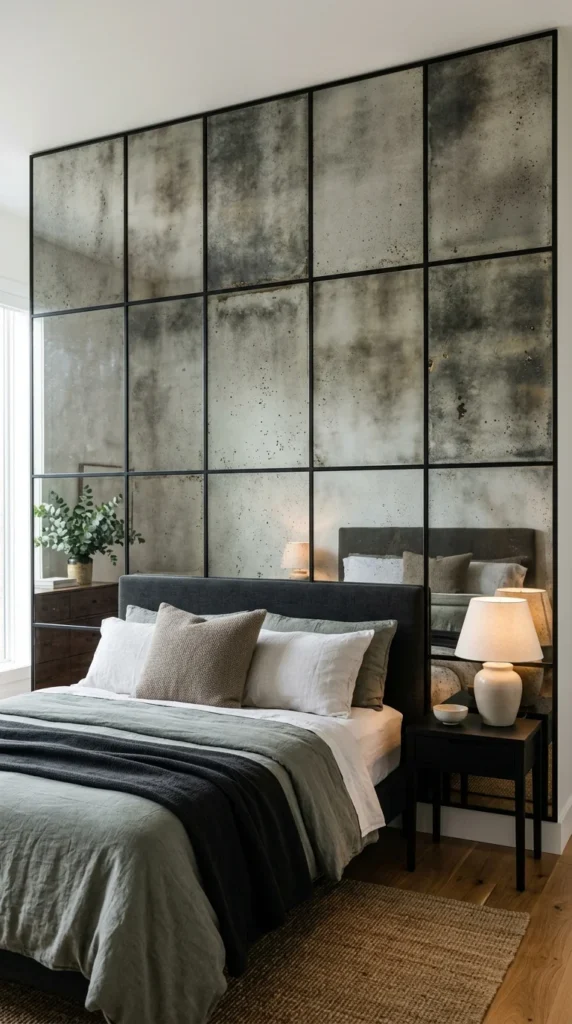
Mirrored accent walls are a classic trick for making small bedrooms feel twice as large. However, to avoid a dated “gym” look, use antiqued or “foxed” mirrors. These have a distressed, smoky patina that adds vintage glamour and reflects light in a soft, diffused way rather than a harsh, direct reflection.
11. Horizontal Shiplap
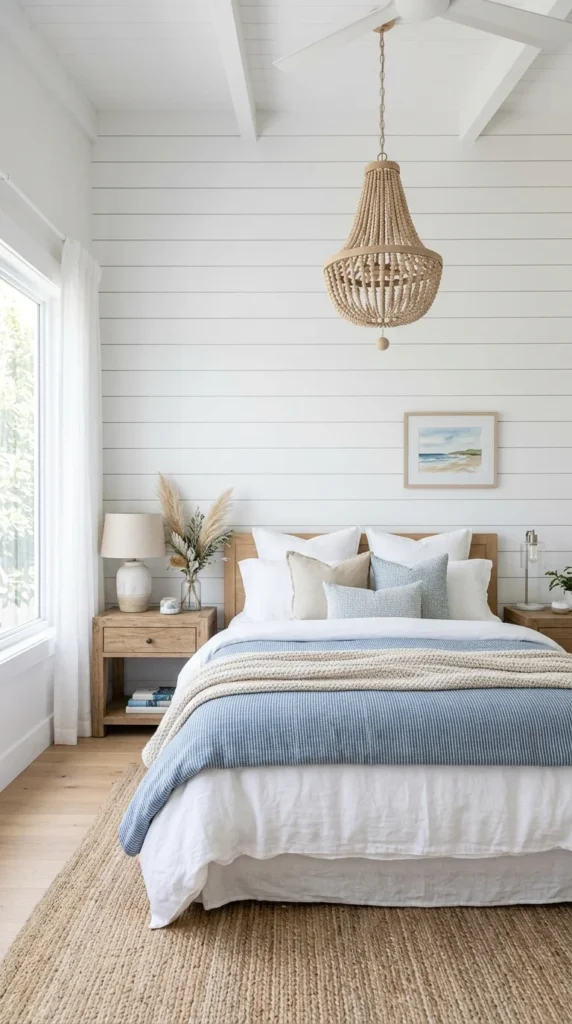
While often associated with the farmhouse trend, horizontal shiplap is a versatile tool for adding subtle texture. When painted in a crisp white or a very light grey, it provides a clean, coastal, or cottage-like feel. The horizontal lines help visually widen a narrow room, making the space feel more expansive and grounded.
12. Geometric Molding
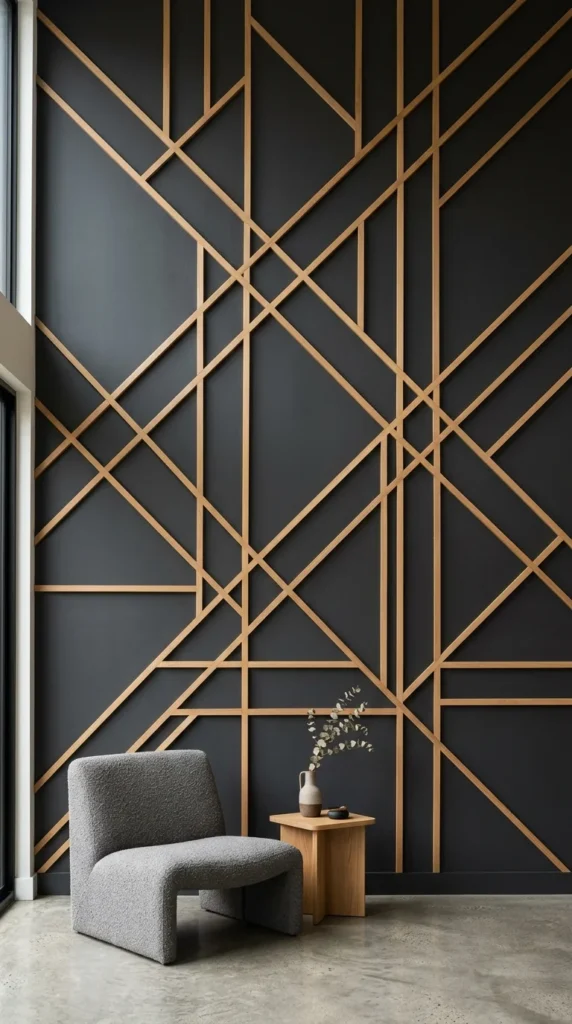
Geometric molding takes the concept of traditional wall trim and turns it into modern art. By applying thin wood strips in triangles, hexagons, or asymmetrical patterns, you create a 3D feature wall that plays with light and shadow. Painting the trim and the wall the same color keeps the look sophisticated and prevents it from feeling too busy.
13. Raw Concrete
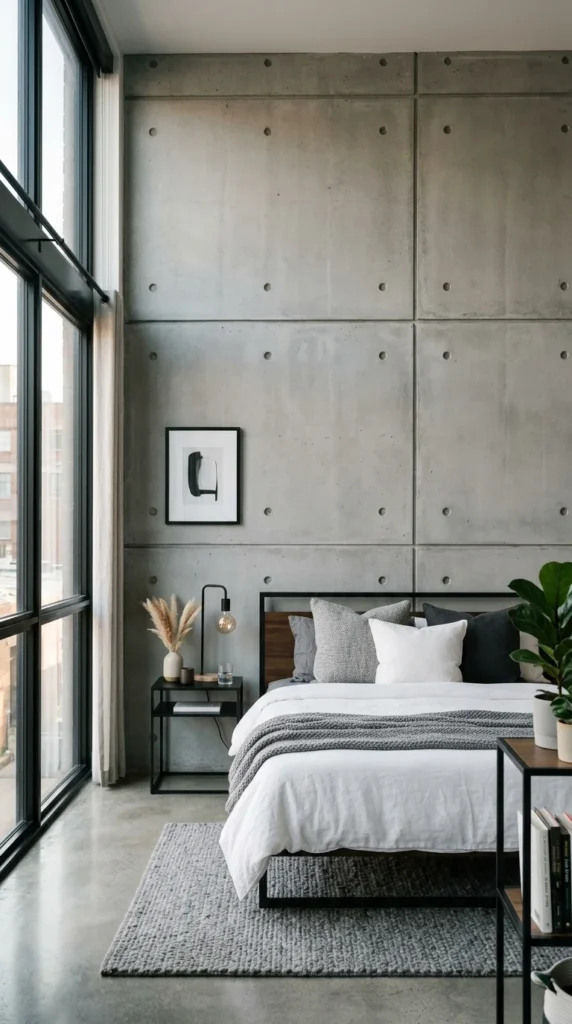
Concrete walls offer a brutalist, minimalist edge that is perfect for urban-inspired bedrooms. If real concrete is too heavy or expensive, concrete-effect plasters or panels can mimic the cool, stony texture perfectly. This look pairs exceptionally well with warm wood furniture and soft, sheepskin rugs to balance the coldness of the stone.
14. Symmetrical Gallery
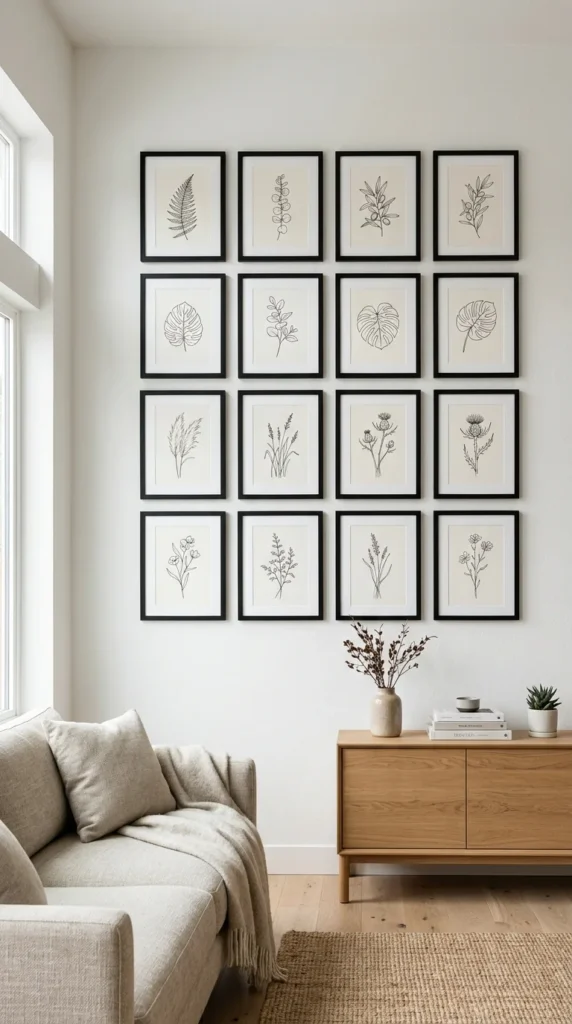
A gallery wall doesn’t have to be eclectic or messy. For a designer look, use a “grid” layout with identical frames and a unified theme in the artwork. This creates a sense of order and intentionality. A floor-to-ceiling grid of frames acts as a massive piece of textured art that personalizes the space while maintaining a clean, professional aesthetic.
15. Ledger Stone
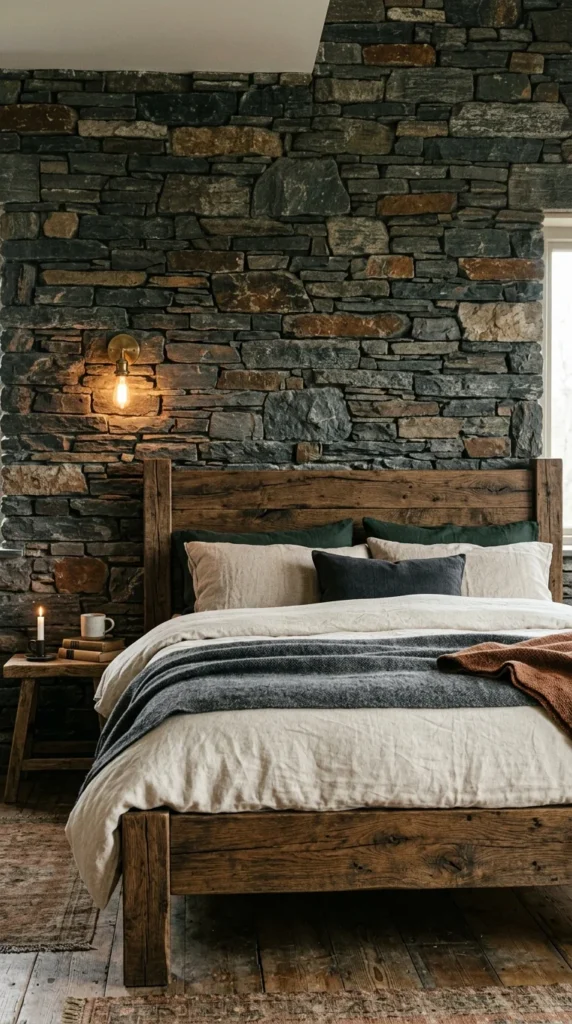
Bringing natural stone indoors immediately grounds a room. Ledger stone—small, thin strips of natural stone stacked together—adds a heavy, organic texture that feels permanent and high-end. When paired with warm, recessed “grazing” light from the ceiling, the shadows highlight the craggy surface of the stone, creating a stunning evening ambiance.
16. Woven Rattan
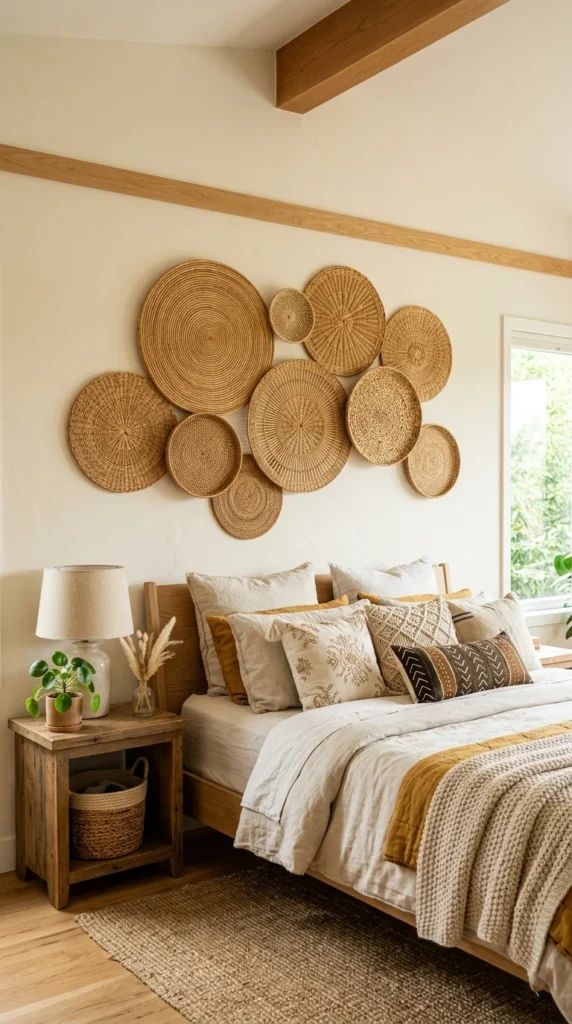
Natural fibers are essential for creating a relaxed, “vacation-at-home” feel. Using rattan or cane webbing as a wall covering adds warmth and a tropical, organic texture. It’s an excellent way to introduce a “boho” element into a bedroom while keeping the design elevated and structured.
17. Integrated Bookcase
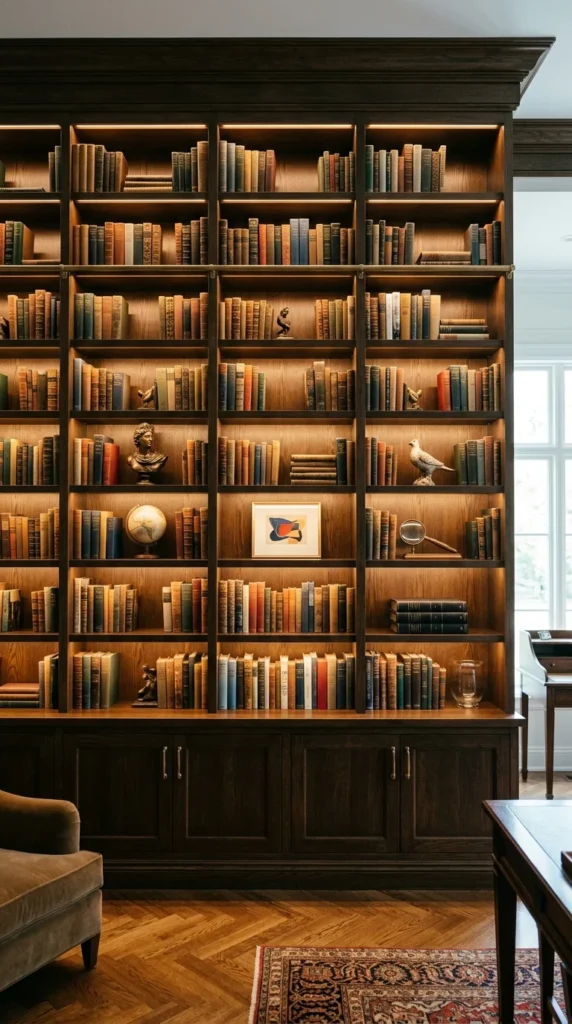
For the bibliophile, a wall-to-wall library is the ultimate luxury. Beyond storage, a bookcase wall adds immense visual weight and “intellectual” texture to a room. By styling the shelves with a mix of books, vases, and art, the wall becomes a living, breathing entity that changes with your collection.
18. Ombre Paint
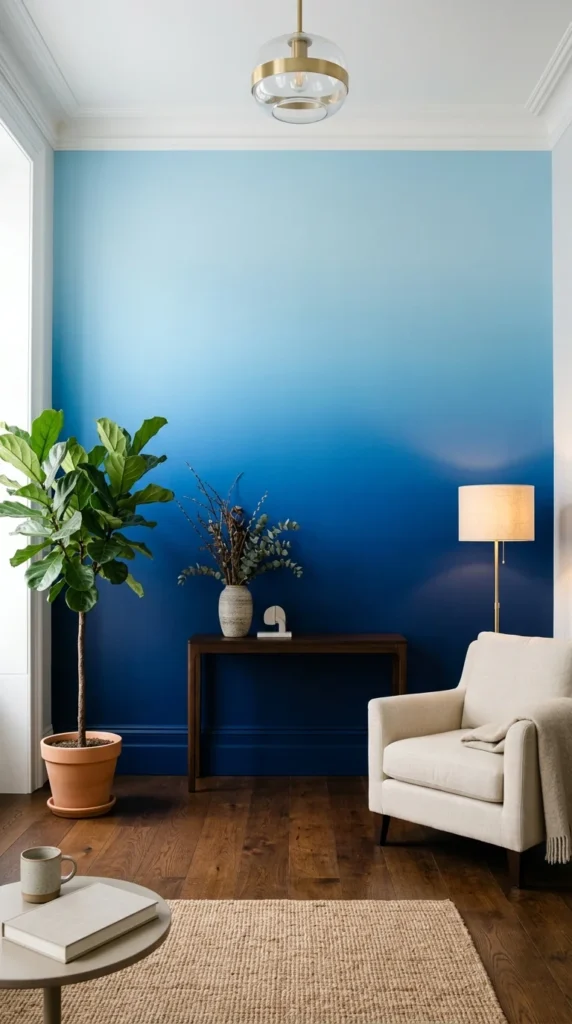
An ombre wall provides a soft, ethereal look that can mimic the sky at dawn or dusk. This technique is particularly effective for creating a “calm” focal point. The lack of hard lines between colors makes the room feel more fluid and less boxed-in. It is a creative way to use color without the commitment of a single, solid dark shade.
19. Gold Leaf
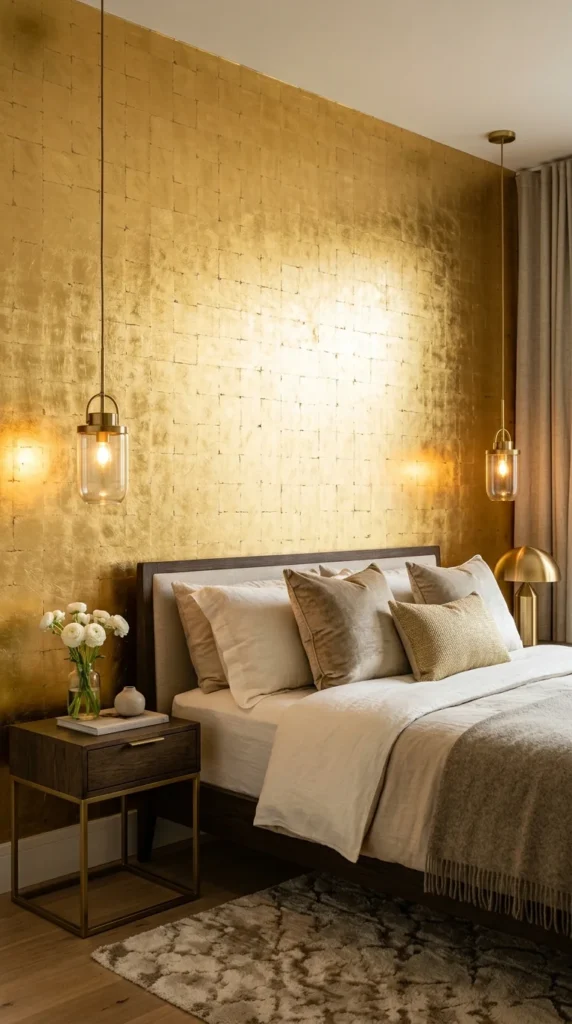
Gold or silver leafing is the pinnacle of opulence. This technique involves applying incredibly thin sheets of metal to the wall, resulting in a surface that glows from within. Because the leaf is applied in small squares, it creates a subtle grid-like texture and a handcrafted feel that no metallic paint can replicate.
20. Reclaimed Barnwood
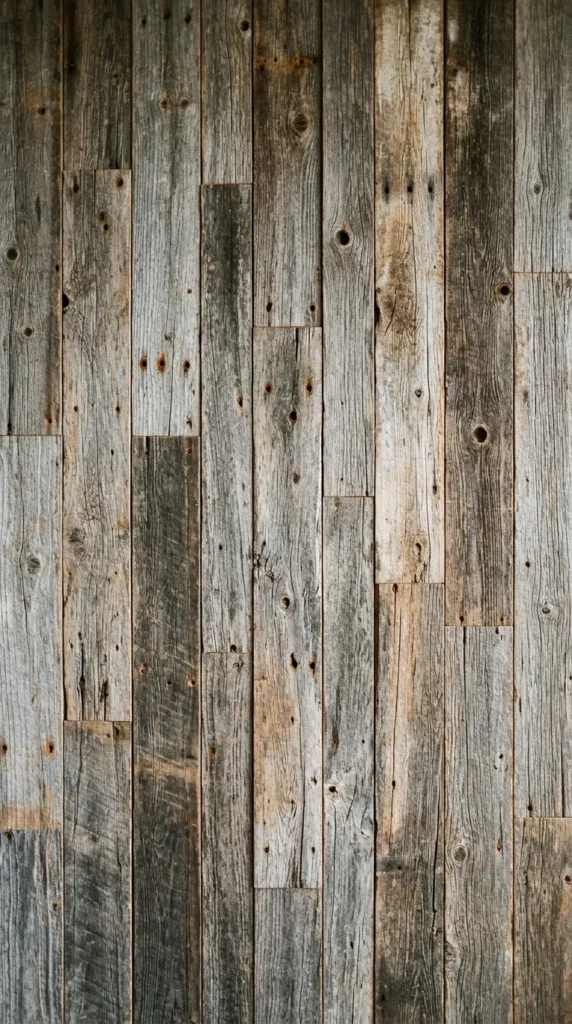
Reclaimed wood tells a story. Each plank has its own history, with unique grain patterns and weathering. This is the perfect choice for creating a “modern rustic” look. The key to keeping it designer-worthy is to ensure the planks are installed cleanly and paired with modern furniture to avoid the “log cabin” cliché.
21. Moroccan Stencil
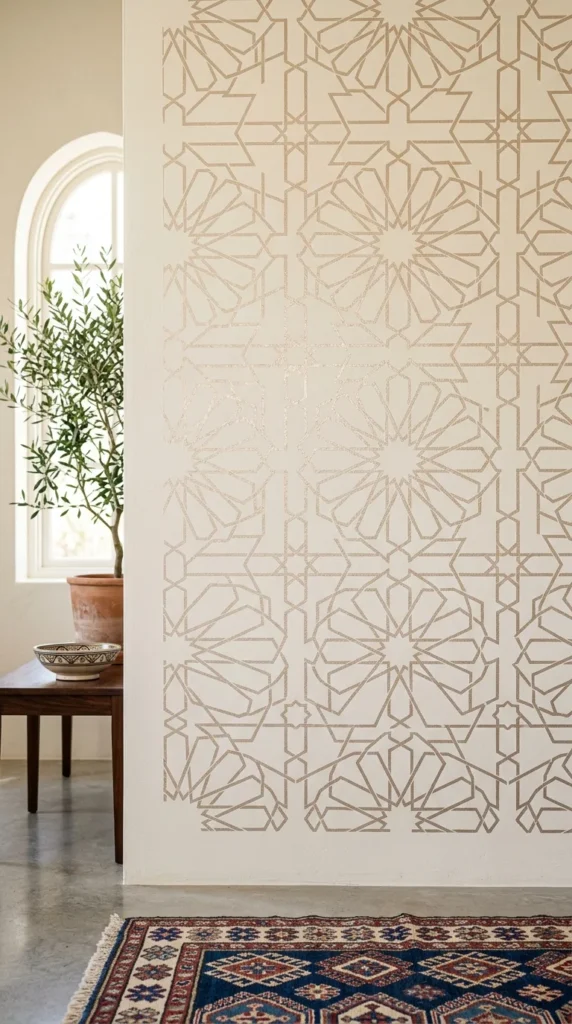
Stenciling is a cost-effective way to achieve the look of expensive wallpaper. A Moroccan or trellis pattern adds a global, sophisticated flair. Using a tone-on-tone color palette (such as a matte base with a glossy stencil) creates a subtle, shimmering effect that only reveals itself when the light hits the wall at certain angles.
22. Fabric Drapery
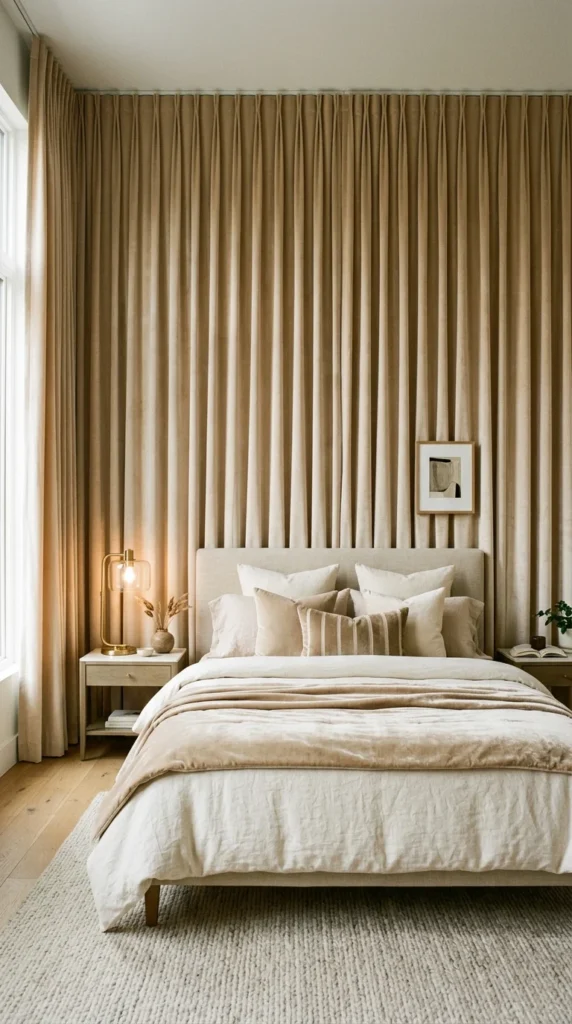
Treating an entire wall with drapery is a classic luxury hotel trick. It adds immense softness and “movement” to the room. This is also an excellent solution for hiding unsightly walls or awkwardly placed windows. The fabric adds a layer of insulation and soundproofing, making the bedroom feel like a quiet, private cocoon.
23. LED Backlighting
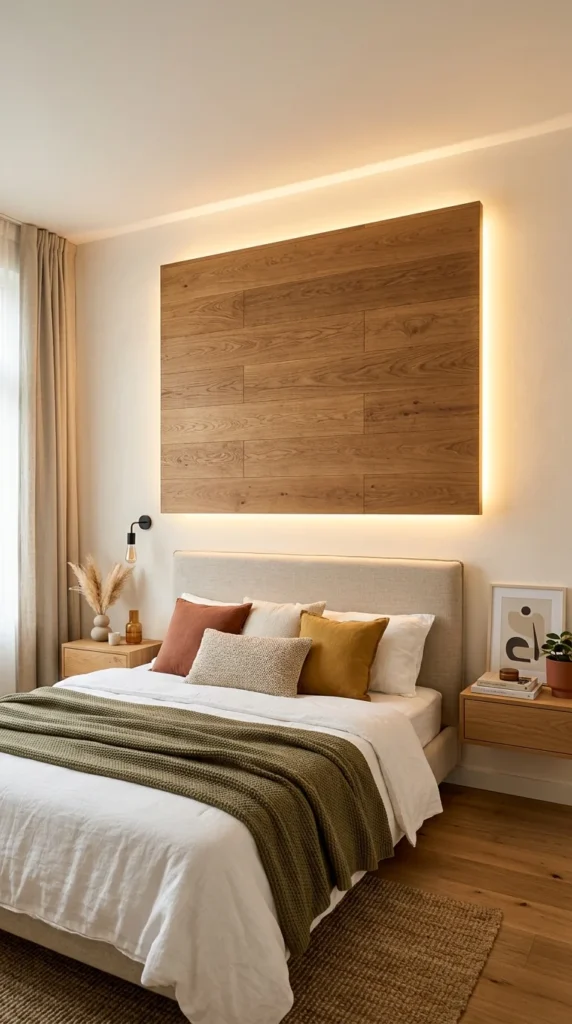
Modern design is as much about light as it is about materials. By creating a “floating” accent wall—where the wall panel sits a few inches away from the actual wall—you can hide LED strips. This creates a halo effect that provides soft, indirect light, perfect for late-night reading or setting a romantic mood without the need for bright overhead fixtures.
24. Geometric Cork
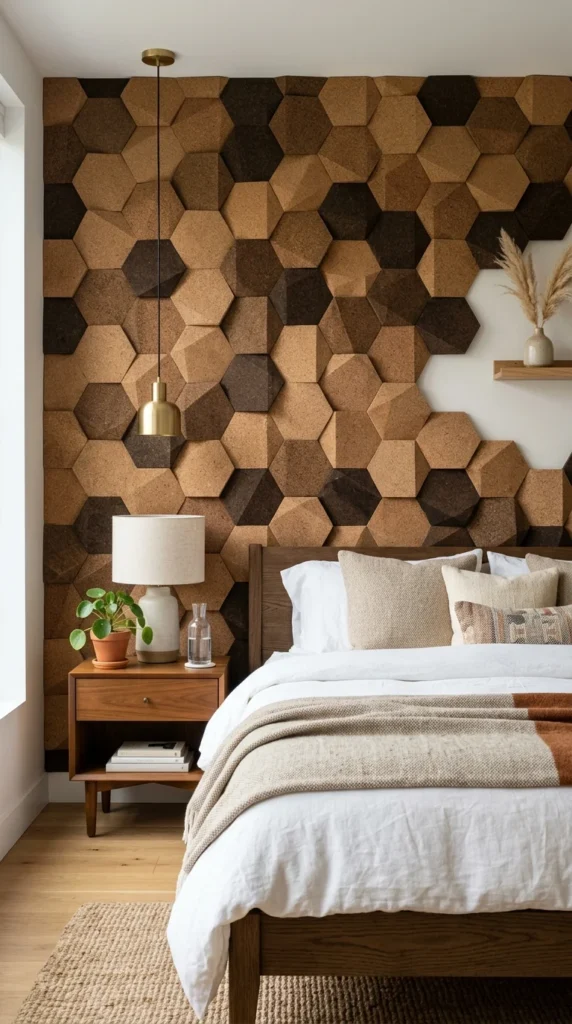
Cork is a sustainable, eco-friendly material that is often overlooked. Modern cork tiles now come in 3D geometric shapes and various stained colors. Aside from its unique, soft appearance, cork is an incredible natural insulator for both heat and sound. It adds a “soft touch” to the room that is both functional and visually intriguing.