


Limewash is no longer a relic of ancient Mediterranean architecture; it has become one of the most sought-after interior finishes in modern design. Made from crushed limestone, water, and natural pigments, limewash offers a breathable, eco-friendly alternative to standard latex paint. Its unique charm lies in its mottled, suede-like texture and the way it reacts to light, creating a sense of depth and movement that flat paint simply cannot replicate. Whether you are aiming for a rustic farmhouse aesthetic or a sleek, brutalist apartment, limewash provides a versatile canvas.
1. Soft Beige
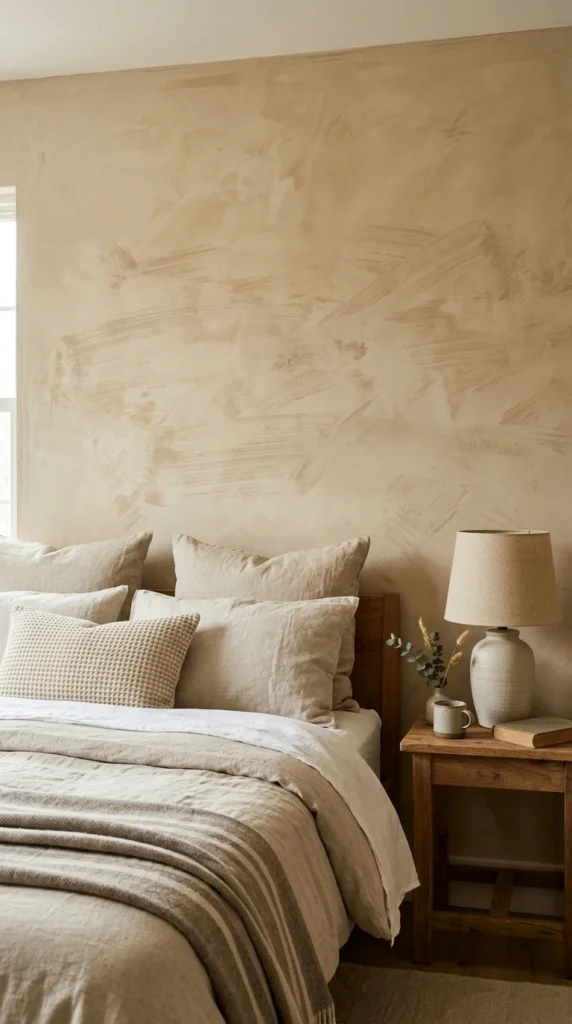
Soft beige is the quintessential choice for those who want to add warmth without overwhelming a space. Unlike a flat beige paint, limewashed beige creates a “glow” effect as the light hits the different layers of the mineral finish. It works exceptionally well in bedrooms and living areas, providing a cozy, cocoon-like atmosphere that feels both organic and high-end.
2. Moody Charcoal
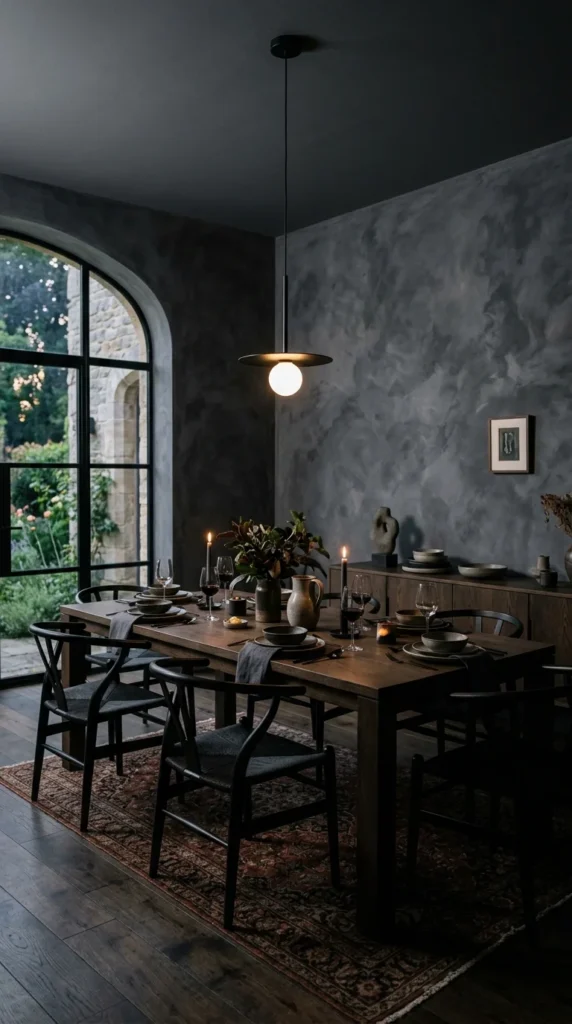
For a bold, sophisticated look, moody charcoal limewash is unmatched. The natural variation in the lime prevents the dark color from feeling heavy or flat. Instead, it adds a layer of mystery and architectural interest. This shade is perfect for creating a focal point in a dining room or a home library, where the play of shadows enhances the room’s intimacy.
3. Sage Green
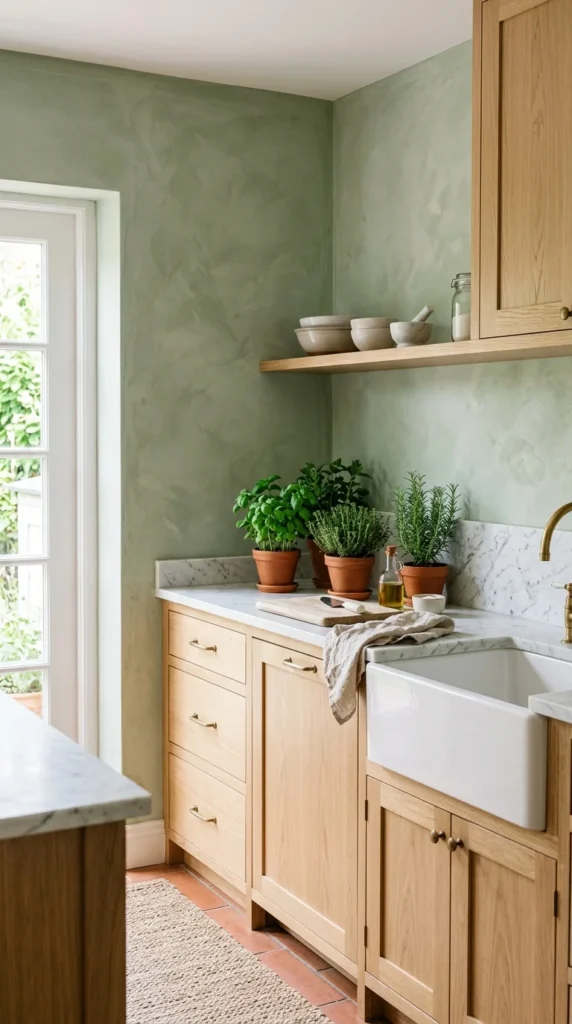
Sage green limewash brings the tranquility of the outdoors inside. The chalky finish of the lime softens the green, making it feel like a natural extension of the garden. It is an excellent choice for kitchens and sunrooms, pairing beautifully with natural materials like marble, light oak, and unlacquered brass.
4. Terracotta Tones
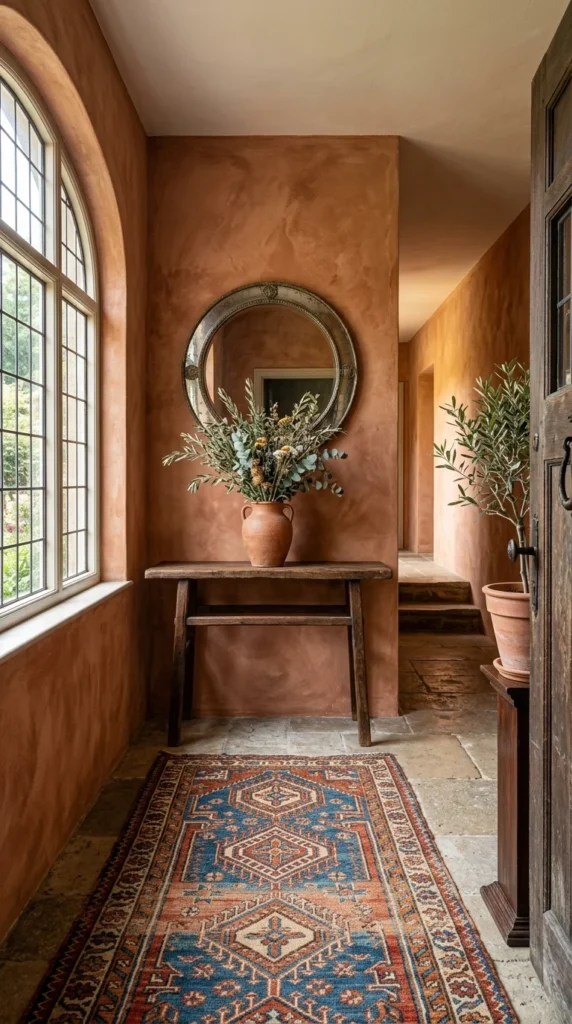
Terracotta limewash evokes the warmth of the Mediterranean sun. This earthy, reddish-orange hue provides a rich backdrop that feels historic yet contemporary. When applied with a wide brush in cross-hatch patterns, the result is a vibrant, textured surface that adds instant character to entryways or hallways.
5. White Wash
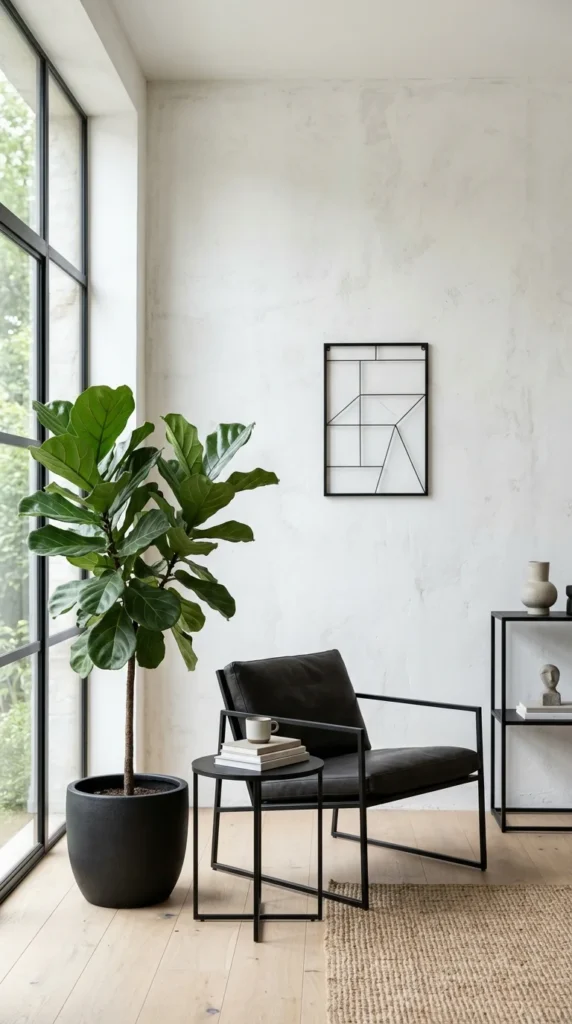
A pure white limewash is the ultimate choice for a “Scandi-rustic” or minimalist aesthetic. It provides the brightness of a white room but adds a tactile quality that prevents the space from feeling clinical. The subtle “bloom” of the lime creates a soft, ethereal quality that changes throughout the day as the sun moves across the room.
6. Navy Blue
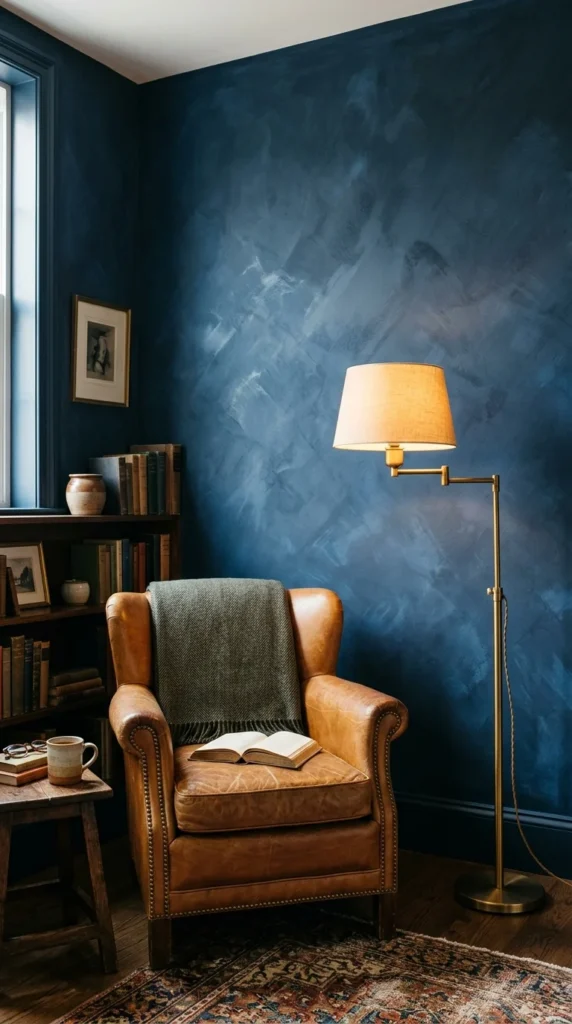
Navy blue limewash offers a depth that standard paint cannot achieve. The mineral pigments settle into the texture, creating lighter and darker patches that mimic the appearance of a stormy sea or a twilight sky. This color is ideal for creating a sense of luxury and calm in a home office or a primary suite.
7. Dusty Rose
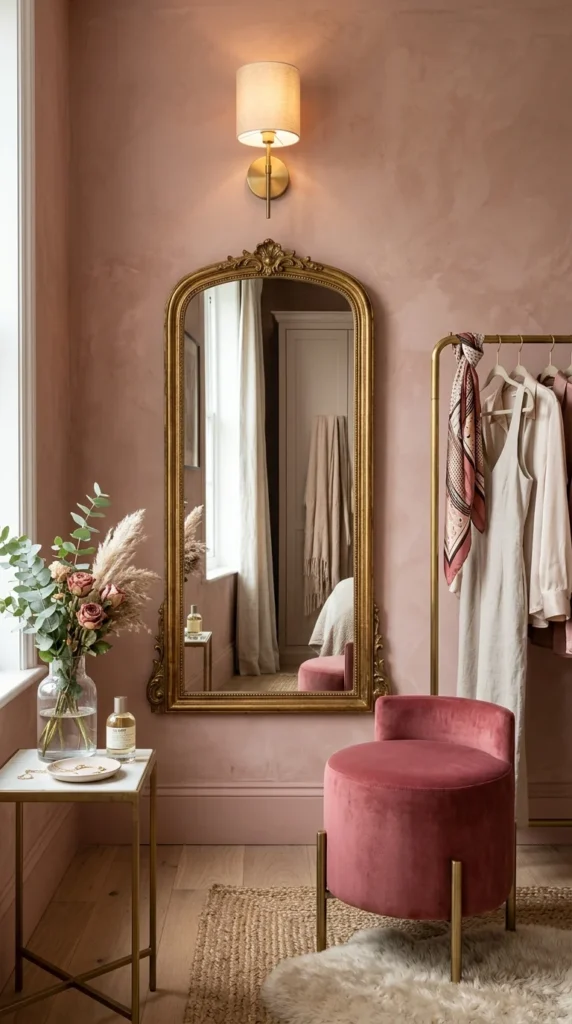
Dusty rose limewash is a sophisticated take on pink. By using an earthy, mineral-based pigment, the color feels grounded and mature. It creates a soft, romantic backdrop that works beautifully in powder rooms, nurseries, or creative studios, especially when paired with metallic accents.
8. Concrete Gray
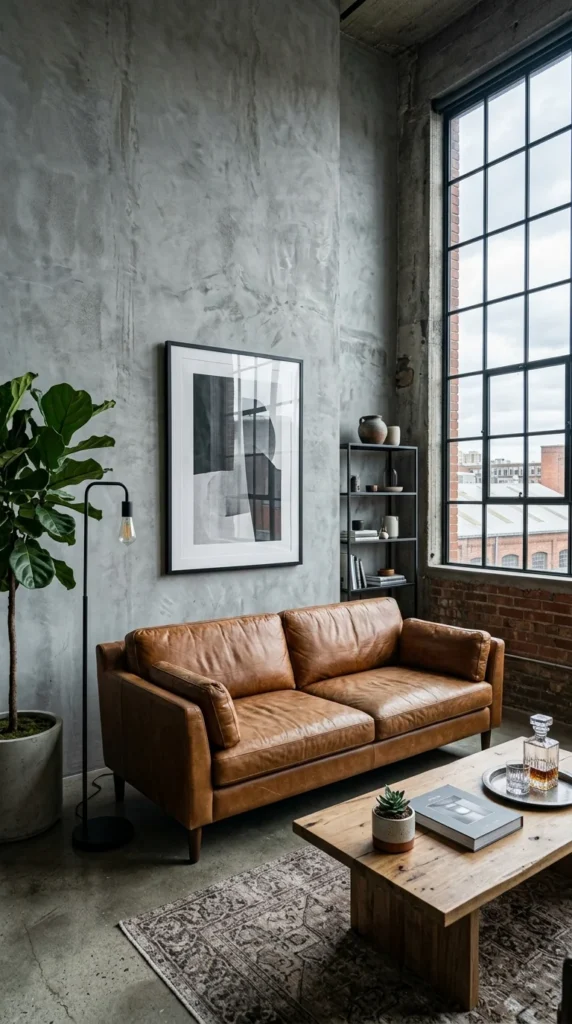
If you love the industrial look but want something more breathable and natural than actual concrete, gray limewash is the perfect solution. It provides a raw, textured finish that complements steel, glass, and reclaimed wood. This shade works best in open-plan living spaces and modern lofts.
9. Mustard Yellow
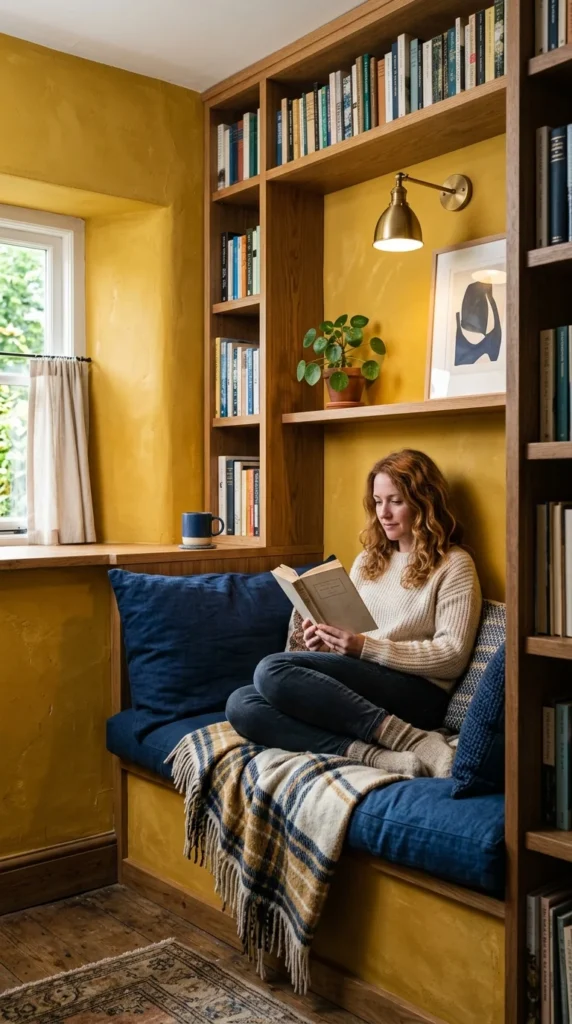
Mustard yellow limewash adds a cheerful, sunny energy to a room without being overly bright. The matte finish of the lime tones down the yellow, giving it an aged, historical feel. It is a fantastic choice for North-facing rooms that need a boost of visual warmth and light.
10. Forest Green
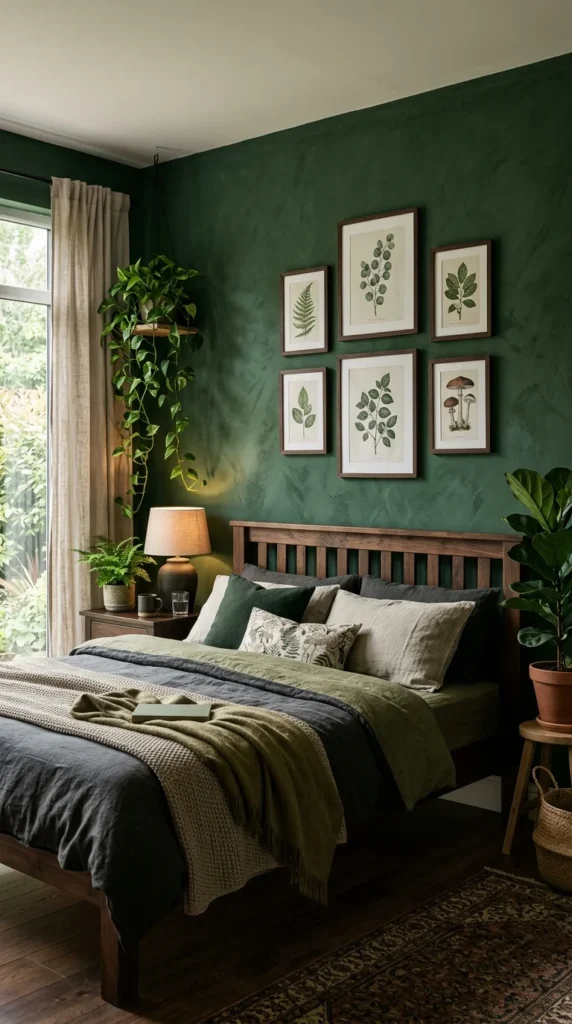
Forest green limewash is the ultimate choice for biophilic design. It creates a deep, immersive environment that feels like being surrounded by nature. The natural variations in the lime give the walls a life-like quality, making them appear as though they are covered in moss or deep foliage.
11. Sky Blue

Sky blue limewash is incredibly serene and ethereal. Because of the way limewash is applied, it naturally creates a cloudy, variegated look that is perfect for a ceiling or a nursery. It provides a sense of openness and calm, making small rooms feel larger and more connected to the sky.
12. Espresso Brown
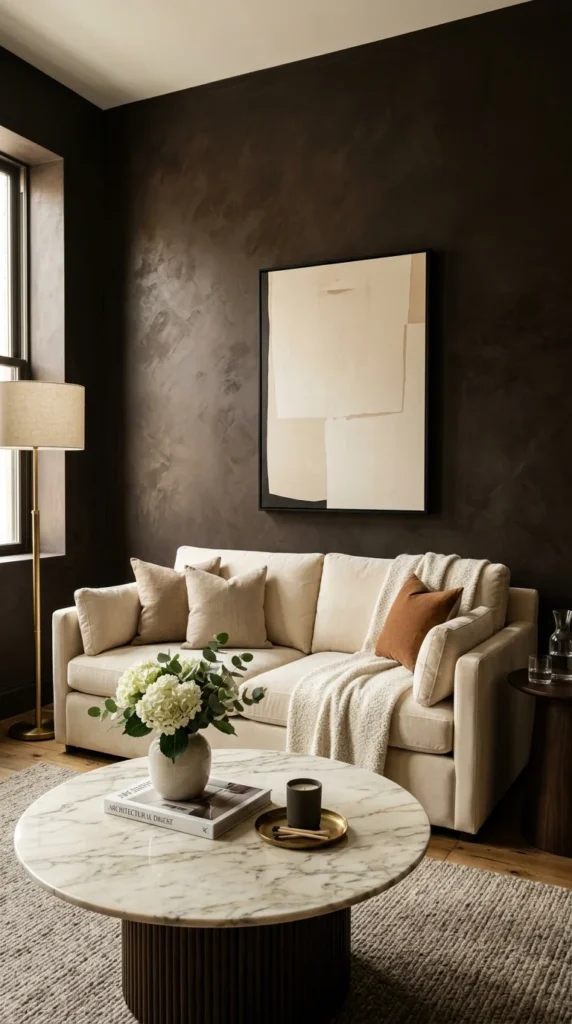
Espresso brown limewash is the epitome of “quiet luxury.” This deep, chocolatey hue creates a sophisticated and grounded environment. It is particularly effective in spaces meant for relaxation, such as a formal living room or a media room, providing a dark backdrop that makes light-colored furniture pop.
13. Lavender Haze
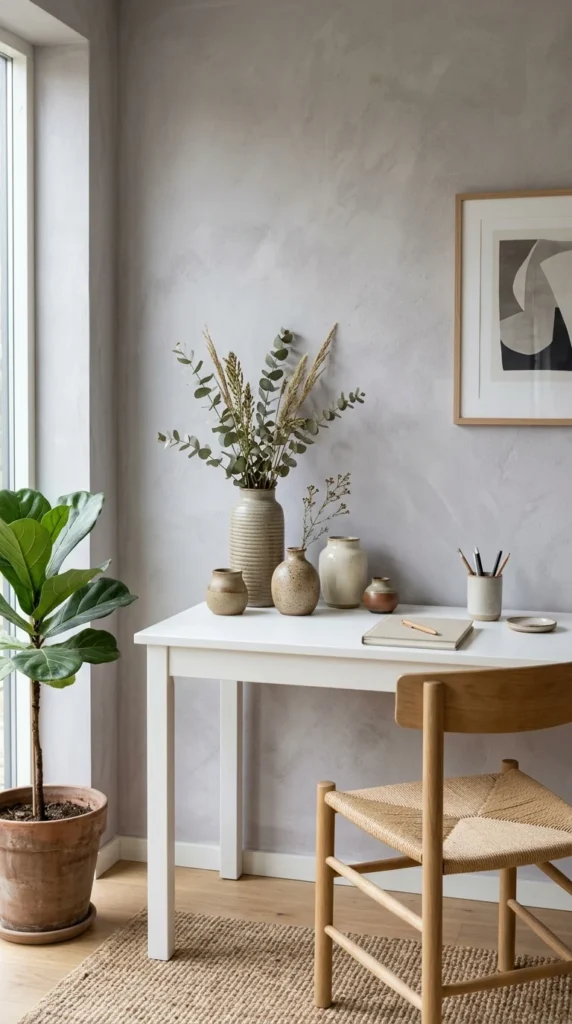
Lavender limewash is a unique choice that offers a soft, creative vibe. When mixed with lime, lavender loses its “sugary” quality and becomes a sophisticated, smoky purple. It works well in offices or craft rooms where a touch of color is desired without being distracting.
14. Ochre Accents
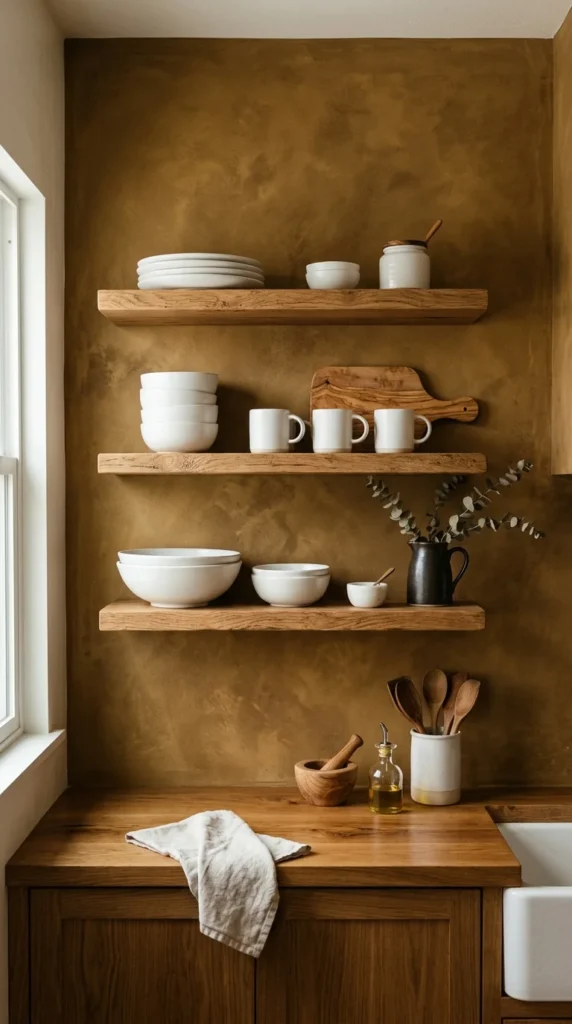
Ochre is an ancient pigment that pairs perfectly with the historical nature of limewash. It brings a sense of tradition and earthiness to a space. Using ochre in a kitchen or dining area creates a warm, inviting atmosphere that feels like a rustic farmhouse in the French countryside.
15. Layered Neutrals
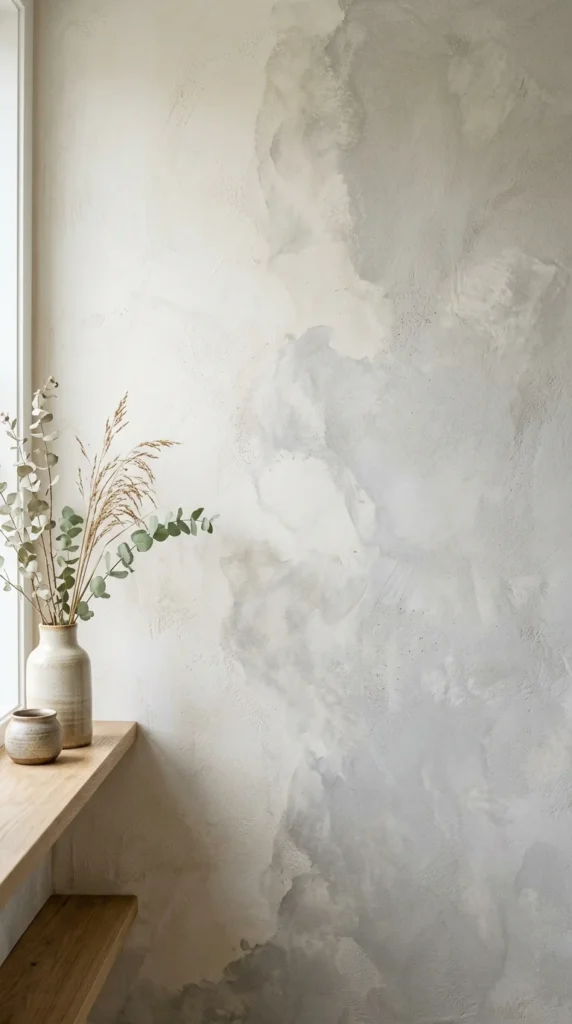
One of the best things about limewash is that you can layer different colors while the paint is still wet. Blending a light gray with an off-white creates a complex, custom finish that looks like natural stone. This technique adds an artistic, bespoke touch to any primary living space.
16. Arched Nooks
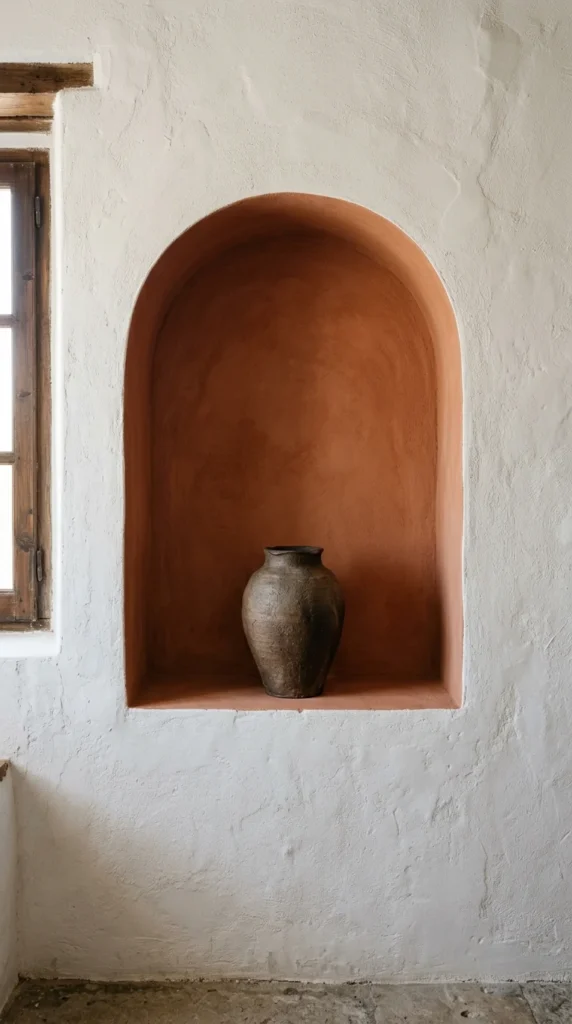
Limewash is the perfect medium for highlighting architectural features like arches, alcoves, or niches. The texture follows the curves of the architecture, emphasizing the shape and adding a sense of old-world craftsmanship. Use a contrasting color in the nook to create a stunning visual focal point.
17. Bedroom Sanctuary
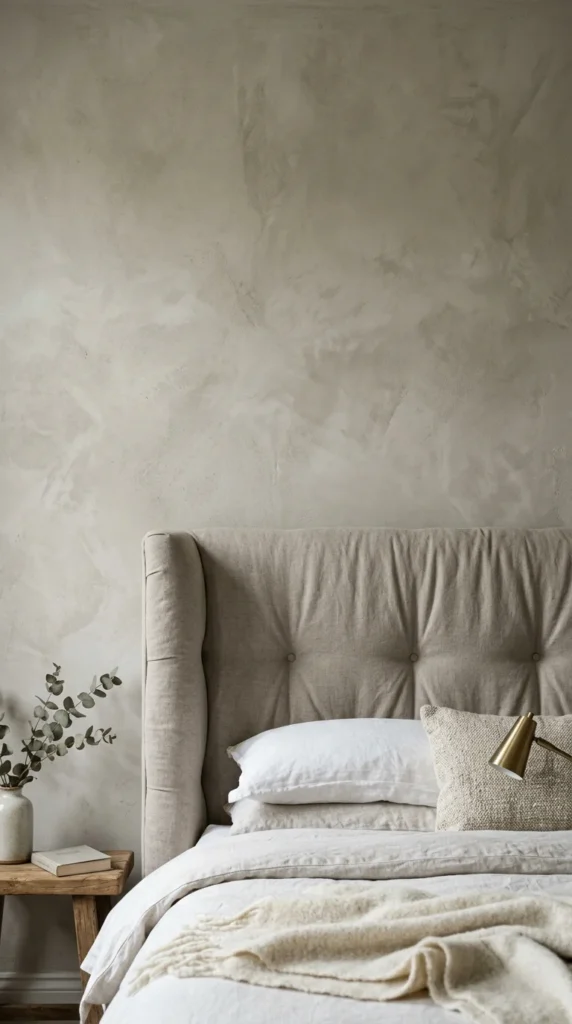
In the bedroom, limewash acts as a sensory element. The matte, non-reflective surface absorbs light, creating a quiet and restful environment. Choosing a “greige” (a mix of gray and beige) provides a neutral palette that feels soft to the eyes and enhances the quality of sleep.
18. Dining Backdrop
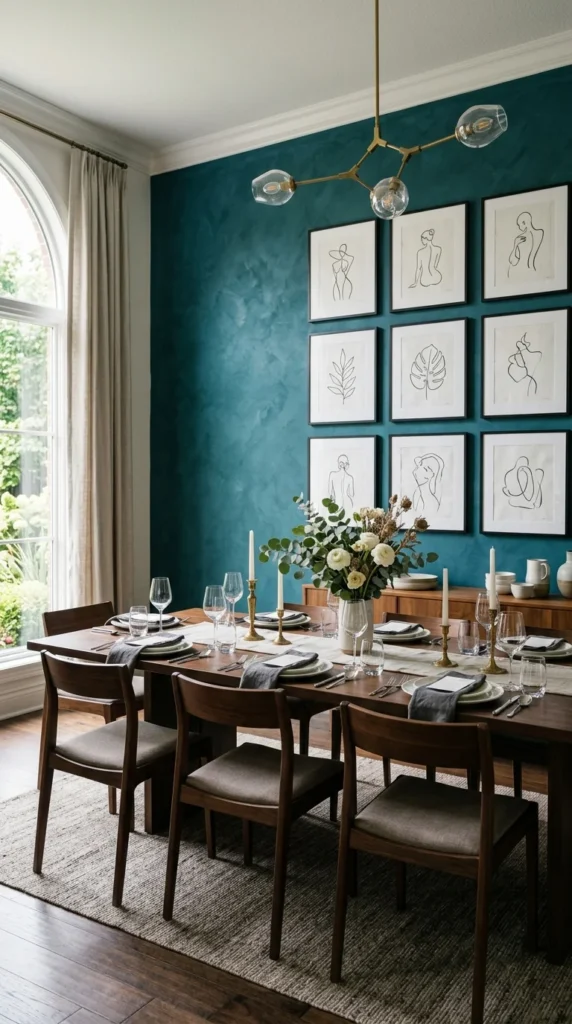
The dining room is a place for drama and conversation. A deep teal or navy limewash wall serves as a sophisticated backdrop for dinner parties. The texture of the lime ensures that even in low light, the walls have a rich, interesting presence that enhances the overall dining experience.
19. Bathroom Texture
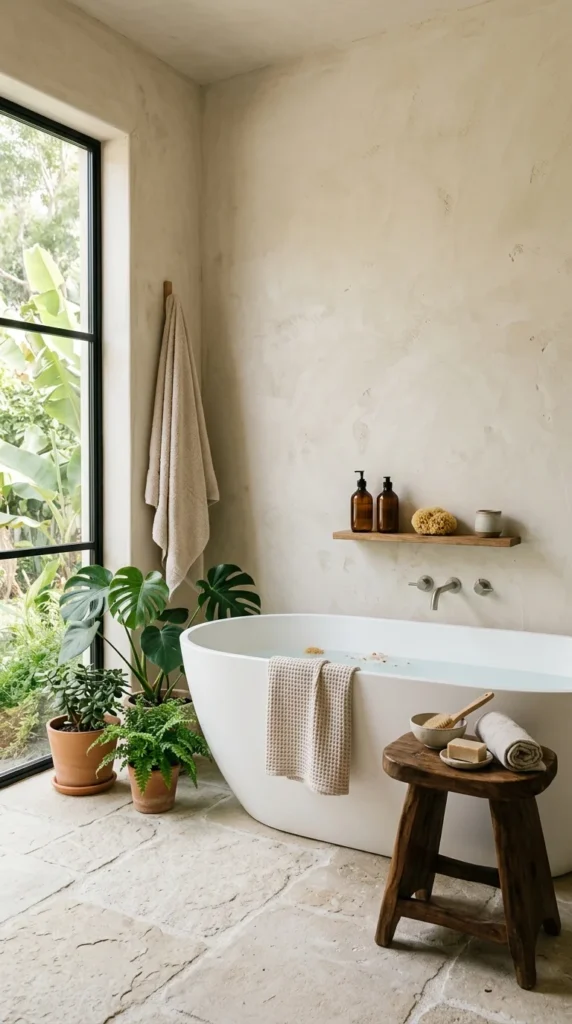
While you should avoid using limewash in areas with direct water contact (like inside a shower), it is a beautiful choice for bathroom walls. Its breathability helps manage moisture, and the organic texture creates a spa-like, Mediterranean feel that is both clean and grounding.
20. Ceiling Limewash
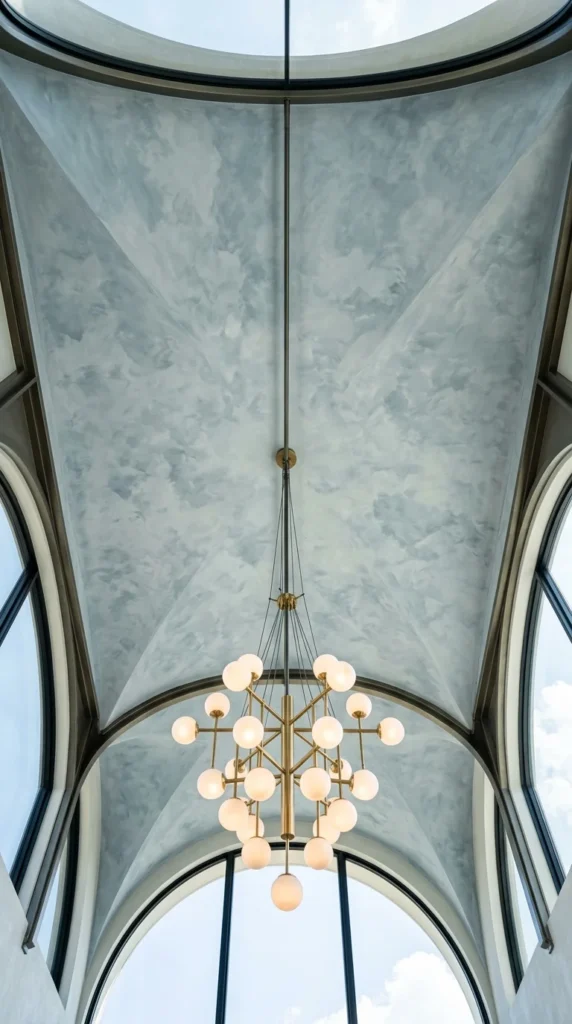
Often called the “fifth wall,” the ceiling is a frequently overlooked space for limewash. Applying a light-colored limewash to the ceiling adds unexpected texture and height to a room. It breaks up the monotony of a flat white ceiling and adds a layer of architectural sophistication.
21. Fireplace Surround
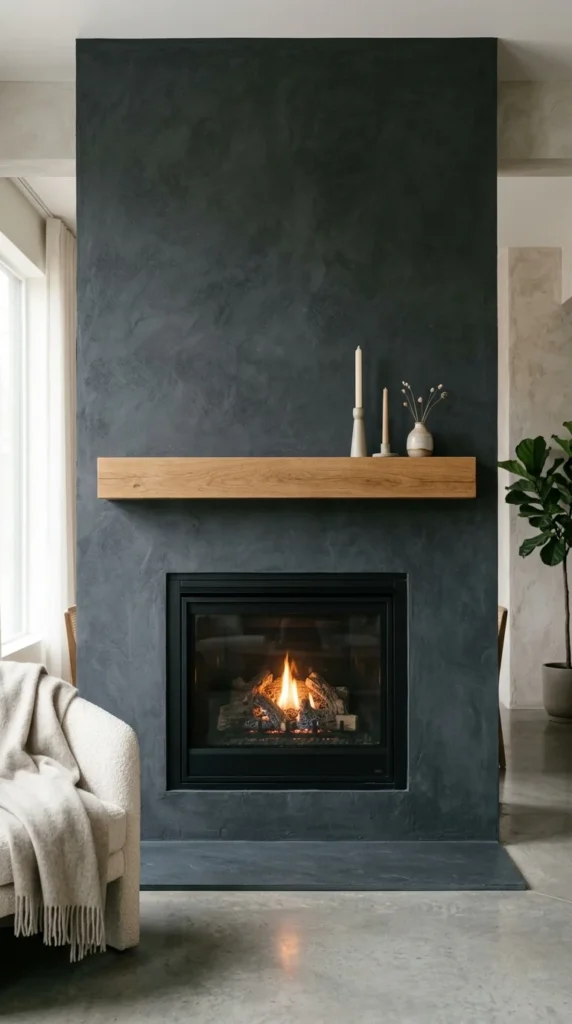
Limewash is naturally fire-resistant, making it an excellent choice for fireplace surrounds. It can be applied directly over brick or plaster to create a seamless, stone-like appearance. This transformation can turn a dated fireplace into a modern, textured centerpiece.
22. Hallway Depth
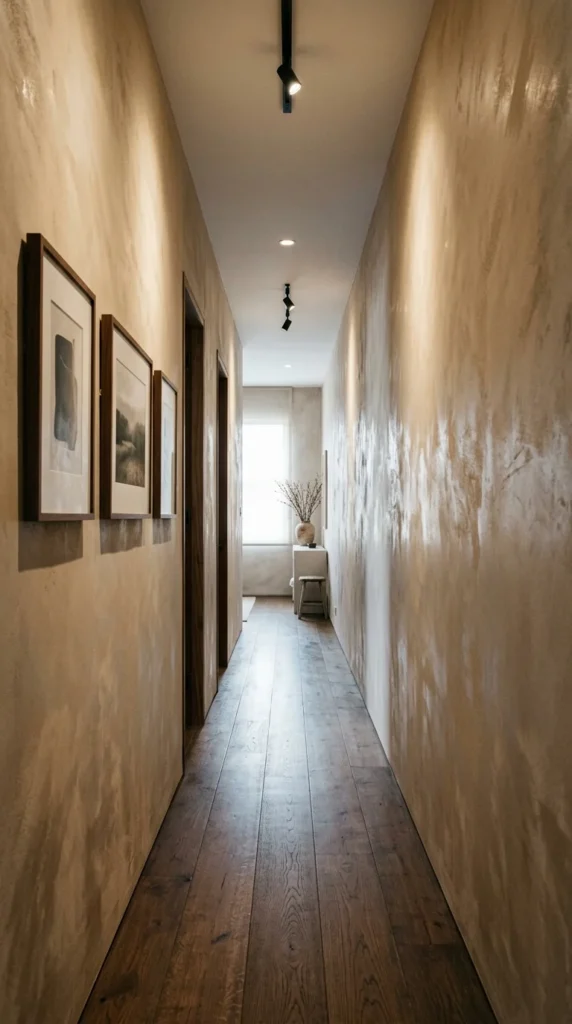
Hallways can often feel narrow and dark. Limewash adds visual “air” to these spaces. The way the light catches the mineral crystals in the paint creates a sense of movement, making the hallway feel like an intentional gallery space rather than just a transitional path.