
Living in a small home or apartment often feels like a perpetual game of Tetris. As belongings accumulate, the walls seem to close in, leading to a cluttered environment that can impact both productivity and mental clarity. However, the secret to a spacious-feeling home isn’t necessarily more square footage; it is the strategic use of “dead space.” By looking at your home through a lens of architectural opportunity, you can uncover hidden compartments and vertical real estate that turn a cramped dwelling into a masterpiece of efficiency.
From the kitchen to the bedroom, here are 22 innovative hidden storage ideas designed to maximize every inch of your living space.
1. Under-Bed Drawers
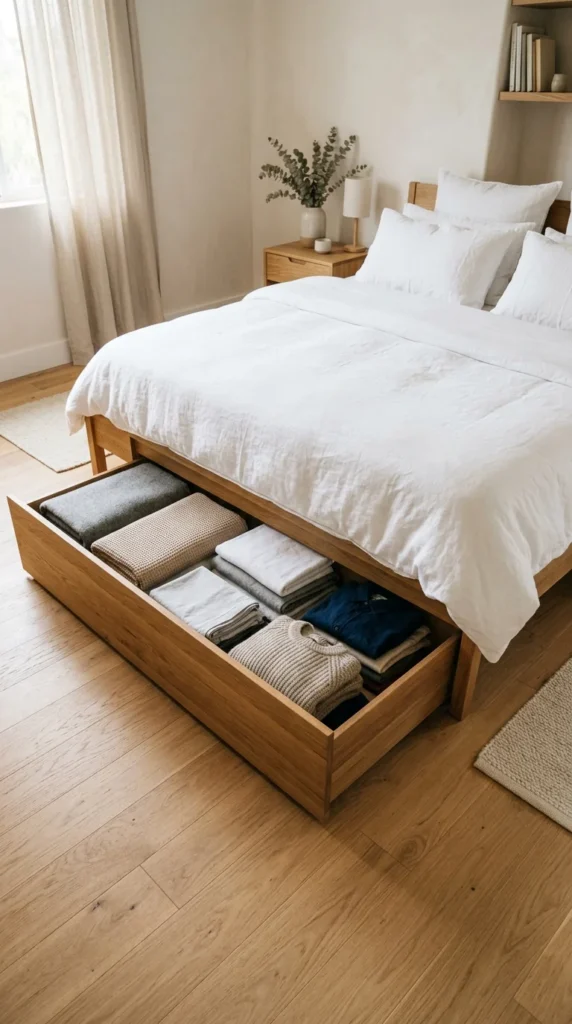
The area beneath the bed is one of the largest untapped storage zones in any home. Instead of allowing dust bunnies to collect, invest in a bed frame with integrated drawers or high-quality rolling bins. This is the ideal location for bulky items that aren’t needed daily, such as heavy winter coats, extra duvets, or even a collection of shoes. By keeping these items out of the closet, you free up prime hanging space for your daily wardrobe.
2. Storage Ottomans
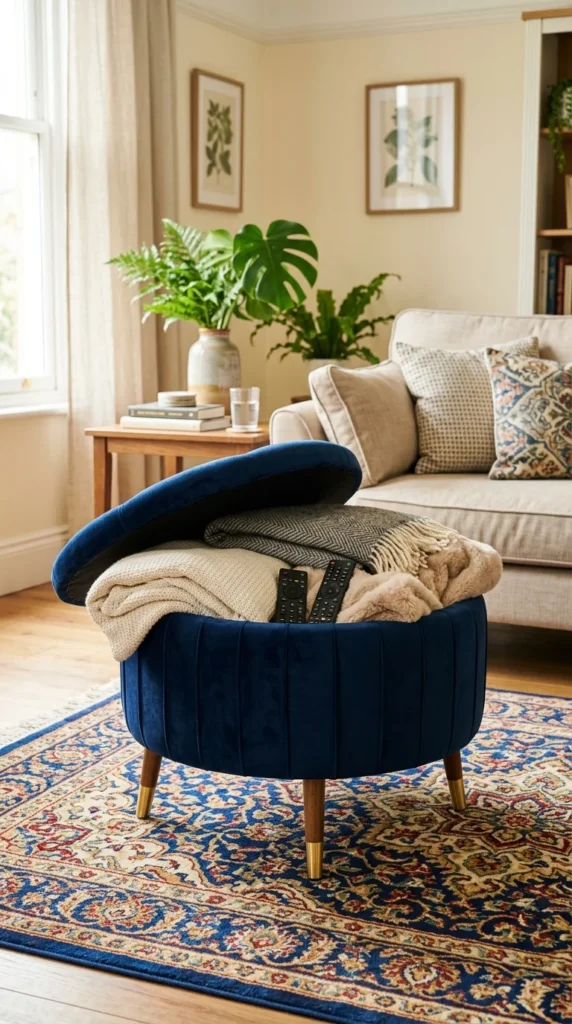
Multi-functional furniture is the cornerstone of small-space design. A storage ottoman serves three purposes: a footrest, extra seating for guests, and a hidden trunk. Whether you use it to stow away living room clutter like gaming controllers and magazines or as a linen chest at the foot of the bed, its ability to hide items in plain sight is unmatched.
3. Staircase Drawers
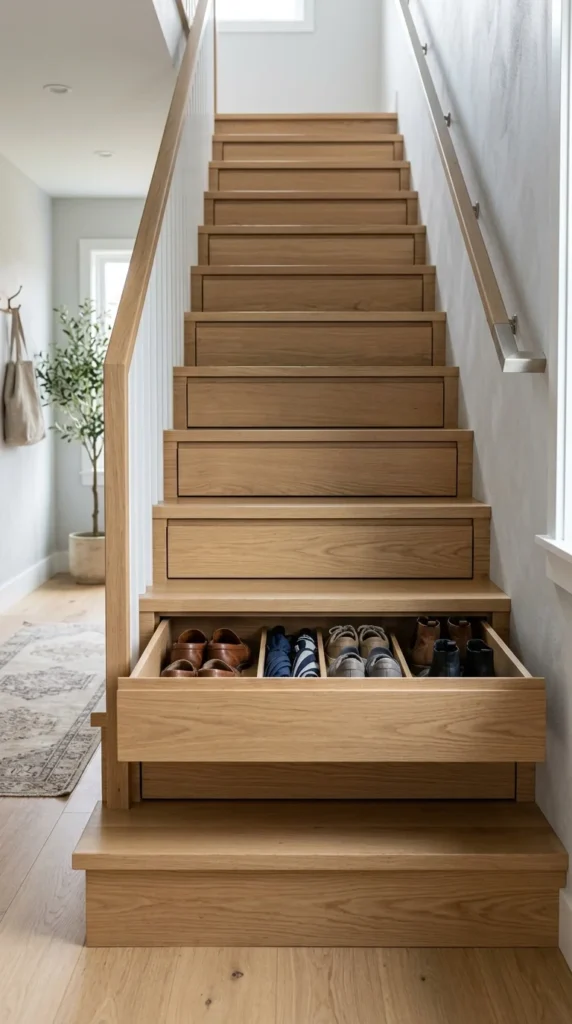
In multi-level tiny homes or lofts, the staircase is often a massive block of wasted volume. Converting the risers into drawers or the side of the staircase into a pull-out closet can provide enough storage to replace an entire wardrobe. This architectural hack utilizes the deep cavity beneath the steps that would otherwise be sealed off.
4. Kickplate Drawers
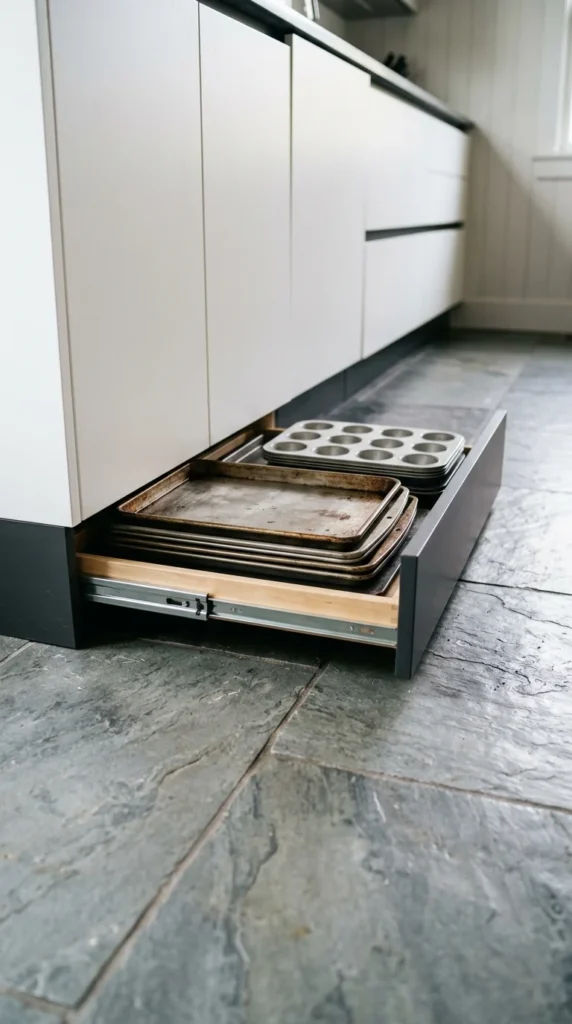
The “toe-kick”—the recessed space between your bottom cabinets and the floor—is typically empty. Installing slim drawers here is perfect for storing flat items that are difficult to stack, such as baking sheets, pizza stones, or even a hidden step stool. It’s an ingenious way to find “new” space in a kitchen that already feels full.
5. Recessed Shelving
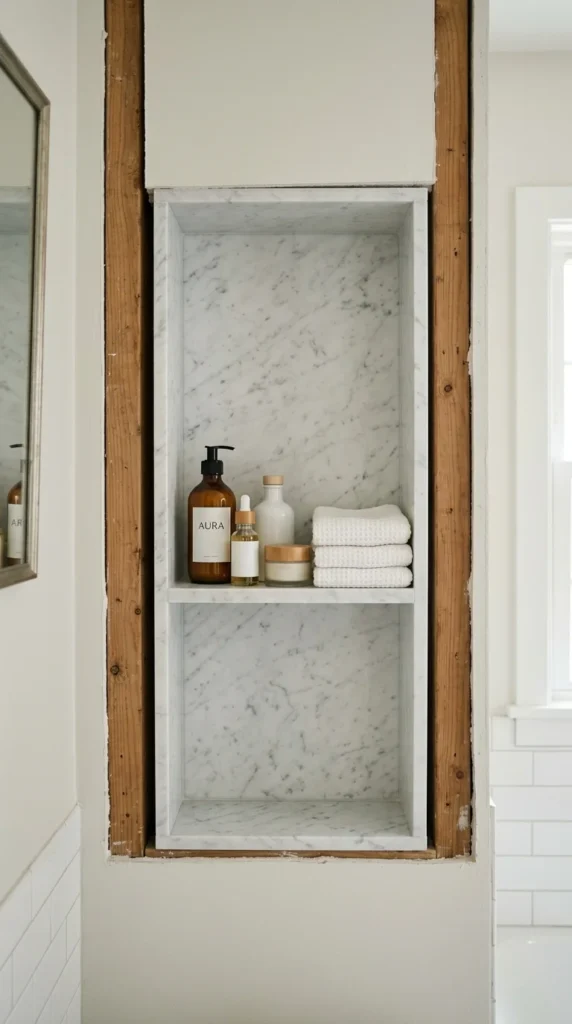
When you can’t build out, build in. Recessed shelving involves cutting into the drywall and using the space between the wall studs to create storage. This is particularly effective in bathrooms for toiletries or in narrow hallways where a traditional shelf would obstruct the walkway. Because the storage is flush with the wall, it maintains the room’s visual flow.
6. Over-Door Organizers
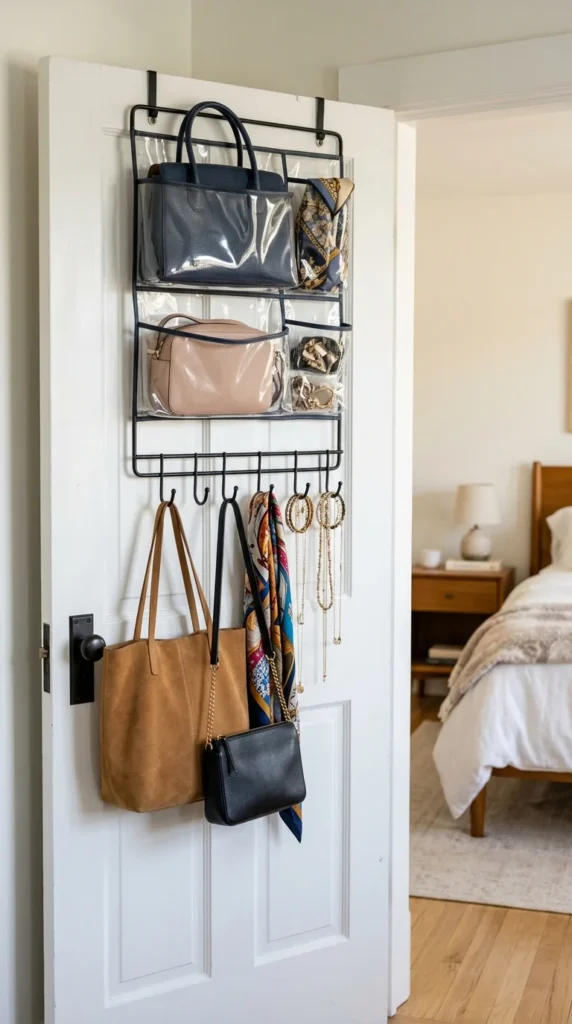
The back of a door is often overlooked. Beyond simple plastic shoe pockets, modern over-door systems offer sturdy metal baskets and hooks that can hold everything from pantry staples to cleaning supplies. This keeps items accessible but completely hidden whenever the door is open against a wall.
7. Floating Mantels
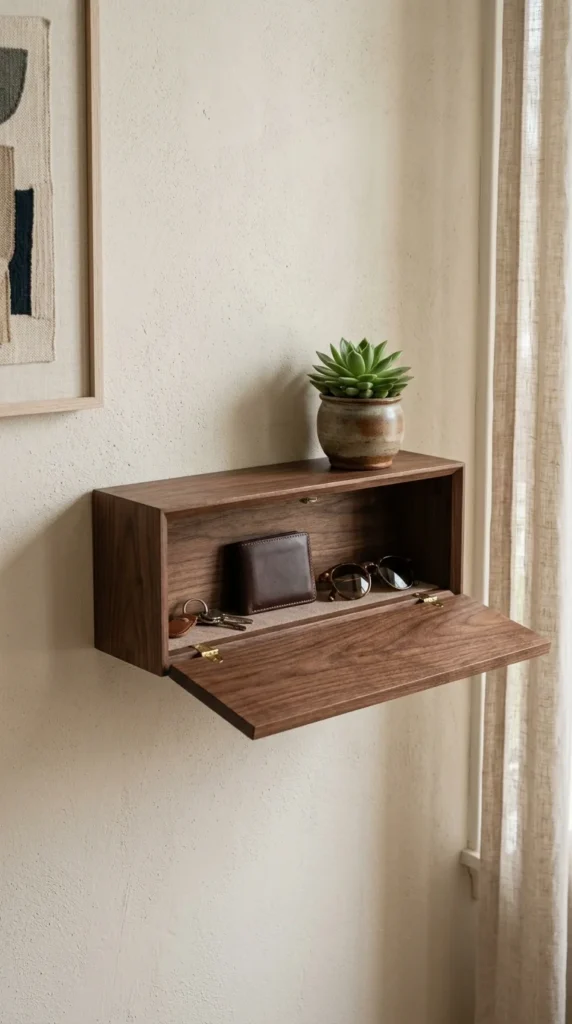
A floating shelf can do more than just display art. Specialized “mantel safes” or hidden-compartment shelves look like solid pieces of wood but feature a hollow interior or a pull-out tray. They are perfect for stashing valuables, spare keys, or mail without cluttering the surface of your furniture.
8. Headboard Nooks
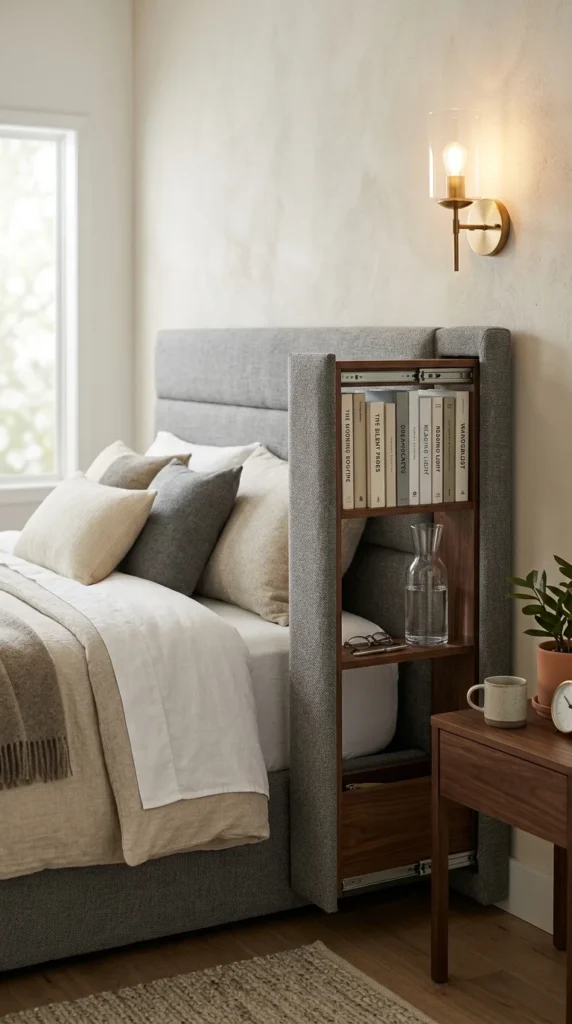
In a small bedroom, there might not be enough room for two nightstands. A storage headboard solves this by incorporating shelves into the sides or a flip-top lid at the top. This allows you to keep your nighttime essentials within reach while maintaining a streamlined look around the bed frame.
9. Window Seats
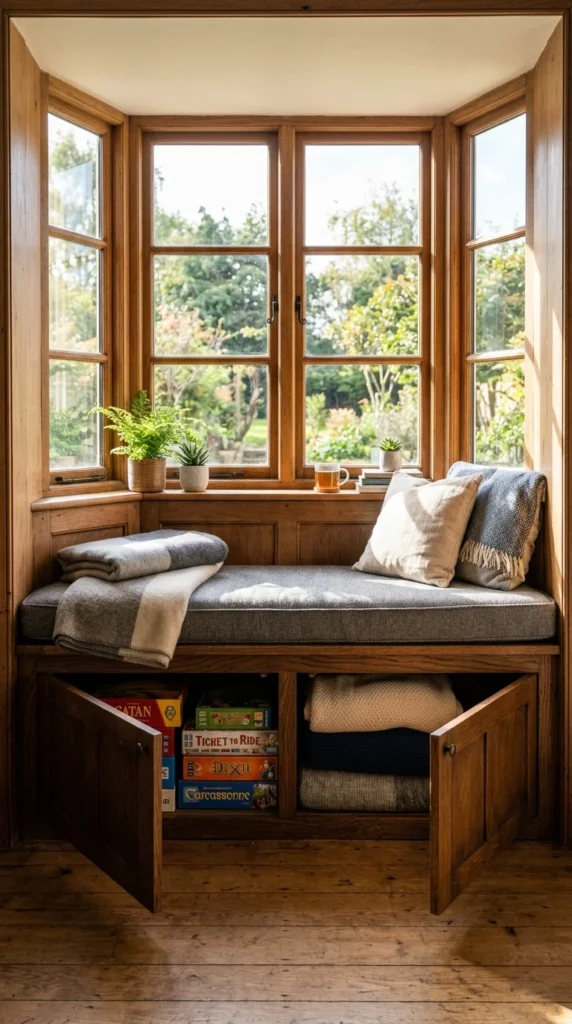
A window seat adds charm and a cozy reading nook to a room, but its base is a prime location for a deep storage chest. By using a flip-top or front-opening cabinet doors, you can store bulky items like sports equipment or holiday decorations in a space that would otherwise be empty air.
10. Mirrored Cabinets
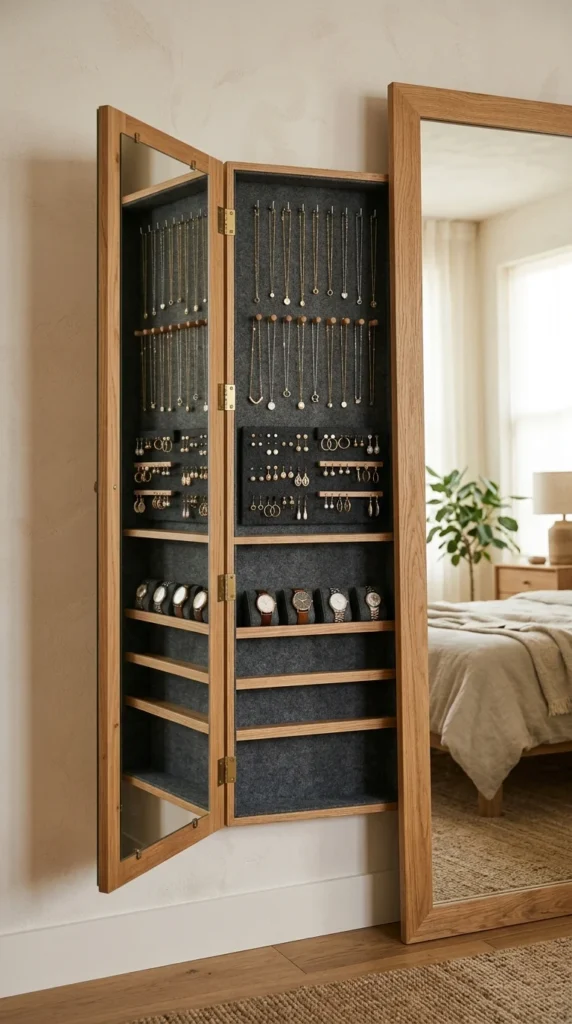
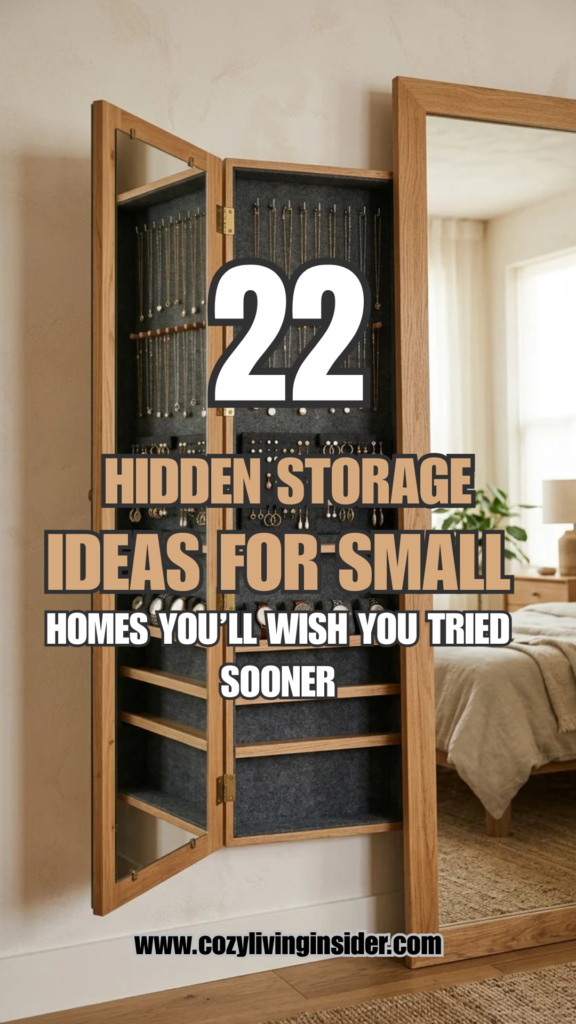
Mirrors are essential for making small rooms feel larger, but they can also serve as doors to hidden caches. A full-length jewelry armoire disguised as a mirror is a classic example. In the bathroom, a medicine cabinet that is recessed into the wall provides ample storage for bottles without the “clunky” look of a protruding cabinet.
11. Pull-Out Pantries
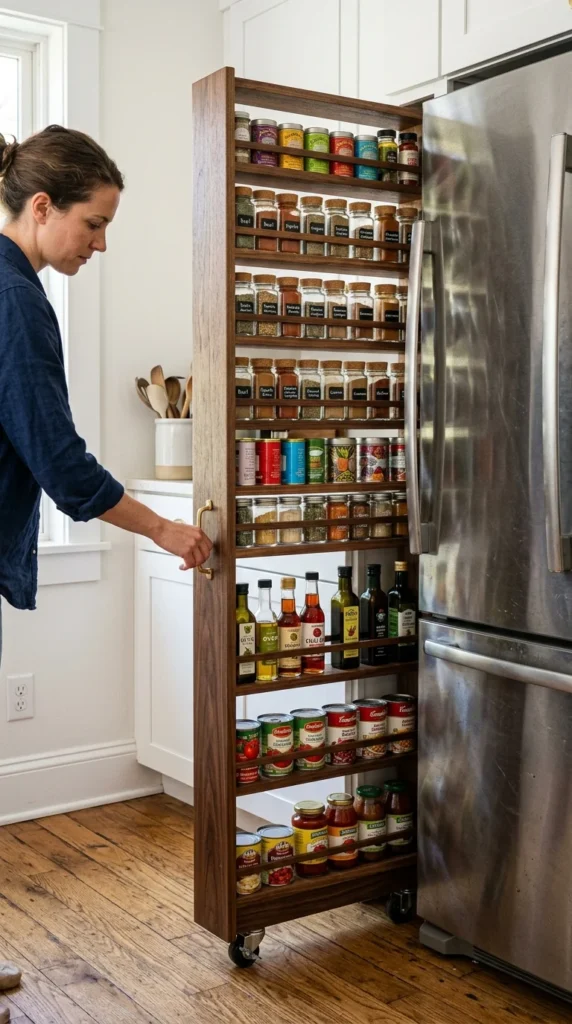
Even a six-inch gap between appliances can be turned into a high-capacity pantry. A slim, rolling cart can hold dozens of spice jars, oils, and dry goods. When pushed back into place, it disappears entirely, leaving the kitchen looking sleek and tidy.
12. Hollow Benches
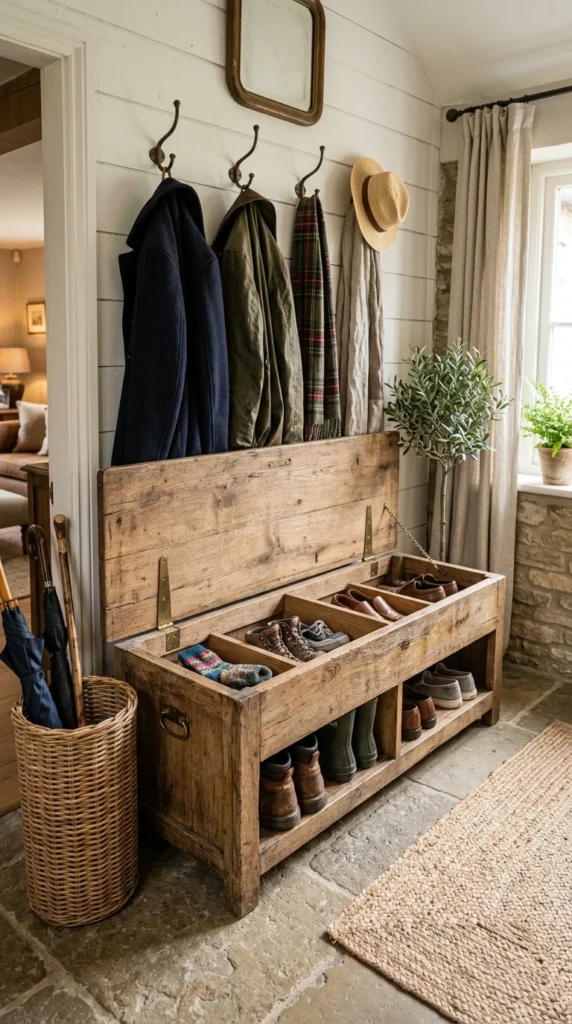
Entryways are notorious for “shoe creep.” A hollow bench provides a place to sit while putting on shoes and a hidden bin to toss them into when you come home. This keeps the floor clear and prevents the entryway from feeling congested.
13. False Bottoms
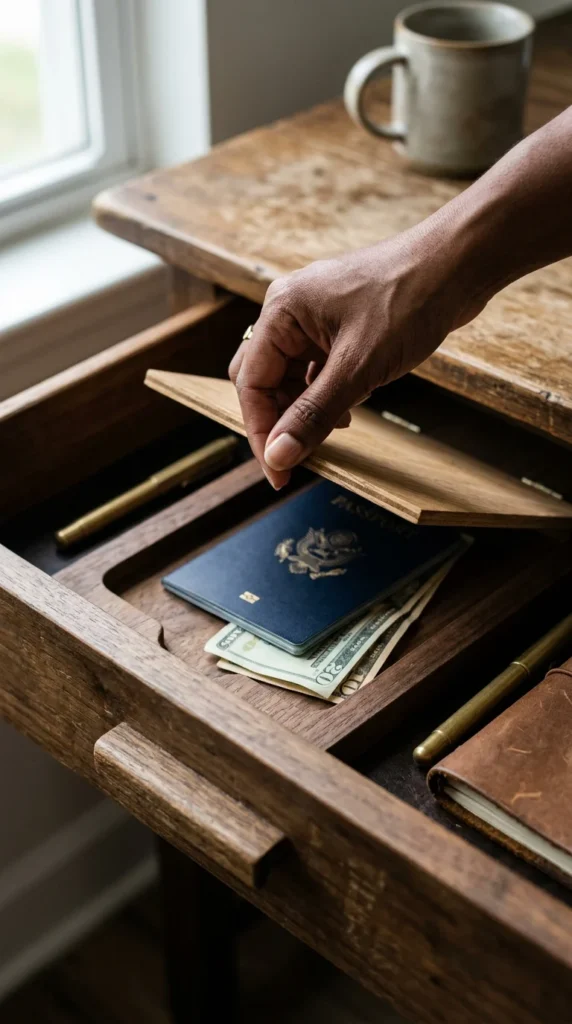
For those concerned with security or simply wanting to hide smaller clutter, false bottoms in drawers are an old-school but effective trick. By placing a thin piece of matching plywood over a shallow layer of items, you create a “hidden in plain sight” safe for documents and valuables.
14. Lift-Top Tables
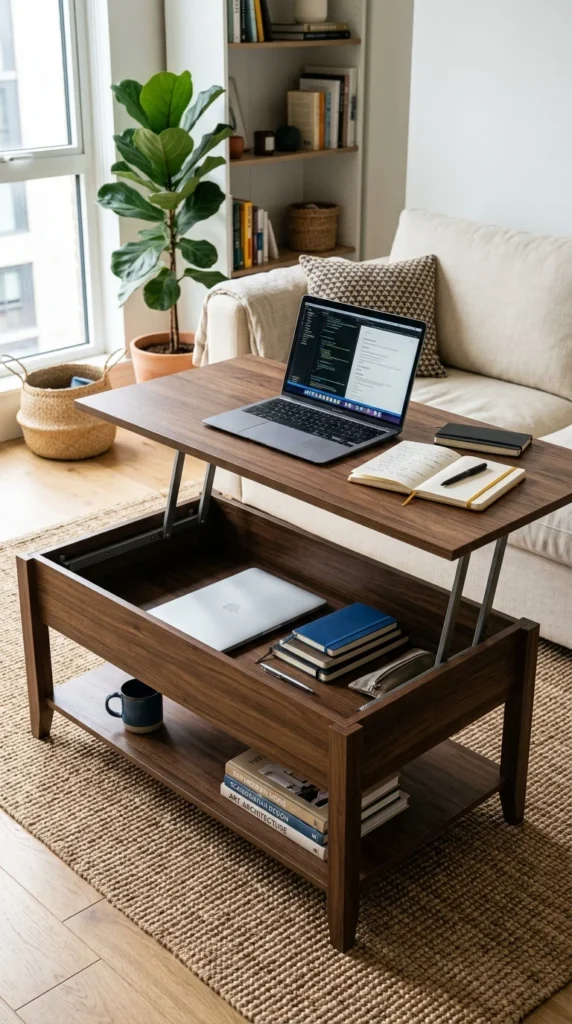
The lift-top coffee table is the ultimate “work from home” hack for small apartments. Not only does it provide a hidden trunk for pillows and remotes, but the lifting mechanism also brings the tabletop to a comfortable height for eating or typing, eliminating the need for a dedicated desk.
15. Radiator Covers
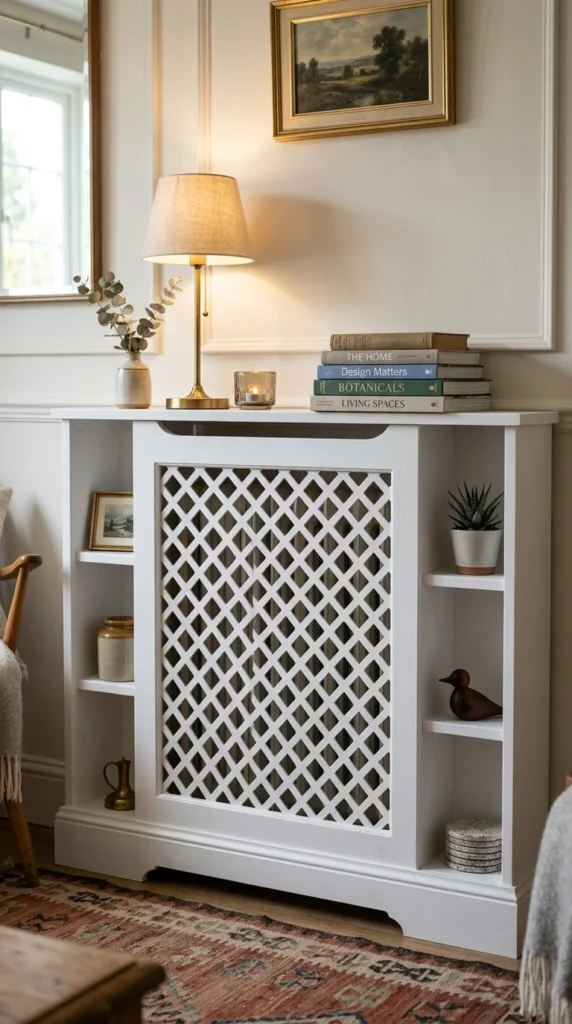
Radiators are often unsightly and occupy valuable wall space. A custom-built radiator cover hides the unit while providing a flat surface for a bookshelf or a console table. It turns a functional eyesore into a piece of useful furniture.
16. Ceiling Racks
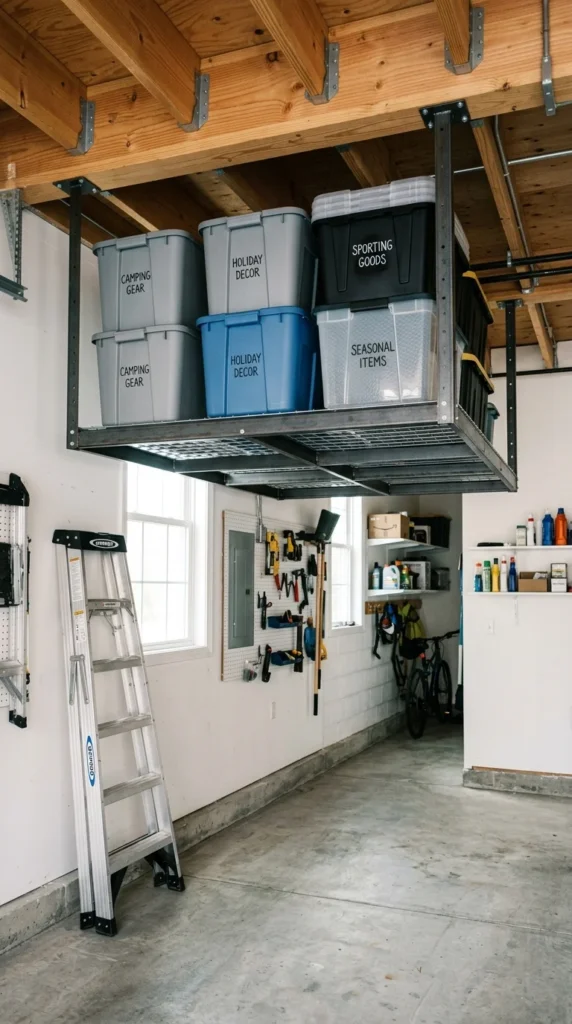
If you have high ceilings, don’t forget the space above your head. In hallways, laundry rooms, or garages, overhead racks can hold seasonal bins that you only need to access a few times a year. This keeps the “footprint” of your storage at zero.
17. Sofa Armrests
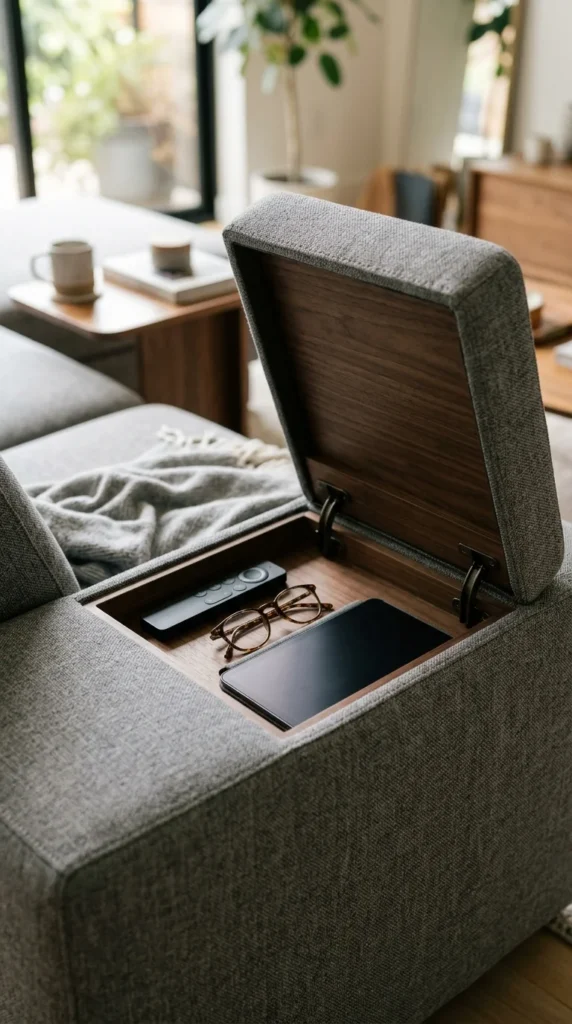
High-end and modular sofas now often come with “hidden” features. Some armrests open up to reveal storage for electronics and chargers. This keeps the coffee table clear and ensures you never lose the remote between the cushions again.
18. Pegboard Walls
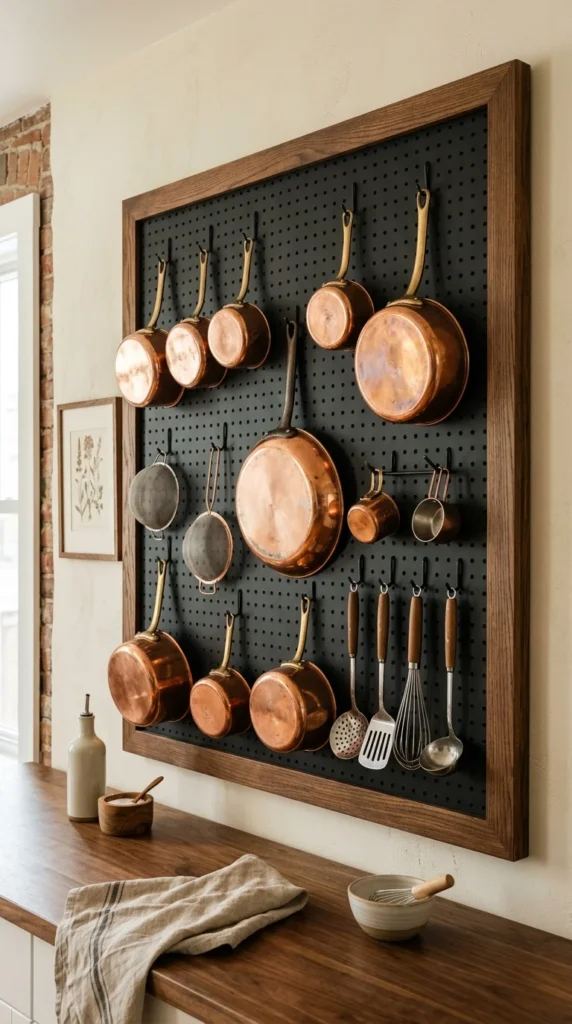
While not “hidden” in the traditional sense, a pegboard uses the “hidden” vertical capacity of a wall. By moving bulky pots, pans, or craft supplies onto a pegboard, you empty out cabinets for things you’d rather keep out of sight. It turns your tools into a functional wall display.
19. Murphy Desks
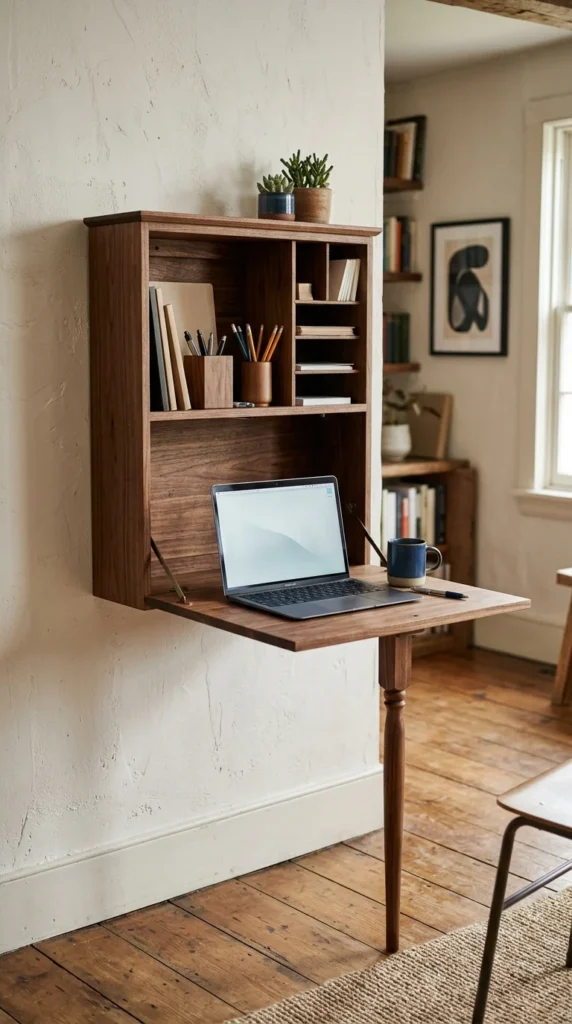
A Murphy desk (or fold-down desk) is a wall-mounted cabinet that looks like a simple piece of decor. When opened, it provides a workspace; when closed, it hides the inevitable clutter of papers and laptops, reclaiming the floor space for other activities.
20. Corner Shelves
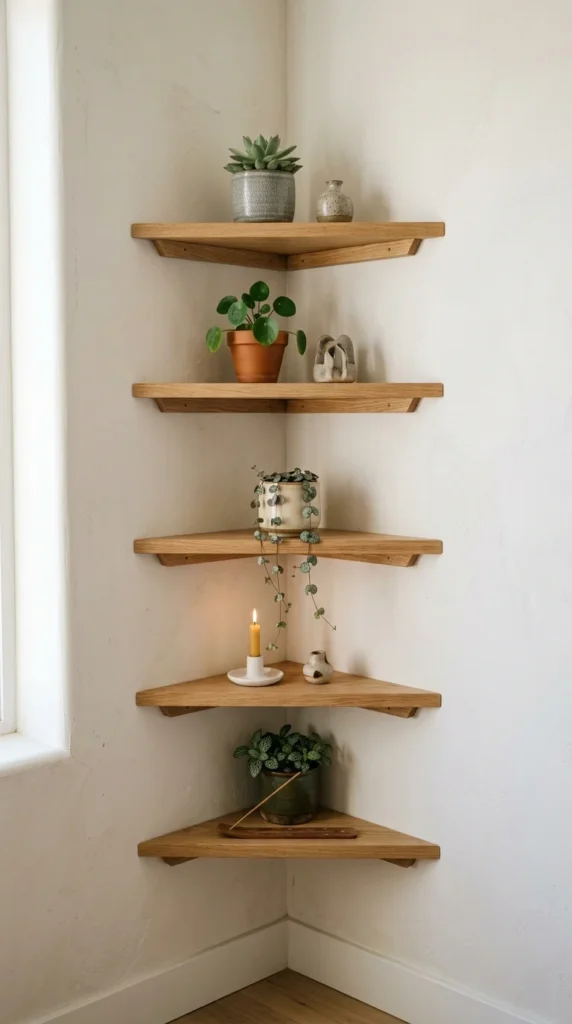
Corners are frequently underutilized. Installing floating triangular shelves allows you to store books or decorative items without needing a bulky bookcase. This keeps the center of the room open and airy.
21. Under-Shelf Baskets
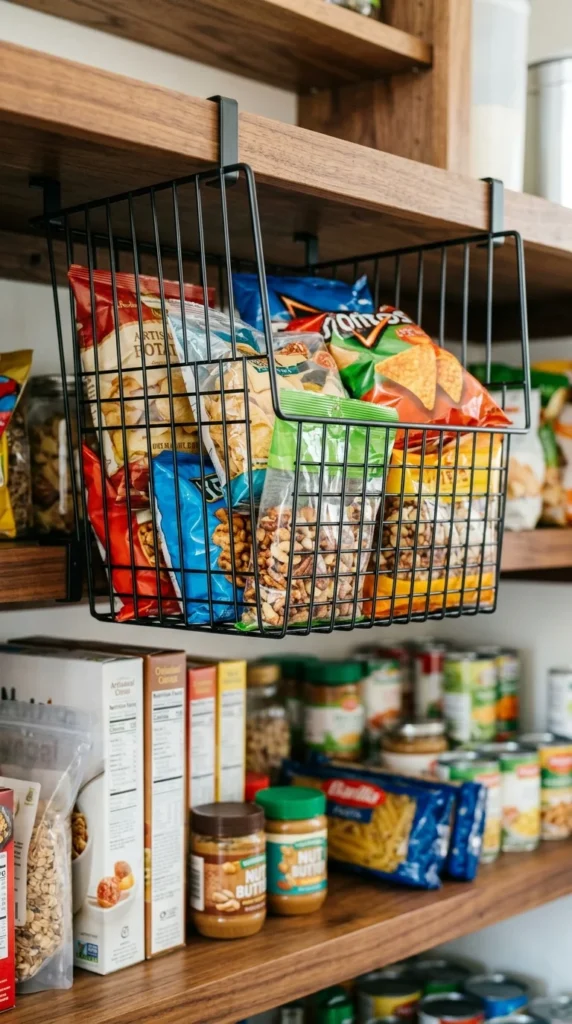
Often, there is a 4-to-6-inch gap of “dead air” between the top of your items and the shelf above them. Under-shelf baskets slide onto existing shelves to create a new tier of storage, perfect for napkins, foil boxes, or small pantry items.
22. Toe-Kick Steps
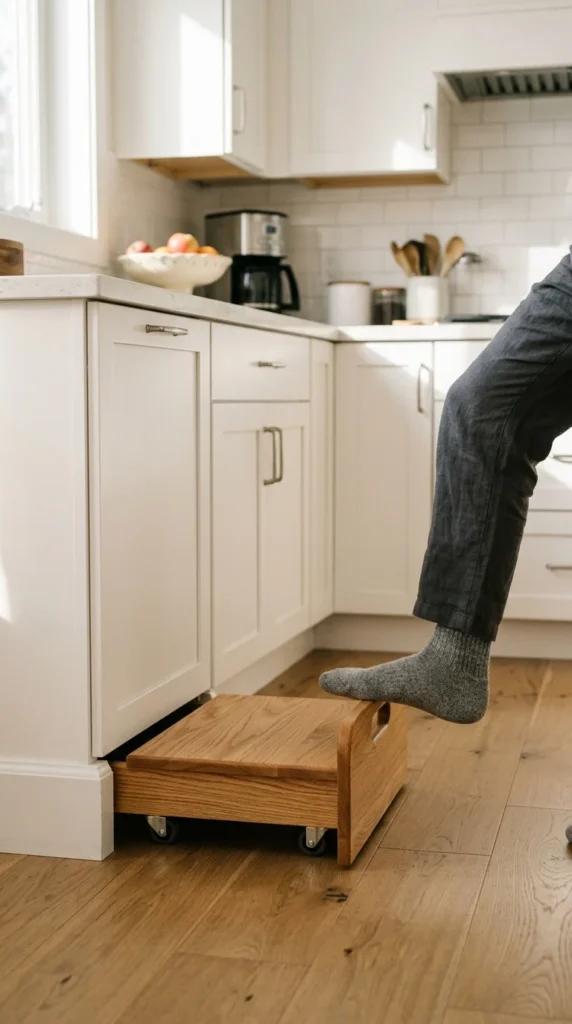
In a small home, you often have to use high shelves for storage, which usually requires a bulky step stool. A toe-kick step is a pull-out platform built into the base of your cabinets. It provides the height you need to reach the top shelf and then disappears completely when you’re done, saving you the closet space a traditional ladder would occupy.