
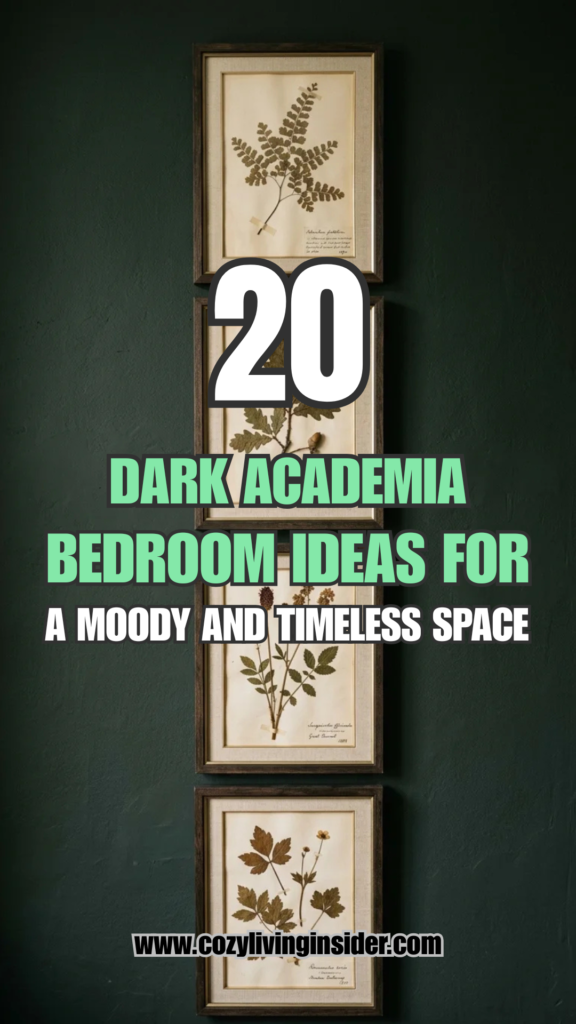

The Dark Academia aesthetic is more than just a fleeting interior design trend; it is a celebration of intellectualism, classic literature, and the romanticized atmosphere of historic European universities. To step into a Dark Academia bedroom is to step into a world of shadowed corners, rich textures, and the quiet hum of scholarly pursuit. This style leans heavily into “memento mori” motifs, vintage collectibles, and a color palette that mirrors the depths of an old-growth forest or a midnight library.
Creating this look requires a balance between intentional clutter—the “cluttered scholar” look—and sophisticated architectural elements. Whether you are a fan of Gothic architecture, classical Greek philosophy, or the Romantic poets, these twenty ideas will help you transform your sleeping quarters into a sanctuary of timeless mystery and intellectual depth.
1. Rich Palettes
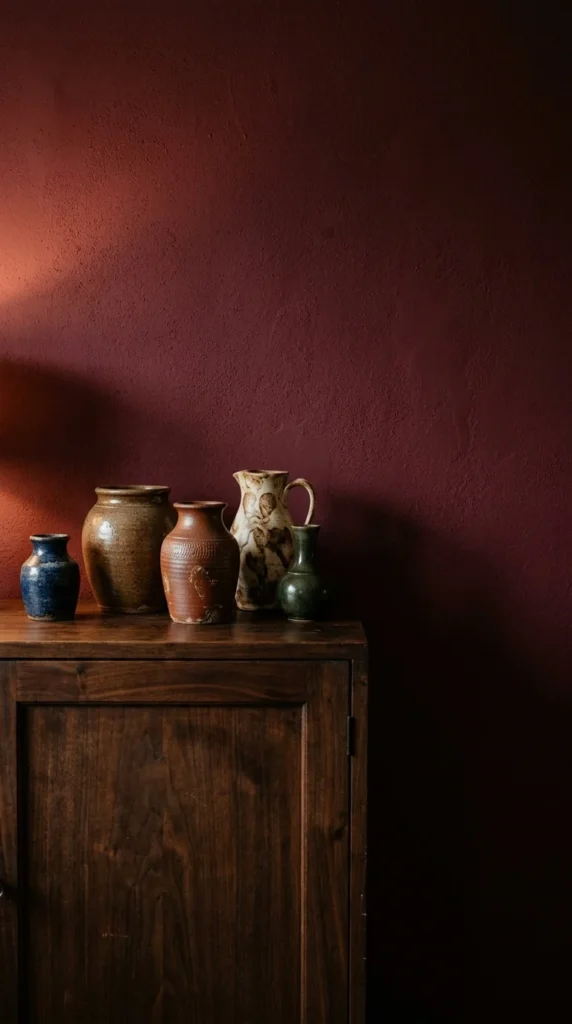
The foundation of any Dark Academia room is its color story. Avoid bright whites or pastels. Instead, opt for “moody” shades that create an enveloping, cozy atmosphere. Think deep forest greens, navy blues, charcoal grays, and rich burgundies. These colors absorb light rather than reflect it, which helps achieve that sought-after cavernous, historic feel. If you are hesitant to paint all four walls, a single accent wall in a matte finish can provide the necessary depth without overwhelming a smaller space.
2. Grand Bookcases
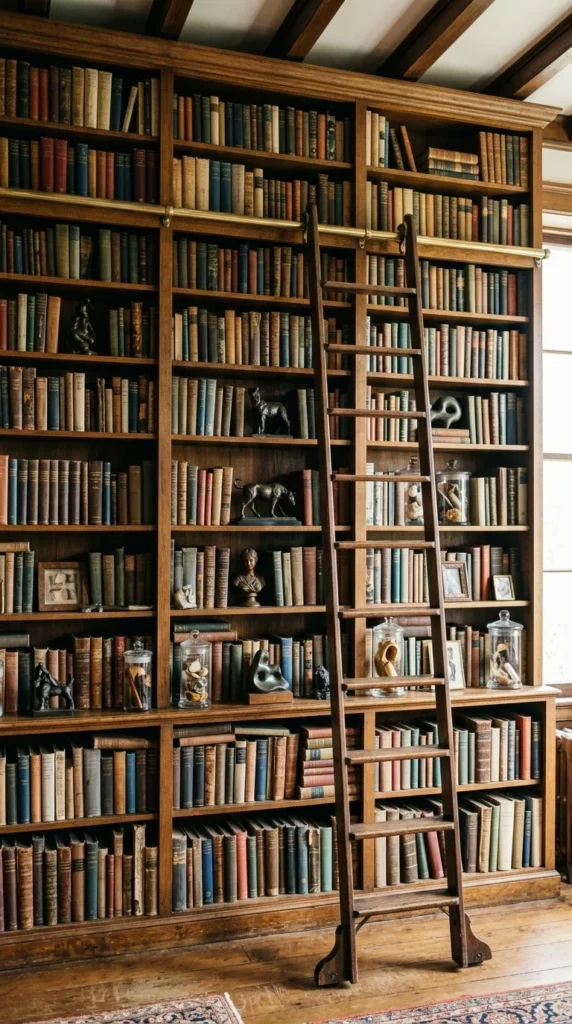
A Dark Academia bedroom is incomplete without a home for literature. Floor-to-ceiling shelving creates a sense of history and scale. Fill these shelves not just with books, but with artifacts: small globes, hourglasses, and framed sketches. For an authentic look, turn some book spines inward to reveal the aged, yellowed pages, or group them by leather bindings rather than contemporary dust jackets.
3. Writing Desks
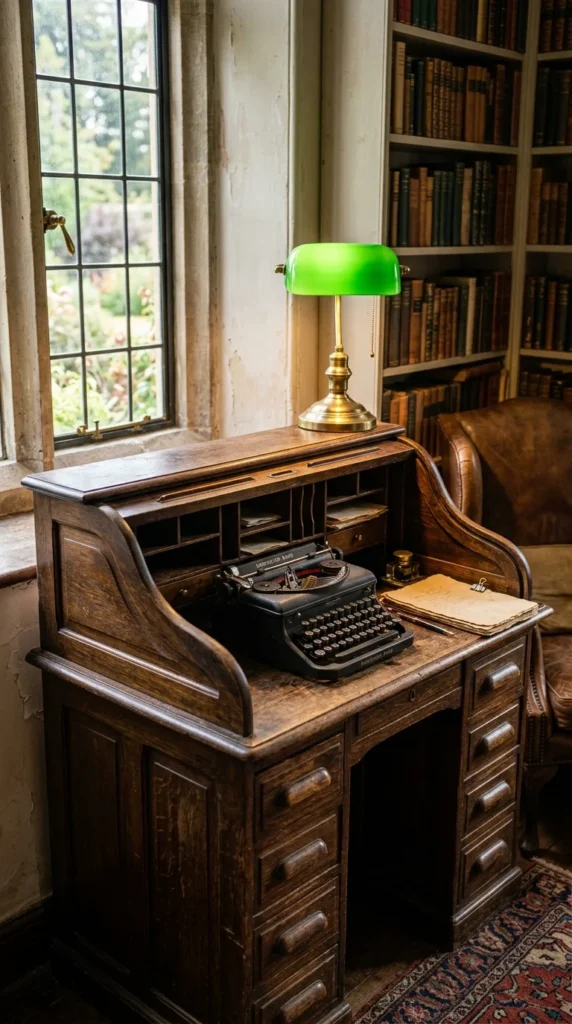
The desk is the heart of the Dark Academia lifestyle. It represents the pursuit of knowledge and the art of handwritten correspondence. Seek out heavy wood pieces—mahogany, oak, or walnut—with intricate carvings or “secretary” style drawers. A desk placed near a window allows for natural light during the day, while a classic banker’s lamp provides the necessary glow for late-night study sessions.
4. Velvet Textiles
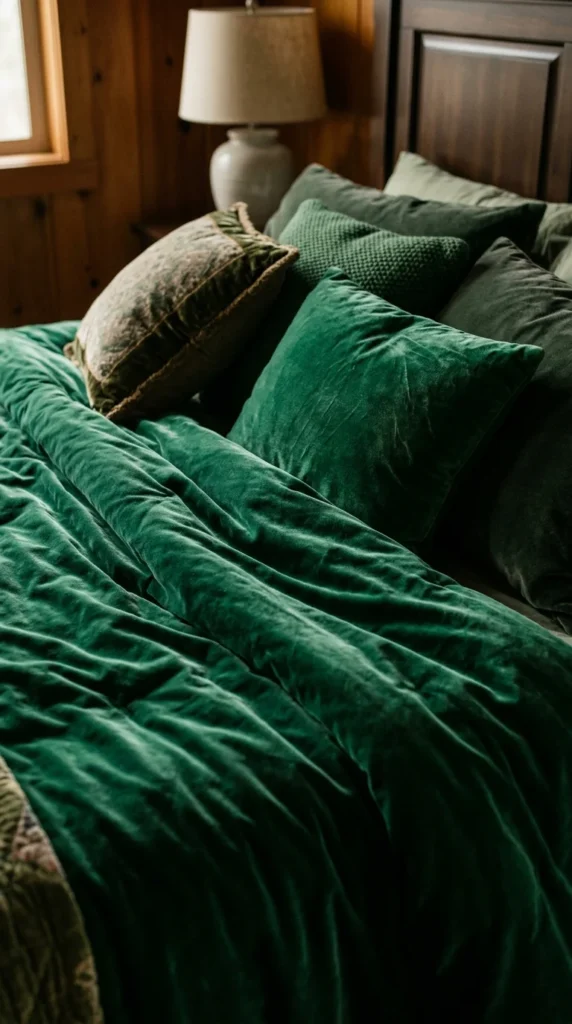
Texture is vital for adding warmth to a dark room. Velvet is the quintessential Dark Academia fabric because of its weight and the way it interacts with light. An emerald or plum velvet duvet cover or a set of heavy velvet throw pillows adds a layer of luxury and comfort that balances the “stiff” nature of antique wooden furniture.
5. Brass Sconces
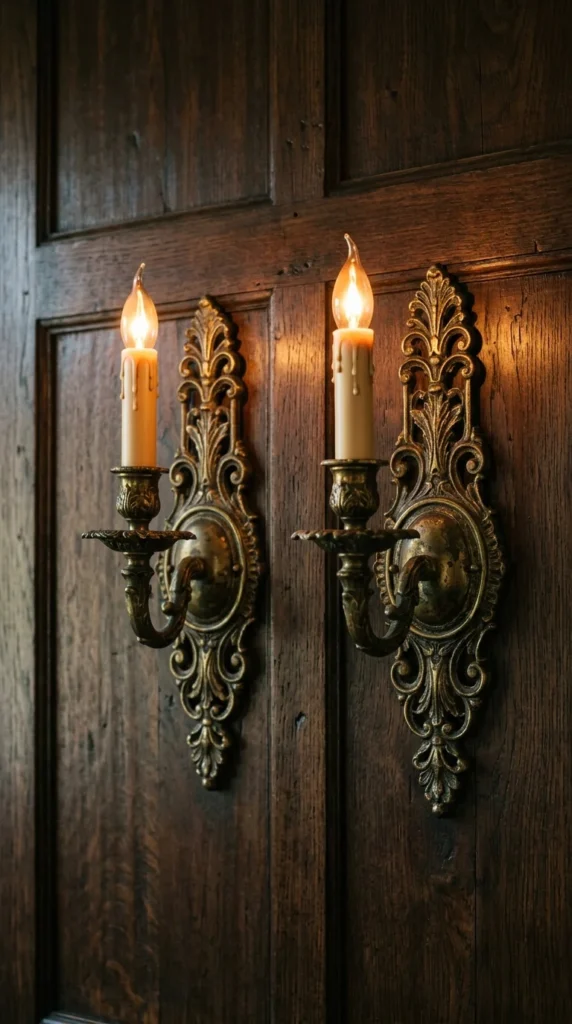
Lighting should be layered and soft. Harsh overhead lighting kills the moody ambiance. Instead, use brass wall sconces or “swing-arm” lamps. These metallic accents pop beautifully against dark walls and provide focused pools of light for reading. Look for fixtures with an antique patina rather than high-shine polished finishes to maintain the aged aesthetic.
6. Gallery Walls
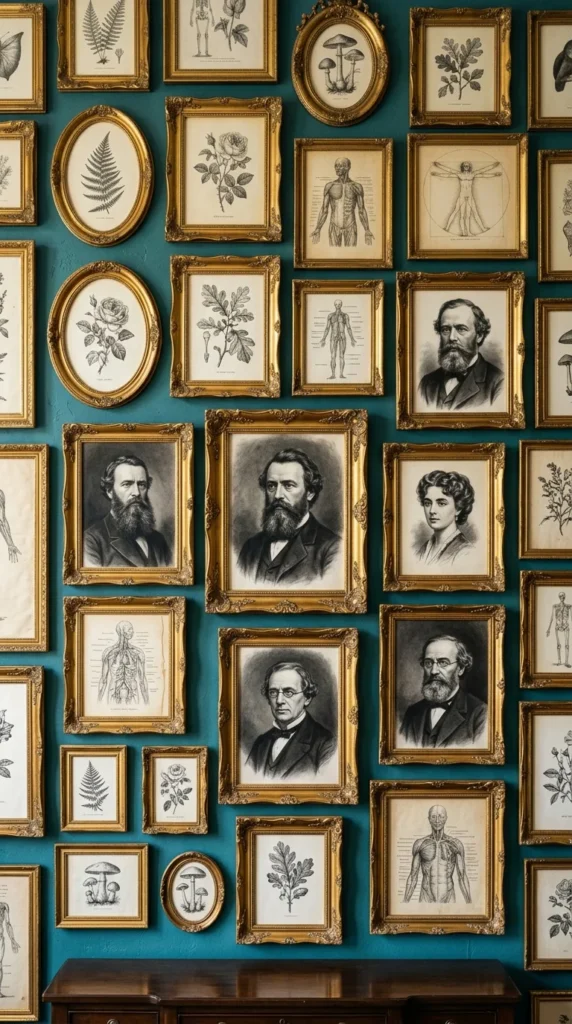
A gallery wall in a Dark Academia space should feel curated over time. Mix and match different frame styles—gilded, black wood, and distressed silver. The subject matter should lean toward the scientific or the classical: anatomical heart drawings, celestial maps, pressed ferns, or sketches of Greek ruins. The goal is to make the wall look like a collection from a Victorian naturalist’s study.
7. Ornate Carpets
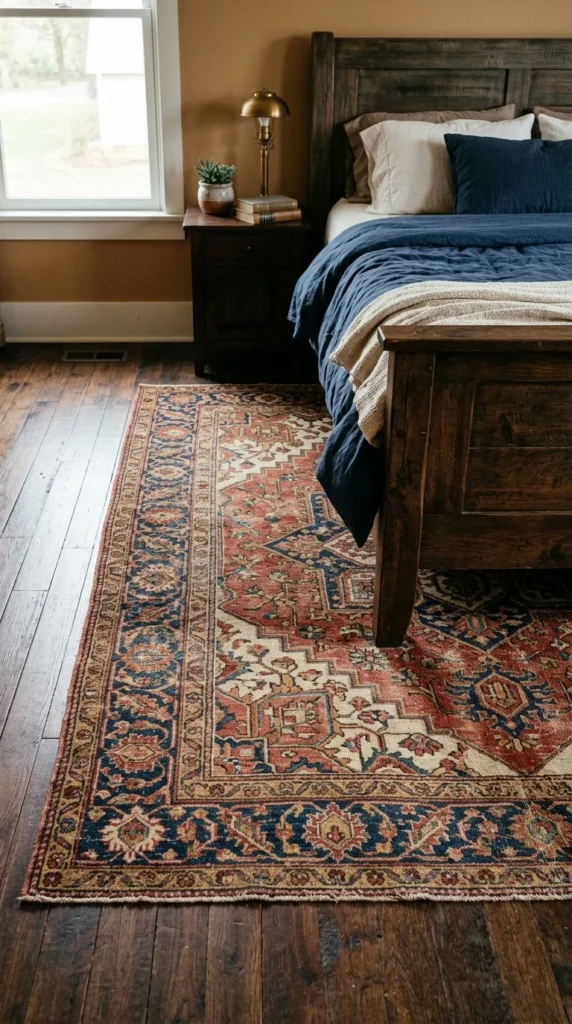
Hardwood floors are ideal, but they need the softness of a rug to dampen sound and add visual interest. A vintage-style Persian or Oriental rug with a weathered, “faded” look is perfect. The complex patterns and deep reds or blues anchor the room and provide a soft surface for bare feet in the morning.
8. Brocade Curtains
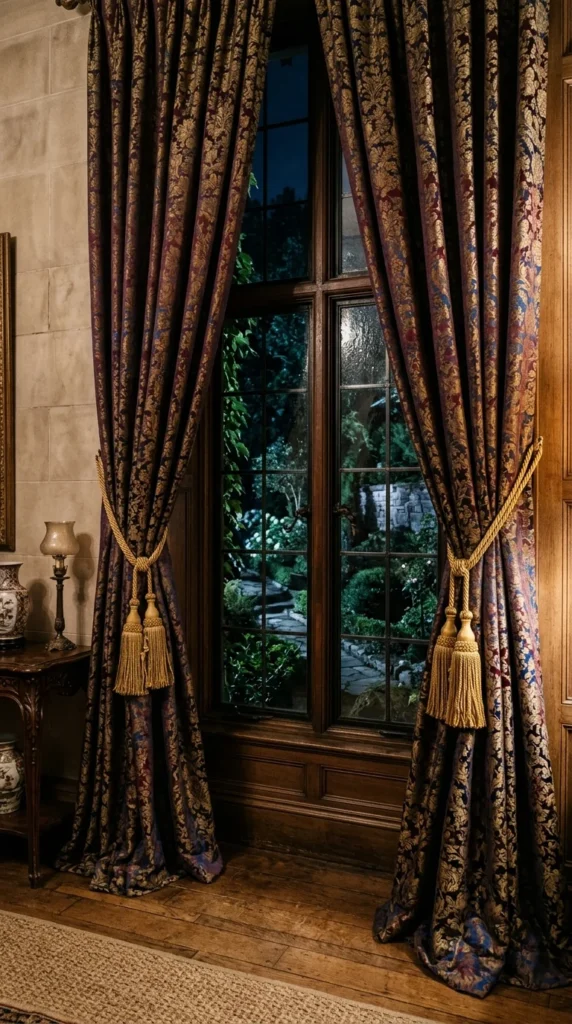
Window treatments should be heavy and dramatic. Brocade or damask fabrics with subtle, tonal patterns add a level of “old-world” sophistication. Using floor-length curtains helps to make the ceilings appear higher and provides excellent light-blocking capabilities, perfect for those who want their bedroom to feel like a secluded retreat from the modern world.
9. Curated Oddities

Dark Academia thrives on the “cabinet of curiosities” vibe. Don’t be afraid to display strange or unique items. A vintage telescope, a collection of old keys on a brass ring, or a series of specimen jars can add a layer of personality and mystery. These items act as conversation starters and reinforce the theme of curiosity and exploration.
10. Industrial Walls
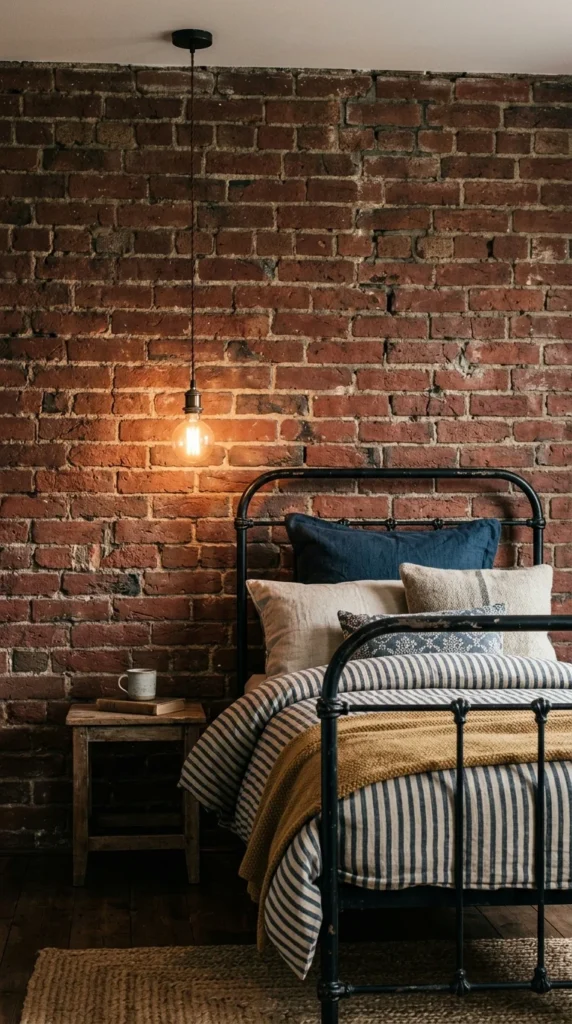
If your space allows, exposed brick or dark wood paneling provides the perfect “boarding school” texture. If you don’t have natural brick, high-quality “peel and stick” textured wallpaper can replicate the look of a centuries-old university cellar or a dusty library annex.
11. Tartan Details
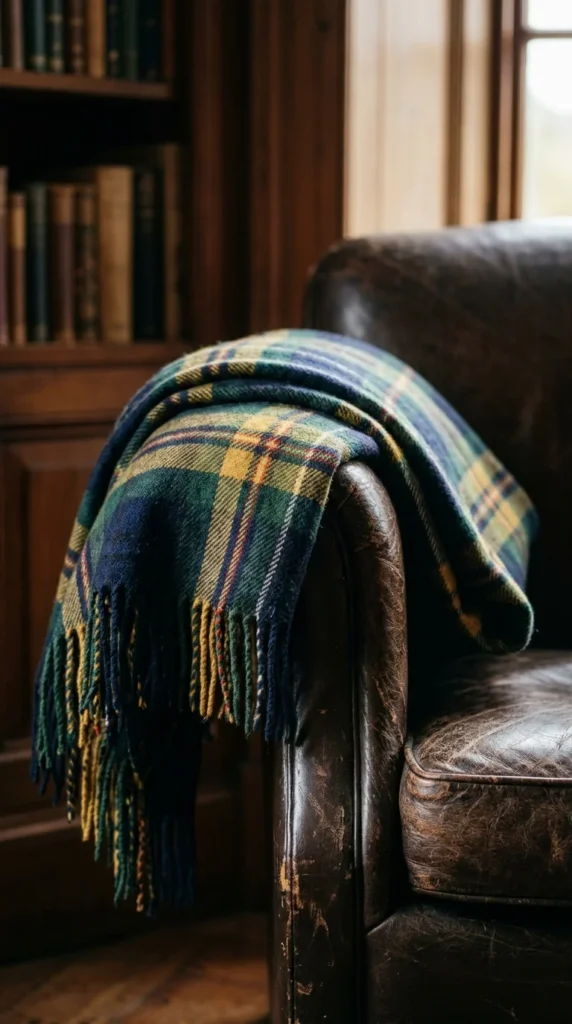
Nothing says “academic” quite like plaid and tartan. Incorporating these patterns through throw blankets, upholstery, or even small pillows adds a collegiate, traditional touch. It bridges the gap between the dark, moody elements and the cozy, “hygge” side of the aesthetic.
12. Writing Instruments
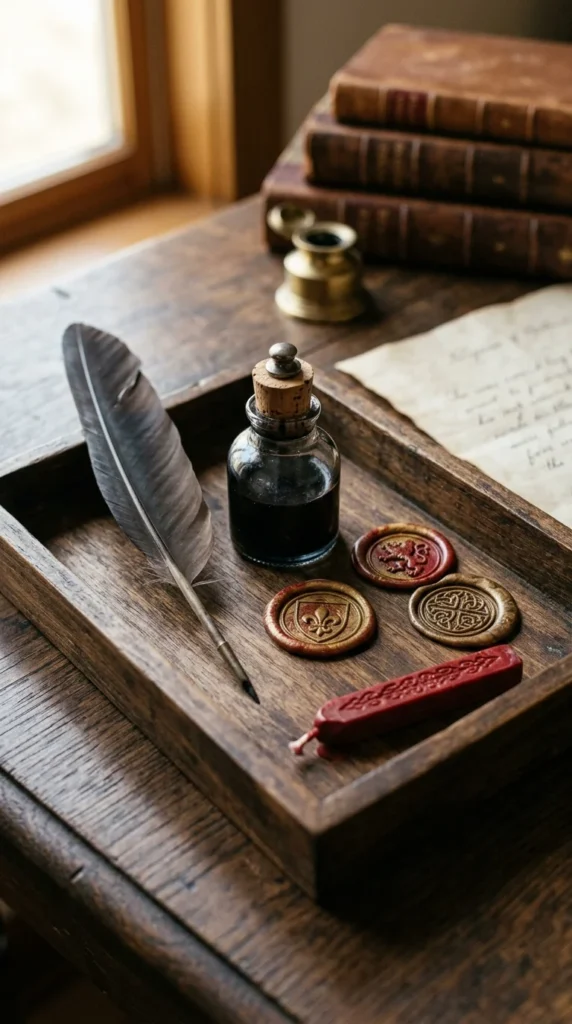
Even if you primarily use a laptop, having a dedicated space for traditional writing tools enhances the theme. A glass inkwell, a feather quill, or a collection of fountain pens displayed on a desk suggests a love for the written word. It transforms the desk from a workstation into a place of creative ritual.
13. Marble Statuary
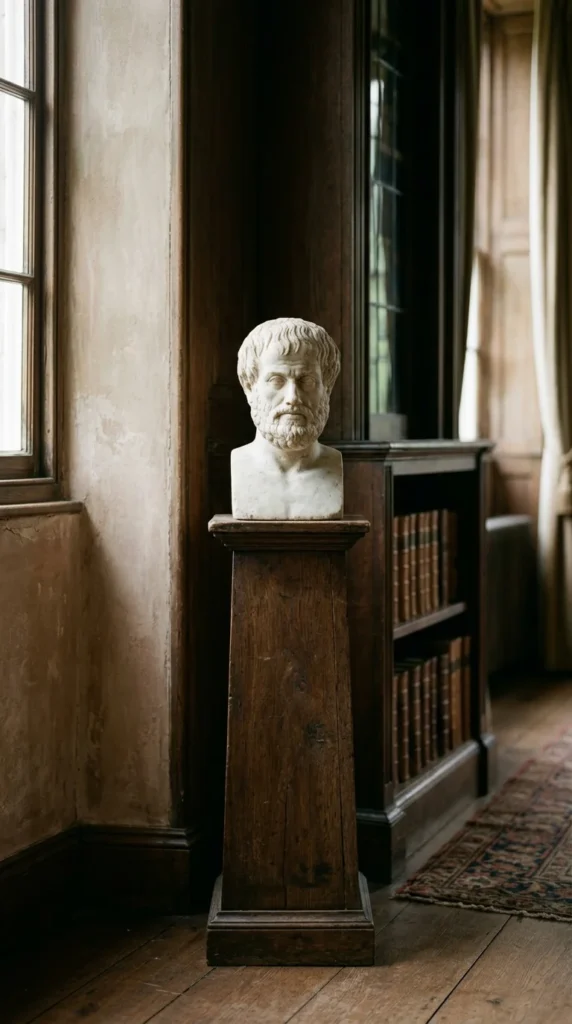
Incorporating elements of Classical Antiquity is a hallmark of Dark Academia. A small plaster or marble bust of a philosopher, poet, or deity adds an air of intellectual authority. Place a bust on a stack of books or on a floating shelf to create a focal point that feels museum-quality.
14. Metallic Finishes
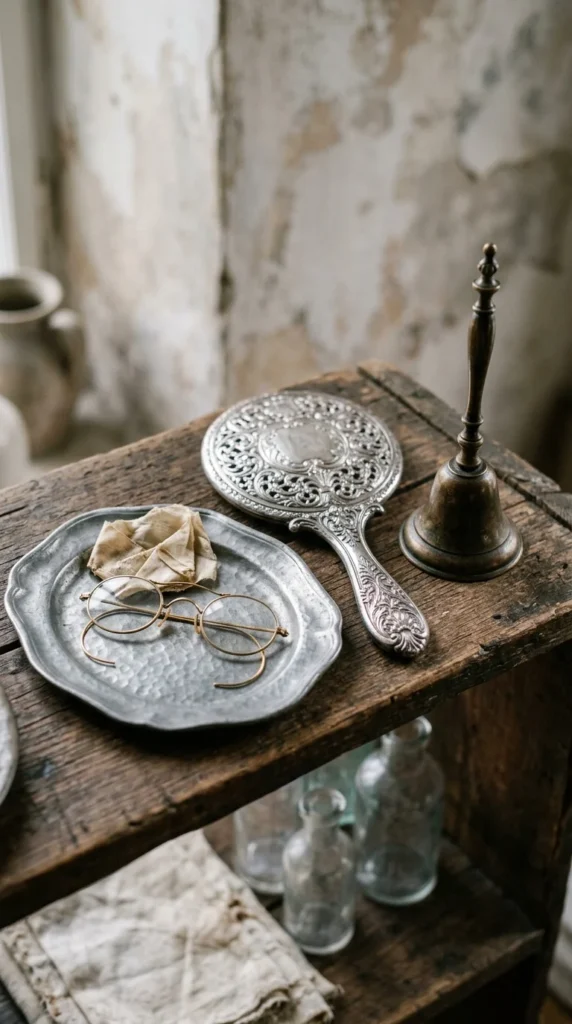
While wood is the primary material, metal accents prevent the room from feeling too “heavy.” Stick to warm or aged metals like bronze, copper, and pewter. These materials age beautifully and develop a patina that fits the timeless nature of the room. A silver-handled magnifying glass or a pewter tray for jewelry adds just enough shine.
15. Pressed Botanicals

Science and nature are core pillars of the academic aesthetic. Framed pressed flowers, leaves, or ferns bring a touch of the outdoors inside in a way that feels scholarly rather than rustic. It evokes the feeling of a biology student’s personal collection from a field expedition.
16. Mahogany Tones
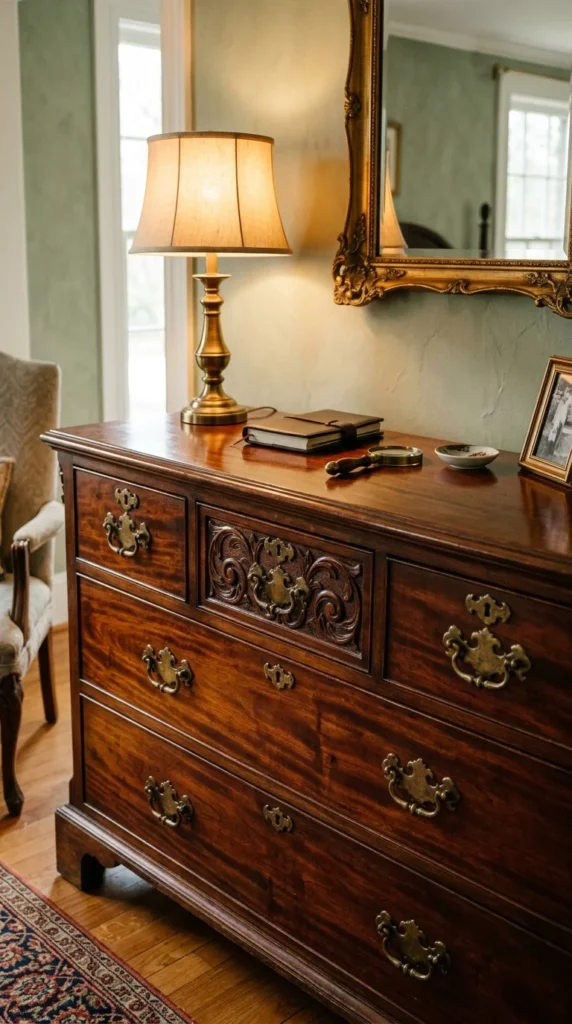
The furniture in a Dark Academia room should feel substantial. Mahogany, with its deep red undertones, is the gold standard for this look. Whether it is the bed frame, a chest of drawers, or a simple nightstand, the richness of mahogany provides a sense of permanence and history that lighter woods like pine or birch simply cannot match.
17. Gilded Mirrors
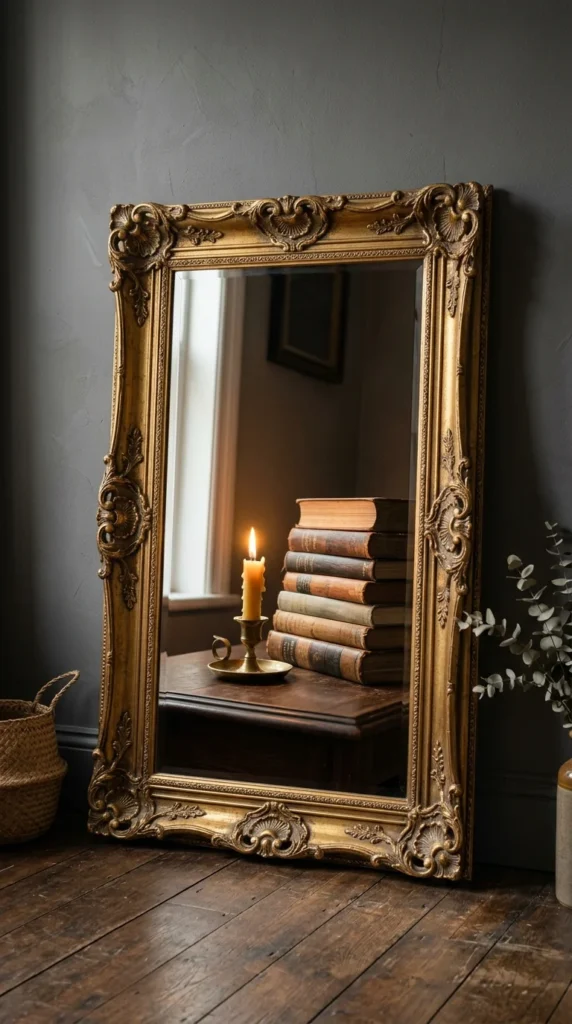
Mirrors are essential for bouncing light around a dark room and making it feel larger. A mirror with a heavy, gilded frame adds a touch of Victorian opulence. The contrast between the bright gold and the dark walls creates a stunning visual impact, while the ornate carvings add to the overall “antique” feel of the space.
18. Bedside Organization
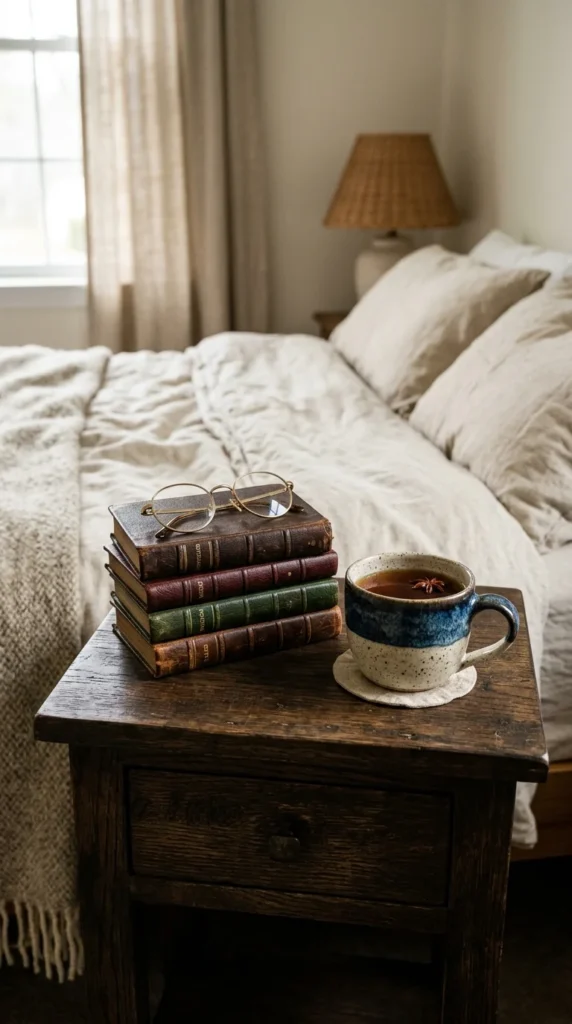
Your nightstand should reflect your nightly rituals. Instead of a modern lamp and a phone charger, try a vintage-style carafe for water, a small dish for your glasses, and—of course—your current read. Keeping the surface organized but “lived-in” contributes to the cozy, intellectual atmosphere.
19. Leather Seating
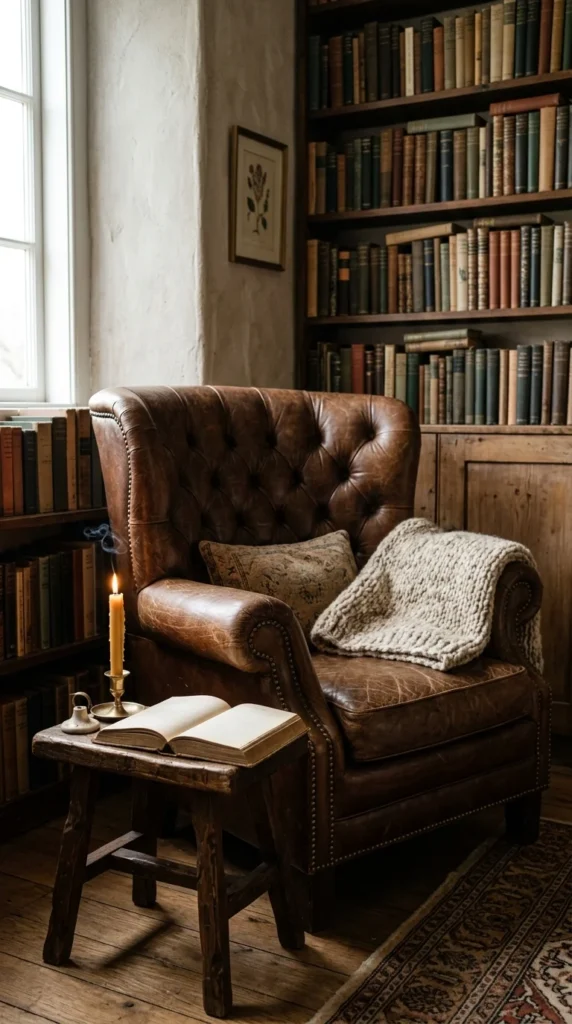
If space permits, a reading nook is a mandatory addition. A tufted leather armchair—specifically in a “Chesterfield” style—is the ultimate Dark Academia seating choice. Leather ages beautifully, developing cracks and wear that tell a story, much like the books you will read while sitting in it.
20. Candlelight Ambiance
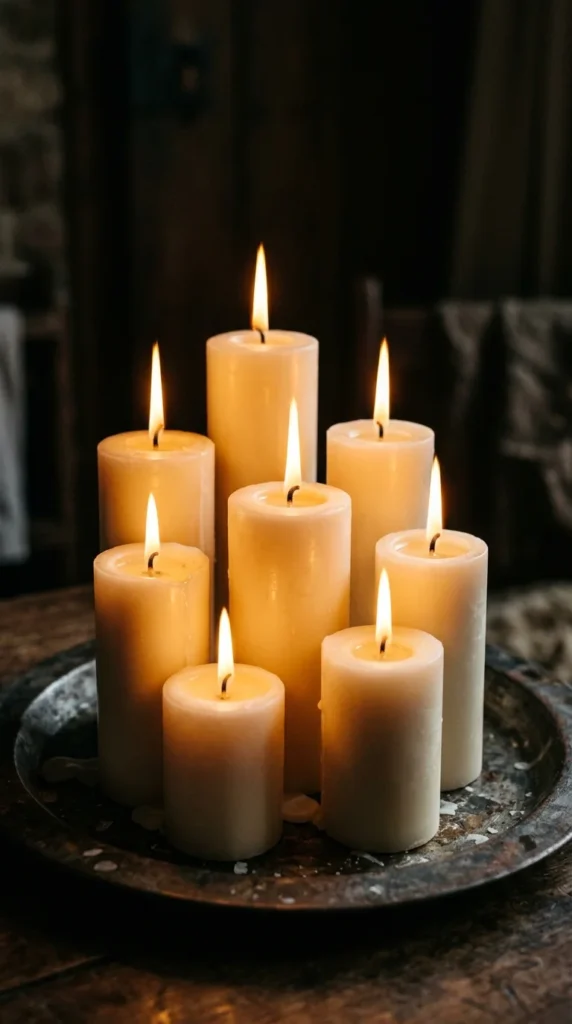
The final touch to any moody space is the scent and the flicker of candlelight. Use candles with scents like sandalwood, old parchment, tobacco, or cedarwood to engage the senses. Grouping candles of different heights on a tray or using a tall candelabra on a dresser adds a final layer of Gothic romance to the room.