
The television is no longer just a functional appliance; it is the centerpiece of the modern living room. As open-concept living becomes the standard, the “TV wall” has evolved into a primary architectural feature that defines the aesthetic of the entire home. From the tactile warmth of natural wood to the cold, sleek elegance of industrial concrete, the materials and configurations used in wall paneling can transform a mundane viewing area into a gallery-worthy installation.
In high-end interior design, the goal is often to balance the technological presence of the screen with artistic textures. This guide explores 18 sophisticated TV wall panel ideas that cater to various design philosophies, including minimalism, industrialism, and mid-century modernism.
1. Fluted Panels
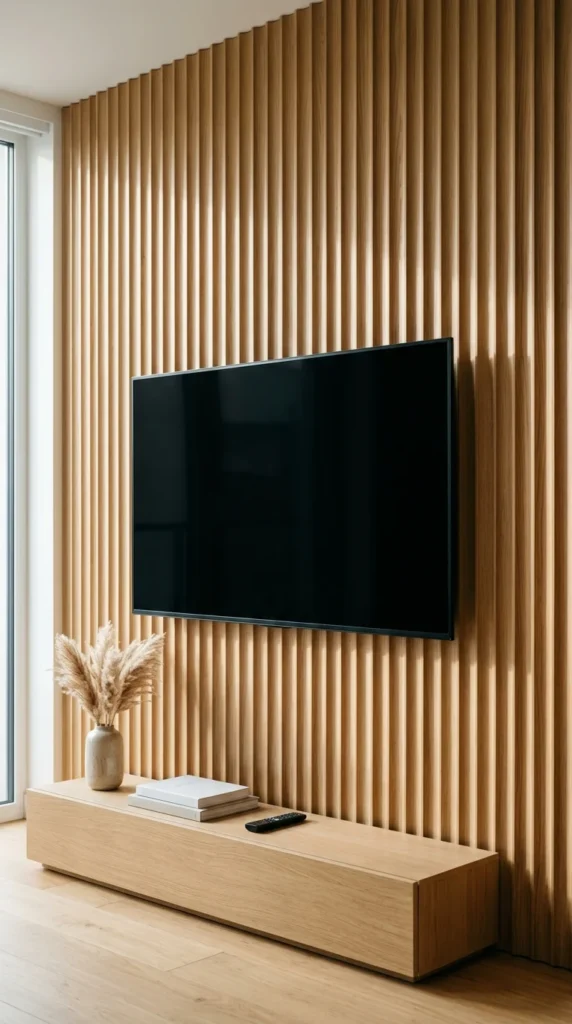
Fluted panels have surged in popularity due to their ability to add rhythm and depth to a flat surface. These panels feature vertical grooves or “flutes” that create a play of light and shadow, making the wall feel dynamic throughout the day. In a modern home, fluted panels in light oak or walnut provide a Scandinavian warmth, while painted versions in charcoal or forest green offer a more dramatic, contemporary edge.
2. Marble Slabs
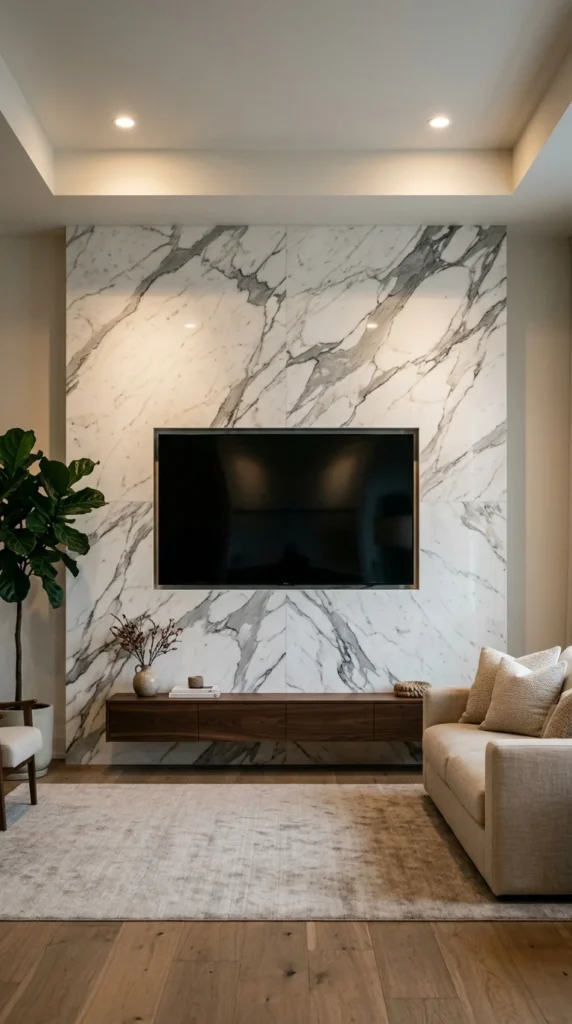
For the ultimate statement of luxury, nothing rivals a full-height marble slab. Large-format porcelain or natural stone slabs create a seamless, high-gloss backdrop that exudes opulence. The natural veining of the stone acts as organic art, ensuring that the wall remains visually interesting even when the television is turned off. To enhance this look, designers often incorporate “book-matching,” where two slabs are mirrored to create a symmetrical pattern.
3. Industrial Concrete
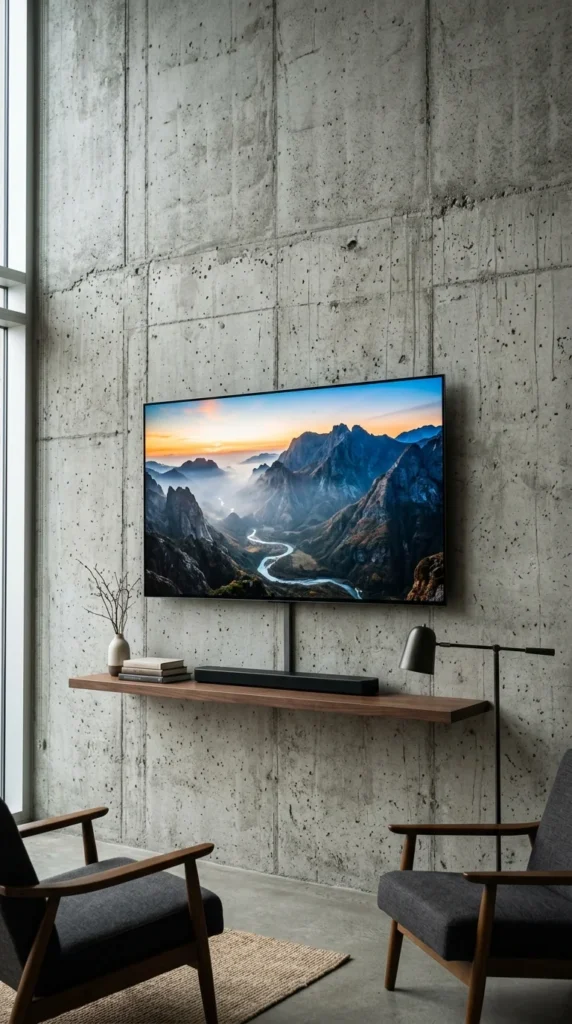
The industrial aesthetic thrives on raw, honest materials. A concrete TV wall panel—whether made from real cast concrete, micro-cement, or high-quality concrete-effect wallpaper—provides a neutral, architectural foundation. This look works exceptionally well in lofts or minimalist apartments where the “brutalist” texture contrasts beautifully with soft textiles like velvet sofas or wool rugs.
4. Vertical Slats
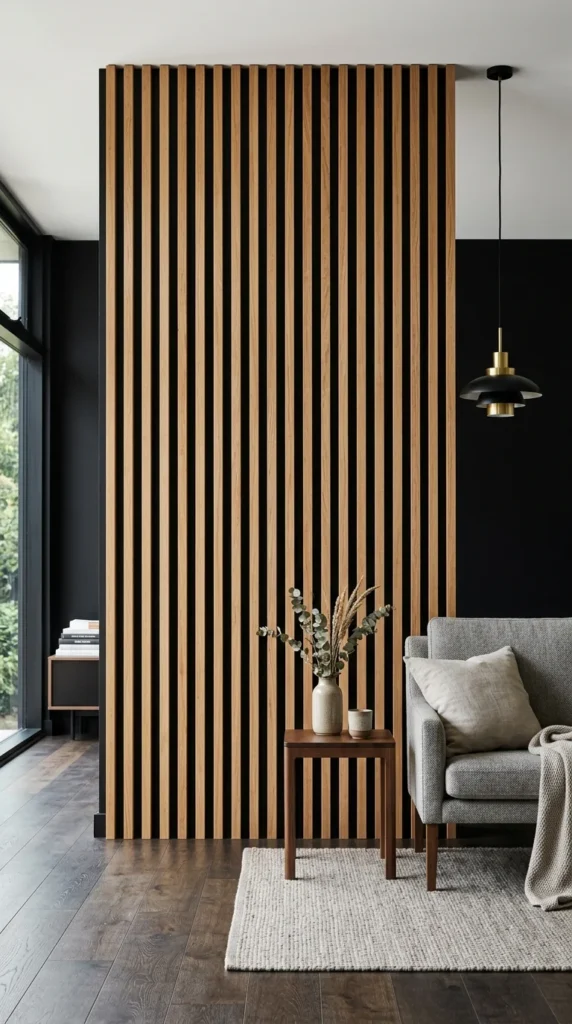
Vertical timber slats offer a more “transparent” feel than solid fluted panels. By mounting thin wooden strips over a dark-colored backboard, you create a sense of depth and a “moiré” effect. This design is not only visually striking but also functional; the gaps between the slats can be used to hide acoustic treatment or speakers, improving the room’s sound quality without compromising on style.
5. Backlit Onyx
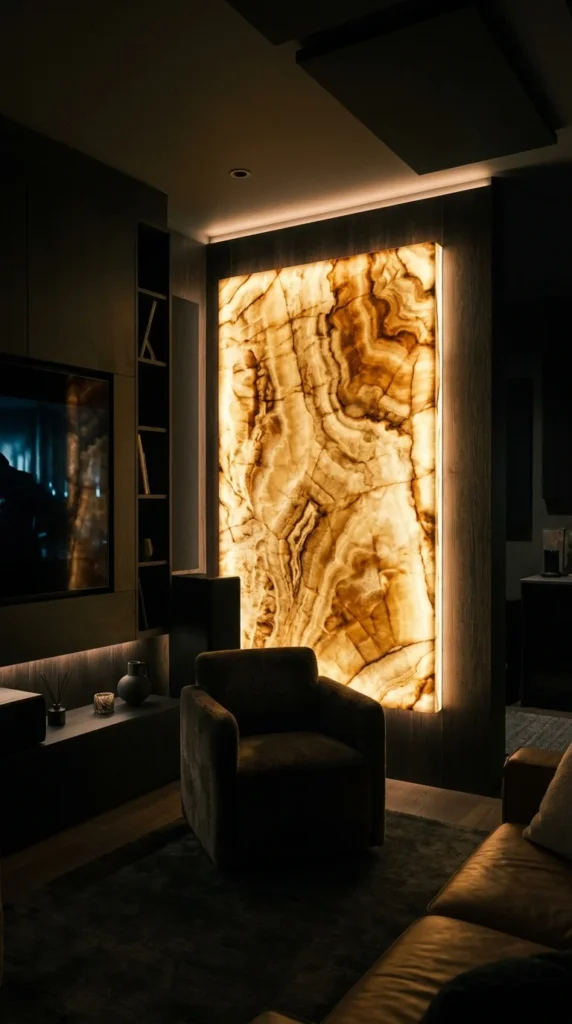
If you want your TV wall to double as a light installation, backlit onyx or translucent stone is the premier choice. When the internal LEDs are activated, the stone glows from within, highlighting the intricate crystalline structures of the material. This creates an ambient light source that is perfect for movie nights, providing enough illumination to prevent eye strain without creating glare on the screen.
6. Leather Upholstery
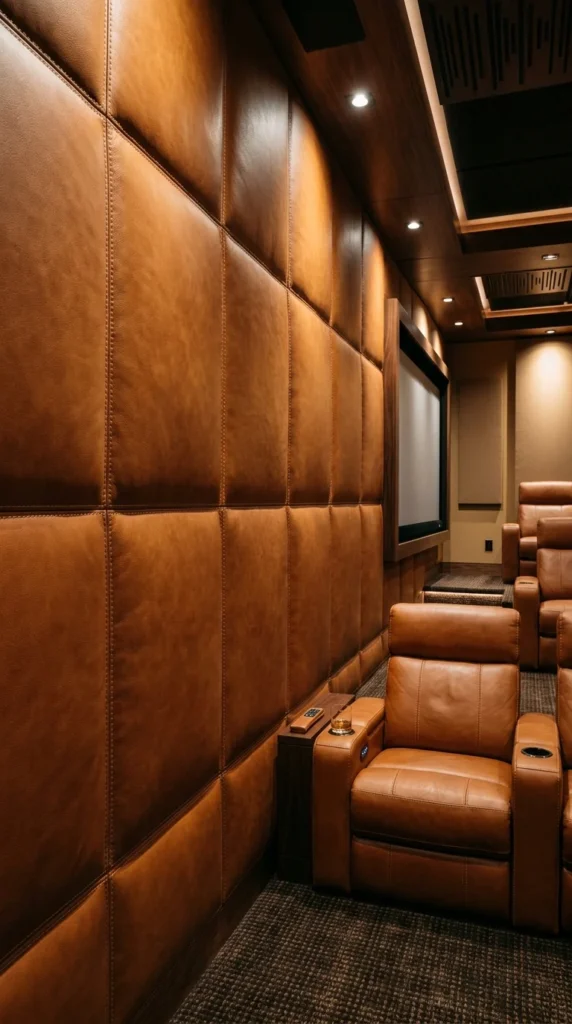
Leather-upholstered panels bring an unrivaled sense of warmth and acoustic dampening to a room. Commonly seen in luxury dens or private cinemas, these panels can be arranged in a grid or a chevron pattern. The tactile nature of leather adds a layer of “soft luxury,” making the living area feel cozy and sophisticated. It is a particularly effective choice for homes with high ceilings where echoes might be an issue.
7. Geometric 3D
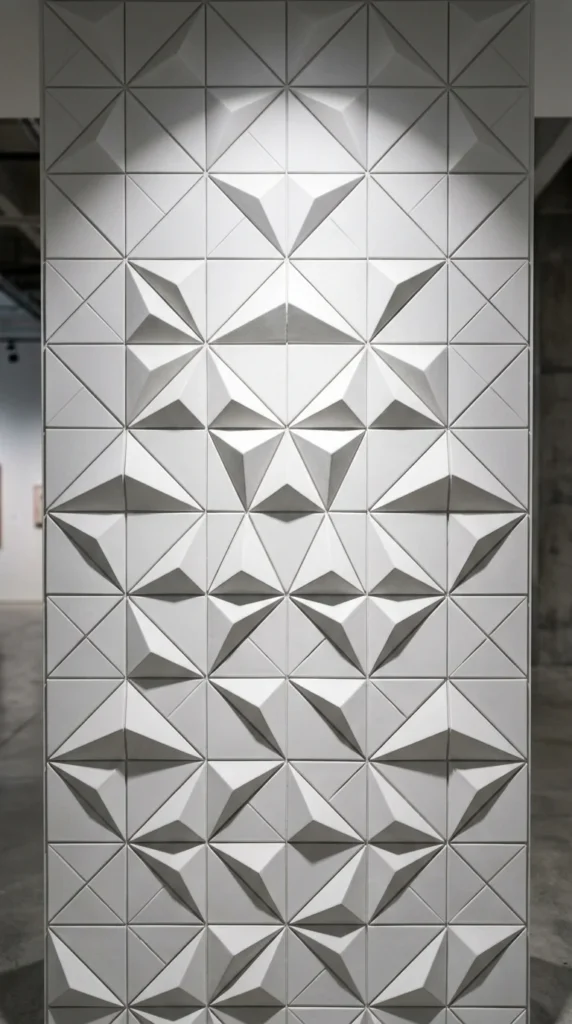
For a futuristic or avant-garde home, geometric 3D panels offer a bold visual statement. These panels, often made from gypsum, MDF, or polymer, feature protruding shapes that catch the light from various angles. When painted in a monochromatic shade like matte white or deep navy, the geometry becomes the star of the show, turning the TV wall into a sculptural masterpiece.
8. Floating Cabinets
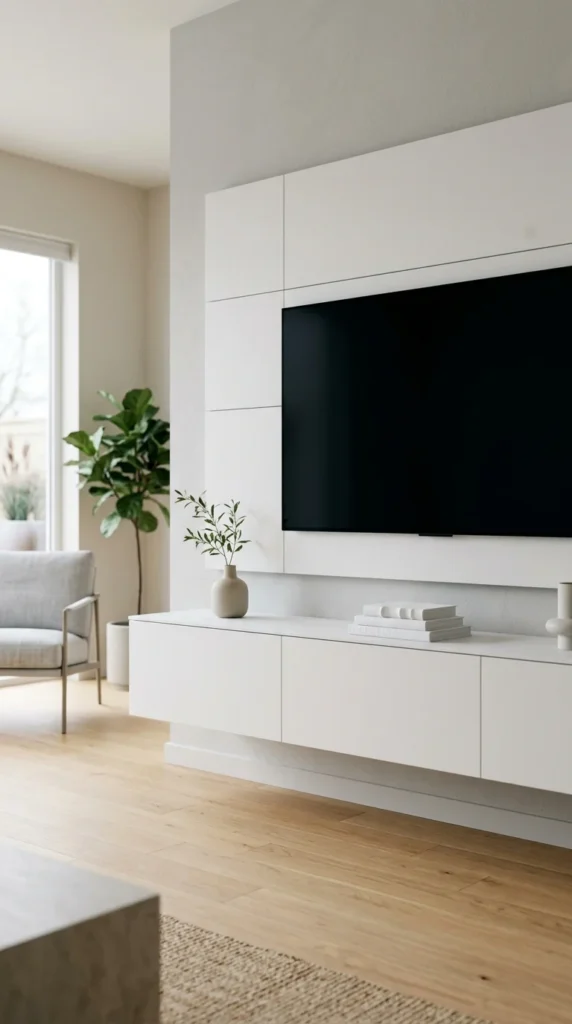
The floating cabinet approach is a staple of modern minimalism. By suspending the storage units off the floor, you create a sense of spaciousness and “airiness.” The wall panel above the cabinet can be matched in material and color to create a monolithic look. This design is highly practical, as it hides all wiring and peripheral devices like gaming consoles and soundbars within the cabinetry.
9. Matte Charcoal
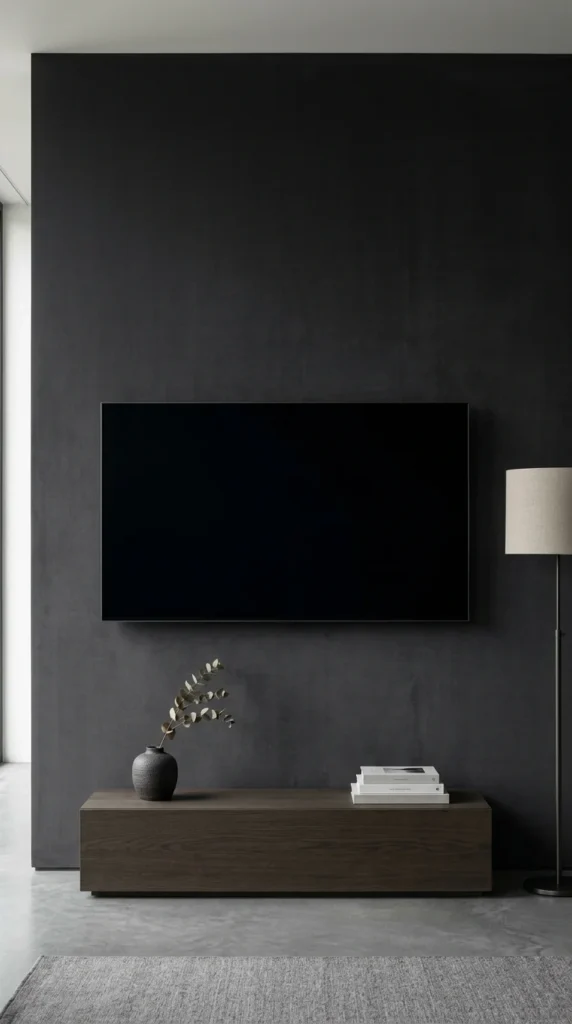
In contemporary design, the “disappearing TV” trick is a popular request. By using an ultra-matte charcoal or black panel, the television screen blends into the background when not in use. This reduces the “black hole” effect that a large TV can have in a light-colored room. Using a matte finish is crucial here to prevent reflections from windows or lamps.
10. Mirrored Glass
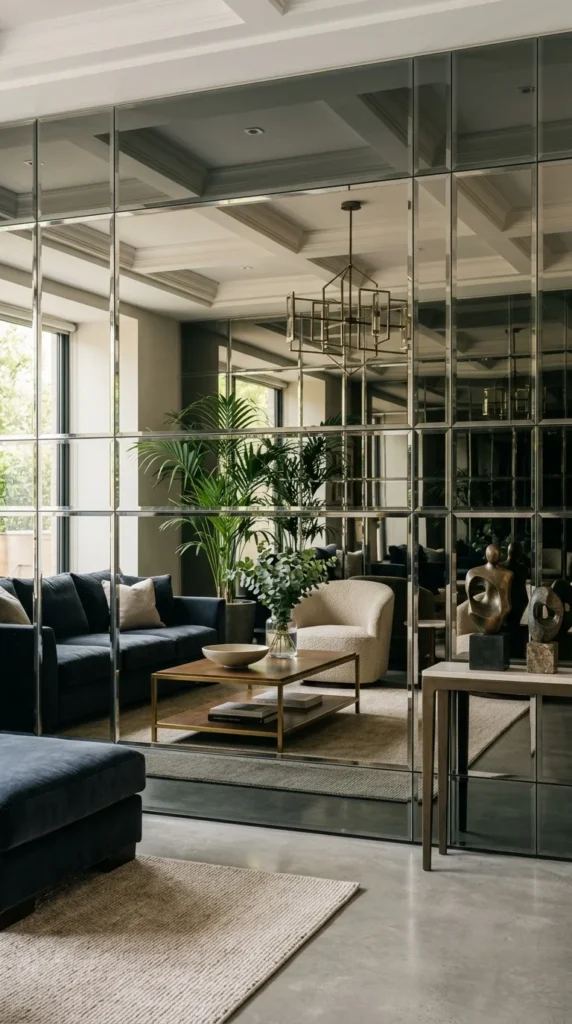
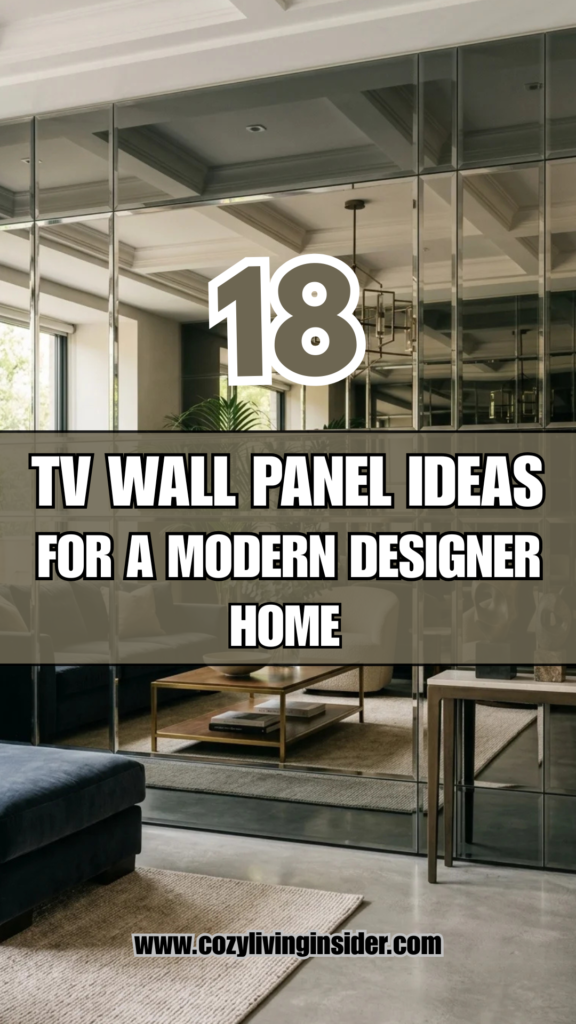
Mirrored panels are a clever designer trick for smaller apartments. A smoked or bronze-tinted mirror wall panel adds a layer of glamor while reflecting light and making the room feel twice its size. The tinting is essential, as it reduces the “distraction” of a clear reflection while you are trying to watch television, maintaining a moody and high-end atmosphere.
11. Stone Veneer
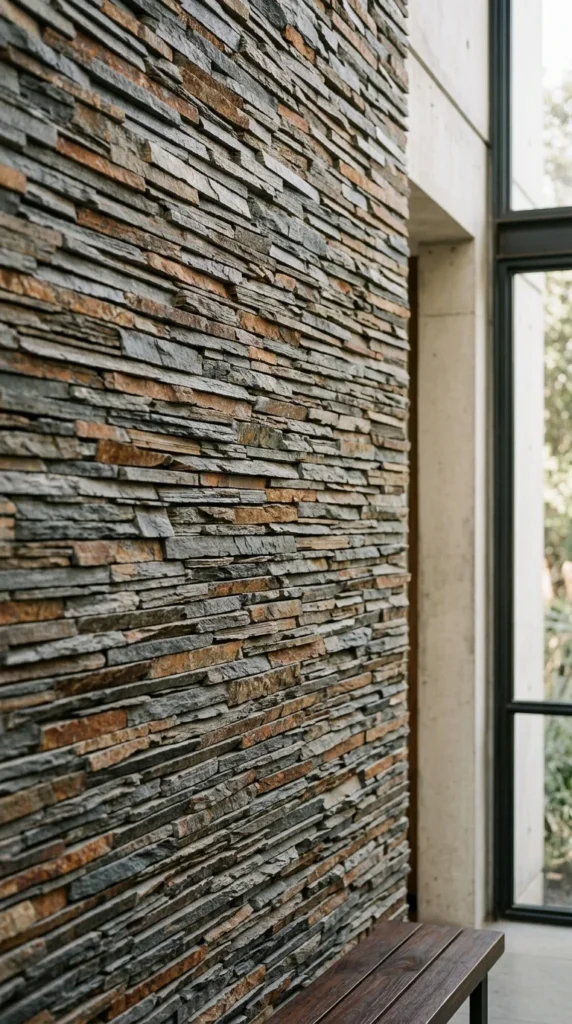
Stone veneer provides the earthy, grounded feel of a traditional fireplace without the weight and cost of full-thickness stone. Modern veneer panels come in slim, easy-to-install sheets that capture the authentic texture of slate, quartz, or limestone. This is an excellent way to introduce organic elements into a city apartment, bridging the gap between nature and technology.
12. Integrated Fireplace
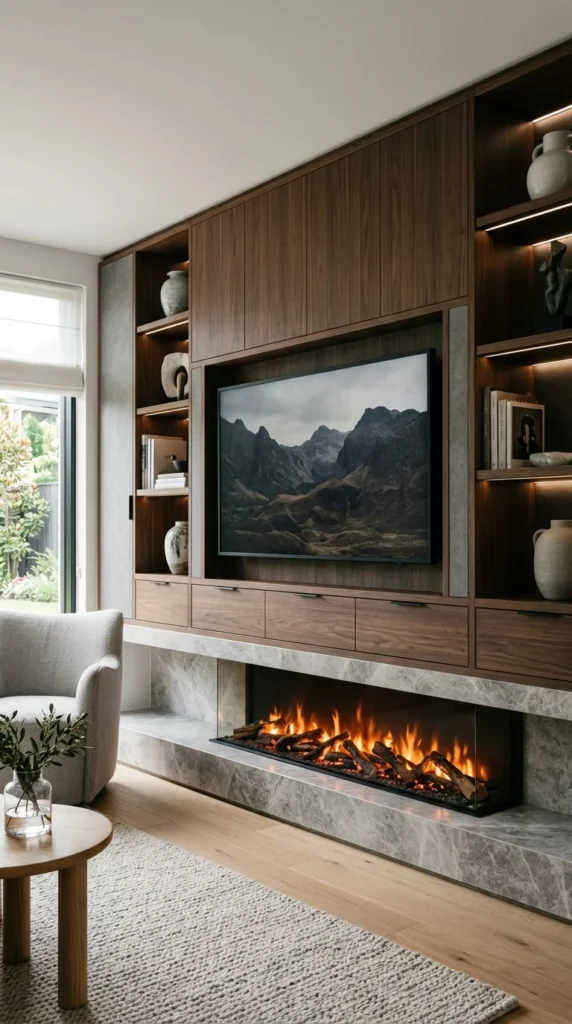
The “media wall” that combines a television and a fireplace is the ultimate cozy luxury. Modern electric or ethanol fireplaces are ventless and produce very little heat upwards, making them safe to install directly beneath sensitive electronics. This layout creates a dual focal point, making the living room the heartbeat of the home during both the summer and winter months.
13. Hidden Storage
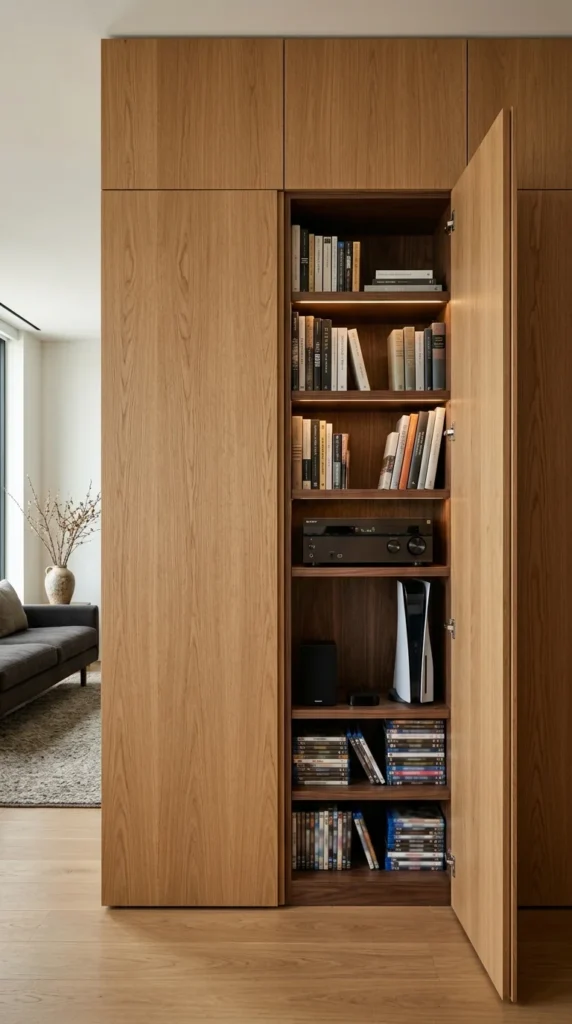
For the homeowner who hates clutter, hidden storage panels are a revelation. Using “push-to-open” mechanisms, these panels look like a solid decorative wall but hide an array of shelves and compartments. This allows you to store a massive collection of media or household items without a single handle or hinge being visible to the naked eye.
14. Metallic Accents
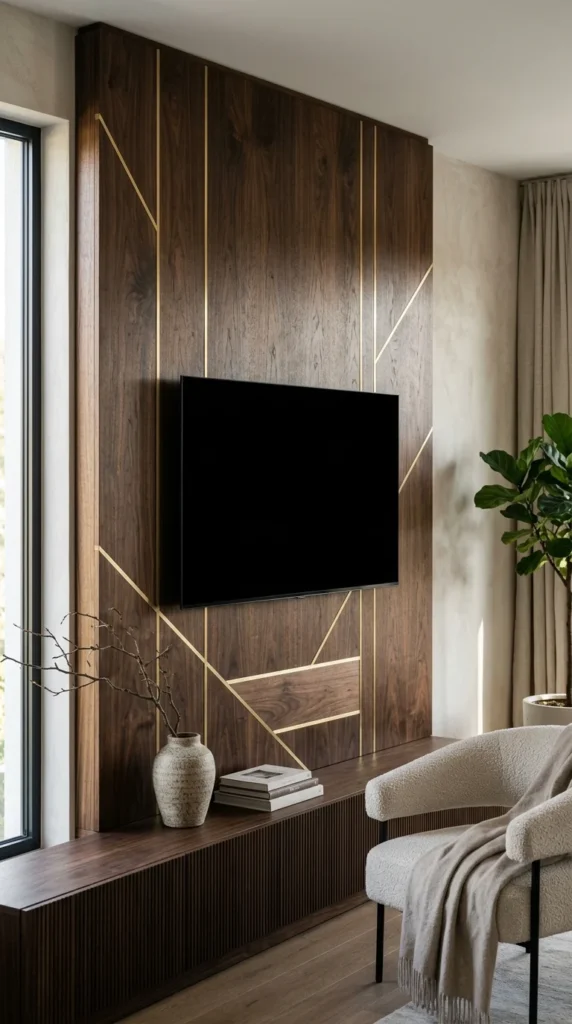
Metallics add a “jewelry” element to interior design. Embedding strips of brass, copper, or stainless steel into a wood or stone panel creates an architectural detail that feels custom-made. These metallic accents can be used to create borders, geometric patterns, or simply to break up a large expanse of a single material.
15. Terrazzo Finish
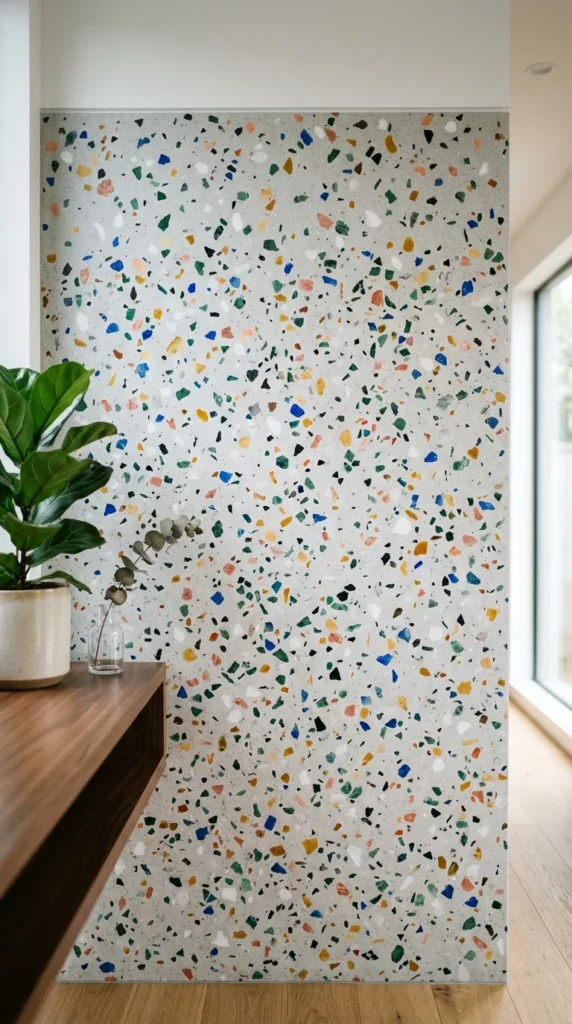
Terrazzo is making a massive comeback in designer homes. No longer reserved for flooring, terrazzo wall panels offer a unique, speckled texture that is both nostalgic and modern. The variety of colors found in the “chips” of the terrazzo allows you to pull accent colors for your furniture and accessories, creating a cohesive interior design scheme.
16. Walnut Veneer
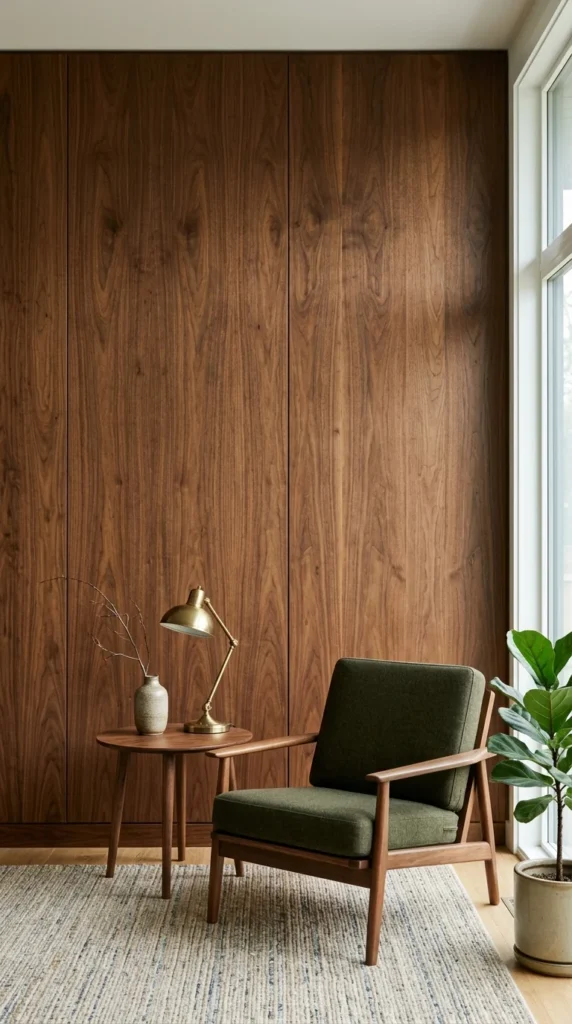
Walnut is the gold standard for luxury wood paneling. Its rich, dark tones and elegant grain patterns provide a sense of timelessness that works with almost any decor style. In a modern setting, using large, horizontal-grain panels creates a “wrap-around” effect that feels like a high-end hotel suite. Walnut pairs exceptionally well with black metal accents and leather furniture.
17. Plaster Texture
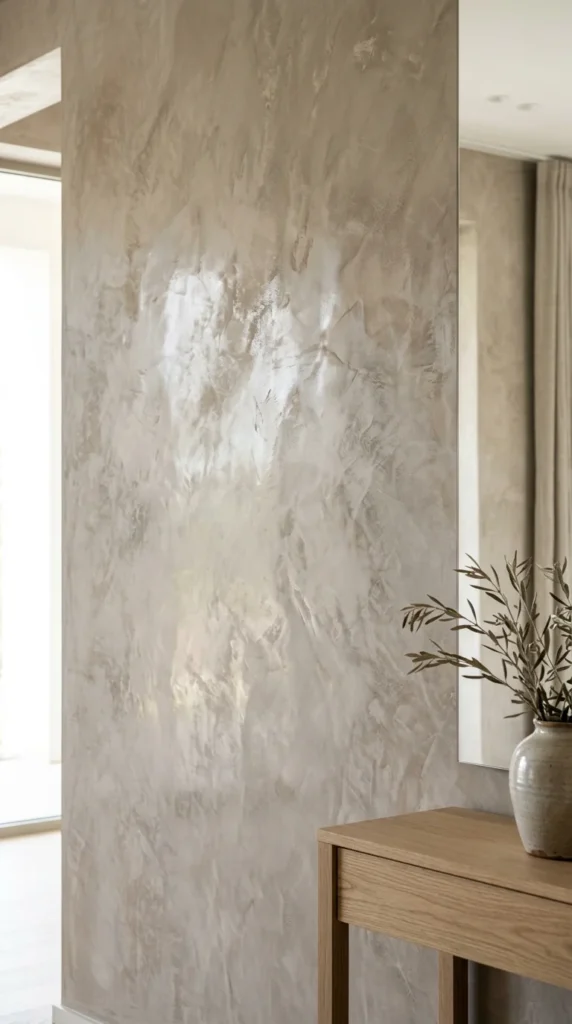
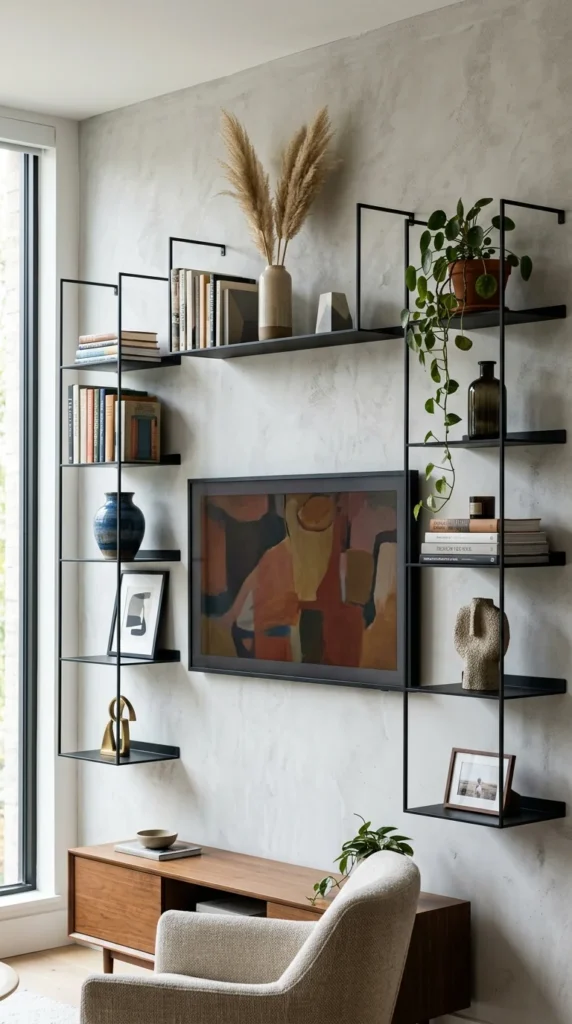
Venetian plaster or “limewash” finishes provide a soft, cloudy texture that feels artisanal and bespoke. Unlike flat paint, plaster has a depth that changes depending on the light. It is a perfect choice for those who want a “quiet luxury” look—something that is clearly high-end but doesn’t scream for attention.
18. Open Shelving
If you prefer a more lived-in, curated look, integrating open shelving into your TV wall paneling is the way to go. This approach allows you to surround the technology with personal items, books, and art, making the TV feel like part of a larger composition rather than a standalone appliance. The key is to keep the styling minimal and the shelf lines clean to maintain a modern aesthetic.