
In an increasingly digital and fast-paced world, the value of a dedicated sanctuary for reading cannot be overstated. A reading nook is more than just a place to sit; it is a curated environment designed to minimize distractions and maximize comfort, allowing the reader to fully immerse themselves in the narrative. Whether you have a sprawling estate or a compact studio apartment, creating a cozy corner for literary escape is an investment in your mental well-being and intellectual growth.
From the architectural charm of a window seat to the inventive use of under-utilized spaces like closets or attic eaves, the possibilities for designing a reading retreat are endless. The following sixteen ideas offer inspiration for every style and space, focusing on ergonomics, lighting, and the tactile elements that make a nook truly irresistible.
1. Window Seat
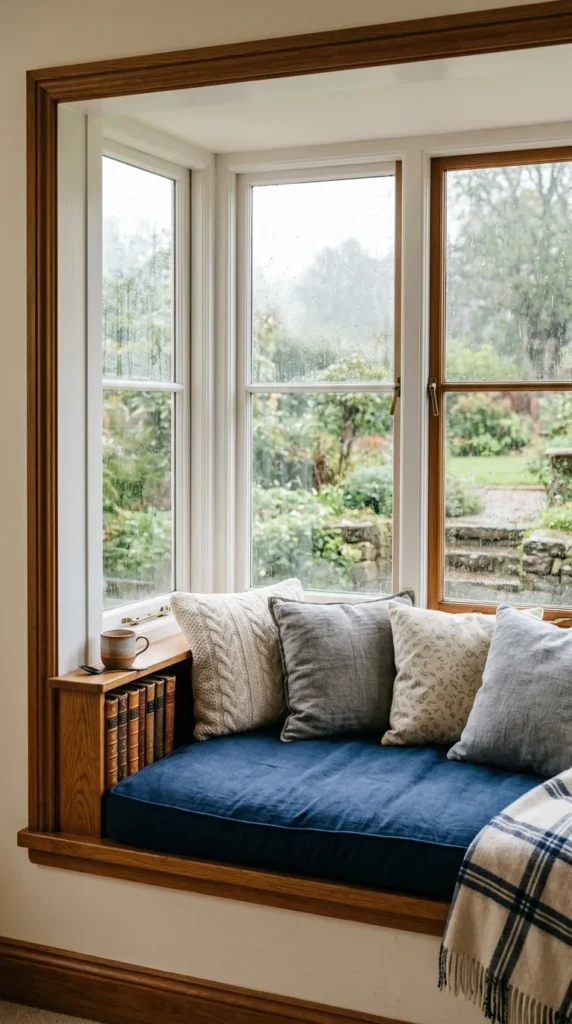
The classic window seat remains the gold standard for reading nooks. By utilizing the natural light of a bay or picture window, you create a space that feels connected to the outdoors while remaining sheltered. To maximize comfort, ensure the bench is deep enough to allow for various seating positions—from sitting upright to curling into a ball. Integrating storage drawers beneath the seat can also serve as a hidden library for your “to-be-read” pile.
2. Attic Escape
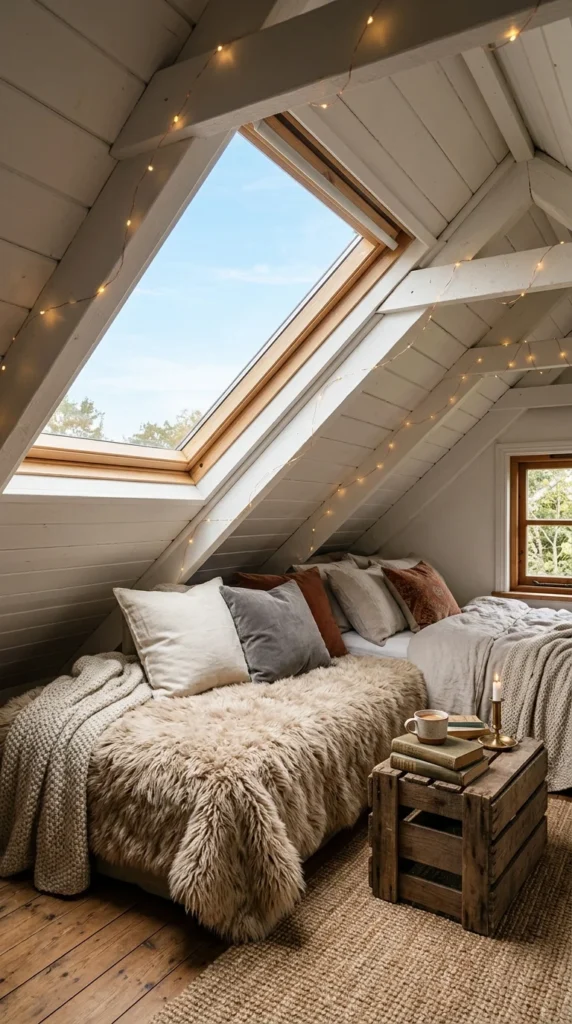
Attics offer a natural sense of seclusion, making them ideal for a quiet retreat. The unique geometry of slanted ceilings creates an “alcove” effect that feels inherently protective and private. Enhance this by installing a skylight directly above your seating area, providing perfect task lighting during the day and a view of the stars for late-night reading sessions.
3. Closet Conversion
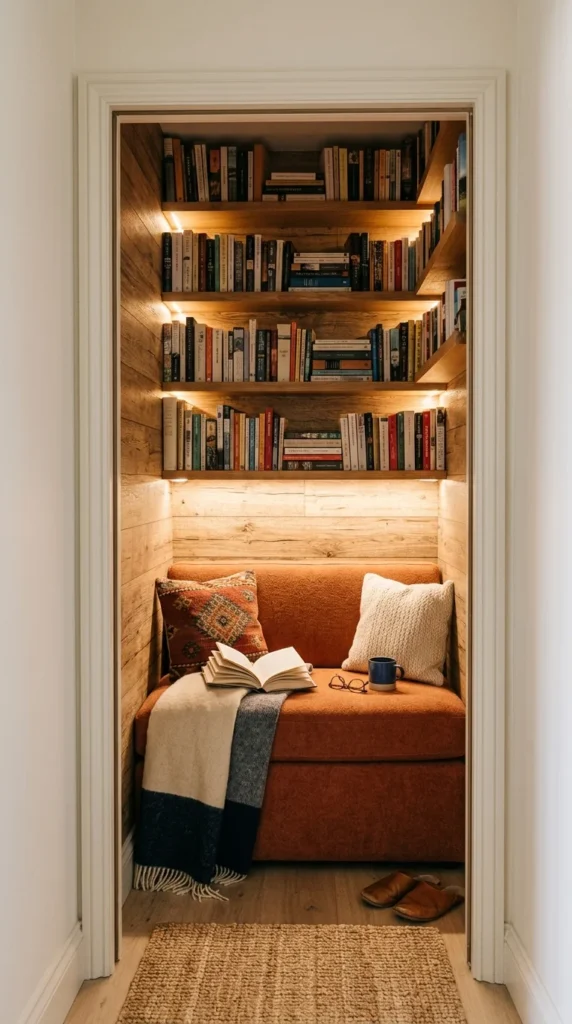
For those in smaller homes, a “cloffice” (closet office) can easily be reimagined as a reading nook. By removing the door and clothing rod, you can install a custom bench and wrap-around shelving. This creates a “room within a room” feel. Using bold wallpaper or dark, moody paint colors inside the closet can make the space feel like a secret, sophisticated hideaway.
4. Floor Cushions
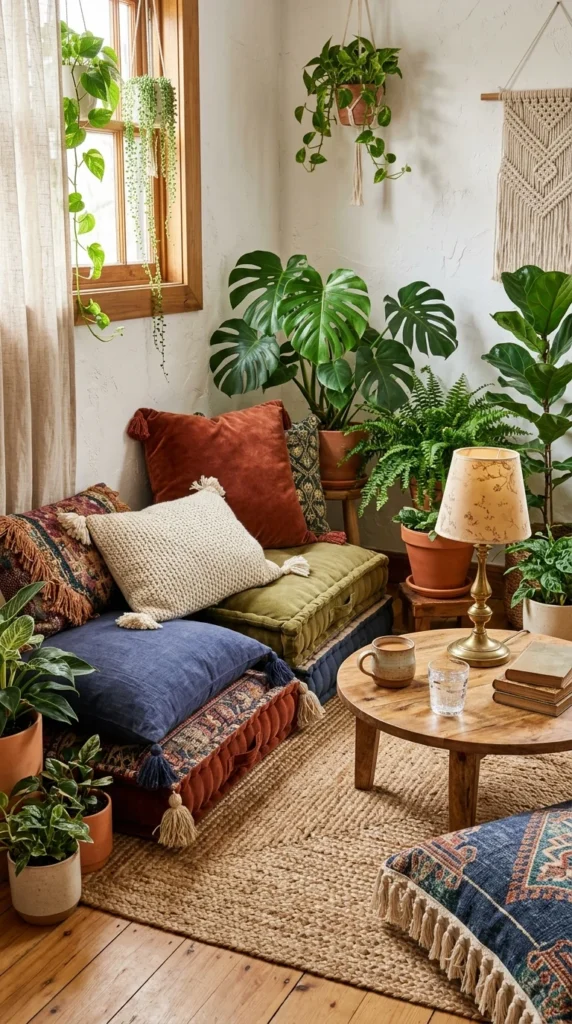
Not every reading nook requires furniture. A collection of high-quality, oversized floor cushions can create a grounded, casual atmosphere. This approach is particularly effective for those who prefer a “bohemian” aesthetic or for children’s spaces. Layering different textures—such as velvet, jute, and wool—adds depth and warmth to the arrangement.
5. Hanging Chair
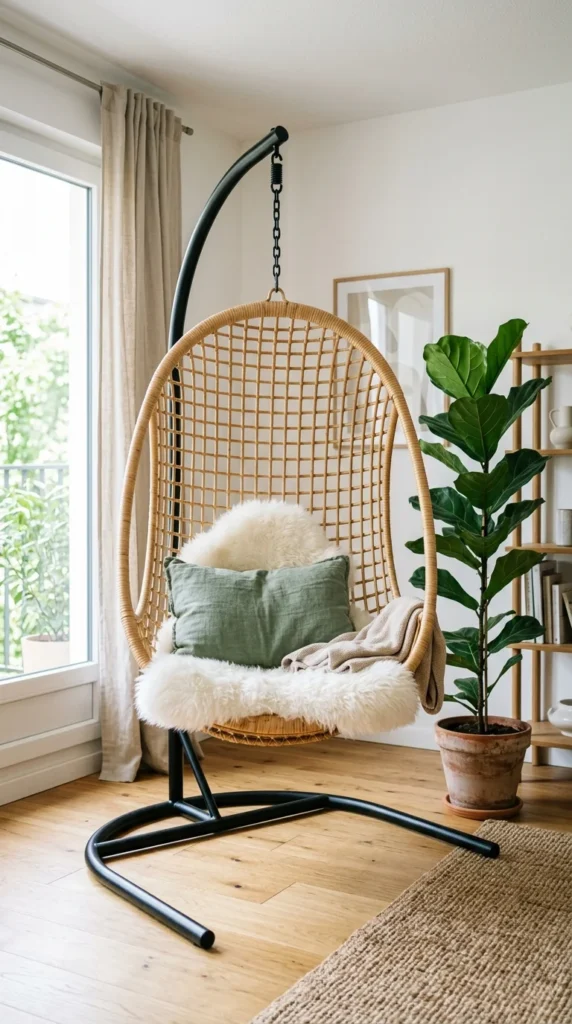
The gentle motion of a hanging chair adds a rhythmic, meditative quality to the reading experience. Whether it is a rattan egg chair or a fabric hammock-style swing, these pieces serve as a focal point in any room. Ensure the chair is placed near a light source and has enough clearance to swing slightly without hitting walls or furniture.
6. Library Wall
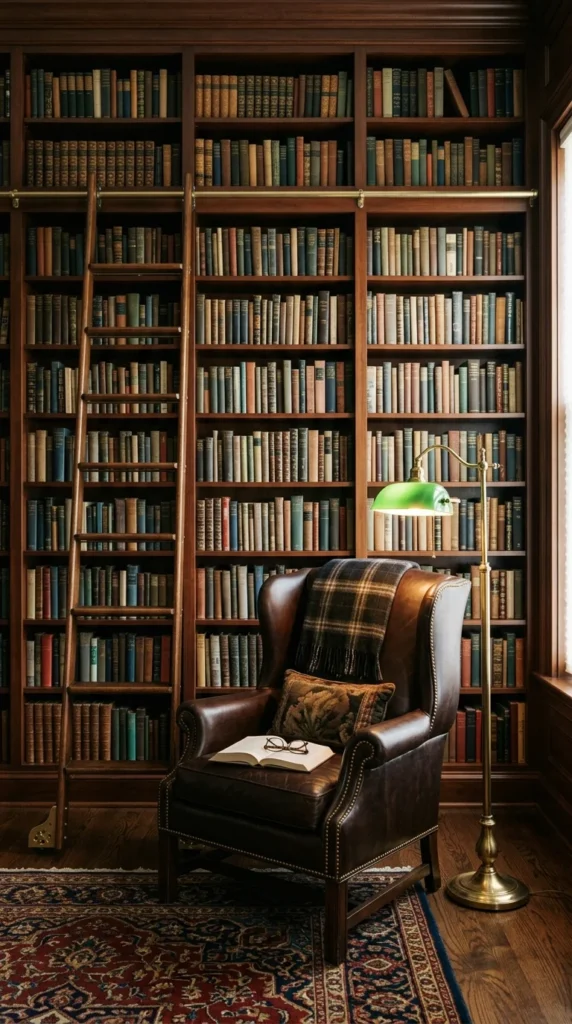
For the serious bibliophile, the nook should be integrated into the library itself. Surrounding yourself with books provides a sense of intellectual comfort and acoustic insulation. A tall wingback chair offers head support for long reading sessions, while a dedicated floor lamp ensures that every word is perfectly illuminated without glare.
7. Outdoor Garden
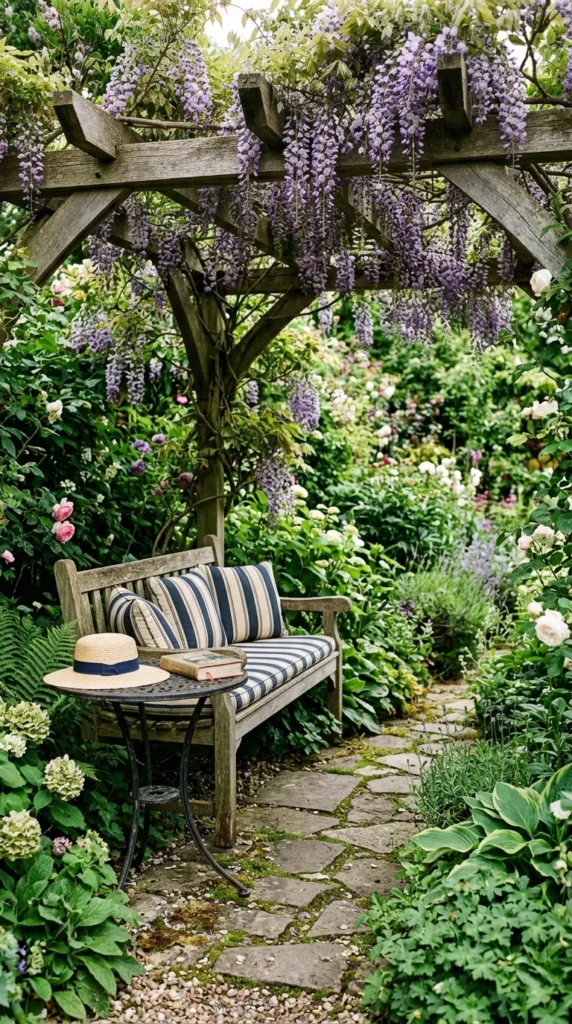
Reading in the fresh air can be a transformative experience. An outdoor nook requires weather-resistant materials, such as teak furniture and Sunbrella fabrics. Positioning the nook under a pergola or a large shade tree provides protection from the sun, while the natural sounds of wind and birds provide the ultimate ambient soundtrack.
8. Minimalist Zen
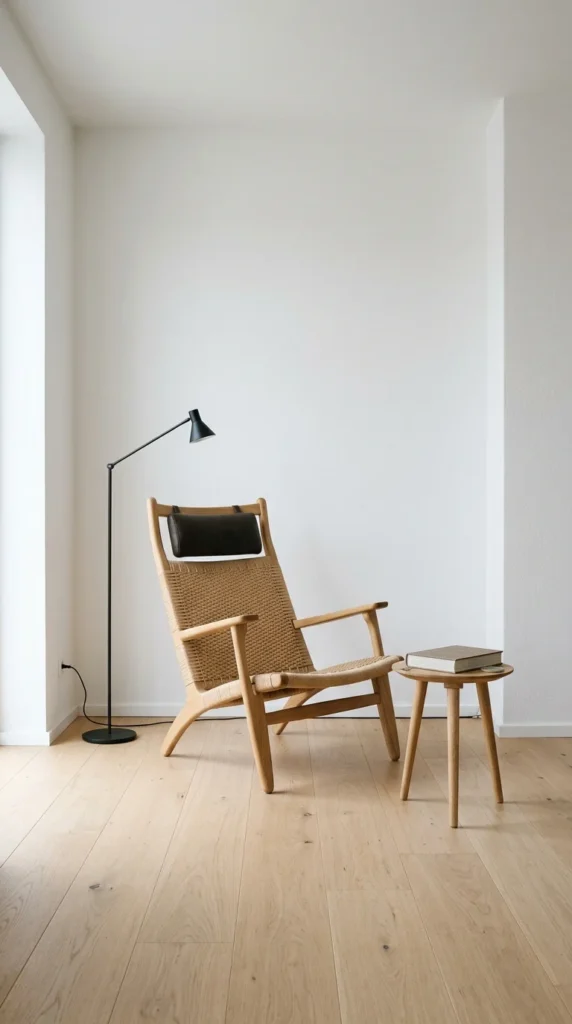
A minimalist nook is designed to eliminate all visual noise, allowing the reader to focus entirely on the text. This style emphasizes high-quality materials and clean lines. A single, iconic chair—such as an Eames lounge or a Scandi-style recliner—paired with a sleek floor lamp and a neutral palette creates a calm, meditative environment.
9. Maximalist Textures
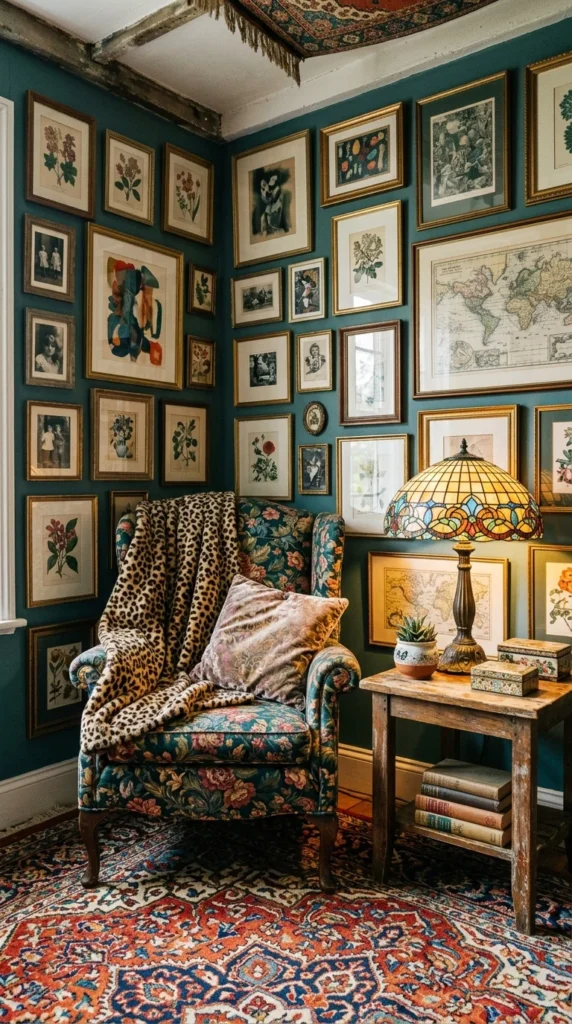
Conversely, a maximalist nook uses color and pattern to create a sense of cozy abundance. This approach is about personal expression—mixing vintage finds, bold textiles, and art. The key to a successful maximalist nook is a cohesive color palette that ties the disparate elements together, making the space feel curated rather than cluttered.
10. Under-the-Stairs
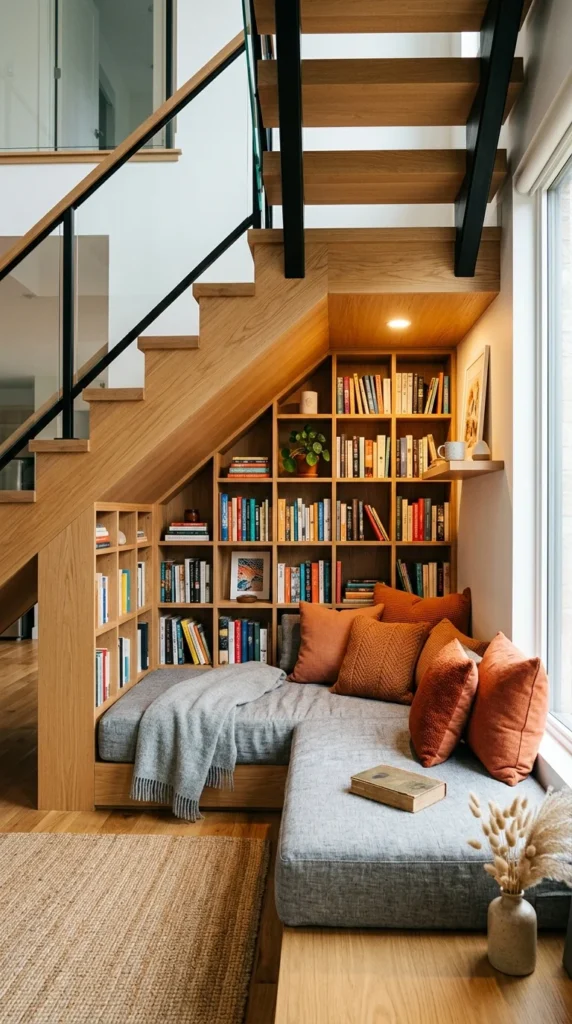
Often wasted space, the area under a staircase is a prime candidate for a custom reading retreat. Because these spaces are naturally enclosed on three sides, they offer a “den-like” feel that is incredibly cozy. Integrated lighting and custom-fitted cushions are essential to making this architectural quirk a functional destination.
11. Fireplace Focus
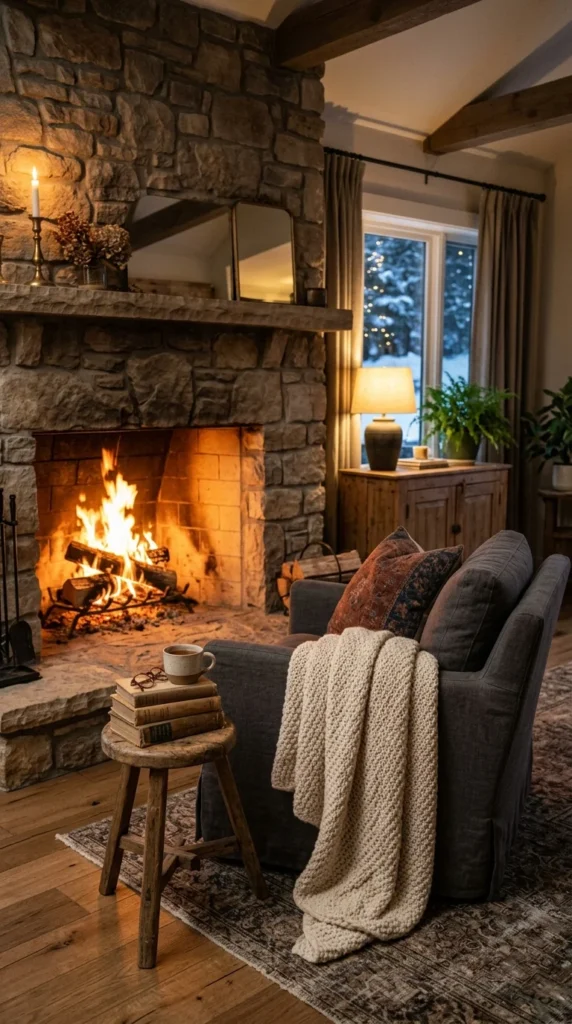
There is no accompaniment to a book quite like the crackle of a wood-burning fire. Positioning your reading chair near a fireplace creates a multi-sensory experience of warmth and light. Even in homes without a traditional chimney, an electric fireplace or a collection of large pillar candles can replicate this atmosphere.
12. Bohemian Sanctuary
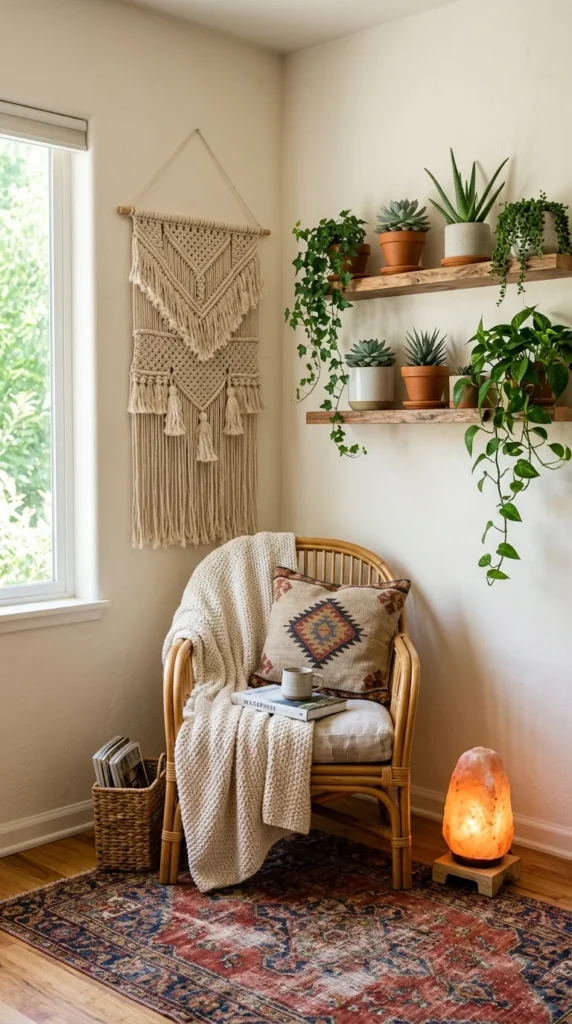
The Bohemian (Boho) style focuses on organic materials and a relaxed, lived-in feel. Incorporating elements like macrame, rattan, and a variety of indoor plants can make a reading nook feel like a tropical or desert getaway. Low lighting, such as that from a Himalayan salt lamp or Moroccan lanterns, enhances the earthy, soulful vibe.
13. High-Tech Smart Nook
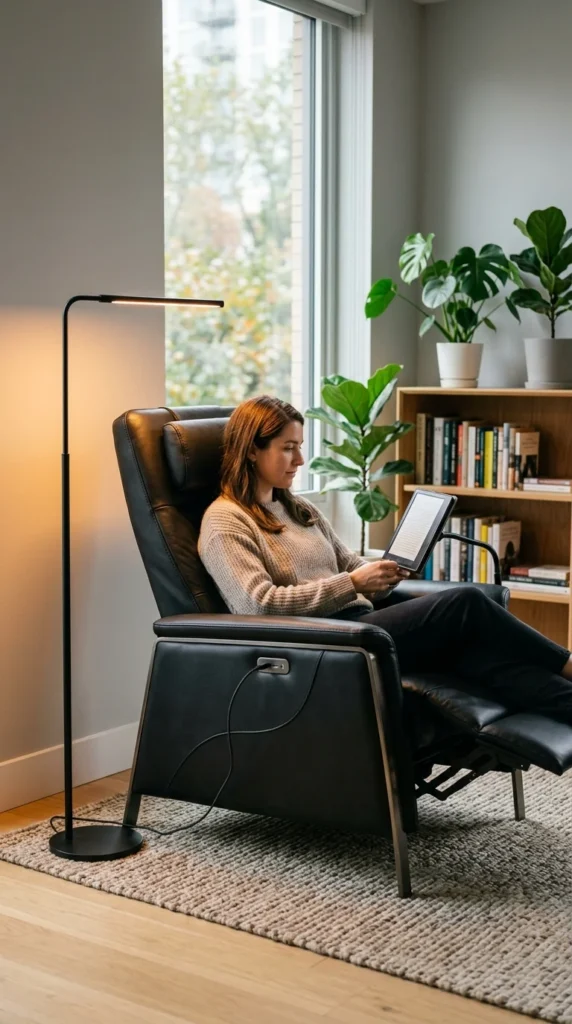
For the modern reader who prefers E-books or audiobooks, a “smart” nook is essential. This includes an ergonomic chair designed for long-term spinal support, integrated charging stations for devices, and smart lighting that can be adjusted via voice or app to match the time of day or the mood of the book.
14. Dark Academia
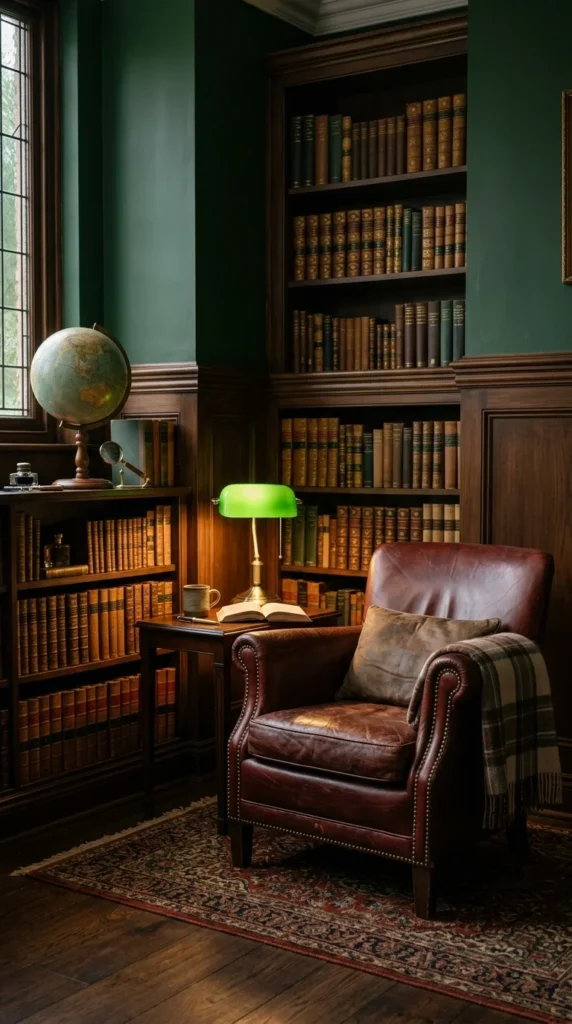
Inspired by higher education and classic literature, the “Dark Academia” aesthetic uses deep colors (burgundy, forest green, navy) and vintage decor to create a scholarly retreat. Elements like brass accents, heavy drapes, and antique furniture evoke a sense of history and intellectual pursuit, perfect for diving into classic novels or historical biographies.
15. Nursery Corner
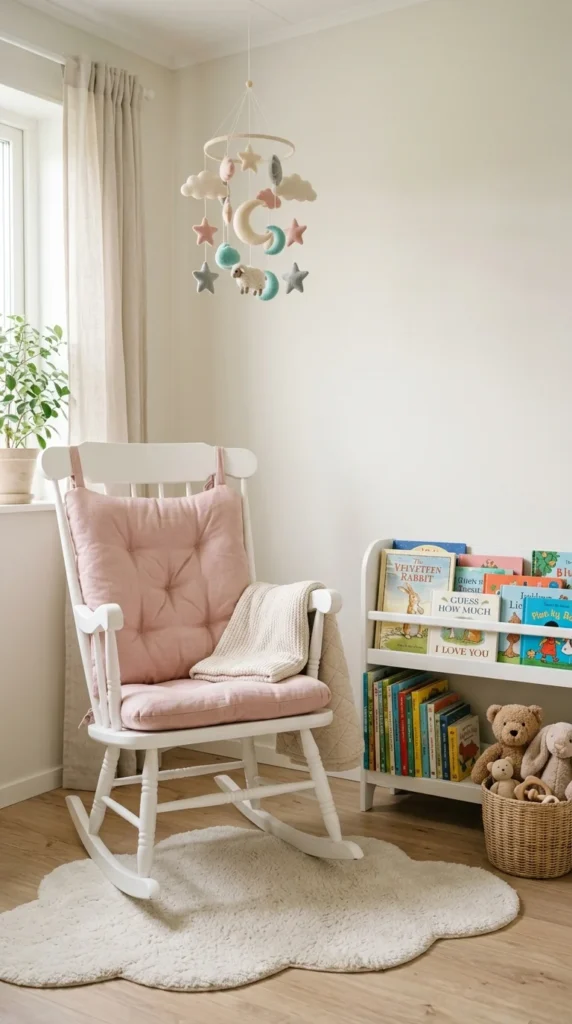
A reading nook in a nursery or child’s bedroom is a space for bonding and early literacy. Focus on soft edges and washable fabrics. A comfortable rocking chair or glider is essential for parents, while low-level shelving allows children to choose their own books as they grow, fostering a lifelong love of reading.
16. Canopy Daybed
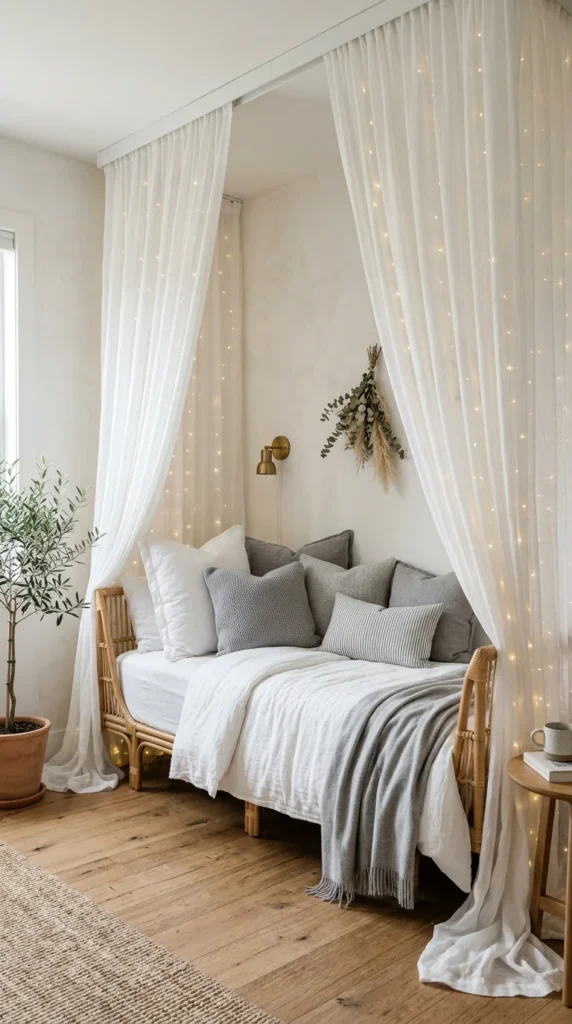
A canopy daybed offers the ultimate sense of “nesting.” By using sheer fabrics or heavy velvet drapes to enclose the bed, you create a physical barrier between yourself and the outside world. This is particularly effective in shared bedrooms or studio apartments where a sense of total privacy is otherwise difficult to achieve.