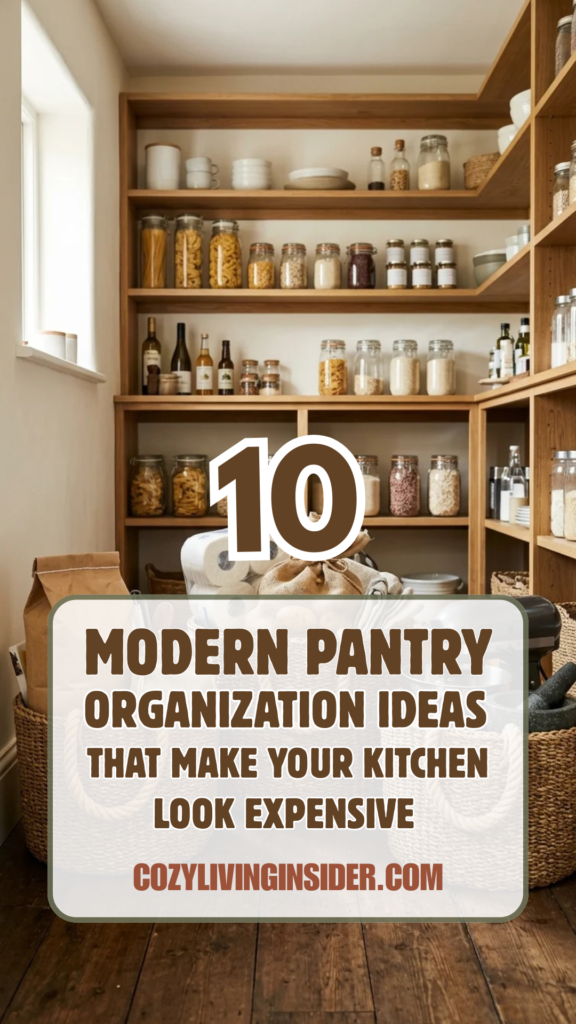

The modern kitchen has evolved from a mere utility space into the heart of the home, and no element defines the luxury kitchen quite like a meticulously organized pantry. A high-end pantry is more than just a storage room; it is a curated gallery of culinary essentials. The secret to an “expensive” look lies in the transition from chaotic store-bought packaging to a streamlined, intentional aesthetic. By focusing on materiality, symmetry, and lighting, you can transform a standard cupboard into a boutique-inspired larder.
1. Uniform Glassware
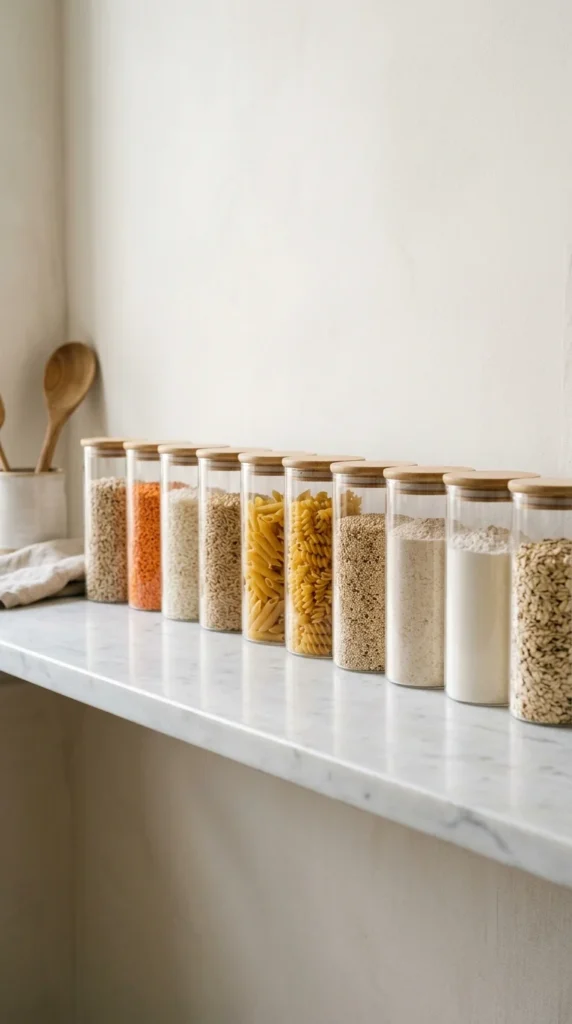
The single most effective way to elevate a pantry is through the process of decanting. Commercial packaging is designed for marketing, not for interior design; it is loud, mismatched, and creates visual friction. Replacing these containers with uniform glass jars instantly signals a high-end, custom feel.
When selecting glassware, prioritize borosilicate glass for its clarity and durability. Opt for lids that complement your kitchen’s hardware—bamboo for a warm, organic feel, or matte black steel for an industrial, modern edge. The uniformity creates a “retail boutique” effect that suggests every item was chosen with intention. This also serves a functional purpose, as glass allows you to monitor inventory levels at a glance, ensuring you never run out of staples.
2. Bespoke Labeling
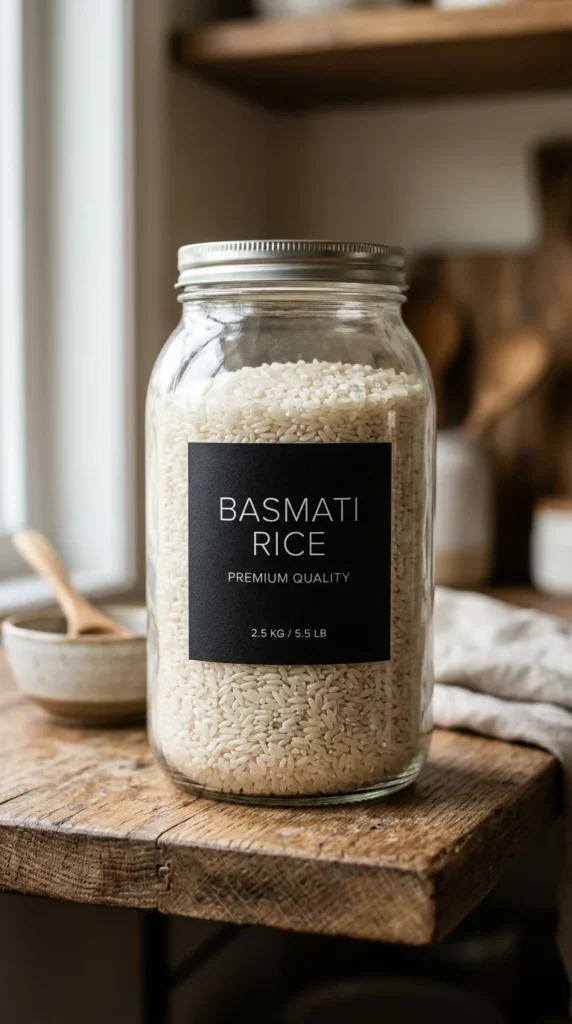
Organization without identification leads to chaos, but standard handwritten masking tape labels will quickly devalue your aesthetic. To achieve a luxury look, invest in bespoke labeling. This can involve custom-printed vinyl decals, embossed metal tags, or minimalist clear stickers with sophisticated typography.
The “expensive” look is often synonymous with “minimalism.” Choose a font that is clean and modern—avoid overly cursive or “shabby chic” styles. Ensure that every label is placed at the exact same height on every jar. This level of precision mimics the professional organization seen in celebrity homes and high-end design magazines. It creates a sense of order that feels both disciplined and expensive.
3. Natural Wicker
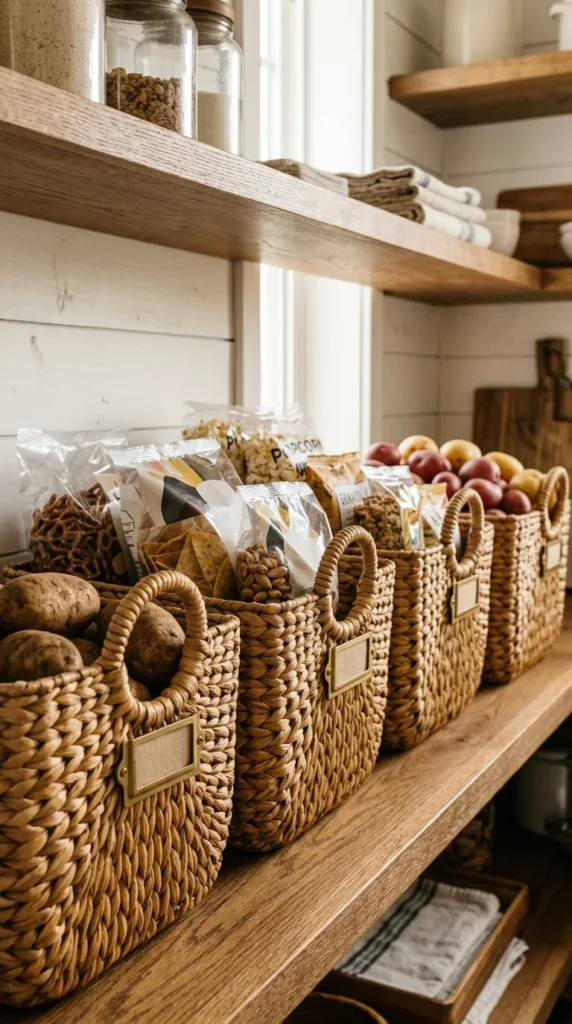
While glass is perfect for dry goods, not everything can be decanted. Items like snack bags, root vegetables, and bulk refills need a home that hides their inherent messiness. High-quality wicker or rattan baskets add a much-needed organic texture to the pantry, softening the hard lines of shelving and glass.
To keep the look expensive, avoid mismatched baskets found in discount bins. Instead, choose a set of identical, heavy-duty woven bins. The natural variations in the wood or seagrass provide a “quiet luxury” vibe that feels grounded and timeless. Using baskets on lower shelves also helps ground the space visually, providing a sturdy foundation for the lighter glass elements above.
4. Acrylic Risers
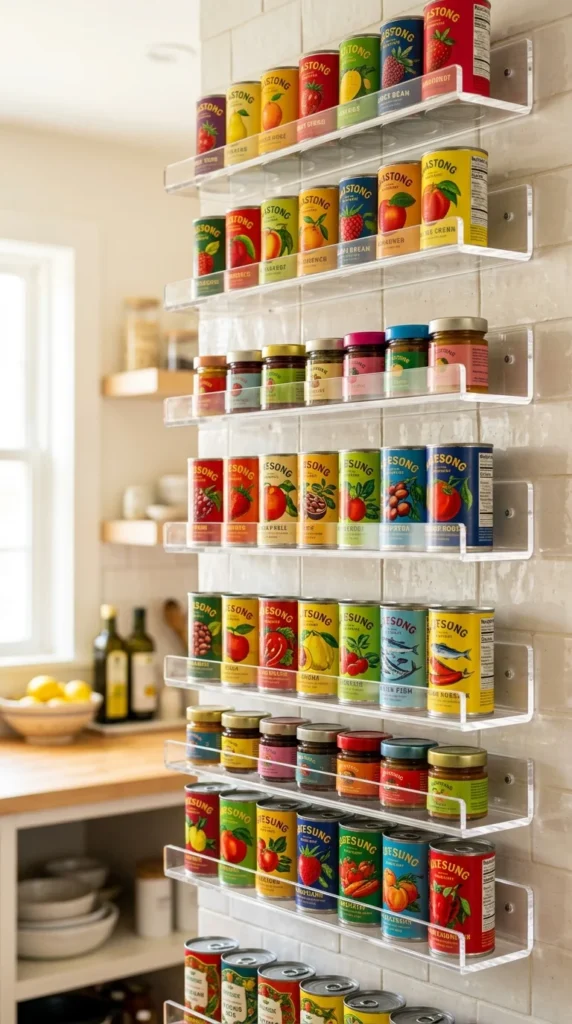
Depth is the enemy of organization. Items pushed to the back of a shelf are often forgotten until they expire. In a high-end pantry, visibility is paramount. Professional-grade acrylic risers (often called stadium seating) allow you to see every single can or jar in your collection.
The beauty of acrylic lies in its “invisible” nature. It provides structure without adding visual weight. When your canned goods are arranged in neat rows on clear tiers, it transforms mundane grocery items into a structured display. This approach mimics the precision of a high-end grocery boutique and ensures that no square inch of your shelf space is wasted.
5. Ambient Lighting
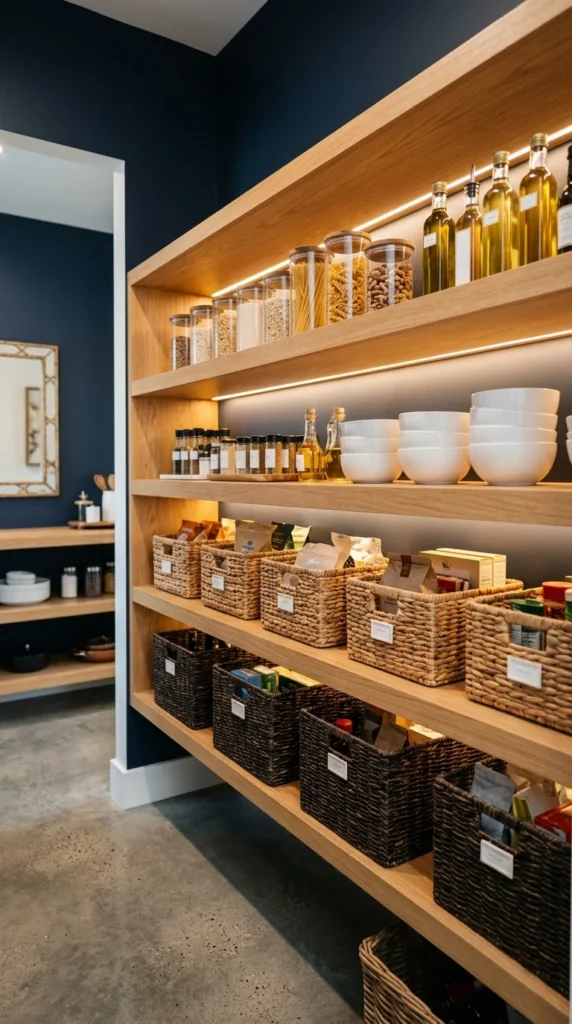
Lighting is the most overlooked element in pantry design, yet it is the most crucial for creating an expensive atmosphere. Most pantries rely on a single, harsh overhead bulb. Elevating the space requires layered lighting—specifically, integrated LED strips or puck lights.
Installing motion-sensor lighting that activates when the door opens provides an immediate “wow” factor. Warm-toned light (around 2700K to 3000K) makes the space feel inviting rather than clinical. By illuminating the “dead zones” under shelves, you highlight your organizational efforts and make the entire kitchen feel more expansive and well-thought-out.
6. Matte Hardware
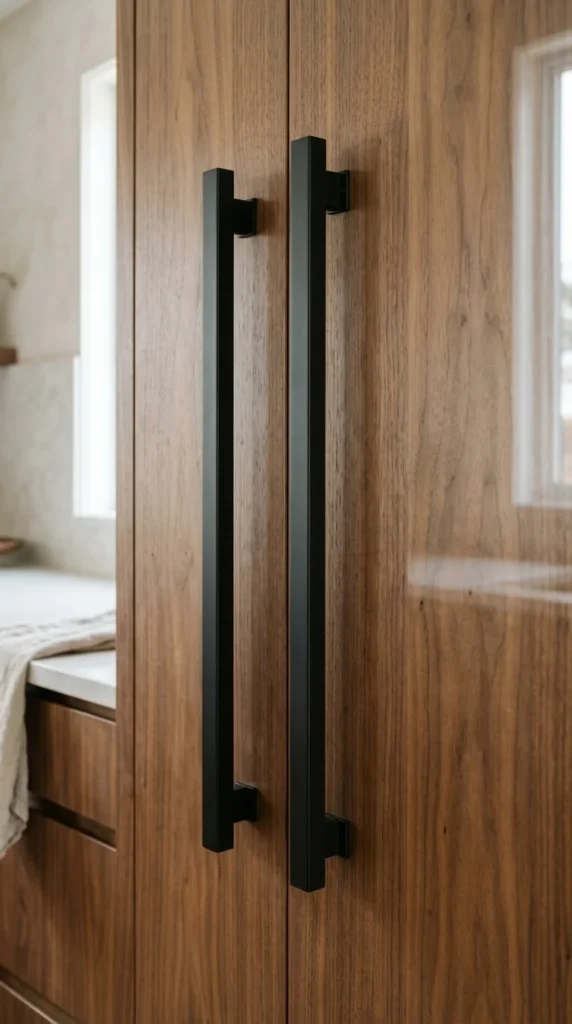
If your pantry is a separate cabinet or has its own doors, the hardware is the “jewelry” of the space. Developers often use basic, lightweight knobs that feel cheap to the touch. Replacing these with heavy, solid-metal hardware in finishes like unlacquered brass, matte black, or brushed nickel can change the entire perception of the kitchen.
Choose hardware with a bit of weight and a unique architectural profile. Long, vertical pulls are particularly popular in modern luxury design as they draw the eye upward and emphasize the height of the cabinetry. This small upgrade creates a tactile experience of luxury every time you reach for a snack.
7. Decanted Spices
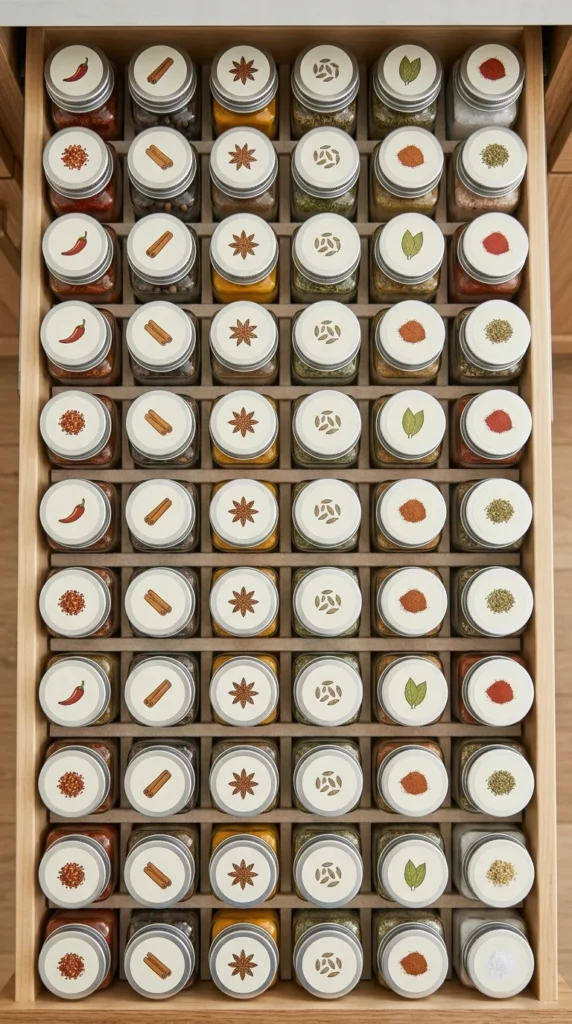
A collection of mismatched spice tins and plastic bottles is one of the quickest ways to make a kitchen look cluttered. High-end kitchens almost always feature a dedicated, decanted spice system. Whether stored in a drawer or on a wall-mounted rack, uniform spice jars create a stunning mosaic of colors and textures.
Square jars are often preferred by professional organizers because they fit together flush, eliminating wasted space and preventing rolling. When spices are organized alphabetically or by cuisine type in matching vessels, it suggests a level of culinary seriousness and attention to detail found in professional chef’s kitchens.
8. Pull-out Systems
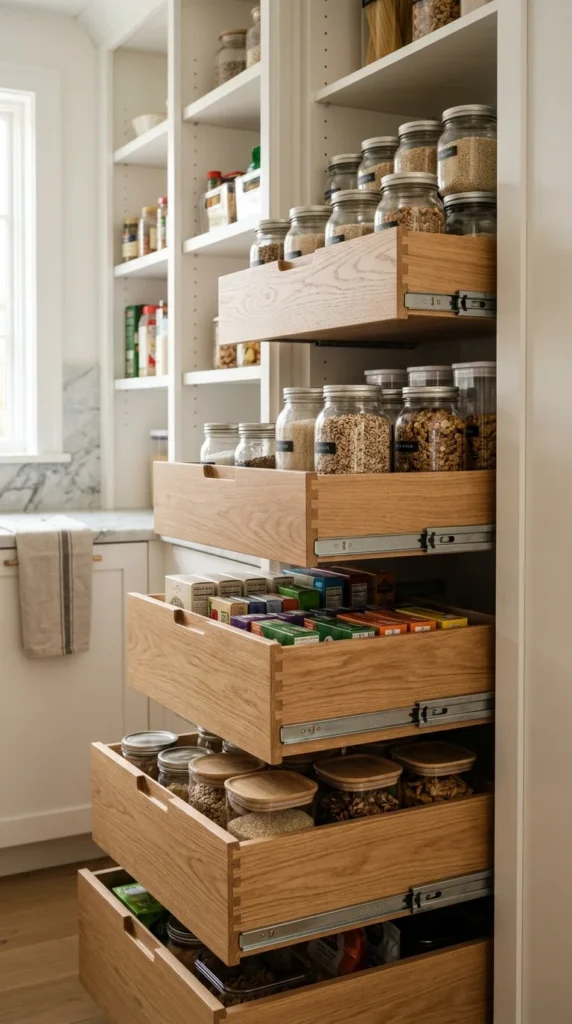
Luxury is as much about the experience of use as it is about aesthetics. Static deep shelves are difficult to manage; pull-out drawers or “rolling shelves” are the gold standard for high-end pantry design. These systems bring the contents to you, preventing the “black hole” effect at the back of the cabinet.
For an expensive look, choose pull-outs made from solid wood (like maple or birch) rather than wire. The solid sides keep items upright and provide a clean, furniture-like appearance. Integrating soft-close slides ensures that the pantry operates silently and smoothly, reinforcing the feeling of premium quality.
9. Floor Baskets
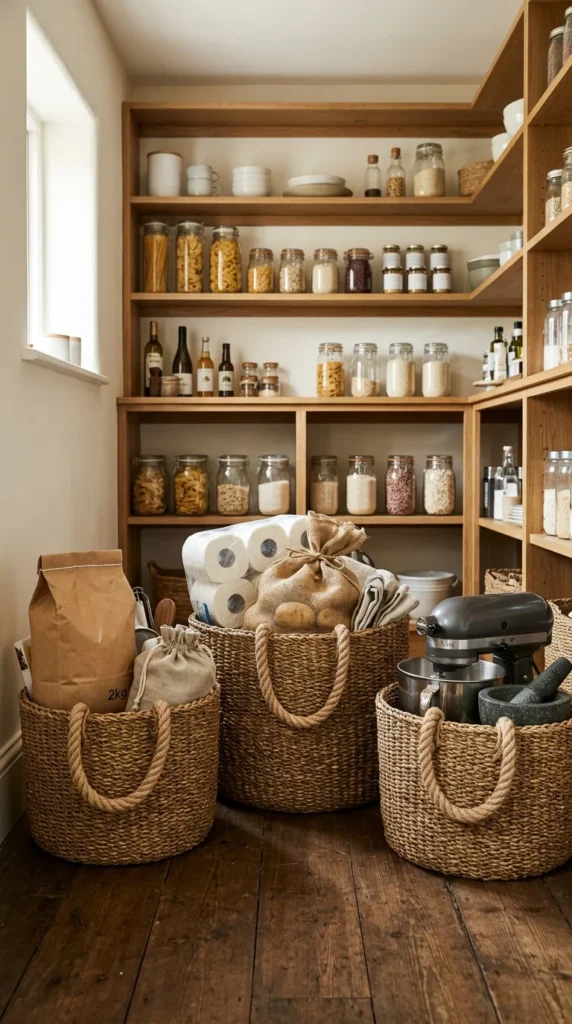
Utilizing the floor space effectively is key to a cohesive pantry design. Leaving bulk items like gallon jugs of oil or large bags of rice directly on the floor looks unfinished. Large, oversized floor baskets provide a stylish solution for these heavy, awkward items.
These baskets should be the largest textural elements in the room, providing a sense of scale. By tucking bulkier “backstock” into beautiful, heavy-duty containers, you maintain the clean lines of your upper shelving while still keeping heavy essentials accessible. Look for baskets with reinforced handles and a tight weave to ensure they hold up over time.
10. Color Coordination

Finally, the most cost-effective way to make a pantry look expensive is through the art of “merchandising”—arranging items by color. Even if you don’t decant everything, grouping products by the color of their packaging creates a sense of intentionality and visual calm.
In a luxury pantry, you want to avoid a “jumbled” look. Group your white bags of flour near your white boxes of salt; place your dark coffee bags together. This technique, used by high-end retailers, tricks the brain into seeing a unified collection rather than a series of disparate objects. It creates a “curated” look that feels professional and high-end, regardless of your budget.